
Reviewed · MUSEUMS
Berlin Trabi Museum: Day Ticket
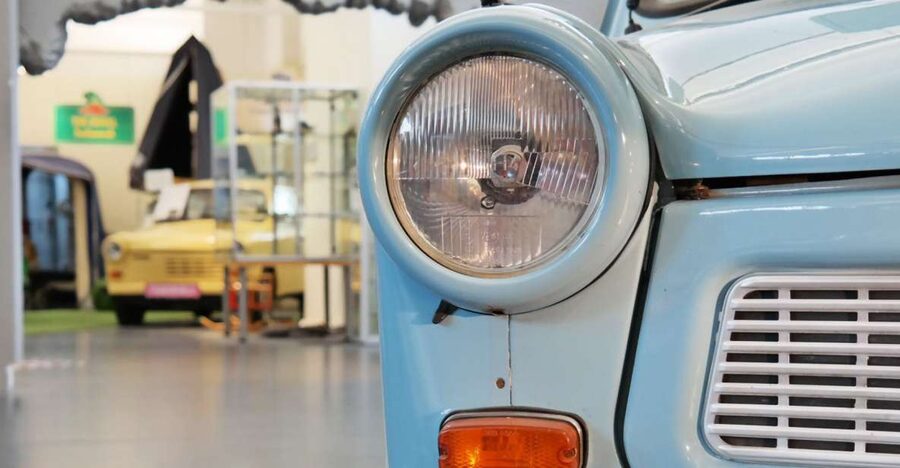
Small cars can tell big stories. At Checkpoint Charlie, Berlin’s Trabi Museum gives you a quick, colorful look at the famous Trabant, the most recognizable car of the former GDR. For $10, I like the chance to see 14 different vehicles in one place, including camping models, military versions, and rare examples such as the Trabant P70 with its wooden undercarriage.
I also like the short films and miniature GDR world, which add context beyond rows of parked cars. The ticket is good for one day, and the museum is wheelchair accessible. My main caution is simple: the museum is very small, so you should not expect a half-day attraction or a major automobile collection. A May 2025 rating of 3 out of 5 specifically called it very small, while a later five-star comment praised the cars as great fun.
In This Review
- Key Things To Know Before You Go
- Why the Trabant Still Matters in Berlin
- Fourteen Vehicles at Zimmerstraße
- The P70 and Other Oddities
- The Lightshow Theater and Miniature GDR World
- A Natural Stop at Checkpoint Charlie
- Sitting Behind the Wheel on a Trabi Safari
- Is the $10 Ticket Good Value?
- Who Will Enjoy This Museum Most?
- Practical Tips for Your Visit
- Should You Book the Berlin Trabi Museum?
- FAQ
- Where is the Berlin Trabi Museum located?
- How much does entry to the Trabi Museum cost?
- How long is the ticket valid?
- How many vehicles are on display?
- What kinds of Trabants can I see?
- Does the museum include films?
- Can I drive a Trabi?
Key Things To Know Before You Go
- Fourteen Trabants cover several stages of development, from early models to unusual versions built for camping and military use.
- The Trabant P70 has a wooden undercarriage, a rare detail that gives the collection more interest than a standard car display.
- A lightshow theater shows short films about the Trabant and its place in GDR life.
- The museum sits at Checkpoint Charlie, making it easy to pair with one of Berlin’s best-known Cold War sites.
- A Trabi Safari is available as a separate-style experience, allowing you to drive through former East and West Berlin areas or choose another route.
- The $10 ticket works best for car fans, Cold War enthusiasts, and families who enjoy unusual museums and hands-on displays.
Why the Trabant Still Matters in Berlin
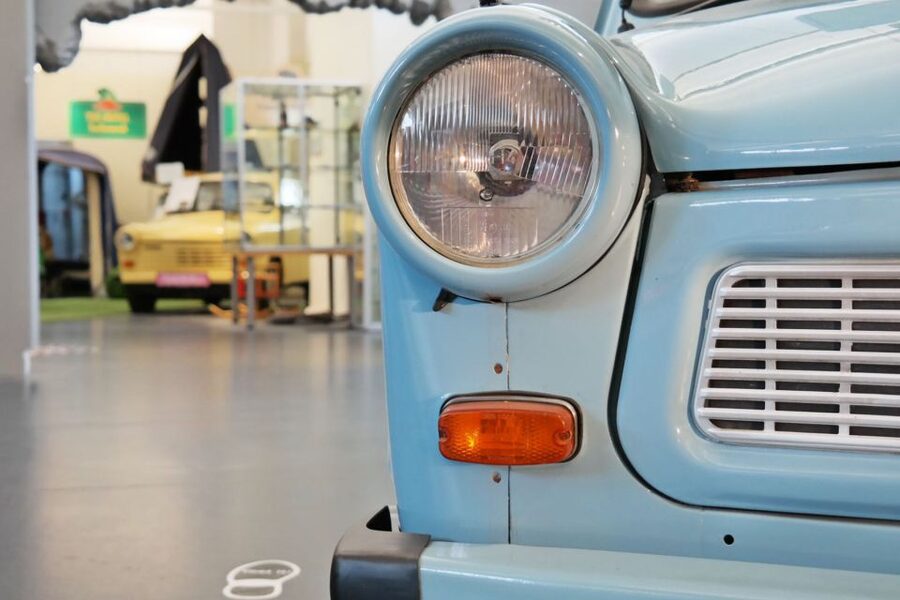
The Trabant, often called a Trabi, was more than basic transportation. It became the best-known car of East Germany, and its shape is now tied closely to memories of the GDR and the Berlin Wall.
Production of the Rennpappe began in 1958 at the VEB Automobilwerk Zwickau. The nickname refers to the car’s light body material, but the name also hints at its modest reputation. The Trabant was not built as a luxury car or a fast grand tourer. It was the people’s car of East Germany, designed to be practical, familiar, and available within the limits of the state system.
At the museum, I would pay attention to how one basic idea changed over time. The vehicles show different stages of development and different jobs. That gives you a clearer picture of the car’s role than a single restored model would.
You are not just looking at an old car. You are looking at a piece of daily life from a country that no longer exists. The Trabant’s simple shape helps make that history approachable, even if you know little about the GDR before arriving.
More Museums in Berlin
- Berlin: Jewish Museum Berlin Entrance Ticket
★ 4.5 · 8,393 reviews - Berlin: DDR Museum Tickets
★ 4.3 · 3,443 reviews - Berlin: Natural History Museum Entrance Ticket
★ 4.6 · 3,382 reviews
Fourteen Vehicles at Zimmerstraße
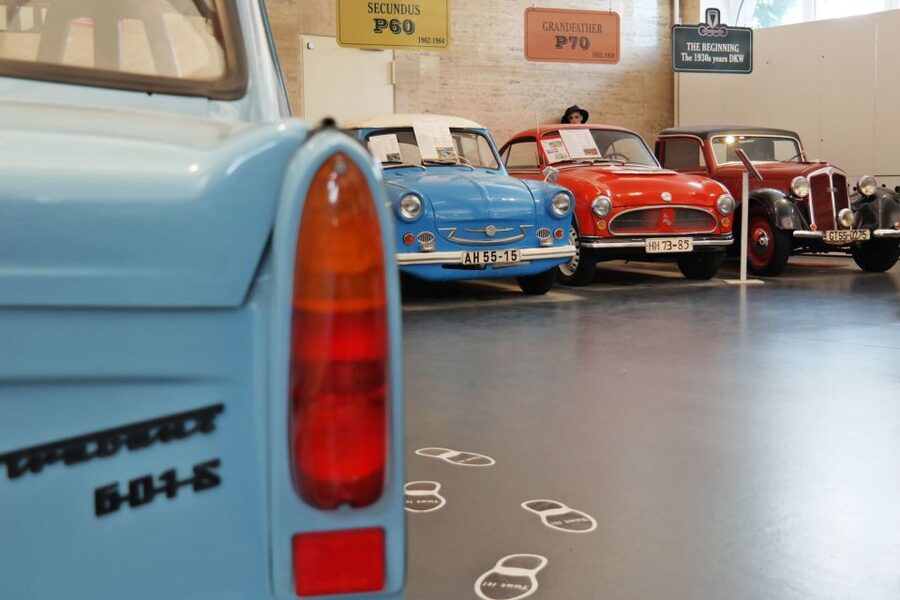
The main appeal is the collection itself. You can see 14 different vehicles, each showing a different stage, purpose, or variation of the Trabant story.
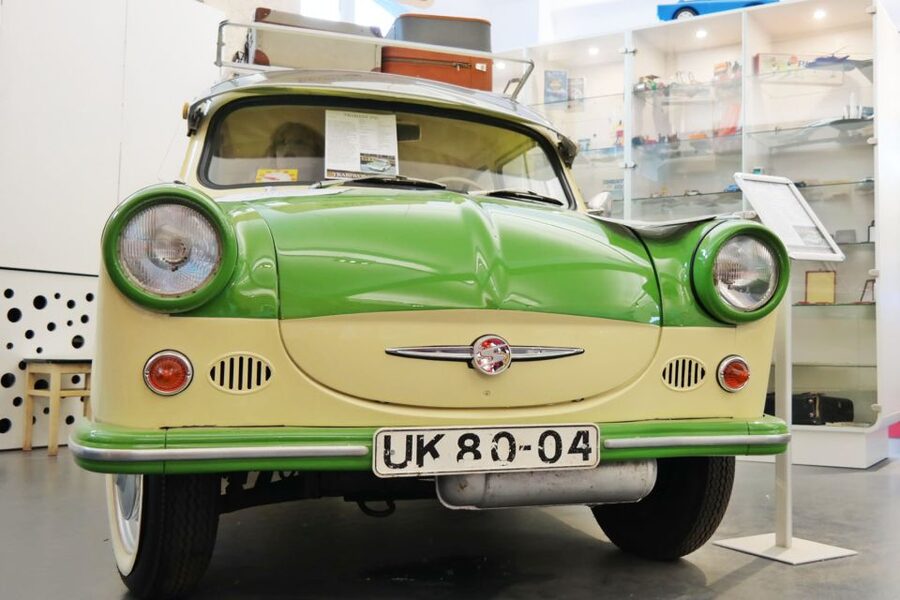
Some examples represent the familiar everyday car. Others show how the vehicle was adapted for special uses. The camping Trabantis are especially useful for understanding how owners worked with what they had. A small car could become a holiday vehicle, even if it offered little of the comfort associated with modern camping equipment.
Military vehicles add another angle. They show the Trabant outside its usual family-car role and remind you that the model could be adapted for official purposes as well as private use.
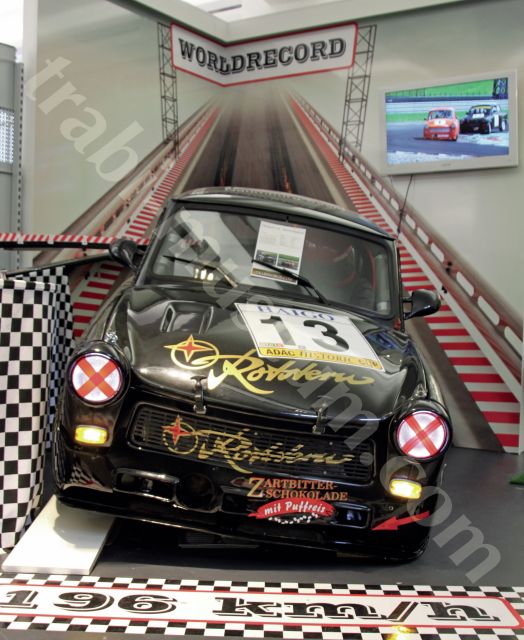
The collection also includes rarities. The Trabant P70, with its wooden undercarriage, is the kind of detail that makes the museum worthwhile for people who already know a little about vintage cars. You may also see what is described as the fastest Trabi, giving the display a playful edge.
I would not expect every car to come with a long technical explanation. This is a compact museum, not a giant automobile archive. Its strength is the variety of the 14 vehicles and the unusual settings they represent.
The P70 and Other Oddities
The P70 deserves extra attention. Its wooden undercarriage is a reminder of the materials and manufacturing choices used in the early development of these cars. It gives you something concrete to look for instead of simply comparing paint colors and body shapes.
The fastest Trabi adds a lighter moment. The idea of a high-performance version of this famously modest car is part of the museum’s humor. You can enjoy the contrast between the Trabant’s everyday image and the attempt to push it beyond its usual limits.
The camping and military vehicles also help break up the display. If the museum showed only standard cars, the visit could feel repetitive. These special versions show how the same basic vehicle could serve very different purposes.
For children, the unusual shapes and bright colors may be more engaging than a traditional history display. For adults, the cars provide a starting point for thinking about shortages, state production, travel, and everyday life in East Germany. The museum works best when you take time to ask what each version says about the people who used it.
The Lightshow Theater and Miniature GDR World
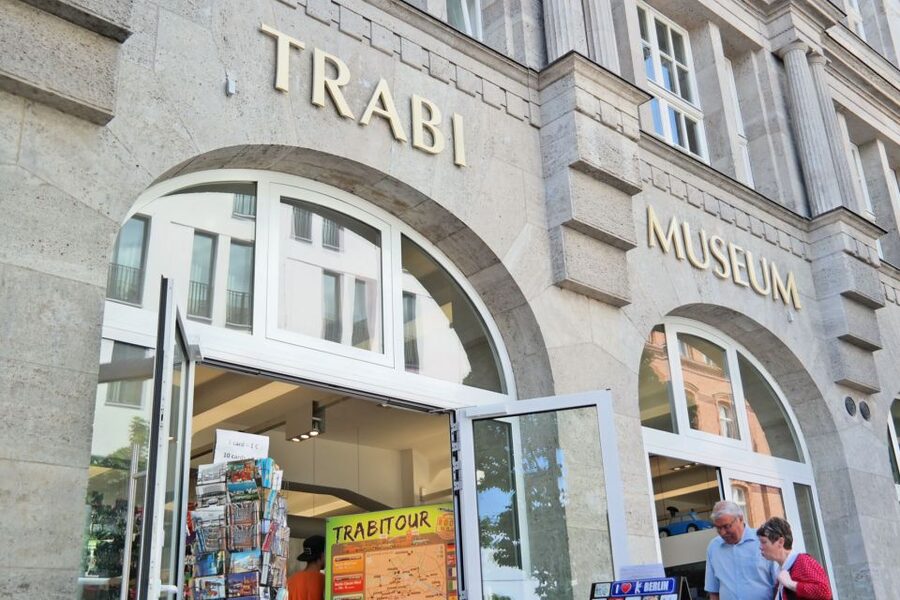
The museum includes a lightshow theater with short films about the Trabant. This is a useful break from looking at stationary vehicles, and it helps place the cars in their wider setting.
I like this part because moving images can explain the Trabant’s role more quickly than a wall of text. You can see the car treated not just as machinery, but as a symbol of GDR life and Berlin’s divided past.
The miniature GDR world adds another visual layer. Miniature displays can make a historical setting easier to grasp, especially if you are visiting with children or if the political history of East Germany is new to you.
The films are described as short, so do not plan your day around a long cinema presentation. Think of the theater as a compact supplement to the cars. It gives the visit rhythm and helps prevent the museum from feeling like a simple showroom.
Something different for another day:
- Berlin: Reichstag, Dome and Government District Guided Tour
★ 4.7 · 18,288 reviews - Berlin: 1-Hour City Tour by Boat with Guaranteed Seating
★ 4.3 · 16,993 reviews - Berlin: Boat Tour Along the River Spree
★ 4.4 · 11,252 reviews - Discover Berlin Half-Day Walking Tour
★ 5.0 · 9,624 reviews
A Natural Stop at Checkpoint Charlie
The address is Zimmerstraße 14-15, close to Checkpoint Charlie. That location matters. You can combine the museum with other Cold War sights in the area without setting aside a separate day.
Checkpoint Charlie is one of Berlin’s most famous former border-crossing sites. The Trabi Museum fits the setting because the car is strongly linked with East Germany and the period when Berlin was divided.
The location also makes the museum easy to find, but there is one practical wrinkle. If the door at Zimmerstraße 14-15 is closed, cross the street and look for TrabiWorld on the left at Zimmerstraße 97-100. This is worth remembering so you do not assume the museum has closed.
The ticket allows entry for one day. Since the museum is small, you can visit before or after nearby sights rather than making it the only attraction on your schedule. That flexibility improves the value of a low-cost ticket.
Sitting Behind the Wheel on a Trabi Safari
The museum information also points to a Trabi Safari, where you can get behind the wheel and drive through East or West Berlin, along the former Wall, or on another chosen route.
This is a different kind of experience from the museum. The display lets you inspect the cars, while the safari lets you experience one from the driver’s seat. For many people, that will be the most memorable part of the Trabi theme.
The museum entry includes admission to the museum only. Since the safari is presented as an additional option rather than part of the included ticket, check the current details and price before planning around it.
I would especially consider the safari if you enjoy unusual transport experiences more than static exhibitions. Driving a car associated with divided Berlin gives the history a practical, physical side. If you only want a quick look at the vehicles, the $10 museum ticket may be enough.
Is the $10 Ticket Good Value?
At $10 per person, the museum is priced as a short, focused attraction rather than a major full-day museum. The value depends on what you want from it.
I think the ticket is fair for three reasons. You get access to 14 vehicles, you can see rare and specially adapted models, and the films and miniature GDR world add variety. The Checkpoint Charlie location also makes it easy to fit into a larger sightseeing day.
The weaker side is the museum’s size. One direct assessment in May 2025 described it as very small, and that is the point you should take seriously. If you expect a large collection, extensive galleries, or hours of exhibits, you may feel that $10 buys a brief visit.
The best value comes when you combine the museum with nearby Cold War sights. It works as a compact stop, especially for people who enjoy odd local museums and want something less formal than a major state collection.
A five-star comment from Spain described the cars as very fun, which captures the museum’s tone. This is not a solemn memorial. It uses humor, unusual vehicles, and simple displays to make a serious period of history easier to approach.
Who Will Enjoy This Museum Most?
I would recommend the Trabi Museum to several kinds of visitors:
- Car enthusiasts who want to compare unusual Trabant models and see rare examples.
- Cold War history fans who want an object linked directly to East Germany.
- Families with children looking for a short, visual museum near Checkpoint Charlie.
- Fans of quirky attractions who enjoy small collections with a strong local identity.
- Anyone considering a Trabi Safari, since the museum provides useful background before getting into the car.
You may want to skip it if you have very limited time and are focused only on Berlin’s major museums. You may also find it underwhelming if you expect extensive engineering displays or a large collection of vehicles.
The experience is available with English and German support, and the museum is wheelchair accessible. Entry includes the museum itself, while a Trabi Safari should be treated as a separate activity.
Practical Tips for Your Visit
Plan the museum as a short stop rather than a full morning or afternoon. The one-day validity gives you freedom to visit around other Checkpoint Charlie plans, but the compact size means you probably will not need a long block of time.
Look closely at the unusual models instead of rushing through the standard cars. The P70’s wooden undercarriage, the camping versions, the military vehicles, and the fastest Trabi are the displays most likely to give you something distinctive to remember.
Allow time for the lightshow theater and miniature GDR world. They are not just extras for children. They help explain why the Trabant matters and give the cars a stronger connection to everyday life in East Germany.
If you have booked or are considering a safari, confirm how the driving portion works before you arrive. The museum ticket itself covers entry to the collection, not every possible Trabi activity.
The entrance point can be confusing if the door is closed. Cross to TrabiWorld at Zimmerstraße 97-100 rather than leaving immediately. English and German assistance is available.
Should You Book the Berlin Trabi Museum?
Book it if you want a short, affordable, and unusual stop near Checkpoint Charlie. The 14 vehicles, rare P70, camping and military versions, films, and miniature GDR display provide enough variety for a worthwhile visit, especially if you like cars or 20th-century Berlin history.
Do not book it expecting a large museum. The collection is compact, and that small size is the main limitation. At $10, I see it as good value when paired with other nearby sights, but less convincing as a stand-alone destination.
If driving a historic-style car appeals to you, consider adding the Trabi Safari after checking its separate arrangements. For everyone else, the museum alone offers a quick, entertaining introduction to the little two-stroker that became East Germany’s most famous car.
FAQ
Where is the Berlin Trabi Museum located?
The museum is at Zimmerstraße 14-15, 10969 Berlin, near Checkpoint Charlie. If the door is closed, cross the street and find TrabiWorld on the left at Zimmerstraße 97-100.
How much does entry to the Trabi Museum cost?
The listed price is $10 per person.
How long is the ticket valid?
The ticket is valid for one day.
How many vehicles are on display?
The museum displays 14 different vehicles.
What kinds of Trabants can I see?
You can see different stages of Trabant development, along with camping Trabis, military vehicles, the Trabant P70 with a wooden undercarriage, and the fastest Trabi.
Does the museum include films?
Yes. You can sit in the lightshow theater and watch short films about the Trabant. The museum also includes a miniature GDR world.
Can I drive a Trabi?
The experience information says you can get behind the wheel on a Trabi Safari through East or West Berlin, along the former Wall, or on another route. Museum admission is the included item, so check the arrangements for the safari separately.
Just added around Berlin
- Berlin: Private Guided Tour of the Main Sights★ 5.0 · 13 reviews
- Private Highlights of Berlin Bike Tour★ 5.0 · 13 reviews
- Modern Berlin Private Walking Tour: Diverse, Vibrant and Exciting German Capital★ 5.0 · 13 reviews
- Tour in Berlin from Warnemünde and Rostock Cruise Port★ 4.1 · 13 reviews
- Berlin: Stasi Museum Private Guided Tour with Entry Ticket★ 4.8 · 13 reviews
- Private Food Tour Experience with a born and bred Berliner★ 5.0 · 14 reviews
- Berlin: Rheinsberg Palace Entrance Ticket★ 4.8 · 14 reviews
- Berlin in one day – day tour with an expert guide★ 5.0 · 14 reviews
Museums, compared.





Skip-the-Line: Berlin Wall Museum at Checkpoint Charlie
Read our review →
Browse the lists this tour appears in