
Reviewed · MUSEUMS
Berlin: Tickets to the Computer Games Museum
Old games still know how to grab you. Berlin’s Computer Games Museum traces roughly seven decades of gaming, from Nimrod and Pong to the PlayStation era, with more than 300 exhibits to inspect. What makes it special is that this is not a museum of glass cases only: you can play many of the machines yourself.
I like the hands-on design, which turns old hardware into a shared family activity rather than a quiet technology display. I also like the mix of famous games, odd inventions, and original machines such as the PainStation and Giant Controller. The main drawback is size: some people finish in 30 minutes, while devoted players can spend several hours waiting for popular arcade machines.
In This Review
- Key points to know before you go
- A playable museum on Karl-Marx-Allee
- The Wall of Hardware connects the generations
- The small arcade is where the visit gets lively
- The 52 game milestones put familiar titles in context
- Pong, Nimrod, and the museum’s stranger machines
- 3D and movement games show another side of play
- How long should you plan for this museum?
- Is the $22 ticket good value?
- Who will enjoy it most?
- My practical verdict
- FAQ
- Where is the Computer Games Museum in Berlin?
- What does the ticket include?
- How long is the ticket valid?
- Are the exhibits playable?
- Is the museum wheelchair accessible?
- Is a guide included?
Key points to know before you go
- More than 300 exhibits: See computers, consoles, arcade cabinets, handhelds, 3D systems, and unusual gaming inventions.
- Playable classics: Try Pong, Pac-Man, Donkey Kong, Space Invaders, Mario, and other familiar titles.
- A compact museum: The collection is full, but the museum is not spread across many floors. Allow more time if you plan to read labels and wait for games.
- A strong family stop: Children can play while adults reconnect with Atari, Sega, Commodore, Nintendo, and early PlayStation memories.
- Special exhibitions included: Your ticket covers both the permanent display and any special exhibition operating during your visit.
A playable museum on Karl-Marx-Allee
The Computer Games Museum is at Karl-Marx-Allee 93a in Berlin, in the Friedrichshain area. You make your own way there, since transfers and a guide are not included. The ticket is valid for one day, so you can plan the visit around other stops in eastern Berlin.
This is Europe’s first museum devoted to computer games. The subject is broad enough to appeal to serious players, but the displays are arranged so that a casual visitor can still follow the story. You move from early computing experiments to home consoles, arcades, handhelds, 3D games, and motion-based play.
The museum’s biggest strength is its attitude. It treats games as part of everyday culture, not just as children’s toys. You see how machines changed, how controls developed, and how game design shifted from simple two-dimensional play to larger, more complex worlds.
Still, keep the scale in mind. This is a single museum visit, not a full-day theme park. One rating described a 30-minute visit after trying only a few games, while another person spent almost four hours inside. Your timing will depend on how much you read, how busy the playable stations are, and how long you want to play.
More Museums in Berlin
- Berlin: Jewish Museum Berlin Entrance Ticket
★ 4.5 · 8,393 reviews - Berlin: DDR Museum Tickets
★ 4.3 · 3,443 reviews - Berlin: Natural History Museum Entrance Ticket
★ 4.6 · 3,382 reviews
The Wall of Hardware connects the generations
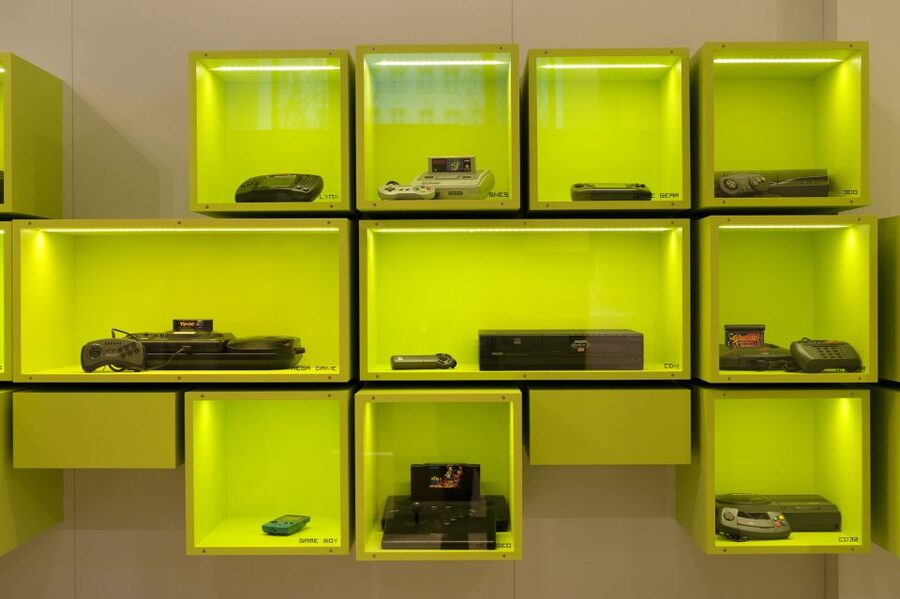
One of the clearest sections is the Wall of Hardware. It gathers favorite machines from different periods, creating a quick visual timeline of gaming at home.
You might see a Commodore beside a Game & Watch, then later systems such as the PlayStation. The value here is not only technical. The machines show how gaming moved from a hobby that required a separate computer or bulky console to something you could carry in your pocket.
For adults who grew up with 1980s or 1990s games, this section can be wonderfully personal. The Atari consoles, Sega systems, early PlayStation equipment, and Nintendo handhelds may bring back the exact look of a childhood living room. Parents can point out the systems they used, while children can see how basic early graphics and controls were compared with what they know now.
That contrast can be funny. One family found that a 12-year-old enjoyed the hands-on exhibits but was surprised by how slow and simple older games felt. That is part of the museum’s charm. You are not simply told that technology improved. You get to feel the difference through the controls.
The Wall of Hardware is also useful if you are not a dedicated player. You can understand the story without knowing every console model, and the physical objects give the visit a strong sense of place.
The small arcade is where the visit gets lively
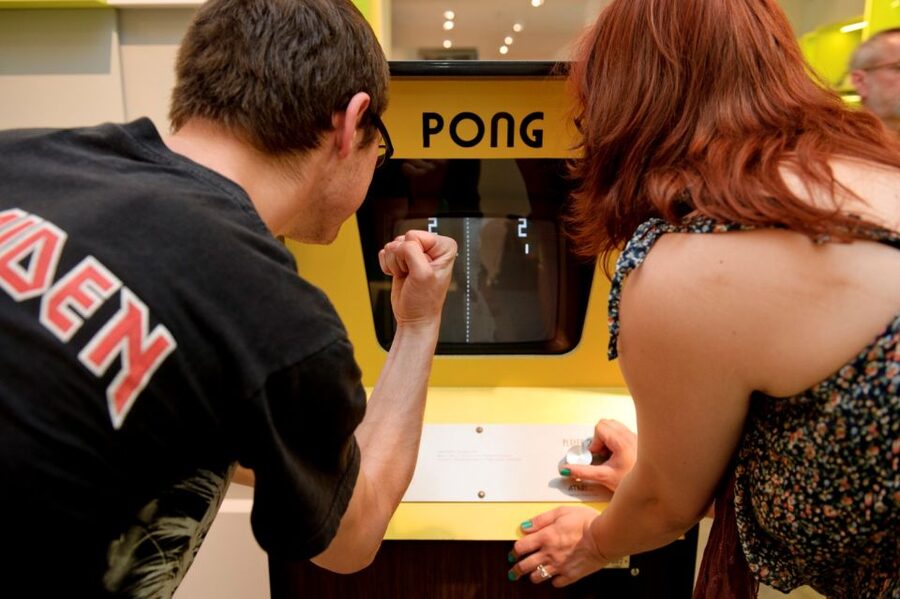
Around the corner, a small amusement arcade holds coin-operated machines, including Donkey Kong and Space Invaders. This section often becomes the busiest part of the museum because the games are instantly readable. You do not need a lesson before guiding a character, shooting falling targets, or chasing a high score.
Pac-Man, also called Puckman in one of the displays, is another major draw. Mario and other familiar classics are available too. These are the machines that connect different ages. A parent may remember playing them decades ago, while a child can discover why they became so popular.
The arcade is small, and that matters. If several people are waiting, you may not get a long turn. One practical approach is to visit this section early, then return later if the museum is quieter. Do not expect every machine to be free at once.
The coin-operated setup also changes the mood. It feels closer to an old arcade than to a standard museum gallery. You are standing near other people, watching attempts, hearing the game sounds, and waiting for your chance. It can be more social than the display sections, though families with young children should keep an eye on how the machines are handled.
The 52 game milestones put familiar titles in context
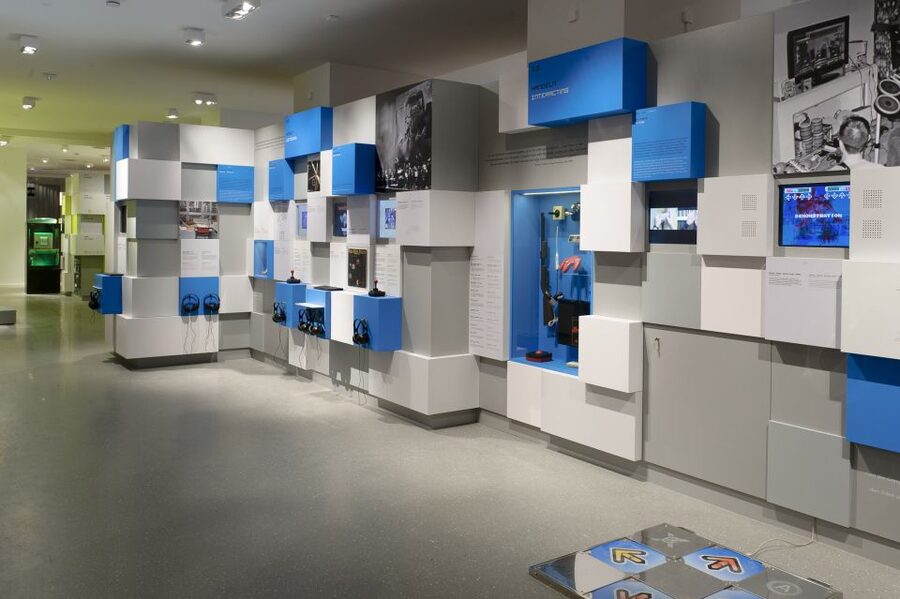
The museum presents 52 highlights from the development of computer games. These include Pac-Man, Bomb Jack, and Grand Theft Auto IV, showing how far game subjects and design have moved over time.
You do not need to know all 52 titles to enjoy this section. The point is to see important steps in game design, from simple objectives and limited graphics to more detailed environments and story-driven play. The older games are often easier to understand at a glance, while later titles show how games became more ambitious.
This section works best when you slow down. A quick walk gives you recognizable names, but reading the displays helps explain why certain games mattered. You can compare the rules, controls, visual style, and intended audience across different generations.
For a family, it is a good place to divide attention. Someone who wants to read can follow the timeline, while someone else can try a nearby game. For a serious fan, it gives familiar titles a wider setting instead of presenting them as isolated pieces of nostalgia.
The collection leans more toward retro and historic games than the newest releases. That is an advantage if you want Atari, arcade, Commodore, Sega, Nintendo, and early PlayStation material. It may feel less satisfying if you expect a large selection of current console games.
Something different for another day:
- Berlin: Reichstag, Dome and Government District Guided Tour
★ 4.7 · 18,288 reviews - Berlin: 1-Hour City Tour by Boat with Guaranteed Seating
★ 4.3 · 16,993 reviews - Berlin: Boat Tour Along the River Spree
★ 4.4 · 11,252 reviews - Discover Berlin Half-Day Walking Tour
★ 5.0 · 9,624 reviews
Pong, Nimrod, and the museum’s stranger machines
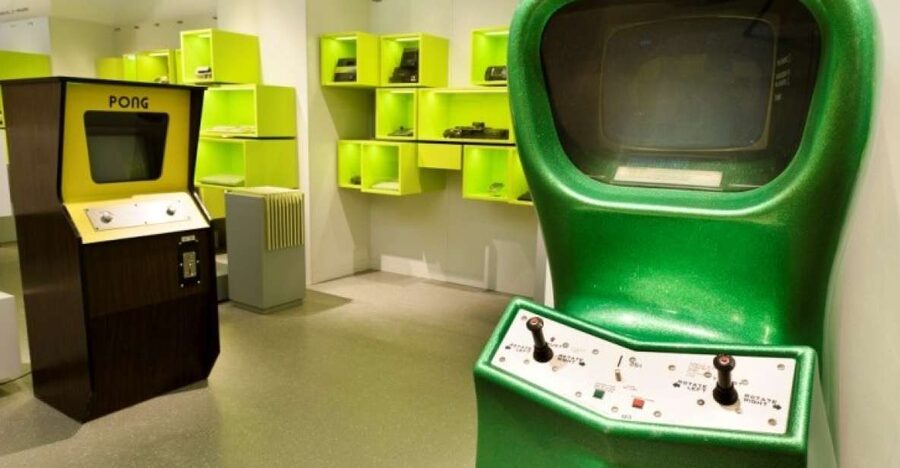
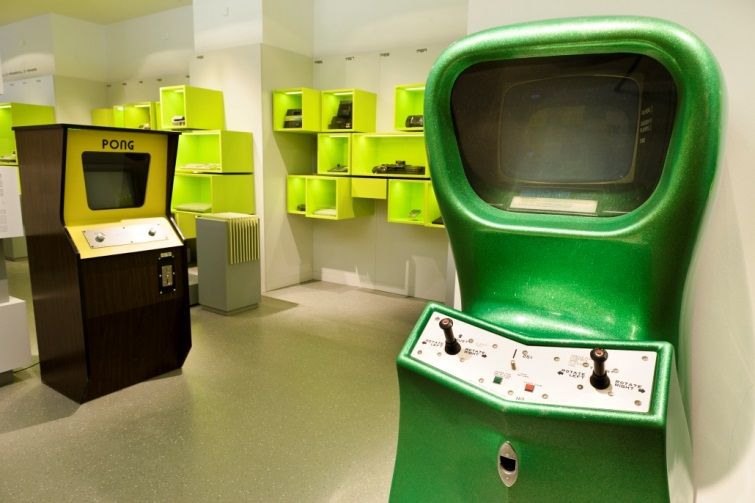
The museum includes the legendary Pong arcade machine and Nimrod, an early computer designed for playing a mathematical game. Together, they show how modest the earliest gaming concepts could be. A simple screen, a small number of controls, and a clear goal were enough to create a new kind of entertainment.
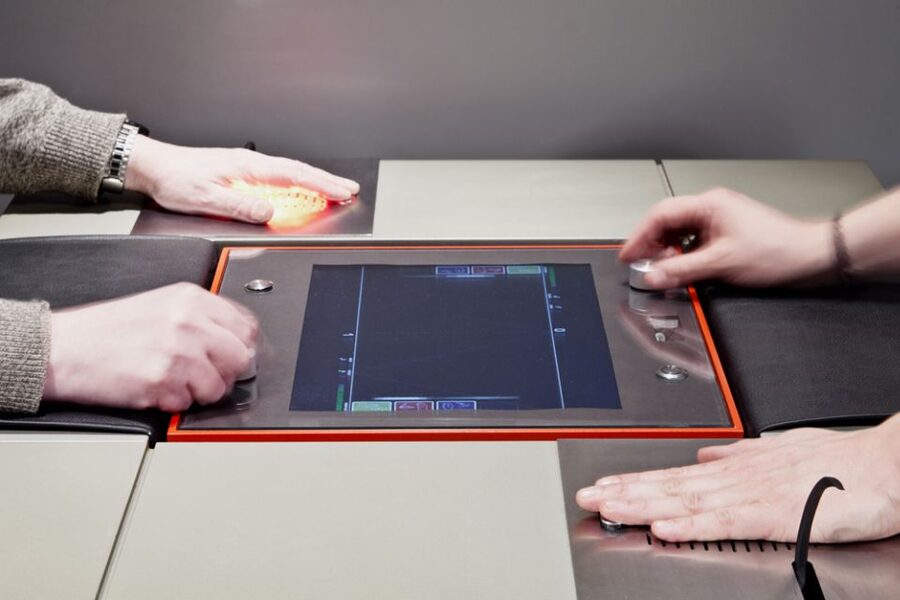
Pong is easy to understand, but it can be surprisingly competitive. The museum also offers a large Giant Controller, where the scale of the controls becomes part of the experience. It is the sort of exhibit that makes sense only when you see people using it.
Then there is PainStation. This unusual Pong variation gives physical feedback when you miss, including shocks or hits to the hand. It is not a quiet museum display, and it is intended for adults who are comfortable with the idea. A past visitor specifically advised being over 18 and confident in your Pong skills before trying it.
The PainStation is memorable because it asks a simple question: how far should a game go to make losing feel real? You do not have to play it to understand the joke and the design idea. If you do try it, follow the museum’s instructions and decide for yourself how much discomfort is worth a high score.
These odd exhibits keep the museum from becoming a predictable parade of old consoles. You get the familiar machines, but also experiments that show how artists and designers have tested the limits of play.
3D and movement games show another side of play
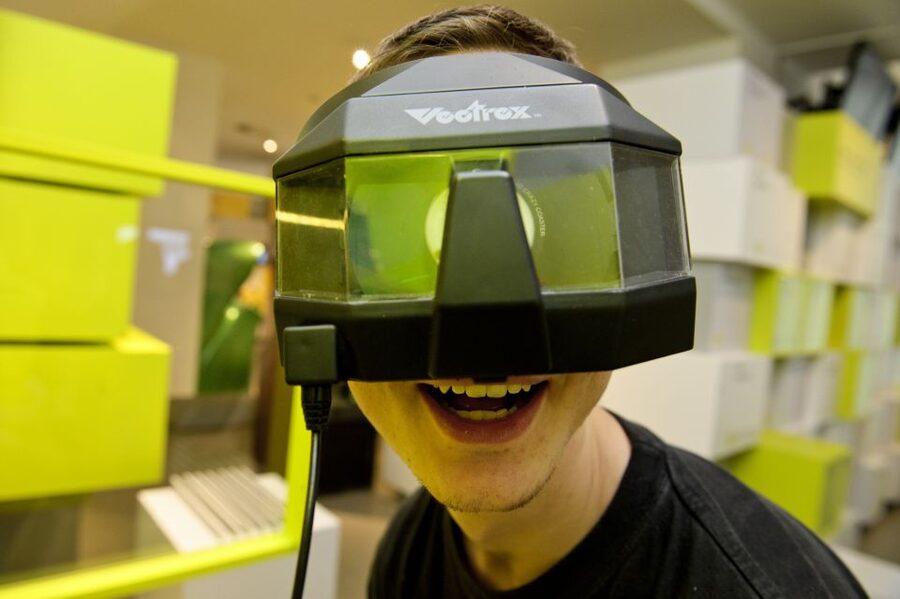
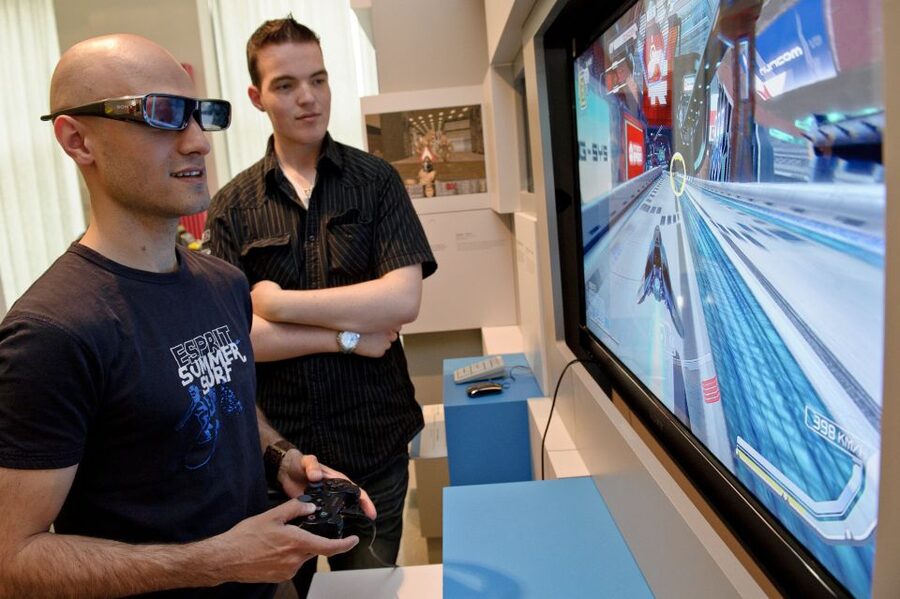
The museum also explores 3D gaming through a 3D television and a handheld 3DS. Depending on the exhibit setup, you may be able to experience older and newer approaches to depth and visual movement.
A free timed ticket may be available from the reception desk for some virtual reality demonstrations, including a 1994 VR game. Ask when you arrive, since access to timed demonstrations may depend on availability. This is one of the more useful practical tips for getting beyond the main walk-through.
Dance and movement games add another change of pace. Instead of sitting with a controller, you use your body as part of the game. These displays help explain how gaming moved toward physical activity, motion sensors, and more direct interaction.
The 3D and movement sections may not be as extensive as the classic arcade area, but they widen the story. The museum is not only about old joysticks. It also shows how game systems experimented with space, balance, motion, and physical response.
How long should you plan for this museum?
Your ideal visit depends on your habits.
If you want to glance at the major displays and play a few popular games, 30 to 60 minutes may be enough. This is a sensible stop for a busy Berlin day, especially if your group includes people who are curious but not game enthusiasts.
Allow 90 minutes to two hours if you want to read the milestone displays, inspect the hardware, play several arcade machines, and try the interactive works. That gives you time to pause without turning the visit into a marathon.
Dedicated fans can spend much longer. A nearly four-hour visit is possible if you play repeatedly, wait for busy machines, and take in the technical details. The museum’s compact size makes this flexible. You are not forced along a fixed route, so you can skip what feels familiar and spend more time with the systems that interest you.
Crowds can change the experience. The arcade machines are popular, and a crowded visit may mean waiting or moving through the displays more quickly. If you want the most relaxed experience, choose a time when the museum is less busy and ask at reception about timed activities as soon as you enter.
Is the $22 ticket good value?
At about $22 per person, the ticket is fairly priced if you plan to play several machines or have a genuine interest in gaming history. It covers the permanent exhibition and special exhibitions, so you are not paying an extra charge for the main displays.
The value is strongest for families and mixed-age groups. Adults get nostalgia, children get playable machines, and both can compare their ideas about what makes a game fun. One parent may be drawn to an Atari console, while a child heads straight for a Nintendo DS or Mario station.
The value is weaker if you only want the newest games. The collection is mainly retro and historic, and some stations may be occupied when you arrive. A person who expects a large modern gaming center could find the visit short.
You also need to count the cost of your time. Since the museum is compact, it may not fill an entire afternoon for every group. That is not necessarily a flaw. It can be a good short stop between other Berlin plans, especially if you prefer several focused museums to one long indoor visit.
The 4.5 rating from 363 ratings fits this balance. The strongest response comes from the playable displays, the old consoles, the friendly front desk, and the way the museum sparks memories. The main complaints concern crowding, the small size, and the limited number of modern games.
Who will enjoy it most?
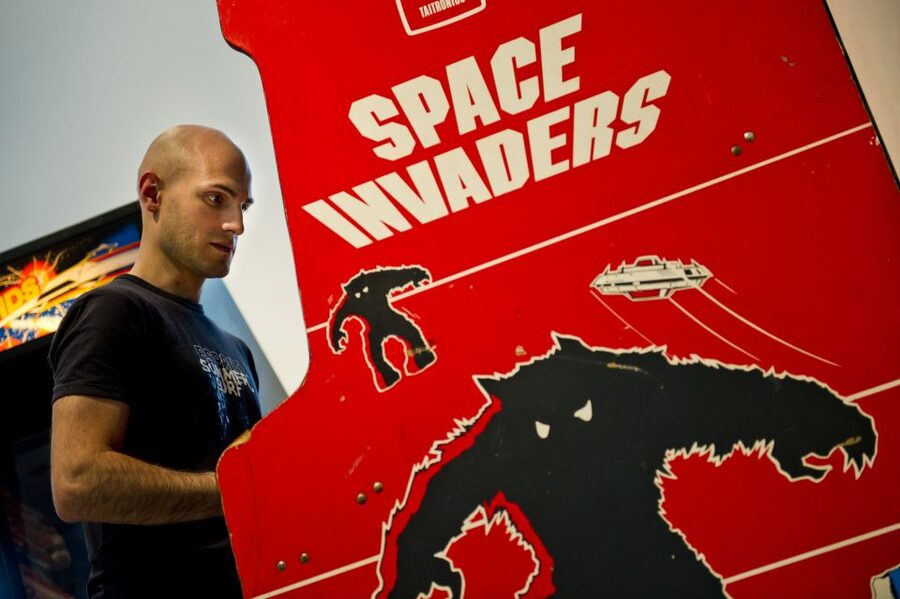
I would recommend this museum to:
- Adults who grew up with arcade games, Atari, Sega, Nintendo, Commodore, or early PlayStation.
- Families with children who enjoy pressing buttons, trying games, and comparing old technology with new.
- Serious game fans who want to see unusual objects such as Nimrod, PainStation, and the Giant Controller.
- Curious visitors looking for a different kind of Berlin museum.
- Groups that want an indoor activity with a flexible length.
You do not need to be a gaming expert. The museum gives you enough familiar names and simple demonstrations to make the subject approachable.
I would be more cautious if your main goal is current gaming hardware, long game sessions, or a large arcade floor. The arcade is small, and the focus is clearly on gaming across time rather than on the latest releases.
The museum is wheelchair accessible. There is no guide included, but a guided tour may be available for an additional fee. Since the visit is self-guided, you can set your own pace and return to a favorite machine rather than follow a group schedule.
My practical verdict
The Computer Games Museum is a smart Berlin stop because it makes history playable. The best moments are not only the famous consoles on display, but the chance to test old controls, face a Pong opponent, watch a child discover a simple game, or challenge yourself with an odd machine such as PainStation.
Book it if you enjoy retro games, family activities, or technology told through real objects. Plan for at least an hour, ask reception about timed 3D or VR demonstrations, and visit the arcade early if you want a better chance at Donkey Kong or Space Invaders.
Skip it if you want a large modern gaming venue or an all-day attraction. For everyone else, the $22 ticket offers a friendly, hands-on look at how games moved from simple experiments to a major part of daily life.
FAQ
Where is the Computer Games Museum in Berlin?
It is located at Karl-Marx-Allee 93a, 10243 Berlin.
What does the ticket include?
The ticket includes entry to the permanent exhibition and the special exhibitions.
How long is the ticket valid?
The ticket is valid for one day.
Are the exhibits playable?
Yes. You can play numerous interactive exhibits, including arcade machines and classic games such as Pong, Donkey Kong, Space Invaders, Pac-Man, and Mario.
Is the museum wheelchair accessible?
Yes, the museum is wheelchair accessible.
Is a guide included?
No. A guide is not included. A guided tour may be available for an additional fee, according to the information provided.
Just added around Berlin
- Berlin: Private Guided Tour of the Main Sights★ 5.0 · 13 reviews
- Private Highlights of Berlin Bike Tour★ 5.0 · 13 reviews
- Modern Berlin Private Walking Tour: Diverse, Vibrant and Exciting German Capital★ 5.0 · 13 reviews
- Tour in Berlin from Warnemünde and Rostock Cruise Port★ 4.1 · 13 reviews
- Berlin: Stasi Museum Private Guided Tour with Entry Ticket★ 4.8 · 13 reviews
- Private Food Tour Experience with a born and bred Berliner★ 5.0 · 14 reviews
- Berlin: Rheinsberg Palace Entrance Ticket★ 4.8 · 14 reviews
- Berlin in one day – day tour with an expert guide★ 5.0 · 14 reviews
Museums, compared.





Skip-the-Line: Berlin Wall Museum at Checkpoint Charlie
Read our review →
Browse the lists this tour appears in