
Reviewed · MUSEUMS
Berlin: “Pergamonmuseum. The Panorama” Exhibition Tickets
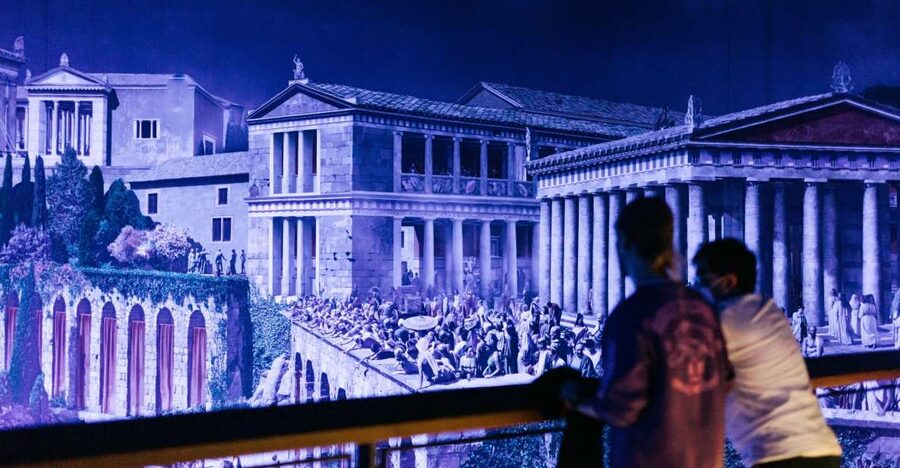
Ancient Pergamon comes alive in Berlin. This compact exhibition combines archaeological objects with a giant 360-degree scene of the city in AD 129, when Emperor Hadrian ruled the Roman Empire. I like the way it gives you both real ancient sculpture and a clear visual idea of how Pergamon’s Acropolis may have looked. I also like the changing daylight, night effects, and music, which make the panorama feel more like a staged historical scene than a standard museum display. The main drawback is the brief ticket window and the somewhat confusing access arrangements.
You’ll see about 80 important works from Pergamon’s collection, including a major section of the Telephos frieze and several famous sculptures. The Panorama auditorium is the star, though, and it rewards patience. One useful tip is to spend time at different heights rather than viewing the scene from one spot. The exhibition is not part of the main Pergamonmuseum entry, so you need a separate ticket and the correct address.
In This Review
- Key things to know before you go
- What the Pergamon Panorama is trying to show
- Entering at Am Kupfergraben 2
- The first gallery: sculpture before the big scene
- The 360-degree view from the auditorium
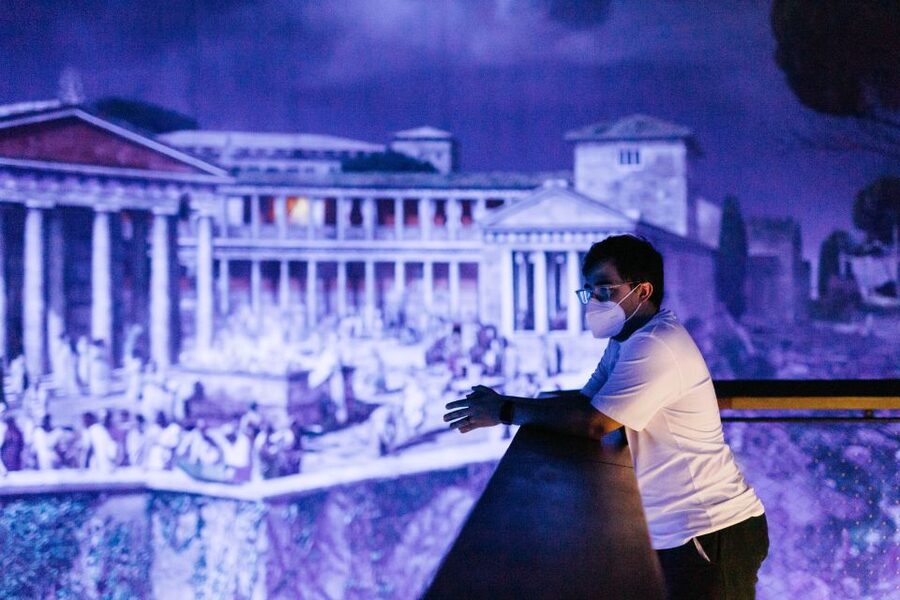
- Light, music, and the change from day to night
- Why the original objects matter
- How long should you allow?
- Accessibility and practical limits
- Who will get the most from this exhibition?
- Should you book the Pergamon Panorama?
- FAQ
- Is the Pergamonmuseum. The Panorama ticket also valid for the main Pergamonmuseum?
- Where is the Panorama exhibition located?
- How much does entry cost?
- How long is the activity?
- Can children enter for free?
- Are backpacks allowed?
- Is the exhibition accessible for wheelchair users?
Key things to know before you go
- The scene is set in AD 129: You see Pergamon during the High Roman Empire under Emperor Hadrian, not an earlier Greek version of the city.
- Yadegar Asisi redesigned the panorama: The Iranian architect added 40 new scenes to this version of the huge 360-degree artwork.
- The Pergamon Altar returns to context: For a limited period, the display lets you see the altar’s setting on the Acropolis through the panorama.
- Real sculpture anchors the show: Around 80 original objects include the Beautiful Head, the giant head of Herakles, royal portraits, and the Archaistic Dancer.
- Light and sound change the mood: Day turns to night, and music helps create the sense of a living ancient city.
- Plan for the right entrance: The exhibition is at Am Kupfergraben 2, not simply at the main Pergamonmuseum entrance.
What the Pergamon Panorama is trying to show
Pergamon was an ancient city on the west coast of Asia Minor, in present-day Turkey. Its Acropolis was filled with temples, monuments, public buildings, and sculpture, but the original setting is far away from Berlin. The Panorama gives you a way to see those objects as parts of a city rather than as isolated pieces behind glass.
The exhibition focuses on the year AD 129. That date matters because it places Pergamon under Roman rule and during the reign of Hadrian, who governed from AD 117 to 138. You are not being shown a vague, timeless version of the ancient world. The goal is a particular moment, supported by archaeological research and then filled out with artistic reconstruction.
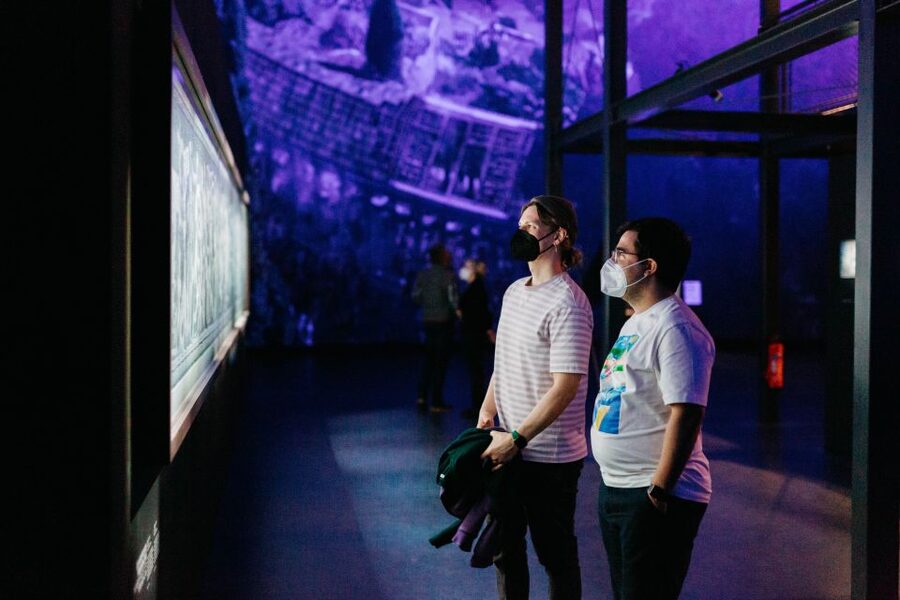
Yadegar Asisi’s panorama is not a simple photograph or a computer screen. It is a vast circular image designed to surround you. The scale makes the Acropolis feel like a place you could explore, with buildings, people, statues, and daily activity spread across the scene.
The artwork includes 40 new scenes in this version. Those additions give you more small details to search for as you look around. Ask a guide in the room about the hidden details. There are small visual surprises in the panorama, and the staff can point out things you might miss during a quick visit.
More Museums in Berlin
- Berlin: Jewish Museum Berlin Entrance Ticket
★ 4.5 · 8,393 reviews - Berlin: DDR Museum Tickets
★ 4.3 · 3,443 reviews - Berlin: Natural History Museum Entrance Ticket
★ 4.6 · 3,382 reviews
Entering at Am Kupfergraben 2
The correct meeting point is Pergamonmuseum. Das Panorama at Am Kupfergraben 2, 10117 Berlin. Do not follow signs only for the main Pergamon Museum on Museum Island and assume you have arrived at the right entrance. That mistake can cost you time, especially if you are visiting Berlin on a tight schedule.
Your ticket covers entry to the Panorama exhibition only. It does not include the main Pergamonmuseum or other museums on Museum Island. This distinction is important because the names are similar, but you are buying access to a separate exhibition.
The ticket costs $16 per person. For a major Berlin museum, that is a reasonable price if you enjoy ancient art and visual displays. It is less attractive if you want a long museum visit, since the advertised activity duration is only 15 minutes. The artwork itself can be viewed quickly, but the exhibition has enough detail to justify more time if the entry rules allow it.
The ticket is valid for 15 minutes from first activation. Treat that as a serious timing issue. Arrive ready to enter, and avoid activating it while you are still trying to find the building. Since the activity is non-refundable, a wrong entrance or missed timing can be costly.
Backpacks are not allowed. Take this into account before you arrive, particularly if you are carrying a day bag while visiting several Berlin museums. The information provided does not specify a separate storage arrangement, so pack lightly and ask staff where your belongings should go.
The first gallery: sculpture before the big scene
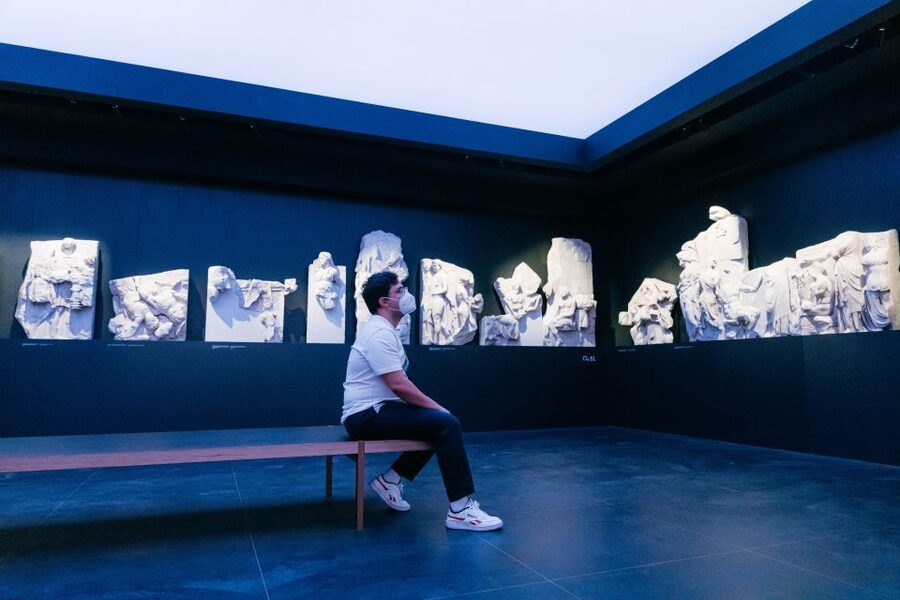
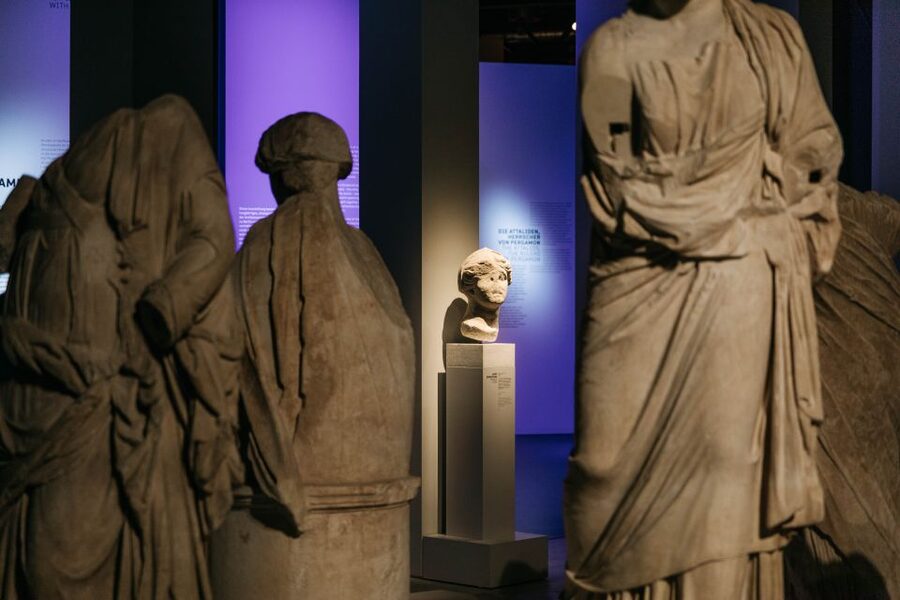
Before reaching the main panorama, you encounter original works from the Antikensammlung, Berlin’s collection of ancient art. Around 80 objects from Pergamon are on display, and this section gives you the facts and physical details needed to understand the giant reconstruction.
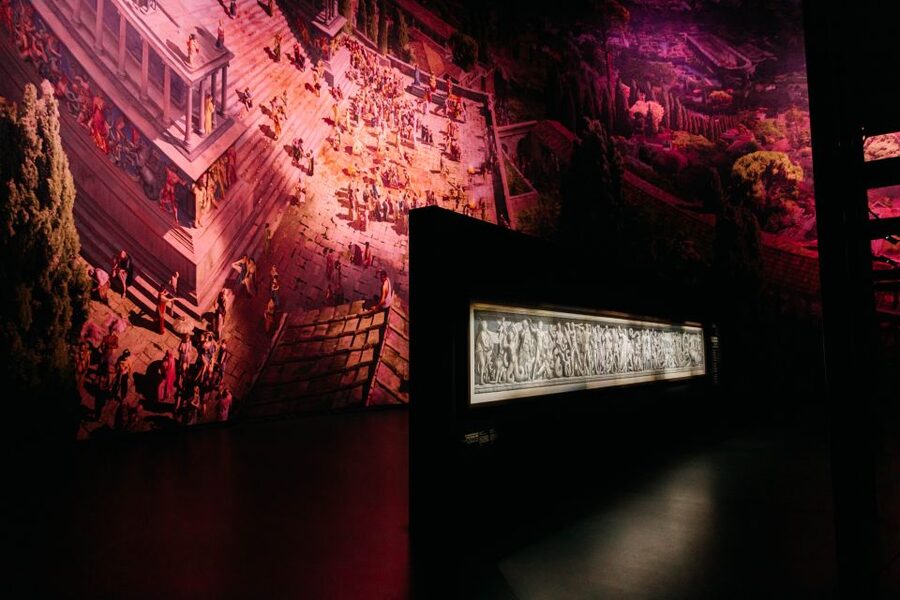
The most important piece for many visitors is the largest surviving section of the Telephos frieze from the Pergamon Altar. The frieze tells a mythological story in relief, with carved figures and dramatic movement. Seeing part of it beside a reconstruction of the Acropolis helps you connect the fragment to the building it once decorated.
Other works include the Beautiful Head, the giant head of Herakles, portraits of kings, the Archaistic Dancer from the palace, the Prometheus group, and Athena with a cross-strapped shield. Each object offers a different look at Pergamene art, from idealized bodies and divine figures to royal portraiture.
I would not rush through this part. The panorama gets most of the attention, but the sculptures prevent the show from becoming only a modern visual effect. They give you something original and tangible to study before the lighting and sound take over.
The display also helps children. Younger visitors may not want long labels about ancient political systems, but large heads, gods, dancers, and dramatic relief scenes are easy to appreciate. Adults can then add the archaeological context through the written material or the available audio guide.
The 360-degree view from the auditorium
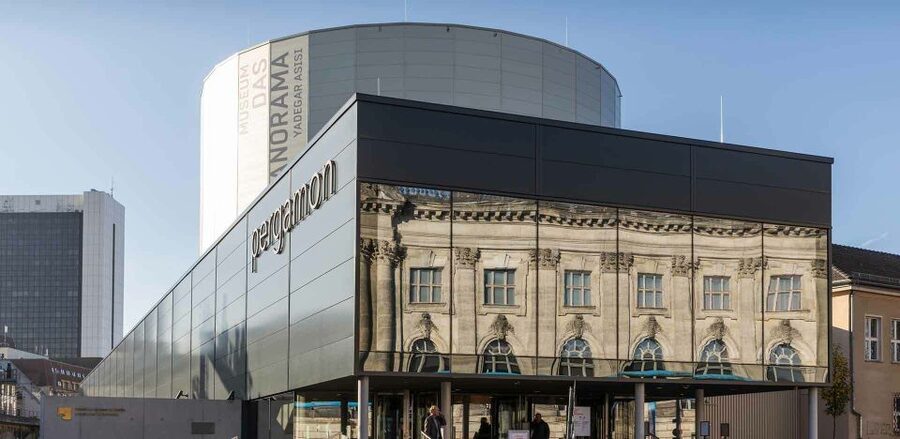
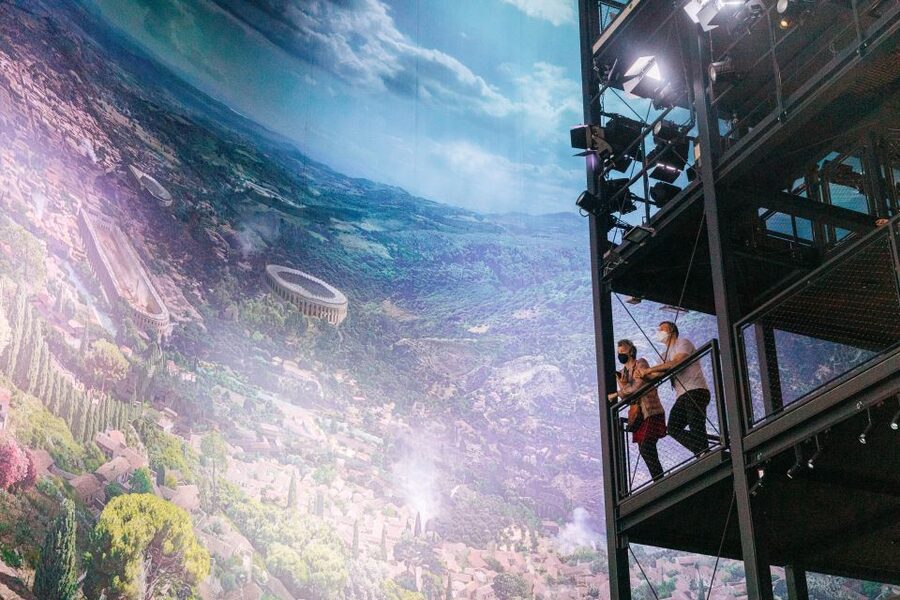
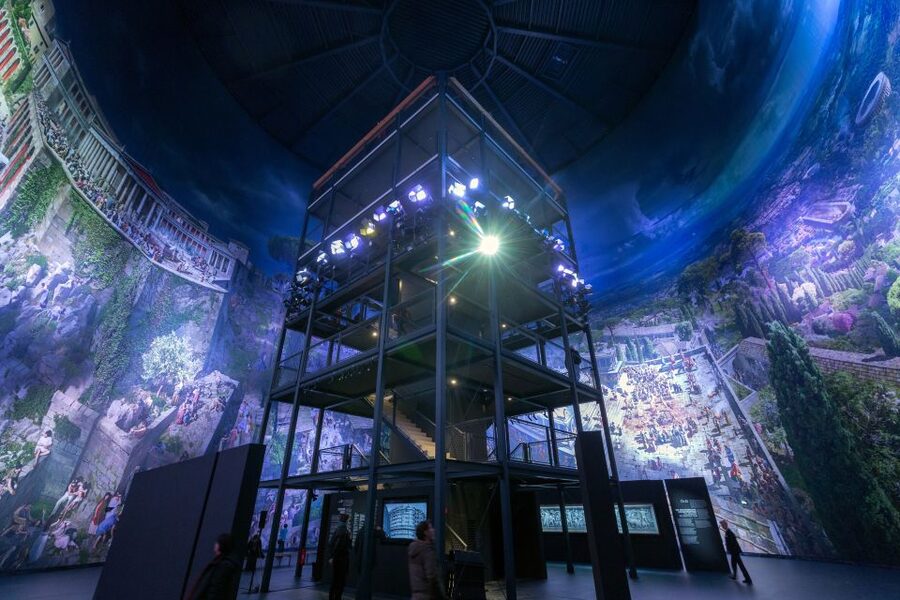
The panorama is presented in a tall circular space. You view the city from different points as you move around and, where permitted, change your height on the steps. One especially useful suggestion is to remain in the auditorium for at least half an hour and gradually move up the steps.
That advice changes the visit. From a lower position, the city can feel close and crowded. From above, the Acropolis opens up and the relationship between monuments becomes easier to read. You can also catch different details in the artwork as your sightline changes.
The scene is designed to make Pergamon feel inhabited. You see the city at a moment of Roman power, with its monuments placed in their urban setting. The exhibition does not simply show you a single temple facade. It presents the city as a connected place.
The original architectural context of the Pergamon Altar is a major reason to visit. The altar is often encountered as a detached museum object, but here the panorama places it back on the Acropolis. You can consider its size, location, and relationship to the surrounding city in a way that a gallery wall cannot provide.
This is where the exhibition is most successful. The 360-degree design turns a collection of fragments into a picture of a whole city. It cannot replace standing at the actual archaeological site, but it offers a useful visual explanation of what the site once represented.
Something different for another day:
- Berlin: Reichstag, Dome and Government District Guided Tour
★ 4.7 · 18,288 reviews - Berlin: 1-Hour City Tour by Boat with Guaranteed Seating
★ 4.3 · 16,993 reviews - Berlin: Boat Tour Along the River Spree
★ 4.4 · 11,252 reviews - Discover Berlin Half-Day Walking Tour
★ 5.0 · 9,624 reviews
Light, music, and the change from day to night
The panorama does not remain static. Lighting shifts from day to night, and music changes the mood of the auditorium. The effect is one of the most praised parts of the experience, especially when the city moves from bright daylight into darkness.
At night, illuminated areas and shadows draw your eyes to different parts of the picture. You may notice buildings or figures that were easy to overlook during the day sequence. The sound also adds emotional weight, though the music will not suit every taste.
This is a modern artistic interpretation, not a silent archaeological model. Some people will love the theatrical presentation. Others may find it too dramatic or prefer a museum display with fewer effects. If you usually avoid audiovisual exhibitions, keep your expectations in check.
For me, the effects make sense because they show how the city might have changed across a full day. They also give the auditorium a sense of time. Rather than staring at one fixed image, you get a short visual cycle with changing light and atmosphere.
The scene can be especially effective for families. Children have a reason to keep looking, while adults can focus on how the artwork reconstructs architecture and public life. The combination of research and artistic vision makes the exhibition approachable without removing its scholarly purpose.
Why the original objects matter
The sculptures are not just decoration around a large picture. They provide the evidence behind the reconstruction. When you see a carved face or a section of relief in person, you can judge the scale, surface, and workmanship more directly than you can through an image.
The royal portraits connect the city to its rulers. The Herakles head gives the display a striking sense of physical scale. The Archaistic Dancer points toward the artistic choices made in the palace, while Athena and the Prometheus group add more mythological and religious material.
The Telephos frieze deserves extra time because it connects narrative art to architecture. Its figures were made to be read as part of a larger sequence, and the Panorama helps restore some of that relationship.
I also like the balance between familiar spectacle and quiet looking. You can enjoy the huge scene, then return to a small detail in a sculpture. That rhythm is better than an exhibition made entirely of projections or one that expects you to read labels for the whole visit.
An audio guide is available and has been praised as a useful addition. If you want to understand the historical setting rather than simply enjoy the image, it is worth considering. The supplied information does not specify its language options or price, so ask at the entrance before purchasing.
How long should you allow?
The activity is listed with a 15-minute duration, and the ticket is valid for 15 minutes from first activation. That makes this suitable for a short stop, but it creates some uncertainty for anyone who wants to study the objects carefully.
A quick visit can cover the main idea: enter, view the sculptures, spend time in the panorama, and leave. If you want to follow the day-to-night changes, inspect the 80 objects, use the audio guide, and move up the auditorium steps, you will want more time.
One practical approach is to arrive prepared to begin immediately and ask staff how long you may remain inside after activation. The information is not fully clear on the difference between ticket validity and viewing time. Do not assume that the 15-minute figure automatically means you must leave after exactly 15 minutes, but do not plan your entire afternoon around an extended stay without checking.
Because the exhibition is non-refundable, allow extra time to find the building. The correct address matters more than it may seem. The main museum and the Panorama are associated with Pergamon, but they are not the same admission.
Accessibility and practical limits
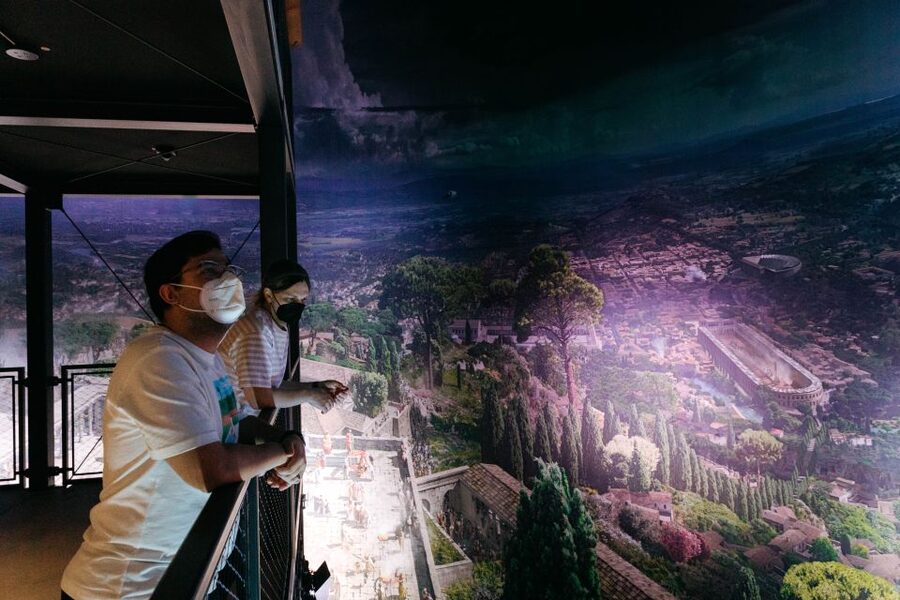
The exhibition is described as wheelchair accessible in the activity details, but the more specific information says it is only partially accessible and lists it as unsuitable for wheelchair users. That is a clear reason to contact the venue before booking if you use a wheelchair.
The stepped viewing area may be difficult or impossible for some visitors, and the available information does not explain which sections can be reached without steps. Do not rely on the general accessibility label alone.
Backpacks are prohibited. Museum shop purchases require non-cash payment methods, so bring a card or another accepted cashless option if you plan to buy something there.
The exhibition is closed for renovations from September 1 through October 13. Check the dates carefully before you pay, especially if your Berlin visit falls in early autumn. Under-18s can enter free, but every person still needs a ticket.
Who will get the most from this exhibition?
I would recommend it most strongly to people who like ancient history but want more than rows of objects. The Panorama gives you a sense of place, while the sculptures supply the original material.
It is also a good choice for families. The changing light, music, enormous scale, and hidden visual details give children something to watch, while the ancient city and artwork offer plenty for adults.
You may find it less satisfying if you want a traditional, quiet museum visit. The theatrical effects are central to the presentation, and one person found the overall exhibition underwhelming despite enjoying the 360-degree view. That is a fair warning: the panorama is the main attraction, and the experience depends on how much you enjoy large-scale visual storytelling.
I would also skip it if you are trying to see every major museum on Museum Island in one short day and have little interest in ancient art. The separate ticket, confusing location, and limited stated duration make it less convenient as an unplanned add-on.
Should you book the Pergamon Panorama?
Book it if you want to see Pergamon as a city rather than as a collection of disconnected ruins. The combination of 80 original works, the Telephos frieze, the reconstructed Acropolis, and changing light gives you a memorable way to understand the ancient site.
At $16, the price is fair for a focused exhibition, particularly if you take time with the auditorium and use the audio guide. It is not a bargain for a hurried 15-minute stop, so plan your timing carefully and find the correct entrance first.
My advice is simple: arrive at Am Kupfergraben 2, travel light, ask about the available viewing time, and do not leave the auditorium after one glance. Move around, change your height, watch the light shift, and ask a guide about the small details. That is when this exhibition earns its ticket price.
FAQ
Is the Pergamonmuseum. The Panorama ticket also valid for the main Pergamonmuseum?
No. The ticket includes entry to the exhibition Pergamonmuseum. The Panorama only. It does not include the main Pergamonmuseum or other museums on Museum Island.
Where is the Panorama exhibition located?
The meeting point is Pergamonmuseum. Das Panorama at Am Kupfergraben 2, 10117 Berlin, Germany.
How much does entry cost?
The listed price is $16 per person.
How long is the activity?
The activity is listed as lasting 15 minutes, and the ticket is valid for 15 minutes from first activation. One practical recommendation is to ask staff how long you may remain inside after entry if you want to study the displays.
Can children enter for free?
Visitors under 18 can enter free of charge, but every visitor still needs a ticket.
Are backpacks allowed?
No. Backpacks are not allowed inside the exhibition.
Is the exhibition accessible for wheelchair users?
The information is mixed. It is described as wheelchair accessible, but it is also identified as only partially accessible and not suitable for wheelchair users. Contact the venue before booking if you need wheelchair access.
Just added around Berlin
- Berlin: Private Guided Tour of the Main Sights★ 5.0 · 13 reviews
- Private Highlights of Berlin Bike Tour★ 5.0 · 13 reviews
- Modern Berlin Private Walking Tour: Diverse, Vibrant and Exciting German Capital★ 5.0 · 13 reviews
- Tour in Berlin from Warnemünde and Rostock Cruise Port★ 4.1 · 13 reviews
- Berlin: Stasi Museum Private Guided Tour with Entry Ticket★ 4.8 · 13 reviews
- Private Food Tour Experience with a born and bred Berliner★ 5.0 · 14 reviews
- Berlin: Rheinsberg Palace Entrance Ticket★ 4.8 · 14 reviews
- Berlin in one day – day tour with an expert guide★ 5.0 · 14 reviews
Museums, compared.

Skip-the-Line: Berlin Wall Museum at Checkpoint Charlie
Read our review →
Browse the lists this tour appears in