
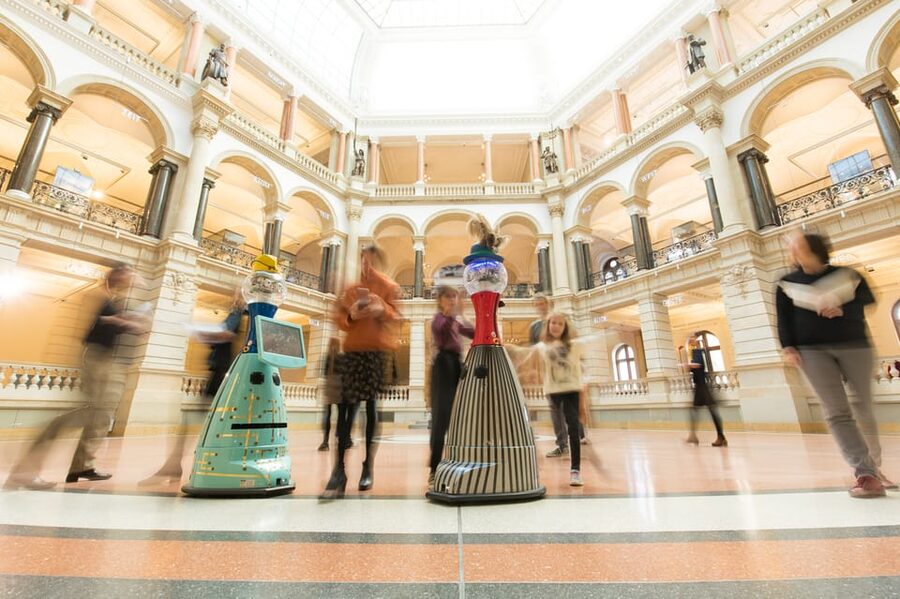
Reviewed · MUSEUMS
Berlin: Museum of Communication Entrance Ticket
Communication is older than writing. Berlin’s Museum of Communication makes that idea easy to grasp, tracing human contact from the hand axe to the smartphone through 2,000 objects and interactive displays. For $9, you get a full day of admission and an audio-visual app to help you explore at your own pace.
I like the Blue Mauritius stamp, a small but famous treasure, and the museum’s hands-on communication gallery, where you can test smoke, light, and sound signals. I also like the freedom to wander without a timed entry slot. The main drawback is that the museum can feel less satisfying if you prefer a traditional collection of objects over interactive stations and self-guided learning.
In This Review
- Key points to know before you go
- Why this Berlin museum is more than a stamp collection
- Starting with the hand axe and ending with the smartphone
- The atrium gallery puts you to work
- The Blue Mauritius gives the visit a famous focal point
- The audio-visual app keeps the visit flexible
- A practical 1.5-hour visit plan
- Price, access, and the kind of value you get
- Who will enjoy this museum most
- My verdict: book it for an active, affordable museum stop
- FAQ
- Do I need to reserve a time slot?
- How long is the visit?
- What does the ticket include?
- Is the Blue Mauritius stamp on display?
- Can children interact with the exhibits?
- Is the museum wheelchair accessible?
- Can I pay with cash?
- Is hotel pickup included?
- When is the museum closed?
- What are the public holiday hours?
Key points to know before you go
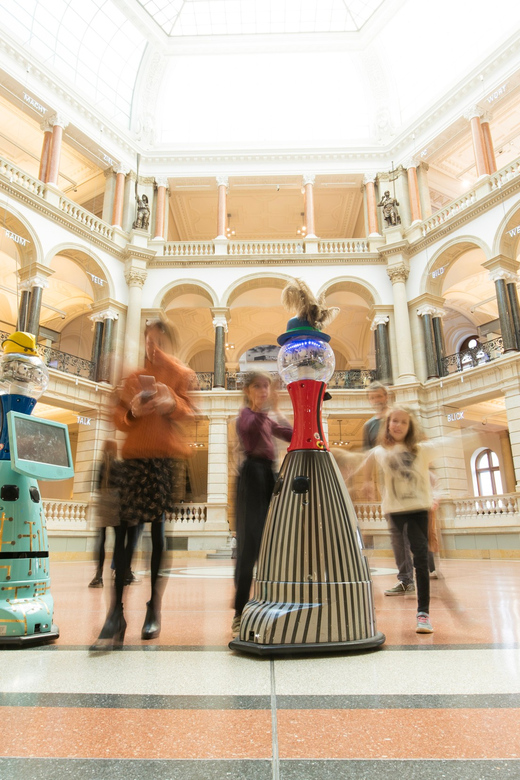
- The Blue Mauritius is the headline treasure: See one of the world’s rarest and most famous stamps.
- Communication covers 40,000 years: The displays connect early tools with phones and modern digital technology.
- The atrium gallery invites participation: Try sending messages with smoke, light, and acoustic signals.
- The visit is self-guided: Use the audio-visual app and set your own pace.
- Plan about 1.5 hours: That is enough for a focused visit, though the ticket is valid for one day.
- Children have plenty to touch and try: The practical exhibits make the subject easier for young minds to follow.
Why this Berlin museum is more than a stamp collection

The Museum of Communication is housed in Berlin, but its subject reaches far beyond Germany. It asks a simple question: how have people managed to send ideas, warnings, news, and feelings across distance and time?
The answer begins long before postal systems. A hand axe represents one early form of shared knowledge. A modern smartphone represents a world where a message can cross continents in seconds. Between those points, you encounter the tools and systems that changed how people live together.
I appreciate this wide time span because it prevents the visit from becoming a narrow lesson about mail. Postal history is here, but so are visual signals, sound, technology, and social exchange. You can look at communication as a practical tool, a form of power, and a way people express who they are.
The museum also connects older inventions with current debates. That gives the visit a present-day edge without requiring you to follow a guided lecture. You are invited to form your own view, take part in activities, and think about how communication affects daily life now.
More Museums in Berlin
- Berlin: Jewish Museum Berlin Entrance Ticket
★ 4.5 · 8,393 reviews - Berlin: DDR Museum Tickets
★ 4.3 · 3,443 reviews - Berlin: Natural History Museum Entrance Ticket
★ 4.6 · 3,382 reviews
Starting with the hand axe and ending with the smartphone
The museum’s central story moves from basic human tools to highly advanced devices. That contrast gives you a useful way to understand the collection.
The hand axe is not presented simply as an old object. It points to the human ability to make, use, and pass on knowledge. Even before written language, tools could show what people knew and how they solved problems. From there, the museum follows communication through changing materials, machines, and networks.
As you continue, you might find objects that show how messages were sent over distance, how information was recorded, and how systems grew more organized. The collection includes about 2,000 objects, so the experience is broad rather than centered on one famous item.
The smartphone provides a natural endpoint, though not a final one. Communication continues to change, and the museum leaves room for that uncertainty. I like that the story does not treat modern technology as the end of human progress. Instead, it gives you a chance to consider what comes next.
If you have limited time, use the app to choose the sections that interest you most. A quick visit can focus on the best-known objects and interactive gallery. With more time, you can follow the wider story from early tools to digital communication.
The atrium gallery puts you to work
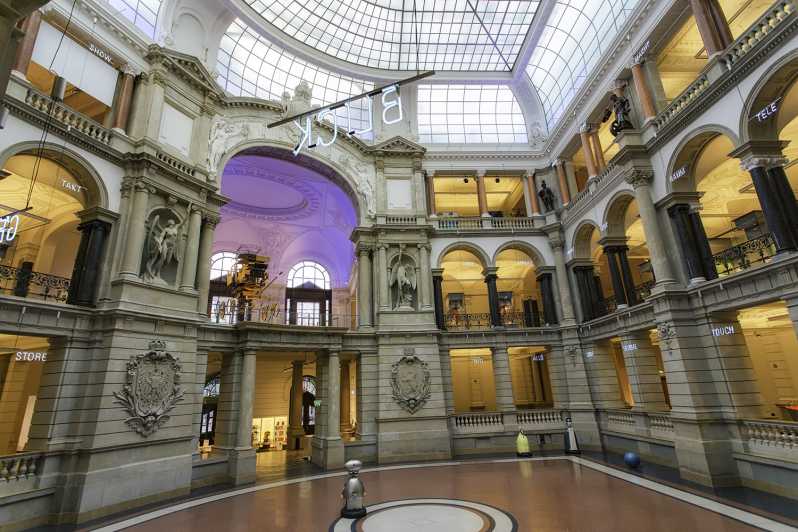
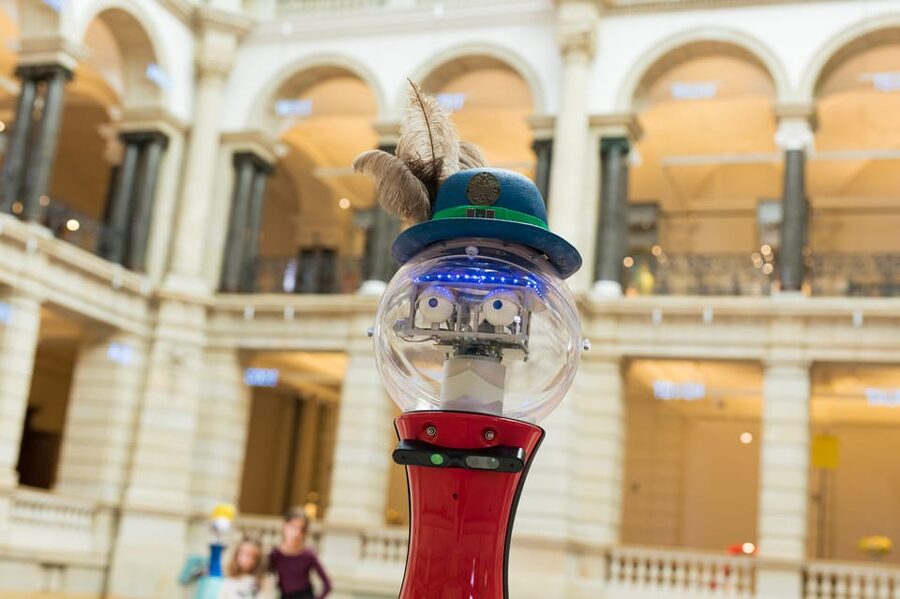
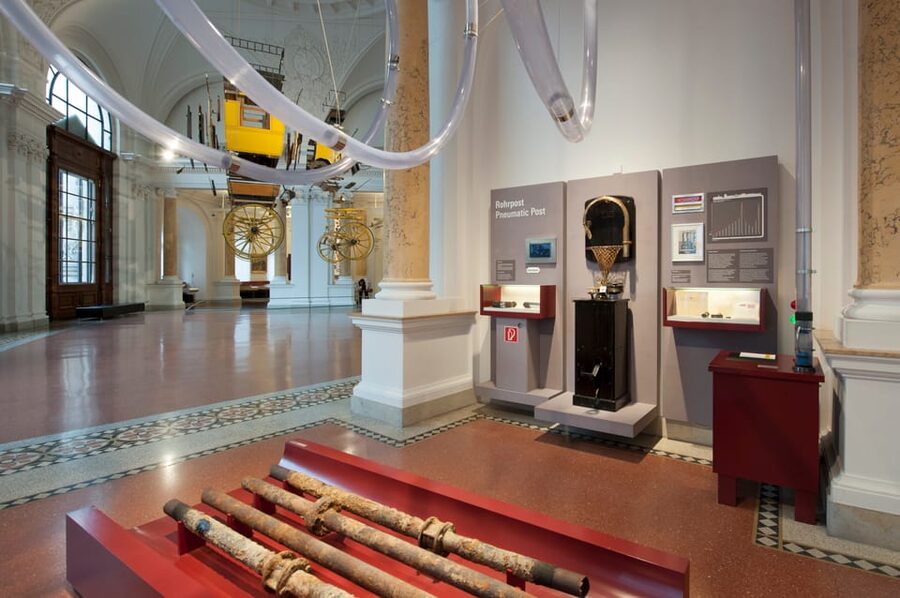
The communication gallery around the atrium is the most active part of the visit. Rather than only looking at display cases, you can use interactive terminals and digital displays to test how messages work.
You can exchange news through smoke, light, or acoustic signals. These activities turn an abstract subject into something physical. A message is no longer just text on a screen. It becomes a question of distance, timing, visibility, sound, and interpretation.
That makes this area a good choice for families. Children can touch and operate parts of the exhibition, while adults can think about the limits of older communication methods. A system that seems simple at first can become surprisingly difficult when you need to send a clear message without modern tools.
The gallery also helps break up the more reflective parts of the museum. If you have spent time reading about postal systems or historic technology, the interactive stations give you a change of pace.
The drawback is that the gallery may feel busy if several people want to try the same station. The museum does not provide a guide for this activity, so you will need to work through the displays independently. That is part of the fun, but it also means you should not expect a tightly arranged demonstration.
The Blue Mauritius gives the visit a famous focal point
The Blue Mauritius is the object many people will want to see first. It is among the world’s most famous and rarest stamps, and its presence gives the museum a clear highlight for visitors interested in postal history.
A stamp is tiny compared with many museum objects, so do not expect a grand display in physical size. Its importance comes from rarity, fame, and the story attached to it. This is a good reminder that museums do not measure value by scale. A small piece of printed paper can carry a large cultural and financial history.
I would make a point of locating the stamp early in your visit, especially if you are staying for only 1.5 hours. Then you can spend the remaining time with the communication gallery and the broader displays without worrying that you missed the museum’s best-known item.
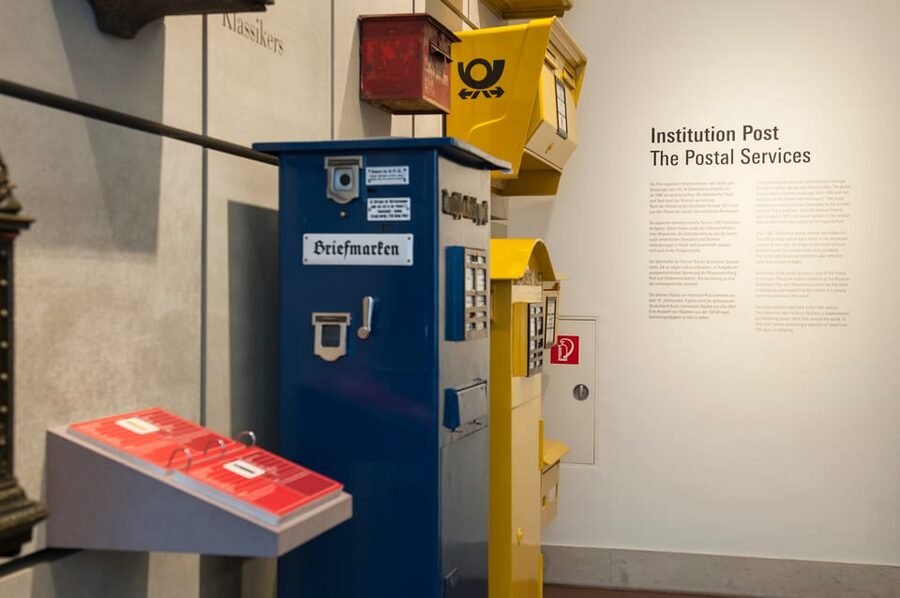
The stamp also fits the museum’s larger idea. A postal mark can represent distance, identity, trade, government, and personal connection all at once. It is a modest object with a surprisingly wide reach.
Something different for another day:
- Berlin: Reichstag, Dome and Government District Guided Tour
★ 4.7 · 18,288 reviews - Berlin: 1-Hour City Tour by Boat with Guaranteed Seating
★ 4.3 · 16,993 reviews - Berlin: Boat Tour Along the River Spree
★ 4.4 · 11,252 reviews - Discover Berlin Half-Day Walking Tour
★ 5.0 · 9,624 reviews
The audio-visual app keeps the visit flexible

Admission includes an audio-visual app that guides you through the museum. This matters because the visit is self-guided, with no requirement to reserve a time slot.
I like this arrangement for Berlin sightseeing. You can make the museum a short stop between other activities, or use the full day validity to take a slower approach. The app lets you decide how much structure you want.
If you prefer a clear route, follow its suggestions. If you see an object that catches your attention, pause and explore it before moving on. You are not tied to a tour group or a fixed sequence.
The app is also useful for connecting objects to the larger story. A museum about communication can otherwise feel like a series of unrelated machines, stamps, and devices. An audio-visual guide helps explain why each item matters and how it fits into the movement from early signals to digital tools.
Remember that this is not the same as having a personal guide. You will be responsible for managing your own pace and choosing how much information to absorb. That suits independent visitors, but it may not satisfy someone looking for a detailed live presentation.
A practical 1.5-hour visit plan

The suggested visit lasts about 1.5 hours. I would divide that time into three parts.
Start with the main historical displays. Give yourself enough time to understand the museum’s broad timeline, from the hand axe to the smartphone. Do not rush immediately toward the stamp, because the larger story is what makes the individual objects meaningful.
Next, find the Blue Mauritius and spend a few quiet minutes with it. This is the museum’s most famous single object, so it deserves attention even if you are not a stamp collector.
Finish in the atrium communication gallery. Try the smoke, light, and acoustic signal activities, then use the digital terminals. This ending works well because it turns the subject into something you can experience rather than simply read about.
If you have children with you, reverse that order if needed. The hands-on area may grab their attention first, making it easier to follow the historical sections afterward. The museum’s one-day validity also gives you flexibility, although no additional activities are specified as part of the ticket.
The displays include sightseeing, self-guided exploration, and opportunities to take part in class-style activities. The exact balance will depend on how quickly you read and how long you spend at each interactive station.
Price, access, and the kind of value you get
At $9 per person, this is a modestly priced Berlin museum visit. The value is strongest if you want a focused indoor activity with both historical objects and practical exhibits.
You are not paying for a guided tour, hotel transportation, or a special behind-the-scenes program. You are paying for admission, the audio-visual app, and the chance to explore the museum for one day. That makes the ticket a good fit for independent sightseeing.
The price is especially reasonable for families because the museum offers more than reading and looking. Children can interact with displays and try different ways to greet or communicate with people around the world. Adults get a broader lesson in how communication systems shape society.
You can purchase the ticket without cash, and the museum counter accepts cash. No time slot is required for the museum visit, which makes planning simpler. The ticket is valid for one day, but you should check availability for current starting times before setting your schedule.
The museum is wheelchair accessible. It is closed on Mondays and on December 24, 25, and 31. On public holidays, it is open from 10:00 AM to 6:00 PM. Since regular opening hours are not provided here, check the current schedule before you go.
Free cancellation is available up to 24 hours in advance, and you can reserve now and pay later. These policies are useful if your Berlin plans may change, though they do not alter the museum experience itself.
Who will enjoy this museum most
I would recommend this visit to anyone curious about how people share information. You do not need to collect stamps or have a technical background. The subject is broad enough for a first-time museum visitor and specific enough to reward someone who enjoys technology, postal history, or design.
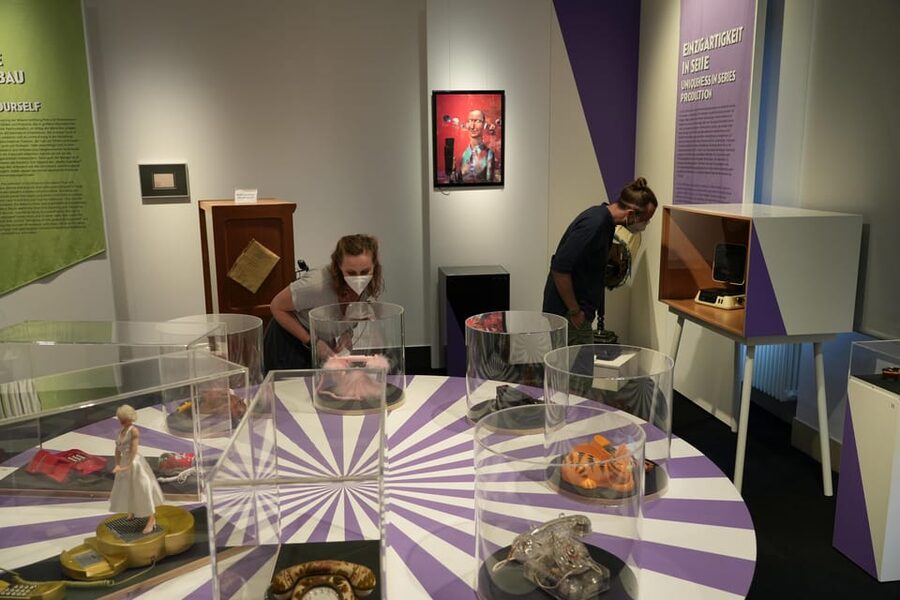
Families are a strong match. The displays invite children to touch, operate, and experiment, and the examples are easier to understand when communication becomes a game. The hands-on postal and signal elements give young visitors something active to do.
It also suits solo visitors and couples who want to explore at their own speed. You can spend more time with the objects that interest you and move quickly past sections that do not.
I would be less likely to recommend it if you want a traditional art museum, a live guide, or a tightly scheduled tour. The museum’s strength is its mix of objects, ideas, and interactive stations. That same mix may feel scattered if you prefer a simple chronological display.
The Berlin museum scene includes many major collections, but this one offers a different subject. It is not mainly about paintings, royal possessions, or famous buildings. It is about the systems people use every day, often without noticing them.
My verdict: book it for an active, affordable museum stop
I would book the Museum of Communication if you want an affordable Berlin activity that combines famous objects with things you can actually try. The Blue Mauritius gives you a memorable focal point, while the atrium gallery keeps the visit lively.
Allow about 1.5 hours for a focused visit, and use the app to control the pace. Families should give the interactive stations extra time. Adults interested in postal history should plan around the Blue Mauritius and the older communication displays.
Skip it if you want a guided experience or a museum devoted only to stamps. For everyone else, the $9 price, flexible one-day admission, wheelchair access, and hands-on approach make this a sensible choice, especially on a day when you want more than another room of glass cases.
FAQ
Do I need to reserve a time slot?
No. You do not need to reserve a time slot for your museum visit.
How long is the visit?
The planned museum visit lasts about 1.5 hours. Your ticket is valid for one day, so you can set your own pace.
What does the ticket include?
The ticket includes admission to the Museum of Communication Berlin and access to an audio-visual app.
Is the Blue Mauritius stamp on display?
Yes. The museum displays the Blue Mauritius, one of the world’s most famous and rarest stamps.
Can children interact with the exhibits?
Yes. The museum includes interactive terminals, digital displays, and activities involving smoke, light, and acoustic signals. The hands-on displays are suitable for children.
Is the museum wheelchair accessible?
Yes. The museum is wheelchair accessible.
Can I pay with cash?
Yes. You can pay with cash at the museum counter. The ticket can also be purchased without cash.
Is hotel pickup included?
No. Hotel pickup and drop-off are not included.
When is the museum closed?
The museum is closed on Mondays and on December 24, 25, and 31.
What are the public holiday hours?
On public holidays, the museum is open from 10:00 AM to 6:00 PM.
Just added around Berlin
- Berlin: Private Guided Tour of the Main Sights★ 5.0 · 13 reviews
- Private Highlights of Berlin Bike Tour★ 5.0 · 13 reviews
- Modern Berlin Private Walking Tour: Diverse, Vibrant and Exciting German Capital★ 5.0 · 13 reviews
- Tour in Berlin from Warnemünde and Rostock Cruise Port★ 4.1 · 13 reviews
- Berlin: Stasi Museum Private Guided Tour with Entry Ticket★ 4.8 · 13 reviews
- Private Food Tour Experience with a born and bred Berliner★ 5.0 · 14 reviews
- Berlin: Rheinsberg Palace Entrance Ticket★ 4.8 · 14 reviews
- Berlin in one day – day tour with an expert guide★ 5.0 · 14 reviews
Museums, compared.





Skip-the-Line: Berlin Wall Museum at Checkpoint Charlie
Read our review →
Browse the lists this tour appears in