
Reviewed · MUSEUMS
Berlin: Interactive DeJa Vu Museum Entrance Ticket
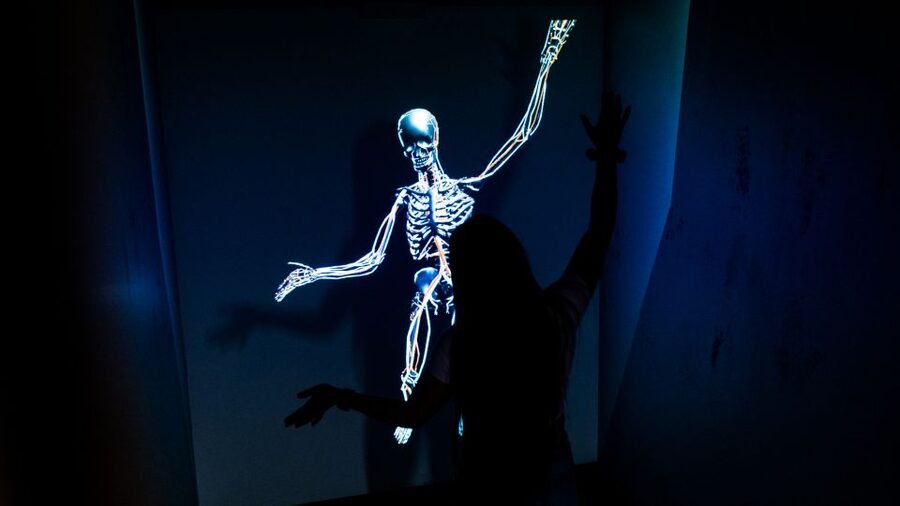
Your eyes will not behave here. Near Alexanderplatz, Berlin’s DeJa Vu Museum turns optical illusions into a hands-on outing, with two floors of puzzles, projector rooms, mirror spaces, colorful kaleidoscopes, and artworks that change as you look at them. It is less a traditional museum than a playful series of visual challenges.
I especially like the interactive exhibits, since you are not asked to stand quietly and admire objects from behind a barrier. I also like the mix of photo-friendly mirror rooms and Oleg Shupliak’s clever portraits. The main consideration is time: some people finish in about 30 minutes, while others spend around 90 minutes or more, and small rooms can create waits when the museum is busy.
In This Review
- Key points before you go
- What the DeJa Vu Museum is really like
- Starting near Alexanderplatz and the Fernsehturm
- The first gallery spaces and visual tricks
- Oleg Shupliak’s portraits need a second look
- Projector rooms put you inside the artwork
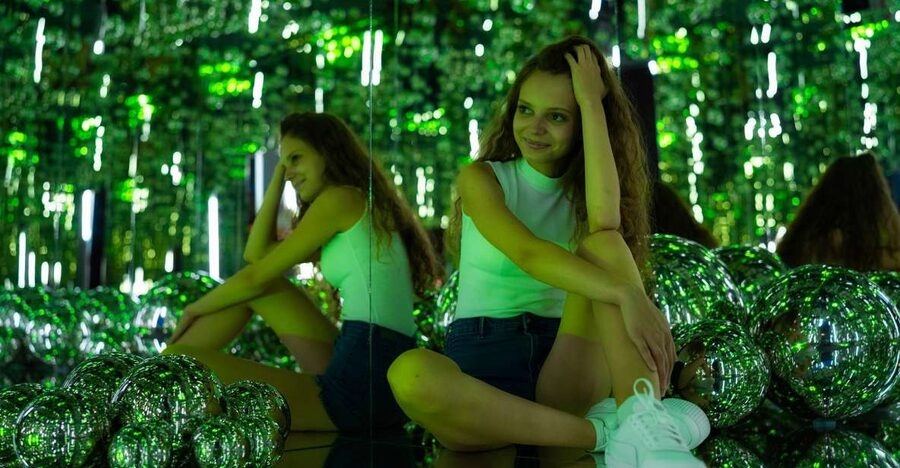
- Mirror rooms, kaleidoscopes, and the best photo stops
- How long should you plan for?
- Is $17 good value in Berlin?
- Who will enjoy it most?
- Practical timing and booking advice
- Should you book the DeJa Vu Museum?
- FAQ
- Where is the DeJa Vu Museum in Berlin?
- How long does the museum visit last?
- What is included with admission?
- What languages are available?
- Is the museum suitable for children?
- Can I take photos or videos inside?
- Can I bring food, drinks, or pets?
- Is the museum suitable for people with epilepsy or mobility impairments?
- What happens if I need to cancel?
Key points before you go
- Oleg Shupliak’s portraits reward a second look, with several images and faces hidden within a single painting.
- The Beuchet-Stuhl, Dark Room, and Interactive Sandbox give you puzzles to solve rather than displays to simply view.
- The Starroom and Abyss mirror rooms are built for unusual photos and short videos.
- The museum sits about 300 meters from Berlin’s Fernsehturm, making it easy to pair with Alexanderplatz sightseeing.
- Quiet periods matter, since some smaller rooms hold only two people and may require a wait.
- The $17 ticket is strongest value for families, teenagers, and groups of friends who want an entertaining indoor stop.
What the DeJa Vu Museum is really like
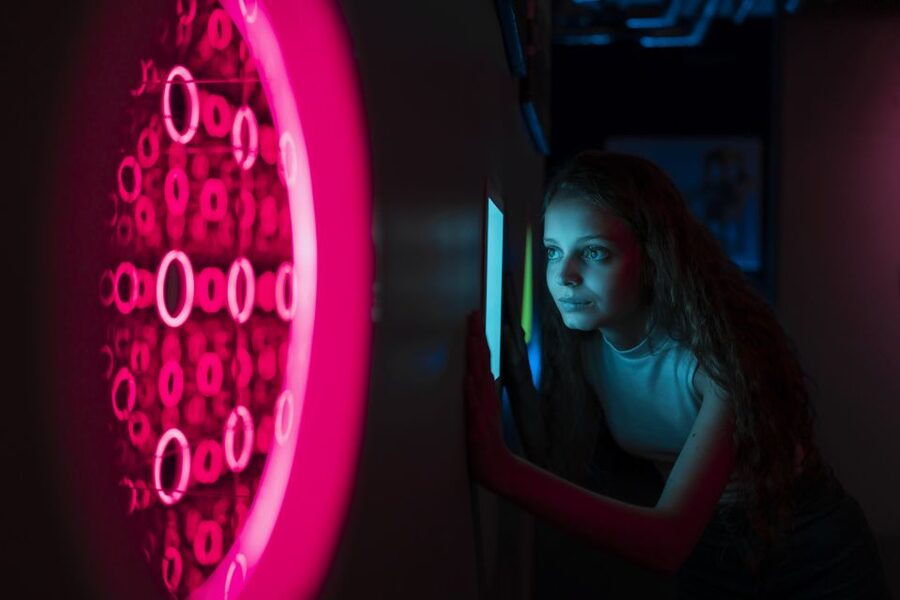
The DeJa Vu Museum is designed around one simple idea: your eyes can be fooled, and your brain is often happy to fill in the gaps. You move through a collection of rooms and gallery spaces where scale, light, color, reflection, and perspective keep changing the way you see things.
That makes the visit feel active from the start. You may be asked to pose, inspect an image, step into a visual trick, or work out how an exhibit produces its effect. The museum combines entertainment with a little informal learning, especially for children who enjoy figuring out why a scene appears impossible.
I would not treat it as a major art museum or a full afternoon cultural stop. It is better understood as a compact, playful attraction in central Berlin. The experience lasts 1.5 hours according to the advertised duration, but the actual pace depends on how long you spend taking pictures and whether you encounter queues.
The overall rating is 4.1 from 1,338 ratings, which fits the experience well. The strongest praise centers on the clever displays, photo opportunities, and fun atmosphere. The most useful criticism concerns repetition, short visits, and waits inside small rooms.
More Museums in Berlin
- Berlin: Jewish Museum Berlin Entrance Ticket
★ 4.5 · 8,393 reviews - Berlin: DDR Museum Tickets
★ 4.3 · 3,443 reviews - Berlin: Natural History Museum Entrance Ticket
★ 4.6 · 3,382 reviews
Starting near Alexanderplatz and the Fernsehturm
The entrance is close to Alexanderplatz, roughly 300 meters from the Fernsehturm. That location makes the museum easy to add to a day centered on Berlin’s central sights. You can place it before or after time at Alexanderplatz without setting aside a long journey across the city.
The meeting point is particularly useful on a rainy day. One visitor found a Thursday afternoon pleasantly quiet and considered the museum a good way to fill a couple of hours indoors. I would aim for a quieter time if your schedule allows, since several exhibits work best when you do not feel hurried by people waiting behind you.
The museum is spread across two floors. The experience is not described as a guided tour with a set historical route, so expect to move through the spaces at your own pace. Staff or greeters may speak English, German, Polish, Spanish, or French, which helps international families and groups get basic assistance.
You cannot bring pets, food, drinks, alcohol, or drugs inside. That is easy enough to manage, but keep it in mind if you are planning the museum as a quick stop during a long day out.
The first gallery spaces and visual tricks
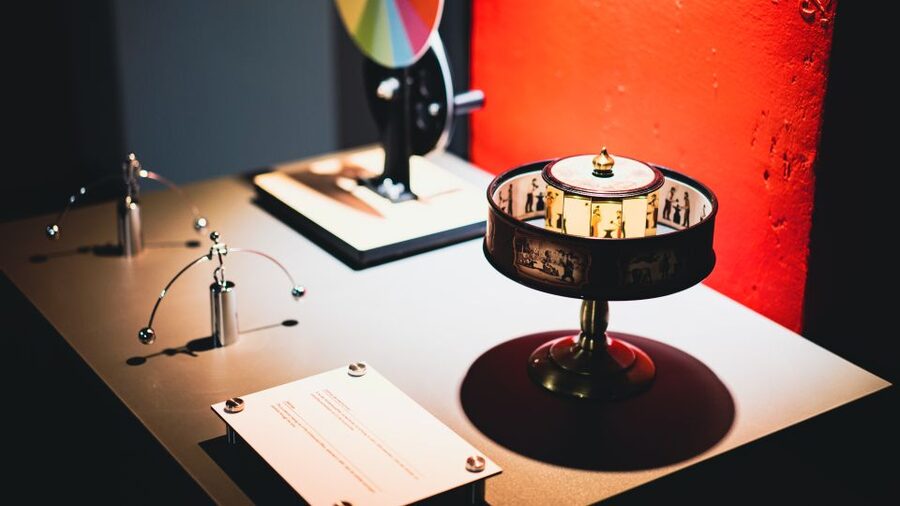
Your visit begins with gallery spaces and interactive works. These early exhibits set up the museum’s main theme: what you see may not be the whole story.
The best way to approach them is with patience. Look once, then look again. Some pieces depend on changing perspective, while others ask you to take part physically. A child may notice the trick before an adult does, which is part of the fun.
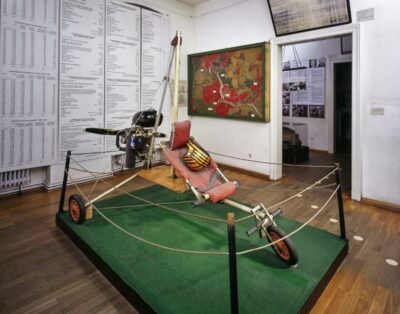
The Beuchet-Stuhl is one of the named exhibits. It plays with body size and perspective, producing the familiar illusion that one person is unusually large or unusually small compared with another. It is a good example of why this museum works better as a group activity. You need someone else to pose, take the picture, and laugh at the result.
The Dark Room provides a different mood. Details are not provided about its exact design, so you should expect an exhibit based on limited light and altered visual perception rather than a standard gallery display. The change from bright, colorful installations to a darker environment helps keep the visit from feeling like one long row of similar tricks.
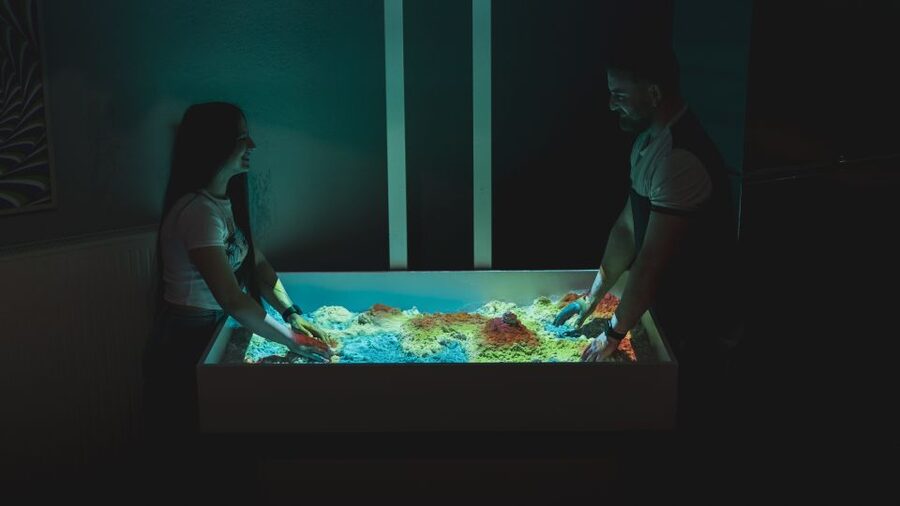
The Interactive Sandbox is another named stop. It gives the museum a more hands-on feel and should appeal to children who prefer experimenting to looking. Parents may find it useful because the children are doing something with the exhibit rather than simply waiting for the next room.
Oleg Shupliak’s portraits need a second look
The art gallery by painter Oleg Shupliak is one of the more distinctive parts of the visit. His portraits are built around visual double meanings, with faces and other forms arranged so that one image can reveal another.
You are encouraged to guess who is portrayed in the portraits. That small challenge changes the gallery from a quick photo stop into a visual puzzle. I like this section because it adds an art element to a museum otherwise centered on tricks and entertainment.
Do not rush past the paintings after identifying the obvious face. Stand back, shift your attention, and inspect the larger shapes. The pleasure comes from recognizing how the separate parts combine into a second image.
This gallery may appeal most to adults and older children who enjoy puzzles, but younger children can still take part by guessing what they see. It also gives the visit a little more substance than a collection of photo backdrops.
Something different for another day:
- Berlin: Reichstag, Dome and Government District Guided Tour
★ 4.7 · 18,288 reviews - Berlin: 1-Hour City Tour by Boat with Guaranteed Seating
★ 4.3 · 16,993 reviews - Berlin: Boat Tour Along the River Spree
★ 4.4 · 11,252 reviews - Discover Berlin Half-Day Walking Tour
★ 5.0 · 9,624 reviews
Projector rooms put you inside the artwork
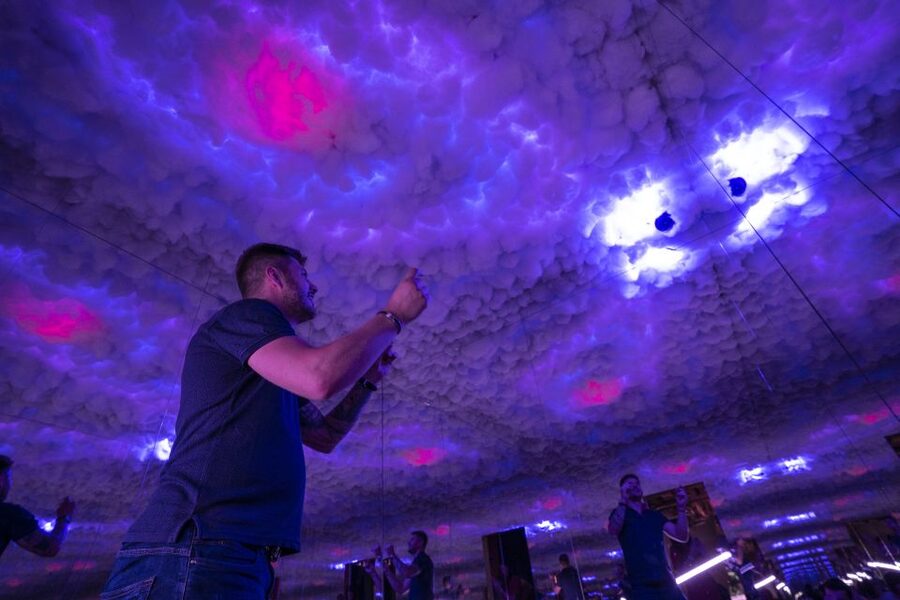
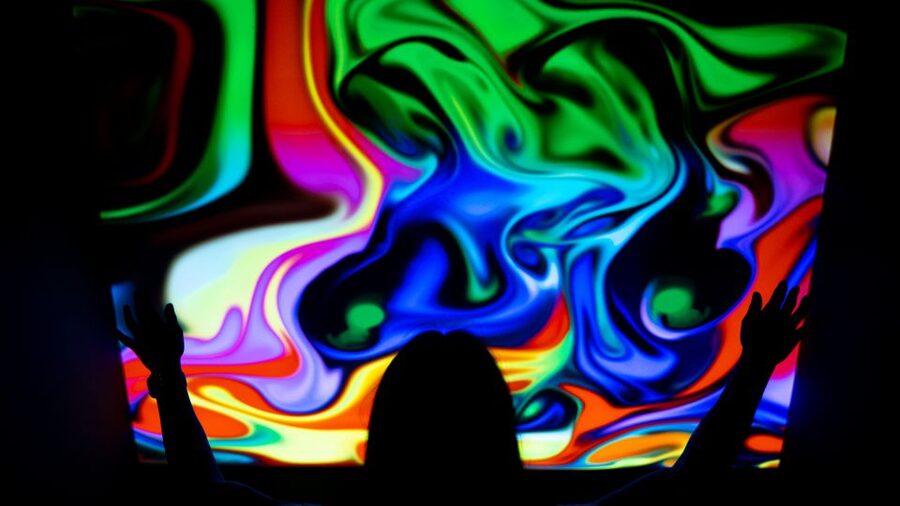
The projector rooms make you the focus of the illusion. Instead of looking at a finished scene from the outside, you become part of the projected artwork.
This is where group size matters. You may want to pose in a particular way, record a short video, or try the illusion more than once. If the room is crowded, that process can feel rushed. At quieter times, you have more freedom to experiment and take a clean picture.
The museum’s format works especially well for friends and families. One person can enter the scene while another takes the photo, then you can switch roles. Solo visitors may still enjoy the exhibits, but many of the strongest photo moments are more fun when shared.
The projector rooms also show the difference between simply seeing an illusion and becoming part of it. That physical involvement is a major reason the museum feels more entertaining than a conventional gallery.
Mirror rooms, kaleidoscopes, and the best photo stops
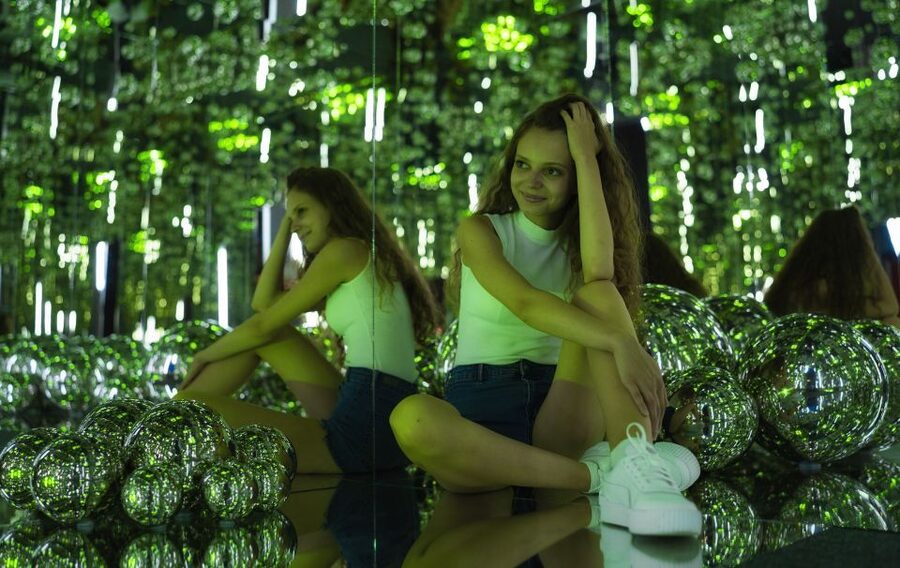
Themed mirror rooms include the Starroom and the Abyss. These spaces use reflections and repeated surfaces to create a sense of depth that can make a small room appear far larger or stranger than it is.
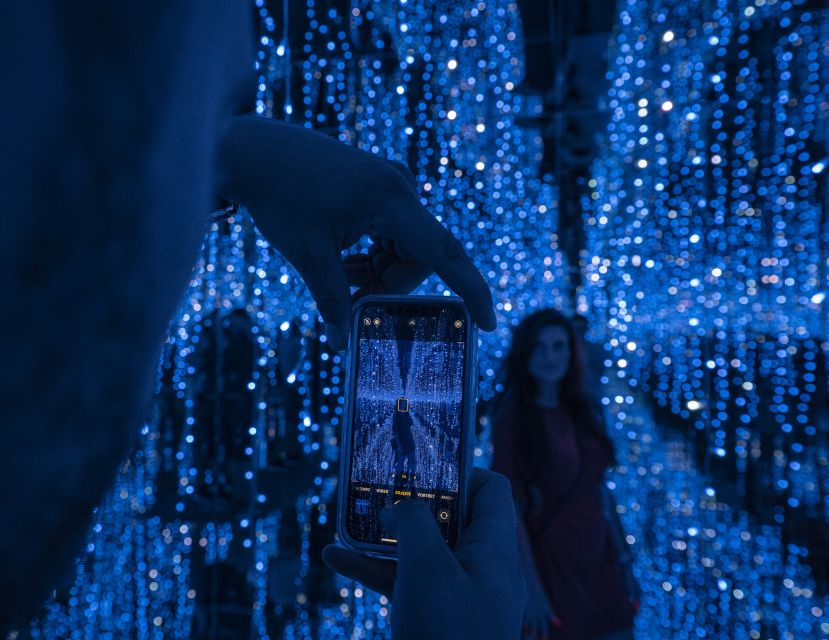
The Starroom is likely to be one of the most popular photo stops because the theme is immediately clear and visually dramatic. The Abyss offers a darker, more disorienting effect. Exact layouts can vary in how they feel from one person to the next, but both rooms are intended for photos and short videos.
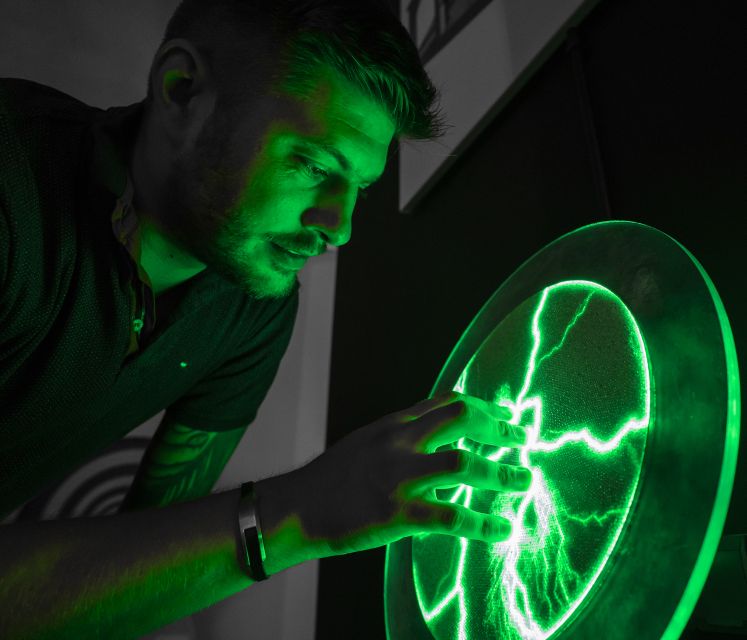
Colorful kaleoscopes add another strong photo opportunity. They turn movement, color, and reflection into the subject. If you want memorable images, keep your phone ready, but remember that taking pictures in every room can stretch the visit well beyond the advertised 1.5 hours.
This is also where the museum can feel repetitive. Once you have seen several rooms based on mirrors, projections, and visual confusion, the basic idea may become familiar. The variety of themes helps, but the attraction is strongest when you enjoy posing and experimenting rather than expecting a new art concept in every room.
How long should you plan for?
The stated duration is 1.5 hours, and that is a sensible planning figure if you want to explore carefully, solve puzzles, and take photos. You should not assume you will need exactly that long, though.
One visitor completed the rooms in about 30 minutes. Another described it as a good way to spend an hour in Berlin, while an additional visit stretched toward a couple of hours. Those differences make sense. A fast visit means moving from room to room and taking only a few pictures. A slower visit includes repeated attempts, group photos, and time spent working out the illusions.
Queues are the biggest factor. Some smaller rooms hold only two people, so a popular weekend period may create a wait. If you are visiting with children, a quiet time is especially valuable because they can try an exhibit without being hurried.
For planning purposes, allow 1 to 1.5 hours. Add some flexibility if you are visiting on a weekend or if photography is a priority.
Is $17 good value in Berlin?
At $17 per person, the ticket is not the cheapest short attraction in Berlin. The value depends on what you want from your visit.
I think the price works best for a family or group of friends who will use the exhibits fully. You are paying for a collection of interactive rooms, puzzles, mirror spaces, projector effects, and the Oleg Shupliak gallery. If you enjoy taking pictures and repeating an illusion until you get the right result, the ticket can provide a solid hour or more of entertainment.
The value is weaker if you move quickly or expect a large collection of traditional artworks. The short visit reported by one person shows that a $17 ticket can feel expensive if you finish in half an hour. The museum is also not ideal for someone who dislikes posing, taking photos, or participating in visual tricks.
Compared with many central Berlin attractions, the museum offers something different and weather-proof. It is a practical choice when you want a break from major monuments, especially with children and teenagers. The clearest praise focuses on its unusual format and the number of things you can actually do, rather than simply observe.
Who will enjoy it most?
The DeJa Vu Museum is a good fit for:
- Families with children who like puzzles and hands-on exhibits
- Teenagers looking for photo opportunities
- Friends who enjoy silly group pictures and visual tricks
- Couples who want a short indoor activity near Alexanderplatz
- Anyone curious about optical illusions and how perception can mislead you
- Visitors with a rainy-hour gap in their Berlin schedule
It may be less suitable for visitors seeking quiet, serious art appreciation. The museum’s tone is playful and participatory. Some exhibits are clever, but the experience is designed to make you laugh, pose, and test what you see.
The attraction is not suitable for people with mobility impairments or epilepsy. The provided information also advises against bringing pets, food, drinks, alcohol, or drugs.
Practical timing and booking advice
You can cancel up to 24 hours before the visit for a full refund, and the reserve-now, pay-later option lets you keep plans flexible. Starting times vary, so you need to check availability for your preferred date.
I would avoid treating the museum as a fixed, rushed appointment if you are visiting at a busy time. A queue inside a two-person room can change a 30-minute visit into a much longer one. On the other hand, a quiet weekday period can let you move comfortably and make better use of the photo rooms.
Because the museum is near the Fernsehturm, it pairs naturally with Alexanderplatz sightseeing. If you are already in the area, the short walk makes it an easy add-on. If you are crossing Berlin only for this attraction, consider whether the $17 ticket and 1 to 1.5 hours match your interests.
Should you book the DeJa Vu Museum?
Book it if you want an upbeat indoor activity with interactive illusions, unusual photos, and puzzles that work for both children and adults. The strongest parts are the Beuchet-Stuhl, projector rooms, Oleg Shupliak’s layered portraits, and the Starroom and Abyss mirror spaces.
I would choose a quieter time, especially on a weekend, and allow the full 1.5 hours rather than assuming you will be finished quickly. Skip it if you want a large conventional art collection, dislike waiting for small rooms, or need a fully accessible attraction.
For families, teenagers, and friends near Alexanderplatz, this is a sensible $17 choice. It is clever, easy to reach, and different from Berlin’s usual history-focused sights. Just remember that the museum’s value rises with your willingness to participate.
FAQ
Where is the DeJa Vu Museum in Berlin?
The museum is near Alexanderplatz, about 300 meters from the Fernsehturm.
How long does the museum visit last?
The stated duration is 1.5 hours. Some people may finish in about 30 minutes, while others can spend an hour or longer depending on queues, puzzles, and time spent taking photos.
What is included with admission?
Admission includes the interactive exhibits, mirror rooms, puzzles, and the Oleg Shupliak art gallery.
What languages are available?
Host or greeter support is available in English, German, Polish, Spanish, and French.
Is the museum suitable for children?
Yes. The interactive exhibits and puzzles are particularly suitable for families with children and teenagers.
Can I take photos or videos inside?
Yes. The mirror rooms, kaleoscopes, projector rooms, and other exhibits are designed to provide photo and video opportunities.
Can I bring food, drinks, or pets?
No. Pets, food, drinks, alcohol, and drugs are not allowed inside.
Is the museum suitable for people with epilepsy or mobility impairments?
The experience is not suitable for people with epilepsy or mobility impairments.
What happens if I need to cancel?
You can cancel up to 24 hours in advance for a full refund. A reserve-now, pay-later option is also available.
Just added around Berlin
- Berlin: Private Guided Tour of the Main Sights★ 5.0 · 13 reviews
- Private Highlights of Berlin Bike Tour★ 5.0 · 13 reviews
- Modern Berlin Private Walking Tour: Diverse, Vibrant and Exciting German Capital★ 5.0 · 13 reviews
- Tour in Berlin from Warnemünde and Rostock Cruise Port★ 4.1 · 13 reviews
- Berlin: Stasi Museum Private Guided Tour with Entry Ticket★ 4.8 · 13 reviews
- Private Food Tour Experience with a born and bred Berliner★ 5.0 · 14 reviews
- Berlin: Rheinsberg Palace Entrance Ticket★ 4.8 · 14 reviews
- Berlin in one day – day tour with an expert guide★ 5.0 · 14 reviews
Museums, compared.
Skip-the-Line: Berlin Wall Museum at Checkpoint Charlie
Read our review →
Browse the lists this tour appears in