
Reviewed · BERLIN WALL TOURS
Berlin: Cold War History and Berlin Wall Guided Walking Tour
Berlin’s divided past is still written into its streets. This three-hour walk brings that story into focus through personal escape tales and clear political context, rather than a blur of dates. I like the way the tour connects major sights, including Checkpoint Charlie and the Berlin Wall Memorial, and I like that local guides such as Eugen, Cieran, and Paul bring their own family links and lived perspective to the subject.
The main drawback is the amount of walking and the noise at some street stops. One Swedish guest specifically noted that traffic could make hearing the guide harder, so stand close and face the speaker. Cold weather also matters: Cieran kept the group going through heavy snow, but you will want warm clothes, comfortable shoes, and a little patience at outdoor sites.
In This Review
- Key points to know before you go
- Why this Cold War walk works so well
- Brandenburg Gate sets the political scene
- The wall appears in fragments, not as one long barrier
- Topography of Terror connects two dark chapters
- Potsdamer Platz shows how quickly Berlin changed
- Checkpoint Charlie is famous, but the story is bigger than the photo
- The Berlin Wall Memorial is the emotional center
- The guides make the difference
- How much walking and time should you expect?
- Is $31 a fair price?
- Who should book this walk?
- Booking advice and final verdict
- FAQ
- Where does the tour begin?
- How long does the tour last?
- What places are included?
- Does the tour visit Checkpoint Charlie?
- How much time is spent at the Berlin Wall Memorial?
- Is the tour offered in English?
- Is the walking tour wheelchair accessible?
- What should I bring?
- How much does the tour cost?
- Can I cancel for a refund?
Key points to know before you go
- The tour begins by Brandenburg Gate: Meet outside Hopfingerbräu at Ebertstraße 24, a central starting point for Berlin’s divided-city story.
- You see several major Cold War sites: The route includes Brandenburg Gate, the Berlin Wall, Topography of Terror, Potsdamer Platz, Checkpoint Charlie, and the Berlin Wall Memorial.
- The Berlin Wall Memorial gets the most time: Allow 75 minutes here, making it the main teaching stop rather than a quick photo opportunity.
- Personal stories are a major strength: Guides have shared family photographs and stories connected to the wall, adding a human scale to political events.
- It costs $31 per person: For three hours with a live historian, that is fair value if you want context instead of simply walking past monuments.
- English and German tours are available: The walk is wheelchair accessible, but outdoor conditions and street noise are worth keeping in mind.
Why this Cold War walk works so well
Berlin can feel like an open-air history book, but the pages are not always easy to read on your own. A remaining wall segment may look like a strip of concrete, and Checkpoint Charlie can seem like a busy photo stop. The value of this tour is the explanation between those places: why the city was divided, how the Cold War took shape, and what the border meant to ordinary people.
You begin near Brandenburg Gate, one of Berlin’s best-known landmarks. It is a fitting meeting point because the gate once sat in the divided city and later became a powerful symbol of reunification. The guide uses the area to set up the story before you walk farther into the former border zone.
The focus is not only on the years after the Berlin Wall went up in 1961. You also hear about the uneasy period after the Second World War, when the Soviet Union and the Western Allies shared control of Germany but held sharply different political aims. That background matters. Without it, the wall can seem like an isolated act of cruelty rather than the visible result of a conflict that had been building for years.
I especially like this approach for first-time visitors to Berlin. You do not need to arrive with a strong grasp of postwar German politics. The guide explains how the country and city were split, why people moved from East to West, and why East Germany eventually sealed the border.
More Historical Tours in Berlin
- Berlin: Natural History Museum Entrance Ticket
★ 4.6 · 3,382 reviews - Berlin: World Heritage Cruise to Potsdam
★ 4.5 · 1,435 reviews - Berlin Historical Highlights Walking Tour
★ 4.9 · 657 reviews
Brandenburg Gate sets the political scene
The first stop lasts about 15 minutes. That is enough time to look at Brandenburg Gate, get oriented, and hear why this monument matters to Berlin’s twentieth-century story.
The gate is easy to treat as a grand neoclassical entrance, but its location gives it extra weight. During the Cold War, it stood in East Berlin, close to the wall and beyond normal access from West Berlin. After the wall fell, images of people celebrating here helped turn the gate into a symbol of a city coming back together.
This opening stop is also practical. The meeting point outside Hopfingerbräu is next to the gate, so you do not need to search for a distant street corner or museum entrance. Arrive ready to walk, though. The tour moves across central Berlin rather than staying around one monument.
The wall appears in fragments, not as one long barrier
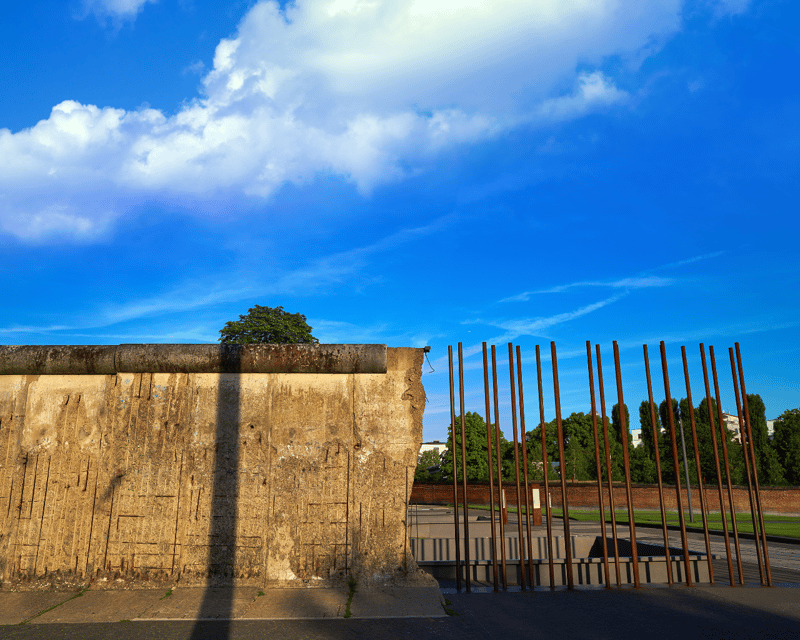
A key lesson of this walk is that Berlin’s wall is no longer presented as one continuous structure. You see remaining sections and marked traces in different parts of the city, each with a different story.
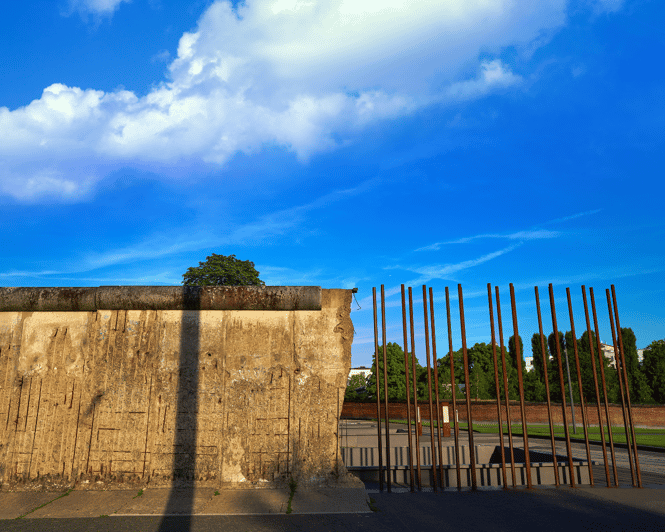
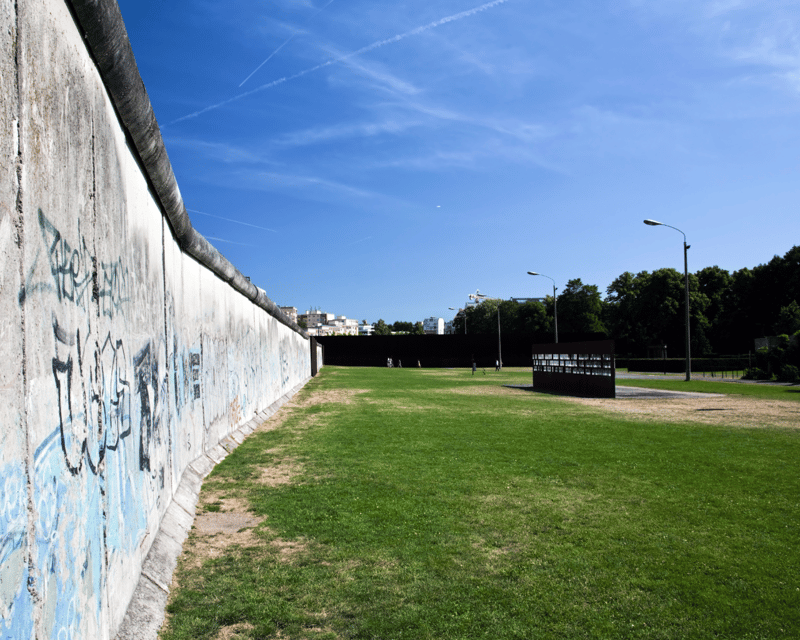
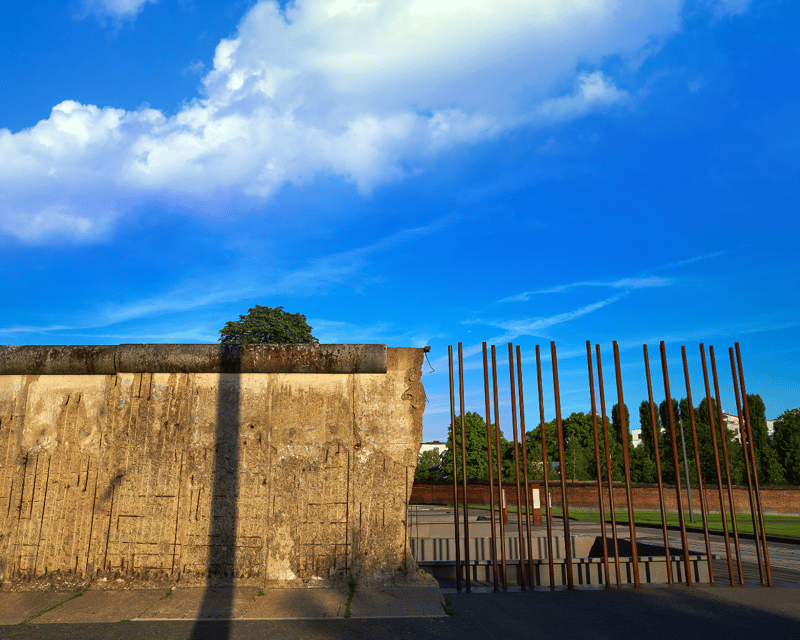
The itinerary includes a 25-minute visit connected with the former Berlin Wall and a roughly 200-meter section along Niederkirchnerstrasse. This stretch gives you a more direct look at the physical barrier than a pavement marker or information panel can provide. The concrete is not the whole story, of course, but standing beside it helps you grasp the scale of the division.
At the same time, you should keep your expectations realistic. Much of the original wall has gone, and the city has changed around the surviving pieces. That can make the history feel less obvious than you might expect. The guide’s explanation is essential here, since the meaning lies in the former border lines, nearby buildings, and escape routes as much as in the remaining concrete.
The stories of people who tried to cross are one of the strongest parts of the experience. You hear about daring escapes, the risks involved, and the human cost of a border that cut through neighborhoods and separated families. The guide’s job is not simply to show you where the wall was, but to help you imagine what daily life felt like on either side.
Topography of Terror connects two dark chapters
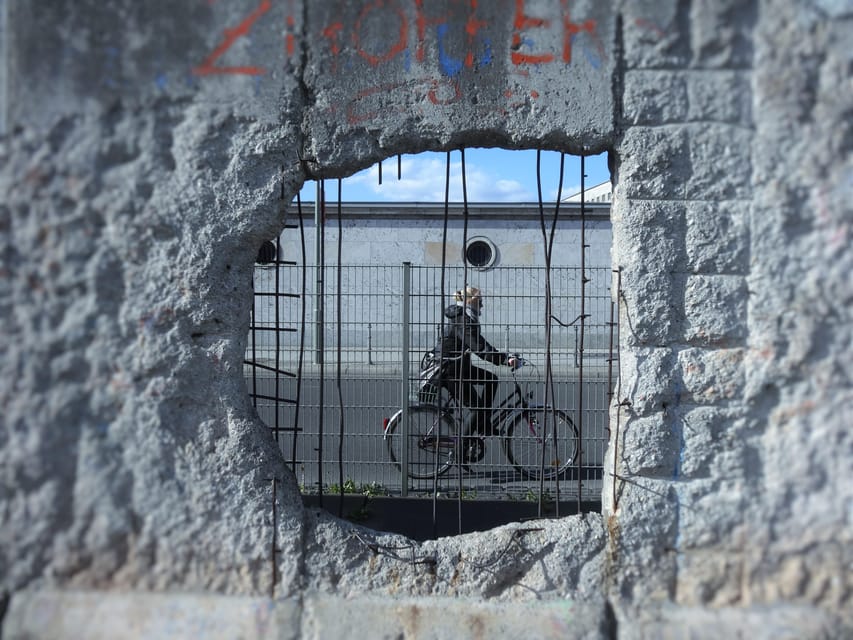
The 15-minute stop at Topography of Terror adds an important layer to the walk. The site deals with the Nazi period, not only the Cold War, but its presence helps explain the setting in which postwar Germany developed.
This is useful because Berlin’s history does not begin with the wall. The city moved from dictatorship and war into occupation, division, and ideological conflict. A short stop here gives you a wider frame before the tour returns to the Cold War.
Do not expect a full museum visit during the walk. Fifteen minutes is enough for orientation and a brief explanation, not for seeing every display. If the Nazi period is a major reason for your Berlin visit, plan separate time here. On this tour, the site works as a connecting point rather than the main subject.
More Walking Tours in Berlin
- Discover Berlin Half-Day Walking Tour
★ 5.0 · 9,624 reviews - Berlin: Third Reich and Cold War 2 Hour Walking Tour
★ 4.9 · 6,830 reviews - Berlin: Discover Berlin Walking Tour
★ 4.9 · 5,998 reviews - Berlin’s Best: 2 Hour Walking Tour Third Reich and the Cold War
★ 5.0 · 5,486 reviews
Potsdamer Platz shows how quickly Berlin changed
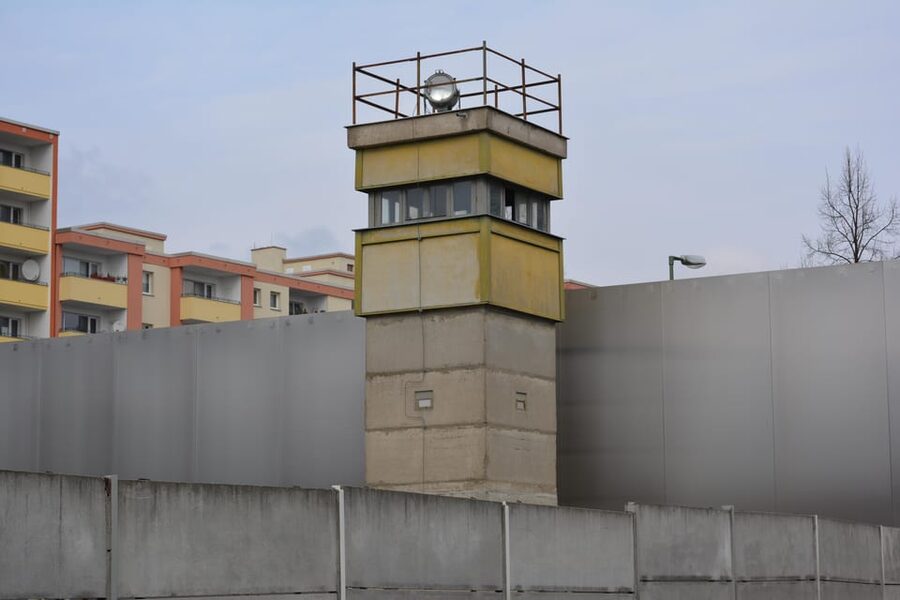
Potsdamer Platz receives about 15 minutes. Today, it is associated with modern buildings and major city life, but its position near the former border makes it a useful place to discuss Berlin’s physical change.
The stop helps you picture how the divided city once had empty spaces, restricted areas, and barriers where busy urban connections now exist. You begin to see that reunification was not just a political event. It also involved rebuilding streets, reconnecting districts, and deciding what to preserve.
This is another point where a guide adds real value. On your own, you might see a modern square and move on. With the Cold War context, the contrast between present-day Berlin and the former border becomes much clearer.
Checkpoint Charlie is famous, but the story is bigger than the photo
Checkpoint Charlie gets about 25 minutes of guided attention. It was the best-known crossing point between East and West Berlin, and its name appears in almost every basic guide to the city.
The site can feel commercial and crowded compared with the solemn parts of the tour. That is not a reason to skip it, but it is a reason to understand what you are looking at. The current setting should not be mistaken for a preserved border crossing in its original form. The guide helps separate the famous image from the real history.
Here you learn about the role of the crossing, the tense relationship between the occupying powers, and the way the border operated. The stop is also a good place to ask questions, since the guide has time to explain details rather than rushing past for a photograph.
I would not make Checkpoint Charlie the sole reason to book this walk. Its value comes from the explanation and its place in the larger route. By the time you arrive, you have already heard about the postwar split, the wall, and the people caught between political systems. That context makes the crossing more meaningful.
The Berlin Wall Memorial is the emotional center
The final major stop is the Berlin Wall Memorial, with about 75 minutes of guided time. This is where the tour slows down and gives the subject room to breathe.
The memorial commemorates the city’s division and the people who died because of it. It also preserves sections of the former border zone, allowing you to understand that the wall was not merely a single slab. There were security barriers, controlled passages, and areas designed to prevent escape.
The longer visit matters. Seventy-five minutes gives the guide time to explain how the border worked and to tell personal stories without reducing everything to a few dramatic sentences. You can ask questions, look closely at the site, and connect individual experiences with the wider political story.
This is also where the guides’ personal approach seems especially valuable. Cieran has shown photographs connected with his own family’s experiences of the Berlin Wall. That sort of material can make a large historical subject feel close and real, provided you are comfortable with a serious and sometimes painful tone.
Eugen has been praised for explaining not only what happened, but when and why it happened. That is exactly what you need at the memorial. A list of escape attempts may interest you, but understanding the laws, border controls, and political pressure behind those attempts gives the stories their full meaning.
The memorial is not light sightseeing. You will hear about deaths, failed escapes, family separation, and the strain of living under a closed border. I would recommend it to anyone who wants a fuller picture of Berlin, but perhaps not to someone looking for a casual stroll with only a few historical anecdotes.
The guides make the difference
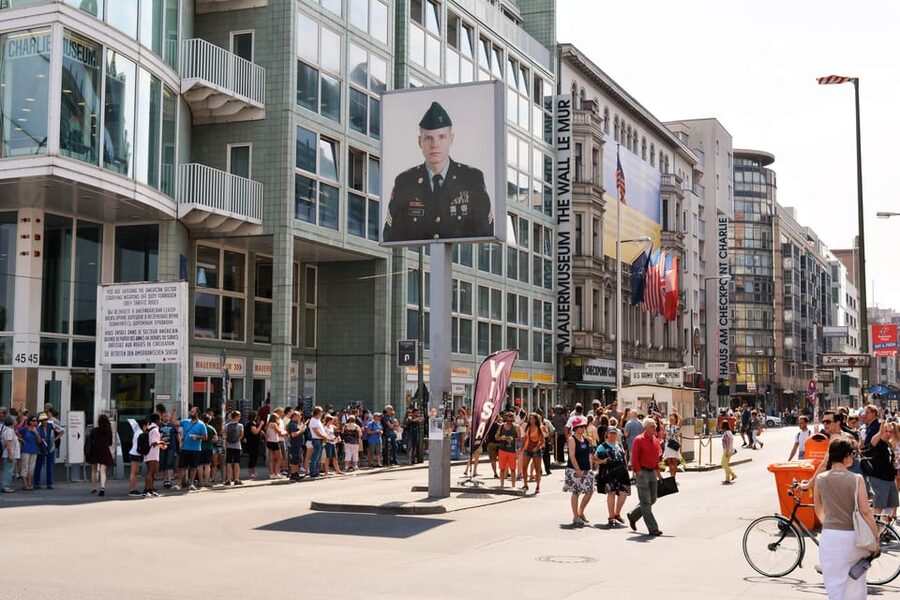
The strongest part of this tour is the quality of the live explanation. The guides are presented as local historians, and several names have drawn particular praise: Eugen, also referred to as Eugene, Cieran, and Paul.
Eugen’s style is built around detail, storytelling, and clear links between events. One particularly useful quality is his ability to explain how the Cold War fits into the wider story of Germany, rather than treating the wall as a separate chapter.
Cieran has been described as keeping his energy up in heavy snow and as answering questions with tact and kindness. His use of family photographs gives the tour a personal angle. Paul has also been praised for his strong command of the subject and his ability to make the walk engaging.
The guides do not all speak in exactly the same way, and that is normal for a live tour. The Swedish feedback offers a useful practical warning: traffic noise can interfere at some stops, and it helps to face the group when the guide is speaking. Stay near the guide, especially at busy streets, and do not hesitate to ask for a point to be repeated.
The live format also means you can ask about details that interest you. If you want to know more about escape attempts, border rules, daily life in East Berlin, or the political decisions that led to the wall’s fall, bring questions. The guide’s response may become one of the most useful parts of your three hours.
How much walking and time should you expect?
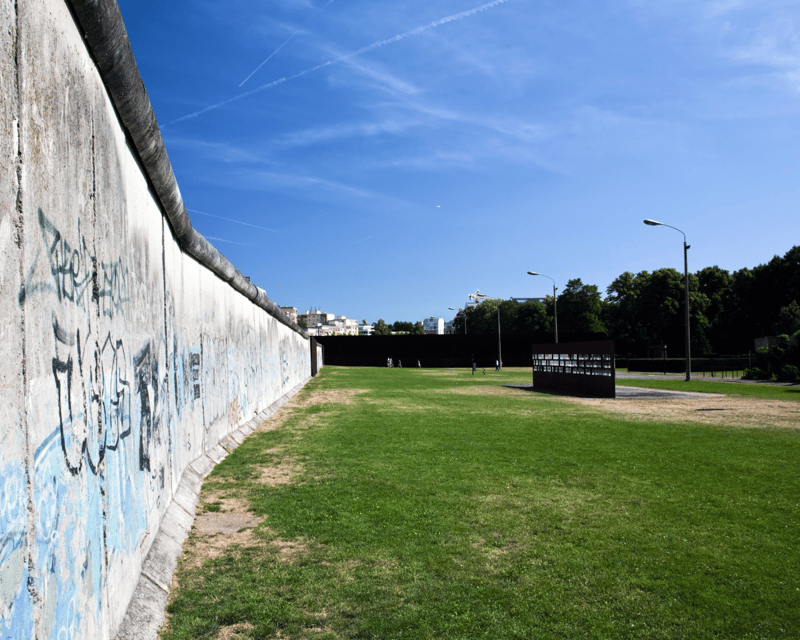
The experience lasts three hours and returns to Ebertstraße 24. It is a walking tour through central Berlin, with several outdoor stops and extended time at the Berlin Wall Memorial.
Wear comfortable shoes. The distance is not provided, so I would not plan a tight appointment immediately afterward. Street crossings, group pace, questions, and time at the memorial can all affect the exact finish.
Weather matters more than it would on a museum tour. Bring weather-appropriate clothing, and remember that the experience continues through cold conditions. Heavy snow did not stop one guide from leading the walk, but you should still dress for standing outdoors.
The tour is wheelchair accessible. Even so, it is sensible to check current route details if you have specific mobility needs, since the experience takes place across public streets and outdoor historic sites.
Is $31 a fair price?
At $31 per person, the tour offers good value if you want a guided understanding of Berlin’s Cold War past. You are paying for three hours of walking, a live guide in English or German, and access to a route that links several important sites.
The price is especially reasonable for someone who would otherwise visit Checkpoint Charlie and the Berlin Wall Memorial without knowing how they connect. A guide can save you from piecing together the story from scattered signs and quick online searches.
It is less useful if you prefer to explore entirely at your own pace or already have a strong grasp of Berlin’s twentieth-century history. You will still see meaningful places, but the main benefit is the explanation. This is not a ticketed attraction with an included meal or transport. It is a focused walking lesson led by a person.
Because the route covers several locations, you also get a broad introduction in one morning or afternoon. You can then return to the sites that interest you most, such as the memorial or Topography of Terror, for a slower visit.
Who should book this walk?
I would choose this tour for a first visit to Berlin, especially if the Cold War is unfamiliar to you. The guide fills in the political background and shows how the division affected streets, families, and daily life.
It also suits history-minded families and older children who can manage three hours of walking and serious subject matter. The personal stories may help younger listeners connect with events that otherwise feel distant, though the themes are not always easy.
The tour is a good fit if you want:
- A clear explanation of the period between the Second World War and the wall’s construction
- Personal stories about escape attempts and life beside the border
- A route linking the main Cold War sites
- Time at the Berlin Wall Memorial rather than a quick photo stop
- A live guide who can answer questions
You might choose something else if you want a short, relaxed introduction to Berlin’s architecture, a museum-only experience, or a tour focused mainly on the Nazi period. Topography of Terror appears on the route, but the main subject is the Cold War and Berlin Wall.
Booking advice and final verdict
The activity allows free cancellation up to 24 hours before the start, and you can reserve now while paying later. That flexibility is useful when weather or a changing Berlin schedule is a concern.
Book this tour if you want Berlin’s divided past explained by a strong storyteller, not simply marked on a map. The best reasons are the 75 minutes at the Berlin Wall Memorial, the personal material shared by guides such as Cieran, and the way Eugen connects dates, causes, and human consequences.
Skip it if you dislike walking in cold or uncertain weather, have limited time, or prefer to study historic sites alone. For most people who want to understand why the wall went up and why it finally fell, $31 is a fair price for three focused hours and a much clearer sense of the city.
FAQ
Where does the tour begin?
Meet your guide outside Hopfingerbräu at Ebertstraße 24, next to Brandenburg Gate.
How long does the tour last?
The walking tour lasts three hours.
What places are included?
The route includes Brandenburg Gate, a section of the former Berlin Wall, Topography of Terror, Potsdamer Platz, Checkpoint Charlie, and the Berlin Wall Memorial.
Does the tour visit Checkpoint Charlie?
Yes. Checkpoint Charlie receives about 25 minutes of guided attention.
How much time is spent at the Berlin Wall Memorial?
The guided visit to the Berlin Wall Memorial lasts about 75 minutes.
Is the tour offered in English?
Yes. Live tours are available in English and German.
Is the walking tour wheelchair accessible?
Yes, the activity is listed as wheelchair accessible.
What should I bring?
Bring comfortable shoes and clothing suitable for the weather.
How much does the tour cost?
The price is $31 per person.
Can I cancel for a refund?
Yes. You can cancel up to 24 hours in advance for a full refund.
More Berlin Wall Tours
- Skip-the-Line: Berlin Wall Museum at Checkpoint Charlie
★ 4.1 · 2,041 reviews - Berlin: East Side Gallery Spree Cruise in a Solar Catamaran
★ 4.0 · 1,039 reviews - Cold War, Berlin Wall, Spies and the East Side Gallery
★ 5.0 · 1,024 reviews - Berlin: Guided Bike Tour of the Berlin Wall and Third Reich
★ 4.7 · 499 reviews
Just added around Berlin
- Berlin: Private Guided Tour of the Main Sights★ 5.0 · 13 reviews
- Private Highlights of Berlin Bike Tour★ 5.0 · 13 reviews
- Modern Berlin Private Walking Tour: Diverse, Vibrant and Exciting German Capital★ 5.0 · 13 reviews
- Tour in Berlin from Warnemünde and Rostock Cruise Port★ 4.1 · 13 reviews
- Berlin: Stasi Museum Private Guided Tour with Entry Ticket★ 4.8 · 13 reviews
- Private Food Tour Experience with a born and bred Berliner★ 5.0 · 14 reviews
- Berlin: Rheinsberg Palace Entrance Ticket★ 4.8 · 14 reviews
- Berlin in one day – day tour with an expert guide★ 5.0 · 14 reviews
Berlin Wall Tours, compared.
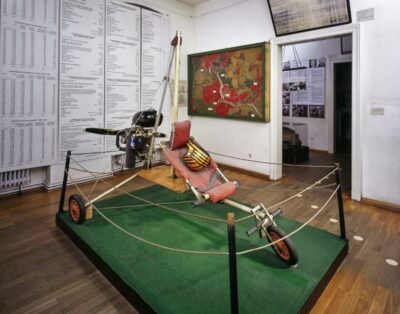
Skip-the-Line: Berlin Wall Museum at Checkpoint Charlie
Read our review →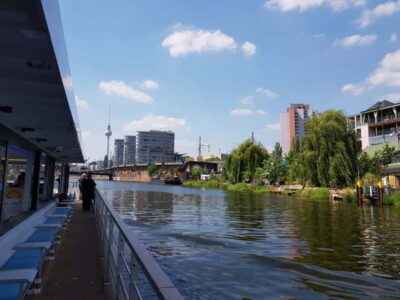
East Side Gallery Spree Cruise in a Solar Catamaran
Read our review →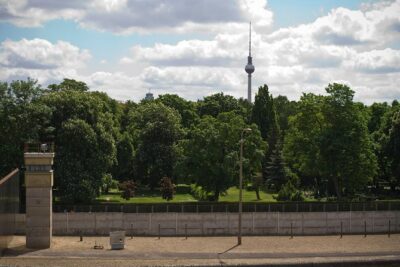
Cold War, Berlin Wall, Spies and the East Side Gallery
Read our review →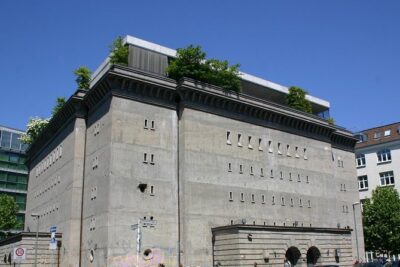
Guided Bike Tour of the Berlin Wall and Third Reich
Read our review →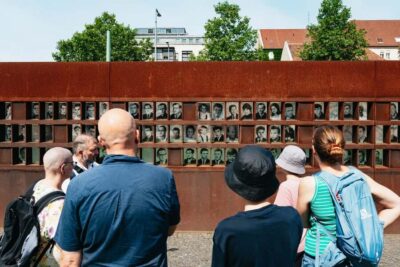
Cold War, Berlin Wall, Spies and the East Side Gallery
Read our review →Browse the lists this tour appears in