
Reviewed · MUSEUMS
August Horch Museum Entrance Ticket
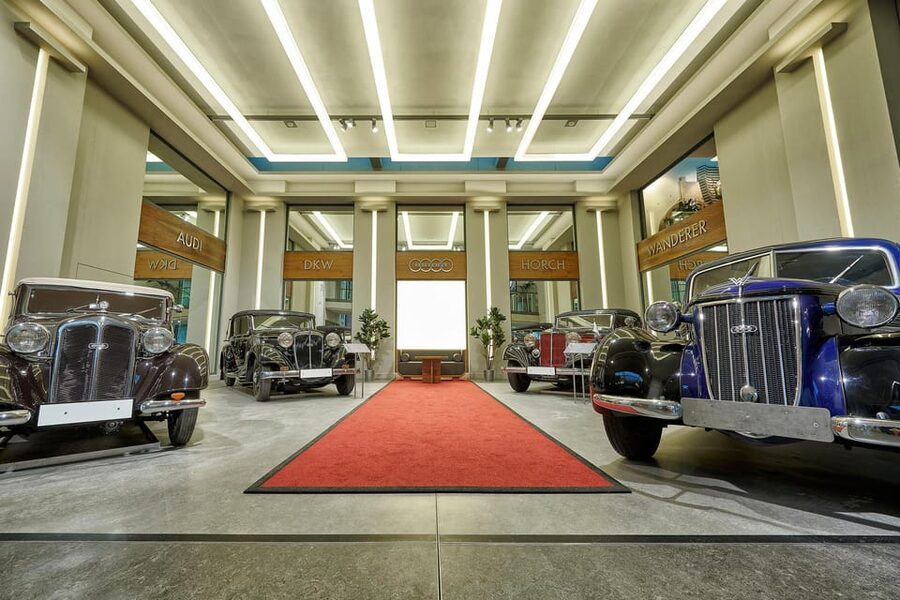
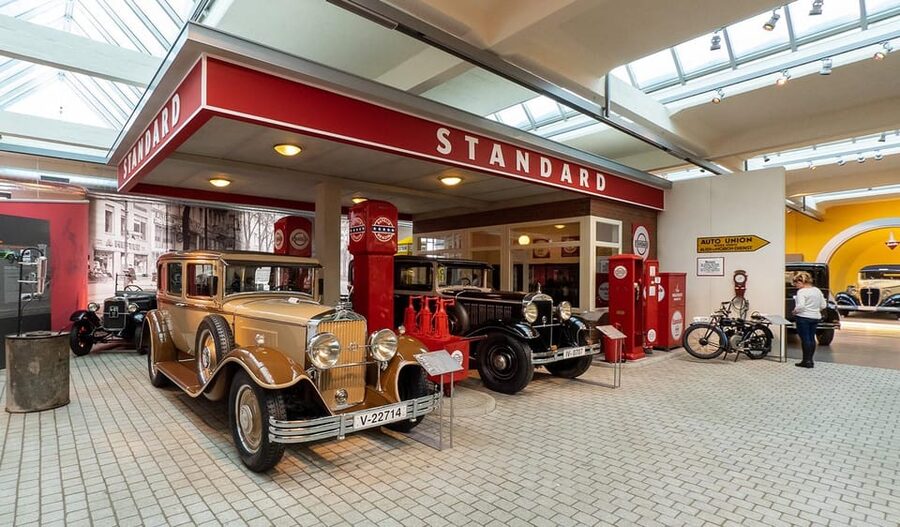
Cars can tell a city’s whole story. At the August Horch Museum, you walk through the birthplace of Audi and trace Zwickau’s motor industry from early Horch and Audi cars to DKW, Trabant, and Volkswagen. The setting matters: this is the ground where the first Audi factory operated, not a collection assembled without a local connection.
I like the sheer range of the collection, with more than 160 large exhibits spread across about 6,500 square metres. I also like the unusual Trabant production display, including the patented Duroplast body process. The main consideration is time: you can easily spend two hours here, and a short visit will leave much of the story unseen.
In This Review
- Key points to know before you go
- Why Zwickau is the right place for this museum
- Early Audi and Horch cars set the tone
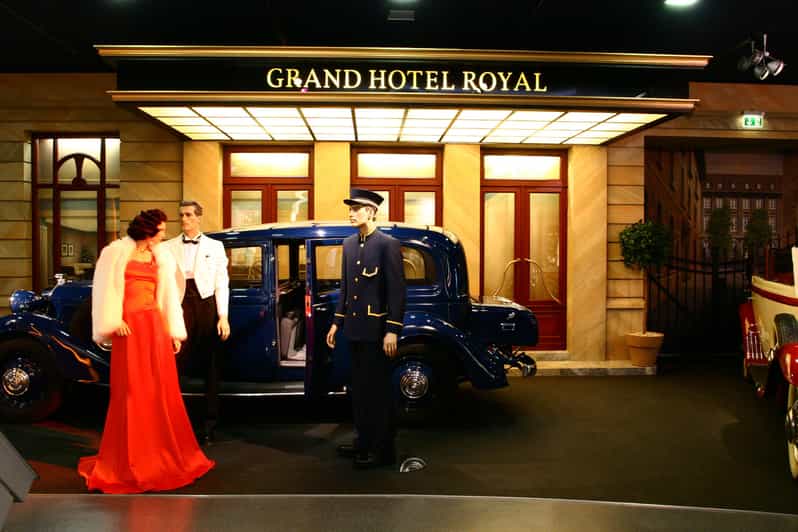
- The luxurious 1920s cars show another side of motoring
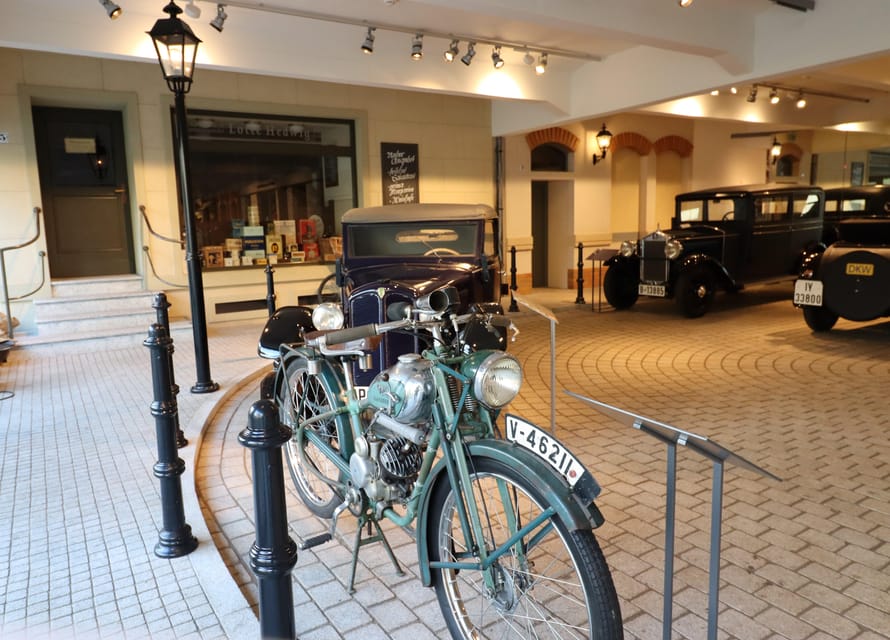
- DKW and the changing purpose of the factory
- The Trabant story is the museum’s most distinctive stop
- Racing cars and films add motion to the collection
- The exhibition continues to modern Volkswagen production
- How long to allow for 6,500 square metres
- Is the $17 ticket good value?
- Who will enjoy this museum most?
- Practical advice before your visit
- Should you book the August Horch Museum?
- FAQ
- Where is the August Horch Museum located?
- How much does admission cost?
- How long is the ticket valid?
- What does the admission ticket include?
- Is a guided tour included?
- Is the museum wheelchair accessible?
- Are pets allowed inside?
Key points to know before you go
- The museum occupies Audi’s original factory site, giving the cars a direct link to Zwickau’s industrial past.
- More than 160 exhibits cover 1911 to the present, with early Audi and Horch vehicles, luxury cars from the 1920s, DKW models, Trabants, and modern cars.
- The Trabant display goes beyond finished cars, showing a production line for Duroplast, the material used for its body.
- Plan on several hours if you want the full story, since the exhibition covers about 6,500 square metres.
- A ticket costs about $17 per person and is valid for one day, but it does not include a guided tour, food, drinks, or transport.
- The exhibition is wheelchair accessible except for the August Horch Mansion, and assistance dogs are allowed even though other pets are not.
Why Zwickau is the right place for this museum
Zwickau is the third-largest city in Saxony, and its connection to car production is central to the city’s identity. The August Horch Museum makes that connection easy to understand because it occupies the site of the first Audi factory.
That location gives the visit a useful sense of place. You are not simply looking at famous badges behind glass. You are seeing cars where generations of workers built them, and where changing political and economic systems shaped what came off the production line.
The museum follows more than 120 years of automotive history. The story begins with the inventive work associated with August Horch and continues through Audi, DKW, the East German Trabant, and Volkswagen’s present-day activity in Zwickau.
I find this kind of museum more rewarding than a display focused only on sleek modern vehicles. You see how engineering choices respond to their time. Luxury cars, practical family cars, racing machines, and mass-market vehicles each reveal something about the society that produced them.
More Museums in Germany:
- Berlin: Jewish Museum Berlin Entrance Ticket
★ 4.5 · 8,393 reviews - Berlin: DDR Museum Tickets
★ 4.3 · 3,443 reviews - Berlin: Natural History Museum Entrance Ticket
★ 4.6 · 3,382 reviews
Early Audi and Horch cars set the tone
The early part of the exhibition includes an Audi and a Horch from 1904, along with vehicles from 1911 onward. These cars establish the technical and industrial roots of the collection before the museum moves into later decades.
The appeal here is not only the age of the vehicles. Early cars show how different the automobile once was as a machine and as a social object. The engineering appears more exposed, and the move from experimental invention to organized production becomes easier to follow.
You will also encounter the story of the company name Audi. The museum presents this development as part of Zwickau’s wider production history, rather than treating Audi as an isolated modern brand.
Give this section more than a quick glance. It helps you understand why later Audi and Horch cars look and feel so different from one another. It also gives context to the polished vehicles that follow.
The luxurious 1920s cars show another side of motoring
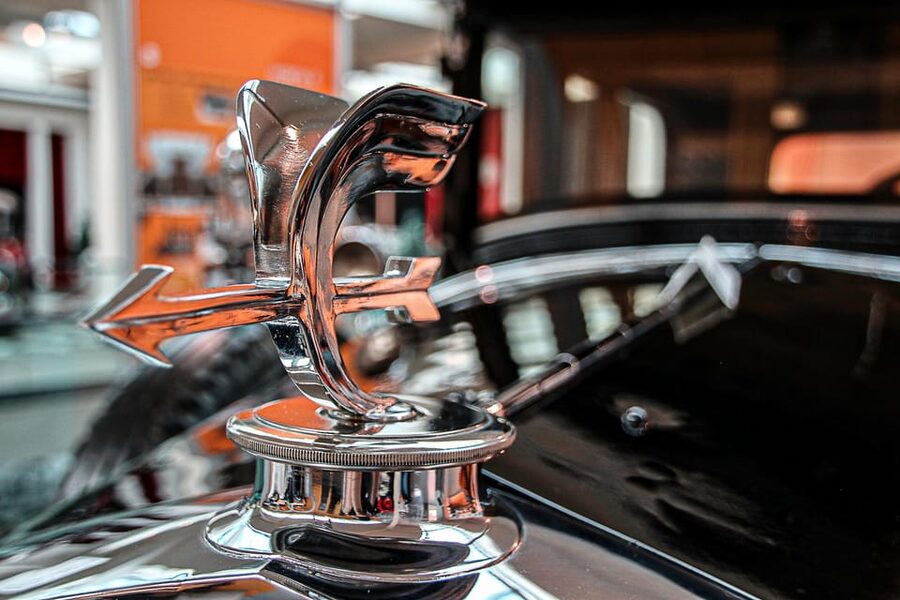
The exhibition includes luxurious cars from the 1920s, a sharp contrast to the practical Trabant that appears later. These vehicles show how car makers once linked motoring with status, comfort, and design.
For me, this contrast is one of the museum’s strengths. You are not asked to admire only one kind of car. The collection lets you compare expensive, carefully styled automobiles with vehicles created to put basic transport within reach of ordinary families.
The 1920s section also helps explain why Horch remains associated with prestige. The cars are part of a period when the motorcar could be a public statement, not just a way to get from one town to the next.
Look closely at the scale of the vehicles and the variety of the displays. The museum presents more than just a line of familiar models. Its large exhibits are supported by numerous smaller objects, helping fill out the production and design story.
DKW and the changing purpose of the factory
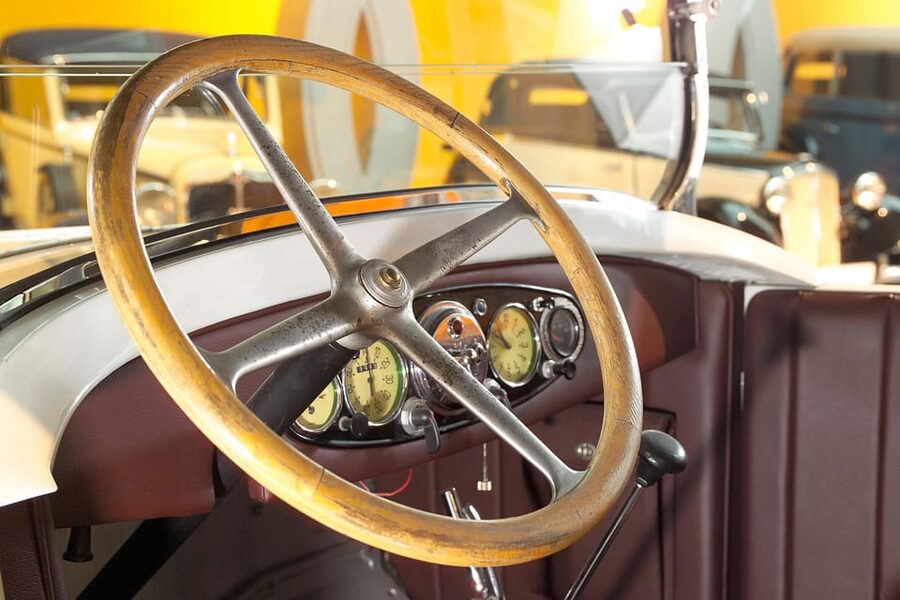
The former factory halls later became associated with DKW production. The museum includes this part of Zwickau’s story, showing how the same industrial base supported different brands and different kinds of vehicles over time.
This is an important part of the visit because the museum does not stop with the early prestige of Horch or the later fame of Audi. It shows that factories survive by adapting. Names, designs, ownership, and production goals change, but the work of building vehicles continues.
You can use the DKW section to think about the difference between a brand’s image and a factory’s everyday role. A famous name may attract attention, but workers, machinery, materials, and production methods are what keep an automotive center alive.
The exhibit is especially useful if you are interested in German industrial history. It connects the cars to employment and manufacturing, not just to styling and performance.
A few more tours and experiences worth a look
- Dresden: Semperoper Tickets and Guided Tour
★ 4.7 · 12,102 reviews - Berlin: Berlin Story Bunker Entry Ticket
★ 4.6 · 6,759 reviews - Hamburg: Hamburg Dungeon Admission Ticket
★ 4.7 · 5,745 reviews - Munich Hop-On Hop-Off Tour: 1-Day or 2-Day Ticket
★ 4.3 · 4,161 reviews
The Trabant story is the museum’s most distinctive stop
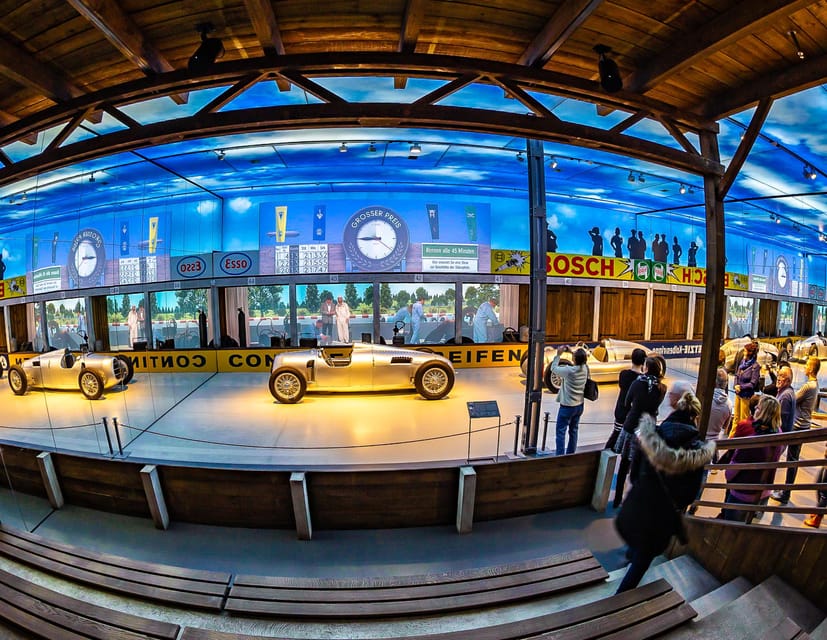
The Trabant is likely to be the highlight for many people, and the museum gives it more attention than a simple display of one finished car. You learn how Trabants were made and see a production line connected to Duroplast, the patented material used for their body panels.
This is the museum’s most unusual feature. A finished Trabant can tell you what the car looked like, but the Duroplast display explains how it was built and why it differed from conventional steel-bodied vehicles.
The material is tied directly to the car’s identity. It also reflects the practical limits and production needs of the period in which the Trabant was made. That makes this stop useful even if you have little interest in mechanical details.
I would not rush through the Trabant section. It provides a clear bridge between engineering, politics, and daily life in East Germany. The car became a familiar part of ordinary transport, and its production story says as much about available materials and industrial systems as it does about the vehicle itself.
The museum also uses films as part of its presentation. The historical racing-car story, supported by film material, gives the exhibition some movement and helps break up the long sequence of stationary vehicles.
Racing cars and films add motion to the collection
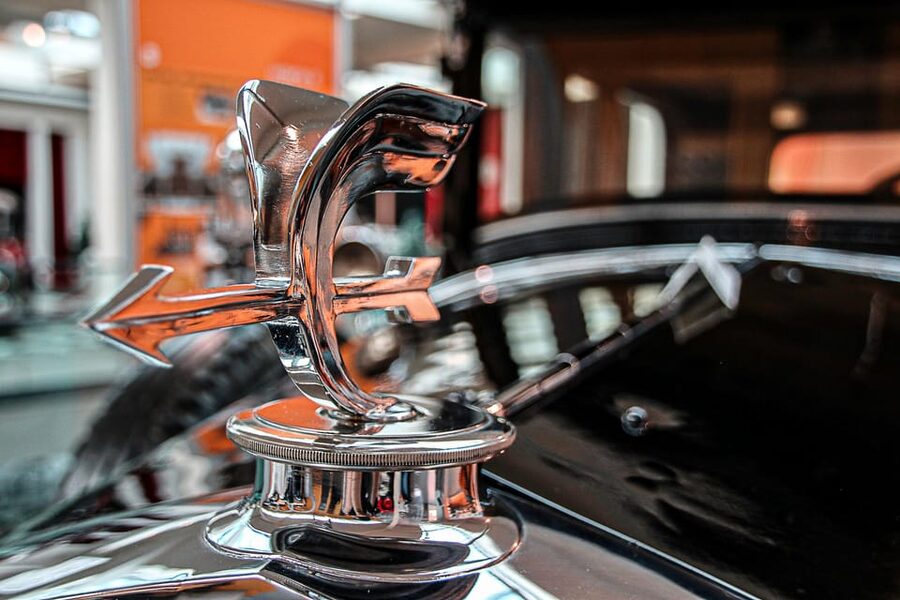
The racing-car displays bring a different mood from the stately Horch models and practical Trabants. Here, the focus shifts toward speed, competition, and technical development.
The supporting films are worth your time. They help explain the history behind the racing vehicles instead of leaving you to identify shapes and badges on your own. This is useful when a car’s importance is not obvious from its appearance.
I like this mix of objects and moving images. A museum with more than 160 major exhibits can become visually repetitive, but film gives the racing section a stronger sense of action.
Still, your experience will depend on how much time you give the material. If you have only a short window, you may need to choose between watching the films carefully and seeing every vehicle. The museum rewards a patient visit more than a fast checklist.
The exhibition continues to modern Volkswagen production
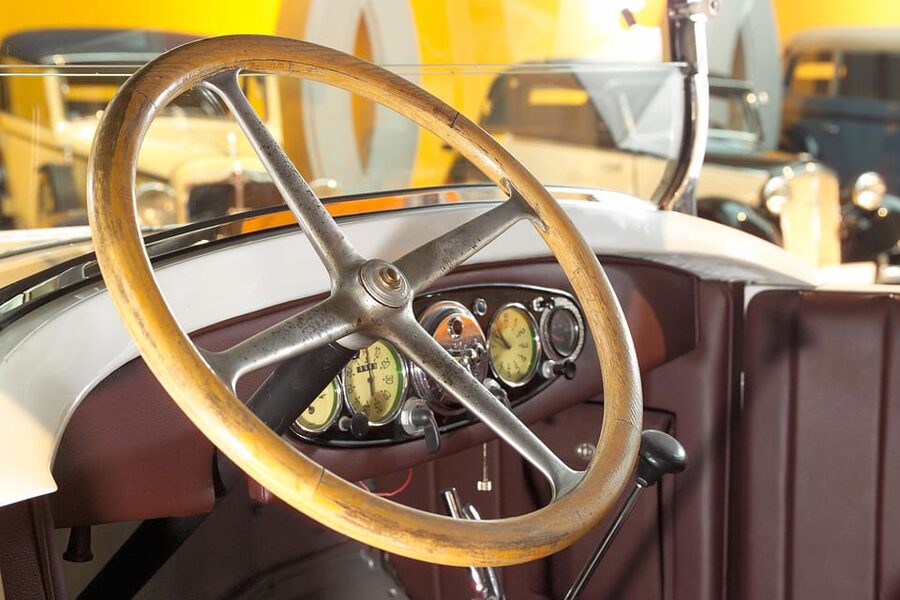
The final part of the exhibition brings the story into the present day, with Volkswagen still active in Zwickau. This ending matters because it shows that local car production did not finish with the Trabant.
You leave with a sense of continuity. Audi, Horch, DKW, Trabant, and Volkswagen represent different chapters, but the factory site remains tied to vehicle production. The museum’s final message is about change rather than nostalgia.
That modern connection also helps prevent the museum from becoming only a memorial to older cars. You can see how technology, ownership, and design have shifted while Zwickau continues to play a role in German manufacturing.
If your interest is limited to classic cars, the earlier sections may hold more appeal. If you want to understand how a city moved from early automotive experiments into modern production, make sure you reach the final displays.
How long to allow for 6,500 square metres
The ticket is valid for one day, and you should treat that as permission to set your own pace rather than as a timed tour. Starting times are subject to availability, so check the available entry information before you commit to your schedule.
A quick visit is possible, but I would allow at least two hours if you want to read the displays, watch the films, and spend proper time with the Trabant production material. The exhibition covers about 6,500 square metres, so there is a lot of ground between the first cars and the modern Volkswagen section.
The August Horch Mansion is the exception to the museum’s wheelchair accessibility. The rest of the exhibition is wheelchair accessible, which makes the main collection easier to plan for visitors with mobility needs.
There is no guided tour included with the ticket. That can be a drawback if you want a specialist to explain every technical point, but it also lets you move at your own speed. A self-guided visit works well for families and mixed-interest groups because one person can spend longer with a favorite car without holding up everyone else.
Is the $17 ticket good value?
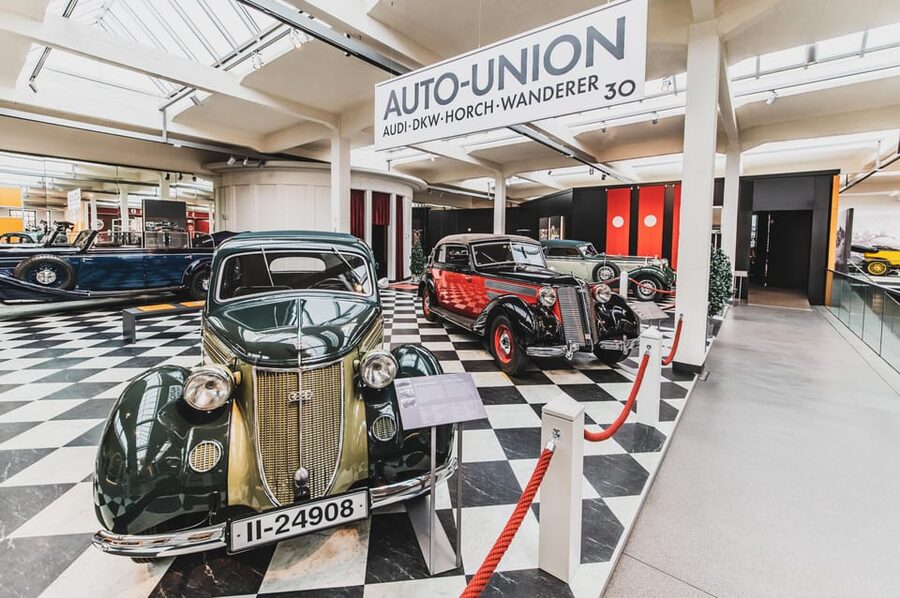
At about $17 per person, this is a strong-value museum visit for anyone interested in cars, German industry, or twentieth-century history. You receive access to a large collection spanning more than a century, including unusual production material that many automotive museums do not show.
The value is especially good if you spend several hours inside. A short stop to photograph a few cars will not make full use of the ticket, but a careful visit gives you early Audi and Horch vehicles, 1920s luxury cars, DKW and Trabant history, films, racing cars, and modern Volkswagen production.
Remember what the price does not cover. You must arrange your own transport, and food and drinks are not included. A guided tour is also separate, so add that cost only if you specifically want guided interpretation.
The reserve-now-and-pay-later option can help if your schedule is still changing. Free cancellation is available up to 24 hours in advance for a full refund. You need a printed voucher, so do not rely only on a phone confirmation.
Who will enjoy this museum most?
I would recommend the museum to anyone who likes classic cars, but its appeal is wider than that. The collection suits visitors interested in German manufacturing, East German daily life, design, engineering, and the way one city adapted to major historical changes.
Families can split their time between large vehicles, films, and the Trabant production display. Children who are not interested in company history may respond better to the size and variety of the cars, while adults can spend longer with the industrial story.
Car enthusiasts will appreciate the range from 1904 examples to present-day vehicles. The museum is also a good choice for people who know the Trabant as a cultural symbol but have never considered how its Duroplast body was produced.
You may want to skip it if you have only a few minutes in Zwickau or if you want a guided, highly structured tour. The ticket provides entry, not a personal explanation, and the museum is large enough that a rushed visit will feel incomplete.
Practical advice before your visit
Bring the printed voucher required for entry. Check the available starting times before booking, since the ticket is valid for one day but entry details still depend on availability.
Pets are not allowed, although assistance dogs are permitted. Food, drinks, and transportation are not part of the admission, so plan those separately.
If wheelchair access matters to you, remember that the exhibition is accessible apart from the August Horch Mansion. The booking information identifies the visit as a small-group experience limited to 10 participants, which may suit you if you prefer a less crowded arrangement.
I would also set aside enough mental space for the museum’s full sequence. Start with the earliest cars, compare the 1920s luxury vehicles with later practical models, give the Duroplast line a close look, and finish with Volkswagen’s current presence in Zwickau. The order is what makes the individual displays fit together.
Should you book the August Horch Museum?
Book it if you want more than a room full of polished automobiles. The museum connects Audi, Horch, DKW, Trabant, and Volkswagen to one factory site, and its Duroplast production display gives the visit a special focus.
The $17 admission is fair for the size of the collection, particularly if you stay for two hours or more. I would make it a priority for car enthusiasts, families with an interest in machines, and anyone exploring Saxony’s industrial past.
Skip it only if your schedule is too tight for a proper visit or if you need a guided tour included in the ticket. For most people with half a day available in Zwickau, this is an informative and unusually grounded way to understand how German automotive history changed over 120 years.
FAQ
Where is the August Horch Museum located?
The museum is in Zwickau, Saxony, Germany, on the site of the first Audi factory.
How much does admission cost?
The listed price is about $17 per person.
How long is the ticket valid?
The entrance ticket is valid for one day. Check availability for the applicable starting times.
What does the admission ticket include?
It includes entrance to the August Horch Museum.
Is a guided tour included?
No. A guided tour is not included with the entrance ticket.
Is the museum wheelchair accessible?
The exhibition is wheelchair accessible except for the August Horch Mansion.
Are pets allowed inside?
Pets are not allowed. Assistance dogs are permitted.
Just added around Germany
- e-Scavenger hunt Aachen: Explore the city at your own pace★ 4.0 · 13 reviews
- Munich: Private or Group Third Reich and WWII Walking Tour★ 4.9 · 13 reviews
- Canyoning Advanced Day Trip★ 5.0 · 13 reviews
- Wiesbaden Biebrich: Outdoor Escape Game★ 4.7 · 13 reviews
- Berlin: Private Guided Tour of the Main Sights★ 5.0 · 13 reviews
- From Munich: Neuschwanstein Castle and Linderhof Private Tour★ 5.0 · 13 reviews
- Trier, Moselle: Wine excursion with boat trip★ 3.9 · 13 reviews
- From Dresden: Guided Day Tour by Bus of Seiffen Toy Village★ 4.0 · 13 reviews
Museums, compared.



Skip-the-Line: Berlin Wall Museum at Checkpoint Charlie
Read our review →
Browse the lists this tour appears in