
Reviewed · MEMORIAL & CONCENTRATION CAMP TOURS
Sachsenhausen Memorial: Walking Tour from Berlin
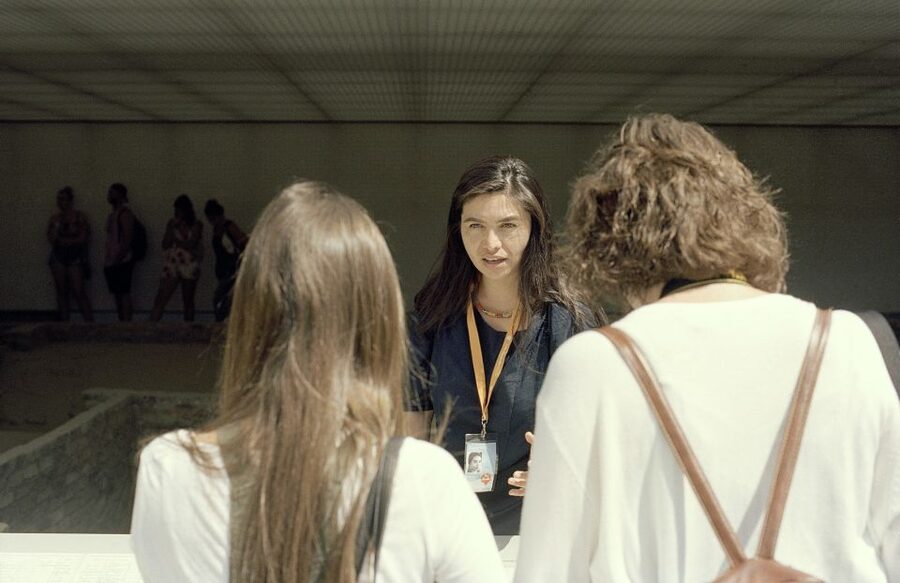
Some places demand your full attention. Sachsenhausen does exactly that, pairing a three-hour memorial visit with a guide who explains how architecture, forced labor, propaganda, and SS control worked together. I especially like the careful treatment of survivor testimony and the chance to travel from Berlin by public train, rather than being sealed inside a sightseeing bubble. The main drawback is the price: at $511 for a group of up to six, this is costly unless you fill the private group.
You should also expect a long, serious day with plenty of walking, no meal stop, and weather exposure. Guides such as Fabio, Soleil, Lorenzo, Andrea, and Sueli have been praised for warmth, clarity, and emotional care, but the transport arrangements can feel a little scattered. Bring lunch for the train, buy your ABC ticket before meeting, and arrive at least 15 minutes early.
In This Review
- Key points before you book
- Why Sachsenhausen is worth a day from Berlin
- Leaving Berlin by S-Bahn and regional train
- Oranienburg: the transition before the memorial
- Tower A and the roll-call square
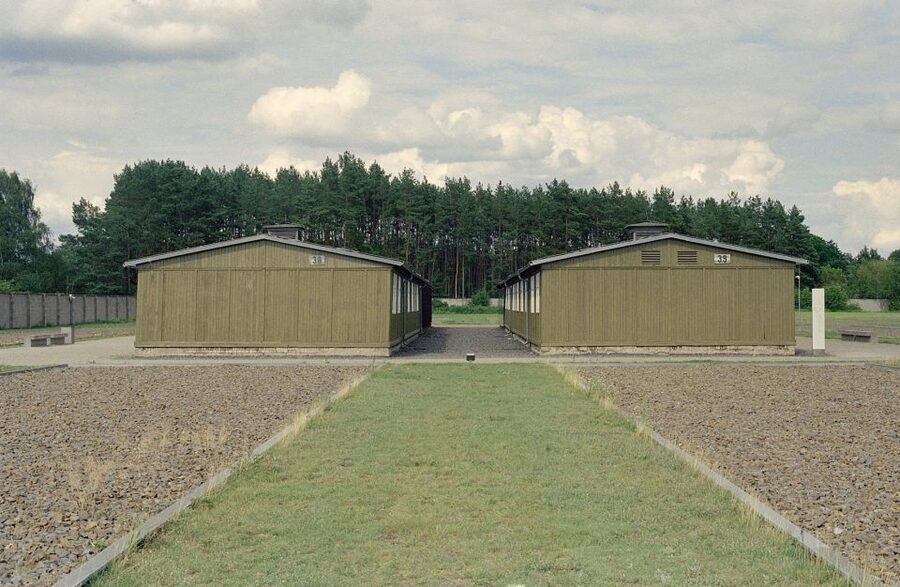
- Forced labor, punishment, and the prison barracks
- The former kitchen and Station Z
- Resistance, death marches, and what came after
- How the six-hour schedule feels in practice
- Is $511 good value for up to six people?
- Who should book this experience?
- Should you book the Sachsenhausen tour?
- FAQ
- How long does the Sachsenhausen tour from Berlin last?
- How do I reach Sachsenhausen from Berlin?
- Is public transportation included?
- Is there an additional memorial fee?
- Can I eat during the tour?
- What should I wear?
- Can I stay at the memorial after the guided visit?
- What languages are available?
Key points before you book
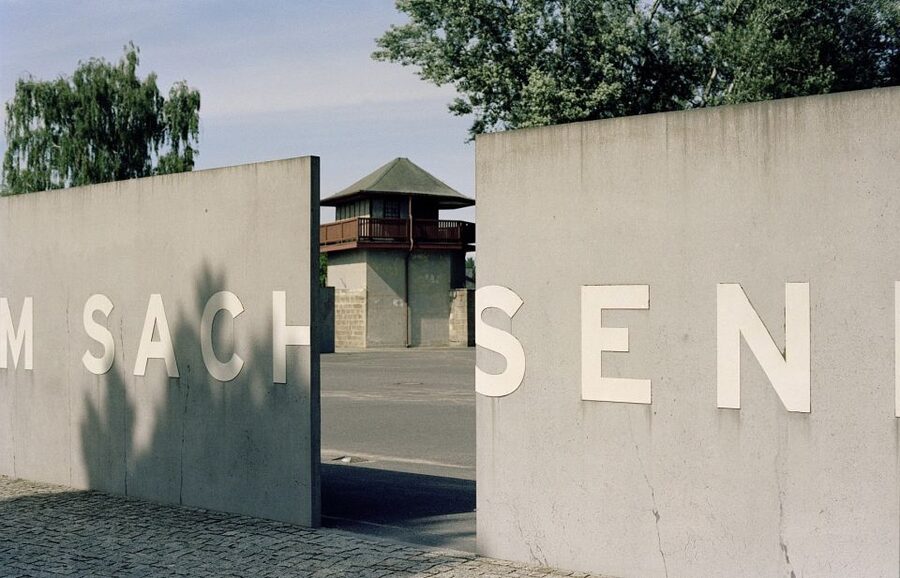
- Sachsenhausen was built as a model camp in 1936, giving the tour a useful focus on how the Nazi camp system was organized.
- The memorial visit lasts about three and a half hours, with Tower A, the roll-call square, prisoner barracks, the former kitchen, and Station Z among the major stops.
- Public transport is part of the experience, with about 40 minutes each way between Berlin and Oranienburg.
- The guide’s storytelling is a major strength, especially when explaining survivor accounts, resistance, death marches, and the camp’s postwar use.
- You must bring €3 in cash, paid as a memorial donation, plus a Berlin ABC public transport ticket.
- The subject matter is severe and the day is physically demanding, with no food stop and visits continuing in all weather.
Why Sachsenhausen is worth a day from Berlin
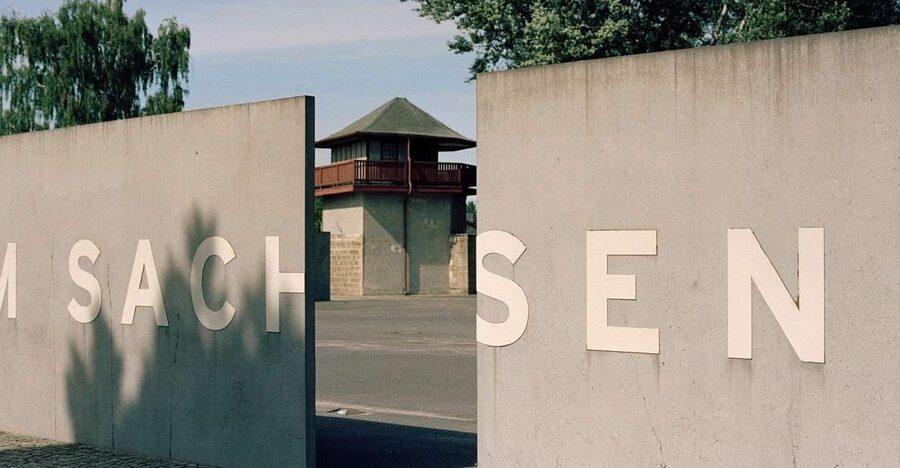
Berlin has no shortage of museums about Nazi Germany. Sachsenhausen gives you something different: a chance to study the system at the actual site where it operated. The empty spaces, surviving structures, memorial markers, and museum displays make the history less abstract.
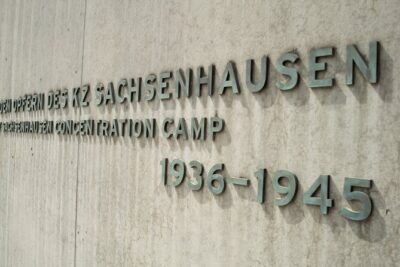
Sachsenhausen was established in 1936, only a few kilometers north of Berlin. Its location mattered. This was the camp closest to the Nazi capital, and the SS used it as a model for later concentration camps. The design was meant to place prisoners under constant control, with the camp arranged to enforce SS authority through sightlines, movement, routine, and fear.
I find that point especially important. The visit is not only about listing crimes or looking at buildings. You learn how a dictatorship turned planning, administration, architecture, labor, punishment, and propaganda into a machine of oppression.
The camp first held political opponents of the Nazi regime. Later, Sinti and Roma, Jews, prisoners of war, Jehovah’s Witnesses, and other groups were imprisoned there. More than 40,000 people died under brutal conditions. A good guide helps you keep both parts of that story in view: the large political structure and the individual suffering within it.
More Walking Tours in Berlin
- Discover Berlin Half-Day Walking Tour
★ 5.0 · 9,624 reviews - Berlin: Third Reich and Cold War 2 Hour Walking Tour
★ 4.9 · 6,830 reviews - Berlin: Discover Berlin Walking Tour
★ 4.9 · 5,998 reviews
Leaving Berlin by S-Bahn and regional train
The day begins at a Berlin meeting point that depends on the option you choose. From there, you travel together toward Oranienburg, the nearest station to the memorial. The train journey takes about 40 minutes each way, so the transport is not a minor transfer. It forms a noticeable part of the six-hour schedule.
You need a public transport ticket covering Berlin zones ABC. A 24-hour ABC ticket is recommended, and it is not included in the tour price. Buy it before the meeting time so you are not trying to solve the ticket problem while the group is preparing to leave.
The organizers expect to take a train departing about five minutes after the official start time. Arrive at least 15 minutes early. The group cannot wait for late arrivals, and missing the train would be a poor way to begin a tightly timed day.
The train ride gives you a chance to eat the lunch you brought. Food is not permitted at the memorial, and there is no lunch stop during the activity. I would pack something simple, along with water, and treat the ride as your only planned meal break.
One practical weakness is that the transport organization may not feel perfectly clear to everyone. The experience still works, but you should listen closely at the meeting point and keep the guide or group within sight during transfers.
Oranienburg: the transition before the memorial
The group has a short guided segment in Oranienburg before reaching Sachsenhausen. The listed timing is about 20 minutes, followed by roughly 20 minutes on foot to the memorial.
That walk helps shift the mood. You are leaving the center of Berlin and moving toward a site whose location was chosen near the capital, but far enough away to conceal the full reality from ordinary public view. The transition also gives the guide space to set the political and geographic context before you enter the memorial grounds.
Do not think of this as a relaxed city walk. Comfortable shoes matter, and the whole activity involves a lot of walking. The memorial visit itself lasts about three and a half hours, often outside or in large open areas. Wear clothing for the forecast, since the tour runs in all weather.
Tower A and the roll-call square
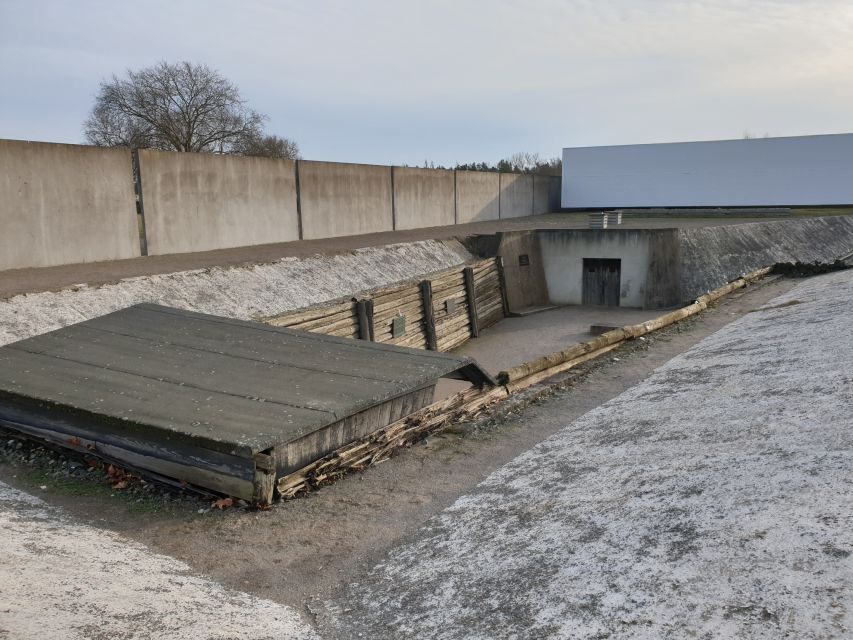
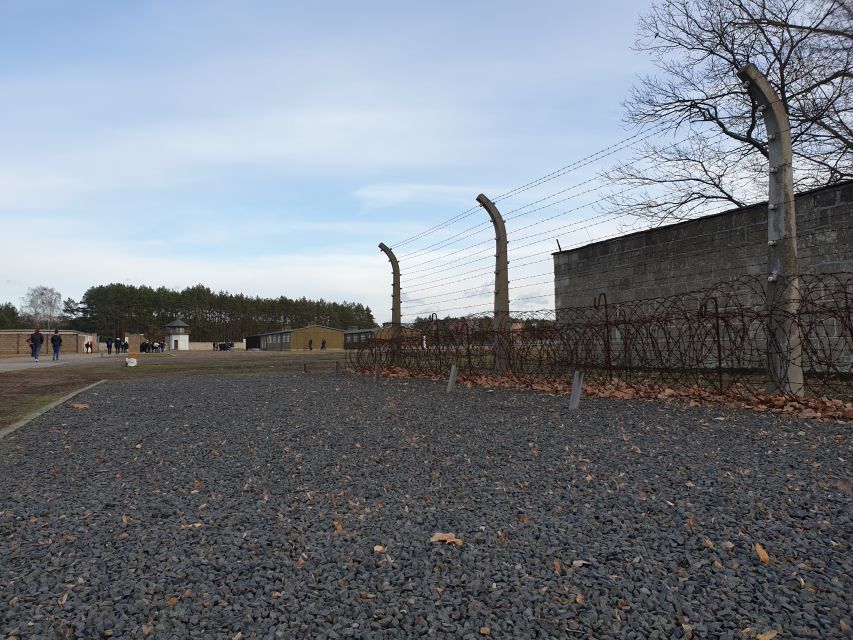
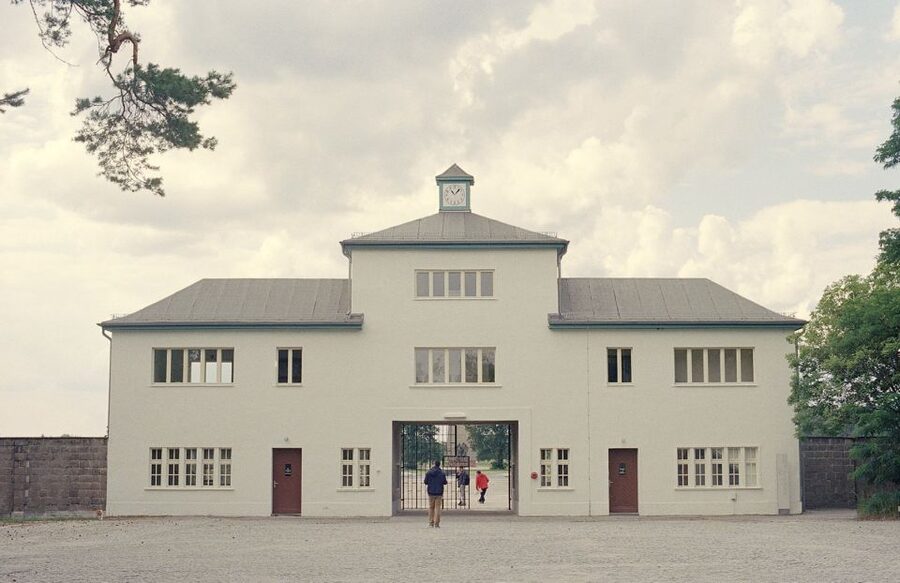
The guided visit begins with key locations that show how the camp was controlled. Tower A and the roll-call square help explain the strict daily routine imposed on prisoners. The square was tied to counting, discipline, and the SS system of surveillance.
Here, the guide’s role matters more than a quick look at the buildings. The site can appear stark and quiet, but the guide connects the physical arrangement to the people forced to live under it. You learn how space was used to strip prisoners of independence and make obedience the basic condition of survival.
The most praised guides have been those who handle this material with both precision and restraint. Fabio was singled out for bringing the group into the history through passionate storytelling. Lorenzo was praised for the number of dates and details he supplied, while Soleil, Sueli, and Andrea were noted for empathy, warmth, and clear communication.
That combination is valuable. A guide who gives only facts can make the visit feel distant. A guide who relies only on emotion can lose historical accuracy. The strongest accounts here appear to balance both.
More memorial visits:
- Berlin: Sachsenhausen Concentration Camp Tour in English
★ 5.0 · 5,711 reviews - Berlin: Sachsenhausen Concentration Camp Memorial Tour
★ 4.7 · 3,716 reviews - Sachsenhausen Concentration Camp Bus Tour in English from Berlin
★ 5.0 · 1,962 reviews - Berlin: Sachsenhausen Concentration Camp Tour in English
★ 4.8 · 1,889 reviews
Forced labor, punishment, and the prison barracks
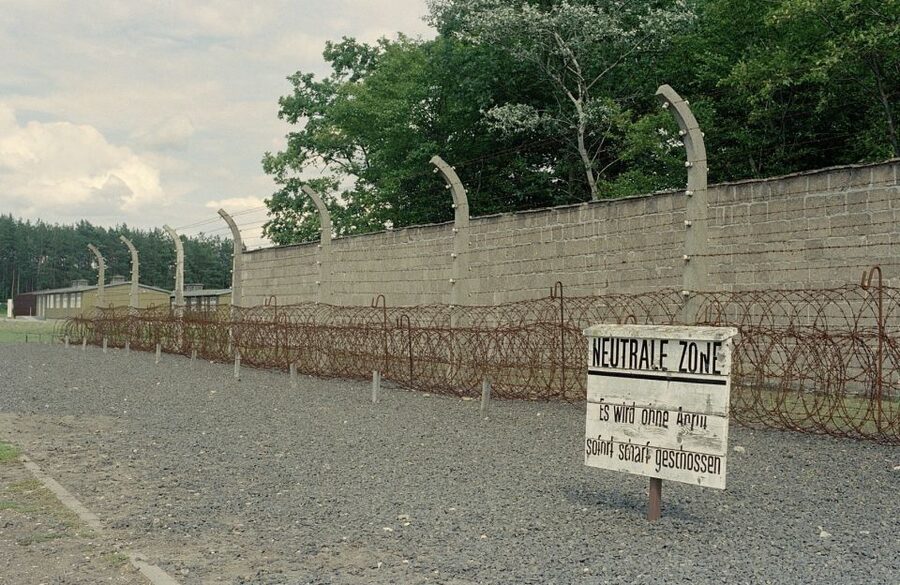
Sachsenhausen was part of a wider system of exploitation. The tour explains forced labor, punishment, and the role of private industry in using prisoners as an abused workforce. This helps you see that the camp was not isolated from the German economy or the Nazi state. It operated within a larger network of labor, administration, policing, and profit.
The guide also discusses the camp as a training center for SS guards. That detail makes Sachsenhausen especially important. It was not simply a place where prisoners were held. It also helped spread methods and personnel through the concentration camp system across Nazi-occupied Europe.
The prison barracks and medical experimentation rooms bring the story back to individual bodies and daily life. You hear about hunger, disease, coercion, punishment, and the ways prisoners tried to resist. Survivor testimony gives these subjects a human scale, while historical research helps explain how the system was maintained.
This section may be difficult for anyone visiting a concentration camp for the first time. I would not plan another demanding attraction immediately afterward. Give yourself time after returning to Berlin, even if that means keeping the evening simple.
The former kitchen and Station Z
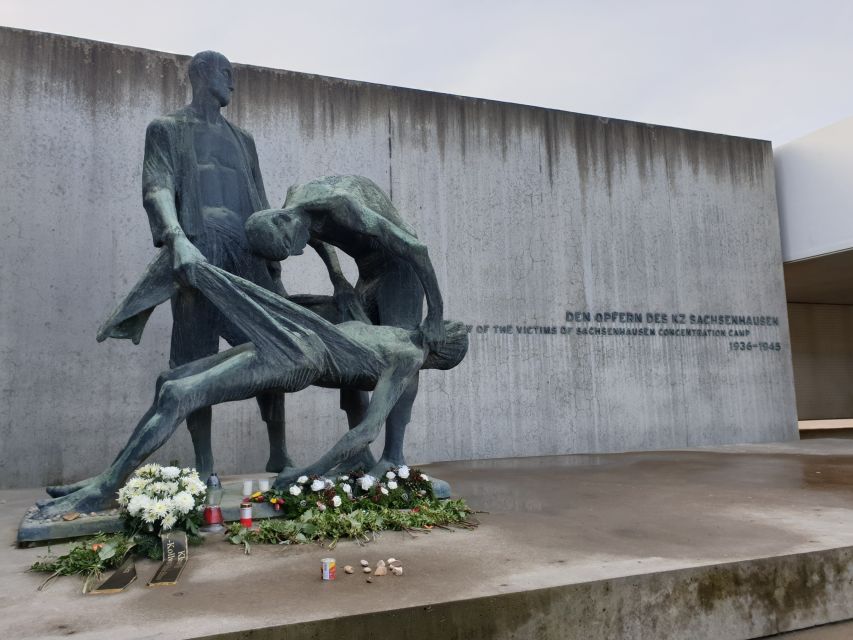
The former kitchen now serves as a museum. It adds documents and displays to the outdoor visit, helping explain how the camp functioned from day to day and how Nazi propaganda presented the concentration camp system.
The contrast matters. Official propaganda tried to disguise or justify persecution, while the memorial reveals the violence behind the public story. The former kitchen therefore does more than show an old building. It helps you compare what the regime wanted people to believe with what prisoners actually endured.
Station Z is among the most disturbing stops. This was the area where the crematoriums and gas chamber once stood. The name itself was a cruel piece of camp logic, referring to the final station after prisoners entered through the first, designated area. The visit here focuses on mass murder and the physical evidence left at the site.
The guide’s tone is crucial in this part of the tour. Good interpretation should not turn the place into a spectacle. The comments about Fabio, Soleil, Lorenzo, Andrea, and Sueli suggest that the strongest guides treat the subject with seriousness and personal care. That is one reason this tour has received a high overall rating of 4.7 from 132 ratings.
Resistance, death marches, and what came after
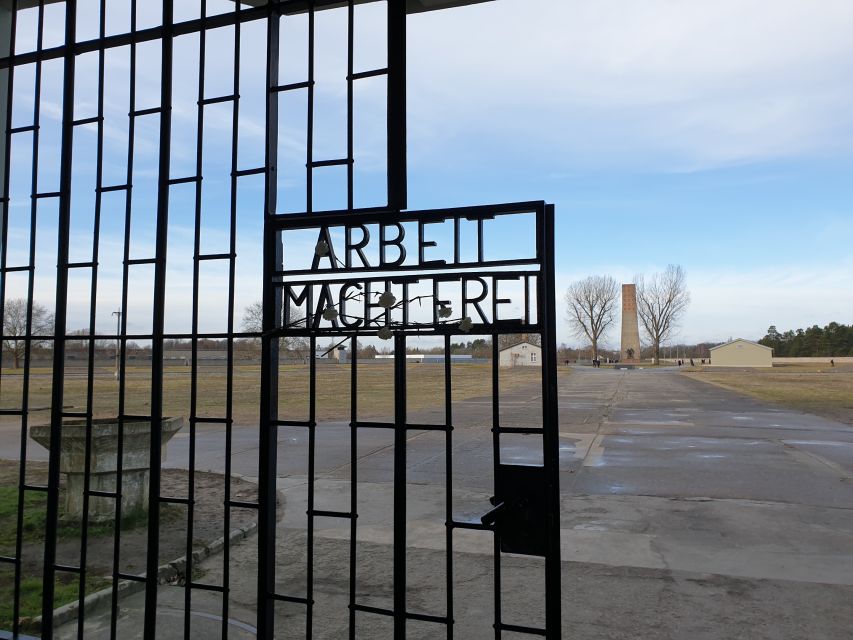
The tour does not stop with the camp’s daily routine. You also learn about prisoner resistance and the death marches at the end of World War II. These subjects correct the false impression that prisoners were passive in every situation. Resistance took many forms, even under conditions designed to make organized action almost impossible.
The postwar story is essential too. Under Soviet occupation, Sachsenhausen continued as a special camp. Thousands of people, including former Nazis, political opponents, and civilians, were detained there, and many died from hunger and disease.
That later history can be overlooked when people focus only on the Nazi period. Including it makes the memorial more honest and more complicated. It shows how a site of political imprisonment continued to be used by another occupying power, even after the Nazi regime had collapsed.
You should leave with a better understanding of two separate periods, not a blurred version of one. The guide’s job is to explain the differences in purpose, prisoners, and conditions without treating the histories as identical.
How the six-hour schedule feels in practice
The advertised duration is six hours. A typical outline looks like this:
- About 10 minutes of guided preparation in Berlin
- Around 40 minutes by train to Oranienburg
- About 20 minutes of guided context in Oranienburg
- Roughly 20 minutes walking to the memorial
- About three and a half hours at Sachsenhausen
- Around 20 minutes walking back
- About 40 minutes by train to Berlin
The timing is full but reasonable for the amount covered. The memorial deserves several hours, and a shorter visit would leave important areas unexplained. You may stay longer at Sachsenhausen after the guided portion if you want to inspect the museum and grounds at your own pace, but you are responsible for arranging your later return unless the group is still traveling back together.
The drop-off points are Potsdamer Platz 10 and Friedrichstraße 141. The precise return arrangements can depend on the option selected, so listen for instructions before the group separates.
The tour may run with a small group, while the broader group size can reach 25 people. A private group is also available. If you care about asking many questions or want the guide’s attention focused on your party, the private option may justify its higher cost.
Is $511 good value for up to six people?
The listed price of $511 covers a group of up to six, which works out to about $85 per person if the group is full. That is a substantial price for a memorial visit, especially because your ABC transport ticket and the required €3 donation are extra.
Still, the value depends on what you want from the day. You are paying for a six-hour guided experience, a trained guide, group coordination on public transport, and three to three and a half hours of interpretation at a complex historical site. If six people share the cost, it becomes easier to defend. For one or two people, a standard shared group option, if available for your chosen language and date, may make more financial sense.
The donation is separate and paid in cash at the meeting point. All of it goes to the memorial. Carry the exact amount if possible, since it keeps the departure simple.
The guide quality appears to be the clearest reason to pay for this format. A visit without context can leave you looking at bare foundations and empty spaces without understanding how the camp worked. The best guides turn the site into a connected lesson in dictatorship, racism, labor, propaganda, and human survival.
Who should book this experience?
I would recommend this tour to adults and older teenagers who want serious historical context and can handle a long, emotionally heavy day. It suits people who prefer asking questions and hearing a structured explanation rather than walking through the memorial alone.
It is also a good choice if you are visiting Berlin without a car. The shared journey by public transport takes care of the route to Oranienburg, though you still need to buy the correct ticket yourself.
I would be cautious about booking it for very young children, anyone who dislikes extended walking, or anyone hoping for a light excursion. The subject matter includes imprisonment, murder, starvation, medical abuse, and disease. You should be ready for that before you go.
Language selection deserves attention. The activity information lists French, Italian, and English guides, while the included details also refer to an Italian or Spanish-speaking guide. Confirm the exact language attached to your selected departure before paying, rather than assuming the same option covers every language.
Should you book the Sachsenhausen tour?
Book it if you want a serious, guided explanation of how the Nazi concentration camp system worked and you value survivor testimony, clear historical detail, and patient interpretation. The praised work of guides including Fabio, Soleil, Lorenzo, Andrea, and Sueli suggests that the human side of the tour is its strongest feature.
Think twice if $511 is for a small party, if you want a flexible schedule, or if you prefer exploring memorials quietly on your own. Bring food, water, good shoes, an ABC ticket, €3 in cash, and clothing for bad weather. With those basics sorted, this is a demanding but worthwhile day that adds necessary weight and context to a Berlin visit.
FAQ
How long does the Sachsenhausen tour from Berlin last?
The experience lasts about six hours, including travel between Berlin and Oranienburg, the walk to the memorial, and roughly three and a half hours of guided touring at Sachsenhausen.
How do I reach Sachsenhausen from Berlin?
The group travels together by S-Bahn or regional public transport to Oranienburg, which takes about 40 minutes. From the station, the group walks approximately 20 minutes to the memorial.
Is public transportation included?
No. You need to buy your own public transport ticket. A 24-hour ticket for Berlin zones ABC is recommended.
Is there an additional memorial fee?
Yes. Each participant must pay a €3 donation in cash at the meeting point. The full amount is donated to the Sachsenhausen Memorial.
Can I eat during the tour?
Eating is not permitted at the memorial, and there is no lunch stop during the activity. Bring your own food and eat it during the train journey.
What should I wear?
Wear comfortable shoes and dress for all weather conditions. The tour involves a lot of walking and takes place in all weather.
Can I stay at the memorial after the guided visit?
Yes. You are welcome to remain longer at the memorial and explore on your own after the guided portion. The group will otherwise return to Berlin together.
What languages are available?
The activity information lists French, Italian, and English. Other included details refer to an Italian or Spanish-speaking guide, so confirm the language of your selected option before booking.
Just added around Berlin
- Berlin: Private Guided Tour of the Main Sights★ 5.0 · 13 reviews
- Private Highlights of Berlin Bike Tour★ 5.0 · 13 reviews
- Modern Berlin Private Walking Tour: Diverse, Vibrant and Exciting German Capital★ 5.0 · 13 reviews
- Tour in Berlin from Warnemünde and Rostock Cruise Port★ 4.1 · 13 reviews
- Berlin: Stasi Museum Private Guided Tour with Entry Ticket★ 4.8 · 13 reviews
- Private Food Tour Experience with a born and bred Berliner★ 5.0 · 14 reviews
- Berlin: Rheinsberg Palace Entrance Ticket★ 4.8 · 14 reviews
- Berlin in one day – day tour with an expert guide★ 5.0 · 14 reviews
Memorial & Concentration Camp Tours, compared.
Sachsenhausen Concentration Camp Tour in English
Read our review →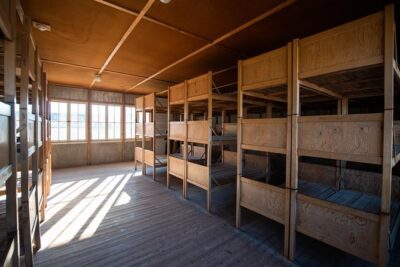
Dachau Concentration Camp Memorial Site Tour from Munich by Train
Read our review →
Sachsenhausen Concentration Camp Memorial Tour
Read our review →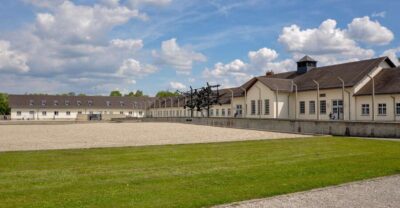

Sachsenhausen Concentration Camp Bus Tour in English from Berlin
Read our review →Sachsenhausen Concentration Camp Tour in English
Read our review →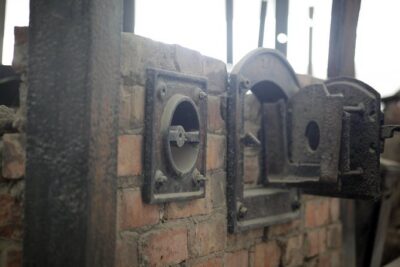
Sachsenhausen Concentration Camp Memorial Tour (Max. 15 Guests)
Read our review →Browse the lists this tour appears in