
Reviewed · MEMORIAL & CONCENTRATION CAMP TOURS
Never Again Sachsenhausen Concentration Camp
Some places ask for your full attention. This four-hour visit to Sachsenhausen does that by pairing a guided walk from Berlin with time to examine the camp memorial itself. I like the convenient meeting point at Potsdamer Platz and the small group limit of 15 people. I also like the way guide Siobhán connects the camp’s past to current far-right politics and questions about racism, women’s bodies, and state power.
The main consideration is the tour’s political approach. It uses a progressive, feminist lens, including discussion of the AfD and modern German politics. That gives the visit a clear point of view, which I find useful, but it may not suit you if you want a strictly neutral or heavily academic presentation.
In This Review
- Key points to know before booking
- Why Sachsenhausen deserves a place on your Berlin plans
- Meeting at Potsdamer Platz and reaching the memorial
- The visitors’ center explains how control was built
- Barracks and the camp kitchen reveal the daily machinery
- The infirmary confronts medicine, eugenics, and control
- Siobhán’s guiding style and the group experience
- What the $31.29 price really covers
- Physical demands, timing, and what to bring
- Who will get the most from this visit
- Should you book Never Again Sachsenhausen?
- FAQ
- Where does the tour begin?
- Where does the tour end?
- How long does the Sachsenhausen tour last?
- What language is the tour offered in?
- Is the memorial donation included?
- Is public transportation included?
- Are snacks and bottled water included?
- How large can the group be?
- Are service animals allowed?
- Can I cancel for a full refund?
Key points to know before booking
- A four-hour visit from central Berlin includes the route to Sachsenhausen and time at the memorial.
- The group is limited to 15 people, making it easier to ask questions and stay connected to the guide.
- The memorial donation is included, but your ABC-zone public transport ticket is not.
- The visit covers three painful chapters, the Nazi concentration camp, the Soviet special camp, and later political use of the site.
- Siobhán’s commentary links past and present, including eugenics, medical abuse, women’s bodies, and the rise of the AfD.
- This is a serious half-day outing, with a moderate physical fitness requirement and no snacks or bottled water included.
Why Sachsenhausen deserves a place on your Berlin plans
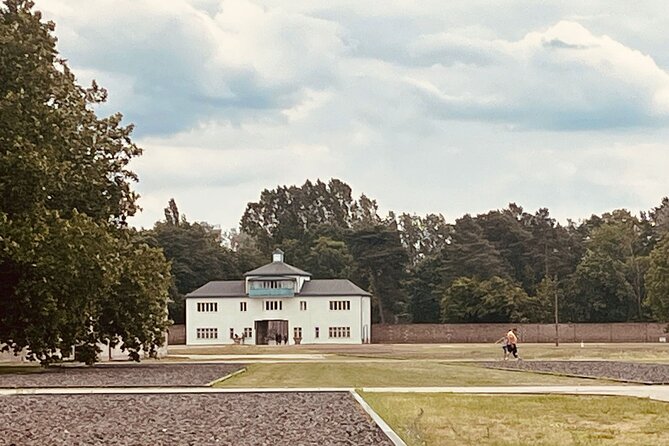
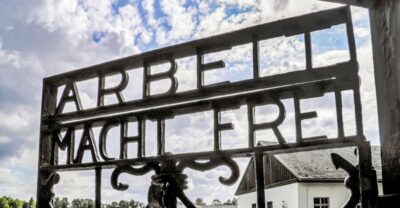
Sachsenhausen is not an easy stop. It is also not a place to treat as just another item on a sightseeing checklist. The memorial asks you to confront how a modern state can organize cruelty through architecture, paperwork, policing, medical practice, and propaganda.
The camp was created by the Nazis as a model concentration camp. That phrase is chilling because it points to design and intention. This was not simply a prison that grew without order. The buildings and spaces were arranged to control prisoners and display Nazi ideas of racial superiority.
The site later became a Soviet special camp. After that, it was used as a pro-communist, anti-fascist propaganda tool. A visit here therefore requires more than learning one chapter of the past. You are looking at a place that was used and explained differently by several political systems.
I appreciate that this experience does not stop in 1945. The guide draws lines between the camp’s history and present debates about the far right, including the AfD. That connection can make the visit feel relevant rather than sealed away in a distant past.
More memorial visits:
- Berlin: Sachsenhausen Concentration Camp Tour in English
★ 5.0 · 5,711 reviews - Berlin: Sachsenhausen Concentration Camp Memorial Tour
★ 4.7 · 3,716 reviews - Sachsenhausen Concentration Camp Bus Tour in English from Berlin
★ 5.0 · 1,962 reviews
Meeting at Potsdamer Platz and reaching the memorial
The tour begins at Potsdamer Platz 10 in central Berlin. That is a practical meeting point, especially if you are already exploring the city center. From there, the journey continues by public transport toward Sachsenhausen, and the walk from the train station leads to the visitors’ center.
Your ABC-zone public transport ticket is not included in the $31.29 price. You need to plan for that extra cost before setting out. The exact fare is not given here, so check Berlin’s current transport prices when you book.
The total outing lasts about four hours. That makes it a half-day commitment, not a quick excursion you can squeeze between two central Berlin attractions. I would leave enough room around it for the journey back and for some quiet time afterward. The subject matter is heavy, and the schedule gives you little reason to rush.
The small group limit matters here. With no more than 15 people, the guide can keep the group together more easily and respond to questions. One useful detail from the experience is that the operator helped people who had travel problems, staying patient and communicative when plans went wrong. That kind of support can make a real difference on a day involving trains, timed meetings, and an emotionally difficult site.
The visitors’ center explains how control was built
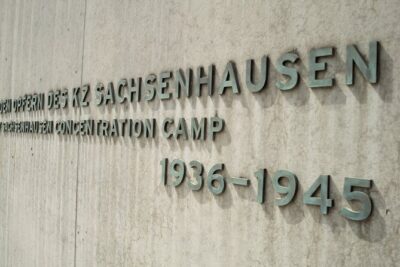
The first stop is the Sachsenhausen Memorial and Museum. At the visitors’ center, detailed models show the physical structure of the camp and explain how the buildings supported control over prisoners.
This is a strong way to begin. Before you walk through the remaining barracks or kitchen, you get a sense of the site as a system. Architecture here was not background scenery. It was part of the machinery of domination.
The models also help you understand the scale and arrangement of the former camp. A place can look open or incomplete today, especially when buildings are missing, but the models give you a clearer picture of how the original structures related to one another.
The visitors’ center also introduces one of Sachsenhausen’s most unsettling contradictions. The former SS training camp has been transformed into a Brandenburg police academy. That present-day use does not erase the earlier one. Instead, it creates a difficult reminder of how ordinary institutions can occupy places shaped by terrible crimes.
I find this opening especially useful for people who prefer context before confronting the individual stories. It gives you a framework for what follows, without reducing the site to a collection of isolated exhibits.
Barracks and the camp kitchen reveal the daily machinery
After the introduction, you have time to explore the prisoners’ barracks and camp kitchen. This portion is autonomous, so you are not being talked at every second. That balance is valuable. The guide provides direction and context, then gives you space to look, think, and ask questions.
The barracks help make the history physical. You are no longer dealing only with dates and political terms. You are looking at spaces designed for people who had been stripped of freedom, dignity, and basic control over their lives.
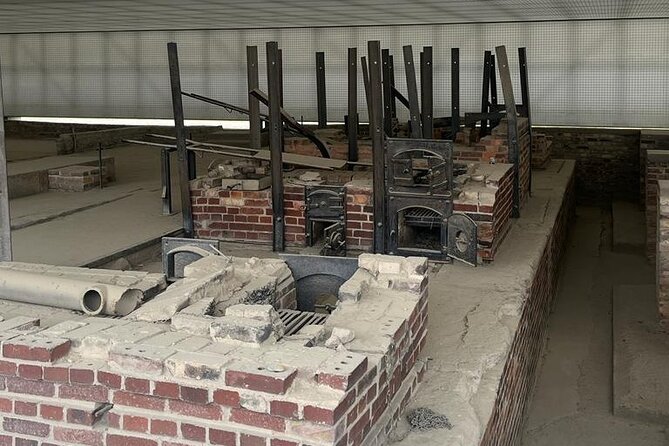
The camp kitchen carries another layer of meaning. It was part of the daily operation of the camp, and it has also been targeted by neo-Nazis who deny the Holocaust. That detail makes the site’s connection to the present very clear. The memorial is not only about what happened decades ago. It remains a place contested by people who seek to distort or erase the evidence.
The guide’s discussion of the AfD adds another present-day connection. I would not expect a politically detached audio guide here. The approach asks you to think about how racism, nationalism, denial, and political power can continue to shape public life.
That is also the main point where you should consider your own expectations. If you want a purely factual tour with no modern political interpretation, this may feel more pointed than you prefer. If you want help connecting the past to current debates, that approach is one of the experience’s strongest features.
Something different for another day:
- Berlin: Reichstag, Dome and Government District Guided Tour
★ 4.7 · 18,288 reviews - Berlin: 1-Hour City Tour by Boat with Guaranteed Seating
★ 4.3 · 16,993 reviews - Berlin: Boat Tour Along the River Spree
★ 4.4 · 11,252 reviews - Discover Berlin Half-Day Walking Tour
★ 5.0 · 9,624 reviews
The infirmary confronts medicine, eugenics, and control
The infirmary is likely to be the most difficult part of the visit. Here, the focus turns to racism, eugenics, control over women’s bodies, and Nazi doctors who treated prisoners as laboratory subjects while advancing their own careers.
This section matters because it shows that camp brutality was not limited to guards, fences, and forced labor. Medicine, which should protect people, was used to classify, control, experiment on, and destroy them.
The attention to women’s bodies gives the visit a specific angle that many general camp tours may not emphasize. It shows how ideology entered private physical life, reproduction, and medical decisions. The feminist lens is not a decorative theme here. It shapes the questions the guide asks and the stories she chooses to connect.
The subject is disturbing. You may find the infirmary harder to process than the camp’s general layout because the abuse was carried out under the language and authority of medicine. The experience does not pretend that education cancels out grief. At its best, it gives you enough context to leave informed rather than simply overwhelmed.
Siobhán is especially attentive to the mood of the group. She keeps a respectful tone but allows small moments of appropriate levity when the subject permits it. That does not make the visit light. It gives you a little breathing room during a very serious morning or afternoon.
Siobhán’s guiding style and the group experience
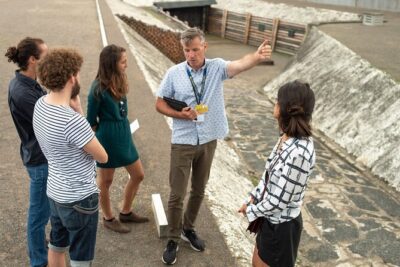
The guide’s role is central to the quality of this outing. Siobhán is described as attentive to different ages and willing to answer questions. That makes the tour suitable for a mixed group of adults and teenagers, provided everyone understands that the subject is severe.
I like the fact that her commentary is not presented as a dense academic lecture. You get a clear explanation of Sachsenhausen’s changing uses, but the delivery remains human and responsive. An audio guide can give you information. A live guide can notice confusion, adjust the pace, and address the question that occurs to you in the moment.
The small maximum of 15 people supports that style. It should be easier to hear, easier to regroup, and less awkward to ask something serious. No tour can guarantee a perfect group dynamic, but this size is more manageable than a large coach group.
The experience is offered in English. If English is comfortable for you, you can follow the historical and political discussion directly. Confirmation arrives when you book, and the ticket is mobile, which keeps the basic arrangements simple.
What the $31.29 price really covers
At $31.29 per person, this is a reasonable price for a four-hour guided memorial visit from central Berlin. The cost includes the memorial donation, which supports the site rather than treating admission as just another commercial ticket.
You still need to buy your own public transport ticket for the ABC zone. Snacks and bottled water are also excluded. Those omissions are not surprising, but they matter because the experience takes half a day and includes walking.
The best value comes from the guide’s interpretation. You are not paying only to reach Sachsenhausen. You are paying for help understanding the camp’s structure, its changing political uses, the treatment of prisoners, and the links to current German politics.
If you already know the subject well and prefer to read displays alone, you may find the added cost less important. If you want a live explanation and the chance to ask questions, the price is easier to justify.
Physical demands, timing, and what to bring
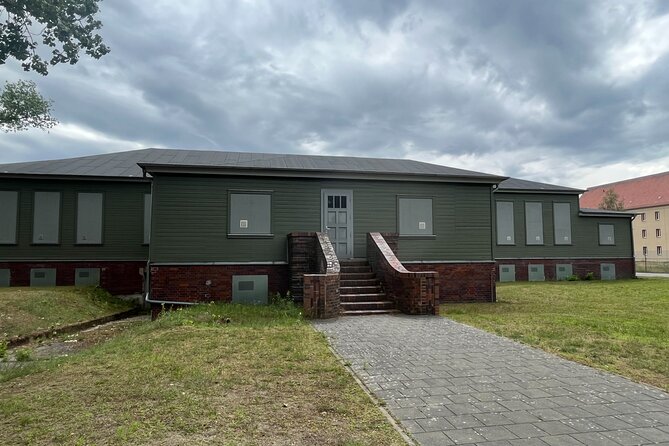
The tour requires a moderate level of physical fitness. You will travel by public transport, walk from the station to the memorial, and spend time moving around the former camp site. The data does not give a precise walking distance or terrain description, so you should not expect a detailed mobility plan from the booking information.
Wear practical shoes and bring water, since bottled water is not included. A snack is also sensible, especially if you are used to eating at fixed times. The tour is offered in English and lasts approximately four hours, so plan your day around it rather than trying to make a tight dinner reservation immediately afterward.
Service animals are allowed. The experience is near public transportation, which helps with access, but your transport ticket remains your responsibility.
You can cancel for a full refund up to 24 hours before the start time. Changes or cancellations made inside that period are not accepted for a refund. The tour also requires a minimum number of participants, so if the operator cancels because that number is not reached, you will be offered another date or experience, or a full refund.
Who will get the most from this visit
I would recommend this experience if you want a guided introduction to Sachsenhausen that connects the memorial to modern political life. It suits you if you value discussion, have questions, and prefer a clear point of view over a detached audio presentation.
It also works well for a mixed group of adults and teenagers who can handle difficult material. The guide’s flexibility and attention to the group are helpful when people arrive with different levels of background knowledge.
You may want to choose another format if you need a strictly academic tour, a short visit, or a completely apolitical presentation. The subject itself is unavoidable, but this guide adds a progressive and feminist interpretation that shapes the experience.
I would also avoid placing Sachsenhausen on a day when you want nothing but easy sightseeing. The visit can be educational and even quietly encouraging, but it is sad, sometimes sickening, and demanding.
Should you book Never Again Sachsenhausen?
Book it if you want context, conversation, and a direct link between the camp’s past and present-day Germany. The central meeting point, small group size, included memorial donation, and four-hour format make the outing practical. Siobhán’s careful approach is the most praised part of the experience, especially her sensitivity, clear explanations, and ability to leave you educated rather than emotionally crushed.
Skip it if you want a brief or politically neutral visit. Also remember to budget for an ABC-zone transport ticket, bring water and a snack, and allow time afterward to process what you have seen. For the right kind of day, this is a serious and worthwhile way to understand Sachsenhausen and why remembering it still matters.
FAQ
Where does the tour begin?
The tour begins at Potsdamer Platz 10, 10785 Berlin, Germany.
Where does the tour end?
The activity ends back at the meeting point.
How long does the Sachsenhausen tour last?
The experience lasts approximately four hours.
What language is the tour offered in?
The tour is offered in English.
Is the memorial donation included?
Yes. A donation for the memorial is included in the price.
Is public transportation included?
No. You need to purchase your own public transport ticket for the ABC zone.
Are snacks and bottled water included?
No. Snacks and bottled water are not included.
How large can the group be?
The tour has a maximum of 15 participants.
Are service animals allowed?
Yes. Service animals are allowed.
Can I cancel for a full refund?
Yes. You can cancel at least 24 hours before the experience start time for a full refund. Cancellations made less than 24 hours before the start time are not refunded.
Just added around Berlin
- Private Photo Tour in Kreuzberg★ 5.0 · 3 reviews
- Kreuzberg Private Walking Tour: Immigrants, Artists & Hipsters★ 5.0 · 3 reviews
- Individual city tour Berlin for max. 8 persons★ 5.0 · 3 reviews
- Berlin’s Jewish Heritage: Private Tour of the Vibrant Jewish District★ 5.0 · 3 reviews
- Berlin & The Third Reich Private Guided Tour★ 5.0 · 3 reviews
- Private Analogue Photography Experience in Berlin★ 5.0 · 3 reviews
- Spy Mission in Berlin: Self-Guided Espionage Puzzle Quest★ 5.0 · 3 reviews
- Berlin Christmas Markets Walking Tour with Local Guide★ 5.0 · 3 reviews
Memorial & Concentration Camp Tours, compared.
Sachsenhausen Concentration Camp Tour in English
Read our review →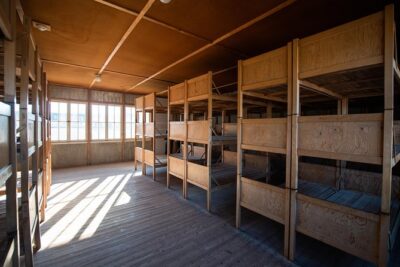
Dachau Concentration Camp Memorial Site Tour from Munich by Train
Read our review →
Sachsenhausen Concentration Camp Memorial Tour
Read our review →
Sachsenhausen Concentration Camp Bus Tour in English from Berlin
Read our review →Sachsenhausen Concentration Camp Tour in English
Read our review →
Sachsenhausen Concentration Camp Memorial Tour (Max. 15 Guests)
Read our review →Browse the lists this tour appears in