
Reviewed · OLD TOWN WALKS
Munich: Walking Tour Old Town and Viktualienmarkt
Munich reveals itself on foot. This 1.5-hour walk links the city’s grandest sights with everyday Bavarian life, from Marienplatz and the Glockenspiel to the food stalls of Viktualienmarkt. I especially like the mix of major landmarks and local market atmosphere, and I like that guides can adapt the pace and subject matter to your group. The main drawback is the short schedule: nine important stops leave little time for interiors or long pauses.
I also like the choice between a shared tour and a private group, with space for up to 30 people at the advertised group price of $282. Guides such as Karen, Claudia, Gerhard, Gitti, Sabine, and Michael have been praised for storytelling, patience, and tailoring the walk to families, language learners, history fans, and even stag groups.
The meeting point around the Mariensäule can be hard to identify because Marienplatz is open and busy. Arrive early, but do not panic if the guide is not immediately visible. One recent booking found the guide right on time, despite a confusing meeting instruction.
In This Review
- Key points to know before booking
- Why this short Munich walk works well
- Marienplatz and the Neues Rathaus
- St. Peter’s Church and the oldest parish setting
- Viktualienmarkt, Munich’s edible center
- Alter Hof and the Wittelsbach story
- Platzlgassen and the Hofbräuhaus
- Maximilianstraße and Munich’s luxury side
- The Residenz and Bavarian royal power
- Odeonsplatz and the Italian Baroque finish
- Price, group size, and what you receive
- Who will get the most from this walk?
- Should you book the Munich Old Town walk?
- FAQ
- How long does the Munich Old Town and Viktualienmarkt tour last?
- Where does the tour start?
- Which languages are available?
- Is a private group available?
- What sights are included on the walking route?
- Are entrance fees included?
- Are meals and drinks included?
- What should I bring?
- Is the tour suitable for people with mobility impairments?
Key points to know before booking
- Marienplatz to Odeonsplatz in 90 minutes: You cover a lot of central Munich quickly, with short sightseeing stops at each major site.
- Viktualienmarkt adds local flavor: The market gives the walk a useful food and daily-life angle, though food and drinks are not included.
- A strong history focus: Guides explain Munich’s rulers, beer culture, architecture, and development from its early foundations through modern times.
- Private tours offer better flexibility: A private group can ask more questions and request emphasis on architecture, history, food, or family interests.
- Mostly an outdoor orientation walk: Entrance fees are not included, so expect to view buildings from outside unless you arrange separate visits.
- Comfortable shoes matter: The tour runs rain or shine and is not suitable for people with mobility impairments, despite wheelchair access being listed for the activity.
Why this short Munich walk works well
Munich’s historic center is compact enough to explore on foot, but it can feel like a parade of grand façades if you do not know what you are seeing. This tour gives those buildings a sequence and a story.
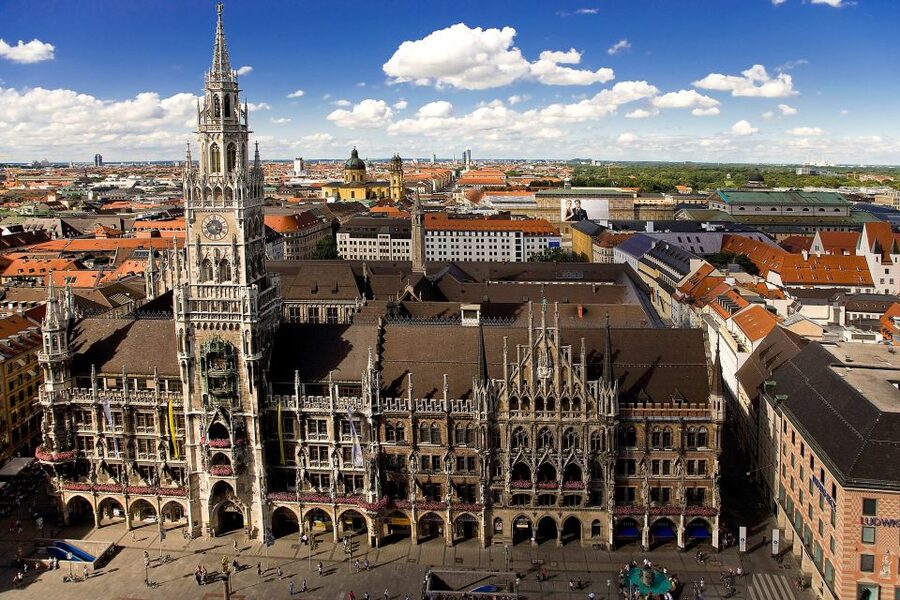
You begin at Marienplatz, then move through the old market district, the former ducal court, the Hofbräuhaus area, Maximilianstraße, the Residenz, and Odeonsplatz. That route gives you a useful first look at Munich’s religious, royal, commercial, and beer-drinking sides.
I would treat the tour as an introduction rather than a full historical visit. At roughly ten minutes per listed stop, you will get explanations, exterior views, and time for questions, but not a leisurely inspection of every building. That is useful on your first day, especially if you want help deciding where to return later.
The guide is the heart of the experience. Several guides have been praised for lively stories rather than a dry recital of dates. Gitti adjusted her walk for a group interested in Munich before the 1850s and the development of beer culture. Karen worked well with a family that included a 10-year-old and even encouraged a child learning German to practice.
That flexibility is a real advantage. If you book privately, tell the guide what interests you before the walk begins. You may prefer royal history, church architecture, food traditions, or local customs. The more specific you are, the more useful the short tour is likely to become.
More Old Town Walks in Munich
- Munich: Old Town & Viktualienmarkt City Walk in German
★ 4.7 · 2,304 reviews - Munich Old Town Walking Tour
★ 4.5 · 1,287 reviews - Munich: Spooky Tour of Old Town in German
★ 4.6 · 1,112 reviews
Marienplatz and the Neues Rathaus
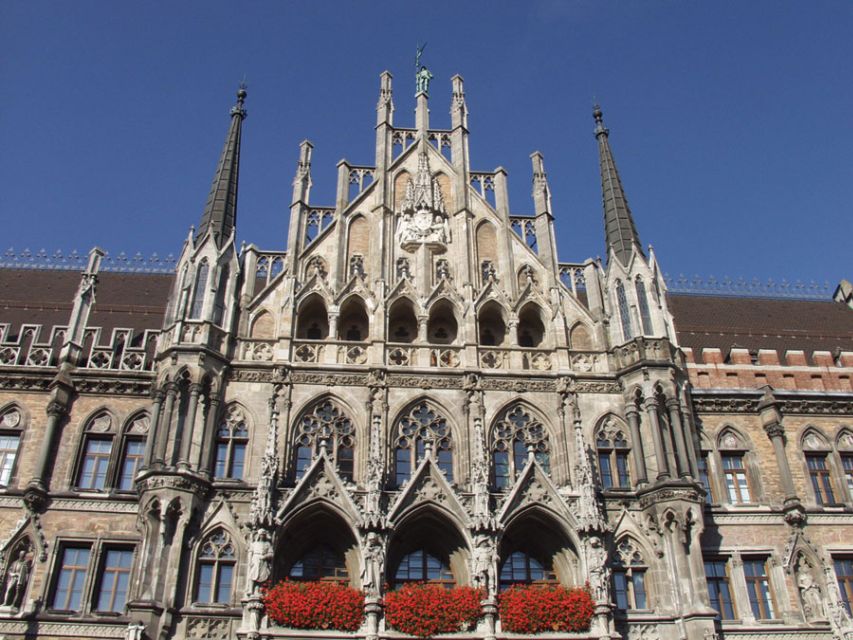
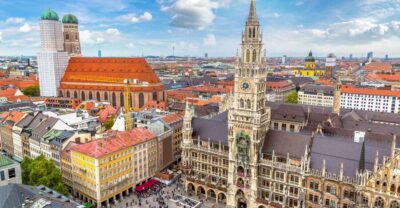
The walk starts at the Mariensäule on Marienplatz, Munich’s central square. This is a sensible meeting point because the New Town Hall, the Neues Rathaus, dominates the space and gives you an immediate introduction to the city’s public face.
The Neo-Gothic building is famous for its ornate façade and Glockenspiel. The stop is listed at about ten minutes, so you should expect an explanation of the building and its clock rather than an extended visit inside.
This is also the point where meeting instructions matter. Marienplatz has a lot of open space around the column, and one booking found the exact guide location unclear. Look carefully for the guide and arrive about 15 minutes early, as requested, but allow a moment to orient yourself.
The square can be crowded, particularly around the town hall. Stay close to your group and listen for the guide’s instructions. If you have a private tour, this is a good place to ask for a brief explanation of how the square developed and how the town hall fits into Munich’s political life.
St. Peter’s Church and the oldest parish setting
From Marienplatz, the walk continues to St. Peter’s Church, known locally as Alter Peter. It is Munich’s oldest parish church, making it an important contrast to the much newer-looking town hall.
The value here is historical context. Munich’s center is not only a collection of grand nineteenth-century buildings. This church points to the city’s older religious roots and helps explain how the center grew around long-established institutions.
The scheduled stop is around ten minutes. You should not expect a full church tour or guaranteed interior access, since entrance fees and admissions are not part of the activity. Still, the exterior setting and the guide’s explanation help place the church within the story of Old Town Munich.
If church interiors are a priority, note the building during the walk and return later on your own. The guided route gives you the orientation, while a separate visit lets you spend more time looking at details.
Viktualienmarkt, Munich’s edible center
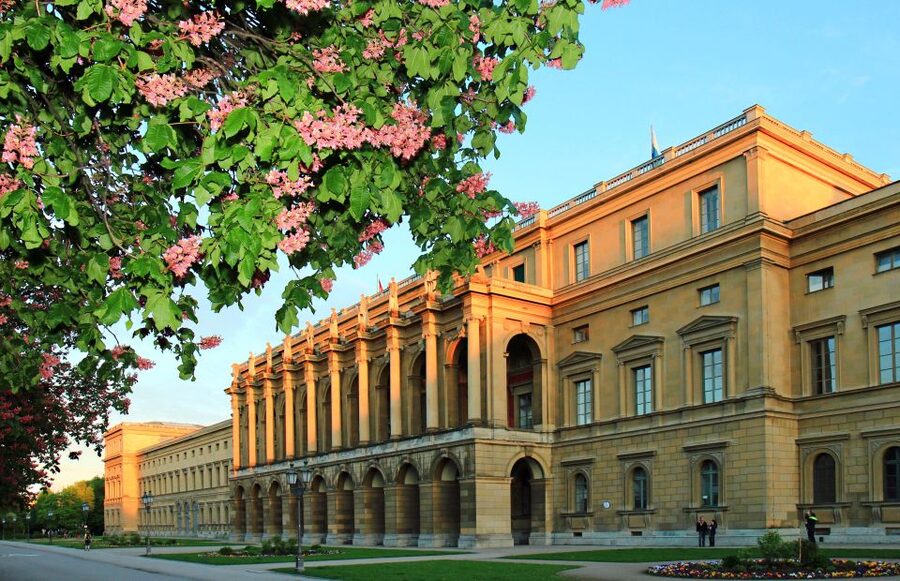
Viktualienmarkt is the most sensory part of the walk. Munich’s largest and most traditional food market is lined with stalls selling items such as fresh bread, cheeses, and sausages. The route brings you from royal and religious sights into a place connected with shopping, eating, and daily city life.
I like this change of mood. You are not simply moving from one monumental building to another. You get a brief look at what Munich puts on its tables and how food fits into Bavarian identity.
The market stop lasts about ten minutes, which is enough for an introduction but not a proper food crawl. Meals and drinks are not included, so budget separately if you want to buy something. The guide can explain what you are seeing, but the tour schedule may not allow time to browse every stall.
A private tour may work particularly well here if you have food questions. Ask about local specialties and market customs, then return afterward if you want to eat. The market is one of the places where the tour feels most connected to present-day Munich.
More Walking Tours in Munich
- Munich: Third Reich & WWII Walking Tour
★ 4.6 · 6,181 reviews - Third Reich Walking Tour Munich
★ 4.5 · 4,291 reviews - Munich: Night Watchman Walking Tour
★ 4.7 · 2,092 reviews - Munich Ghosts and Spirits Evening Walking Tour
★ 5.0 · 1,900 reviews
Alter Hof and the Wittelsbach story
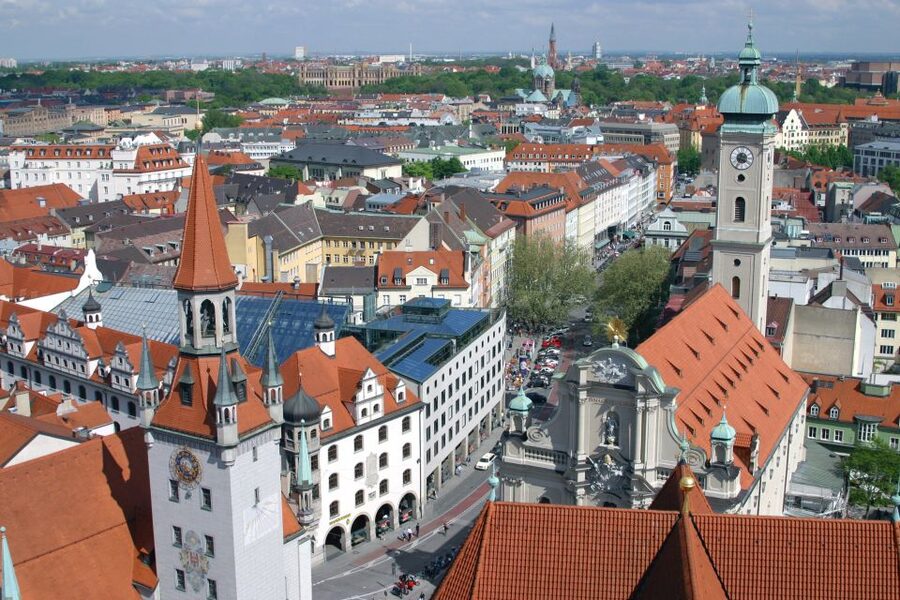
The route then follows Burgstraße, one of Munich’s oldest streets, toward Alter Hof, or the Old Court. This was once the seat of the Wittelsbach dukes, the ruling family that shaped Bavaria for centuries.
Alter Hof gives the tour a useful royal thread. After seeing a parish church and a food market, you encounter the political center of the old duchy. The guide can connect the buildings with the people who ruled here and explain how Munich’s importance grew.
Again, the stop is mainly exterior sightseeing. If you enjoy history, this is a place to ask questions, since the supplied tour information specifically emphasizes Bavarian history and the city’s development. Guides have also been praised for adding funny stories and personal touches, which can make a former court feel less remote.
The winding streets around this section help you see how old Munich differs from its formal boulevards. The route is not just a checklist of famous addresses. It shifts between squares, alleys, market lanes, and ceremonial streets.
Platzlgassen and the Hofbräuhaus
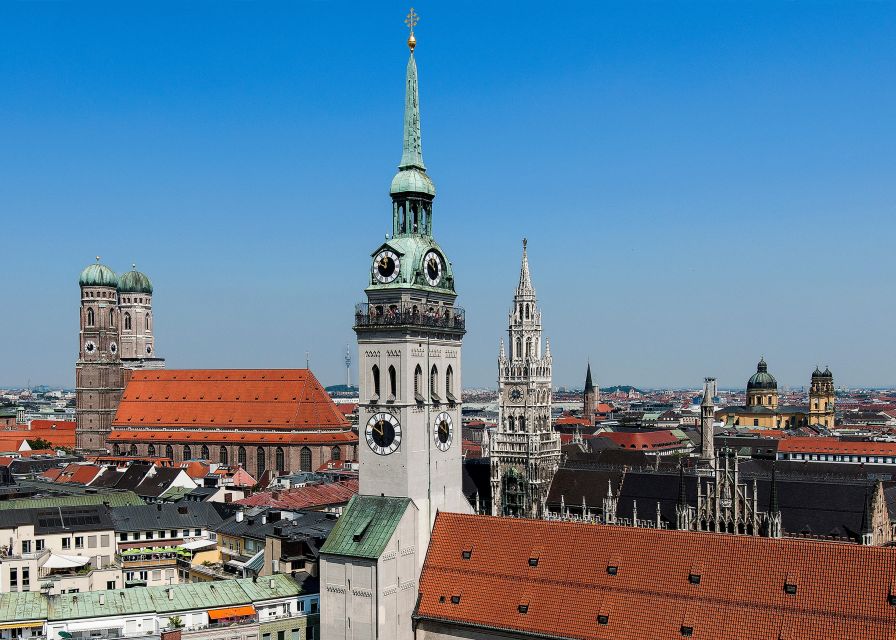
The walk continues through the Platzlgassen alleys toward the Hofbräuhaus. Here, medieval-looking lanes meet one of Munich’s best-known beer institutions.
The Hofbräuhaus is famous far beyond Bavaria and has welcomed everyone from local drinkers to royalty. The tour does not include beer, food, or an entrance fee, so you should think of this stop as a cultural introduction rather than a scheduled meal.
That distinction matters. A ten-minute sightseeing stop is enough to explain the beer hall’s place in Munich life, but not enough to settle in for a full serving of Bavarian food. If you want the classic beer hall experience, plan a separate visit after the walk or later in your stay.
One guide, Michael, was praised for explaining Munich history while also giving practical advice on experiencing the city in the Bavarian way. That combination is useful here. You learn why the Hofbräuhaus matters, then receive context for how to approach it without treating it as just a tourist photo stop.
Maximilianstraße and Munich’s luxury side
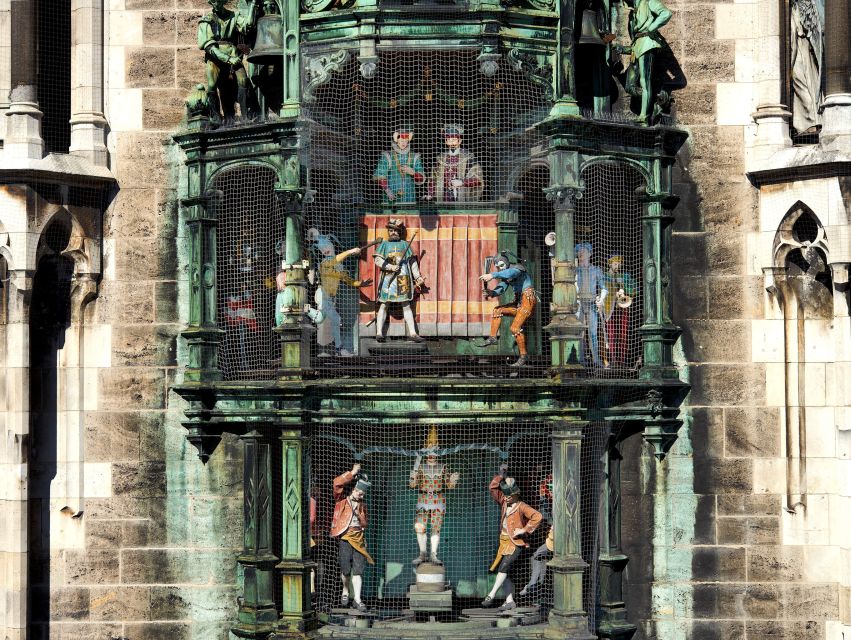
Next comes Maximilianstraße, Germany’s most exclusive shopping street. Its character is very different from Viktualienmarkt and the old lanes around the Hofbräuhaus.
Here you see high-end boutiques, jewelers, and designer showrooms. The street offers a quick lesson in Munich’s modern wealth and polished public image. It also shows how the city combines old royal routes with present-day luxury commerce.
You will not have time for serious shopping during the walk, and shopping is not part of the price. Instead, the guide uses the street as a landmark and a way to explain Munich’s changing identity.
I find this contrast valuable. A good city walk should show more than one version of a place. Munich is not only beer halls and historic churches. Maximilianstraße adds elegance, money, and modern ambition to the picture.
The Residenz and Bavarian royal power
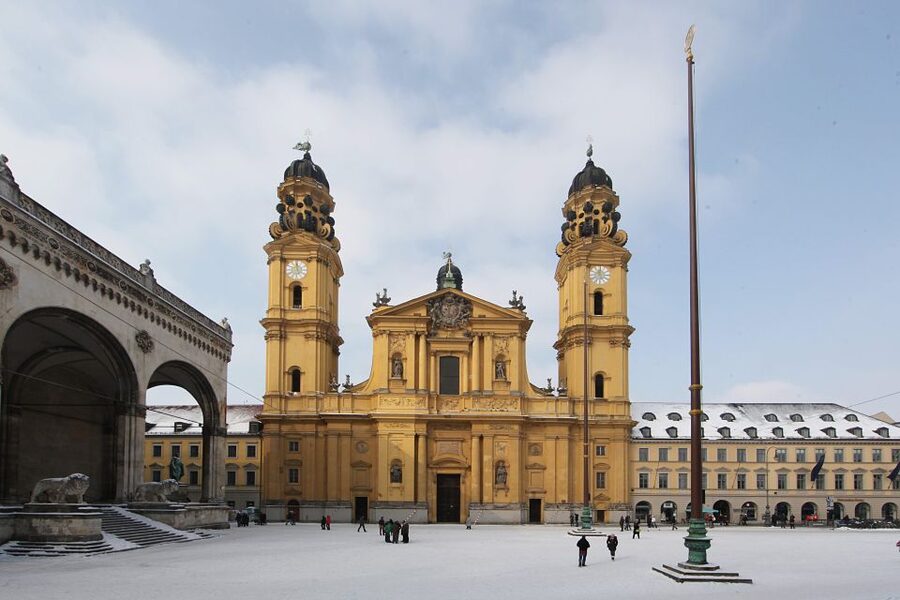
The route passes the Bavarian State Opera and the Munich Residenz, the former seat of Bavarian royalty. The opera house is a neoclassical building, while the Residenz recalls the long rule of Bavaria’s royal family.
This is one of the best moments to listen for connections between architecture and power. The buildings around you were designed to project authority, culture, and wealth. A guide can make those ideas clearer than a quick photograph from the pavement.
The Residenz is a major museum complex, but admission is not included. The tour gives you a useful preview from outside, not a replacement for the interior visit. If royal apartments, collections, and decorative rooms are high on your list, schedule a separate visit.
The short format helps you see how the Residenz fits into the wider center. It is not isolated from the opera, shopping streets, or ceremonial squares. The walking route shows how Munich’s royal district connects to the rest of Old Town.
Odeonsplatz and the Italian Baroque finish
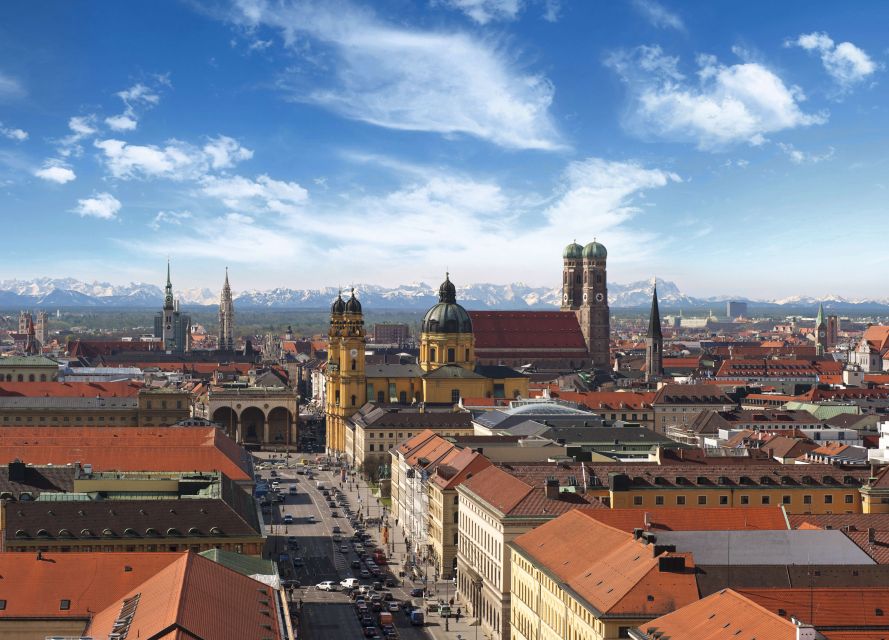
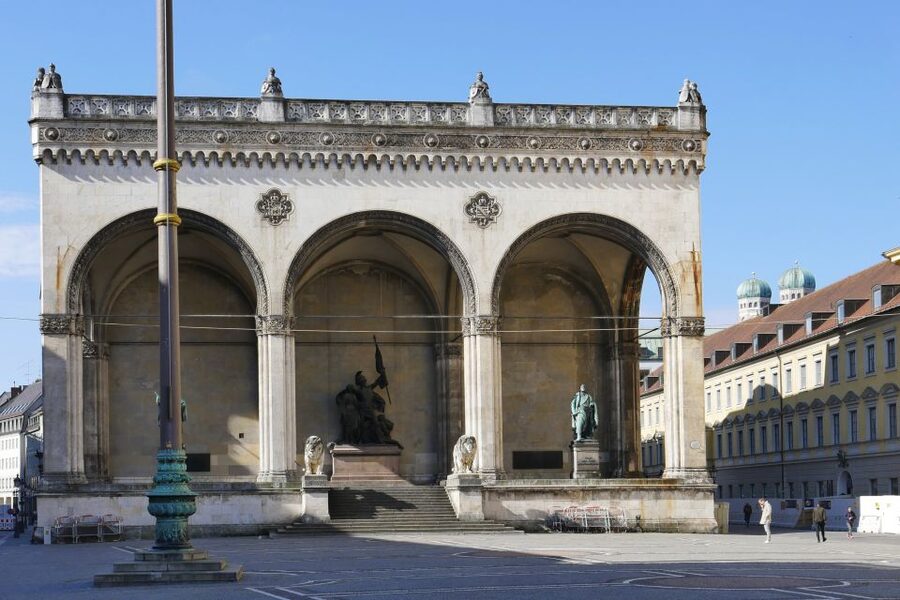
The final listed stop is Odeonsplatz, a grand square framed by imposing architecture. The Feldherrnhalle and Theatinerkirche give the square a formal finish, and the church’s Italian Baroque style explains Munich’s nickname as the northernmost city of Italy.
This is a strong ending because it gathers several themes in one place: royal ambition, military memory, religious art, and southern European influence. The square feels broader and more ceremonial than the market lanes you visited earlier.
The guide can pause here to answer questions and help you decide what to see next. Several guides have offered restaurant and sightseeing suggestions, which makes the final stop practical as well as scenic.
Because the tour ends in a central area, you can continue exploring on your own. The exact meeting point may vary with the booking option, so check your confirmation carefully before setting out.
Price, group size, and what you receive
At $282 per group of up to 30, the value depends heavily on how many people share the cost. For a large private group, the per-person price can be reasonable for a live guide covering central Munich. For a couple or small family booking privately, it is a more serious expense.
A shared option may make more sense if you mainly want orientation and basic history. A private group is easier to recommend when you care about questions, pace, family needs, or a specific subject such as architecture or beer culture.
The advertised duration is only 1.5 hours, and the route contains nine main sightseeing points. That means you are paying for a focused city introduction, not a slow walking day or a museum tour.
Transportation to the meeting point, admissions, meals, and drinks are extra. You should wear comfortable shoes, and you need to be prepared for rain because the walk operates in all weather.
The activity is offered in English and German. Wheelchair access is listed, but the same information says it is not suitable for people with mobility impairments. That is a contradiction worth clarifying before booking, especially because the route includes historic streets and a substantial amount of walking.
Who will get the most from this walk?
I would choose this tour for a first visit to Munich, particularly if you want a quick mental map before exploring on your own. It also suits families, since guides have successfully adjusted explanations for children and language learners.
History fans should ask for depth. The guides have covered Munich’s early foundations, the period before the 1850s, royal rule, architecture, and beer culture. You may receive more from the walk if you state your interests clearly at the beginning.
It also works for short stays. If you have only a day or two, this route puts many central sights in front of you without requiring transport between them.
I would be less enthusiastic about it if you want long market browsing, interior visits, or a relaxed beer hall meal. The tour points you toward those experiences, but it does not include them.
Should you book the Munich Old Town walk?
Book it if you want a friendly, flexible introduction to Munich’s center, especially with a private group or a guide who can match your interests. The strongest part is the human explanation: guides such as Claudia, Karen, Gerhard, Gitti, Sabine, and Michael have been praised for clear history, humor, patience, and useful local advice.
Skip it if your priority is independent wandering at a slow pace or detailed time inside churches, the Residenz, and the Hofbräuhaus. For everyone else, this is a well-focused first walk that connects Munich’s market life, royal past, beer culture, and grand architecture in a manageable 90 minutes.
FAQ
How long does the Munich Old Town and Viktualienmarkt tour last?
The tour lasts 1.5 hours.
Where does the tour start?
The stated starting location is the Mariensäule at München 1, Marienplatz. The exact meeting point may vary depending on the option you book.
Which languages are available?
The tour is offered in English and German.
Is a private group available?
Yes. You can choose a private group option, or book a shared group tour.
What sights are included on the walking route?
The route includes the Neues Rathaus, St. Peter’s Church, Viktualienmarkt, Alter Hof, Hofbräuhaus, Maximilianstraße, the Munich Residenz, and Odeonsplatz. It begins at the Mariensäule.
Are entrance fees included?
No. Entrance fees are not included in the tour price.
Are meals and drinks included?
No. Food and drinks are not included. You may have time to buy something at Viktualienmarkt, but the listed market stop is about ten minutes.
What should I bring?
Bring comfortable shoes. The tour takes place outdoors and runs rain or shine.
Is the tour suitable for people with mobility impairments?
The activity is listed as wheelchair accessible, but it is also marked as not suitable for people with mobility impairments. Contact the provider before booking if accessibility is important for your group.
Just added around Munich
- Munich: Private or Group Third Reich and WWII Walking Tour★ 4.9 · 13 reviews
- From Munich: Neuschwanstein Castle and Linderhof Private Tour★ 5.0 · 13 reviews
- Private Transfer from Munich to Salzburg with 2 hours for sightseeing★ 4.5 · 13 reviews
- Munich: Historical Walking Tour on the Rise of Hitler★ 5.0 · 13 reviews
- Private Scenic Transfer from Munich to Prague with 4h of Sightseeing★ 5.0 · 13 reviews
- From Munich: VIP day trip to Salzburg★ 5.0 · 14 reviews
- National Socialism WWII with licensed guide – private tour★ 5.0 · 14 reviews
- Munich: Walking Tour Old Town 3D VR Tour in GERMAN★ 4.3 · 14 reviews
Old Town Walks, compared.
Old Town & Viktualienmarkt City Walk in German
Read our review →
The Night Watchman Old Town Walking Tour in German
Read our review →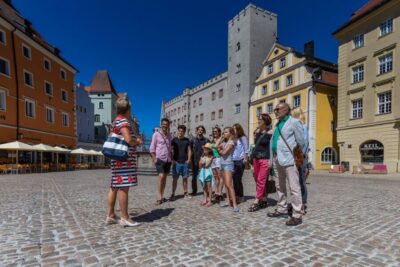
Browse the lists this tour appears in