
Reviewed · MUSEUMS
Heusenstamm:tour of the Depot of the museum of communication
Communication once moved at a much slower pace. I like the chance to see rare 1930s television sets beside sleighs, buses, and telephone boxes, and I like that the 1.5-hour guided visit gives shape to a huge collection that would otherwise feel hard to grasp. The main drawback is clear: there is far more to see than the tour can cover.
This is a German-language tour in Heusenstamm, Hessen, priced at $16 per person. I would allow extra time to reach the depot, especially on a Friday afternoon, when roads can be busy and the entrance may be partly hidden by an agricultural sales stand.
In This Review
- Key points at a glance
- Why this Heusenstamm depot visit is different
- Entering the collection of 375,000 objects
- From 1930s television to internet radio
- The world’s largest telephone collection
- Sleighs, buses, and telephone boxes
- More than machines: 300 paintings
- What the 1.5-hour schedule really means
- Getting to Heusenstamm without a rushed arrival
- Is $16 a fair price?
- Who should book this tour?
- Should you book the Heusenstamm depot tour?
- FAQ
- Where does the tour take place?
- How long does the tour last?
- What language is the tour conducted in?
- What is included in the price?
- How much does the experience cost?
- Are food and drinks included?
- What can I see at the depot?
- How large is the collection?
- Is the telephone collection especially large?
- Can I cancel for a refund?
Key points at a glance
- 375,000 objects in storage: The depot holds an enormous collection covering telephones, radio, television, transport, art, and postal communication.
- Rare early television sets: See television technology from the 1930s, along with the long shift from tube receivers to internet radio.
- A remarkable telephone collection: The tour passes through what is described as the world’s largest collection of telephones.
- Large objects make memorable photos: Sleighs, buses, telephone boxes, and other full-size items give the visit a strong visual side.
- Frankfurt museum entry included: Your ticket also includes admission to the Museum of Communication Frankfurt.
- German guide only: The tour lasts 1.5 hours and is conducted in German.
Why this Heusenstamm depot visit is different
The Museum of Communication Frankfurt presents selected objects in a polished exhibition setting. Heusenstamm gives you a look at the larger store of material behind that public display. That difference matters. You are not seeing only the neatest or most famous examples. You are getting a sense of the scale of the collection and the many forms communication has taken.
The total collection contains about 375,000 objects. That figure is difficult to picture until you see the mix: small telephones and radios share space with vehicles, telephone boxes, sleighs, and other large pieces. The depot therefore feels less like a single story told through a few objects and more like a broad record of changing technology and daily life.
I especially like the way this makes old communication feel physical. Early messaging was not just a matter of sending a note or placing a call. It depended on heavy equipment, cables, receivers, transport systems, and networks that took real effort to build and maintain.
The tour is also a useful reminder that modern communication did not arrive all at once. You can follow a line from early telephone equipment to radio, from tube receivers to later television technology, and then toward internet radio and global networking.
More Museums in Germany:
- Berlin: Jewish Museum Berlin Entrance Ticket
★ 4.5 · 8,393 reviews - Berlin: DDR Museum Tickets
★ 4.3 · 3,443 reviews - Berlin: Natural History Museum Entrance Ticket
★ 4.6 · 3,382 reviews
Entering the collection of 375,000 objects
The visit begins with the depot itself, where the collection is the main attraction. The precise route can vary, but the stated focus includes rare television sets, radio design, telephones, large transport objects, and works of art.
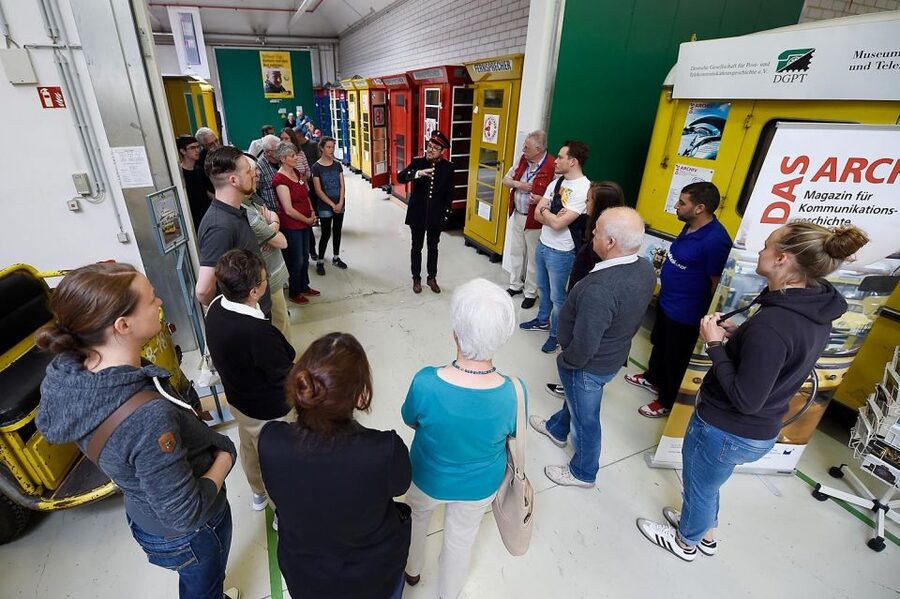
A guided visit is important here. In a collection this large, a visitor on their own could easily spend too much time on one cabinet or miss the reason an object matters. The guide provides a path through the material and helps connect separate objects into a story about invention, use, and changing habits.
The 1.5-hour format is long enough to give you a useful overview, but not long enough to inspect everything closely. I would treat the tour as an introduction rather than a complete visit. If you find a particular period fascinating, note it during the tour and return to the Frankfurt museum later for a more focused look at the public displays.
One practical point is worth stressing: the depot has more to see than fits into one visit. That is not a flaw in the collection, but it does shape your expectations. You will leave with a broad sense of what is there, along with plenty of objects you have only had time to glance at.
From 1930s television to internet radio
The television section gives the tour one of its strongest historical threads. Rare television sets from the 1930s show how early the idea of home television took shape and how different those first machines were from the screens you use today.
The development from tube receivers to internet radio adds another useful comparison. It shows that communication technology changes not only in appearance, but also in the way signals reach you. Bulky equipment once required a fixed place in the home. Modern audio can arrive through a network and play on a much smaller device.
I would pay attention to design as much as function. Radio history includes objects that became design icons, and these pieces show how technology entered ordinary rooms. A radio was not only a machine for receiving sound. Its shape, materials, and position in the home helped define how people lived with new media.
The collection also points to the inventiveness involved in global networking. The subject can sound abstract when described through modern terms, but the objects make it more concrete. You see the equipment and systems that helped communication reach farther and faster.
This part of the tour should suit anyone interested in technology, design, or social change. It is also useful for families and younger visitors because the contrast between early receivers and internet radio is easy to understand. The German-only format is the main limitation for anyone who does not understand German well.
The world’s largest telephone collection
The telephone section is likely the central stop for many people. The depot contains what is described as the world’s largest collection of telephones, giving the guide plenty of material to show how calls changed across different periods.
You can expect a wide range of devices rather than one simple row of similar phones. The value here lies in comparison. Shapes, controls, materials, and functions changed as telephones moved from specialist equipment toward common household use and then into mobile, networked communication.
A large telephone collection also gives you a direct way to think about access. Early messaging systems depended on infrastructure and trained operators. Later devices made communication simpler for ordinary users. The objects help you see how convenience was built over time.
I would not expect to examine every phone in detail during the 1.5-hour tour. The guide needs to keep moving, and the whole collection is simply too large for a slow survey. Still, the overview should help you understand why the telephone collection is such an important part of the depot.
Something different for another day:
- Berlin: Reichstag, Dome and Government District Guided Tour
★ 4.7 · 18,288 reviews - Berlin: 1-Hour City Tour by Boat with Guaranteed Seating
★ 4.3 · 16,993 reviews - Hamburg: Sex and Crime in St. Pauli Tour for Ages 18+
★ 4.7 · 15,447 reviews - Hamburg: 1.5-Hour Harbor and Speicherstadt Day Cruise
★ 4.6 · 14,200 reviews
Sleighs, buses, and telephone boxes
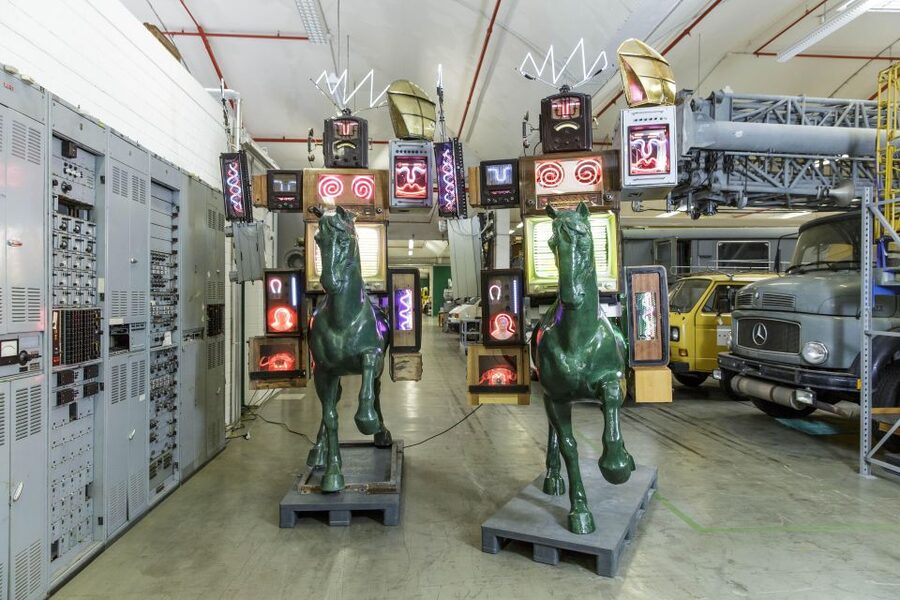
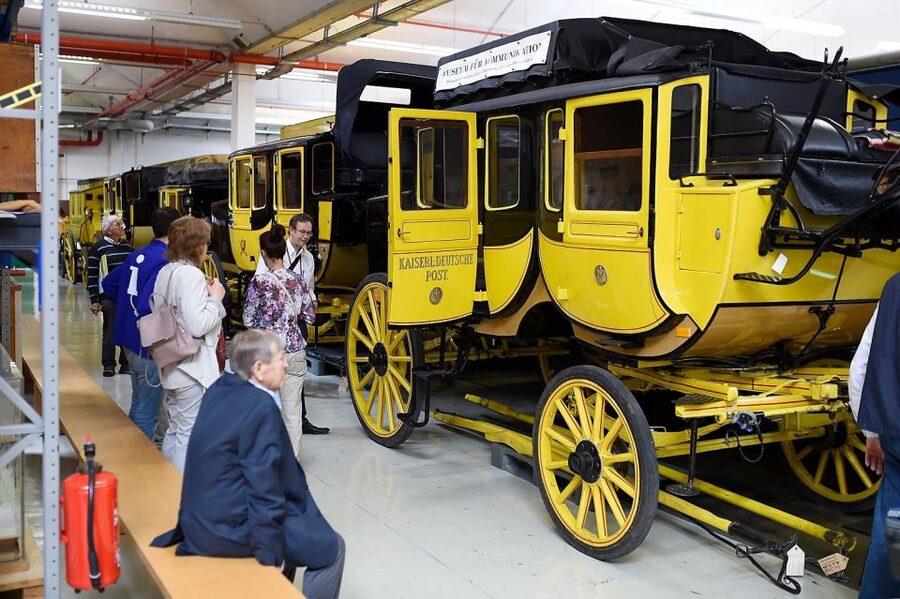
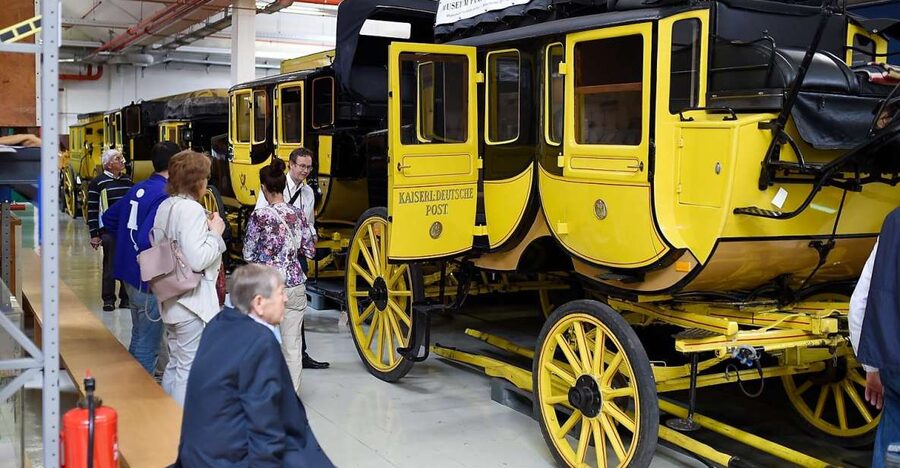
The large objects prevent the visit from becoming a display of small machines and technical parts. Sleighs, buses, and telephone boxes give the depot a strong sense of scale and make the tour more visually varied.
These objects also show that communication depends on movement and public space. A telephone box placed in a street served a different purpose from a home telephone. A bus or sleigh could relate to the movement of people, mail, or equipment. The collection therefore reaches beyond devices and into the systems that carried messages and connected communities.
The full-size pieces are good subjects for photographs. The experience specifically invites you to photograph yourself with rare historic vehicles, so bring a camera or phone if that appeals to you. The large objects may be especially helpful if you are visiting with children, since they provide an immediate visual focus between the smaller technical exhibits.
The drawback is that large items can make the depot feel crowded or difficult to take in all at once. Your guide’s route matters, and you may need to accept that some objects receive only a short explanation.
More than machines: 300 paintings
The depot’s art collection adds an unexpected second layer. It includes more than 300 paintings, ranging from the 17th century to contemporary works.
This section broadens the idea of communication. Paintings communicate through image, style, symbols, and context, while radios and telephones transmit sound or speech. Placing art within a communication museum suggests that the subject is not limited to electronics or engineering.
You may not see all 300 paintings during a short guided visit. The point is the range of the collection and the way it sits beside technical and transport objects. If you prefer art to machinery, this part can make the depot more appealing. If you come mainly for telephones and radio, it adds variety without changing the main focus of the tour.
The period range is useful because it spans several centuries. A 17th-century painting and an internet radio device belong to very different worlds, yet both show how people record, share, and interpret information.
What the 1.5-hour schedule really means
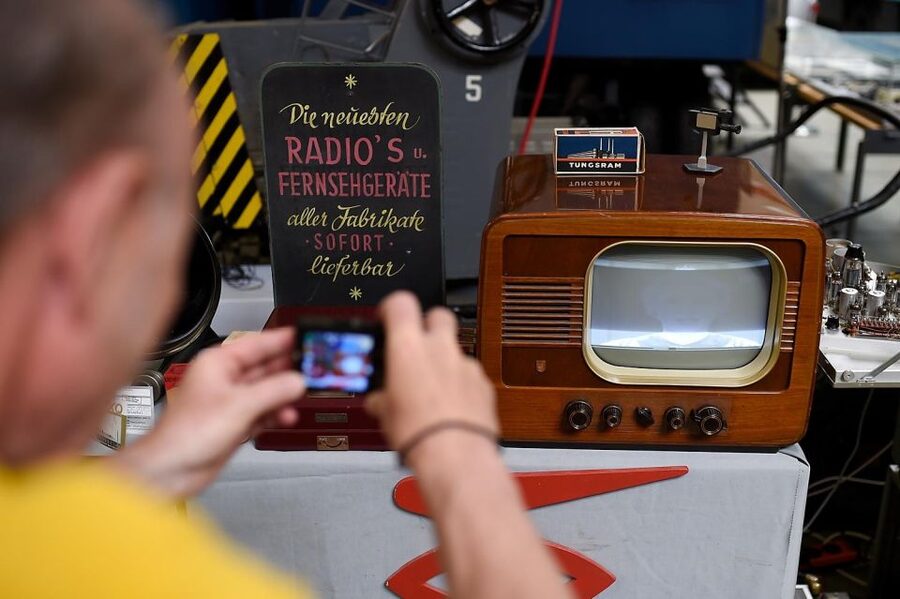
Ninety minutes is a sensible length for a guided introduction, but it is not enough for a full examination of the depot. One recent participant made the practical point that the collection contains much more than can fit into the allotted time. That is the best way to approach the schedule.
I would arrive ready to listen rather than trying to inspect every object. Let the guide provide the framework, then use the Frankfurt museum entry for a second, more deliberate museum visit. The included admission gives the experience added value because you are not paying only for a brief look inside the depot.
The tour is conducted in German, and the information supplied for the experience lists German as the available language. If you do not understand German, the visual objects will still communicate something, but you may miss the explanations that make the collection easier to follow.
No food or drinks are included. Plan around the 1.5-hour visit rather than expecting a meal or refreshment stop as part of the experience.
Getting to Heusenstamm without a rushed arrival
Allow extra time for the journey to Heusenstamm. A specific warning is useful here: Friday afternoons can bring heavy traffic, and the entrance was described as partly obscured by an agricultural sales stand.
That kind of detail can save you from arriving stressed or late. I would avoid leaving the approach to the last minute, especially if your booking has a fixed start time. The depot is not the sort of place where you want to spend the first ten minutes searching for the entrance.
The experience information gives the location as Heusenstamm in Hessen, but it does not provide a detailed transport plan or parking information. Check the route before setting out and allow a cushion for traffic.
Is $16 a fair price?
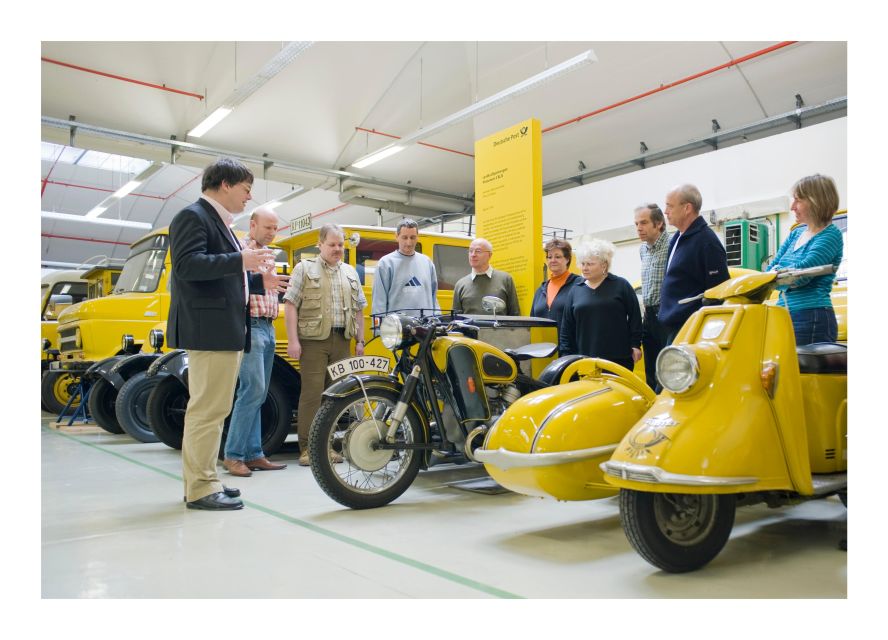
At $16 per person, the tour offers solid value if you are interested in communication, design, or technical collections. You receive entry to the Heusenstamm depot, a 1.5-hour guided tour, and entry to the Museum of Communication Frankfurt.
The Frankfurt admission is important when judging the price. The depot tour alone might feel short to someone expecting a full day of exhibits, but the additional museum entry gives you another place to continue the subject at your own pace.
The value is strongest for visitors who want context rather than a quick photo stop. A guide helps you understand why the objects matter, while the Frankfurt museum gives you a chance to see the public presentation of selected material.
I would be less enthusiastic about the price if your main goal is a long, unhurried museum visit in a language other than German. The tour’s short duration and German-only guiding are real limits, not minor details.
Who should book this tour?
I would recommend it to anyone curious about how people moved from early messaging to modern networked communication. The mix of telephones, radio, television, art, vehicles, and public communication objects gives the subject more range than a standard technology museum.
It is a good choice for:
- People interested in telephone and radio design
- Museum fans who enjoy storage collections and large object displays
- Visitors who want both a depot tour and Frankfurt museum admission
- Families who appreciate full-size buses, sleighs, and telephone boxes
- Anyone comfortable following a guided tour in German
I would think twice if you need an English-language guide, want to see every object in detail, or have only a very tight schedule for reaching Heusenstamm. The collection is huge, but the tour is necessarily selective.
Should you book the Heusenstamm depot tour?
Book it if you want a guided introduction to an unusually large communication collection and value the chance to see objects that cannot all fit into the main Frankfurt museum. The telephone collection, early televisions, radio designs, vehicles, and art make the $16 price reasonable, especially with Frankfurt entry included.
Skip it if German is a serious barrier or if you expect a complete survey in 90 minutes. The best approach is to see this as a well-organized first look, then use the included Frankfurt admission to continue at a slower pace. Plan your arrival carefully, and you will get much more from the visit.
FAQ
Where does the tour take place?
The guided tour takes place at the Museum Depot in Heusenstamm, Hessen, Germany.
How long does the tour last?
The guided walking tour lasts 1.5 hours.
What language is the tour conducted in?
The tour is conducted in German. German is the language listed for the live guide.
What is included in the price?
The price includes entry to the Museum Depot in Heusenstamm, the 1.5-hour guided walking tour, and entry to the Museum of Communication Frankfurt.
How much does the experience cost?
The listed price is $16 per person.
Are food and drinks included?
No. Food and drinks are not included.
What can I see at the depot?
The collection includes rare television sets from the 1930s, radio design pieces, telephones, sleighs, buses, telephone boxes, and other objects connected with communication.
How large is the collection?
The collection contains about 375,000 objects from the history of communication.
Is the telephone collection especially large?
Yes. The tour presents what is described as the world’s largest collection of telephones.
Can I cancel for a refund?
Yes. You can cancel up to 24 hours in advance for a full refund.
Just added around Germany
- e-Scavenger hunt Aachen: Explore the city at your own pace★ 4.0 · 13 reviews
- Munich: Private or Group Third Reich and WWII Walking Tour★ 4.9 · 13 reviews
- Canyoning Advanced Day Trip★ 5.0 · 13 reviews
- Wiesbaden Biebrich: Outdoor Escape Game★ 4.7 · 13 reviews
- Berlin: Private Guided Tour of the Main Sights★ 5.0 · 13 reviews
- From Munich: Neuschwanstein Castle and Linderhof Private Tour★ 5.0 · 13 reviews
- Trier, Moselle: Wine excursion with boat trip★ 3.9 · 13 reviews
- From Dresden: Guided Day Tour by Bus of Seiffen Toy Village★ 4.0 · 13 reviews
Museums, compared.





Skip-the-Line: Berlin Wall Museum at Checkpoint Charlie
Read our review →
Browse the lists this tour appears in