
Reviewed · MUSEUMS
Hamburg: Emigration Museum BallinStadt Entry Ticket
Hamburg’s past reaches far beyond its harbor. BallinStadt explains how millions of Europeans passed through this city on their way to America and other parts of the New World. I like the museum’s clear, human focus, and I especially like that you can connect the larger story to your own family history. The main consideration is time: with three exhibition areas and many personal stories, a quick stop can feel rushed.
The museum works well for families, history fans, and anyone with an interest in migration. The $16 entry price is fair for a full day of access, though food and drinks are not included. The 4.4 rating from 63 reviews reflects a generally strong experience, and the clearest praise centers on displays that make an important subject easy to understand without becoming dull.
In This Review
- Key Things to Know Before You Go
- Why BallinStadt Matters in Hamburg
- Starting at House 1 and Port of Dreams
- Life Inside an Emigration Camp
- World in Transit and Five Centuries of Movement
- Passenger Ships and the Reality of Departure
- Researching Your Own Family History
- The Changing Specialty Exhibition
- How Much Time Should You Allow?
- Is the $16 Ticket Good Value?
- Who Will Enjoy BallinStadt Most?
- Should You Book the BallinStadt Ticket?
- FAQ
- Where is BallinStadt located?
- How much does admission cost?
- How long is the ticket valid?
- What does the ticket include?
- Are food and drinks included?
- Can I research my family history there?
- How many exhibition areas are there?
- Is the museum wheelchair accessible?
- Is parking available at the museum?
Key Things to Know Before You Go
- Hamburg’s emigration gateway: Learn why the city became a major departure point for millions of Europeans heading toward a new life overseas.
- Three exhibition areas: See the Port of Dreams, World in Transit, and a rotating specialty exhibition.
- Personal stories at the center: Follow the hopes, fears, delays, and practical problems faced by people leaving Europe.
- A useful genealogy station: Research your own family background with access to the world’s largest genealogical database.
- A full-day ticket: You can visit for one day, so you are not forced to hurry through the exhibits.
- Easy practical setup: Check in at the ticket office in House 1, with free parking and wheelchair access available.
Why BallinStadt Matters in Hamburg
Hamburg is often called the gateway to the world because its port connected Europe with distant destinations. BallinStadt shows that this phrase was not only about cargo and ships. It was also about people who left homes, families, languages, and familiar customs behind.
From the 16th century onward, millions of Europeans used Hamburg as part of their route toward America and other overseas destinations. Some arrived in the city after long journeys across Europe. Others waited there before departure, often in difficult and uncertain conditions.
I appreciate that the museum does not treat emigration as a simple voyage from one port to another. You see the choices and pressures behind the decision. Poverty, political problems, limited opportunities, family circumstances, and the hope of a better future could all push people to leave. The attraction of work, safety, land, or a fresh start pulled them toward a new country.
That context gives the museum its value. You are not simply looking at old objects. You are considering why ordinary people made an enormous change at a time when the journey was slow, expensive, and physically demanding.
More Museums in Hamburg
- Hamburg: International Maritime Museum Entrance Ticket
★ 4.7 · 547 reviews - Hamburg: Entrance to the Museum Ship Cap San Diego
★ 4.7 · 467 reviews - Hamburg: RICKMER RICKMERS Museum Entry Ticket
★ 4.6 · 269 reviews
Starting at House 1 and Port of Dreams
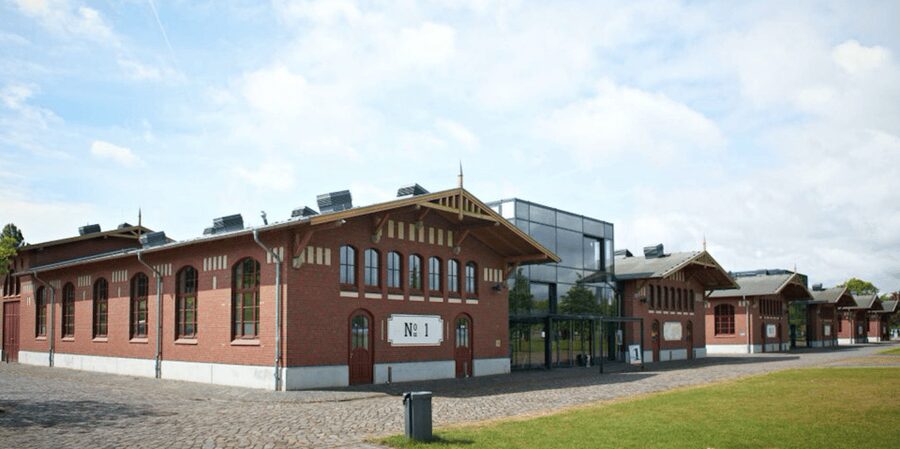
Your visit begins at the ticket office in House 1. From there, the first major exhibition is Port of Dreams, an interactive presentation about the people who wanted to leave Europe and the system that helped make their departure possible.
This section also introduces Albert Ballin, the person whose name the museum carries. His role connects the individual hopes of emigrants with the larger organization needed to move them through Hamburg and onto passenger ships.
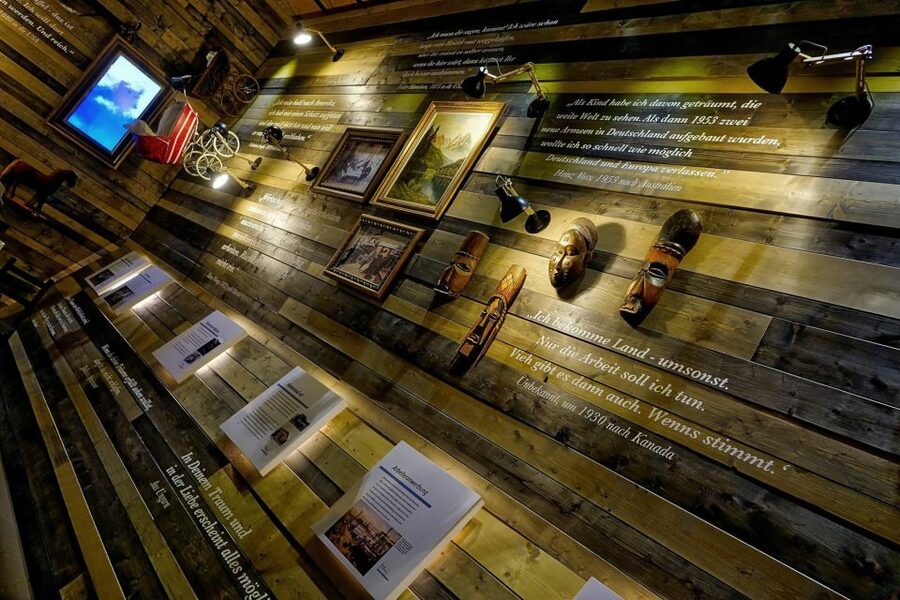
Port of Dreams looks at the period before departure, which is one of the museum’s most useful choices. It is easy to imagine emigration as beginning the moment a ship leaves port. In reality, the waiting period could be a major part of the experience.
You learn how people arrived in Hamburg, where they stayed, and what daily life in an emigration camp could be like. The camp was not simply a place to sleep before boarding. It was part of a controlled process involving health, documents, accommodation, and preparation for the overseas journey.
The interactive format should help keep this section accessible. A museum about large population movements can become dry if it relies only on dates and statistics. Here, the emphasis is on individual lives and practical details.
I would give this section enough time to read the personal accounts. The central question is not only where people went, but what they had to endure before they could leave. That makes the exhibit useful for younger visitors who may understand the subject better through daily routines and personal choices than through a long timeline.
Life Inside an Emigration Camp
The camp displays offer one of the clearest reasons to visit BallinStadt. You get a glimpse of what happened between arrival in Hamburg and departure for the New World.
People could spend time in the city waiting for their ship. That delay brought its own problems. They had to manage unfamiliar surroundings, uncertainty, and the practical challenges of traveling with limited money and belongings. The museum helps you picture this waiting period as part of the migration story, not as an empty gap.
The displays also make the process feel more real. A passenger ship might seem romantic from a distance, but a long sea crossing began with paperwork, waiting rooms, crowded accommodation, and strict arrangements on land.
This is where the museum’s strongest quality comes through: it makes an important subject understandable and direct. One German-language response praised the presentation as important, clear, and entertaining. That description fits the appeal of the exhibit. The subject is serious, but the presentation aims to hold your attention rather than bury you in academic detail.
World in Transit and Five Centuries of Movement
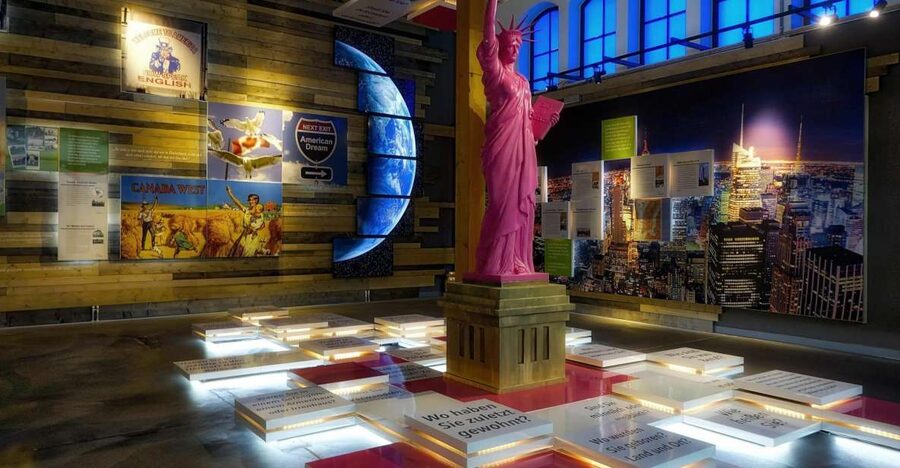
The second main exhibition is World in Transit. It looks at emigration and immigration across five centuries through 14 themed rooms.
This section broadens the story beyond Hamburg. Port of Dreams focuses heavily on the departure experience and Albert Ballin’s role. World in Transit places those events into a much larger picture of human movement between countries and continents.
The 14 rooms examine different places and migration stories. The subjects may feel far away at first, but the museum links them to familiar human questions. Why did people leave? What did they hope to gain? What did they lose? How did they adjust after arriving?
I like this structure because it avoids presenting migration as a single European-to-American story. Movement between countries has taken many forms over five centuries, and the reasons have often been both personal and practical.
The exhibit also looks at the difference between push and pull factors. A person might be pushed out by hardship or danger, while another destination might pull that person with the promise of jobs, safety, or family connections. These forces can overlap, and the museum uses individual stories to show that a decision to migrate is rarely simple.
The multi-visual format should suit people who prefer more than traditional display cases. You might find the range of rooms more engaging than a single long chronological exhibit. On the other hand, the amount of material means you may need to choose your pace. If you try to read every panel closely, the visit can take much longer than a short museum stop.
Something different for another day:
- Hamburg: Sex and Crime in St. Pauli Tour for Ages 18+
★ 4.7 · 15,447 reviews - Hamburg: 1.5-Hour Harbor and Speicherstadt Day Cruise
★ 4.6 · 14,200 reviews - Hamburg: 90-Minute Evening Lights Harbor Cruise
★ 4.5 · 7,728 reviews - Hamburg: 2-Hour XXL Port of Hamburg Cruise Tour
★ 4.7 · 6,979 reviews
Passenger Ships and the Reality of Departure
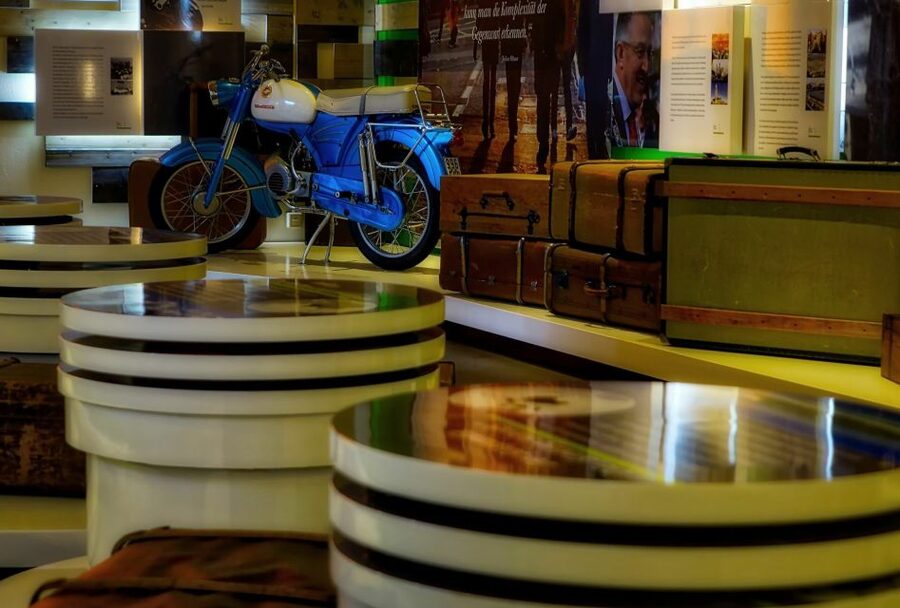
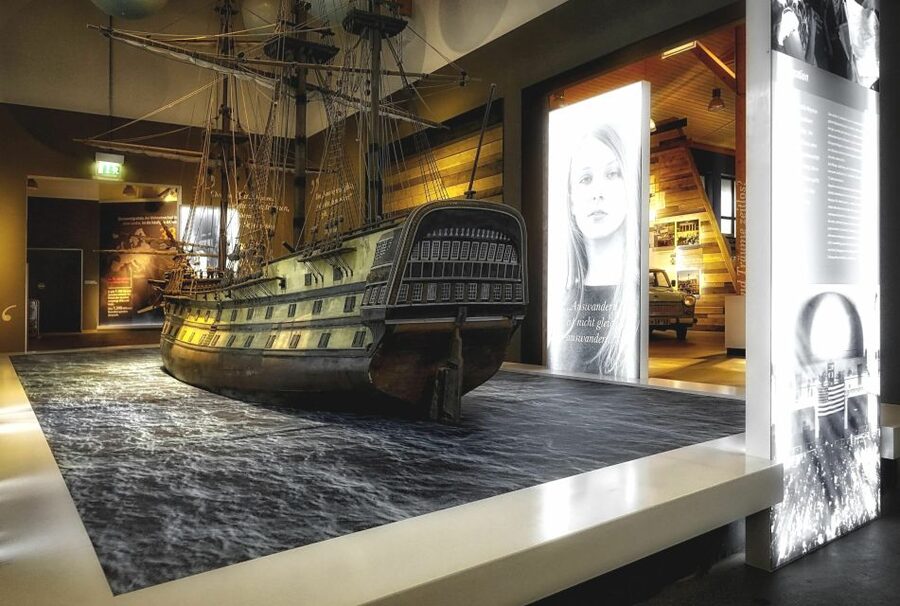
BallinStadt also gives you a glimpse into life aboard a passenger ship. This part helps bridge the gap between the land-based exhibitions and the overseas journey itself.
The ship experience matters because it shows that emigration did not end when a person received permission to leave. Passengers still faced a major sea crossing and a new life at the other end. Conditions aboard ship could shape how people experienced the journey, especially when traveling with large numbers of other passengers.
The exhibit does not need to recreate every detail to make the point. Even a glimpse of shipboard life adds physical scale to the story. You begin to understand the distance between Europe and the New World, and the courage required to travel it without knowing exactly what awaited you.
For families, this can be a useful part of the visit. Children often respond well to the concrete image of a passenger ship and the idea of living aboard it for the journey. Adults may pay more attention to the uncertainty behind the voyage.
The museum’s approach works best when you treat the ship displays as part of a larger sequence. First came the decision to leave, then the journey to Hamburg, then the waiting period, then the ship, and finally the attempt to begin again somewhere else.
Researching Your Own Family History
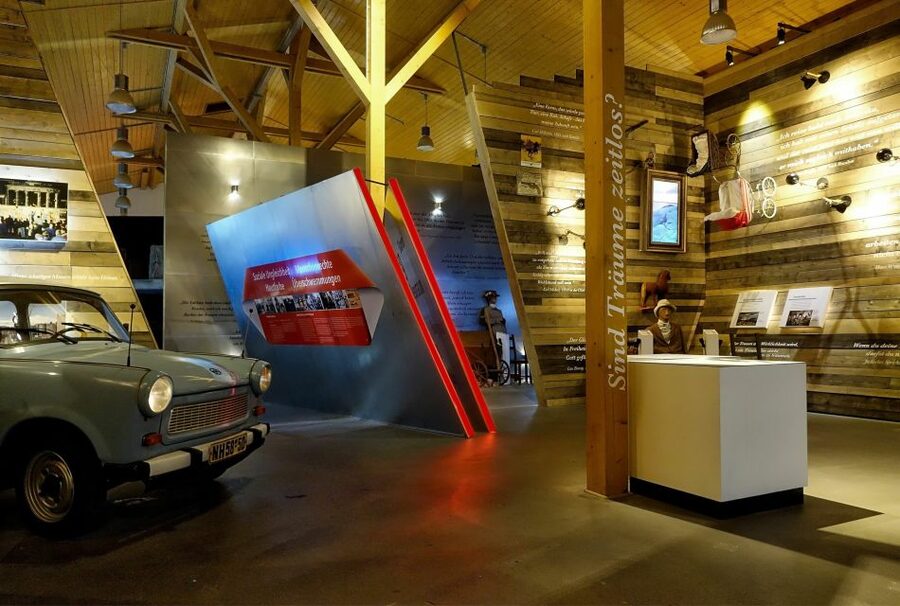
The genealogy research station gives BallinStadt a personal angle that many museums cannot offer. You can use it to investigate your own family history through the world’s largest genealogical database.
This is one of the best reasons to allow extra time. The research station is not just another exhibit to pass on your way out. If your family has roots in Europe or a known connection to overseas migration, you may want to slow down and see what names and records you can find.
The available information does not guarantee that you will discover a complete family story. Your results will depend on what records exist and how much information you already know. Still, the station can help you turn a broad museum theme into a more personal question: did someone from my family pass through a place like this?
I suggest gathering family names, approximate dates, and possible departure locations before your visit if you want to make serious use of the database. The supplied information does not promise research assistance or specific record results, so think of the station as a useful opportunity rather than a guaranteed answer.
Even without a family connection to Hamburg, the research area adds purpose to the museum. It reminds you that major population movements are made up of individual families, not only statistics.
The Changing Specialty Exhibition
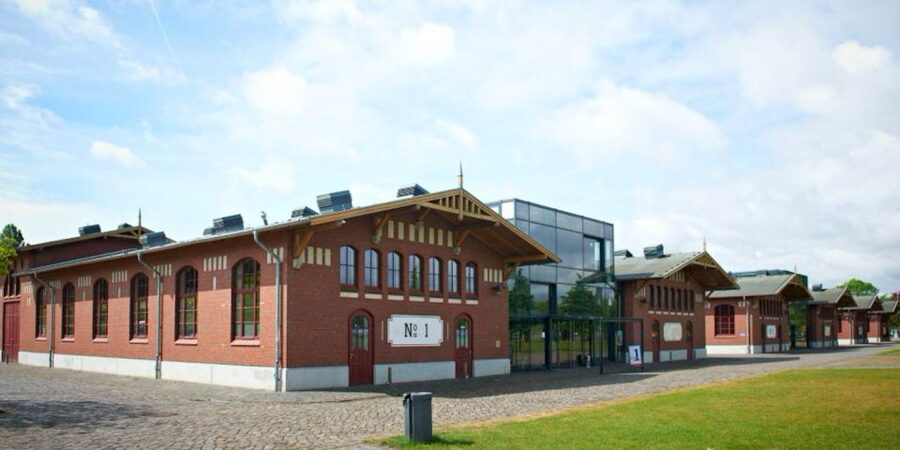
Alongside the two main exhibition halls, BallinStadt has a third specialty exhibition whose subject changes every few months.
This rotating area is valuable for repeat visits because the museum does not end with the permanent displays. The exact topic will depend on the date of your visit, so you should check the current subject if one theme matters particularly to you.
A changing exhibition can also provide a different entry point into migration. The main halls offer the broad framework, while the specialty presentation may focus on a particular group, period, or question. Since the topic changes, I would avoid planning your entire visit around it unless you have confirmed what is showing.
Together, the three areas give you a solid full-day museum visit. You can focus on the main story, spend time with the temporary display, and then use the genealogy station at your own pace.
How Much Time Should You Allow?

The ticket is valid for one day, rather than limiting you to a short timed entry. That flexibility is useful because the museum has several different types of content.
If you mainly want the central story, you might make a shorter visit through Port of Dreams and World in Transit. If you enjoy reading, personal stories, and family research, you will want considerably more time.
The information provided does not give a fixed visit length or a detailed timed schedule. Check availability for the starting times offered on your chosen date, then plan your day around the amount of reading and research you want to do.
I would not treat BallinStadt as a quick photo stop. Its value comes from connecting the exhibits. The more carefully you follow the sequence from departure planning to camp life, shipboard travel, and resettlement, the more meaningful the museum becomes.
Is the $16 Ticket Good Value?
At $16 per person, BallinStadt is reasonably priced for a full day of access to three exhibition areas and a genealogy research station. The value is strongest if you enjoy museums that combine historical explanation with personal stories.
You are paying for more than a set of static displays. The ticket includes the interactive Port of Dreams exhibition, the multi-visual World in Transit presentation, the rotating specialty section, and the chance to investigate your own family history.
The price may feel less worthwhile if you only have a few minutes in Hamburg or if migration history is not a subject that interests you. This is a museum that rewards attention. Its 4.4 rating from 63 reviews suggests a strong overall response, but the experience still depends on how much time you give it.
Food and drinks are not included, so plan for those separately. Free parking at the museum helps keep the overall cost down if you are arriving by car.
Who Will Enjoy BallinStadt Most?
I would recommend this museum to you if you like social history, family research, and stories about ordinary people facing major decisions. It also suits anyone interested in Hamburg’s connection to global travel beyond the familiar port sights.
Families can benefit from the visual and interactive approach, especially in Port of Dreams and the passenger ship section. The museum presents difficult subjects in a way that aims to be clear and understandable, which can make it easier to discuss migration with children and teenagers.
It is also a good choice for people tracing European ancestry. The genealogy station may become the highlight of your visit, particularly if you arrive with some family names and dates in hand.
You may want to skip it if you prefer art museums, fast-moving attractions, or a short sightseeing stop with little reading. BallinStadt is thoughtful and information-heavy. It asks you to pay attention to the people behind the movement.
The museum is wheelchair accessible. Pets are not allowed. Check in at the ticket office in House 1, and remember that free parking is available on site.
Should You Book the BallinStadt Ticket?
Book it if you want a clear, personal look at how Hamburg helped millions of Europeans leave for the New World. The combination of camp life, passenger ships, five centuries of migration, and family research gives the museum more substance than a basic port-history display.
I would especially recommend it if you have half a day or more and want to understand the human side of Hamburg’s international role. The $16 price is fair, and the one-day validity lets you explore without racing from room to room.
Skip it if your Hamburg schedule is extremely tight or if you are looking only for harbor views and traditional maritime history. For everyone else, BallinStadt offers a calm, useful, and often moving look at what it meant to leave Europe and start again somewhere unknown.
FAQ
Where is BallinStadt located?
BallinStadt is in Hamburg, Germany. You begin at the ticket office in House 1.
How much does admission cost?
The entry ticket costs $16 per person.
How long is the ticket valid?
The ticket is valid for one day. Check availability for the starting times offered on your selected date.
What does the ticket include?
The ticket includes admission to the BallinStadt museum and its exhibition areas.
Are food and drinks included?
No. Food and drinks are not included in the ticket.
Can I research my family history there?
Yes. The museum has a research station connected to the world’s largest genealogical database.
How many exhibition areas are there?
The museum has three exhibition areas: Port of Dreams, World in Transit, and a specialty exhibition that changes every few months.
Is the museum wheelchair accessible?
Yes. BallinStadt is wheelchair accessible.
Is parking available at the museum?
Yes. Free parking is available at the museum. Pets are not allowed.
Just added around Hamburg
- Hamburg: Private 1.5-Hour Walking Tour of St. Pauli★ 4.9 · 13 reviews
- Mister X Hamburg 2h city tour, hunting & games for all ages★ 5.0 · 13 reviews
- Yacht Sailing After Work Tour of Hamburg Harbor★ 5.0 · 13 reviews
- Free Tour: Port, Red Light District and Beatles. You decide how much to pay at the end★ 3.9 · 13 reviews
- Private 5-Hour Hamburg Countryside Tour with a former policeman★ 5.0 · 14 reviews
- Hamburg: After work Millerntor stadium tour with drinks★ 4.8 · 14 reviews
- Hamburg: Guided Walking Tour★ 4.2 · 14 reviews
- Hamburg: 1-Hour Harbor Cruise★ 4.4 · 14 reviews
Museums, compared.


Skip-the-Line: Berlin Wall Museum at Checkpoint Charlie
Read our review →
Browse the lists this tour appears in