
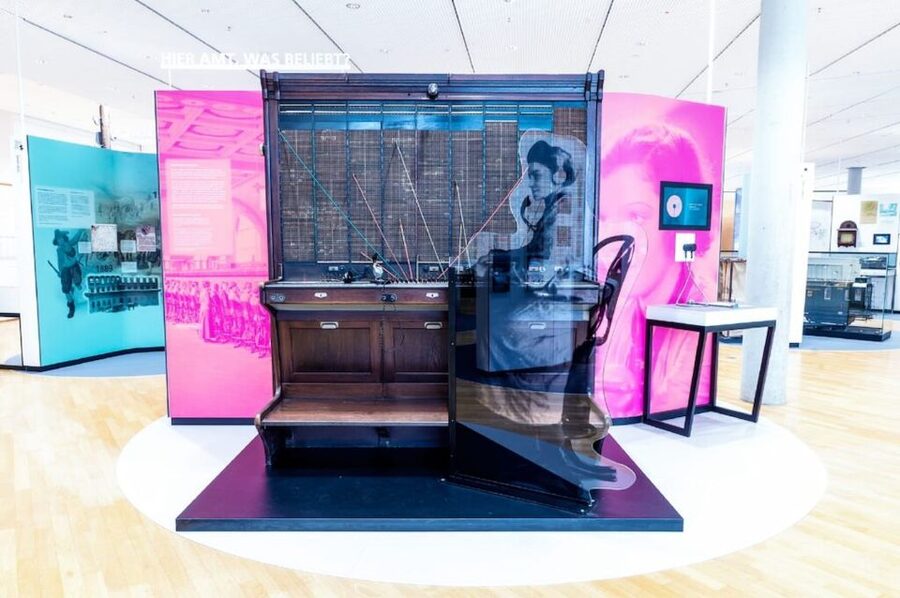
Reviewed · MUSEUMS
Frankfurt: Museum of Communication Exhibitions
Messages have a long and curious past. I like the Museum of Communication for two reasons: it brings everyday inventions such as telephones, radios, fax machines, and televisions into one clear story, and its interactive displays make the subject easier to grasp than a row of glass cases. The temporary KLIMA_X exhibition adds a thoughtful look at how communication can shape action on climate change.
The main drawback is noise. A recent visit became difficult because of loud children in the lobby, and the museum can be less peaceful at busy times. I would choose a weekday if you want time to read labels and think.
In This Review
- Key points to know before you go
- Finding the Museum on Schaumainkai
- From Cuneiform Tablets to Data Glasses
- Acceleration: When Messages Started Moving Faster
- Networks and the Spread of Connection
- Control and Participation in Media
- The Objects: Telegraphs, Phones, Radios, and Television
- KLIMA_X and the Choices Behind Climate Action
- A Main River Break on the Café Terrace
- Noise, Timing, and How to Get More From the Visit
- Is the $10 Ticket Good Value?
- Should You Book the Museum of Communication?
- FAQ
- Where is the Museum of Communication in Frankfurt?
- How much does admission cost?
- How long is the ticket valid?
- What does the admission ticket include?
- Is a tour guide included?
- Is the museum wheelchair accessible?
- What are the holiday opening hours?
- Can I get food or drinks at the museum?
Key points to know before you go
- A 2,500-square-meter permanent exhibition follows communication from cuneiform tablets to data glasses.
- Four big ideas organize the museum: acceleration, networks, control, and participation.
- The collection covers familiar and forgotten technology, including old telegraphs, phones, fax machines, radios, and television sets.
- KLIMA_X turns climate change into a personal question, focusing on simple actions and the way people respond to the crisis.
- The café terrace looks toward the Main River, making it a pleasant place to pause after the galleries.
- The $10 entry fee is good value if you give the museum several hours rather than making a quick stop.
Finding the Museum on Schaumainkai
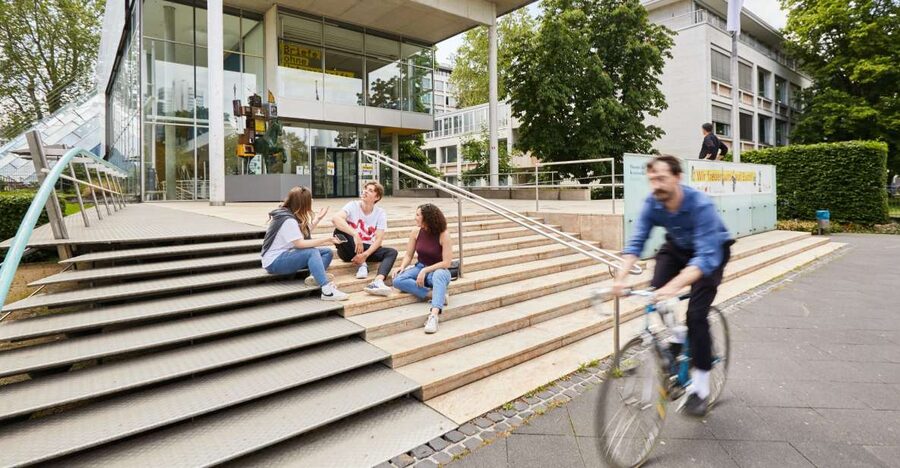
The Museum of Communication is on Schaumainkai, Frankfurt’s museum-lined riverfront. You head directly to the museum, with no separate tour meeting point and no guide included. That makes the visit easy to fit into a day spent exploring Frankfurt’s museum district.
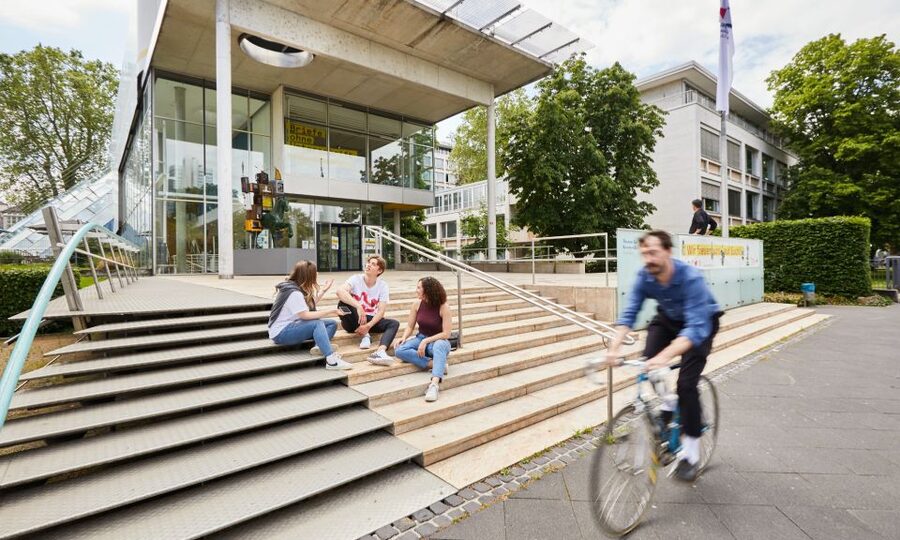
The building itself has won several awards, though the real pleasure comes after you enter. This is not a museum built only for specialists. You can walk in with a passing interest in old gadgets and still find a clear path through the displays.
The ticket is valid for one day, so you have room to set your own pace. A fast visit could cover the main sections in a couple of hours, but I would allow most of an afternoon if you like reading, trying interactive stations, and stopping at the temporary exhibit.
The ticket also includes skip-the-line entry and wheelchair access. Food and drinks cost extra, and you do not receive a guide or guided commentary, so the experience depends on your own movement through the displays.
More Museums:
- from Frankfurt: Heidelberg, Mercedes Museum / Schwetzinger Schloß
★ 5.0 · 35 reviews - Frankfurt: Struwwelpeter Museum Entry Ticket w/Audio Guide
★ 4.5 · 22 reviews - Berlin: Jewish Museum Berlin Entrance Ticket
★ 4.5 · 8,393 reviews
From Cuneiform Tablets to Data Glasses
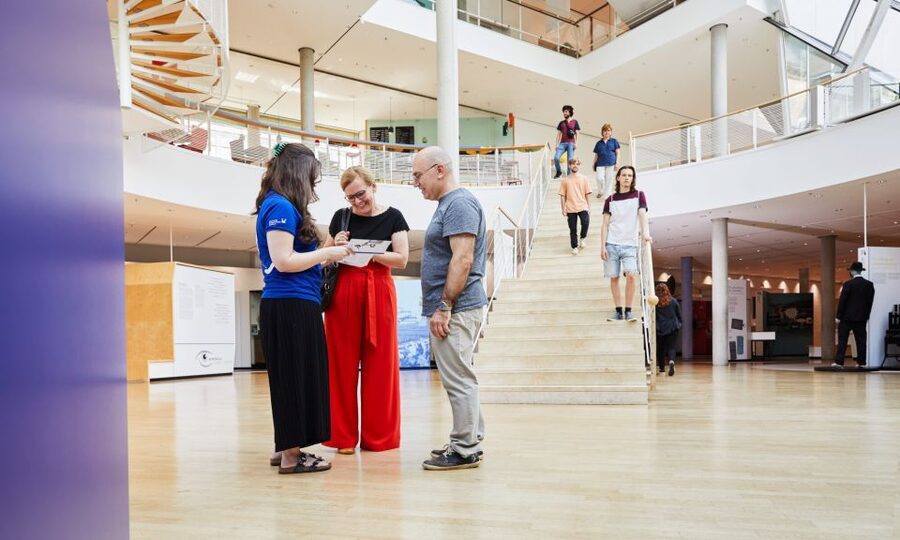
The permanent exhibition, Mediengeschichte|n neu erzählt!, covers communication across 2,500 square meters. Its broad time span is the main reason to visit. You are not looking at one narrow invention or one famous inventor. Instead, you see how people have repeatedly found new ways to record, transmit, store, and share information.
The starting point reaches back to the cuneiform tablet. That early form of writing may seem far removed from a smartphone or data glasses, but the museum encourages you to connect the dots. Every new tool changes speed, reach, access, and control.
This long view gives ordinary objects more meaning. A telephone is not just an old phone. It changes the distance between people. A fax machine is not simply an outdated office appliance. It shows how quickly information once moved through a business or across borders.
I like this approach because it avoids treating technology as a parade of gadgets. The museum asks what each invention did to daily life. It also makes clear that communication is never only about machines. It involves power, habits, social ties, and the choices people make.
The displays use unusual stories and curious experiences alongside major inventions. That mix helps keep the visit from feeling like a technical lesson. You might come for the machines, but the human stories give the collection its warmth.
Acceleration: When Messages Started Moving Faster
One of the museum’s four main themes is acceleration. Communication has moved from the slow physical movement of written messages to near-instant electronic exchange.
The old telegraphs are especially useful here. They show the moment when information began to travel independently of the person carrying it. That change affected trade, government, journalism, and personal relationships.
As you move through the displays, radios and televisions continue the story. These devices did more than send messages from one person to another. They created shared public moments, allowing large numbers of people to hear or see the same material at the same time.
The museum’s interactive elements help explain this shift. You do not have to understand engineering to grasp the basic point: faster communication changes expectations. Once people grow used to quicker contact, yesterday’s speed can suddenly feel painfully slow.
This section should appeal to anyone interested in how old technology shaped modern life. It is also a useful stop for families because the subject is familiar. Most people have used a telephone, television, or radio, even if they have never considered how those tools changed the rhythm of a household.
Networks and the Spread of Connection
The second major theme is networks. Communication becomes more powerful when devices and people link to one another.
Old phones, fax machines, and radio equipment help make the idea concrete. Each object belongs to a system. A telephone needs a network of connections. A fax machine matters because it can send material to another machine. A radio depends on a wider system of transmission and reception.
The exhibition encourages you to think beyond the object in front of you. Ask where the message begins, how it travels, and who can receive it. That simple habit turns a display of machinery into a lesson about modern life.
This is also where the museum can make familiar technology feel strange again. A fax machine may now seem almost comic, but it once represented speed and efficiency. An older phone may look heavy and limited, yet it helped make instant conversation normal.
I find this section valuable for younger visitors because it provides context for technology they may know only from pictures. It also gives older visitors a chance to remember how quickly communication changed within one lifetime.
Something different for another day:
- Frankfurt: River Main Sightseeing Cruise with Commentary
★ 4.3 · 5,127 reviews - Frankfurt: Hop-On, Hop-Off Grand or Express Bus Ticket
★ 3.9 · 2,088 reviews - Frankfurt: 1-Hour Panorama Boat Cruise on the river Main
★ 4.4 · 1,822 reviews - Rhine Valley Castles: 1.5-Hour Boat Tour from Rüdesheim
★ 4.2 · 1,390 reviews
Control and Participation in Media
The remaining themes, control and participation, add a more serious edge. Communication tools do not simply connect people. They can also decide who gets information, who can send it, and who gets heard.
The museum does not present media as a purely positive force. Faster messages and wider networks can bring people together, but they can also increase control. The displays invite you to think about the rules and systems behind communication.
Participation is the other side of that question. Modern media gives more people the ability to create and share material. That can widen public discussion, but it also raises questions about responsibility and influence.
You should not expect a single lecture that settles these issues. Instead, the permanent exhibition gives you objects and examples that help you form your own view. That makes the visit more useful than a simple timeline of inventions.
The four themes also give the museum a practical structure. If you feel lost among the equipment, return to these questions: Did this invention make communication faster? Did it expand a network? Did it increase control? Did it allow more participation? Those prompts help you get your bearings fast.
The Objects: Telegraphs, Phones, Radios, and Television
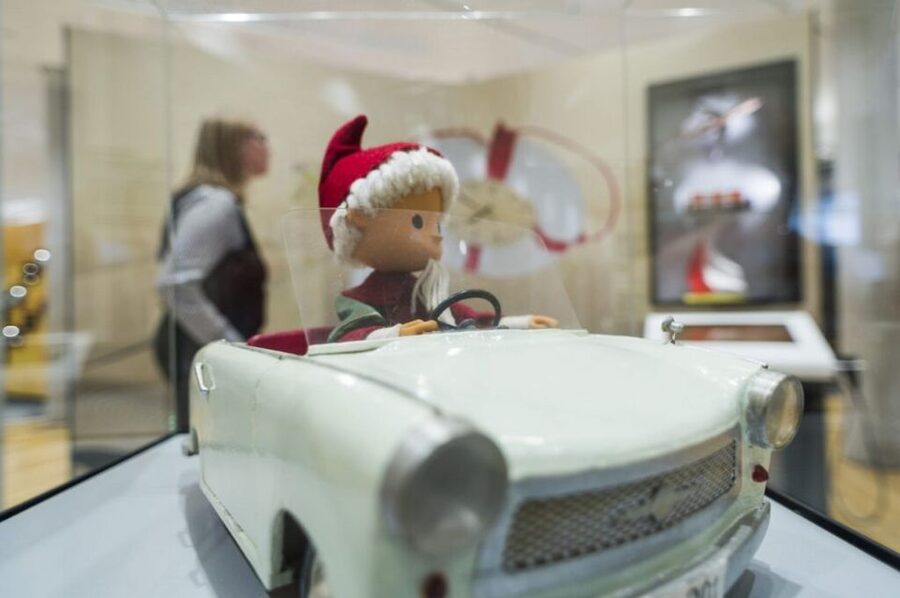
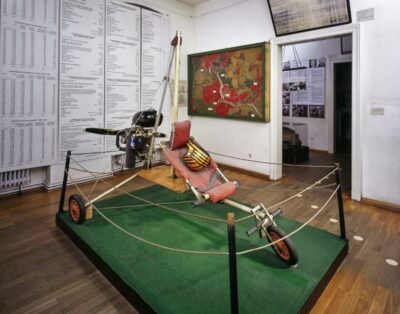
The collection includes plenty of machines that reward a close look. You can see old telegraphs, telephones, fax machines, radios, and television sets in one visit.
The appeal is partly visual. These objects show how much physical technology has changed. Earlier devices often had weight, buttons, wires, dials, and visible mechanisms. Modern communication can be carried in a small device, with much of the system hidden from view.
I would not rush past the older equipment. The familiar objects are often the best bridge between the past and the present. A phone lets you ask what has changed in the way people speak. A television raises questions about shared attention. A fax machine shows how quickly an office tool can vanish from everyday use.
One Ukrainian visitor particularly enjoyed the atmosphere, book shelves, old chests, and sheep decorated with telephones. Those playful details matter. They give the museum a softer, less formal feel and offer small surprises between the larger displays.
The atmosphere may be one of the museum’s strongest qualities. It combines serious information with objects that invite curiosity. You can learn something without treating every display like an exam.
KLIMA_X and the Choices Behind Climate Action
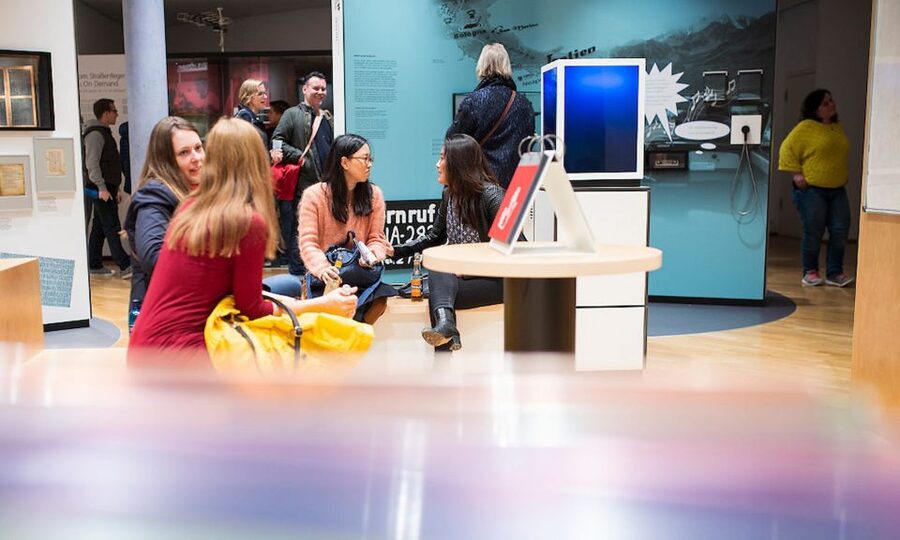
The temporary exhibition KLIMA_X shifts the subject from communication technology to communication about climate change. Its central purpose is practical: it asks how people can help change the world for the better.
You are encouraged to think about simple methods that can improve the current climate crisis. The exhibit also asks you to reflect on why action can be difficult, even when the basic steps seem clear.
That makes KLIMA_X a useful companion to the permanent exhibition. The older displays show how people communicate ideas and warnings. The temporary section asks what happens after a message has been delivered. Does it change behavior? Does it create concern, resistance, or action?
I appreciate the personal angle. Climate change can feel too large for one person to affect, but the exhibit brings the subject back to daily choices and public responsibility. It does not make the communication museum feel like a science center. Instead, it uses the museum’s main subject, how ideas reach people, to examine a current problem.
The temporary exhibit will be especially worthwhile if you want more than a display of historic machines. It gives the visit a present-day purpose. Check what is showing during your visit, since temporary exhibitions change over time.
A Main River Break on the Café Terrace
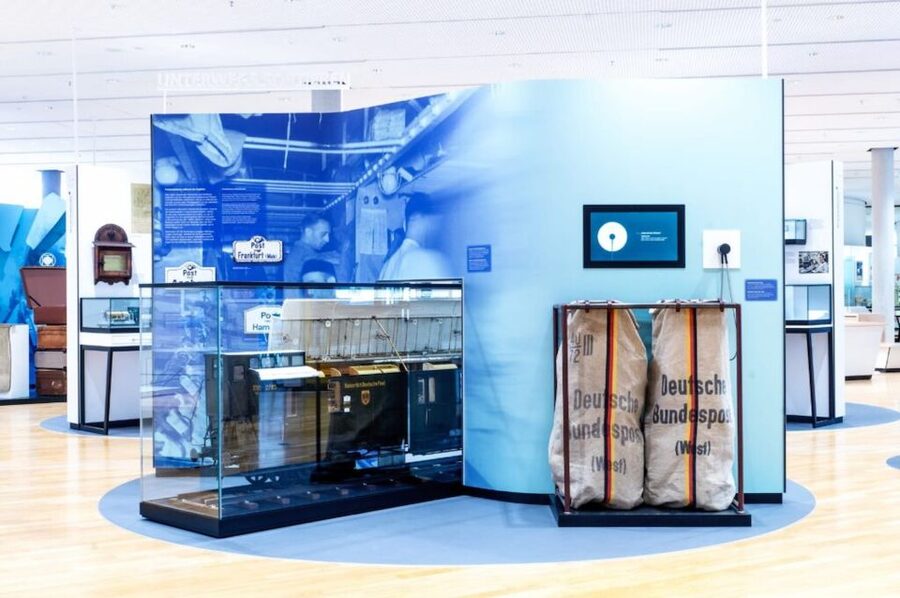
After the galleries, the café terrace offers a natural pause. You can sit with a coffee and look toward the Main River, a welcome change after several hours of displays and reading.
Food and drinks are not included in the ticket. I would carry some cash because one recent visitor found that the café did not accept Mastercard or Visa. That is a small point, but it can save you an awkward moment when you are ready for a break.
The terrace is not the reason to buy the ticket, yet it improves the visit. Museums can become tiring when every room demands attention. A drink outside gives you time to sort through what you have seen before continuing around Frankfurt.
The view also adds a sense of place. You are not visiting an isolated collection in a dark building. You are on the Main, in a city shaped by trade, movement, information, and international connections. The setting fits the subject.
Noise, Timing, and How to Get More From the Visit
The main practical concern is sound. The lobby can be loud, and busy groups may make it hard to concentrate in the galleries. One visitor found the museum beautifully designed and very informative but too noisy for comfortable viewing.
I would visit on a weekday if quiet matters to you. Public holidays have set hours of 10:00 AM to 6:00 PM, and busy periods may be less restful. The activity information says to check availability for starting times, so confirm the current schedule before setting your day around the museum.
There is no tour guide included. That is good news if you like freedom and bad news if you want a person to explain each object. You control the pace, skip what does not interest you, and spend longer with the sections that catch your attention.
Interactive displays can help keep children involved, but the museum may not be calm enough for every family or every visitor. If you need a quiet setting, arrive early or choose a weekday and take breaks on the terrace.
Wheelchair access is available. The direct entry arrangement also keeps the visit simple: go to the Museum of Communication on Schaumainkai and begin inside.
Is the $10 Ticket Good Value?
At $10 per person, the museum offers good value for a full day of flexible sightseeing. You receive access to the permanent exhibition and the temporary KLIMA_X display, with no separate guide fee.
The price works best if you enjoy museums that ask questions rather than deliver a single spectacle. You can see a large span of communication history, try interactive features, examine familiar machines, and take a riverfront break.
It is less convincing as a quick stop. If you have only 30 minutes, you will see objects but miss the connections between them. I would plan enough time to follow the four themes and visit KLIMA_X without hurrying.
The museum also suits different interests. Technology fans can focus on the machines. Families can look for hands-on displays and playful objects. History-minded visitors can follow the change from writing tablets to electronic media. Anyone curious about climate action can give extra time to the temporary exhibition.
Should You Book the Museum of Communication?
I would book this experience if you want an affordable, flexible museum visit with more substance than a collection of old devices. The best parts are the clear journey from cuneiform tablets to data glasses, the wide range of telegraphs and household technology, and the thoughtful connection between media and climate action.
Choose a weekday if you prefer quiet galleries. Bring cash for the café, and do not rely on a guide to lead you through the building. If loud groups quickly spoil a museum visit, timing matters.
For $10, the Museum of Communication is a smart choice for a half-day or longer stop along Frankfurt’s museum riverfront. You should book it if you enjoy seeing how ordinary tools changed the way people live, work, and respond to the world around them.
FAQ
Where is the Museum of Communication in Frankfurt?
The museum is located on Schaumainkai in Frankfurt, Hessen, Germany.
How much does admission cost?
The listed price is $10 per person.
How long is the ticket valid?
The ticket is valid for one day.
What does the admission ticket include?
The ticket includes entry to the Museum of Communication.
Is a tour guide included?
No. A tour guide is not included.
Is the museum wheelchair accessible?
Yes, the museum is wheelchair accessible.
What are the holiday opening hours?
On public holidays, the museum is open from 10:00 AM to 6:00 PM.
Can I get food or drinks at the museum?
Food and drinks are not included with admission. The museum has a café terrace with a view of the Main River, and you may want to bring cash because Mastercard and Visa were not accepted at the café during one recent visit.
Just added around Frankfurt
- Frankfurt: Walking Tour – discover the city with VR glasses★ 4.2 · 12 reviews
- Wiesbaden Biebrich: Outdoor Escape Game★ 4.7 · 13 reviews
- from Frankfurt – romantic Black Forest & brewery, private tour★ 5.0 · 13 reviews
- Frankfurt : Highlights & hidden Gems Private Walking Tour★ 4.6 · 13 reviews
- Discover the Heart of Frankfurt – City Tour in German★ 5.0 · 13 reviews
- From Frankfurt: Heidelberg and Rothenburg Guided Day Trip★ 5.0 · 14 reviews
- Private German Beer Tasting Experience in Frankfurt Old Town★ 5.0 · 14 reviews
- Frankfurt: Old Town Crime Mystery Game★ 4.3 · 14 reviews
Museums, compared.

Skip-the-Line: Berlin Wall Museum at Checkpoint Charlie
Read our review →
Browse the lists this tour appears in