
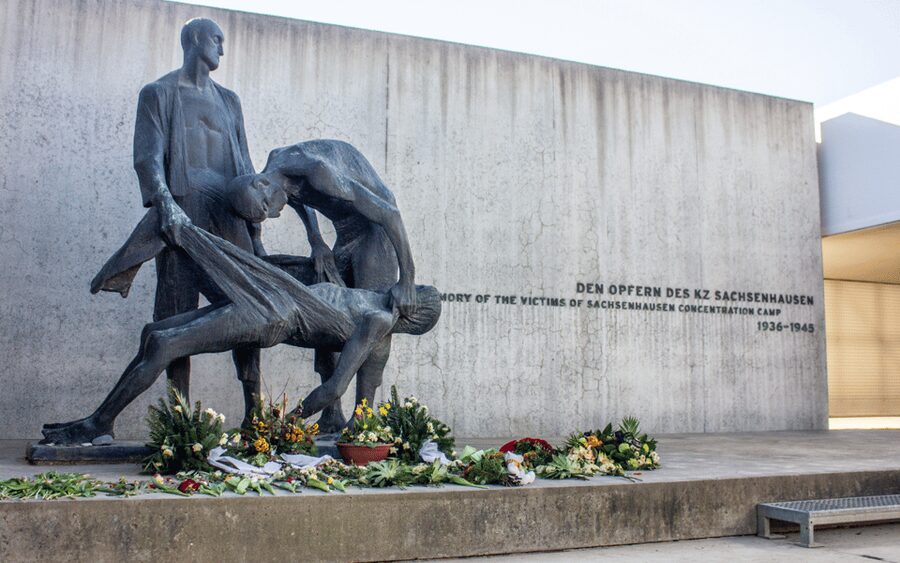
Reviewed · MEMORIAL & CONCENTRATION CAMP TOURS
Berlin: Sachsenhausen Concentration Camp Museum Tour
History here is impossible to keep at arm’s length. This five-hour trip takes you from Alexanderplatz to Sachsenhausen Memorial by train, then through the camp grounds with a certified English-speaking guide. I like the careful mix of site history and personal stories, and I like that the tour covers the difficult details without losing sight of resistance, courage, and remembrance.
The main drawback is the amount of walking and standing. You spend about 30 minutes walking from the station to the memorial, followed by a three-hour guided visit outdoors, so cold or wet weather can make the day tiring. You also need to buy your own ABC transit ticket and bring €3 in cash for the memorial contribution.
In This Review
- Key points at a glance
- Why Sachsenhausen belongs on a Berlin itinerary
- Meeting at Alexanderplatz and catching the train
- The 30-minute walk to Sachsenhausen Memorial
- Three hours inside the memorial grounds
- Stories of suffering, resistance, and remembrance
- The journey back to Berlin
- What the $18 price really includes
- Choosing the right guide and tour style
- Weather, clothing, and emotional preparation
- Who should book this Sachsenhausen tour?
- Final verdict: a serious tour with strong value
- FAQ
- Where does the Sachsenhausen tour start?
- How long does the activity last?
- How long is the train journey?
- How long is the walk from the station to the memorial?
- Is public transport included in the price?
- Is there an additional memorial contribution?
- What language is the tour conducted in?
- Is the activity wheelchair accessible?
Key points at a glance
- The day begins at Alexanderplatz: Meet under the white umbrella outside the Premier Inn Berlin Alexanderplatz Hotel, then travel by train with your guide.
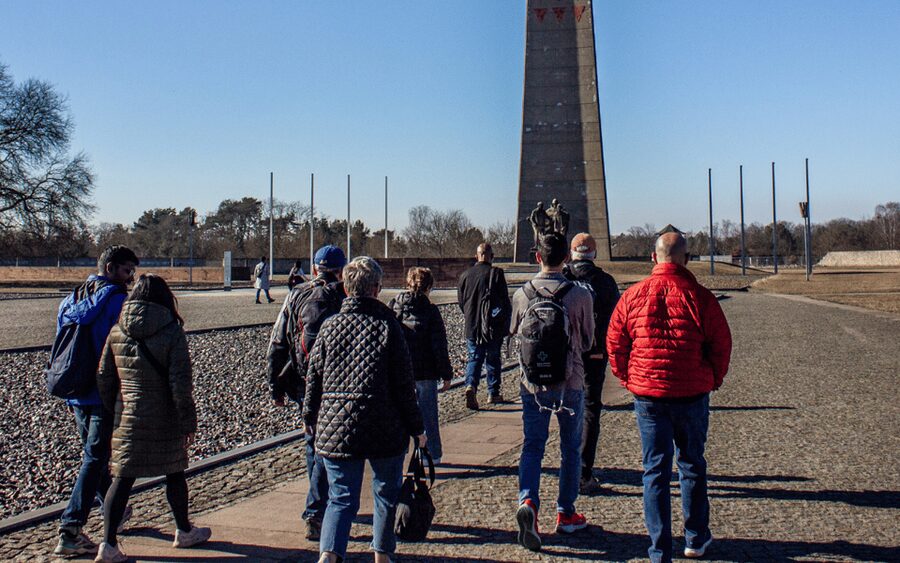
- The memorial needs time: The guided visit lasts around three hours, enough to cover the camp layout, guard towers, punishment cells, exhibits, and stories of prisoners.
- Public transport is part of the deal: Your guide leads the journey, but you need a valid ABC transit pass and must pay for it separately.
- Guide quality is a major strength: Miguel, Sharon, Roshanna, Richard, Sebastian, and Mateus are praised for clear explanations, good organization, and respectful handling of painful history.
- This is a reflective visit, not light sightseeing: Expect serious subject matter, long periods outdoors, and time to think.
- The price is modest: At $18 per person, the tour offers strong value if you want structure, context, and help navigating the memorial.
Why Sachsenhausen belongs on a Berlin itinerary
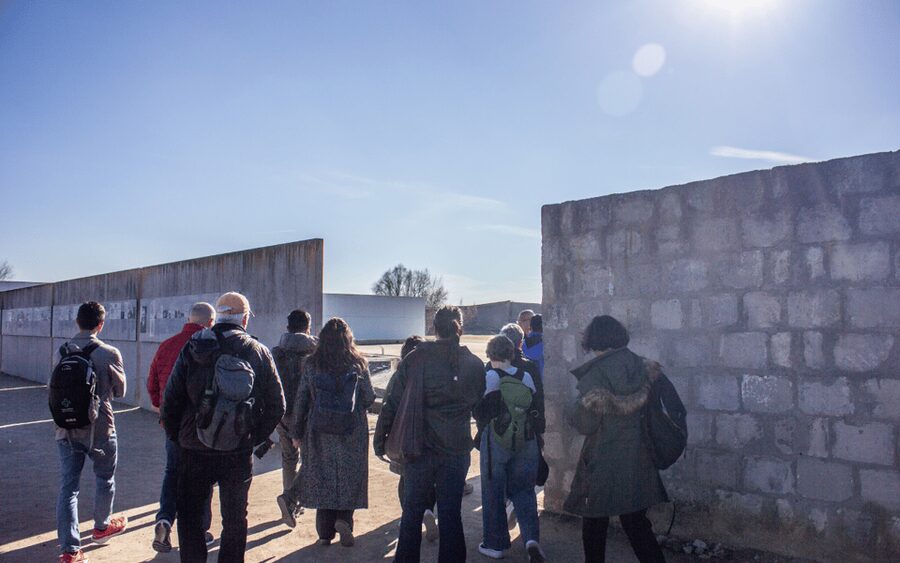
Berlin is full of museums and memorials, but Sachsenhausen gives you a different kind of historical understanding. You are not simply looking at photographs behind glass. You walk through the physical plan of a concentration camp, hear how it operated, and confront the human cost of Nazi rule.
That setting matters. The camp’s guard towers, punishment cells, open grounds, and surviving structures help connect the larger story of Nazi Germany to the daily reality of people imprisoned there. A guide can explain what you are seeing and why each part of the site mattered, which is especially useful if you have limited background knowledge.
The tour also places Sachsenhausen within the wider story of Berlin and Germany. The journey begins in a city that has rebuilt itself and ends at a site shaped by terror, imprisonment, and loss. That contrast gives the day a powerful frame, though it can also feel emotionally heavy.
I would not treat this as a casual half-day outing. It is a memorial visit first, and a sightseeing experience second. You should arrive ready to listen, ask thoughtful questions, and allow yourself quiet moments.
More Museums in Berlin
- Berlin: Jewish Museum Berlin Entrance Ticket
★ 4.5 · 8,393 reviews - Berlin: DDR Museum Tickets
★ 4.3 · 3,443 reviews - Berlin: Natural History Museum Entrance Ticket
★ 4.6 · 3,382 reviews
Meeting at Alexanderplatz and catching the train
The starting point is easy to identify: look for the white umbrella in front of the Premier Inn Berlin Alexanderplatz Hotel. You need to be on time because the group must catch the train together.
This meeting point works well if you are staying in central Berlin or already visiting Alexanderplatz. It also gives the guide a clear place to gather the group before the journey begins. The train ride takes about 25 minutes, and guides use that time to explain the political climate before the war, the rise of the camps, and Berlin’s wider role in German history.
That introduction is one of the tour’s useful features. By the time you reach Sachsenhausen, you have more context for what you are about to see. Miguel is especially praised for using the train ride to explain the build-up to the war and the camp system, rather than waiting until everyone is standing inside the memorial.
You will need a valid ABC transit pass for public transport. The ticket is not included, so budget for it before you meet the group. The guide can help with transport arrangements, but the responsibility for having the correct ticket remains with you.
The 30-minute walk to Sachsenhausen Memorial
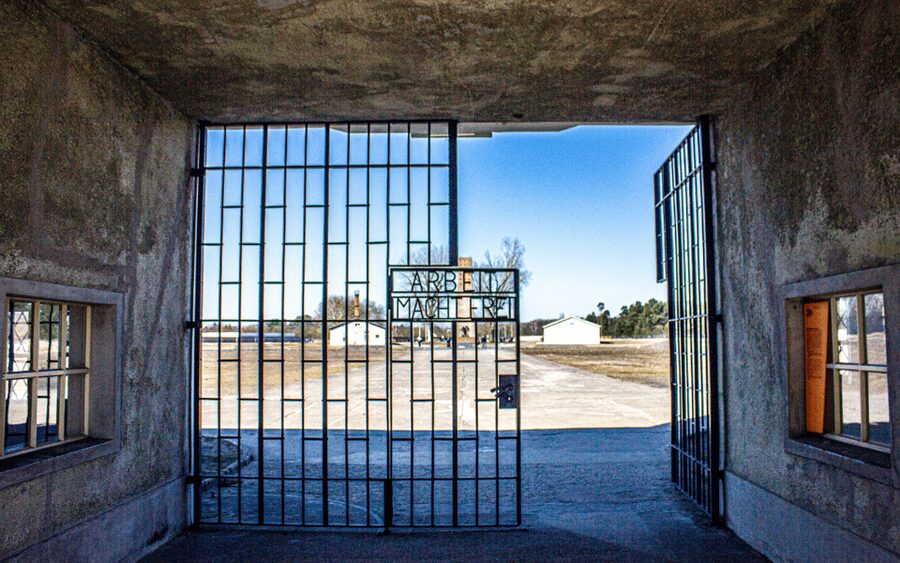
After the train, you walk for about 30 minutes to reach the memorial. This is not a quick step from the station entrance to a museum door. The walk adds time and physical effort, so wear comfortable shoes and bring water or snacks.
The route also creates a gradual change in mood. You leave the normal rhythm of Berlin’s public transport behind and approach the memorial on foot. There is no need to rush this part, but you should factor it into your day if you have mobility concerns or are traveling with children.
The activity is listed as wheelchair accessible. Still, the full experience includes the train, the half-hour walk, and several hours at a large outdoor historic site. If you use a wheelchair or have difficulty walking, ask for current route details before booking so you know how the accessibility arrangements apply to the complete outing.
Three hours inside the memorial grounds
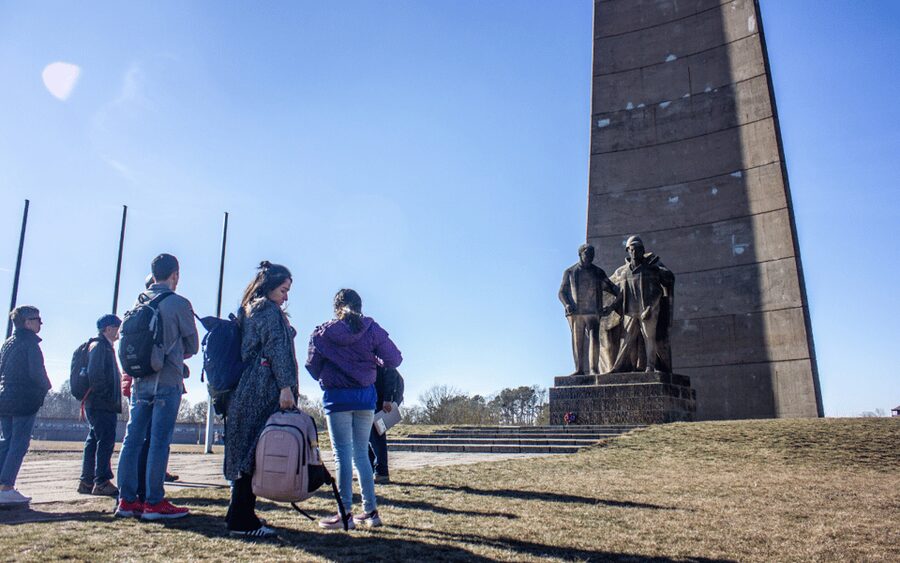
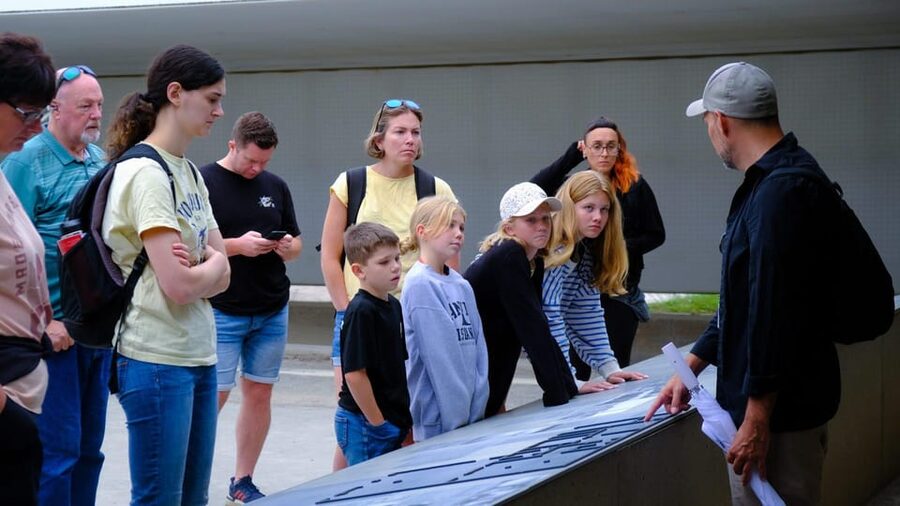
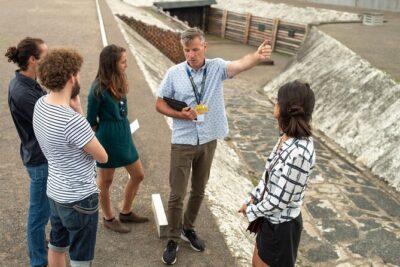
The main visit lasts around three hours. That length is helpful because Sachsenhausen is not a site you can understand through a quick circuit. The guide leads you through the camp layout and explains how different spaces were used.
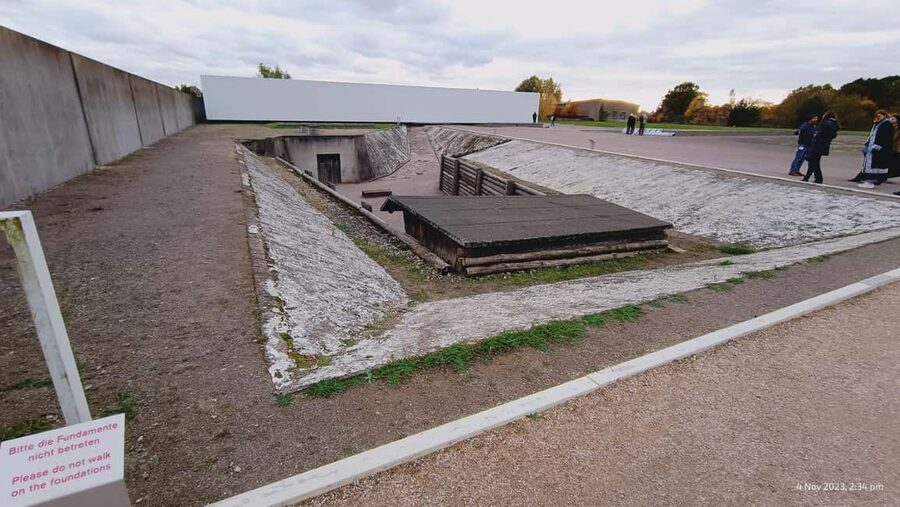
You can expect attention to the guard towers, punishment cells, and other areas connected with the camp’s system of control. The tour also examines the daily hardships prisoners faced, along with small acts of resistance and moments of hope. Those details prevent the visit from becoming only a list of dates and crimes. They bring the focus back to individual people and their choices under extreme conditions.
The guides are praised for covering the important areas rather than stopping at one or two familiar points. Sharon is noted for explaining all parts of the camp, while Miguel is repeatedly praised for taking time with detailed questions. Richard is described as allowing plenty of time for discussion and for explaining the importance of the site within Germany’s past.
A strong guide is particularly valuable here because the grounds can be confusing without context. Buildings, remains, open spaces, and exhibits do not always explain themselves. Your guide helps connect the physical evidence to the camp’s purpose and to the lives of those held there.
The subject matter is painful, and the pace may feel intense. One person found the visit tiring toward the end, which is understandable after several hours on foot and in the open air. Plan a quiet evening afterward rather than stacking this tour between several energetic activities.
More memorial visits:
- Berlin: Sachsenhausen Concentration Camp Tour in English
★ 5.0 · 5,711 reviews - Berlin: Sachsenhausen Concentration Camp Memorial Tour
★ 4.7 · 3,716 reviews - Sachsenhausen Concentration Camp Bus Tour in English from Berlin
★ 5.0 · 1,962 reviews - Berlin: Sachsenhausen Concentration Camp Tour in English
★ 4.8 · 1,889 reviews
Stories of suffering, resistance, and remembrance
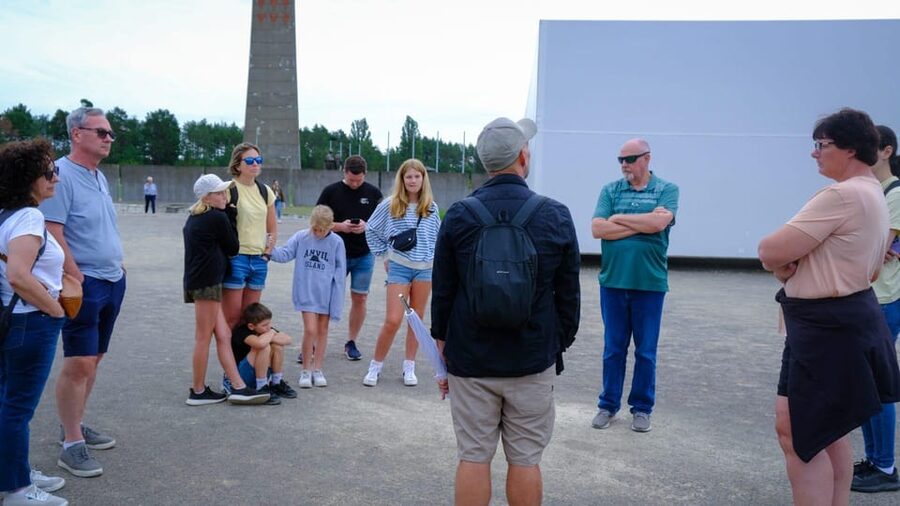
The most worthwhile part of this experience is its attention to personal stories. The tour deals directly with hardship, but it also includes examples of resistance and human endurance. That balance does not soften the crimes committed at Sachsenhausen. Instead, it gives you a fuller picture of the people who were imprisoned there.
Several guides receive high praise for treating the subject with care. Miguel is described as passionate and respectful, with a strong grasp of both the camp and the broader history of the First and Second World Wars. Roshanna is praised for answering questions, looking after the group, and keeping everyone together from the start through the return journey.
This matters because memorial visits need more than facts. You need a guide who can speak plainly without turning suffering into spectacle. The strongest comments about this tour focus on integrity, patience, and the ability to explain difficult material to people who may know very little about the period.
You should also expect a reflective tone. The tour includes time to absorb what you have heard and to think about the reality faced by prisoners. It is entirely reasonable to feel quiet or unsettled afterward.
The journey back to Berlin
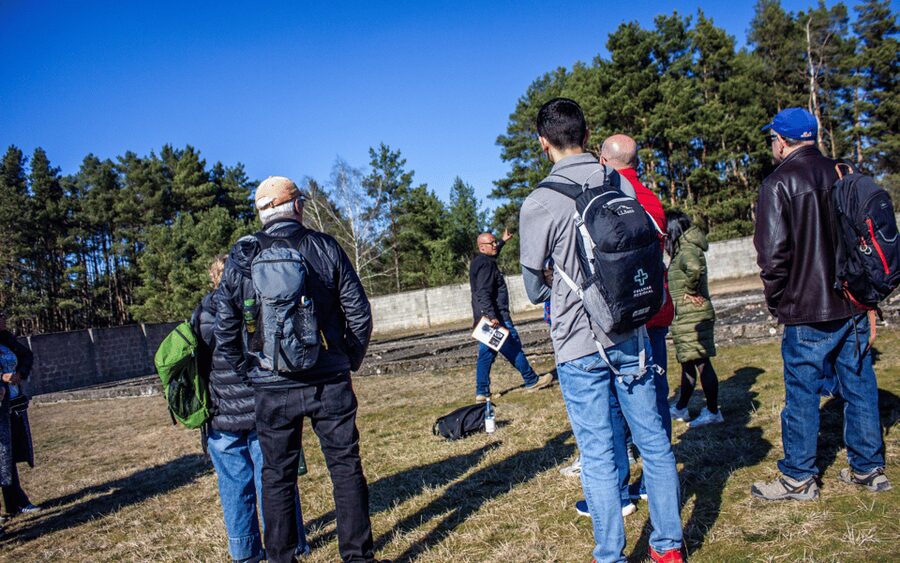
After the guided visit, the group returns to the station and takes the train back to Berlin. The listed train time is about 25 minutes, and the activity ends at the original meeting point near Alexanderplatz.
Returning together is useful if you are unsure about Berlin’s public transport. One guide, Mateus, is praised for organizing the day well, though the public transport arrangement was his one noted limitation compared with a private transfer. That is the trade-off here: the train keeps the price low, but it is less private and less door-to-door than a dedicated vehicle.
Some guides also offer suggestions for other things to do in Berlin. Miguel is praised for sharing city recommendations, which can be useful if Sachsenhausen is one part of a larger Berlin visit. Still, do not count on extra sightseeing after the memorial. The stated activity finishes back at the meeting point, and the day’s focus remains the camp.
What the $18 price really includes
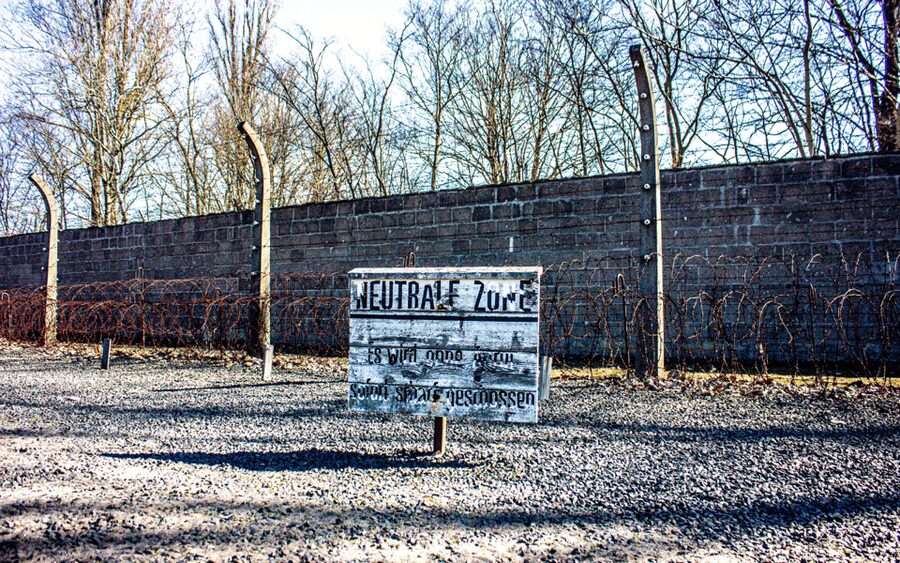
At $18 per person, this is an inexpensive way to visit Sachsenhausen with a guide. The fee includes the certified guide and entry to the memorial, which means you are paying mainly for interpretation, organization, and group support rather than transport.
You need to add the cost of your ABC transit pass and the €3 cash contribution to the memorial. Snacks are also your responsibility. These are small extras, but they matter because the outing lasts five hours and includes travel, walking, and a long guided visit.
The value is strongest if you want historical context and do not feel confident planning the route alone. You also gain help with the train journey and a structured explanation of the grounds. If you prefer to explore silently at your own speed, a self-guided visit may suit you better, but you would lose the background and personal accounts that give the site meaning.
The tour is also a good option for first-time visitors to Berlin who want to understand how the city’s past still shapes its present. At this price, the guided format offers a lot, provided you are comfortable with public transport and outdoor walking.
Choosing the right guide and tour style
The exact guide may vary, but the names most strongly associated with praise are Miguel, Sharon, Roshanna, Richard, Sebastian, and Mateus. Miguel is repeatedly singled out for explaining both Sachsenhausen and the wider history of Germany. Sharon is praised for thorough coverage, while Roshanna receives warm comments for being welcoming, attentive, and well organized.
Sebastian is described as excellent throughout the visit. Richard is praised for clear explanations and generous time for questions. These comments suggest that the operator has several guides who bring solid preparation and a serious attitude to the subject.
The group format can also vary in feel. One person described having Roshanna as a guide when they were the only participant, and she still carried on with the visit. Do not assume that every departure will be private or very small, but the guide’s ability to adapt appears to be a strength.
If you want a polished lecture with no interaction, this may feel more conversational than expected. The guides invite questions and explain the material in detail. That is good for learning, but it can make the visit last longer than a simple walk through the grounds.
Weather, clothing, and emotional preparation
Bring snacks, as the tour runs for five hours and does not include food. Wear warm layers, especially outside the summer months. One detailed account specifically advises wrapping up because the visit can run longer than expected and the weather may turn cold.
Comfortable shoes are essential. The day includes the station walk, movement around the memorial, and a return journey. You should also carry water and prepare for long periods outdoors, although only snacks are specifically listed among the things to bring.
The emotional preparation matters just as much as the practical preparation. Sachsenhausen presents the reality of Nazi persecution in a direct way. You may find the personal stories and physical spaces difficult to process, especially if you are unfamiliar with the subject.
That does not make the tour unsuitable. It makes it important to leave room for reflection. I would avoid booking it immediately before a formal dinner, concert, or packed evening schedule.
Who should book this Sachsenhausen tour?
I recommend it for adults and older children with a serious interest in history, memory, and human rights. It is especially useful if you want a guide to explain the site rather than reading every exhibit alone.
It suits you if you:
- Want a structured visit with an English-speaking guide
- Need help traveling from central Berlin to the memorial
- Prefer personal stories and historical explanation
- Can manage a 30-minute walk and several hours at the site
- Are willing to spend time with difficult subject matter
- Want a low-cost option instead of arranging every detail yourself
You may prefer another approach if you want a private vehicle, a very short visit, or complete freedom to set your own pace. The train is practical and affordable, but it is not as comfortable or direct as private transport. The three-hour guided section is thorough, but it may feel long if you are not used to memorial sites.
The free cancellation policy gives you some flexibility if your schedule changes, with cancellation up to 24 hours in advance for a full refund. You can also reserve now and pay later, which helps if you are arranging a Berlin trip before every detail is fixed.
Final verdict: a serious tour with strong value
You should book this tour if you want Sachsenhausen explained with care, context, and time for questions. The $18 starting price is hard to fault once you add the guide, entry, and support with the journey.
The main cautions are clear: bring an ABC transit pass, carry €3 in cash, dress for the weather, and expect a physically and emotionally demanding half-day. If you accept those conditions, this is one of the most useful history-focused outings from Berlin.
I would choose it for the guide-led interpretation, the attention to personal stories, and the chance to understand Sachsenhausen beyond a quick museum visit. Go with patience, respect, and a free evening afterward.
FAQ
Where does the Sachsenhausen tour start?
The meeting point is in front of the Premier Inn Berlin Alexanderplatz Hotel. Look for the white umbrella and arrive on time for the train.
How long does the activity last?
The stated duration is five hours. This includes train travel, the walk to the memorial, the guided visit, and the return journey.
How long is the train journey?
The train takes about 25 minutes each way.
How long is the walk from the station to the memorial?
The walk to Sachsenhausen Memorial takes about 30 minutes.
Is public transport included in the price?
No. You need to buy a valid ABC transit pass for public transportation.
Is there an additional memorial contribution?
Yes. You should bring €3 in cash for the contribution to the memorial.
What language is the tour conducted in?
The tour is conducted in English with a live guide.
Is the activity wheelchair accessible?
Yes, the activity is listed as wheelchair accessible. Since the route includes public transport, a 30-minute walk, and an outdoor memorial site, confirm the current arrangements if you need specific assistance.
Just added around Berlin
- Berlin: Private Guided Tour of the Main Sights★ 5.0 · 13 reviews
- Private Highlights of Berlin Bike Tour★ 5.0 · 13 reviews
- Modern Berlin Private Walking Tour: Diverse, Vibrant and Exciting German Capital★ 5.0 · 13 reviews
- Tour in Berlin from Warnemünde and Rostock Cruise Port★ 4.1 · 13 reviews
- Berlin: Stasi Museum Private Guided Tour with Entry Ticket★ 4.8 · 13 reviews
- Private Food Tour Experience with a born and bred Berliner★ 5.0 · 14 reviews
- Berlin: Rheinsberg Palace Entrance Ticket★ 4.8 · 14 reviews
- Berlin in one day – day tour with an expert guide★ 5.0 · 14 reviews
Memorial & Concentration Camp Tours, compared.
Sachsenhausen Concentration Camp Tour in English
Read our review →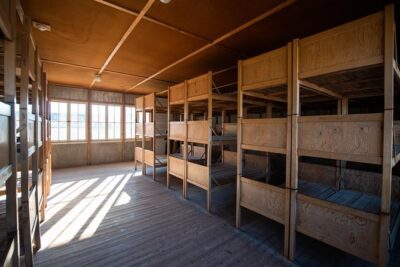
Dachau Concentration Camp Memorial Site Tour from Munich by Train
Read our review →
Sachsenhausen Concentration Camp Memorial Tour
Read our review →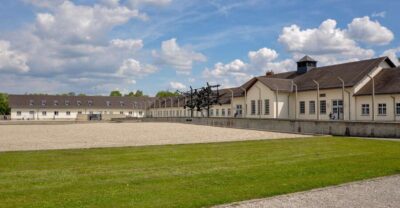
Sachsenhausen Concentration Camp Bus Tour in English from Berlin
Read our review →Sachsenhausen Concentration Camp Tour in English
Read our review →
Sachsenhausen Concentration Camp Memorial Tour (Max. 15 Guests)
Read our review →Browse the lists this tour appears in