
Reviewed · MUSEUMS
Berlin Museum of Photography Entry Ticket
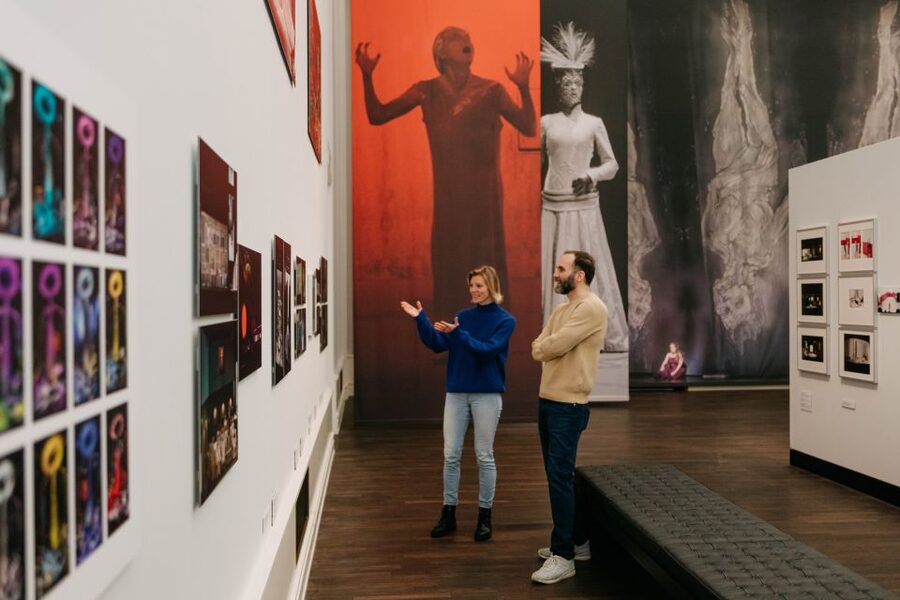
Photography gets its own grand address here. Berlin’s Museum of Photography brings together early photographs, modern images, fashion work, archives, and historical postcards under one roof. I like the broad sweep from the 19th century to today, and I especially like the permanent Helmut Newton section, which adds cameras, personal objects, and a famous car to the photographs.
The ticket is also pleasantly simple: $14 per person for one day of entry, with no guided schedule to chase. The main drawback is that the ticket is non-refundable, and the museum’s rules are strict about bags, coats, food, and drinks. One short review called the museum a great experience, while another simply said it was not what they imagined, so your enjoyment will depend on how much you like photography presented through archives, objects, and changing exhibits.
In This Review
- Key Points Before You Go
- Why This Museum Is More Than a Room of Pictures
- Starting With 19th-Century Photography
- Five Ways to Read the Collection
- Helmut Newton’s Provocative Berlin Story
- Temporary Exhibitions: Body Performance and Post-War Modern Photography
- How Long the One-Day Ticket Works for You
- What to Leave at the Door
- Is $14 a Fair Price?
- Who Will Enjoy This Museum Most?
- Practical Advice for a Better Visit
- Should You Buy the Berlin Museum of Photography Ticket?
- FAQ
- Where does the Berlin Museum of Photography visit begin?
- How long is the ticket valid?
- Is the entrance fee included?
- Is the museum wheelchair accessible?
- Can I bring a backpack or oversize luggage?
- Can I bring food, drinks, or a heavy coat?
Key Points Before You Go
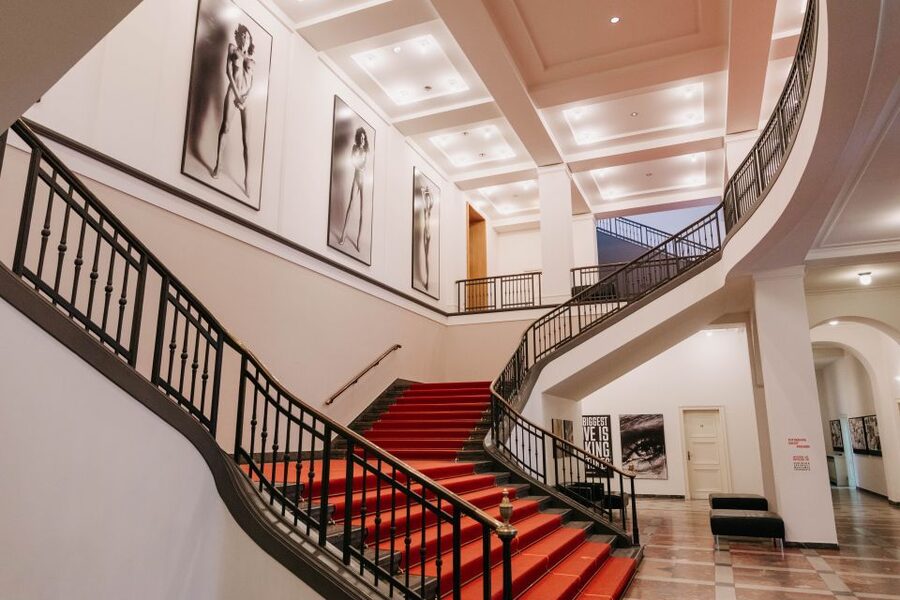
- Five parts of the collection: See photographic archives, artistic photography, a personal archive, photogrammetric holdings, and historical postcards.
- Helmut Newton’s Berlin connection: Explore the work and life of the Berlin-born fashion photographer, including his cameras, art collection, and Newton-mobile.
- A wide time span: The displays reach from the early days of photography to images tied to current events.
- Temporary exhibits add variety: Current displays include Body Performance and Post-War Modern Photography.
- One-day flexibility: Entry is valid for one day, with starting times listed when you check availability.
- Travel light: Oversize luggage, backpacks, food, drinks, heavy coats, and wet clothing are not allowed in the exhibition areas.
Why This Museum Is More Than a Room of Pictures
Many photography museums focus on one artist, one period, or one style. Berlin’s Museum of Photography takes a wider approach. You can move from early photographic experiments to artistic work, personal records, technical images, and postcards that show how photography served everyday life.
That range matters because photography has never been only an art form. It has been a way to record people, places, events, science, fashion, and private memories. The museum’s five main sections let you see those different jobs side by side.
I like this setup for a first visit to Berlin’s photography scene. You do not need to arrive with a detailed knowledge of photographers or photographic techniques. The displays offer several entry points, so you can follow a particular artist, period, subject, or type of image.
At the same time, this is not a small, tightly focused exhibition. If you prefer a single clear story, the wide mix may feel scattered. The short review describing the museum as different from what was expected is useful here. Go in expecting a large collection with changing themes, not a simple greatest-hits display.
More Museums in Berlin
- Berlin: Jewish Museum Berlin Entrance Ticket
★ 4.5 · 8,393 reviews - Berlin: DDR Museum Tickets
★ 4.3 · 3,443 reviews - Berlin: Natural History Museum Entrance Ticket
★ 4.6 · 3,382 reviews
Starting With 19th-Century Photography
The collection reaches back to the 19th century, when photography was still developing as a new way to make images. These early pictures help you understand how much the medium has changed, both in technology and in purpose.
You may see images that feel formal, carefully arranged, or technically curious. That is part of their appeal. Early photographs often ask you to look at the process as much as the subject. The image is not only a portrait or record, but also evidence of what photographers could achieve at the time.
I recommend giving these older works a little patience. They may not have the instant visual impact of fashion photography or current documentary images. Their value comes from comparison. Once you have seen the early material, the later photographs feel more inventive and more connected to the speed of modern life.
The museum also includes pictures tied to current events. This gives the collection a useful before-and-after rhythm. You can see photography move from an emerging technical practice to a tool that helps people understand public events and everyday experience.
Five Ways to Read the Collection
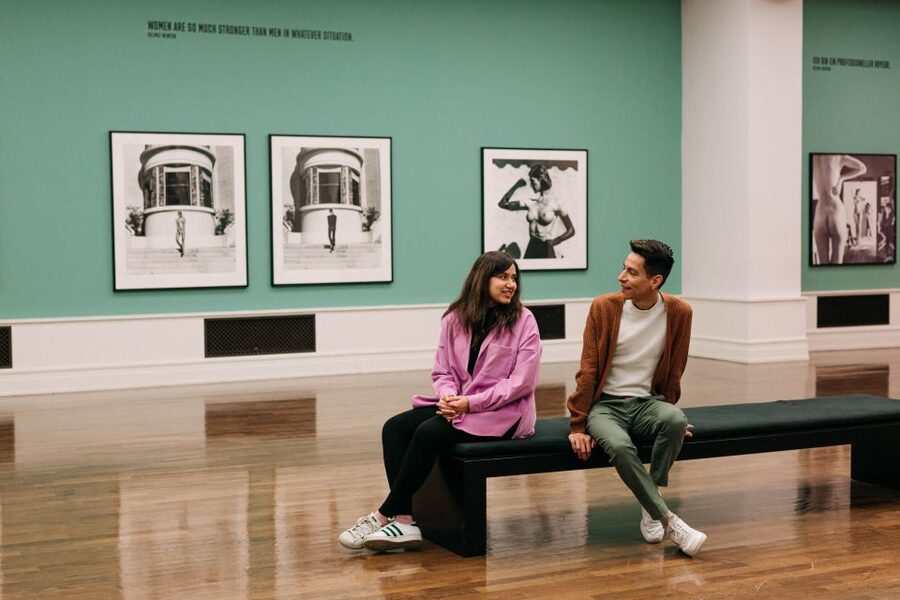
The museum divides its holdings into five broad areas. Each one gives you a different way to think about photography.
The photographic archive is the most direct route into the medium’s long record. It can help you see how images were gathered, preserved, and used over time. The scale of an archive also reminds you that famous photographs are only a small part of photographic history.
The collection of artistic photography shifts the focus toward photographers who treat the camera as a creative tool. Here, composition, mood, subject, and visual choices matter as much as the factual record.
The personal archive brings photography closer to individual lives. Personal material can make the subject feel less remote because it shows how images relate to a person’s work, interests, and daily world.
The photogrammetric holdings point to photography’s technical and measuring functions. This is a useful counterweight to the idea that every photograph is made only for beauty or expression.
Finally, the historical postcards connect photography to ordinary communication and memory. Postcards were made to be handled, sent, and shared. They show how photographic images moved beyond studios and galleries into daily life.
You do not have to study each section in equal depth. If you are short on time, focus on the sections that match your interests. If you have more time, the contrast between them is one of the museum’s best features.
Helmut Newton’s Provocative Berlin Story
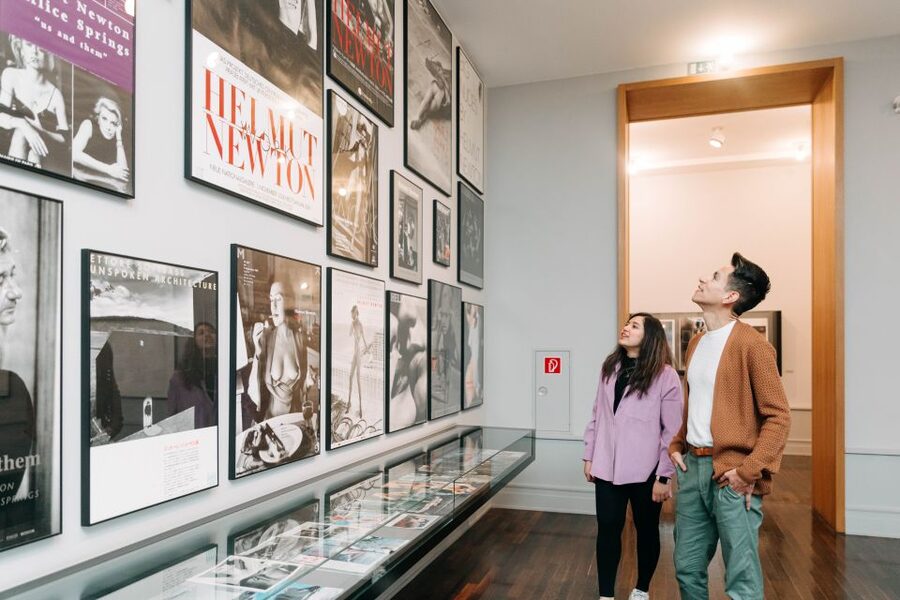
The permanent Helmut Newton exhibition is likely to be the main draw for many people. Newton was born in Berlin and became an iconic fashion photographer known for provocative work. His photographs often challenge polite ideas about glamour, power, clothing, and the human body.
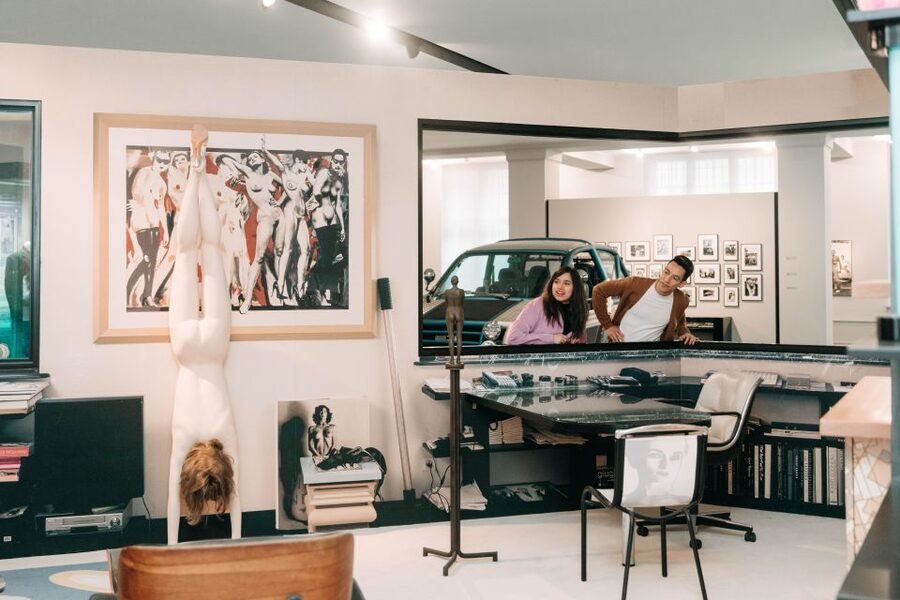
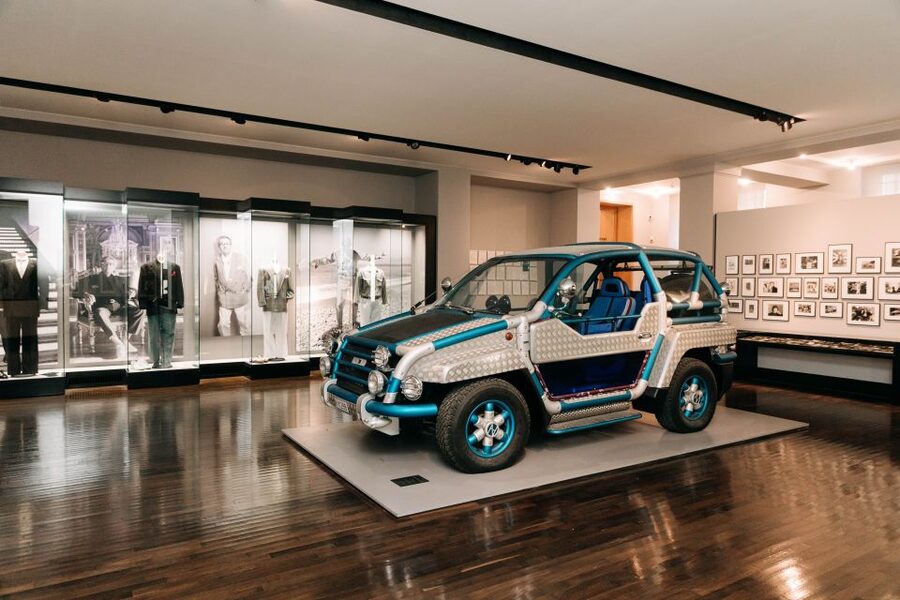
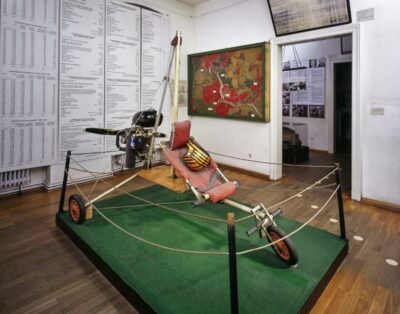
The exhibition goes beyond finished photographs. You can see Newton’s cameras, his art collection, the Newton-mobile, and other objects connected with his life. Those details change the experience from simply looking at fashion images to considering how Newton worked and what surrounded him.
The Newton-mobile is an especially memorable object because it gives the display a physical, almost playful point of focus. A camera can feel familiar, but a car associated with a photographer makes the story more personal. It helps connect the public image of Newton with the person behind the work.
Newton’s photographs are not for every taste. His work can be bold, sexual, and deliberately provocative. If you are seeking gentle portraiture or family-friendly subject matter, this section may feel uncomfortable. That is not a flaw in the display, but it is worth knowing before you go.
I like the fact that the museum presents Newton within a larger photography collection. You can see his work as part of modern photographic culture rather than treating him as an isolated celebrity. His fashion images gain more meaning when set against the museum’s older photographs, technical material, and historical records.
More Photography Sessions in Berlin
- Berlin: Fotografiska Photography Exhibition Ticket
★ 4.6 · 168 reviews - 5hours: Guide, Chauffeur & Photographer in Berlin private Tour
★ 5.0 · 66 reviews - BERLIN PHOTO TOUR with a professional Photographer from Berlin
★ 5.0 · 44 reviews - Berlin: Ticket for Photography Exhibitions at C/O Berlin
★ 4.5 · 39 reviews
Temporary Exhibitions: Body Performance and Post-War Modern Photography
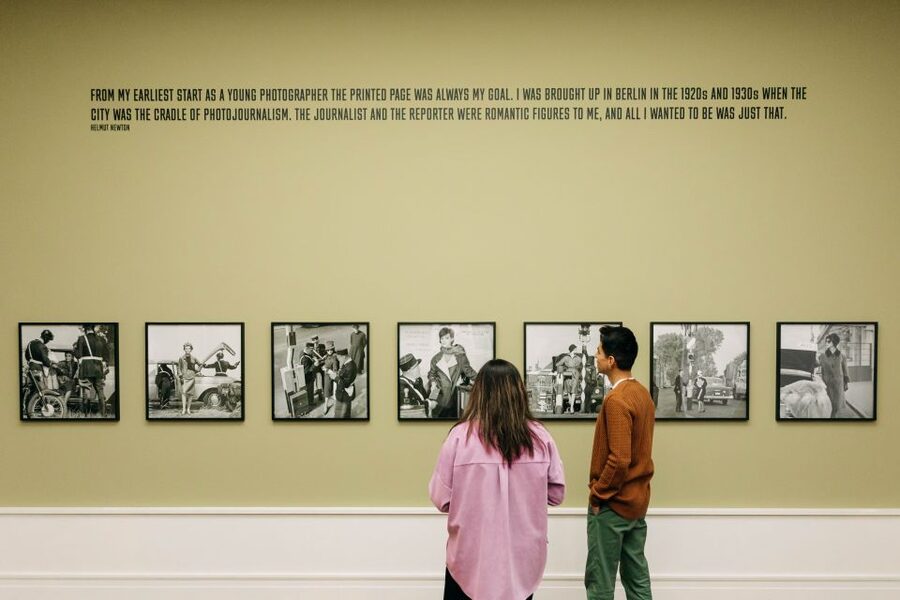
The temporary exhibitions give you a reason to check the museum’s current program before arriving. The listed displays include Body Performance and Post-War Modern Photography, two themes that suggest different ways of looking at the medium.
Body Performance focuses attention on the body as a subject, an object, and a means of expression. That theme connects naturally with fashion photography and with the more challenging side of Helmut Newton’s work, though the temporary exhibit has its own identity.
Post-War Modern Photography shifts the clock forward and looks at photography after the Second World War. The title points toward changes in artistic practice and modern visual culture. You may find it helpful to compare these photographs with the 19th-century material in the permanent collection.
Changing displays can also affect the balance of your visit. If a temporary exhibition matches your interests, you may spend much longer there than expected. If it does not, the permanent sections still give the ticket a clear purpose.
Because temporary displays change, do not treat the named exhibitions as guaranteed for every future visit. Check what is on display when you select your date. The one-day ticket gives you room to see the current temporary material and return to permanent sections without rushing through everything in one short circuit.
How Long the One-Day Ticket Works for You
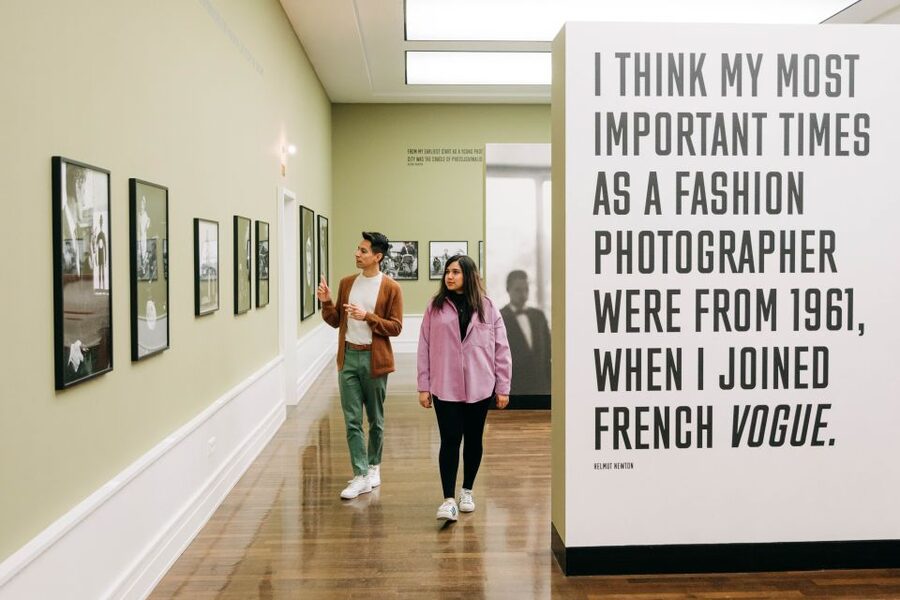
The ticket is valid for one day, and you go directly to the museum entrance. There is no guided meeting point, group transfer, or complicated route described for this activity. That makes it easy to fit into a Berlin day built around nearby museums and central sights.
A one-day ticket is useful because photography rewards different speeds. You may move quickly through familiar material, then stop for several minutes in front of one image or object. A fixed tour time would make that harder.
The ticket does not promise a particular starting time in the information provided. You need to check availability for the entry options shown when booking. Once inside, the flexible one-day format should suit you better than a timed tour if you like choosing your own pace.
The activity begins at the museum entrance and ends there. You arrange your own route to the museum, which is simple but important to remember. This is an admission ticket, not a guided walking tour or a transport package.
What to Leave at the Door
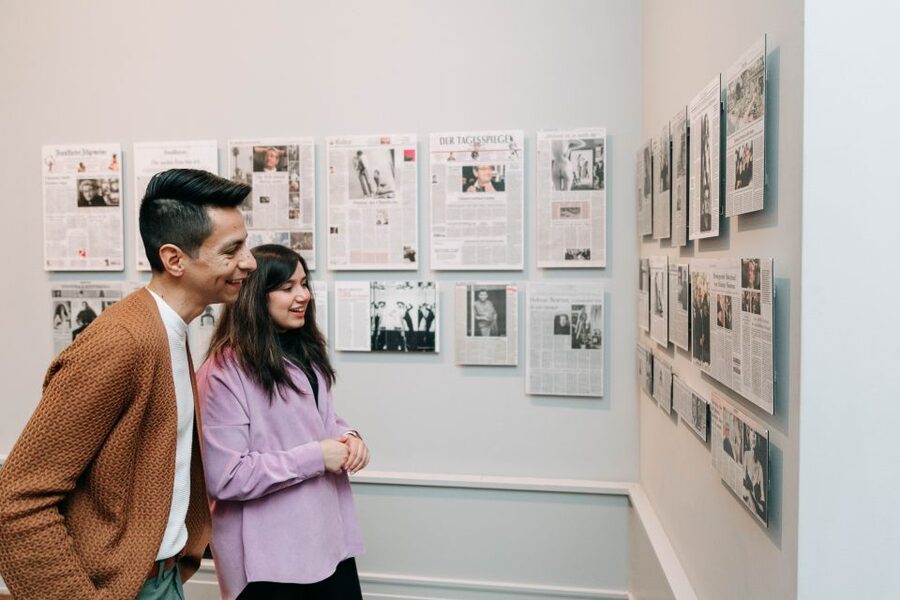
The museum asks you to travel light. Oversize luggage and backpacks are not allowed in the exhibition areas, so avoid arriving with a large day bag if you can.
Food and drinks are also prohibited. Plan to eat before or after your visit rather than expecting a café-style break among the displays.
Heavy jackets and coats, along with wet clothing, may not be taken into the exhibitions because of conservation concerns. Berlin weather can change quickly, so this rule matters during a rainy or cold day. You may need to make another plan for bulky outerwear before entering.
A medical or FFP2 mask is recommended but not mandatory. Follow the museum staff’s instructions while inside. These rules are not exciting, but they protect photographs and objects that can be sensitive to moisture, handling, and crowded conditions.
The museum is wheelchair accessible. That makes the visit more practical for many people, though the available information does not provide further details about specific routes or facilities. If you need a particular accessibility arrangement, confirm it before your visit.
Is $14 a Fair Price?
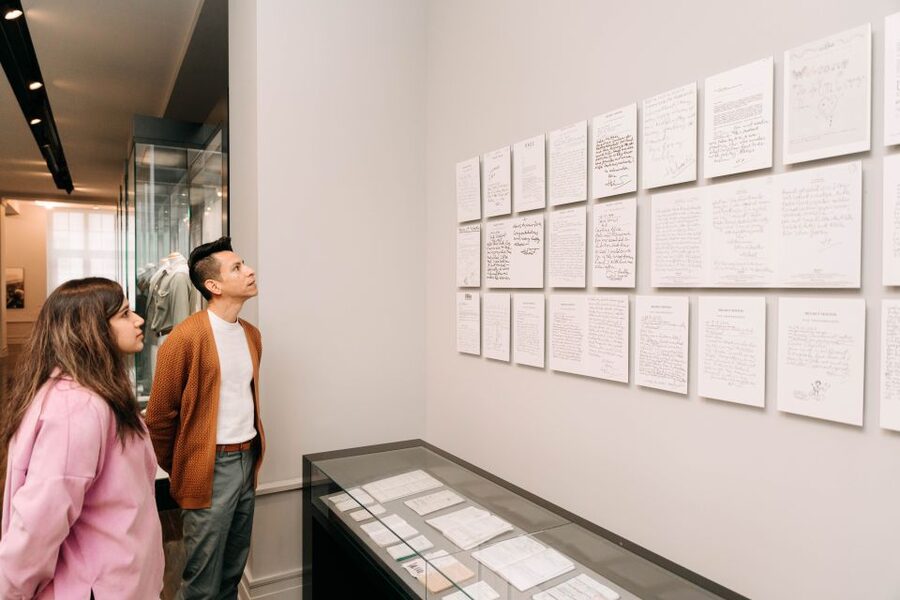
At $14 per person, the ticket is reasonably priced if you plan to see more than the Helmut Newton section. You are paying for access to a full museum collection, a permanent Newton exhibition, and the temporary displays available on your date.
The value is strongest for anyone interested in photography across several periods. The early images, artistic work, personal archive, photogrammetric holdings, postcards, and modern displays give you plenty of different material to consider.
The value is less certain if your only goal is to see Newton’s fashion photographs. In that case, the cameras, art collection, Newton-mobile, and related objects still add depth, but the wider museum may not match your expectations.
There is no refund if you cancel. That makes it sensible to check the date, current exhibitions, museum rules, and your schedule before paying. The positive rating of 4.5 from 88 reviews suggests broad appeal, but the split between a simple great museum response and one disappointed reaction shows why matching your interests matters.
Who Will Enjoy This Museum Most?
I would recommend this experience to you if you like museums that let you build your own route. It works especially well for people who enjoy photography, fashion, archives, visual culture, or the history of how images are made and used.
It also suits a mixed-interest group. One person can focus on Helmut Newton, another can spend time with historical postcards, and someone else can prefer early photography or current events. The collection is broad enough to offer several paths.
Families may find some of the material less suitable for young children, especially in the provocative Helmut Newton section. The available information does not give an age restriction, but parents should consider the subject matter and their children’s comfort.
You may want to skip it if you dislike open-ended museum displays or expect a short, tightly organized presentation of one artist. The museum covers a lot of ground, and the experience is shaped by your own choices.
Practical Advice for a Better Visit
Check the temporary exhibition titles before booking. Body Performance and Post-War Modern Photography can change the balance of the day, and you will want to know which displays are available for your date.
Arrive with a small bag or no backpack. This is one of the clearest ways to avoid a frustrating start.
Plan to spend time with both the photographs and the objects. Newton’s cameras, art collection, and Newton-mobile are not just extras. They help you understand the working life and personal world behind the images.
Do not judge the early photography too quickly. Give it time, then compare it with the modern work and current-event images. That contrast is where the museum’s larger story becomes clear.
If you are using a wheelchair, the museum is wheelchair accessible. If you need more specific assistance, ask the museum staff before your visit so you can plan with confidence.
Should You Buy the Berlin Museum of Photography Ticket?
You should book this ticket if you want a self-guided museum visit with a wide time span and a strong Helmut Newton focus. The $14 price is fair for access to the permanent collections and temporary exhibitions, especially if you can give the museum a full day or a relaxed portion of one.
Think twice if you want only a quick Newton display, need a refundable booking, or plan to arrive with a large bag and heavy coat. For the right audience, this is a rewarding look at photography as art, record, personal memory, technical tool, and fashion spectacle, all in one Berlin museum.
FAQ
Where does the Berlin Museum of Photography visit begin?
Go directly to the entrance of the museum. The activity also ends back at the museum meeting point.
How long is the ticket valid?
The ticket is valid for one day. Check availability to see the starting times offered for your date.
Is the entrance fee included?
Yes. The entrance fee and booking fee are included.
Is the museum wheelchair accessible?
Yes, the activity is wheelchair accessible.
Can I bring a backpack or oversize luggage?
No. Backpacks and oversize luggage are not allowed in the exhibitions.
Can I bring food, drinks, or a heavy coat?
Food and drinks are not allowed. Heavy jackets, coats, and wet clothing may also be kept out of the exhibition areas for conservation reasons.
More Photography Sessions
- Berlin: Private Photo Session with Professional Photographer
★ 4.9 · 34 reviews - Berlin Photography Masterclass – Private Photography Lesson
★ 4.5 · 23 reviews - Berlin: Early Morning Private Photoshoot to avoid the Crowd
★ 4.7 · 19 reviews - Hamburg: Private Couples’ Photoshoot and Walking Tour
★ 4.9 · 212 reviews
Just added around Berlin
- Berlin: Private Guided Tour of the Main Sights★ 5.0 · 13 reviews
- Private Highlights of Berlin Bike Tour★ 5.0 · 13 reviews
- Modern Berlin Private Walking Tour: Diverse, Vibrant and Exciting German Capital★ 5.0 · 13 reviews
- Tour in Berlin from Warnemünde and Rostock Cruise Port★ 4.1 · 13 reviews
- Berlin: Stasi Museum Private Guided Tour with Entry Ticket★ 4.8 · 13 reviews
- Private Food Tour Experience with a born and bred Berliner★ 5.0 · 14 reviews
- Berlin: Rheinsberg Palace Entrance Ticket★ 4.8 · 14 reviews
- Berlin in one day – day tour with an expert guide★ 5.0 · 14 reviews
Museums, compared.
Skip-the-Line: Berlin Wall Museum at Checkpoint Charlie
Read our review →
Browse the lists this tour appears in