
Reviewed · HISTORICAL TOURS
Where It All Began: Berlin’s Queer & Trans History Tour
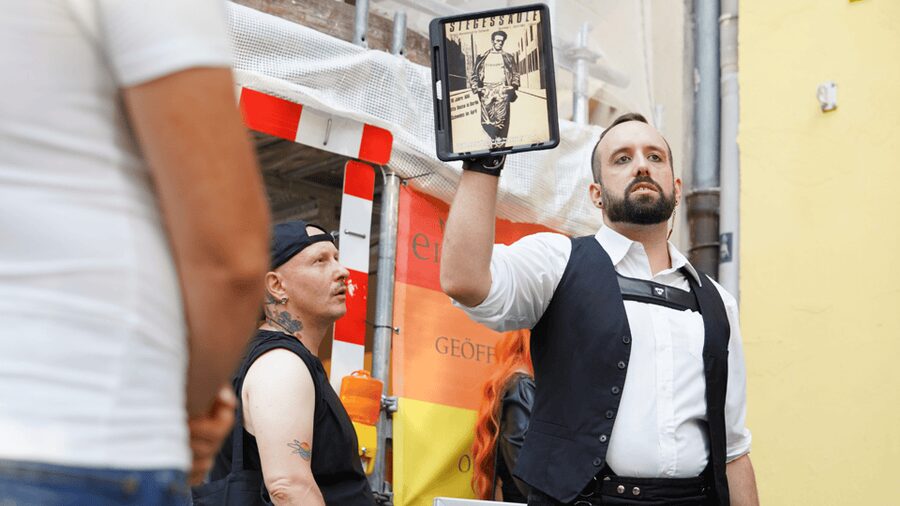
Berlin’s queer past is hiding in plain sight. This three-hour walk connects streets, clubs, memorials, and early activist sites while a queer activist and gender scholar, Jeff, brings the story to life with more than 200 photos, videos, audio clips, and interactive scenes. I especially like the small groups of up to 10 and the unusual mix of serious history with AR selfies and quizzes. The main consideration is the subject matter: Nazi persecution, AIDS, sexual violence, racism, suicide, and other difficult topics are discussed directly.
I also like how the route goes beyond famous nightlife. You’ll hear about early rights campaigns, trans identities, lesbian cabarets, feminist organizing, divided Berlin, and present-day Pride movements. The three-hour format offers real depth, but it is not a casual sightseeing stroll, and anyone wanting only clubs and light entertainment may find parts emotionally heavy.
In This Review
- Key points to know before you go
- Why this Berlin walk is different
- Starting at Nollendorfplatz
- Karl-Heinrich-Ulrichs-Straße and the first rights movement
- A lesser-known stop with archival material
- Schwerinstraße and Nollendorfstraße
- Magnus-Apotheke and Berlin’s trans history
- Denns BioMarkt and the lost world of 1920s nightlife
- Prinz Eisenherz and queer community spaces
- Connection Club and the AIDS crisis
- The memorial against forgetting
- Metropol and the road to today’s Berlin
- The multimedia tools: useful, not just flashy
- Price, group size, and who gets the most value
- Sensitive subjects and practical preparation
- Should you book Where It All Began?
- FAQ
- Where does the tour meet?
- Where does the tour finish?
- How long does the experience last?
- Is the tour conducted in English?
- Is the route wheelchair accessible?
- Is the tour suitable for children?
Key points to know before you go
- Karl Heinrich Ulrichs and Magnus Hirschfeld: Follow the work of two pioneers who helped launch organized LGBTQIA+ rights activism.
- More than 200 archival items: Photos, film, rare audio, interviews, quotes, and digital recreations give the walk a strong visual and listening component.
- The world’s earliest trans stories: Learn about historic gender-affirming surgeries and the use of transvestite certificates in Berlin.
- 1920s nightlife and lesbian culture: Cabarets, drag clubs, performers, and women’s networks show how varied queer life was before Nazi repression.
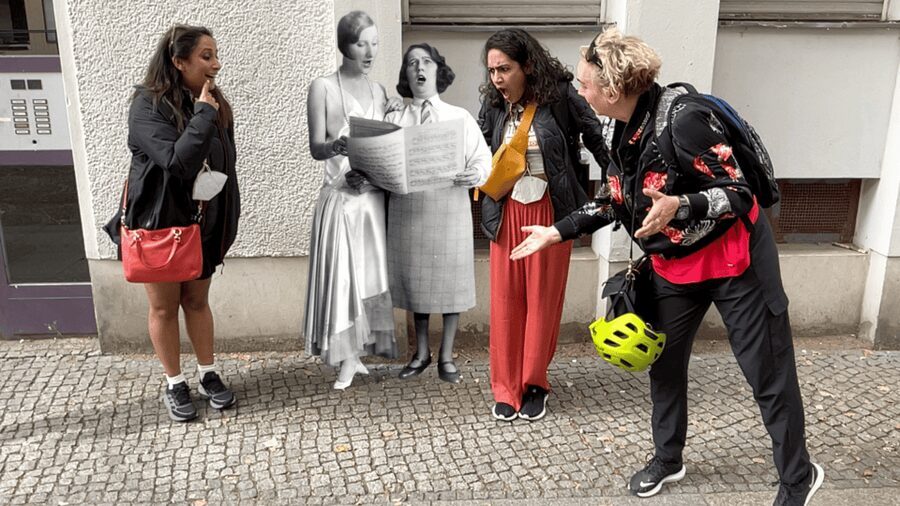
- AR with historical figures: Take Mixies, personalized augmented reality photos that add a playful touch to serious material.
- A small, accessible route: The walk is wheelchair accessible, though some paths can be bumpy, and videos include English subtitles.
Why this Berlin walk is different
Many city tours treat LGBTQIA+ Berlin as a nightlife footnote. This one gives it a long timeline, beginning more than 150 years ago and moving through activism, medicine, performance, war, dictatorship, AIDS, reunification, and today’s club and Pride culture.
That wider view matters. You are not just hearing where to go out tonight. You are learning why certain streets and venues mattered, how queer people organized under pressure, and how Berlin helped shape ideas about identity and public life far beyond Germany.
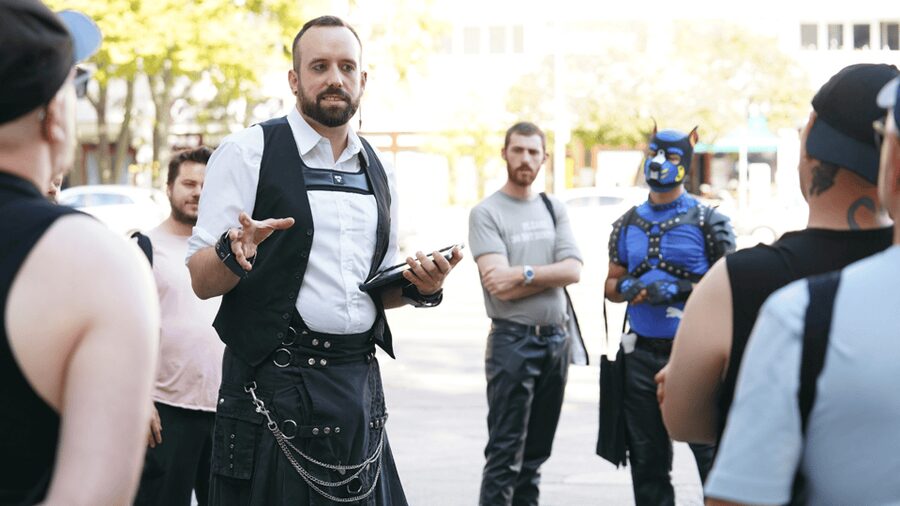
The guide, Jeff, brings a useful combination of personal commitment, social science, and sex education. The presentation is designed to make room for questions and different interests in the group. If everyone wants more detail about lesbian activism, trans history, nightlife, or the AIDS crisis, the small size makes that easier.
The multimedia format is the other major strength. A photo of a club interior, a recording, or a personal account can make an ordinary street corner feel more connected to its past. The material is not limited to polished famous faces. It also points toward people and communities who were pushed out of official records.
There is humor, too. The quizzes and AR scenes keep the three hours from becoming a lecture. Still, the playful elements never erase the difficult subjects. That balance is important, since the history includes both celebration and state violence.
More Historical Tours in Berlin
- Berlin: Natural History Museum Entrance Ticket
★ 4.6 · 3,382 reviews - Berlin: World Heritage Cruise to Potsdam
★ 4.5 · 1,435 reviews - Berlin Historical Highlights Walking Tour
★ 4.9 · 657 reviews
Starting at Nollendorfplatz
The meeting point is in front of Alnatura Super Natur Markt at Else-Lasker-Schüler-Straße 18, near Nollendorfplatz. This is a useful place to begin because the route quickly places you in an area strongly linked with Berlin’s queer past and present.
Plan to arrive ready for a real walk. Comfortable clothing and weather-appropriate layers are sensible, since the experience moves between outdoor streets and stops where you may pause to view digital material. The activity lasts three hours, so comfortable shoes will help more than anything fancy.
The route ends at Nollendorfplatz, making the start and finish easy to understand. No transport between stops is listed, so you should expect to walk the full route at a steady guided pace.
Karl-Heinrich-Ulrichs-Straße and the first rights movement
One early stop takes you along Karl-Heinrich-Ulrichs-Straße, with about 10 minutes of guided discussion. Karl Heinrich Ulrichs was one of the first people to argue publicly for the rights of men who loved men, long before modern LGBTQIA+ organizations existed.
This stop helps explain why Berlin is often called a birthplace of the modern LGBTQIA+ movement. The point is not simply that a street carries a historic name. You begin to see how language, public activism, and organized resistance developed together.
You may find this part especially useful if you know Berlin mainly through its clubs. It shows that queer freedom did not begin with the nightlife boom of the 1920s. It grew from earlier attempts to challenge law, medicine, religion, and public opinion.
A lesser-known stop with archival material
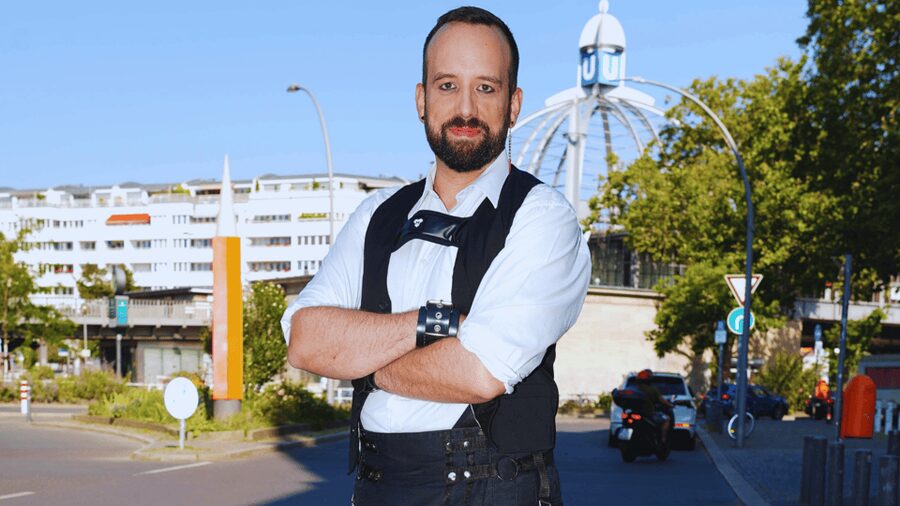
The itinerary includes a short stop described as a lesser-known site, lasting about 10 minutes. Since the exact point is not specified, expect the guide to use the location as a setting for a story rather than as a major monument.
That is one of the walk’s better habits. Queer history often survives in fragments, private memories, old photographs, and places that look ordinary today. The multimedia material helps fill in what the buildings alone cannot show.
This is also where the format may feel more like a discussion than a standard sightseeing tour. You are likely to spend time looking at images or listening to clips, so do not expect every minute to involve walking.
Something different for another day:
- Berlin: Reichstag, Dome and Government District Guided Tour
★ 4.7 · 18,288 reviews - Berlin: 1-Hour City Tour by Boat with Guaranteed Seating
★ 4.3 · 16,993 reviews - Berlin: Boat Tour Along the River Spree
★ 4.4 · 11,252 reviews - Discover Berlin Half-Day Walking Tour
★ 5.0 · 9,624 reviews
Schwerinstraße and Nollendorfstraße
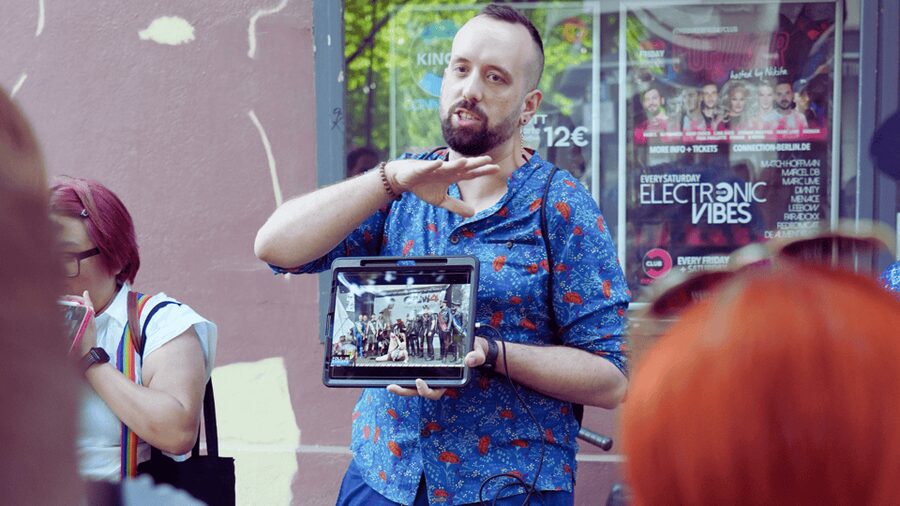
The walk continues through Schwerinstraße for about 15 minutes, then Nollendorfstraße for another 10. These stops connect the early political story with everyday queer life in Berlin.
The focus includes lesbian and gay communities, social spaces, and the way people made room for themselves in the city. The guide also introduces famous performers and figures such as Claire Waldoff, Marlene Dietrich, and Josephine Baker.
Their presence helps show that queer culture was not confined to one type of person or venue. Cabaret, music, nightlife, gender expression, and feminist organizing overlapped in complicated ways. You’ll hear about lesbian bars and women’s networks, not only the better-known gay male club scene.
The downside is that street-based history requires imagination. A building may have changed use, disappeared, or lost its visible connection to the past. The archival images are essential here, and this tour provides them in abundance.
Magnus-Apotheke and Berlin’s trans history
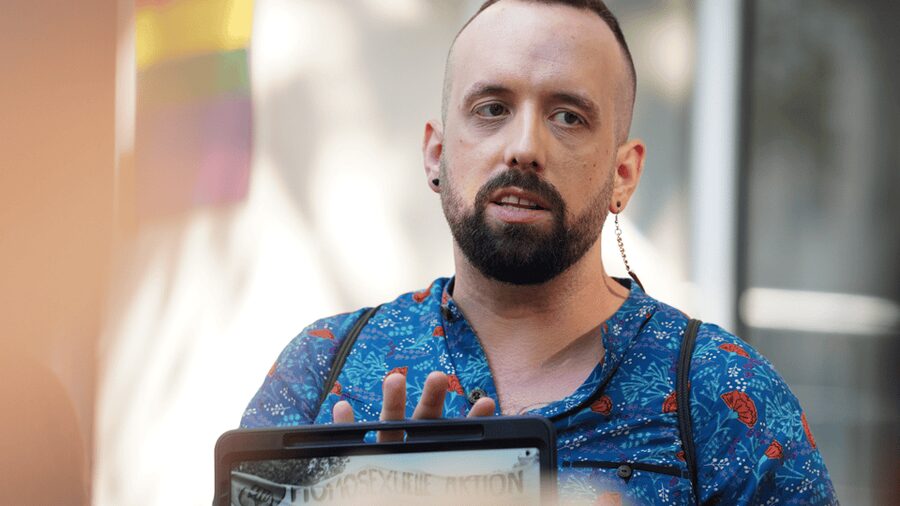
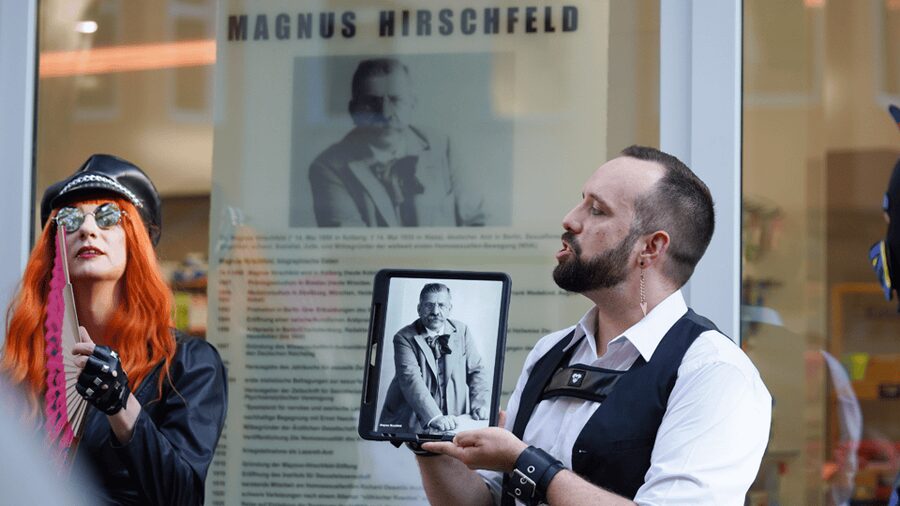
The 20-minute stop at Magnus-Apotheke is one of the longer pauses on the route. It centers on Magnus Hirschfeld and the work associated with Berlin’s early sexology movement.
Hirschfeld helped create spaces where sexuality and gender could be studied and discussed in more open terms. The tour covers early trans and non-binary identities, gender-affirming operations, and the use of transvestite certificates that allowed some people to live more openly in public.
This is a valuable correction to the idea that trans history began recently. Berlin had people seeking recognition, medical care, community, and legal breathing room more than a century ago. Their experiences were not identical to modern ones, but the desire to live according to one’s identity is clearly present.
The stop also addresses how the Nazis attacked and tried to erase this work. That shift from innovation to persecution gives the history a painful edge. You should be prepared for discussion of destroyed archives, repression, and the broader Nazi campaign against people who did not fit the regime’s racial, sexual, and social rules.
Denns BioMarkt and the lost world of 1920s nightlife
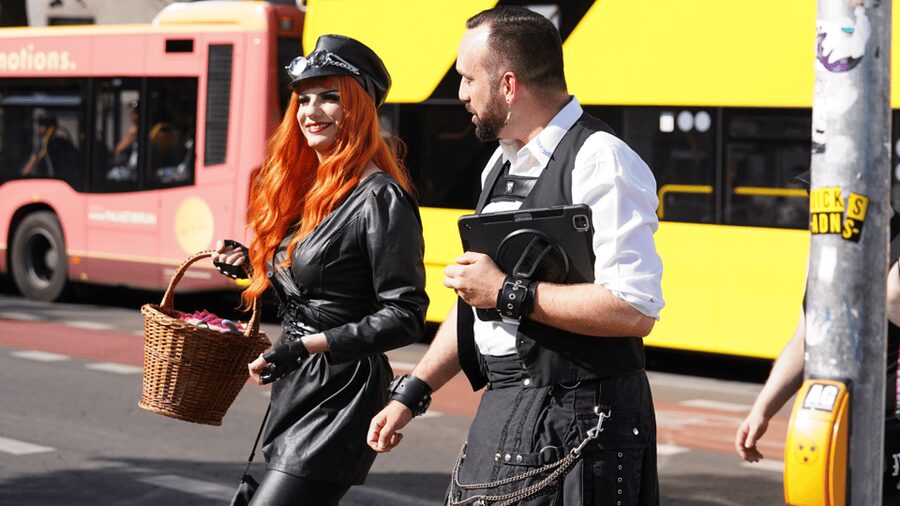
A 15-minute stop near Denns BioMarkt turns toward Berlin’s famous nightlife culture. In the 1920s, the city became known for cabarets, drag venues, lesbian bars, and spaces where people could experiment with gender and sexuality.
The tour introduces performers and nightlife figures, including Claire Waldoff, Marlene Dietrich, and Josephine Baker. Their stories show how stage performance could create room for ambiguity and freedom, even when everyday life remained dangerous or restrictive.
I like that the emphasis is not simply on glamorous nostalgia. The nightlife story includes community and resistance, but it also sits beside poverty, sexism, racism, sexualized racism, sex work, drugs, and exploitation. Berlin’s nightlife was exciting, but it was never equally safe or welcoming to everyone.
The streets today may offer few obvious clues. That is why old photos, music, interviews, and personal accounts carry so much weight. You are asked to picture a vanished social world rather than simply admire a preserved building.
Prinz Eisenherz and queer community spaces
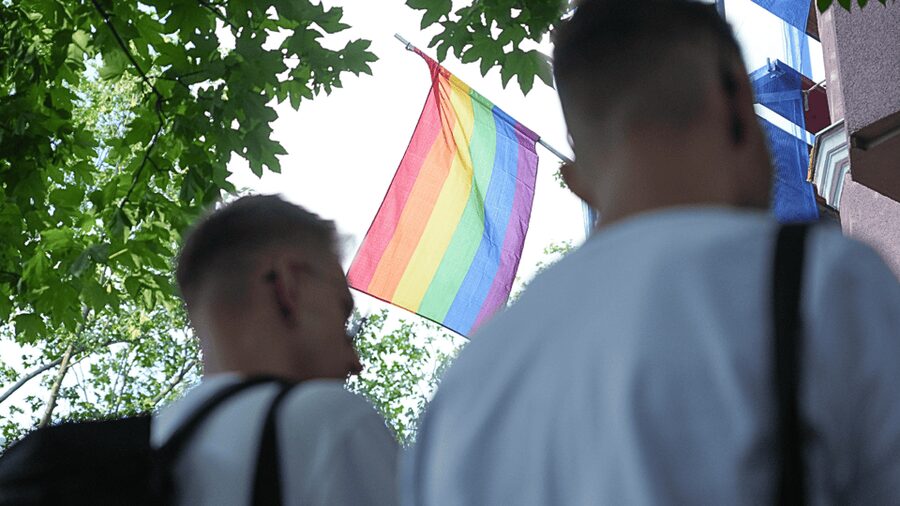
The 15-minute stop at Prinz Eisenherz shifts attention toward a modern institution of queer culture and publishing. This is a chance to consider how books, information, and community spaces support movements that often face censorship or exclusion.
The stop works well as a bridge between historical activism and the present. Political change rarely comes only from famous leaders. It also depends on places where people can find language for their experiences, discover others like themselves, and learn how to organize.
For LGBTQIA+ visitors, this part may feel especially personal. For allies and history fans, it shows why cultural spaces matter even when they are not protest sites or nightclubs.
Connection Club and the AIDS crisis
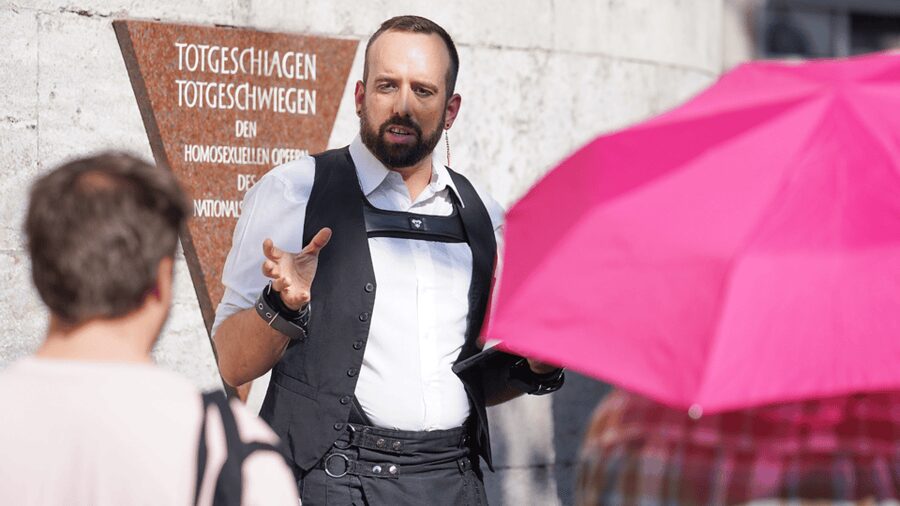
The visit near Connection Club lasts about 15 minutes and moves into more recent queer life. The discussion includes the AIDS crisis, activism, and the role of SchwuZ as a place where nightlife and political action met.
This section is likely to be one of the most emotionally demanding. It deals with HIV/AIDS, fear, loss, stigma, and the organized response from Berlin’s queer communities. It also considers divided Berlin and the memorable idea of the Berlin Wall as the condom of the GDR, a phrase that points to the unusual ways the Wall shaped movement, contact, and sexual health.
The value here is practical as well as historical. You see that nightlife venues were not merely places to dance. They could distribute information, build solidarity, raise funds, and help people survive a public health crisis.
The guide handles a large amount of material in a short time, so you may want to ask questions as you go. The small group makes that more realistic than on a large city tour.
The memorial against forgetting
The International Stele GEGEN DAS VERGESSEN is a 10-minute stop dedicated to remembrance. Its message, against forgetting, places queer persecution within the wider duty to remember the victims of Nazi Germany.
This part covers the regime’s contradictory treatment of homosexuality, the persecution of queer people in concentration camps, and the ways queer resistance continued under extreme pressure. It also touches on antisemitism, racism, homophobia, transphobia, mass murder, and other forms of violence.
Expect a quiet and serious pause. It is not presented as a quick photo opportunity. The memorial gives the earlier stories a sharper meaning and reminds you that Berlin’s celebrated openness was interrupted by a regime determined to control bodies, relationships, and identity.
Metropol and the road to today’s Berlin
The longest stop, about 20 minutes at Metropol, brings together nightlife, activism, and the city’s continuing influence on global queer culture. The discussion reaches from venues such as Chez Romy Haag to the modern club world associated with Berghain.
You’ll also hear about Pride, the Dyke March, and Folsom Europe. These events represent different parts of contemporary queer life, from political visibility to lesbian organizing and kink communities.
The point is not that modern Berlin is perfect. Rather, the city’s current reputation grew from many decades of activism, artistic risk, nightlife, and community work. The tour helps you connect the older cabaret culture with the clubs and public events you might encounter today.
The stop ends the main historical arc at Nollendorfplatz. After three hours, you should have a better sense of why Berlin’s queer identity feels tied to both memory and reinvention.
The multimedia tools: useful, not just flashy
The tour uses more than 200 historic photos, videos, rare audio clips, interviews, quotes, quizzes, and AR scenes. That sounds like a lot, and it is. The material gives the guide several ways to explain a subject, which helps when a location itself no longer looks historic.
The AR Mixies are the lightest element. You can take personalized photos with historic queer activists and figures. This may appeal to social media fans, but it also gives younger participants a simple way to interact with people from the past.
Videos include subtitles in German, English, or both. If you have a visual disability, the guide can describe the visual material. The route is wheelchair accessible, though some paths may be bumpy, and accessible toilets can be arranged upon request.
Some sections take place around bright lights or loud noises. If you are sensitive to strong sensory input, ask Jeff about the route and media before starting. Indoor mask use can also be arranged when needed.
Price, group size, and who gets the most value
At $81 per person, this is not a bargain-priced orientation walk. The value depends on what you want from Berlin. If you only need a quick introduction to the city’s queer nightlife, the price may feel high.
I think the cost makes more sense for anyone who wants a focused history lesson, a specialist guide, original archival material, and a small group. You are paying for a subject that is often skipped by general city tours, plus a large amount of visual and audio preparation.
A three-hour tour with no more than 10 participants also allows a more personal pace. Jeff has shown a willingness to adapt to individual interests when the group setup allows it. That flexibility is especially useful if you want to ask about trans history, lesbian activism, Nazi persecution, AIDS organizing, or modern clubs.
The tour is for adults only. It is best suited to LGBTQIA+ visitors, allies, Berlin residents, history fans, and anyone who wants to understand the city through voices that traditional tours often leave out.
Sensitive subjects and practical preparation
Read the content warnings before booking. The walk discusses antisemitism, racism, homophobia, transphobia, BDSM, fetishes, sex work, drugs, HIV/AIDS, Nazi Germany, murder, nudity, poverty, sexual abuse, violence against children, and suicide.
That does not make the experience unsuitable for everyone, but it does make it unsuitable for anyone seeking a carefree afternoon. Wear comfortable clothes, check the weather, and leave enough energy for a thoughtful three-hour walk.
Free cancellation is available up to 24 hours before the start, and you can reserve now and pay later. Starting times vary, so check availability when choosing your date.
Should you book Where It All Began?
Book it if you want Berlin’s queer story told as politics, personal identity, nightlife, art, persecution, public health, and resistance. The strongest reasons are the small group, Jeff’s welcoming and passionate approach, and the unusual archive of photos, recordings, and interactive material.
Skip it if you want a short club crawl, a simple sightseeing walk, or a tour suitable for children. The difficult subjects are central, not a minor footnote.
For the right audience, this is a thoughtful way to understand why Berlin became such an important city for LGBTQIA+ life. It gives you names, places, warnings, and context, then leaves you better prepared to explore the city’s queer venues and events on your own.
FAQ
Where does the tour meet?
It meets at Nollendorfplatz, in front of Alnatura Super Natur Markt at Else-Lasker-Schüler-Straße 18.
Where does the tour finish?
The walk finishes at Nollendorfplatz.
How long does the experience last?
The guided walking tour lasts three hours.
Is the tour conducted in English?
Yes. The live tour guide speaks English. Videos include subtitles in German, English, or both.
Is the route wheelchair accessible?
Yes, the route is wheelchair accessible, although some paths may be bumpy. Accessible toilets are available upon request.
Is the tour suitable for children?
No. It is not suitable for children under 18 because it covers adult subjects and difficult historical material.
Just added around Berlin
- Kreuzberg Private Walking Tour: Immigrants, Artists & Hipsters★ 5.0 · 3 reviews
- Private Photo Tour in Kreuzberg★ 5.0 · 3 reviews
- Individual city tour Berlin for max. 8 persons★ 5.0 · 3 reviews
- Berlin’s Jewish Heritage: Private Tour of the Vibrant Jewish District★ 5.0 · 3 reviews
- Berlin & The Third Reich Private Guided Tour★ 5.0 · 3 reviews
- Private Analogue Photography Experience in Berlin★ 5.0 · 3 reviews
- Spy Mission in Berlin: Self-Guided Espionage Puzzle Quest★ 5.0 · 3 reviews
- Berlin Christmas Markets Walking Tour with Local Guide★ 5.0 · 3 reviews
Historical Tours, compared.
City History Canal Sightseeing Tour on a Motorboat
Read our review →
Bamberg: Guided Beer History Tour with Optional Tasting
Read our review →Browse the lists this tour appears in