Reviewed · BERLIN TOURS
Understanding Kreuzberg: The roots of local (sub)culture
Kreuzberg has more stories than postcards. This walking tour explains why Berlin’s famous district became a home for artists, activists, squatters, and people determined to shape city life on their own terms. I like its focus on local voices and everyday culture, rather than the usual checklist of Berlin sights. I also like the small hot chocolate break, made with a local Berlin chocolatier, which gives the walk a friendly pause.
The main consideration is timing. The experience is listed as lasting from two hours to 210 minutes, while the detailed route includes two 1.5-hour walking sections and a 15-minute break. Ask for the exact schedule when booking, and confirm the meeting point, since the information names both YAAM near Ostbahnhof and An d. Schillingbrücke 4.
In This Review
- What makes this Kreuzberg walk worth your time
- Why Kreuzberg became Berlin’s creative district
- Starting near YAAM and the Schillingbrücke
- The first 90 minutes: from city history to local culture
- Courtyards, street art, and the details you might miss
- The Rio-Reiser-Platz break and hot chocolate stop
- The second 90 minutes: how residents shape Kreuzberg now
- How much walking and time should you allow?
- The guide makes the difference
- Is $35 a fair price?
- Who should book this Kreuzberg tour?
- Should you book Understanding Kreuzberg?
- FAQ
- Where does the tour meet?
- Where does the tour finish?
- How long does the tour last?
- What languages are available?
- Is a drink included?
- Is the tour wheelchair accessible?
- Can I book a private group?
- How much does the tour cost?
- Can I cancel for a full refund?
What makes this Kreuzberg walk worth your time
- It connects today’s Kreuzberg to the squatter movement of the 1970s, showing how old political ideas still affect local life.
- Guide Lee receives especially strong praise for clear explanations, personal insight, charm, and practical suggestions for food and places to go afterward.
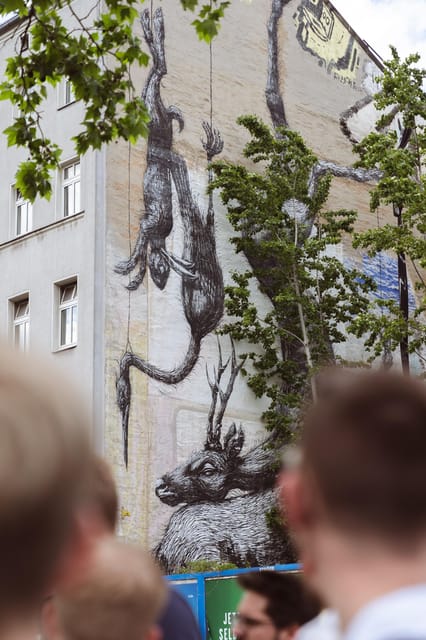
- The route looks beyond major attractions, with hidden courtyards, street art, local projects, and changing urban spaces.
- You get a small taste of Berlin’s independent business culture through a hot drink from a local chocolatier.
- The walk suits curious first-time visitors and Berlin residents alike, including one person who had lived in Kreuzberg for months but still learned new details.
- English, German, and Russian tours are available, with private groups offered and wheelchair access listed.
Why Kreuzberg became Berlin’s creative district
Kreuzberg’s character did not appear by accident. The tour sets the district within Berlin’s wider city story, then explains how its location, political climate, and unusual mix of residents helped create a culture unlike the more polished parts of the capital.
The focus is not simply on old buildings or famous murals. You learn how squatting, activism, and experimental art became practical responses to housing, political, and social pressures. These movements helped people create their own spaces and organize around shared ideas.
That context matters. Without it, Kreuzberg can look like a collection of cool cafés, painted walls, and alternative shops. With it, you can read the district differently. A courtyard may represent a long-running fight over community space. A street art project may reflect local politics rather than decoration. A neighborhood initiative may show how residents still try to solve problems together.
I appreciate this approach because it treats Kreuzberg as a living place, not an open-air museum of rebellion. The tour looks at the past, but keeps asking how those values affect residents now.
Other Berlin trips people book alongside this one:
- Berlin: Reichstag, Dome and Government District Guided Tour
★ 4.7 · 18,288 reviews - Berlin: 1-Hour City Tour by Boat with Guaranteed Seating
★ 4.3 · 16,993 reviews - Berlin: Boat Tour Along the River Spree
★ 4.4 · 11,252 reviews
Starting near YAAM and the Schillingbrücke
The meeting information places the start in front of the YAAM entrance, very close to Ostbahnhof. The listed address is An d. Schillingbrücke 4, so you should check the exact meeting instructions before setting out. That small bit of planning matters, especially if you are arriving by train or trying to meet a guide in a busy area.
YAAM is a fitting place to begin. It is associated with music, art, and international urban culture, which matches the broad themes of the walk. From here, the route moves toward Kreuzberg and begins to explain the forces that shaped the district.
You should wear comfortable shoes. This is a walking experience, with scenic views along the way and two substantial guided sections. The route is listed as wheelchair accessible, but it is still sensible to confirm the exact route and any courtyard access needs before booking.
The first 90 minutes: from city history to local culture
The first main section lasts about 1.5 hours according to the route description. Expect a guided walk through Kreuzberg, with time to look at the area and discuss how its social movements developed.
The most useful part of this opening section is the connection between Berlin during the Wall years and Kreuzberg after reunification. The tour includes stories about daily life during the time of the Wall and the changes that followed. These stories help explain why Kreuzberg became such a strong center for alternative culture.
You are not just told that people squatted in buildings. You learn about the wider habits and beliefs around that movement, including cooperation, activism, experimental art, and a desire to challenge conventional urban planning. The tour then connects those older ideas with present-day life.
That makes the walk more useful than a simple history talk. You can see how a neighborhood’s identity grows through conflict, improvisation, and local action. You also get a sense of why Kreuzberg attracts creative people and international artists, rather than treating that reputation as a fashionable label.
The route includes scenic views and photo opportunities, but photography is not the main event. I would bring a camera or phone, yet keep your attention on the guide. The important details may be small: a courtyard entrance, a building’s use, a piece of street art, or a change in the way residents have claimed public space.
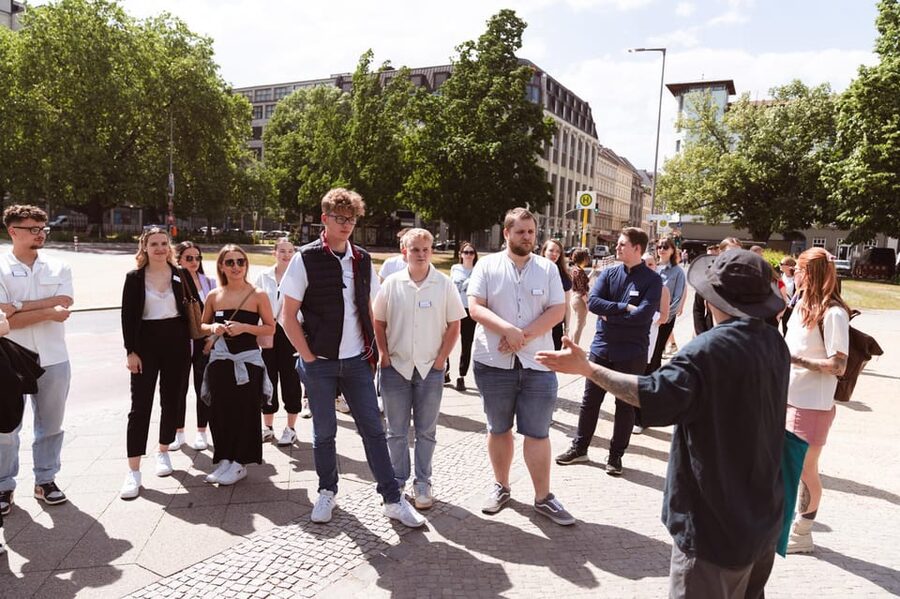
Guide Lee is a major strength here. His explanations are described as well informed, clear, and delivered with charm. One German-speaking participant praised the tour for being both informative and entertaining, while an American visitor valued Lee’s personal connection to the people, architecture, and energy of the area.
Courtyards, street art, and the details you might miss
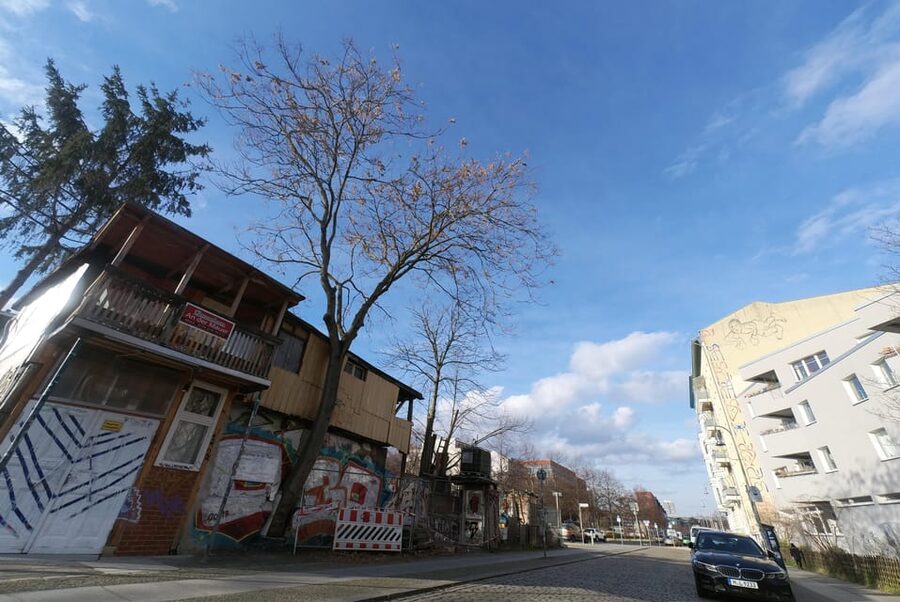
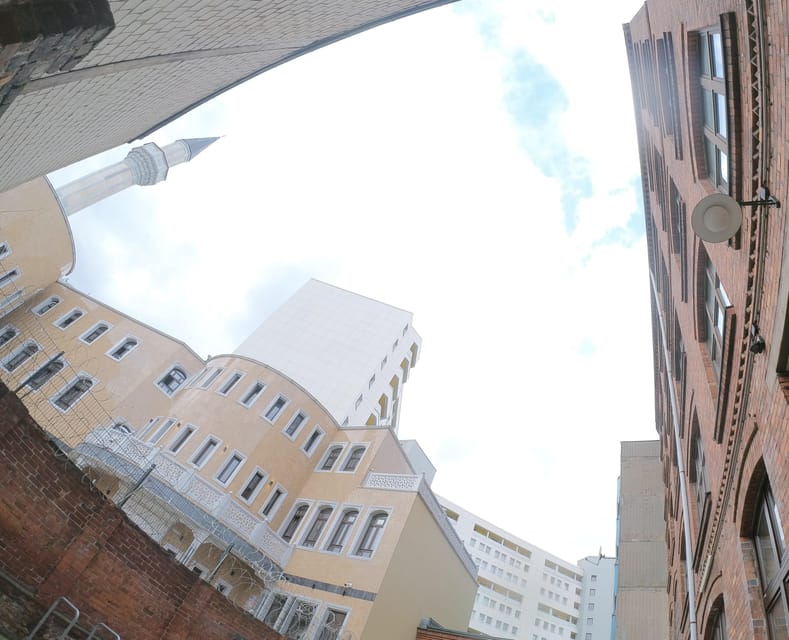
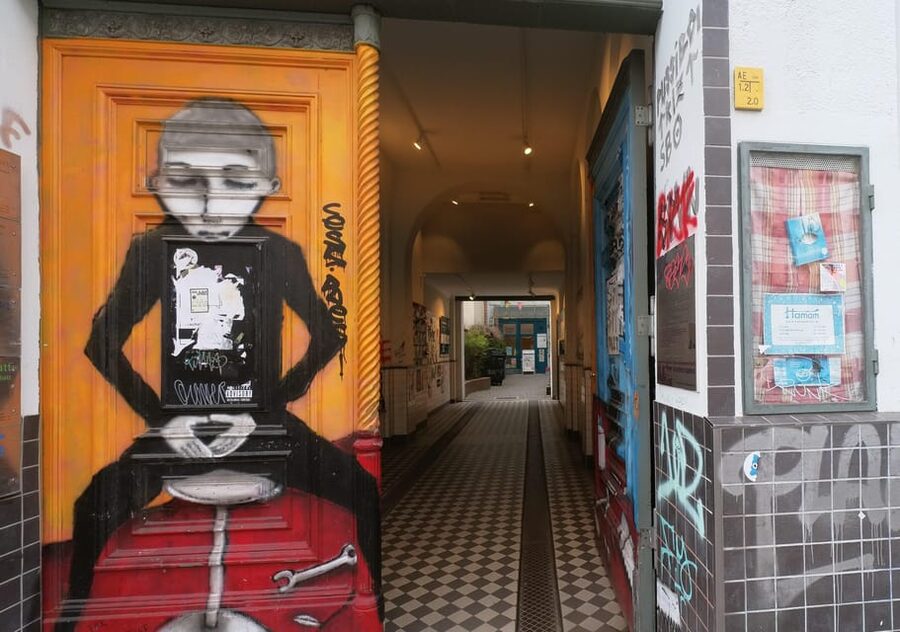
Kreuzberg rewards slow looking. The walk sometimes turns into hidden backyards, where the setting can reveal more than a grand monument. These spaces help show how residents have used buildings and shared areas in ways that support community life.
The street art discussion adds another layer. In Kreuzberg, painted walls can be viewed as decoration, protest, personal expression, or part of a wider local conversation. The tour does not appear to treat every painted surface as equally important. Instead, it uses selected examples to discuss the people and ideas behind the district’s visual culture.
I like this kind of interpretation because it gives you a method for exploring on your own later. After the tour, you may notice details you would otherwise walk past. One person who had been living in Kreuzberg since March said the experience changed how they looked at the neighborhood and helped them spot small features they had previously missed.
That is a good sign for repeat visitors. You do not need to be new to Berlin to benefit. The tour is particularly useful if you already know the district’s cafés and nightlife but want to understand the forces that shaped its identity.
Something different for another day:
- Discover Berlin Half-Day Walking Tour
★ 5.0 · 9,624 reviews - Berlin: Hop-on Hop-off Bus Tour with Live Commentary
★ 4.3 · 8,579 reviews - Berlin: Government District around the Reichstag Guided Tour
★ 4.7 · 8,447 reviews - Berlin: Reichstag, Plenary Chamber, Cupola & Government Tour
★ 4.6 · 8,422 reviews
The Rio-Reiser-Platz break and hot chocolate stop
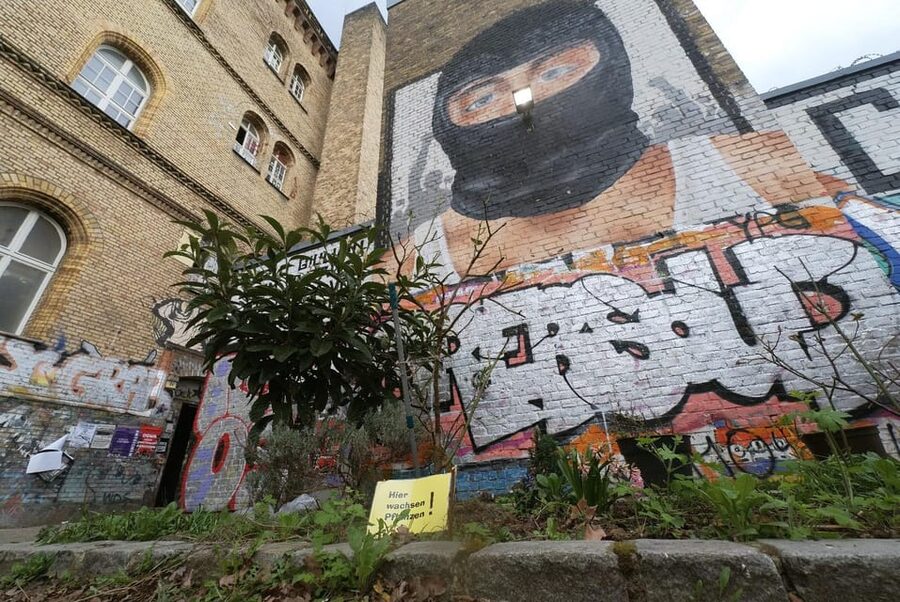
The break takes place at Rio-Reiser-Platz and lasts about 15 minutes. You receive one hot beverage, with chocolate, coffee, or tea available through a collaboration with a small local business.
The chocolate is an appealing detail, especially if you are walking in cooler weather. The experience describes it as some of the best hot chocolate in town, though that is a matter of taste rather than something you can measure. Still, the stop gives the route a human rhythm. You can pause, have a drink, and mingle with local people instead of listening to a nonstop lecture.
Rio Reiser was an important figure in German music and left-wing culture, so the stop fits the tour’s interest in Kreuzberg’s political and artistic past. The information provided does not promise a full biography or a separate tasting experience, so keep your expectations realistic. This is one included hot drink during the walk, not a food tour.
The 15-minute pause also breaks up the physical effort. If the tour runs close to three hours, that short rest will be welcome. You may want to use the stop for questions, especially if you are interested in specific restaurants, bars, or cultural places to visit afterward.
The second 90 minutes: how residents shape Kreuzberg now
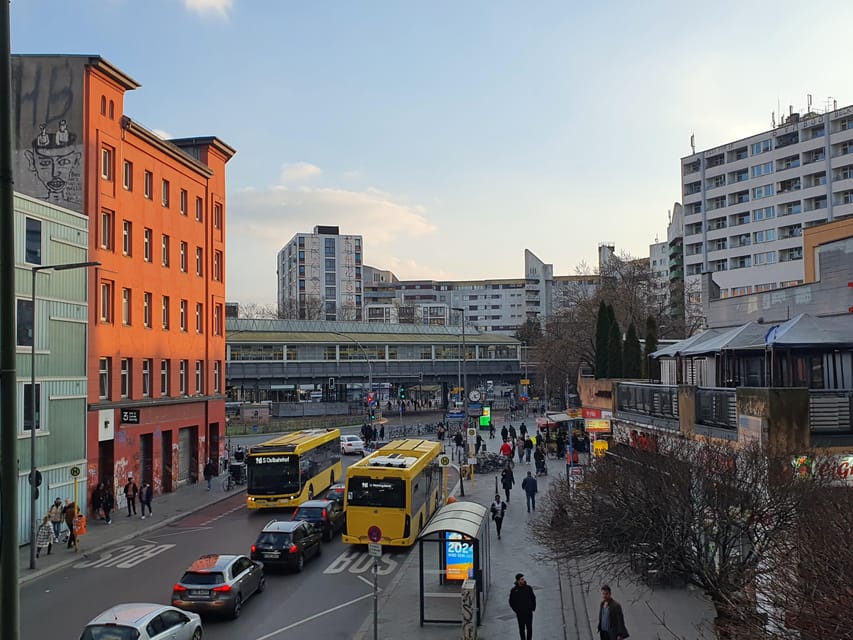
The final guided section is listed as another 1.5 hours. This part turns more strongly toward contemporary Kreuzberg and the ways local people organize their district.
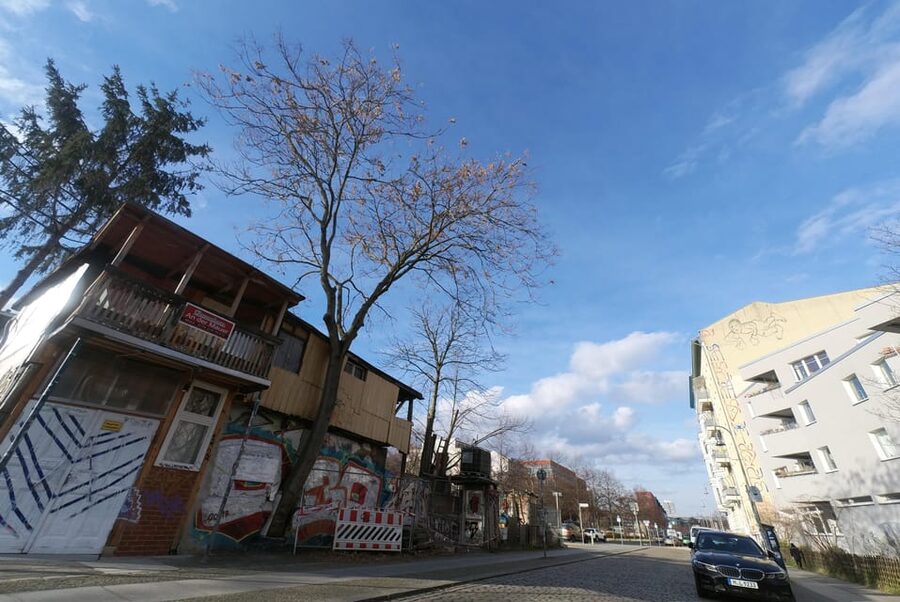
The tour highlights social and environmental projects developed collaboratively by residents. That theme is important because it shows that Kreuzberg’s alternative reputation is not only about what happened decades ago. The same spirit can appear in current efforts to improve urban life, protect shared spaces, and test new ideas.
You hear how people realize their own visions for the neighborhood. The examples may help you understand local decisions that seem unusual at first glance. Rather than presenting Kreuzberg as a finished product, the walk shows a district still being argued over and reshaped.
This is where the experience differs from a standard Berlin history walk. The subject is not only what the city government built or what famous figures achieved. It is also what ordinary residents organized, defended, repaired, or reimagined together.
The route finishes at U Kottbusser Tor. That is useful if you want to continue exploring Kreuzberg afterward, and Lee has offered practical suggestions about where to eat and go next. His willingness to adjust advice to your plans is one of the better personal touches associated with the tour.
How much walking and time should you allow?
The advertised duration is given as two hours to 210 minutes. The detailed route suggests roughly three hours of guided walking, plus a 15-minute break, although the timing may vary by departure.
This inconsistency is the one practical weakness I would take seriously. If you have a dinner reservation, museum ticket, train departure, or another tour afterward, do not build your schedule too tightly. Check the available start times and confirm the expected finish.
The route includes a photo stop, scenic views, and free time during the break. It is not a rushed point-to-point transfer. You should expect to walk at a steady sightseeing pace and listen for long stretches.
The experience is listed as wheelchair accessible. Since some parts involve courtyards and urban surfaces, anyone with specific mobility needs should confirm the route details in advance. The provider also offers private groups, which may help if you want a more tailored pace or discussion.
The guide makes the difference
The strongest praise centers on guide Lee. The comments describe him as passionate, clear, well informed, sympathetic, and able to explain Kreuzberg in a lively way. A small group of three made one tour feel especially personal, though group size can vary.
Lee’s value seems to go beyond memorized dates. His personal connection to Kreuzberg helps bring out the people, architecture, and local character behind the subject. He also appears willing to respond to your interests and daily plans, which is useful in a neighborhood where the best next stop depends on your mood.
Tours are offered in English, German, and Russian. If you care about language or want to ask detailed questions, choose the language in which you can best discuss politics, urban change, and social history.
The tour has a rating of 4.9 from 11 reviews, with praise repeated across several languages and nationalities. The sample is small, so I would not treat the number as scientific proof. Still, the praise is consistent on the points that matter most: Lee’s delivery, the depth of the subject, and the different view of Berlin the walk provides.
Is $35 a fair price?
At $35 per person, the price is reasonable if you want interpretation rather than simple sightseeing. You are paying for an experienced local guide, a two to three-and-a-half-hour walking experience, and one hot drink from a small business.
The value is strongest for people who would otherwise walk through Kreuzberg without understanding its social background. A free self-guided stroll can show you the streets, murals, and cafés. It will not easily explain how the squatter scene, local activism, experimental arts, and urban projects connect.
The price is less attractive if you want a short photo walk or a broad overview of Berlin. This tour concentrates on Kreuzberg and spends time on ideas. It is also not designed around major monuments, museum admission, or a large meal.
Private groups are available, though the supplied information does not state the private-group price. If you book privately, ask about the cost and the exact route.
Who should book this Kreuzberg tour?
I would choose this experience if you enjoy neighborhoods more than landmarks. It fits you especially well if you want to understand why Kreuzberg feels politically aware, artistically experimental, and internationally mixed.
It is also a good choice for:
- First-time Berlin visitors who want an alternative to the standard city-center route.
- Repeat visitors who have seen the main sights and want more local context.
- People interested in squatting, activism, street art, urban planning, and community projects.
- Berlin residents who want to understand their own district better.
- Small groups looking for a thoughtful walk with room for questions.
- Visitors who appreciate a guide who can suggest places to eat and explore afterward.
I would choose another activity if you dislike extended walking, want a major museum or monument included, or prefer a tour focused mainly on food. The hot chocolate is a pleasant extra, but the central product is the conversation and interpretation.
Should you book Understanding Kreuzberg?
Book it if you want to see how people made Kreuzberg what it is, not just photograph what it looks like today. The best reason to go is the combination of local history, present-day projects, street art, courtyards, and Lee’s personal way of explaining the district.
Allow more time than the shortest advertised duration, wear practical shoes, and confirm the meeting point and finish time. At $35, it offers good value for a focused, human-scale look at one of Berlin’s most distinctive districts.
FAQ
Where does the tour meet?
The meeting point is in front of the YAAM entrance, very close to Ostbahnhof. The address provided is An d. Schillingbrücke 4, so confirm the exact meeting instructions before arrival.
Where does the tour finish?
The walk finishes at U Kottbusser Tor.
How long does the tour last?
The duration is listed as two hours to 210 minutes. The route details describe two 1.5-hour guided sections and a 15-minute break, so confirm the exact schedule when booking.
What languages are available?
The tour is available in English, German, and Russian.
Is a drink included?
Yes. The price includes one hot beverage, with chocolate, coffee, or tea available through a local small business.
Is the tour wheelchair accessible?
Yes, the activity is listed as wheelchair accessible. You should still confirm route details if you have specific access requirements, particularly regarding courtyards and urban walking surfaces.
Can I book a private group?
Yes. Private groups are available.
How much does the tour cost?
The listed price is $35 per person.
Can I cancel for a full refund?
Yes. You can cancel up to 24 hours in advance for a full refund.
Just added around Berlin
- Kreuzberg Private Walking Tour: Immigrants, Artists & Hipsters★ 5.0 · 3 reviews
- Private Photo Tour in Kreuzberg★ 5.0 · 3 reviews
- Individual city tour Berlin for max. 8 persons★ 5.0 · 3 reviews
- Berlin’s Jewish Heritage: Private Tour of the Vibrant Jewish District★ 5.0 · 3 reviews
- Berlin & The Third Reich Private Guided Tour★ 5.0 · 3 reviews
- Private Analogue Photography Experience in Berlin★ 5.0 · 3 reviews
- Spy Mission in Berlin: Self-Guided Espionage Puzzle Quest★ 5.0 · 3 reviews
- Berlin Christmas Markets Walking Tour with Local Guide★ 5.0 · 3 reviews
Berlin Tours, compared.
Reichstag, Dome and Government District Guided Tour
Read our review →
1-Hour City Tour by Boat with Guaranteed Seating
Read our review →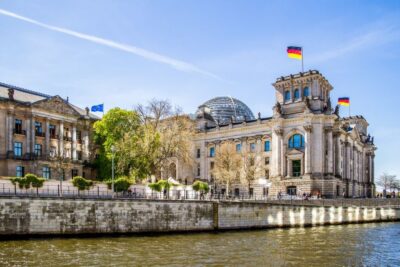

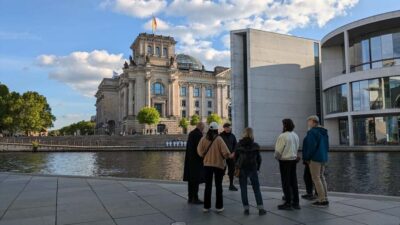
Government District around the Reichstag Guided Tour
Read our review →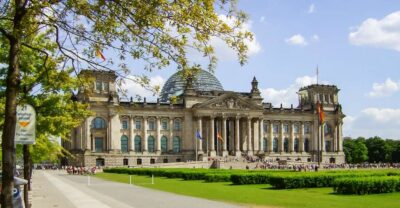
Reichstag, Plenary Chamber, Cupola & Government Tour
Read our review →