Reviewed · BERLIN TOURS
Produce Techno and House Music in Berlin
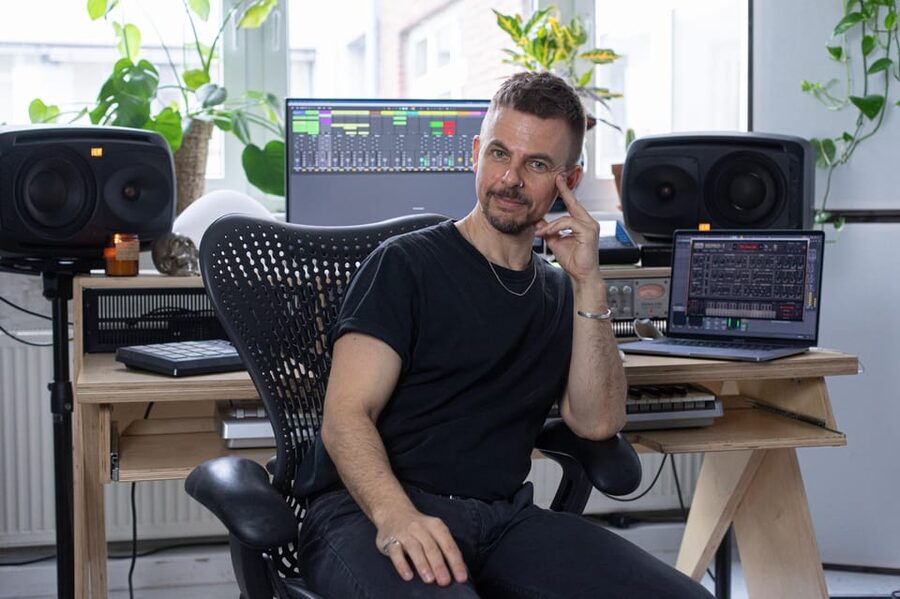
Berlin has a beat behind the walls. In a professional studio near the city’s clubbing district, you work with producer Andy Sexton to build a house or techno track from the first drum hit to the final mix. I like the small four-person group, which gives you room to ask questions, and the chance to use both modern and vintage equipment. The main consideration is time: two hours passes quickly when you are learning software, shaping sounds, and arranging a song.
I also like that no previous production experience is needed. You do not need to arrive knowing your oscillators from your hi-hats. Still, this is a hands-on music lesson, not a club tour or a passive demonstration, so you will get the most from it if you are ready to experiment and make decisions.
In This Review
- Key points to know before booking
- Why this Berlin music session feels different
- Arriving at the reddish brick studio
- The first stage: understanding the tools
- Building the rhythm with drum machines
- Programming synthesizers and shaping the sound
- Recording and arranging a real track
- Mixing the track for club play
- What the equipment adds to the experience
- Who will enjoy this most?
- A friendly teacher makes a short lesson work
- Practical details, cancellation, and language
- Should you book this Berlin studio session?
- FAQ
- Where does the music production session take place?
- How long does the activity last?
- What music styles can I produce?
- Do I need previous music production experience?
- What will I learn during the session?
- Is the activity taught in English?
- How many people can join the group?
- Is the studio wheelchair accessible?
- What is the minimum age?
- Are transportation, meals, or drinks included?
Key points to know before booking
- You create a track during the session: The goal is practical, not simply theoretical. You work toward a house or techno recording you can take with you.
- Andy Sexton teaches the full process: The session covers synthesizers, drum machines, recording, arrangement, and mixing for club play.
- The studio includes modern and vintage gear: You can work with professional software alongside synthesizers, drum machines, microphones, piano, guitar, and percussion.
- The group is limited to four people: This is a useful size for direct help without turning the session into a private lesson at a higher cost.
- The meeting point is easy to recognize: Look for the front door of a large industrial building made of reddish brown brick.
- The activity is open to beginners aged 10 and up: English is the teaching language, and the studio is wheelchair accessible.
Why this Berlin music session feels different
Berlin is not just a city where electronic music happens to be popular. House and techno are closely tied to its nightlife, creative culture, and club spaces. This session gives you a look at the work behind that sound, before a track reaches a dance floor.
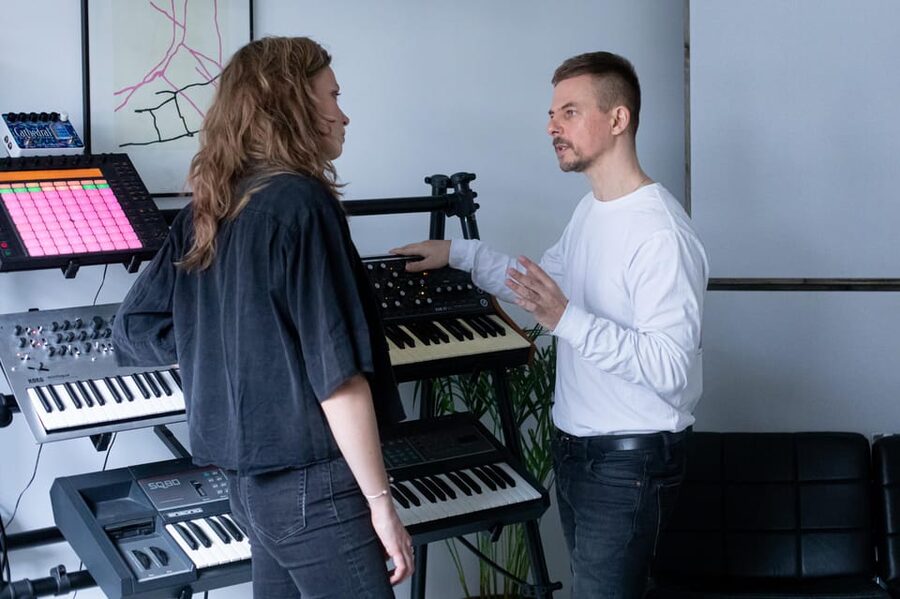
I like the setting because a real studio changes the lesson. You are not learning from a generic classroom with a few headphones and a laptop. The equipment includes professional music software, modern and vintage music gear, microphones, and acoustic instruments. That mix helps you see that electronic production is not limited to clicking samples into a grid.
The experience also gives you a practical view of how music is built. A finished techno track can sound simple, but its effect depends on small choices: the shape of a kick, the timing of a hi-hat, the tone of a bass line, and the way sections enter and leave. Andy’s job is to help you hear those choices and make them yourself.
Other Berlin trips people book alongside this one:
- Berlin: Reichstag, Dome and Government District Guided Tour
★ 4.7 · 18,288 reviews - Berlin: 1-Hour City Tour by Boat with Guaranteed Seating
★ 4.3 · 16,993 reviews - Berlin: Boat Tour Along the River Spree
★ 4.4 · 11,252 reviews
Arriving at the reddish brick studio
The meeting point is the front door of a large industrial building with reddish brown brick. Plan to arrive a few minutes early. Since the location is described by the building rather than by a famous landmark, allowing extra time is sensible, especially if you are unfamiliar with this part of Berlin.
Transportation to and from the studio is not included, so you handle the journey yourself. Food and drinks are also not included. The session lasts two hours, which makes it easy to fit into a day of sightseeing, though you should avoid scheduling it too tightly against another activity.
The studio is in the heart of Berlin’s clubbing district. That matters because the experience is connected to the city’s music culture rather than presented as an unrelated technical workshop. You are getting a look at a working creative environment in the same city that has helped shape international underground electronic music.
The first stage: understanding the tools
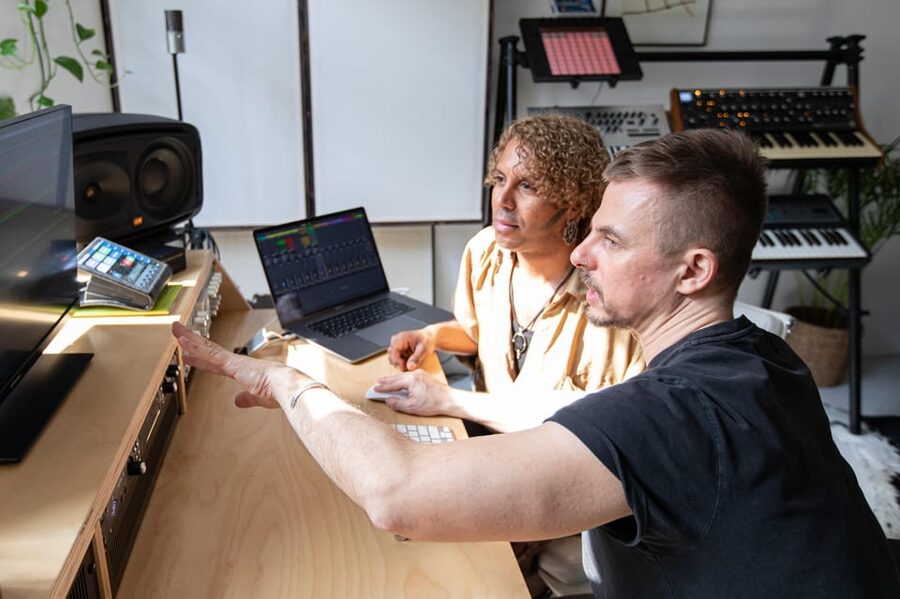
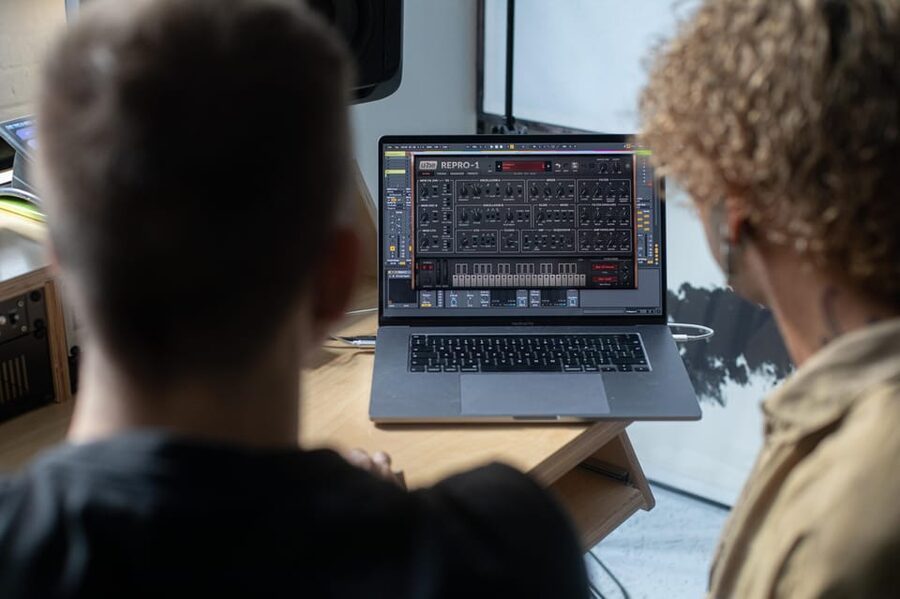
Andy begins by introducing the basic tools used to create the track. That can include software, synthesizers, drum machines, and other studio equipment. Beginners can expect an explanation of what each part does before being asked to make choices.
This is important because music production software can be intimidating. A screen full of tracks, controls, and waveforms is not very useful until you understand how the pieces relate. The session focuses on making sound, not on memorizing technical terms.
You learn how synthesizers produce and shape tones. You also get an introduction to drum machine programming, where rhythm becomes the foundation of house or techno. For someone new to production, this is the point when the music begins to feel less mysterious. You can hear how a small pattern becomes a groove.
More experienced music makers can use this opening to examine workflow. The value is not only in learning what a button does. It is in seeing how Andy organizes a session and moves from an idea to a workable musical structure.
Building the rhythm with drum machines
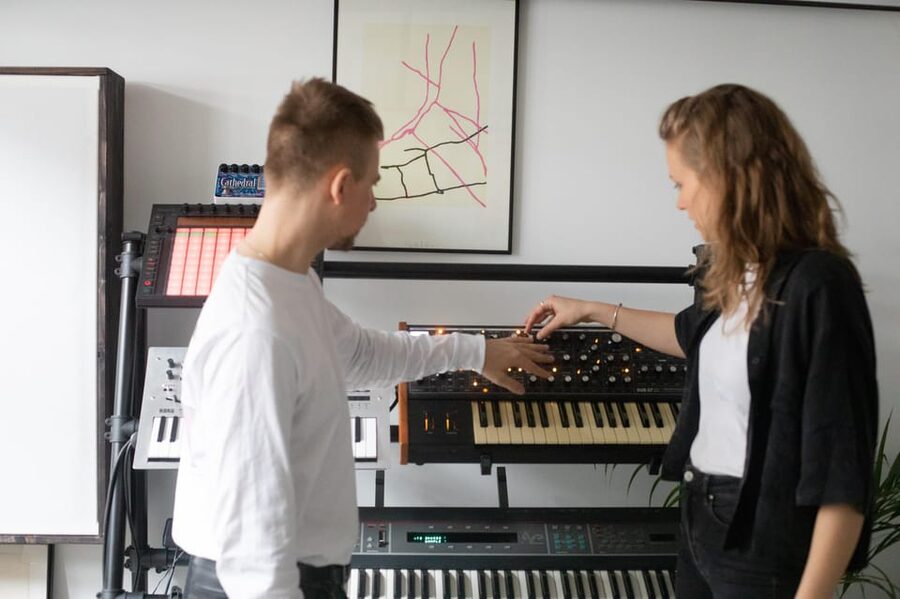
House and techno depend heavily on rhythm, so drum programming is one of the central parts of the lesson. You work with patterns that can form the backbone of the track, then adjust them to create movement and character.
The appeal here is the immediate result. A few carefully chosen drum sounds can make the track feel purposeful. You begin to hear how timing, repetition, and small changes affect the groove.
The session is not designed to turn you into a professional producer in two hours. Instead, it gives you a clear first method. You learn how to start, how to arrange the basic parts, and how to avoid getting lost in endless sound choices.
I would especially recommend this part to anyone who has wanted to make music but did not know where to begin. One participant, Rudolf from South Africa, came away with a useful framework for making music, not just a single finished track. That distinction matters. A one-time recording is fun, but a repeatable way of working is far more useful after you return home.
Something different for another day:
- Discover Berlin Half-Day Walking Tour
★ 5.0 · 9,624 reviews - Berlin: Hop-on Hop-off Bus Tour with Live Commentary
★ 4.3 · 8,579 reviews - Berlin: Government District around the Reichstag Guided Tour
★ 4.7 · 8,447 reviews - Berlin: Reichstag, Plenary Chamber, Cupola & Government Tour
★ 4.6 · 8,422 reviews
Programming synthesizers and shaping the sound
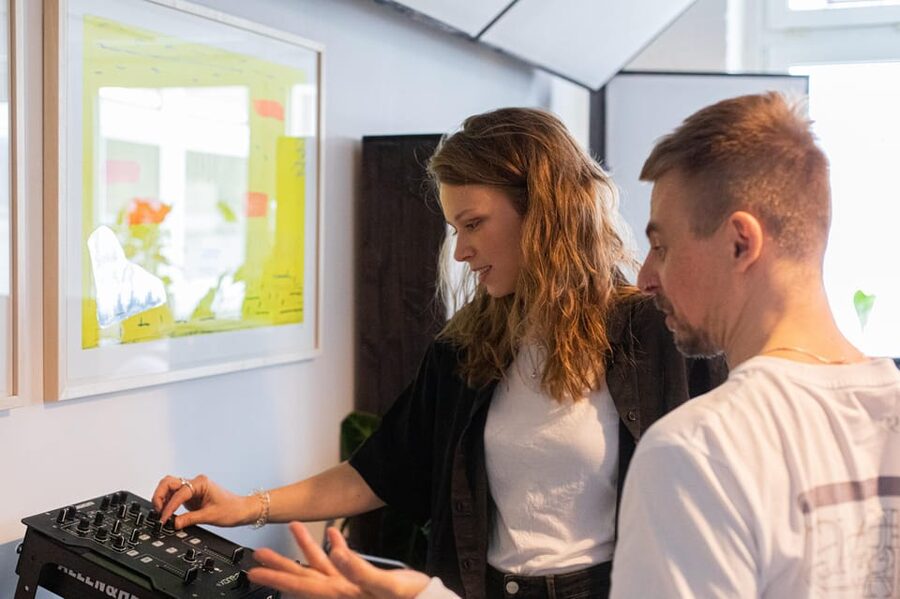
Synthesizers give the session its hands-on character. You learn how to program them and use them as part of a house or techno composition. The studio includes both modern and vintage instruments, so you can encounter different approaches to creating electronic sound.
You may work with a tone that becomes a bass line, lead, pulse, or atmospheric part of the arrangement. The exact equipment used can vary, but the aim is clear: you are not only selecting finished sounds. You are learning how to shape them.
This is where the instructor’s teaching style becomes especially important. Andy Sexton is described as friendly, professional, and easy to work with. One participant noted his sense of humor, while another praised his ability to understand the aims of a person with cognitive difficulties. That suggests a patient teaching style that can adapt to different levels and needs.
The lesson is conducted in English. If English is not your first language, the practical nature of the work helps. You can see the controls, hear the changes, and follow the process as you go. One Italian participant found the session approachable and also appreciated the explanation of how techno reached Berlin.
Recording and arranging a real track
Once the main sounds and rhythms are in place, you record and arrange the material using professional production software. This is the stage where separate ideas begin to become a song.
Arrangement is often the difficult part for beginners. Making a loop is satisfying, but a track needs shape. Parts must enter, develop, and leave at the right time. Andy helps you organize the workflow so that the track does not remain a promising eight-bar idea.
You should expect to make choices rather than simply watch Andy work. That is one of the strongest reasons to book this experience. The session is built around creating a track with you, not merely showing you a finished project.
Several participants completed a small song during the allotted time. One group extended the session and produced a track to take home. The possibility of extra time is not presented as a standard part of the activity, so do not count on it, but the result shows that the two-hour format can produce something tangible.
The finished track may be simple. That is fine. The real benefit is understanding the path from a blank project to an arranged piece. You leave with a clearer sense of what to practice next.
Mixing the track for club play
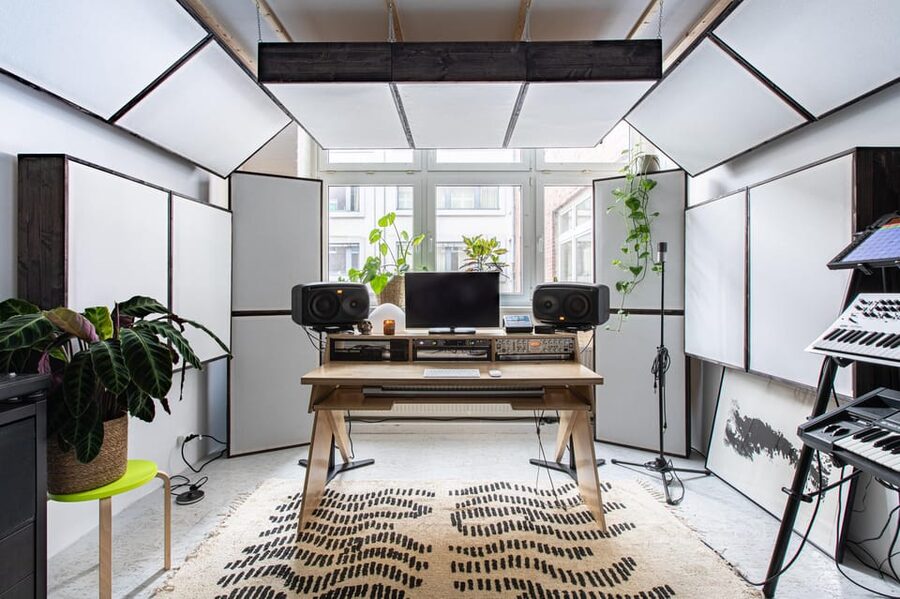
The last stage is mixing down the track in preparation for club play. This does not mean you will master every part of professional mixing in one sitting. It does mean you get an introduction to how the separate elements are balanced and prepared.
You can learn why the kick, bass, percussion, and synthesizer parts need to work together rather than fight for space. You also get a sense of how a track is prepared for a larger sound system.
For beginners, this part helps complete the picture. Production is not finished when the melody and drums are arranged. For more experienced participants, the mixing stage may be the most useful chance to ask about workflow and polish.
The session’s greatest strength is this full route through the process. You touch each major stage: sound creation, rhythm programming, recording, arrangement, and mix preparation. That is a lot to cover in two hours, so the pace may feel brisk. If you want a slow technical lesson on one particular synthesizer, a longer private course would be a better fit.
What the equipment adds to the experience
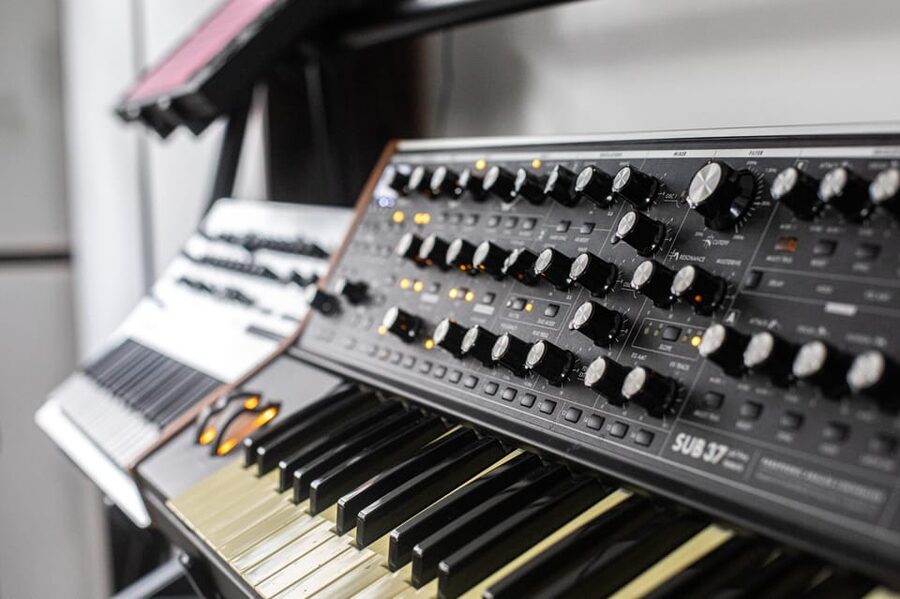
The studio contains professional software, modern and vintage music gear, a wide selection of microphones, and acoustic instruments including piano, guitar, and percussion. You may not use every item during a single session, but the range shows how electronic production can include live and acoustic sources.
That variety also keeps the activity from feeling like a basic computer tutorial. You get to see the relationship between physical instruments and digital recording. Even if your finished track uses mainly electronic sounds, the studio gives you a broader view of how music can be made.
The equipment is part of the value at $147 per person. You are paying for guided access to a professional studio, an instructor’s time, and a focused attempt to create a track. The price is harder to justify if you only want to press a few buttons or watch someone else produce. It makes more sense if you value personal instruction and want to leave with practical ideas you can continue using.
With only four participants, the group should allow direct contact with the equipment and the instructor. It is not necessarily a private session, so your experience may depend partly on the other people in the group. Still, four is a small enough number for questions and individual participation.
Who will enjoy this most?
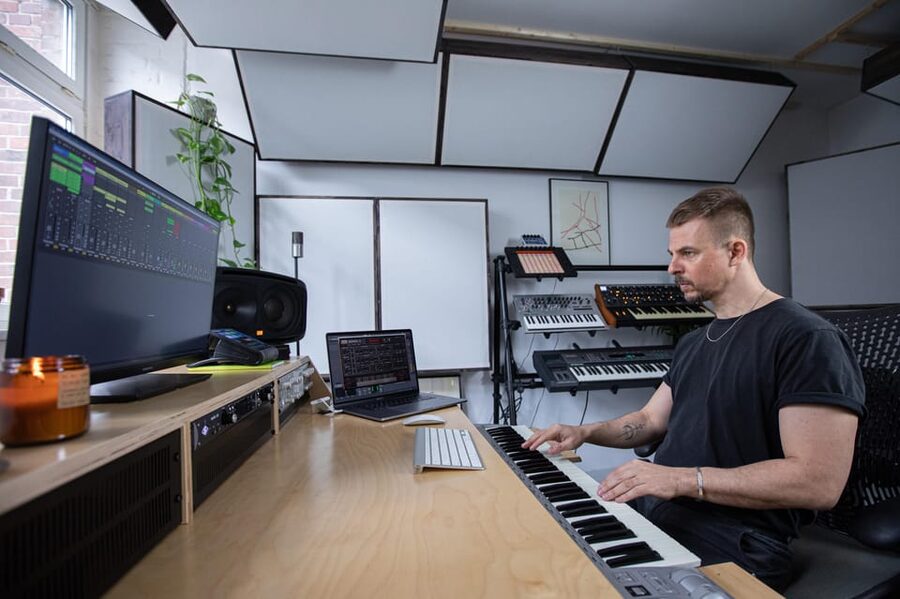
I would recommend this for several types of people:
- Beginners who want a friendly first step into music production
- Club music fans curious about how Berlin house and techno are made
- Amateur producers who want a more organized workflow
- Musicians interested in combining acoustic instruments with electronic production
- Parents or families with a child aged 10 or older who has a strong interest in music
- Experienced producers who want to try a different studio setup and ask focused questions
It is also suitable for someone who wants a creative activity rather than another museum or walking tour. The session connects directly with Berlin’s music culture, but you do not need to be a regular clubgoer to enjoy it.
The experience may be less suitable if you want a long, quiet introduction to music theory, a detailed course on mixing, or a tour of Berlin’s clubs. It is a production workshop in a studio. You will be expected to participate.
The age limit is 10. Children under 10 cannot join. The studio is wheelchair accessible, which makes it a practical option for more visitors, though you should still confirm any personal access needs when booking.
A friendly teacher makes a short lesson work
The instructor can make or break a technical activity. Here, Andy Sexton receives strong praise for being experienced, approachable, and professional. His teaching appears to go beyond operating equipment. He explains methods and working habits that can help you continue making music after the session.
That wider approach is useful. If you only learn a handful of software controls, the lesson may fade quickly. If you learn how to begin a track, organize your ideas, and finish a basic arrangement, you have something to build on.
The activity also appears adaptable. Andy was able to work with a cognitively impaired participant and help create a song despite language barriers within the group. That does not promise a particular arrangement for every visitor, but it points to a considerate teaching style.
Practical details, cancellation, and language
The session is taught in English and lasts two hours. It is offered as a small group with a maximum of four participants.
You can cancel up to 24 hours before the scheduled start for a full refund. A reserve-now, pay-later option is available, which helps if your Berlin schedule is still changing. Starting times vary, so check availability before planning the rest of your day.
Smoking, alcohol, drugs, and littering are not allowed. This is a working studio, so treat the equipment and space with care. Bring your curiosity, arrive a few minutes early, and be ready to take part rather than simply observe.
Should you book this Berlin studio session?
I would book it if you want a personal, creative look at Berlin’s electronic music culture and would enjoy making something with your own hands. The strongest reasons are the small group, the professional studio, Andy Sexton’s approachable teaching, and the chance to finish with a track rather than just a set of notes.
At $147, it is not a cheap two-hour activity. The value depends on your interest. For a music fan or aspiring producer, access to the equipment and the full production process can make the cost worthwhile. For someone only mildly curious about techno, a club night or music-focused walking tour may offer better value.
Book this when you want to learn a process, not just hear about one. If you are ready to experiment with beats, synthesizers, and arrangement, this offers a focused and memorable way to hear Berlin from inside the studio.
FAQ
Where does the music production session take place?
It takes place in a professional music studio in the heart of Berlin’s clubbing district. The meeting point is the front door of a large industrial building with reddish brown brick.
How long does the activity last?
The scheduled session lasts two hours.
What music styles can I produce?
The workshop focuses on house and techno music.
Do I need previous music production experience?
No. Prior music production experience is not required.
What will I learn during the session?
You will learn about synthesizer and drum machine programming, recording, arranging, and mixing down a house or techno track for club play.
Is the activity taught in English?
Yes. English is the listed teaching language.
How many people can join the group?
The activity is a small-group session limited to four participants.
Is the studio wheelchair accessible?
Yes. The studio is wheelchair accessible.
What is the minimum age?
Participants must be at least 10 years old. Children under 10 are not permitted to join.
Are transportation, meals, or drinks included?
No. Transportation to and from the studio, meals, and drinks are not included.
Just added around Berlin
- Kreuzberg Private Walking Tour: Immigrants, Artists & Hipsters★ 5.0 · 3 reviews
- Private Photo Tour in Kreuzberg★ 5.0 · 3 reviews
- Individual city tour Berlin for max. 8 persons★ 5.0 · 3 reviews
- Berlin’s Jewish Heritage: Private Tour of the Vibrant Jewish District★ 5.0 · 3 reviews
- Berlin & The Third Reich Private Guided Tour★ 5.0 · 3 reviews
- Private Analogue Photography Experience in Berlin★ 5.0 · 3 reviews
- Spy Mission in Berlin: Self-Guided Espionage Puzzle Quest★ 5.0 · 3 reviews
- Berlin Christmas Markets Walking Tour with Local Guide★ 5.0 · 3 reviews
Berlin Tours, compared.
Reichstag, Dome and Government District Guided Tour
Read our review →
1-Hour City Tour by Boat with Guaranteed Seating
Read our review →

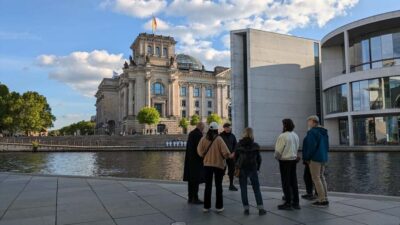
Government District around the Reichstag Guided Tour
Read our review →
Reichstag, Plenary Chamber, Cupola & Government Tour
Read our review →