
Reviewed · MUNICH TOURS
Munich – Illuminati & other Secret Societies, Tour in German
Secrets hide in plain sight. This two-hour German-language walk turns central Munich into a clue hunt, linking the Illuminati, Freemasons, Knights Templar, the Order of the Golden Fleece, and lesser-known groups such as the Guglmen to the city’s streets and churches. I like the focus on symbols you might otherwise miss and the clear route through major Munich landmarks. I also like that the guide does more than repeat conspiracy tales, asking what these groups really believed and how much power they held.
The main point to consider is the tour’s balance between Munich and wider European secret-society history. One participant found the subject fascinating but felt some material was more general than specifically tied to Munich. The guide’s expertise was praised, yet the local connection did not always feel strong enough.
In This Review
- Key points before you book
- Starting beneath Karlstor in the heart of Munich
- The tour’s central question: reformers or hidden rulers?
- The Old Academy and Munich’s intellectual clues
- St. Michael’s Church and the visual language of power
- Frauenkirche and the Freemasons’ medieval roots
- Promenadeplatz and the city’s final clues
- What the guiding style adds
- Is $29 a fair price?
- Who should book this Munich walk?
- Practical booking advice
- Should you book the Illuminati tour?
- FAQ
- Where does the tour begin?
- How long does the tour last?
- Is the tour offered in English?
- How much does the tour cost?
- Is the tour wheelchair accessible?
- Can I cancel the booking for a refund?
Key points before you book
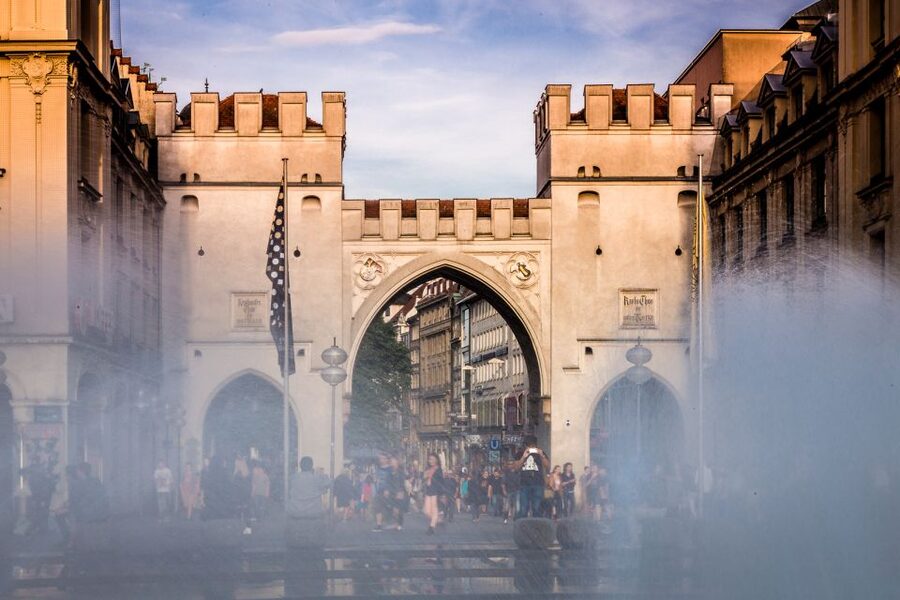
- Starting under Karlstor: Meet directly beneath the archway at Karlsplatz, a central and easy-to-find location.
- A symbol-hunting walk: The guide points out signs, emblems, and details that most people pass without noticing.
- Four major city-center stops: The route includes the Old Academy, St. Michael’s Church, Frauenkirche, and Promenadeplatz.
- German-language storytelling: The regular tour is conducted in German. English is available only as a private tour.
- A two-hour history lesson: You get a focused look at the Illuminati, Freemasons, Knights Templar, Golden Fleece, and Guglmen.
- Strong guide feedback: Albert received especially warm praise for making the topic engaging and answering questions well.
Starting beneath Karlstor in the heart of Munich
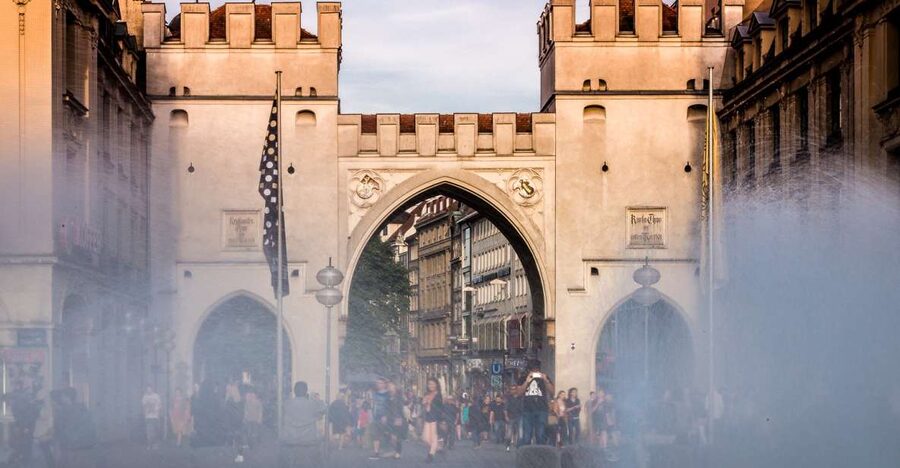
Your meeting point is directly under the archway of Karlstor, also called Karlsgate, at Neuhauser Str. 47, 80331. This puts you in central Munich, close to Karlsplatz and the busy pedestrian route leading toward Marienplatz.
That location suits the tour. You begin in a place where old city walls, grand gateways, churches, and public squares make the past feel close at hand. The guide then leads you through the center rather than placing you in a classroom or museum room.
I would arrive a little early. Karlstor is a prominent landmark, but a busy city-center meeting point can still be confusing if you are trying to find a particular guide among other groups. Look directly beneath the archway and keep your booking details ready.
The walk lasts two hours. That is long enough to build a proper story, but short enough to fit before dinner or another central Munich visit. Since the tour stays in the city center, you can pair it with nearby sights without spending extra time on transport.
Other Munich trips people book alongside this one:
- From Munich: Neuschwanstein & Linderhof Castle Full-Day Trip
★ 4.5 · 12,494 reviews - Neuschwanstein & Linderhof Castle-Fairytale Day Tour from Munich
★ 4.5 · 7,275 reviews - Munich: Third Reich & WWII Walking Tour
★ 4.6 · 6,181 reviews
The tour’s central question: reformers or hidden rulers?
The most interesting part of this experience is its refusal to treat every secret society as the same thing. You hear about groups with religious, political, intellectual, and social aims, then consider the difference between historical influence and modern conspiracy claims.
The Illuminati naturally take center stage. In popular culture, the name now suggests an all-powerful organization directing world events from behind the curtain. The tour uses Munich to examine that idea and asks whether the group was mainly made up of radical Enlightenment thinkers or whether its influence continued in darker ways.
That question gives the walk a useful structure. You are not simply shown a symbol and told it proves a grand theory. Instead, the guide helps you ask what the symbol meant, who used it, and how much evidence exists behind the story.
The tour also explains how a Bavarian Elector acted to end the conspiracy of the Illuminati and Freemasons. This is one of the strongest local angles, because it connects secret societies to actual state power in Bavaria rather than leaving the subject in the realm of rumor.
You should expect a mix of documented history, interpretation, and mystery. If you want every claim sorted into a strict academic timeline, parts of the tour may feel broad. If you enjoy testing old stories against real streets and buildings, the format should work well.
The Old Academy and Munich’s intellectual clues
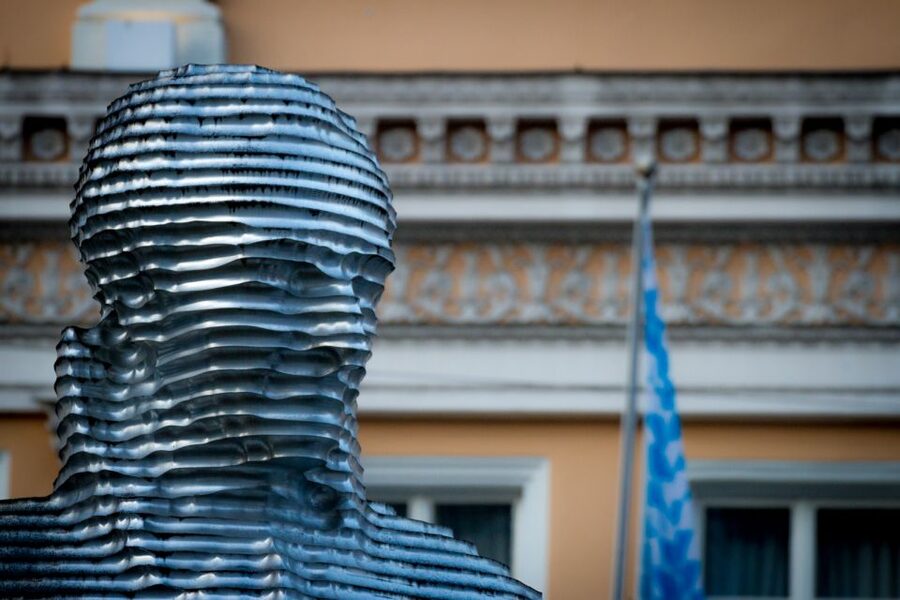
The Old Academy is one of the first important stops. Here, the focus turns toward the intellectual world that helped secret societies grow. The story is not only about hidden meetings and coded signs. It is also about ideas, education, religion, and the political unease that surrounded Enlightenment thinking.
This stop helps explain why the Illuminati became such a sensitive subject in Bavaria. A group built around reason, reform, and opposition to established authority could look threatening to rulers and church officials, even before later conspiracy stories added layers of drama.
The Old Academy also gives the guide a chance to point out architectural details and symbols. You may begin to see how the tour works: the building itself matters, but so does the way its history connects to larger European movements.
This is where I would pay close attention to the Munich references. One criticism of the experience is that some explanations can move away from the city and become general history. The subject is broad, and a good guide must keep pulling the story back to the exact streets and buildings around you.
St. Michael’s Church and the visual language of power
The route continues to St. Michael’s Church, a major Munich landmark with strong links to the city’s religious and political identity. The church provides a dramatic setting for discussions about orders, symbols, rulers, and the way public architecture can communicate authority.
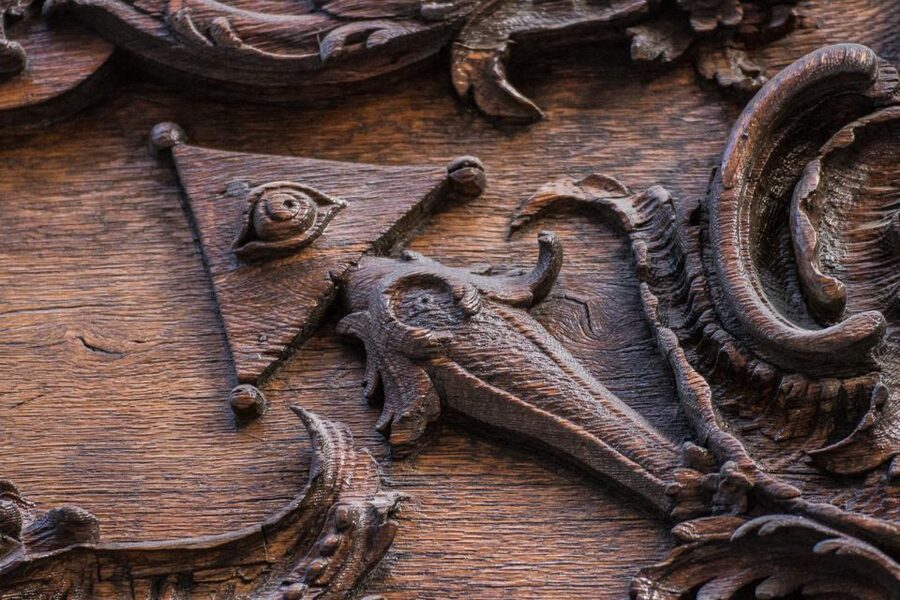
The tour asks you to look more closely at details that passersby often ignore. That may include insignia, sculpted figures, and repeated visual signs connected to powerful organizations. The appeal is not that every mark has a secret meaning. The appeal is learning how to look carefully before accepting a story.
The Order of the Golden Fleece is one example. Its insignia appears in many places in Munich, and the guide explains who the order was and why its symbol turns up so often. This adds a welcome change of pace from the better-known Illuminati story.
For you, the value of this stop is practical as well as historical. After the tour, you may notice the same emblems elsewhere in Bavaria. You are not just collecting facts. You are learning a way to read the city’s public decoration.
Something different for another day:
- Dachau Concentration Camp Memorial Site Tour from Munich by Train
★ 4.5 · 5,637 reviews - Neuschwanstein Castle Tour from Munich
★ 4.5 · 5,117 reviews - Third Reich Walking Tour Munich
★ 4.5 · 4,291 reviews - Munich Hop-On Hop-Off Tour: 1-Day or 2-Day Ticket
★ 4.3 · 4,161 reviews
Frauenkirche and the Freemasons’ medieval roots
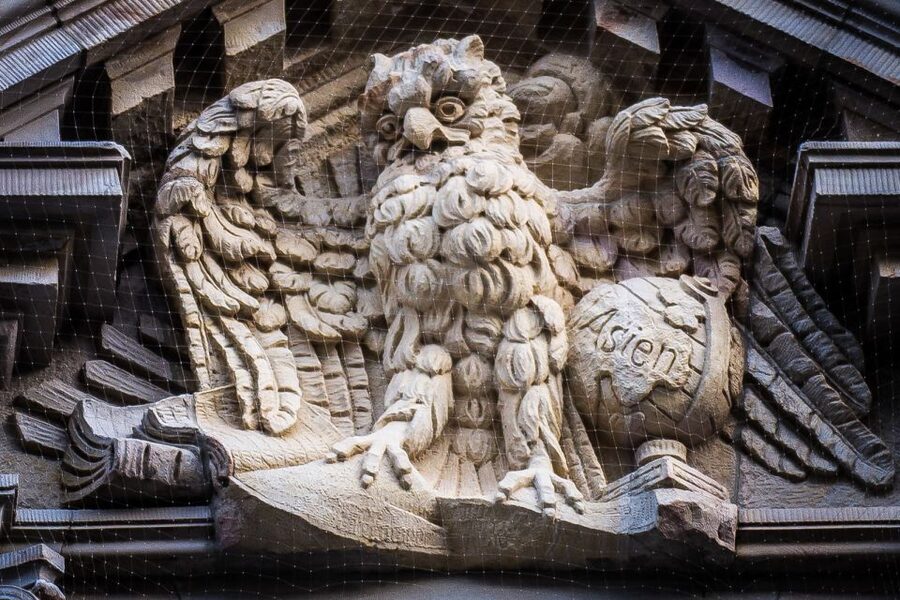
At Frauenkirche, the discussion turns toward the Freemasons and the origins of their traditions. The tour links the later Masonic movement to medieval dombau huts, the working communities connected with cathedral construction.
That connection gives the subject a more grounded beginning. Instead of presenting Freemasonry as a fully formed secret network appearing out of nowhere, the story traces how building workers, craft knowledge, symbols, and closed professional groups helped shape later traditions.
The tour also covers the role Masons played in founding the Kingdom of Bavaria. This is a useful local chapter because it places Freemasonry within the political development of Bavaria, not just in the world of lodge rituals and mysterious emblems.
You will likely get the most from this section if you enjoy the overlap between architecture and politics. Churches and civic buildings become evidence of who had influence, who commissioned major works, and how groups expressed identity in public.
The limitation is similar to the one noted earlier. A two-hour walk cannot explain every stage of medieval building culture, Freemasonry, and Bavarian state formation in equal detail. The guide must move quickly, so you should treat this as an engaging introduction rather than a final word on the subject.
Promenadeplatz and the city’s final clues
The walk ends at Promenadeplatz, another central location where the different stories can be pulled together. By this point, the tour has moved from the Illuminati and Freemasons to a wider collection of societies, symbols, and political connections.
The Knights Templar enter the story as another group surrounded by legend. You also hear about the Guglmen, a less familiar society that adds an unusual local twist. These names help prevent the tour from becoming a single-topic lecture about the Illuminati.
Promenadeplatz works well as a final setting because the tour has trained you to look at Munich’s public spaces with more suspicion and curiosity. The guide can tie together the symbols encountered along the way and return to the central question: are these groups gone, changed, or still active in some form?
You should keep your expectations sensible. The tour cannot prove that secret organizations control the modern world, and it does not need to. Its strength lies in showing how real historical groups became wrapped in stories of secret power.
What the guiding style adds
The guide is the key factor in an experience like this. Much of the subject can become confusing, especially when names, symbols, centuries, and competing theories arrive close together.
Albert received particularly strong praise for his delivery and for making the subject exciting from beginning to end. He was also noted for responding well to questions and comments, which matters on a tour built around interpretation rather than simple sightseeing.
That flexibility is useful. You may want to ask about a symbol on a building, challenge a claim, or connect the discussion to a story you have already heard. A guide who welcomes questions can keep the walk from becoming a one-way speech.
At the same time, the tour is conducted in German. You should be comfortable following two hours of spoken German, including historical terms and explanations of political or religious ideas. English is offered only as a private tour, so an English-speaking visitor should not assume this regular departure will be bilingual.
The reported rating of 4.7 from 122 reviews suggests that the guiding and subject matter usually land well. Still, the lower-scoring experience is worth taking seriously: excellent subject knowledge does not automatically guarantee a strong Munich connection at every moment.
Is $29 a fair price?
At $29 per person, this is reasonably priced for a live two-hour walking tour in central Munich. You are paying for a guide who interprets buildings and symbols, not for admission to an attraction or a major transport service.
The value depends on your interests. If you already know a great deal about the Illuminati, Freemasons, and related orders, you may find the material familiar in places. If you are new to the subject, the price buys a clear introduction with a local route and the chance to ask questions.
A small gift is included. That is a pleasant extra, though it should not determine your decision. The real value is the guide’s ability to make ordinary city details meaningful.
The two-hour length also helps the price feel fair. You get a focused activity without giving up half a day. Since the route begins and ends in central Munich, you can continue sightseeing on foot afterward.
Who should book this Munich walk?
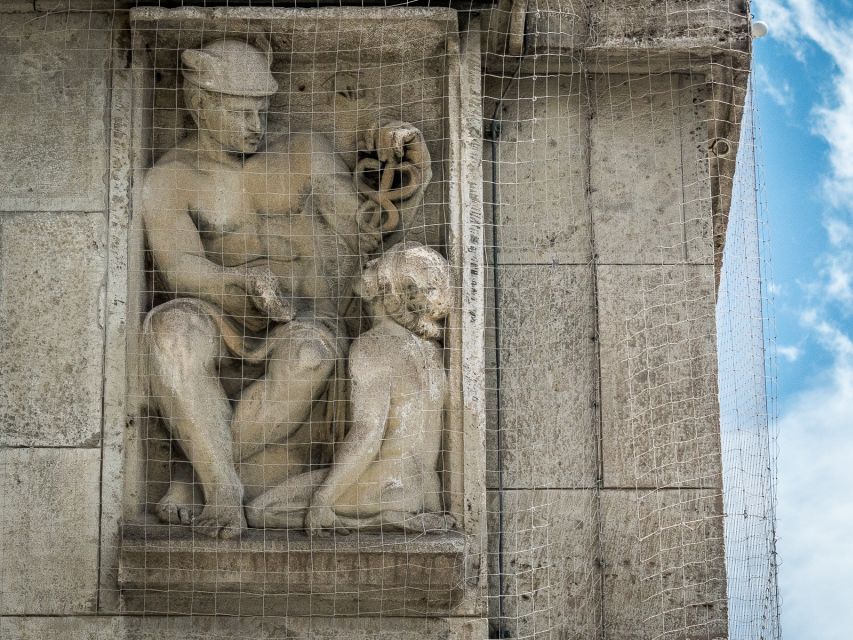
I would choose this tour if you like history with a puzzle attached. It suits visitors who enjoy symbols, disputed stories, old political networks, religious architecture, and the uneasy space between fact and legend.
It is also a good fit for repeat visitors to Munich. If you have already seen the main squares and churches, the guide gives you a new reason to return to familiar places. You may look at the Old Academy, St. Michael’s Church, and Frauenkirche differently afterward.
The tour may appeal to older children and teenagers who enjoy mysteries, but the German-language format remains the main test. You need enough German to follow a spoken historical explanation, not just casual conversation.
I would hesitate if you want a standard Munich sightseeing tour covering major events, art, royal buildings, and daily life. This is a themed walk. Some of the content reaches beyond Munich, and one participant felt that local detail was not always strong enough.
The route is wheelchair accessible, which makes it easier for more people to consider. You should still confirm the current starting time when booking, since departure times can vary.
Practical booking advice
You can cancel up to 24 hours before the tour for a full refund, and you can reserve now while paying later. That is useful if your Munich schedule is still changing.
The meeting address is Neuhauser Str. 47, 80331, directly beneath Karlstor. The tour lasts two hours and is offered with a live German-speaking guide.
Before booking, make three checks:
- Can you follow historical German comfortably?
- Do you want a themed walk rather than a broad city tour?
- Are you interested in interpreting symbols instead of simply photographing landmarks?
If the answer to all three is yes, the format should suit you well.
Should you book the Illuminati tour?
Book it if you want to see Munich through secret signs, political suspicion, and the long afterlife of old societies. The best parts are the symbol hunt, the links between Freemasonry and Bavaria, and the chance to hear a strong guide such as Albert handle questions with energy.
Skip it if you need every story to stay tightly tied to Munich or if you prefer a conventional city tour. The subject sometimes becomes general, and the German-only format is a firm limit for many international visitors.
For the right audience, $29 buys two unusual hours in the city center. You will not leave with proof that a secret group runs the world. You may leave noticing far more of Munich than you did before.
FAQ
Where does the tour begin?
The meeting point is directly under the archway of Karlstor at Neuhauser Str. 47, 80331, in Karlsplatz.
How long does the tour last?
The tour lasts two hours.
Is the tour offered in English?
The regular tour is in German. English is available only for a private tour.
How much does the tour cost?
The price is $29 per person.
Is the tour wheelchair accessible?
Yes, the activity is listed as wheelchair accessible.
Can I cancel the booking for a refund?
Yes. You can cancel up to 24 hours in advance for a full refund. You can also reserve your place and pay later.
Just added around Munich
- Munich: Private or Group Third Reich and WWII Walking Tour★ 4.9 · 13 reviews
- From Munich: Neuschwanstein Castle and Linderhof Private Tour★ 5.0 · 13 reviews
- Private Transfer from Munich to Salzburg with 2 hours for sightseeing★ 4.5 · 13 reviews
- Munich: Historical Walking Tour on the Rise of Hitler★ 5.0 · 13 reviews
- Private Scenic Transfer from Munich to Prague with 4h of Sightseeing★ 5.0 · 13 reviews
- From Munich: VIP day trip to Salzburg★ 5.0 · 14 reviews
- National Socialism WWII with licensed guide – private tour★ 5.0 · 14 reviews
- Munich: Walking Tour Old Town 3D VR Tour in GERMAN★ 4.3 · 14 reviews
Munich Tours, compared.
Neuschwanstein & Linderhof Castle-Fairytale Day Tour from Munich
Read our review →
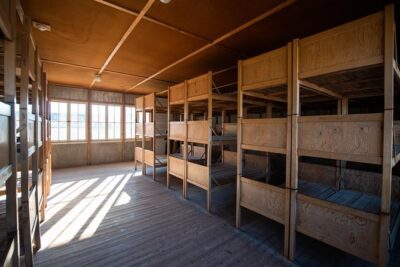
Dachau Concentration Camp Memorial Site Tour from Munich by Train
Read our review →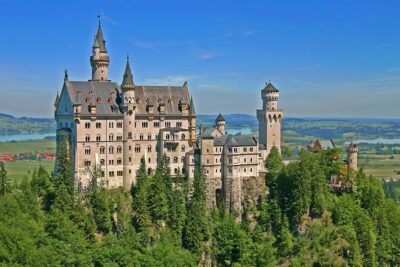
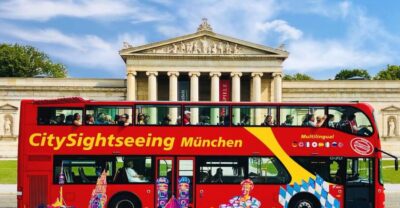
Munich Hop-On Hop-Off Tour: 1-Day or 2-Day Ticket
Read our review →
Browse the lists this tour appears in