
Reviewed · LUBECK TOURS
Lübeck: Architecture and Local Craft Private Guided Tour
Lübeck’s bricks tell better stories than many guidebooks. I like this private walk because it connects Hanseatic brick architecture with everyday life, from sagging houses to merchant courtyards. I also like the small-group format, which gives you room to ask questions instead of simply following a flag through town. The main drawback is the short 90-minute running time, especially if you want to enter several churches.
This tour is at its best for curious first-time visitors who want the old town explained, not just photographed. The guide covers Lübeck’s street plan, building methods, churches, townhouses, and local brick-making, while the optional church entry fees remain separate. The flexible start time, available between 9 AM and 7 PM, makes it easier to fit around a day in the city.
In This Review
- Key points to know before booking
- Why Lübeck’s brick buildings deserve a closer look
- Meeting at the Holstentor
- The medieval street system and changing building plots
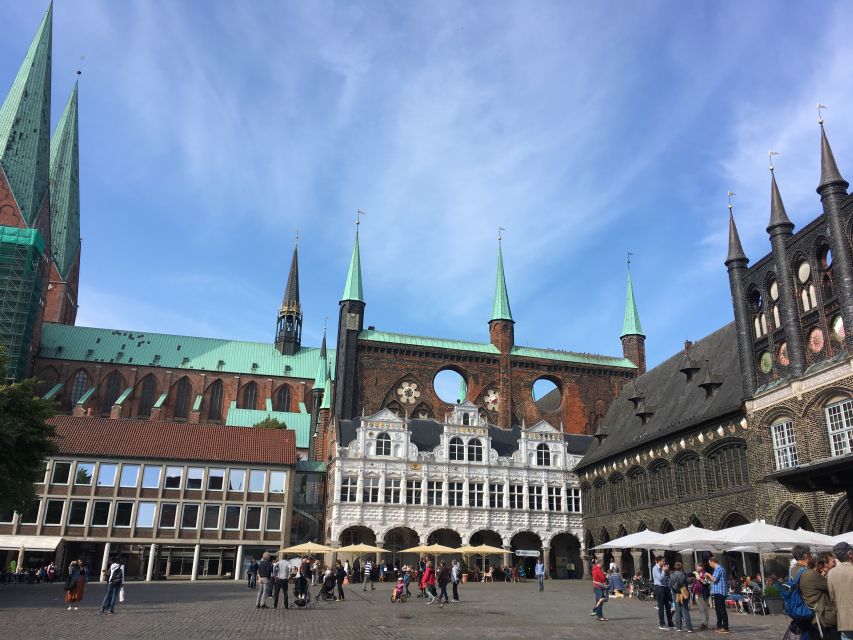
- The market place, town hall, and St. Marien
- Passing through Buddenbrockhaus
- Glockengießerstraße and the city behind the façades
- Brick-making as a local craft
- What the guide adds to the experience
- Is $277 a fair price for up to eight people?
- How the 90-minute timing affects your visit
- Who should book this private Lübeck walk?
- Final recommendation: book it for context, not just landmarks
- FAQ
- Where does the tour begin?
- How long does the tour last?
- Is the tour private?
- What languages are available?
- What time can the tour start?
- Are church entrance fees included?
- Are food and drinks included?
- What is the cancellation policy?
Key points to know before booking
- The tour starts at the Holstentor, one of Lübeck’s most recognizable landmarks and an easy place to find your guide.
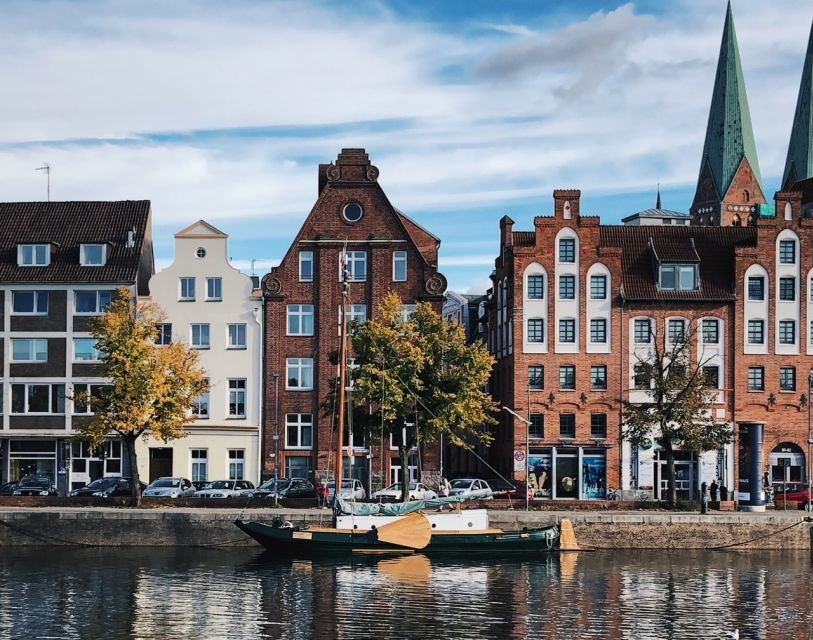
- Brick is the central character, with the walk explaining why this material mattered so much to medieval Lübeck.
- You visit the town market, including the town hall and St. Marien, also known as the Ratskirche.
- Glockengießerstraße brings the small details, with passages, courtyards, and older residential spaces.
- The private format suits question-askers, with space to discuss architecture, local customs, and Lübeck’s past.
- The price is $277 per group of up to eight, which can be fair for a full private group but costly for one or two people.
Why Lübeck’s brick buildings deserve a closer look
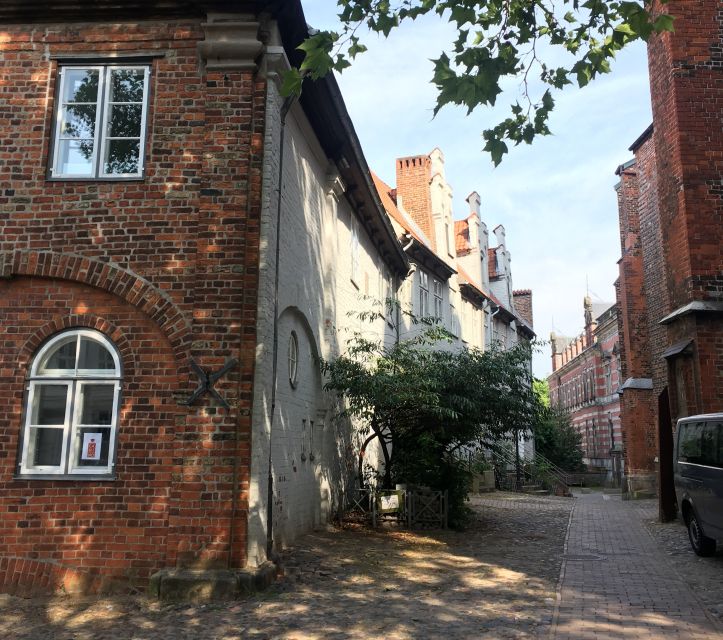
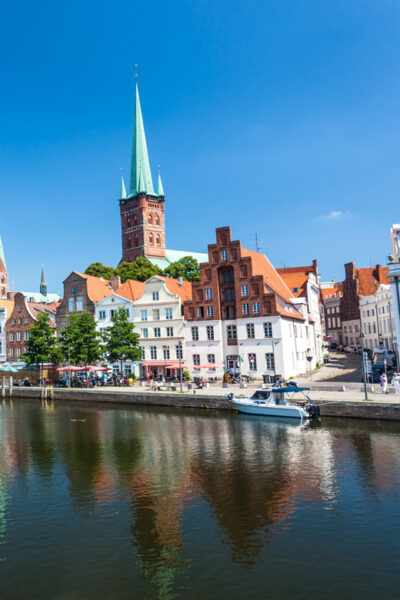
Lübeck is a UNESCO World Heritage city known for Gothic brick architecture. That description can sound dry until you walk among the buildings and start noticing how much personality the brick gives the town.
The tour focuses on the practical side of construction. You learn about the original street system, the way building areas were artificially expanded in the Middle Ages, and the changes made to gables over time. These details help explain why Lübeck does not look like a city built all at once.
I especially like the attention paid to sagging houses. Old buildings do not always remain perfectly straight, and here that is part of the story rather than a flaw to hide. You get a clearer sense of how centuries of construction, alteration, and changing needs affected the city.
The tour also looks at playfully decorated townhouses and magnificent church buildings. That mix is useful. You are not only staring at grand monuments. You are also reading the smaller clues on ordinary homes and streets.
A few more tours and experiences worth a look
- Lübeck: Backyards and Town Houses Private Guided Tour
★ 4.9 · 23 reviews - Lübeck: Old Town Highlights Private Walking Tour
★ 4.8 · 8 reviews - Lübeck: Private Historical and Architectural Walking Tour
★ 4.5 · 6 reviews
Meeting at the Holstentor
Your guide meets you directly at the entrance of the Holstentor. This is a practical starting point because the landmark is famous, visually distinctive, and easy to identify once you are in the area.
The Holstentor is also an appropriate introduction to Lübeck. It represents the city’s old power and its connection with the Hanseatic world, while its heavy brick construction sets the tone for the rest of the walk.
You should arrive with comfortable shoes and a little time to orient yourself. The tour lasts 90 minutes, so a late arrival would cut into a fairly compact schedule. Your guide contacts you after booking to arrange the exact starting time, so you are not locked into one standard departure.
The walk is private and available in English or German. That matters more than it may seem. Architecture tours can move quickly when a guide has to address a large mixed group. Here, you can stop to ask why a building was altered, how a courtyard worked, or what a particular street once meant.
The medieval street system and changing building plots
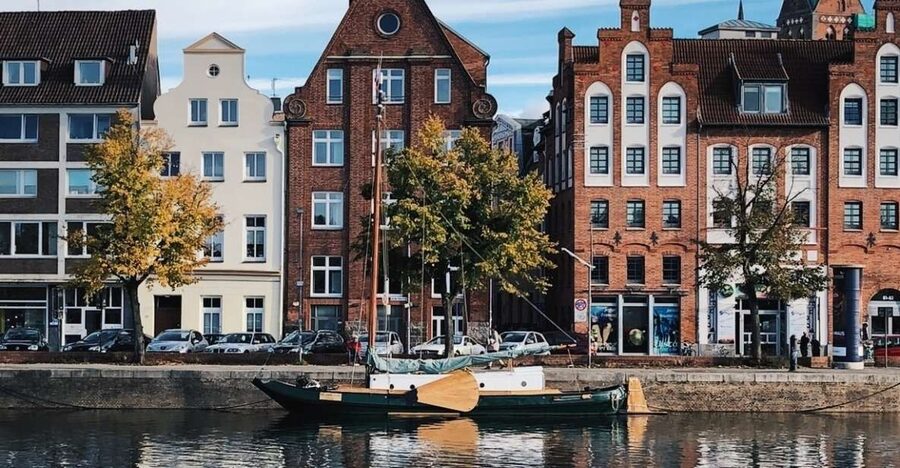
Early in the walk, the guide explains Lübeck’s original street system and the medieval expansion of construction areas. This gives you a useful map in your head as you move through the old town.
Cities often look fixed when you visit them, but Lübeck’s buildings reflect constant adjustment. As construction areas expanded, residents and builders had to work within changing limits. Streets, houses, and building plots were shaped by practical needs, not by a single grand plan.
I like this part because it turns a casual stroll into a lesson in urban planning. You begin to notice how streets relate to the buildings around them. You also learn why older houses may sit at unusual angles or have altered fronts.
The discussion of modern gable alterations adds another layer. Lübeck is not a preserved stage set. Its buildings have been repaired, changed, and adapted. The tour helps you separate original features from later work without pretending that every building has remained untouched.
The market place, town hall, and St. Marien
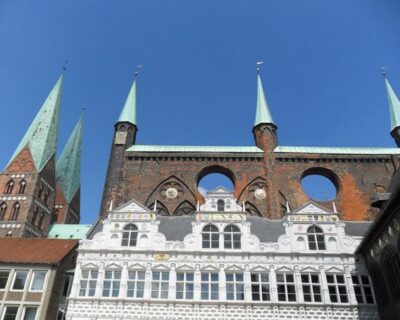
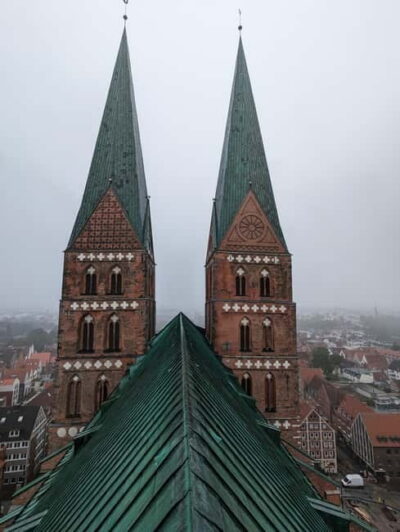
The town market is one of the tour’s major stops. Here, you can admire the town hall and the church of St. Marien, often called the Ratskirche.
This is where Lübeck’s civic and religious power comes together. The town hall represents public government and commerce, while St. Marien reflects the importance of the church to the city’s public life. Even if you are not an architecture specialist, the setting makes the relationship easy to understand.
The church buildings receive particular attention throughout the tour. Lübeck is famous for its churches, and the guide explains their place in the city rather than treating them as isolated monuments.
Church entry fees are not included. If you want to go inside, the optional fee is listed as 2 euros. That is a modest extra, but you should know that the basic tour price covers the guide, not every interior visit.
The time limit may affect how much you see inside. With only 90 minutes for the complete route, this is mainly an architecture and city-history walk. It is not designed as a long church tour with time for quiet interior study.
Something different for another day:
- Lübeck: 1-Hour Splash Bus City Tour
★ 4.0 · 2,626 reviews - Lübeck: entertaining guided tour to old town highlights
★ 4.7 · 594 reviews - Lübeck: Entertaining Tour Through Hidden Courtyards
★ 4.8 · 483 reviews - Lübeck: Electric Boat Rental – without driving licence
★ 4.8 · 174 reviews
Passing through Buddenbrockhaus
The route continues through the Baroque Buddenbrockhaus. This part of the walk helps show how Lübeck’s architecture changed across different periods.
A Baroque building makes a useful comparison with the Gothic brick churches and older Hanseatic structures. You can see how decoration, proportions, and design preferences shifted over time. The tour does not reduce Lübeck to one architectural style, which is one of its strengths.
The passage through Buddenbrockhaus also helps connect grand architecture with the city’s literary and domestic associations. Based on the information available, the visit is part of the walking route rather than a separate long interior program, so you should not expect an extended house-museum visit.
That distinction matters. If you want a detailed museum experience, you may need to make separate plans. If you want to understand how different periods sit side by side in Lübeck, this stop fits well.
Glockengießerstraße and the city behind the façades
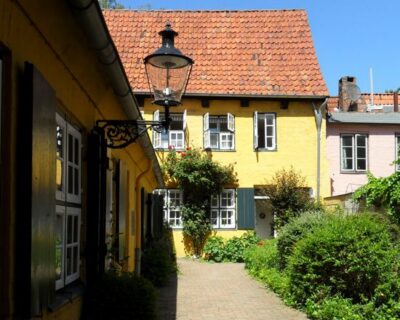
Glockengießerstraße brings the tour into a more intimate part of Lübeck. Here, you can see several passages and courtyards and hear how they were built and used.
These spaces are often more revealing than a grand square. A decorated façade shows how a city wanted to present itself. A passage or courtyard shows how people actually moved, worked, and lived behind that façade.
I like that the tour gives these smaller spaces real attention. They make Lübeck feel less like a collection of postcard buildings and more like a functioning old town shaped by households, trades, and limited space.
The guide also discusses local merchants and takes you to a merchant’s house. This adds a human scale to the architectural material. You hear about the people who helped make Lübeck wealthy and about the buildings connected with their work and homes.
Because the tour is private, this is a good moment to ask about details that catch your eye. You might want to ask how courtyards were arranged, why certain passages were built, or how a merchant’s house differed from other homes. The experience is strongest when you treat it as a conversation rather than a fixed lecture.
Brick-making as a local craft
The craft element gives this tour more depth than a standard city walk. Your guide explains brick-making and why mastering the craft mattered to Lübeck and its inhabitants.
Brick was not just a surface treatment. It shaped what the city could build and how it expressed wealth, status, and civic importance. Once you understand the labor and skill involved, the walls and churches become easier to appreciate.
This is also where the title’s local craft focus earns its place. You are not only learning that Lübeck has brick buildings. You are learning why brick-making was important enough to affect the city’s identity and development.
The subject should appeal to you if you enjoy practical history. Instead of memorizing dates, you connect material, labor, trade, and architecture. It is the kind of explanation that can change how you look at the next brick wall you pass.
The tour does not include food, drinks, or a hands-on workshop. If you are expecting to make a brick or visit a production site, this is not that kind of craft experience. The craft is explained as part of the city walk.
What the guide adds to the experience
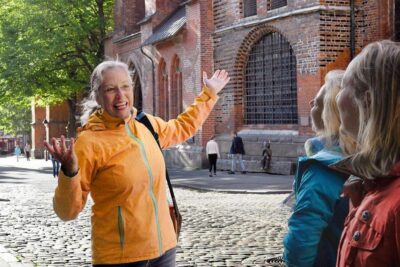
The guide is the key variable in any private walking tour, and the available feedback is especially strong on this point. One guest from Denmark praised the guide’s command of Lübeck’s history. A German guest described the tour as very informative and appreciated receiving detailed answers to questions.
Other comments highlight an engaged and highly competent female guide. No guide name is provided, so I would not expect to request a particular person. Still, the repeated praise points to the most valuable part of the experience: clear explanation and a willingness to respond to questions.
That makes this tour a better fit for you if you enjoy asking follow-up questions. If you prefer to wander silently and take photographs, a self-guided route may offer better value.
The language choices are English and German. You should select the language you want when arranging the tour and confirm the details when the guide contacts you.
Is $277 a fair price for up to eight people?
The stated price is $277 per group of up to eight people, not per person. For a full group, that works out to about $35 per person. For four people, it is roughly $69 each. For only two people, the cost is about $139 each, which is a much harder value to defend for a 90-minute walk.
The private format explains part of the price. You are paying for a dedicated professional guide, a flexible start time, and the chance to shape the conversation around your interests. You are not paying for a meal, transport, or a long list of admissions.
I would consider it good value for a family or group of friends who want a focused introduction to Lübeck. It is less attractive for a solo visitor or couple unless private guiding is a high priority.
The optional 2 euro church entry fee is small, but it reinforces the need to think of this as a guided walking experience rather than an all-inclusive attraction ticket. The main purchase is the guide’s time and interpretation.
How the 90-minute timing affects your visit
Ninety minutes is enough to cover the main architectural themes and several important locations. It is also short enough to fit into a busy day in Lübeck.
You should expect a steady walking pace with stops for explanation. The route includes the Holstentor, the market place, St. Marien, Buddenbrockhaus, Glockengießerstraße, passages, courtyards, a merchant’s house, and discussion of the city’s churches and building traditions.
That is a lot for an hour and a half. You will get an informative overview, but you may not have time for long interior visits, extended photography, or relaxed pauses at every stop.
I would book it near the start of your stay if possible. The tour can help you understand the old town before you explore on your own. You can then return to the buildings or churches that caught your attention.
The start time can be arranged between 9 AM and 7 PM. This flexibility is useful if you arrive late, have another activity booked, or prefer a quieter part of the day.
Who should book this private Lübeck walk?
I would recommend it to you if you:
- Like architecture but want plain explanations rather than a specialist lecture.
- Enjoy local stories about residents, merchants, and old building practices.
- Prefer a private group to a large public tour.
- Want to ask questions about details you see along the way.
- Have a group large enough to share the fixed price.
- Need a flexible start time between morning and evening.
I would be more cautious if you want a long museum visit, a food experience, or a hands-on craft session. Those are not included.
You should also think about the fixed 90-minute schedule. It gives you a useful introduction, but it cannot cover every church, courtyard, and building in detail.
Final recommendation: book it for context, not just landmarks
I would book this tour if you want Lübeck’s old town to make sense. The best parts are the explanations of brick-making, medieval building areas, sagging houses, courtyards, and the way civic, religious, and merchant life shaped the city.
The private format and praised guide quality give it a personal feel, while the flexible start time makes planning easy. The main question is price. A full group of eight gets solid value, but a couple may find the cost high for 90 minutes.
For the best experience, arrive ready to ask questions and decide in advance if you want to pay the small optional fee to enter a church. If your goal is an informed first look at Lübeck’s architecture and local craft traditions, this is a practical choice. If you only want a quick photo walk, save the money and explore independently.
FAQ
Where does the tour begin?
Your guide meets you directly at the entrance of the Holstentor in Lübeck.
How long does the tour last?
The tour lasts 90 minutes.
Is the tour private?
Yes. It is arranged for a private group of up to eight people.
What languages are available?
The tour is available in English and German.
What time can the tour start?
The tour can begin at a preferred time between 9 AM and 7 PM. The guide contacts you after booking to arrange the exact time.
Are church entrance fees included?
No. Church entry is optional and costs 2 euros.
Are food and drinks included?
No. Food and drinks are not included.
What is the cancellation policy?
You can cancel up to 24 hours in advance for a full refund. You can also reserve now and pay later.
Just added around Lubeck
- Lübeck: Private Historical and Architectural Walking Tour★ 4.5 · 6 reviews
- Lübeck: Old Town Highlights Private Walking Tour★ 4.8 · 8 reviews
- Lübeck: Express Walk with a Local★ 4.9 · 10 reviews
- In Lübeck ist Weihnachten zu Haus.★ 4.6 · 10 reviews
- Lübeck Day Pass – Day ticket for Lübeck museums★ 4.0 · 15 reviews
- Lübeck: Backyards and Town Houses Private Guided Tour★ 4.9 · 23 reviews
- Lübeck zwischen Grusel und Geschichte Truecrime zu Halloween★ 4.9 · 35 reviews
- Lübeck: Hanseatic League History Walking Tour★ 4.9 · 57 reviews
Lubeck Tours, compared.
entertaining guided tour to old town highlights
Read our review →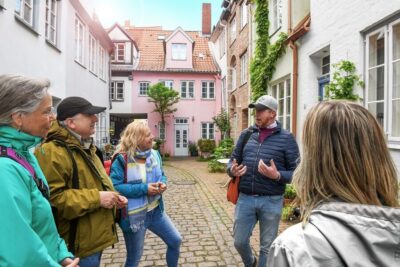
Lübeck zwischen Grusel und Geschichte Truecrime zu Halloween
Read our review →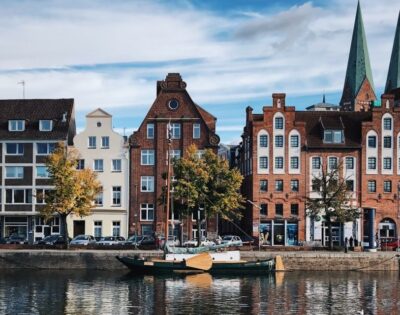
Browse the lists this tour appears in