
Reviewed · LUBECK TOURS
Lübeck: Entertaining Tour Through Hidden Courtyards
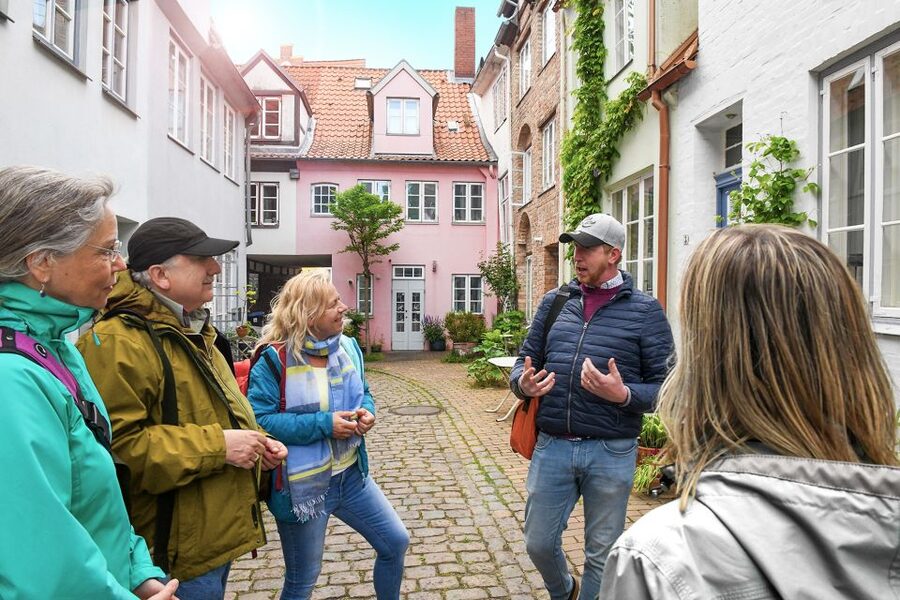
Lübeck’s best stories hide behind doors. This 90-minute walking tour leaves the grand streets of the old town behind and leads you into narrow corridors, small courtyards, and former workers’ quarters. I like the focus on ordinary city life, and I like that the tour connects these tucked-away spaces to Lübeck’s Hanseatic wealth and medieval housing crisis.
The biggest consideration is language: the live guide speaks German only. You should also expect a walking tour through tight passages rather than a major monument visit, so this is best for anyone who enjoys local detail more than a checklist of famous sights.
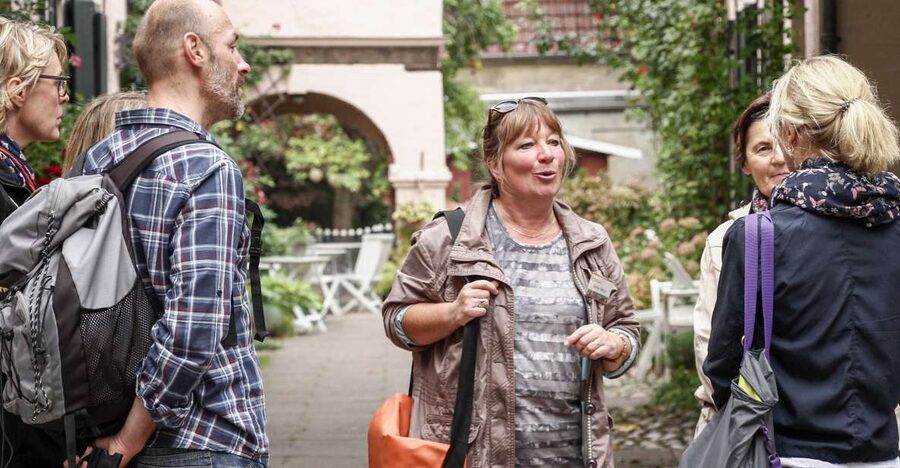
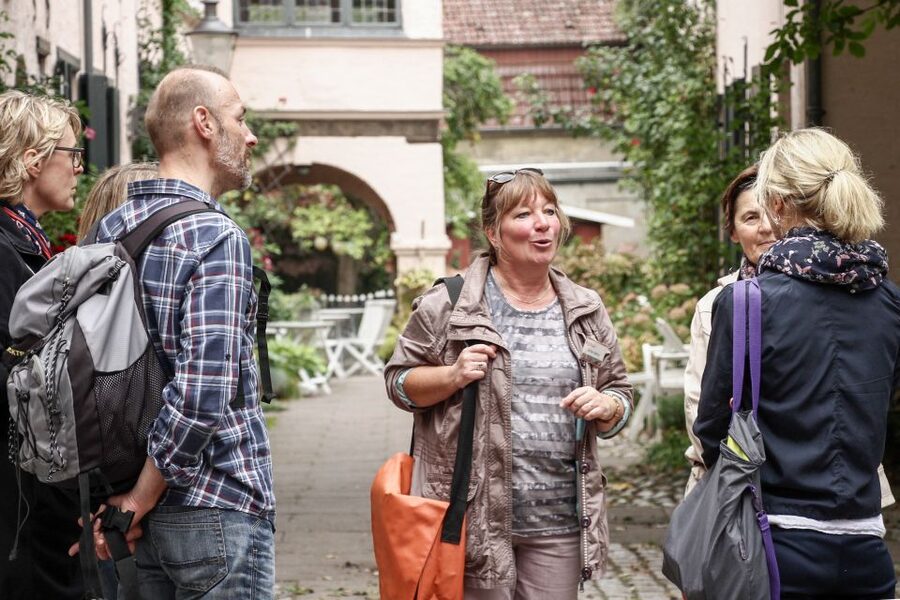
The small private-group format is another strong point. Recent bookings describe groups of just two or a few people, which made it easy to ask questions. At $20 per person, I think the price is fair for a focused 1.5-hour tour, especially if you have already seen Lübeck’s main squares and churches.
In This Review
- Key points about Lübeck’s courtyard tour
- Why Lübeck’s side streets tell the better story
- Meeting at the Burgtor
- Narrow corridors and crowded medieval housing
- Small stalls and the working side of Lübeck
- Monastery courtyards and housing for widows
- What the Hanseatic League adds to the walk
- How the private-group format affects the experience
- What the 1.5-hour schedule gives you
- Is $20 a fair price?
- Who should book this Lübeck walk?
- Practical details before you go
- Should you book the hidden-courtyard tour?
- FAQ
- Where does the Lübeck courtyard tour meet?
- How long does the tour last?
- What language is the tour conducted in?
- Is this a private tour?
- How much does the tour cost?
- What does the tour include?
- Can young children join the tour?
- Can I cancel for a full refund?
- Can I reserve the tour without paying immediately?
Key points about Lübeck’s courtyard tour
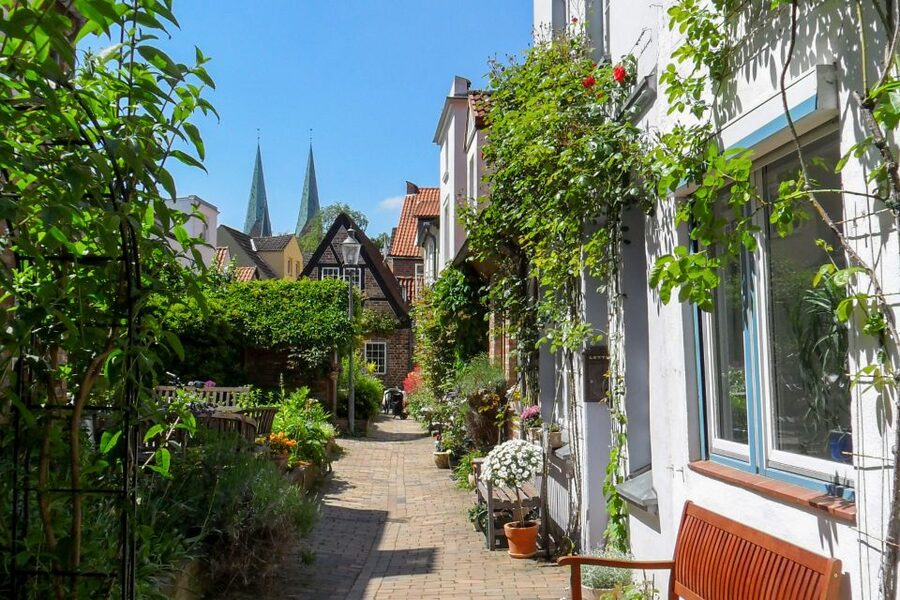
- Medieval housing under pressure: Learn how Lübeck’s growing population forced builders to create narrow corridors and small living spaces behind front buildings.
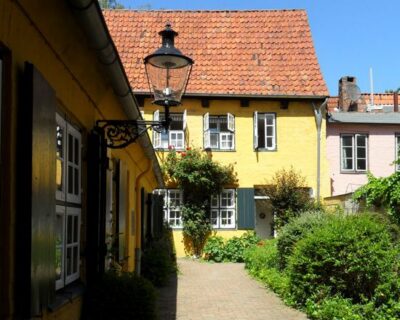
- Courtyards beyond the main route: Walk into picturesque spaces that are easy to miss when you stick to the broad streets of the old town.
- A close look at working life: See the small stalls where workers once lived, giving the tour a practical human scale.
- Hanseatic League context: Connect Lübeck’s wealth as a trading city with the crowded conditions that shaped its inner neighborhoods.
- Monastery courtyards and widows’ housing: Hear how merchant and shipper widows were housed in a very different era.
- German-language private tour: The tour is conducted in German and includes a live guide for a private group.
Why Lübeck’s side streets tell the better story
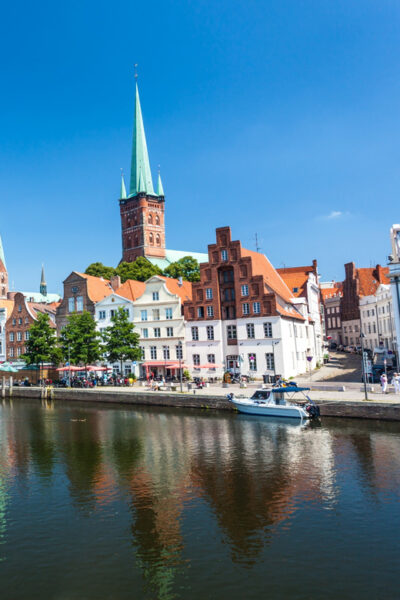
Lübeck is famous for its grand Hanseatic buildings, red-brick churches, and handsome old-town streets. Those sights matter, but they show the city from its polished public side. This tour takes you into the spaces behind the front façades, where the story becomes smaller, stranger, and more personal.
You follow narrow paths to courtyards and corridors that were shaped by a basic problem: too many people, not enough room. As Lübeck’s population grew during the Middle Ages, builders found ways to squeeze more homes and workshops into the existing city fabric. The result was a maze of passages leading behind the larger buildings along the main streets.
I find that context useful because it changes how you look at the architecture. A crooked passage is no longer just picturesque. It becomes evidence of pressure, adaptation, and the daily need for a place to live.
The tour also helps you understand the difference between Lübeck’s merchants and the people who made the city function. Trade brought money into the city, but workers needed housing, and families had to fit into small spaces. The courtyards give you a more grounded view of Hanseatic Lübeck than a parade of wealthy façades alone.
Other Germany trips people book alongside this one:
- Berlin: Reichstag, Dome and Government District Guided Tour
★ 4.7 · 18,288 reviews - Berlin: 1-Hour City Tour by Boat with Guaranteed Seating
★ 4.3 · 16,993 reviews - Hamburg: Sex and Crime in St. Pauli Tour for Ages 18+
★ 4.7 · 15,447 reviews
Meeting at the Burgtor
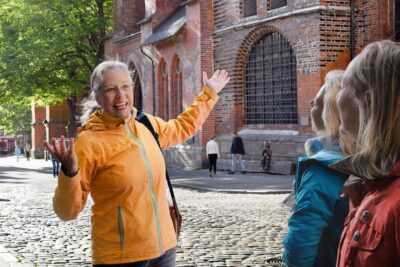
The tour begins in front of the Burgtor at Burgtorbrücke 2, outside the city. Look for the guide carrying an orange bag with the k3 logo.
This is a useful meeting point because the Burgtor is a clear landmark, but pay attention to the wording: the meeting point is on the outside of the city. Do not assume you should wait somewhere deep in the old town. Arrive with enough time to identify the guide before the group sets off.
The opening location also hints at the shape of the tour. You begin at one of Lübeck’s historic entrances, then move toward the old town and its less obvious residential spaces. The route is not presented as a standard march from one headline sight to the next. Instead, it uses the city’s structure to explain how people lived behind the main streets.
The guide carries the identifying orange bag, which is especially helpful if other walking groups are gathering near the gate. Since the tour is private, the start should be straightforward once you find the correct person.
Narrow corridors and crowded medieval housing
The most distinctive part of the route is the walk through Lübeck’s narrow corridors. These passages were created between front buildings to reach additional housing and work areas farther inside the blocks.
You can expect some of the most memorable views of the tour here, but they are not grand views. The appeal comes from scale. A tight passage suddenly opens into a small courtyard, or a modest entrance reveals a space that you would probably miss on your own.
The guide explains why these corridors appeared and how the city’s sharp population increase shaped them. That explanation gives the route a clear thread. You are not simply looking at old walls. You are seeing one answer to a medieval urban problem.
The corridors can also make you rethink the idea of a historic city center. Lübeck’s old town was not only a place of churches, merchants, and civic buildings. It was also a dense neighborhood where working families lived close together. The back courtyards preserve that less formal side of city life.
I would pay close attention to the transitions between the front buildings and the spaces behind them. The contrast is part of the experience. Main streets project order and status, while the corridors show how much activity was packed behind that public face.
Small stalls and the working side of Lübeck
The tour includes former stalls where workers lived. The word small is important here. These were not spacious residences, and the point is not to admire luxury. The value lies in seeing how limited housing fit into a wealthy trading city.
This is where the tour can feel most human. Hanseatic history often focuses on ships, merchants, trade routes, and political power. Those subjects explain Lübeck’s importance, but they do not tell you where ordinary workers slept or how the city made room for them.
The stalls help fill in that missing part of the picture. They show how the economic success of the city created demand for labor, while the physical limits of the old town pushed that labor force into compact quarters.
You may find the spaces more interesting than beautiful. Some courtyards are described as picturesque, but the former workers’ housing also points to crowding and hard limits. That balance is useful. The tour does not treat every old corner as a charming backdrop. It explains what those spaces were for.
If you enjoy architecture, look at the relationship between the entrances, passageways, and enclosed courtyards. If you prefer social history, focus on the people who used these spaces. Either way, the small scale makes the past easier to picture.
Something different for another day:
- Hamburg: 1.5-Hour Harbor and Speicherstadt Day Cruise
★ 4.6 · 14,200 reviews - From Munich: Neuschwanstein & Linderhof Castle Full-Day Trip
★ 4.5 · 12,494 reviews - Dresden: Semperoper Tickets and Guided Tour
★ 4.7 · 12,102 reviews - Berlin: Boat Tour Along the River Spree
★ 4.4 · 11,252 reviews
Monastery courtyards and housing for widows
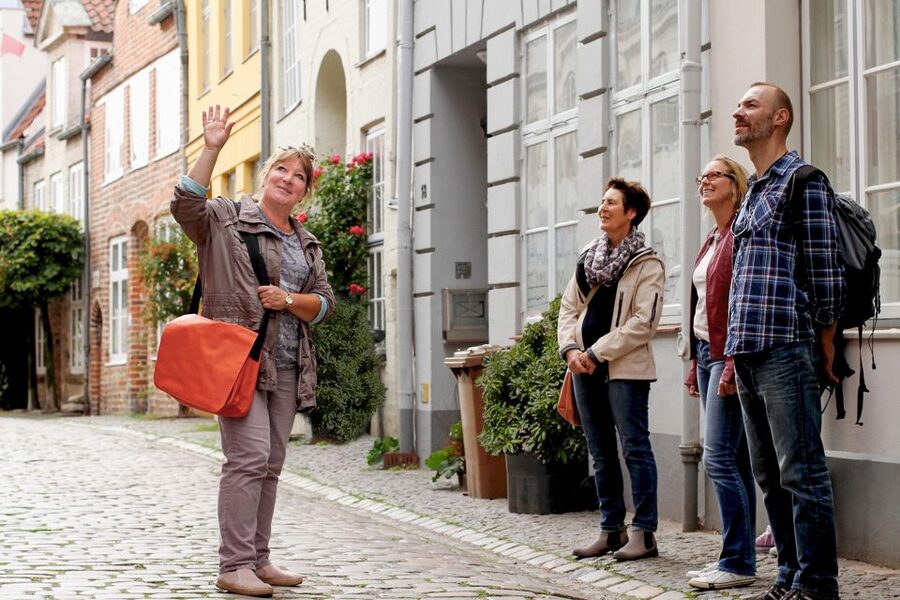
Another important part of the walk is the visit to monastery courtyards. These spaces take you into a different chapter of Lübeck’s social story.
You also hear how merchant and shipper widows were housed. That detail is worth pausing over because it shows how status, charity, family circumstances, and housing were connected. A widow from a merchant or shipping family occupied a different place in society from a laborer, yet she still needed a secure home.
The courtyards associated with this history offer a calmer counterpoint to the cramped worker stalls. You can compare different forms of housing and ask what they reveal about the people who lived there. The tour’s strength is this movement between urban planning and individual lives.
The guide takes you back to an earlier period without turning the experience into a dry lecture. The supplied tour details describe the presentation as entertaining, and the high rating reflects how well the guide keeps the material moving. Recent comments also describe the tour as short, interesting, and full of things to discover.
You should not expect a long stop at every location. The entire outing lasts 1.5 hours, so the route has to keep a steady pace. That is a benefit if you want a concentrated introduction, but it may feel brief if you want extensive architectural analysis at each courtyard.
What the Hanseatic League adds to the walk
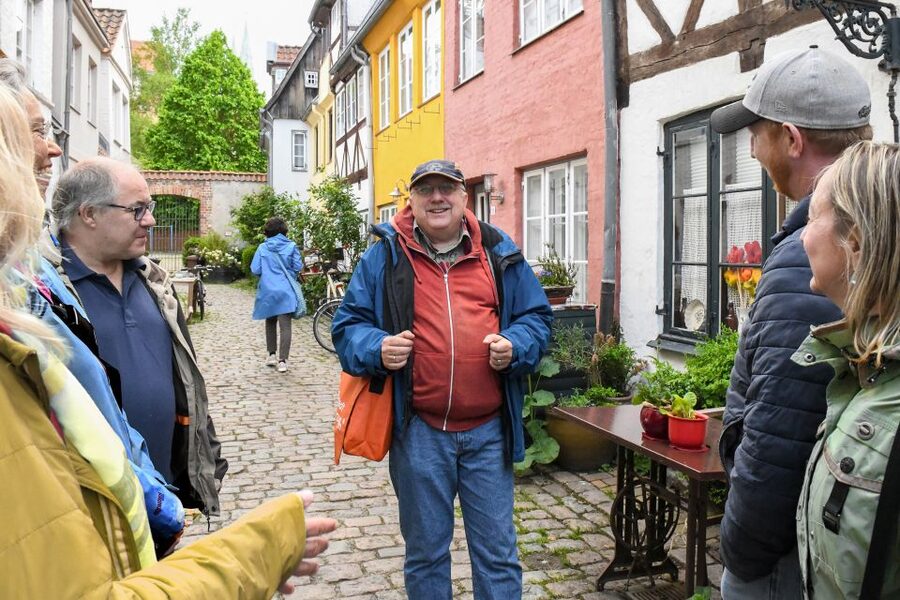
The Hanseatic League is not just a background label here. It helps explain why Lübeck became crowded and why the city developed such a complicated mix of grand commercial buildings and modest residential spaces.
The guide connects the city’s growth to the housing arrangements you see along the route. Lübeck’s role in regional trade brought in merchants, sailors, craftspeople, and workers. As the population rose, available plots inside the city could not simply expand outward in the modern way.
That pressure encouraged narrow corridors and extra dwellings behind the larger buildings. In other words, the courtyards are part of the economic story. They are not separate from Lübeck’s trading power. They are one of its side effects.
I appreciate tours that explain cause and effect instead of presenting isolated facts. Here, the Hanseatic League leads naturally to questions about land, crowding, work, and social rank. You get a clearer picture of how a successful medieval city actually operated.
The tour also gives you a more useful way to explore the old town afterward. Once you know why these passages exist, you may notice similar arrangements elsewhere in Lübeck. The guide points out the special features, but the larger lesson is how to read the city for yourself.
How the private-group format affects the experience
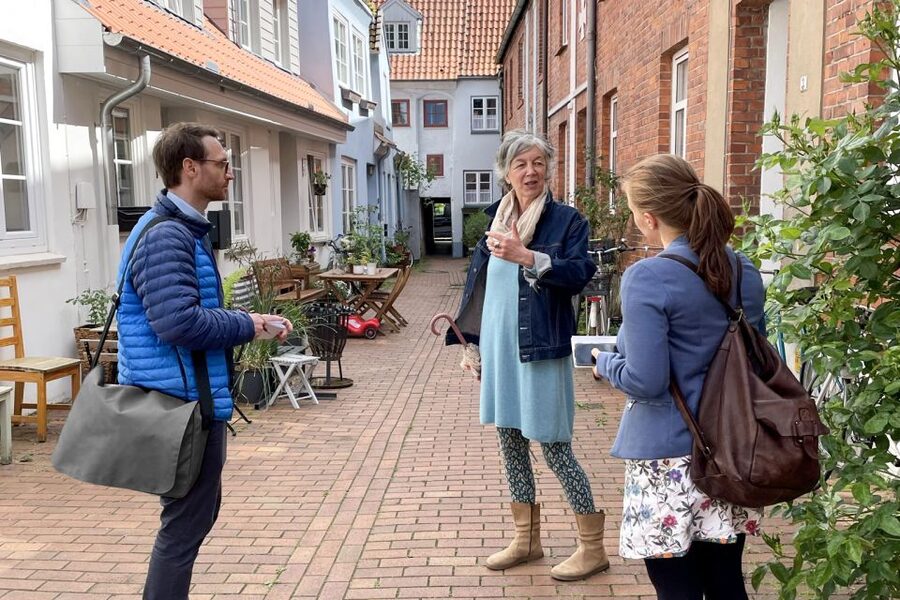
The booking is listed as a private group, and recent bookings describe very small groups, including one outing with only two people. That can make a real difference on a route built around narrow spaces.
In a small group, you can usually hear the guide more easily in enclosed courtyards, and you have room to ask about details that catch your eye. Recent feedback specifically praises the chance to ask individual questions and the guide’s ability to answer with a strong background in the subject.
That personal format is particularly valuable here because the route is not simply a fixed collection of photo stops. You may want to ask about a passage, a type of housing, or the difference between a monastery courtyard and a worker’s stall. A small group gives those questions more space.
The tradeoff is that a private-group booking can be less flexible than joining a large public walk, depending on the available start times. The activity page advises checking availability, so you should confirm a time that fits your day in Lübeck.
The tour is guided in German only. If you understand German well enough to follow spoken explanation, this format should suit you. If you do not, the experience will be difficult to use fully because the historical context is central to the walk.
What the 1.5-hour schedule gives you
Ninety minutes is a good length for this subject. It is long enough to visit several courtyards and corridors while keeping the tour from becoming tiring or overloaded with dates.
You should expect a walking route with frequent stops for explanation. The focus is on the spaces themselves and the stories attached to them, not on transport or a formal indoor attraction. Wear sensible shoes and be ready for narrow paths, though the supplied information does not specify a detailed accessibility profile.
The compact length also makes the tour easy to add to a day of sightseeing. You can use it as a focused introduction after arriving in Lübeck, or schedule it after visiting the city’s better-known sights. It works particularly well when you want to see a different side of the old town without committing to a half-day program.
The only caution is that 1.5 hours will not cover every corner of Lübeck. Think of this as a close look at courtyards and residential history, not a complete city tour. You will hear about old-town highlights along the way, but the main subject remains the hidden passages and the people who used them.
Is $20 a fair price?
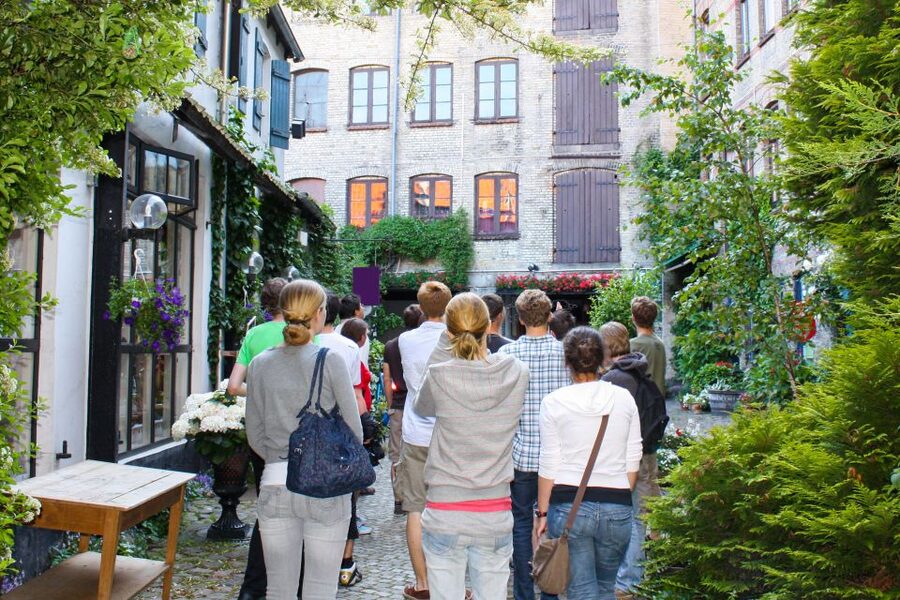
At $20 per person, this tour offers solid value if you care about context and local details. You are paying for a live guide, a private-group format, and a route designed around places that are easy to overlook without help.
The price is especially reasonable for a small group. A standard walking tour can introduce you to Lübeck’s main sights, but this experience focuses on spaces where a guide’s explanation makes the difference. Without the story of population growth, work, widows, and Hanseatic trade, a courtyard may simply look like an old courtyard.
Value depends on your interests. If you want grand interiors, major museum collections, or a long architectural tour, your money may be better spent elsewhere. If you enjoy discovering how people lived and want a route beyond the usual tourist path, $20 is a modest cost for a concentrated look at the city.
Children up to age five can join free. The tour is also free to cancel up to 24 hours before the start for a full refund, and you can reserve now and pay later. Those policies make it easier to fit the experience into a changing schedule.
Who should book this Lübeck walk?
I would choose this tour if you have already seen some of Lübeck’s central sights and want the city to become more personal. It suits people who like urban history, old housing, social stories, and small architectural details.
It is also a good fit for couples, families with older children who understand German, and small private groups that prefer to ask questions. The tour’s tone appears friendly and light rather than formal, and recent feedback repeatedly praises its entertaining, interesting pace.
You should think twice if you need an English-language guide. The activity is held in German, with no other language listed. You should also reconsider if you want a tour built mainly around famous landmarks, since the special appeal here is the less obvious route through courtyards and corridors.
For photographers, the small spaces may offer attractive compositions, but photography is not listed as a specific feature. Go for the history and setting first, and treat any good picture as an extra.
Practical details before you go
Meet the guide at the Burgtor, Burgtorbrücke 2, outside Lübeck’s old town. Look for the orange bag marked with the k3 logo.
Allow 1.5 hours for the walk and check the available starting times before booking. The tour is led live in German and is arranged for a private group.
Recent feedback gives the tour a 4.8 rating from 483 reviews. The most praised qualities are consistent: the route reaches places that would otherwise remain unnoticed, the guide keeps the presentation lively, the information has useful background, and the small group allows personal questions.
I would arrive ready to listen rather than rush from stop to stop. The best parts depend on understanding why the spaces were built and who lived there. Once that idea clicks, Lübeck’s courtyards stop looking like decorative leftovers and start reading as a record of medieval city life.
Should you book the hidden-courtyard tour?
Book it if you want Lübeck beyond the postcard version. The tour offers a clear story about population growth, Hanseatic trade, workers’ housing, monastery courtyards, and the homes provided for merchant and shipper widows. Its small-group format and $20 price strengthen the value.
Skip it if you need English, want a major indoor attraction, or prefer a broad survey of every famous sight. For German-speaking visitors who enjoy quiet corners and the practical details of old cities, this is a smart, focused addition to a Lübeck visit.
FAQ
Where does the Lübeck courtyard tour meet?
Meet the guide in front of the Burgtor at Burgtorbrücke 2, on the outside of the city. The guide will carry an orange bag with the k3 logo.
How long does the tour last?
The walking tour lasts 1.5 hours.
What language is the tour conducted in?
The live tour is conducted in German.
Is this a private tour?
Yes. The activity is arranged for a private group.
How much does the tour cost?
The listed price is $20 per person.
What does the tour include?
It includes a walking tour and a live guide.
Can young children join the tour?
Children up to five years old can join for free.
Can I cancel for a full refund?
Yes. You can cancel up to 24 hours in advance for a full refund.
Can I reserve the tour without paying immediately?
Yes. The reserve-now, pay-later option lets you book without paying at the time of reservation.
Just added around Germany
- e-Scavenger hunt Aachen: Explore the city at your own pace★ 4.0 · 13 reviews
- Munich: Private or Group Third Reich and WWII Walking Tour★ 4.9 · 13 reviews
- Canyoning Advanced Day Trip★ 5.0 · 13 reviews
- Wiesbaden Biebrich: Outdoor Escape Game★ 4.7 · 13 reviews
- Berlin: Private Guided Tour of the Main Sights★ 5.0 · 13 reviews
- From Munich: Neuschwanstein Castle and Linderhof Private Tour★ 5.0 · 13 reviews
- Trier, Moselle: Wine excursion with boat trip★ 3.9 · 13 reviews
- From Dresden: Guided Day Tour by Bus of Seiffen Toy Village★ 4.0 · 13 reviews
Lubeck Tours, compared.
entertaining guided tour to old town highlights
Read our review →
Lübeck zwischen Grusel und Geschichte Truecrime zu Halloween
Read our review →
Browse the lists this tour appears in