Reviewed · BERLIN TOURS
Gastro Tour with Klaus though the Wrangelkiez, Kreuzberg
Food tells Berlin’s story. This three-hour tour with Klaus pairs five tastings with the border history, parks, bridges, and streets of Kreuzberg’s Wrangelkiez. I like the mix of local context and international food, and I like that the route keeps you away from Berlin’s main sightseeing crowds. The main consideration is that drinks cost extra, and the food stops depend on the season.
I also like the small group cap of 15 people, which should make it easier to hear Klaus and ask questions. The $83.08 price is not cheap for a short walking tour, but five tastings, a local guide, and a full neighborhood story make it reasonable if you want more than a simple snack crawl.
In This Review
- Key points at a glance
- Why this Kreuzberg food walk works
- Starting at Oberbaumbrücke
- Lohmühleninsel and the former border zone
- Görlitzer Park, with the good and bad
- Falckensteinstraße and the first food stops
- Wrangelstraße and the neighborhood’s name
- What the $83.08 price includes
- Group size, timing, and practical details
- Who will enjoy this experience most
- Should you book the Wrangelkiez gastro tour?
- FAQ
- Where does the gastro tour begin?
- Where does the tour end?
- How long does the experience last?
- How many food tastings are included?
- Are drinks included in the price?
- Is the tour offered in English?
Key points at a glance
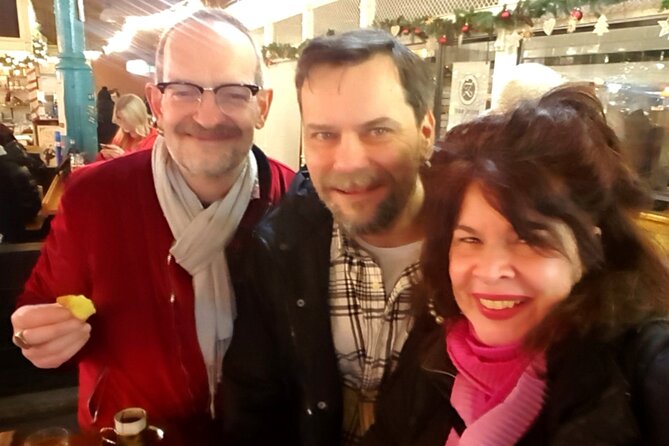
- Five tastings turn the route into dinner: You stop at five gastro partners, including street-food stalls, with portions intended to make a substantial evening meal.
- Klaus connects food with Berlin’s division: The route passes the Oberbaumbrücke, a preserved GDR watchtower, and former border areas before reaching the neighborhood’s food streets.
- Wrangelkiez feels local rather than staged: Falckensteinstraße and Wrangelstraße bring you into a dense mix of international food spots away from Berlin’s main tourist circuit.
- Görlitzer Park gets an honest explanation: Klaus covers both the park’s neighborhood role and the reasons for its current bad reputation.
- The tour ends near public transportation: The finish is around Schlesisches Tor, with the option to rest at a neighborhood pub depending on the season.
- The group is limited to 15: That matters on a food walk, where timing, conversation, and access to small eateries can quickly become awkward in a large crowd.
Why this Kreuzberg food walk works
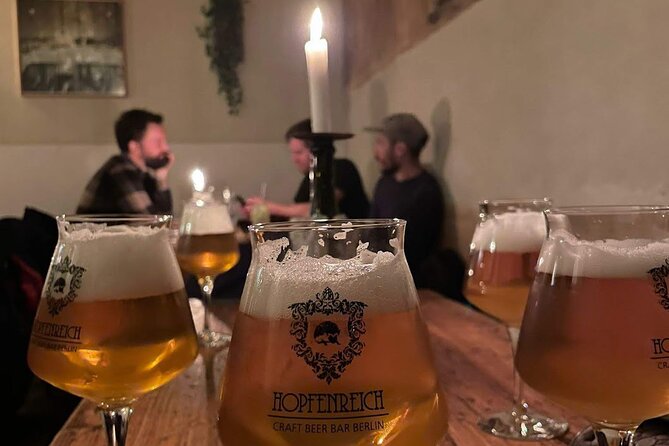
This experience is more than a sequence of bites. It uses food to help you read one of Berlin’s most mixed and changeable neighborhoods.
Kreuzberg’s Wrangelkiez has a strong international food scene, but the tour does not treat restaurants as isolated attractions. The route links them to bridges, former border ground, a park, a church, and streets shaped by Berlin’s divided past. That gives the evening a clear rhythm: look at the city, hear why it matters, then eat something connected to the neighborhood’s present.
I especially like that the tour includes places away from mass tourism. You are not simply being led from one famous Berlin sight to another. Instead, the route spends time in a corner of the city where the food scene is part of ordinary neighborhood life.
Klaus is the guide, and the experience depends heavily on his storytelling and personal food choices. He has been praised for being engaging and for sharing local history in a way that supports the meal rather than interrupting it. That balance matters. A food tour can become a lecture with snacks, or a meal with no sense of place. This one aims for both.
Other Berlin trips people book alongside this one:
- Berlin: Reichstag, Dome and Government District Guided Tour
★ 4.7 · 18,288 reviews - Berlin: 1-Hour City Tour by Boat with Guaranteed Seating
★ 4.3 · 16,993 reviews - Berlin: Boat Tour Along the River Spree
★ 4.4 · 11,252 reviews
Starting at Oberbaumbrücke
The meeting point is at Cuvrystraße 2, near the Oberbaumbrücke area. The bridge is the first major stop and sets the tone for the evening.
Oberbaumbrücke is one of Berlin’s best-known landmarks. Its importance here is not only its unusual appearance, but also its role as a link between East and West. The bridge carries local memories of Berlin’s division and reunification, making it a useful opening chapter before the route heads into Kreuzberg.
You spend about 10 minutes here. That is enough for an introduction and a few key points, but not a long architectural study. If the bridge interests you, arrive a little early so you can look around before the official start.
The location also helps you get your bearings. The route begins near a major Berlin landmark, then moves toward smaller places that many sightseeing schedules skip. I like that progression. It takes you from a recognizable symbol of the city into the less polished, more everyday setting of Wrangelkiez.
Lohmühleninsel and the former border zone
The next stop is Lohmühleninsel, a small parcel of land with an eventful past and lesser-known architectural monuments. You spend around 10 minutes here.
This is the sort of stop that gives the tour its value for repeat visitors to Berlin. You might know the major museums, the Brandenburg Gate, and the Berlin Wall memorials, yet still pass through this area without understanding what you are seeing. Lohmühleninsel adds local detail and shows how even a small piece of land can carry layers of city history.
The route then reaches a preserved GDR watchtower. The stop lasts about five minutes, so expect a concise explanation rather than an extended visit.
During Berlin’s partition, the Wall made Kreuzberg and Alt-Treptow peripheral parts of the city. A watchtower left in the former border area is a direct, physical reminder of that period. It is less grand than Berlin’s main historical sights, but that is part of its strength. You see a leftover piece of the border where the surrounding streets and parks have continued to change.
For me, this section keeps the food from feeling disconnected from place. International restaurants in Kreuzberg make more sense when you understand the neighborhood’s location, history, and relationship to the former border.
Görlitzer Park, with the good and bad
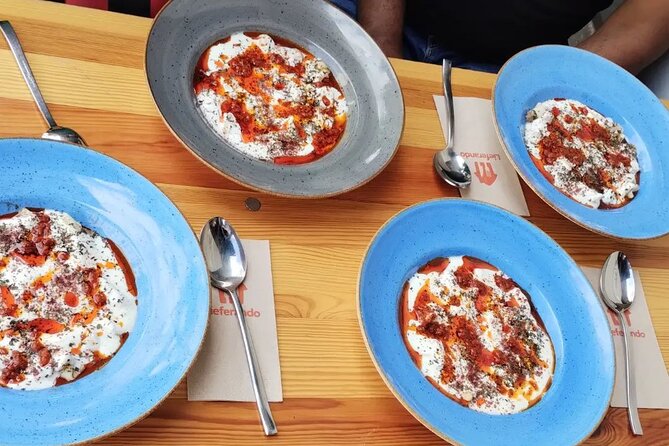
Görlitzer Park is the next short stop, lasting about 10 minutes. It serves as a neighborhood recreation area, but it also has a difficult public reputation.
Klaus covers the park’s history and explains why people talk about it in negative terms today. That frank approach is useful. You get more from a neighborhood tour when the guide does not present every stop as charming or picture-perfect.
The park is not included as a polished sightseeing attraction. Its value lies in what it shows about daily Kreuzberg: public space, local use, and the tensions that come with a busy inner-city area. You should listen to Klaus’s explanation rather than expect a long park visit or a formal attraction with admission and facilities.
The short stop also keeps the tour moving. Food tours can lose energy when too much time is spent at every landmark. Here, the park provides context, then the route turns toward the streets where the tasting portion becomes more prominent.
Something different for another day:
- Discover Berlin Half-Day Walking Tour
★ 5.0 · 9,624 reviews - Berlin: Hop-on Hop-off Bus Tour with Live Commentary
★ 4.3 · 8,579 reviews - Berlin: Government District around the Reichstag Guided Tour
★ 4.7 · 8,447 reviews - Berlin: Reichstag, Plenary Chamber, Cupola & Government Tour
★ 4.6 · 8,422 reviews
Falckensteinstraße and the first food stops
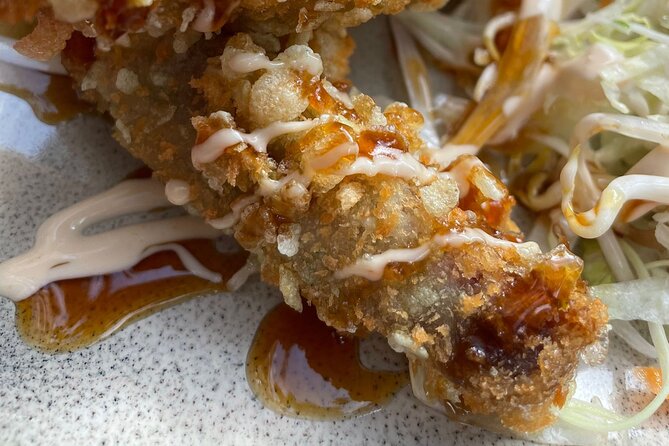
Falckensteinstraße is one of the main food sections of the tour. You spend about 30 minutes here, and Klaus points out personally tested highlights among the street-food stalls and other international gastro offers.
This is where the tour’s central idea becomes clear. You could walk the street alone and try your luck, but you would need to choose without knowing which places fit the evening, which foods work well in a tasting format, or how the stops connect to the area. Klaus removes some of that guesswork.
The description does not promise one specific cuisine, and that is a benefit. The food reflects the international character of the neighborhood rather than forcing it into a single theme. You receive selected tastings at five partner locations, with some stops possibly taking place at street-food stalls.
You should think of the food as a series of samples, not five restaurant meals. Still, the portions are intended to add up to enough food for a meal, and one particularly positive account described the evening as satisfying while introducing foods that would otherwise have been overlooked.
I like the personal selection here. Klaus has tested the highlights himself, so the tour is not just a map of whatever happens to be nearby. That does not guarantee that every stop will suit your taste, but it gives the food crawl a point of view.
Wrangelstraße and the neighborhood’s name
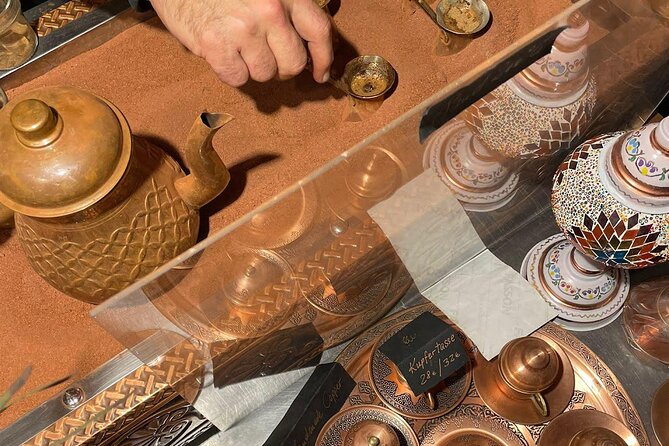
The route continues onto Wrangelstraße, the street that gives the neighborhood its name. This is another major food section, with a high concentration of international offerings.
The street also brings another historical detail: a church built in the style of a Romanesque monastery. That contrast is one of the reasons the tour works. In a short distance, you move between neighborhood food culture, older architecture, and the name behind the district.
You should expect a compact route rather than a long stop at every restaurant. The exact tasting partners can vary, since the tour ends at different nearby gastro locations depending on the season. That seasonal change is worth keeping in mind when you book. The general food-and-history idea remains the same, but the precise bites may not.
The tour can finish with an option to rest in a Kiez pub, or Klaus can take you toward Schlesisches Tor. The end point is near the subway station, where the train runs above ground rather than below it. This makes the finish practical if you plan to continue elsewhere in Berlin.
What the $83.08 price includes
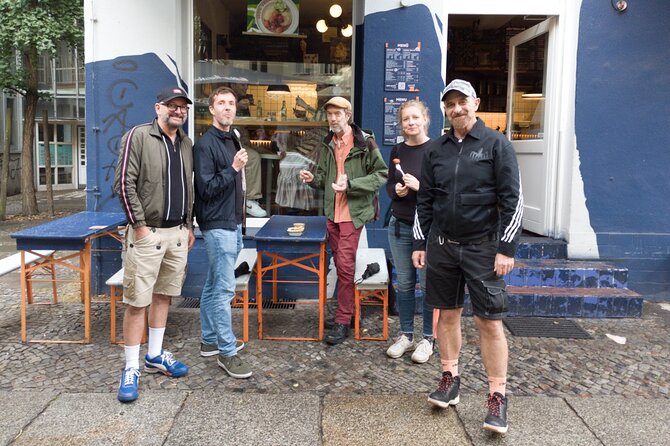
At $83.08 per person, the tour costs more than simply buying a few snacks on your own. The real question is what you value.
You receive five selected tastings, a local guide for about three hours, and access to food choices that Klaus has personally tested. You also receive the historical thread linking Oberbaumbrücke, Lohmühleninsel, the GDR watchtower, Görlitzer Park, Falckensteinstraße, and Wrangelstraße.
If you ate five small portions independently, the food alone might cost less or more depending on the venues. But you would not necessarily choose the same places, and you would miss the explanations that give the neighborhood meaning. I consider the price fair for someone who wants a guided evening with enough food to function as dinner.
It is less appealing if your main goal is simply to eat as cheaply as possible. Drinks are not included, so add that cost to your budget. The tour also makes more sense for someone who enjoys trying several foods than for someone who prefers one carefully chosen meal.
Group size, timing, and practical details
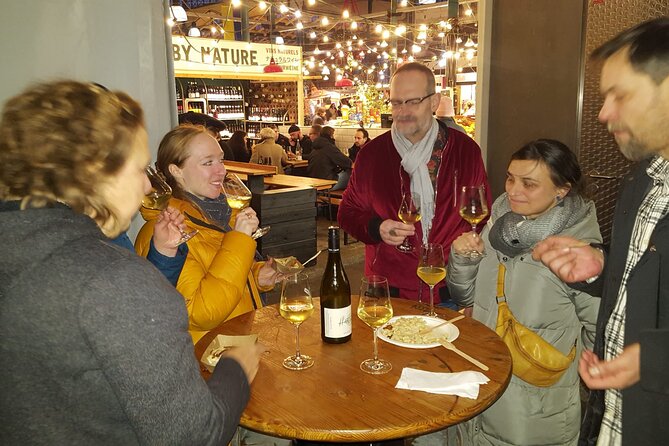
The experience lasts about three hours and is offered in English. The maximum group size is 15, which is small enough for a more personal guide-led walk but not the same as a private tour.
The schedule includes several short historical stops and longer food sections. The 10-minute visits at Oberbaumbrücke, Lohmühleninsel, and Görlitzer Park keep the outing focused. The 30 minutes on Falckensteinstraße and 20 minutes on Wrangelstraße give the food side more room.
The tour is near public transportation, and it ends near Schlesisches Tor. That makes it easy to plan as an evening activity rather than a full-day commitment. You should still confirm the exact ending gastro partner, since the final location changes with the season.
A mobile ticket is provided, and confirmation arrives within 48 hours of booking, subject to availability. The tour is generally suitable for most people, but the supplied details do not give a specific accessibility description, so you should ask the provider if you have mobility concerns.
The experience is usually booked about 94 days ahead. That suggests you should reserve early if your Berlin dates are fixed, especially since the group is limited and the tour requires a minimum number of participants.
Free cancellation is available up to 24 hours before the start time. Cancellations or changes made later are not accepted for a refund. If the minimum group is not reached and the experience is canceled, you are offered another date or experience, or a full refund.
Who will enjoy this experience most
I would recommend this tour to you if you want a neighborhood introduction with food built into the route. It suits first-time visitors who want to see a different side of Berlin, as well as repeat visitors who have already covered the city’s major sights.
It is particularly good for curious eaters. The international mix is the point, and Klaus’s role is to help you try foods you might not select on your own. One strong feature is that the food is not separated from the neighborhood. You eat in the same district whose streets, parks, and history you have just been exploring.
The tour also suits people who like local history in manageable portions. You get the Berlin division story, former border sites, and neighborhood details without spending the whole evening inside a museum or listening to a long formal talk.
I would think twice if you need a fixed restaurant itinerary, specific cuisines, or included drinks. The tasting partners can change with the season, and the exact food selections are not listed in advance. That flexibility is part of the appeal, but it may frustrate someone who wants a tightly specified menu.
Should you book the Wrangelkiez gastro tour?
Book it if you want an evening that combines five food tastings with Berlin history, especially if you prefer local streets to the city’s main tourist stops. The strongest parts are Klaus’s personal food choices, the fusion of food and neighborhood history, and the chance to see places such as the GDR watchtower and Lohmühleninsel in context.
Skip it if your priority is a low-cost meal, a private guide, or a guaranteed list of dishes. For everyone else, the $83.08 price is defensible because it covers more than food: it gives you a guided way to understand why Kreuzberg tastes and feels the way it does today.
FAQ
Where does the gastro tour begin?
The tour begins at Cuvrystraße 2, 10997 Berlin, Germany.
Where does the tour end?
It ends near Schlesisches Tor, with the exact gastro partner varying by season. The subway station is nearby, and Klaus may offer the option to rest at a Kiez pub before the end.
How long does the experience last?
The tour lasts approximately three hours.
How many food tastings are included?
Five tastings are included at gastro partners. Some stops may be street-food stalls.
Are drinks included in the price?
No. Drinks are not included.
Is the tour offered in English?
Yes. The experience is offered in English and includes a local guide.
Just added around Berlin
- Private Photo Tour in Kreuzberg★ 5.0 · 3 reviews
- Kreuzberg Private Walking Tour: Immigrants, Artists & Hipsters★ 5.0 · 3 reviews
- Individual city tour Berlin for max. 8 persons★ 5.0 · 3 reviews
- Berlin’s Jewish Heritage: Private Tour of the Vibrant Jewish District★ 5.0 · 3 reviews
- Berlin & The Third Reich Private Guided Tour★ 5.0 · 3 reviews
- Private Analogue Photography Experience in Berlin★ 5.0 · 3 reviews
- Spy Mission in Berlin: Self-Guided Espionage Puzzle Quest★ 5.0 · 3 reviews
- Berlin Christmas Markets Walking Tour with Local Guide★ 5.0 · 3 reviews
Berlin Tours, compared.
Reichstag, Dome and Government District Guided Tour
Read our review →
1-Hour City Tour by Boat with Guaranteed Seating
Read our review →

Government District around the Reichstag Guided Tour
Read our review →
Reichstag, Plenary Chamber, Cupola & Government Tour
Read our review →