
Reviewed · MUNICH TOURS
From Munich: Berchtesgaden Foothills and Obersalzberg
The Alps make a dramatic first impression. This 10-hour trip from Munich combines spectacular mountain and lake views with a serious look at the Nazi past around Obersalzberg, giving you more than a quick photo stop. I especially like the comfortable coach ride and the careful planning around the Eagle’s Nest, including the mountain bus and tunnel elevator. I also appreciate the salt mine alternative when fog, snow, or ice shuts down the high route. The main drawback is simple: this is a long day, with roughly two hours on the road each way and several timed connections once you reach the mountain.
The tour costs $80 per person, which is fair for a full-day guided outing with luxury-bus transport. You should budget extra for the special bus to the Eagle’s Nest, currently €35 and payable by credit or debit card, and bring comfortable shoes, a passport or ID card, and a warm layer.
In This Review
- Key points at a glance
- Why this Munich day trip is worth a full day
- Leaving Munich by luxury coach
- The Berchtesgaden foothills and the Alpine Way
- The Nazi Documentation Center and Obersalzberg’s difficult past
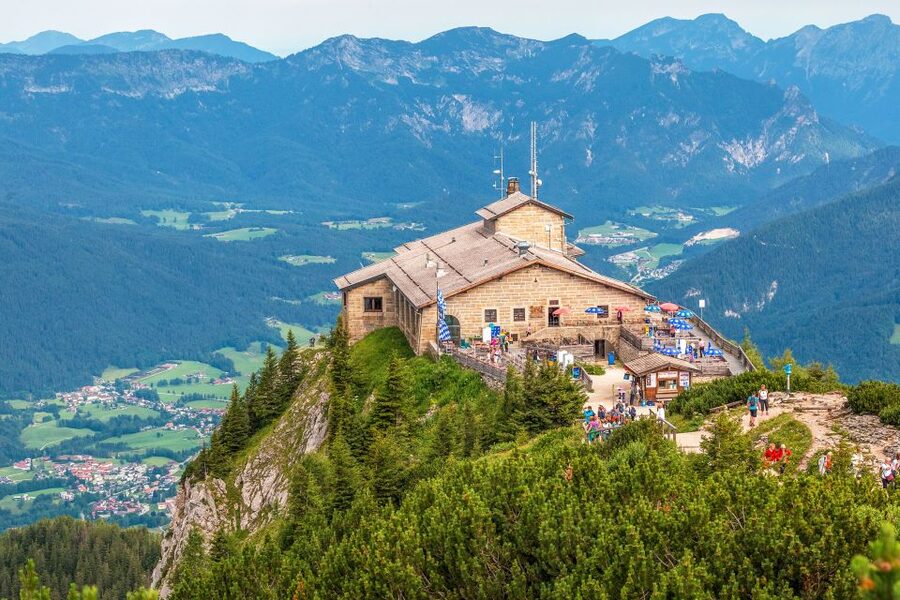
- Riding to the Eagle’s Nest and Kehlsteinhaus
- What happens when the weather closes the summit
- Lunch, free time, and the limits of the schedule
- What the $80 price really covers
- The guides are a major part of the experience
- Who should book this tour?
- Practical details before you go
- Should you book the Munich to Eagle’s Nest tour?
- FAQ
- How long is the tour from Munich?
- What does the $80 tour price include?
- Is the Eagle’s Nest bus included in the price?
- What happens if the weather is bad?
- Where does the tour depart from?
- What should I bring?
Key points at a glance
- The Eagle’s Nest is weather dependent: Fog, snow, and ice can replace the high-altitude visit with a salt mine tour in Berchtesgaden.
- The mountain transfer costs extra: The special bus service to Kehlsteinhaus is not included in the $80 tour price.
- Obersalzberg mixes beauty with difficult history: The Nazi Documentation Center helps explain why this peaceful-looking mountain area became important to the Third Reich.
- The guide makes a major difference: Guides such as Ursula, Elisabeth, Beatrix, and Lotte have been praised for clear explanations, humor, and good timekeeping.
- The return route is part of the attraction: The Deutsche Alpenstrasse winds through Alpine valleys and Bavarian foothills rather than simply retracing the morning journey.
- You need stamina: The day involves a long coach ride, walking, waiting, and an underground elevator, so it is not suited to people with mobility impairments or claustrophobia.
Why this Munich day trip is worth a full day
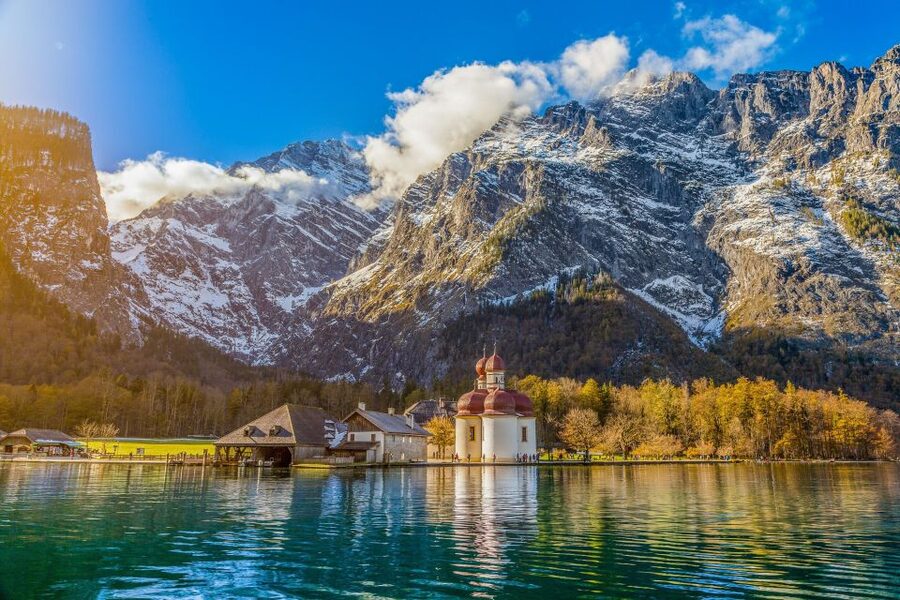
Munich has plenty to keep you occupied, but the Bavarian Alps offer a completely different sense of place. This excursion carries you south toward Berchtesgaden, where forests, lakes, steep peaks, and Alpine villages replace the city streets.
The appeal is not only the scenery. Obersalzberg was once closely tied to Adolf Hitler and the Nazi leadership. The Eagle’s Nest, or Kehlsteinhaus, was built as a mountain retreat and became a symbol of Nazi power, even though the building itself is now visited mainly for its setting and historical associations. The tour puts that difficult past beside the natural beauty of the region.
That contrast is the heart of the day. You are not being asked to admire a Nazi site without context. The optional Nazi Documentation Center adds essential background, while the guide explains the area and the remains of other buildings connected with the period.
At 10 hours, this is not a casual half-day outing. I would choose it only if you want both mountain scenery and history. If you prefer a relaxed lunch and free time in a small town, the packed schedule may feel tight.
Other Munich trips people book alongside this one:
- From Munich: Neuschwanstein & Linderhof Castle Full-Day Trip
★ 4.5 · 12,494 reviews - Neuschwanstein & Linderhof Castle-Fairytale Day Tour from Munich
★ 4.5 · 7,275 reviews - Munich: Third Reich & WWII Walking Tour
★ 4.6 · 6,181 reviews
Leaving Munich by luxury coach
The meeting point is at Karlsplatz 21 to 24, in the Gray Line, AutobusOberbayern bus lane. Arrive at least 20 minutes before departure. That early arrival matters because the day follows a fixed schedule, and a late start can cause trouble at the mountain transfer.
The main coach is described as large, clean, comfortable, and fitted with effective air conditioning. That matters on a journey this long. Some high seats may offer better views, but you should not count on getting a particular place. The road time is a real part of the experience, so a comfortable bus is more than a luxury.
Your English-speaking guide begins providing information from Munich onward. Past guides have included Ursula, Elisabeth, Beatrix, Lotte, and Barbara. Ursula receives especially strong praise for mixing humor with clear explanations, while Beatrix has been singled out for keeping everyone informed about meeting points and departure times.
The route gives you a running introduction to Bavaria, the Alps, and the places along the way. There may be photo stops and small detours, but the exact pattern can vary. Think of the coach ride as guided context rather than dead time.
The Berchtesgaden foothills and the Alpine Way
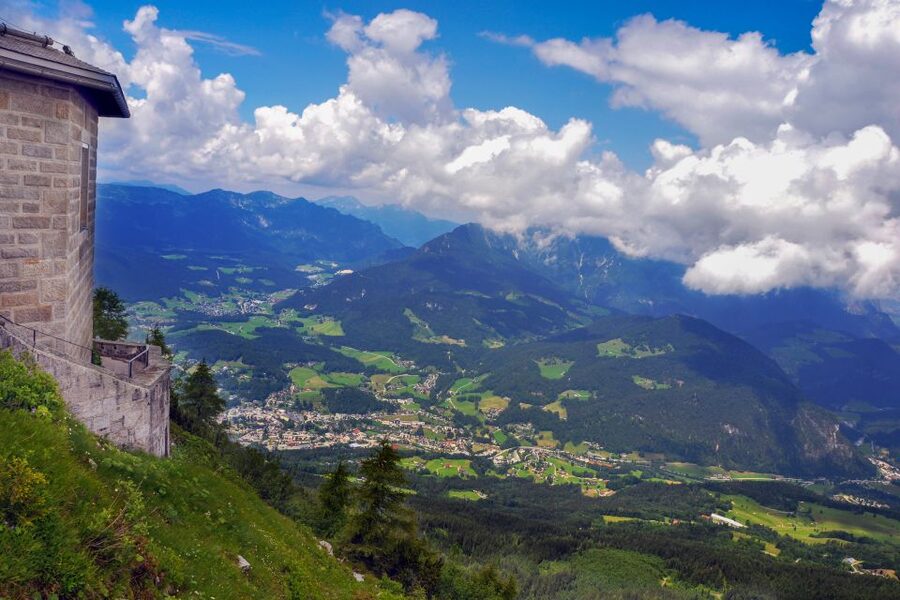
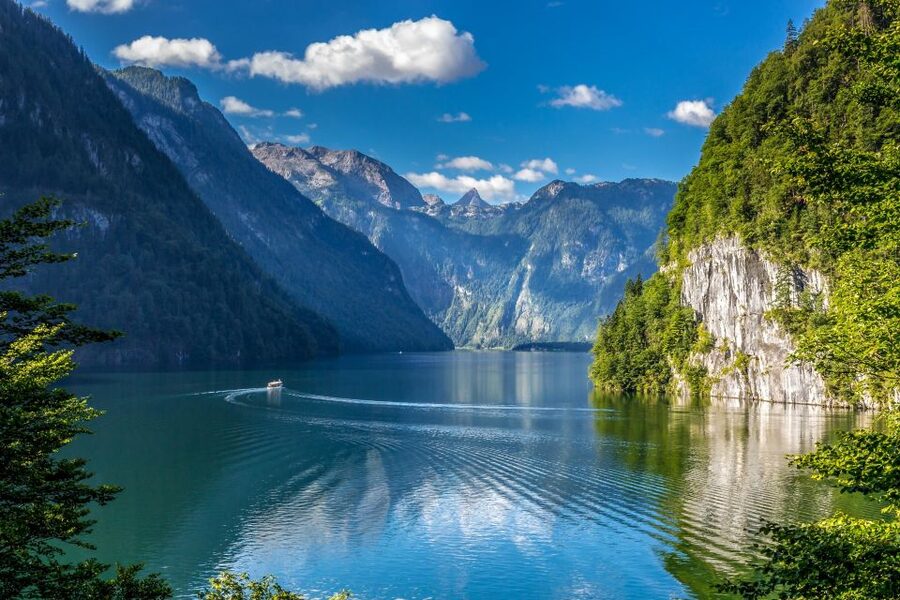
As the bus reaches the Berchtesgaden area, the scenery becomes the main event. You will see Alpine valleys, forested slopes, foothills, and, when conditions allow, broad views toward mountains and lakes.
The return journey follows the Deutsche Alpenstrasse, or German Alpine Way. Its curving road through the valleys gives you a different view of rural Bavaria on the way back to Munich. This is one of the best reasons to take a coach rather than arrange a simple point-to-point transfer. You can watch the scenery change without worrying about driving, parking, or mountain roads.
Still, keep your expectations sensible. A full day includes substantial road time. One past comment wished for more time in Berchtesgaden town for sightseeing and lunch instead of passing through it. That is a fair criticism if village streets, cafés, and local shopping are your main goal.
This tour is built around Obersalzberg and the Eagle’s Nest, not a leisurely visit to Berchtesgaden itself.
The Nazi Documentation Center and Obersalzberg’s difficult past
The optional Nazi Documentation Center is one of the most worthwhile parts of the day. It helps explain how Obersalzberg became a center of Nazi power and how the mountain retreat fitted into that wider system.
The subject is serious, and the museum gives the visit needed balance. Without it, the Eagle’s Nest can become just another dramatic viewpoint with an uncomfortable backstory. With it, you get a clearer sense of what happened in the region and why the site still matters.
You may also hear about the Berghof, Hitler’s nearby residence. Very little of the building remains, and you should not expect a preserved grand retreat. One useful reality check is that the site has largely been destroyed, leaving only fragments and foundations rather than a complete house.
The Documentation Center and the guide’s explanations are especially useful if you know only the broad outline of World War II. The tour does not treat the history as a side note. It connects the places you see with the people, decisions, and events associated with them.
Something different for another day:
- Dachau Concentration Camp Memorial Site Tour from Munich by Train
★ 4.5 · 5,637 reviews - Neuschwanstein Castle Tour from Munich
★ 4.5 · 5,117 reviews - Third Reich Walking Tour Munich
★ 4.5 · 4,291 reviews - Munich Hop-On Hop-Off Tour: 1-Day or 2-Day Ticket
★ 4.3 · 4,161 reviews
Riding to the Eagle’s Nest and Kehlsteinhaus
In suitable weather, the tour continues toward Kehlsteinhaus, better known in English as the Eagle’s Nest. The special bus service up the mountain is not included in the tour price. It costs an additional €35, payable by credit or debit card.
The transfer is a memorable part of the outing. You leave the main coach for a smaller mountain bus, climb toward the high site, and then enter a tunnel cut into the mountain. From there, an underground elevator carries you upward to the Eagle’s Nest.
That elevator is not just a practical ride. It is part of the original engineering story of the site and gives the arrival a sense of occasion. You can also see the tunnel, and one past participant noted that it may be possible to walk part of the route instead of taking the elevator both ways. Confirm the current arrangement with your guide on the day, since access details can change.
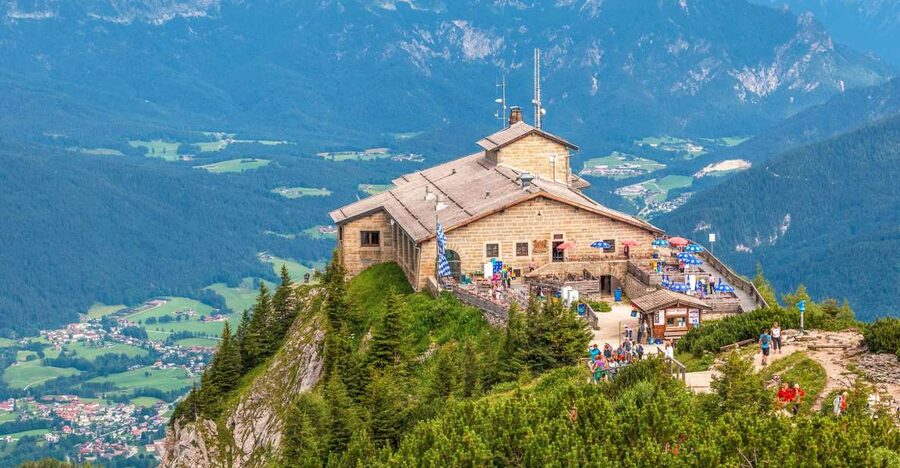
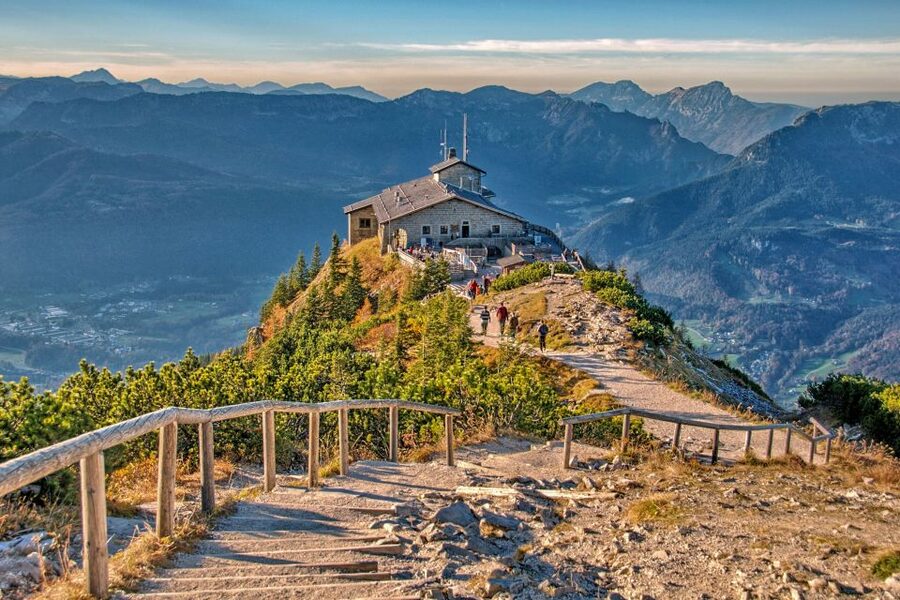
At the top, the building is relatively modest compared with the huge views surrounding it. The reward is the setting: panoramic Alpine scenery, steep mountain slopes, and a sense of height that makes the trip memorable.
The building’s connection with Hitler requires careful framing. This was a holiday retreat and a place associated with Nazi leadership, but it is not best understood as a complete museum of the Third Reich. Much was destroyed or removed after the war. The value of the stop comes from the combination of engineering, history, and scenery, not from preserved interiors alone.
You will have time for photographs and a look around, but this is a busy destination with scheduled buses and return connections. Keep an eye on the meeting time. The guide may help the group move through the process efficiently, but you still need to stay with the schedule.
What happens when the weather closes the summit
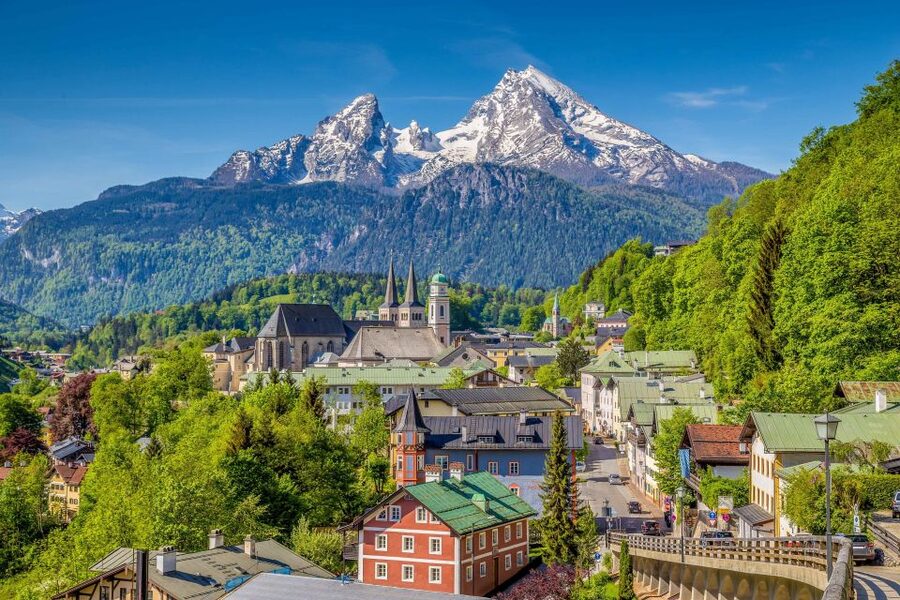
High mountain weather can change the plan. Fog, snow, and ice may make the Eagle’s Nest inaccessible or wipe out the views even if the road remains open. In those conditions, the tour visits the Berchtesgaden salt mine instead.
This is not a weak consolation prize. The salt mines are one of the defining parts of the region’s story, and the visit offers a different kind of experience. Instead of a high mountain viewpoint, you learn how salt shaped local industry and the identity of Berchtesgaden.
The underground setting makes the salt mine unsuitable for people with claustrophobia. It may also be difficult for anyone with limited mobility. If weather forces the change, approach it as a proper alternative rather than a failed Eagle’s Nest visit. Several participants have found the salt mine interesting even when rain or snow spoiled the original plan.
The trade-off is obvious. You lose the famous panorama, but you gain a closer look at the area’s working history. If your priority is photography, check the forecast before booking and understand that the mountain view is never guaranteed.
Lunch, free time, and the limits of the schedule
Lunch is generally handled around the Obersalzberg area, and there may be a restaurant stop. Food is convenient, but it is not the main reason to book the tour. One past experience described the restaurant as average, which is not surprising in a heavily visited mountain destination.
You may prefer to eat at the Eagle’s Nest if food service is available during your visit, but do not build your entire plan around that option. Opening arrangements, weather, and timing can affect what is practical.
The schedule leaves room at the principal stops, including the Eagle’s Nest and Documentation Center, but not necessarily for extended wandering in Berchtesgaden town. One useful suggestion from past experience is to bring your own small snack and water, especially because the day is long and meal timing may not suit everyone.
You should also bring a light jacket even in warmer months. One May outing had temperatures around 50 degrees Fahrenheit with light rain, while other trips enjoyed clear summer skies. At altitude, conditions can feel much cooler than in Munich.
What the $80 price really covers
At $80 per person, the base cost includes the luxury tour bus and live English-speaking guide. It does not include the special bus service to the Eagle’s Nest, which adds €35.
That makes the true cost of the high mountain version higher than the advertised starting price. Even so, I find the package reasonable for a 10-hour guided trip from Munich. You avoid arranging several separate connections, and the guide handles the complicated transfer from the large coach to the smaller mountain buses and elevator.
The value is strongest if you want commentary throughout the journey. A self-guided visit may offer more freedom, but organizing Munich transport, the Berchtesgaden connection, Obersalzberg access, and the Eagle’s Nest transfer takes more work.
The value is weaker if you want a slow day with plenty of personal time. You are paying for transport, coordination, and interpretation, not an open-ended day in the countryside.
Bring a payment card for the extra bus. Some past participants also advised carrying cash because payment arrangements at the Eagle’s Nest have not always felt consistent. The current information specifies credit or debit card payment for the €35 special bus, so check the exact instructions before departure.
The guides are a major part of the experience
The strongest pattern in the feedback is the quality of the guides. Ursula is repeatedly praised for her warmth, humor, and command of the history. Elisabeth is also remembered for explaining the period clearly and looking after the group. Lotte and Beatrix receive praise for organization, while other guides have been described as friendly and engaging.
That matters because the tour contains several moving parts. You need to know when to leave the coach, where to meet after the mountain visit, how the special bus works, and how much time remains at each stop.
A good guide also keeps the history from becoming either a dry lecture or a shallow photo opportunity. The best approach is factual, direct, and aware of the human cost of the Nazi era. The guides praised most highly appear to combine that seriousness with a light touch during the long road sections.
The exact guide is not guaranteed, so I would not book solely because of one name. Still, the company has a strong record of employing guides who can make a demanding day feel organized and worthwhile.
Who should book this tour?
I would recommend this excursion to you if you want:
- A major Alpine viewpoint without arranging transport yourself
- A guided introduction to Obersalzberg and Nazi-era sites
- A full day combining scenery, history, and a regional attraction
- A comfortable coach from central Munich
- A planned alternative if poor weather closes the Eagle’s Nest
I would think twice if you need extensive free time, dislike long bus journeys, or have limited mobility. The mountain transfer and underground elevator also make this a poor match if enclosed spaces cause anxiety.
Photographers should book on a clear day if possible, but no forecast can guarantee summit visibility. History enthusiasts will find the Documentation Center and guide commentary especially valuable. If you mainly want a quiet Alpine village, consider a different outing with more time in Berchtesgaden town.
Practical details before you go
Meet at Karlsplatz 21 to 24, in the Gray Line, AutobusOberbayern bus lane, at least 20 minutes before departure. The tour operates in English and lasts 10 hours, with starting times shown when you check availability.
Bring your passport or another accepted ID document, comfortable shoes, and clothing that can handle cooler mountain weather. You should also be ready for walking, coach travel, mountain-bus transfers, and timed meeting points.
Free cancellation is available up to 24 hours before departure for a full refund, and you can reserve now while paying later. Those flexible terms are useful when mountain weather is part of the decision.
Should you book the Munich to Eagle’s Nest tour?
Book it if you want an efficient, well-organized day that joins breathtaking Alpine scenery with a serious historical visit. The long road journey is the price of reaching Berchtesgaden from Munich, but the comfortable bus, strong guiding, and carefully managed mountain connections make the day practical.
Just remember that the Eagle’s Nest costs extra, high-altitude weather can replace it with the salt mines, and Berchtesgaden town receives limited free time. If those conditions suit your plans, this is one of the better ways to see a remarkable corner of Bavaria in a single day.
FAQ
How long is the tour from Munich?
The tour lasts 10 hours, including the journey between Munich and the Berchtesgaden and Obersalzberg area.
What does the $80 tour price include?
The price includes travel by luxury tour bus and an English-speaking live guide.
Is the Eagle’s Nest bus included in the price?
No. The special bus service to the Eagle’s Nest costs an additional €35 and is payable by credit or debit card.
What happens if the weather is bad?
If fog, snow, or ice makes the Eagle’s Nest visit unsuitable, the tour visits the Berchtesgaden salt mine instead.
Where does the tour depart from?
Meet at Karlsplatz 21 to 24, in the Gray Line, AutobusOberbayern bus lane. You should arrive at least 20 minutes before departure.
What should I bring?
Bring your passport or ID card, comfortable shoes, and clothing suitable for cooler mountain conditions. A payment card is needed for the additional Eagle’s Nest bus fee.
Just added around Munich
- Munich: Private or Group Third Reich and WWII Walking Tour★ 4.9 · 13 reviews
- From Munich: Neuschwanstein Castle and Linderhof Private Tour★ 5.0 · 13 reviews
- Private Transfer from Munich to Salzburg with 2 hours for sightseeing★ 4.5 · 13 reviews
- Munich: Historical Walking Tour on the Rise of Hitler★ 5.0 · 13 reviews
- Private Scenic Transfer from Munich to Prague with 4h of Sightseeing★ 5.0 · 13 reviews
- From Munich: VIP day trip to Salzburg★ 5.0 · 14 reviews
- National Socialism WWII with licensed guide – private tour★ 5.0 · 14 reviews
- Munich: Walking Tour Old Town 3D VR Tour in GERMAN★ 4.3 · 14 reviews
Munich Tours, compared.

Neuschwanstein & Linderhof Castle-Fairytale Day Tour from Munich
Read our review →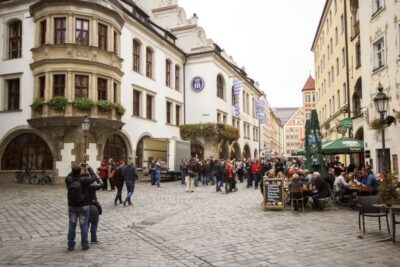
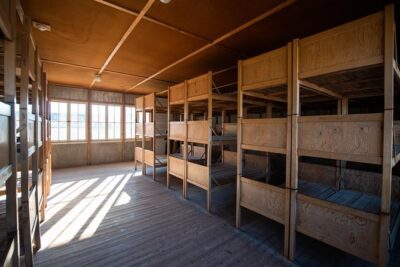
Dachau Concentration Camp Memorial Site Tour from Munich by Train
Read our review →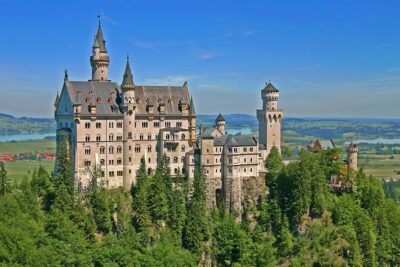
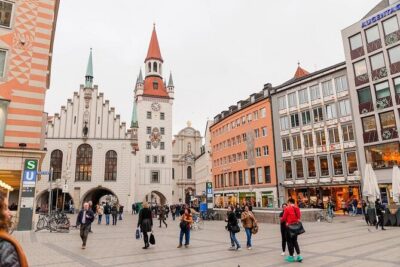
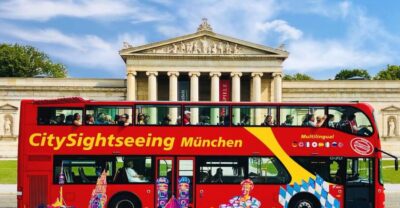
Munich Hop-On Hop-Off Tour: 1-Day or 2-Day Ticket
Read our review →
Browse the lists this tour appears in