
Reviewed · BERLIN WALL TOURS
East Berlin and the Berlin Wall 2-Hour Walking Tour
The Wall still speaks. This compact East Berlin walk puts you beside preserved sections of the Berlin Wall, the former Death Strip, and the Stasi headquarters while your guide explains how Berlin became the Cold War’s main pressure point. I especially like the chance to touch surviving Wall remains and hear the human stories behind escape attempts and family separations. The main drawback is simple: two hours moves quickly, and the tour uses public transport, so you need a Berlin AB ticket and clear communication from the guide.
I also like the route’s strong finish, which connects the Wall’s fall at Bornholmer Strasse with daily life under East German surveillance. Guides such as Ariel, Dylan, Georgia, Jasper, Nathan, Pip, Tom, and Heidi have been praised for turning difficult history into an engaging conversation. Still, the experience is mostly outdoors, operates in all weather, and may feel brisk if you want time to explore every memorial display.
In This Review
- Key points to know before you book
- Starting beside Hackescher Markt
- Why the Berlin Wall Memorial is the heart of the walk
- The Chapel of Reconciliation and a surviving watchtower
- Bornholmer Strasse and the night the Wall opened
- East Berlin under Stasi surveillance
- Ending near Alexanderplatz and Nordbahnhof
- How the guides shape the experience
- Price, timing, and who gets the best value
- Should you book the East Berlin and Berlin Wall tour?
- FAQ
- How long is the East Berlin and Berlin Wall walking tour?
- What time does the tour begin?
- Where does the tour start?
- Where does the tour end?
- Is transportation included in the tour price?
- Is admission to the Berlin TV Tower included?
- Is the Berlin Wall Memorial included?
- What language is the tour offered in?
- Does the tour operate in bad weather?
- What is the maximum group size?
- Can I cancel for a full refund?
Key points to know before you book
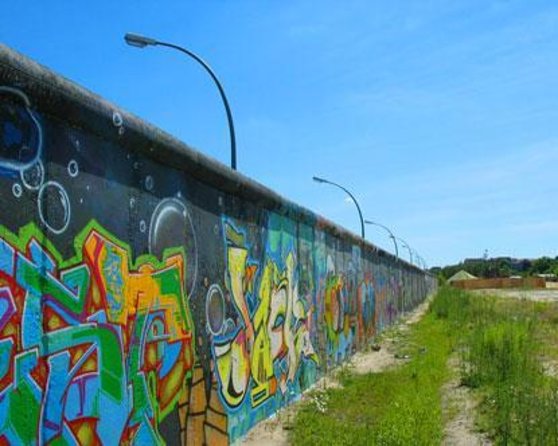
- Touch original Berlin Wall remains: This is not only a photo stop. You can stand beside preserved Wall sections and get close to the physical structure that divided families and a city.
- See the former Death Strip from above: The Berlin Wall Memorial helps you understand the full border system, including the space between the front and back walls.
- Learn how one public mistake helped bring down the Wall: At Bornholmer Strasse, the guide explains the unlikely chain of events behind November 9, 1989.
- Visit the Stasi headquarters area: You’ll examine how East Germany watched its own citizens and tried to control ordinary life.
- Small groups make questions easier: The maximum group size is 20, and one recent group had about 10 people.
- Budget for public transport: The tour price is $21.78, but a Berlin AB Zone pass costing about 10.60 euros is not included.
Starting beside Hackescher Markt
The tour begins at Neue Promenade 3, beside Hackescher Markt train station, at 10:00 a.m. This is a useful starting point because you are already in former East Berlin, rather than beginning with a general city tour and reaching the Wall only at the end.
Your guide sets the scene before the walking really gets going. You’ll hear how the United States and Soviet Union moved from wartime allies into Cold War rivals, why Berlin became a city divided among the victorious powers, and how military tension hardened into a political border.
That opening matters. Without it, the Wall can look like a strip of concrete surrounded by plaques. With the background, you begin to understand why a border ran through streets, homes, railway lines, and family life.
The first stops are brief, including Hackescher Markt and Friedrichstrasse. They are less about lengthy sightseeing than about orientation. Friedrichstrasse was a major street in central Berlin and remains tied to the city’s transport and political past.
You may also hear about the Palace of Tears, the former border crossing at Friedrichstrasse railway station. Its nickname comes from the painful goodbyes made there by East Germans and visitors heading back to West Germany. This is one of the tour’s useful reminders that division was not only a matter of armies and political speeches. It shaped the private rituals of ordinary people.
More Walking Tours in Berlin
- Discover Berlin Half-Day Walking Tour
★ 5.0 · 9,624 reviews - Berlin: Third Reich and Cold War 2 Hour Walking Tour
★ 4.9 · 6,830 reviews - Berlin: Discover Berlin Walking Tour
★ 4.9 · 5,998 reviews
Why the Berlin Wall Memorial is the heart of the walk
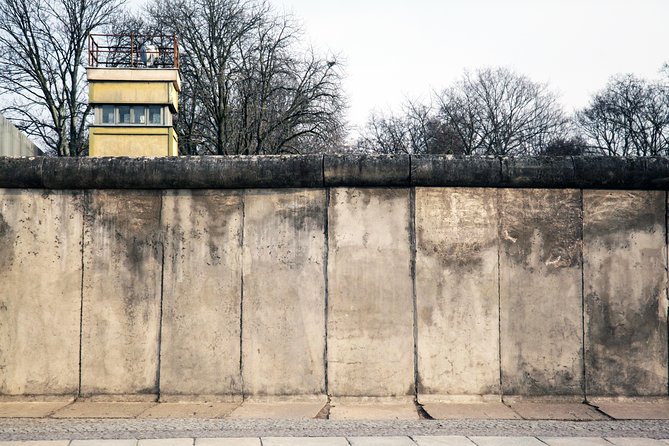
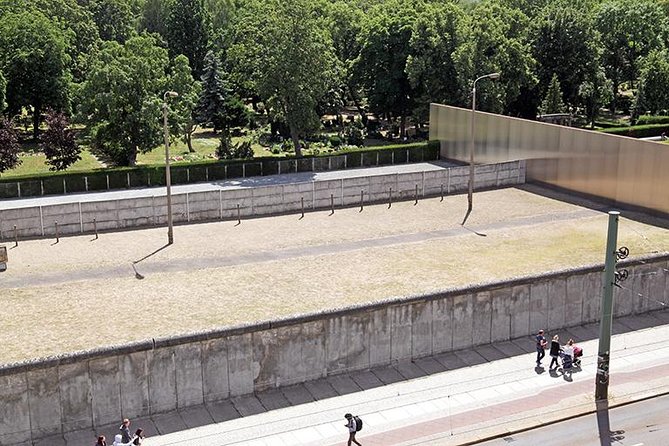
The tour gives about an hour to the Berlin Wall Memorial, which is the strongest part of the route. Here, a section of the Wall remains preserved in something close to its original form, rather than being reduced to a few decorated fragments.
I like this stop because it shows that the Berlin border was a system, not one wall. You can look across the former border area and understand the relationship between the front wall, the rear wall, watchtowers, patrol space, and the so-called Death Strip.
The birds-eye view is especially helpful. From above, the layout becomes clear in a way that is difficult to grasp from street level. Your guide explains how East German shoot-to-kill orders were used against people trying to escape, and the memorial also recalls those who died at the border.
This is an emotional section of the tour, but it is not presented only as a solemn memorial visit. Guides have used photographs, escape stories, and individual biographies to give the place a human scale. You may hear about people who tried tunnels, improvised routes, or other dangerous plans. Some reached the West. Others did not.
The details about bricked-up houses are particularly striking. Buildings along the border could become escape routes, so the East German authorities altered or sealed them to prevent people from getting out. That kind of detail helps you see how government control reached into the architecture of daily life.
Allow yourself a little quiet time here. The official program gives the memorial roughly one hour, but the whole tour lasts only about two hours, so the guide will need to keep the group moving. If you want to read every panel or visit every part of the memorial on your own, plan to return later.
The Chapel of Reconciliation and a surviving watchtower
The Chapel of Reconciliation is a short stop, listed at about five minutes. It is a place of worship connected with the former border site, and the guide explains its role and history.
Do not expect a long church visit. The value here is the setting. The chapel sits within a memorial area where the Wall once cut through the city, so even a brief explanation helps connect faith, loss, and public memory.
Nearby, the GDR Watch Tower provides another physical reminder of the border. It is described as the oldest surviving relic of the Berlin Wall. Again, this is a quick stop, but it gives you something concrete to compare with the larger memorial zone.
The tour also passes Ackerstrasse, where the guide continues explaining how the border shaped the surrounding streets. These short pauses can feel compressed, especially after the hour at the memorial, but they prevent the route from becoming only a lecture at one major site.
Wear comfortable shoes. The walking is described by one person as fairly easy, while another found the two-hour schedule too short to cover everything. That difference is useful: this is not an exhausting hike, but it is a steady history walk with several stops and public transport connections.
Bornholmer Strasse and the night the Wall opened
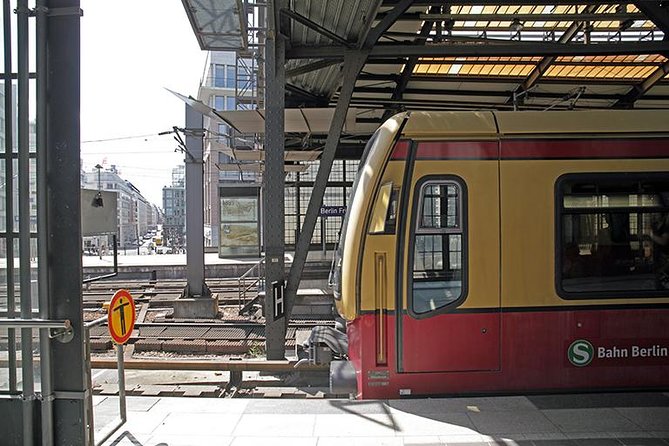
The route includes Bornholmer Strasse, where the Berlin Wall came down on November 9, 1989. This location adds a needed sense of movement to the tour. The memorial at Bernauer Strasse shows the Wall’s violence and permanence. Bornholmer Strasse shows how quickly that permanence could collapse.
Your guide explains how a mistake by an East German politician helped trigger the opening. The story is memorable because it was not a carefully staged handover. A confusing announcement, public pressure, and a crowd at the crossing helped create a moment that border guards could no longer control.
That story is one of the tour’s best teaching points. Political systems can look solid until ordinary people push against them at the right moment. You get a clearer sense of why the Wall’s fall felt both impossible and suddenly unavoidable.
The route’s geography also makes the history easier to follow. You are not hearing about November 9 as a distant date in a museum. You are moving through places tied to the border’s construction, enforcement, and collapse.
More Berlin Wall walks:
- Skip-the-Line: Berlin Wall Museum at Checkpoint Charlie
★ 4.1 · 2,041 reviews - Berlin: East Side Gallery Spree Cruise in a Solar Catamaran
★ 4.0 · 1,039 reviews - Cold War, Berlin Wall, Spies and the East Side Gallery
★ 5.0 · 1,024 reviews - Berlin: Guided Bike Tour of the Berlin Wall and Third Reich
★ 4.7 · 499 reviews
East Berlin under Stasi surveillance
The tour continues toward the former Stasi headquarters, associated with East Germany’s secret police. Here, the focus shifts from the visible border to the less visible machinery of control.
The Stasi worked to monitor citizens, collect information, and protect the East German state from opposition. Your guide explains how surveillance became part of everyday life and how fear could spread through workplaces, apartment blocks, friendships, and families.
This section is important because the Berlin Wall was only the most obvious part of the system. A person did not need to stand at the border to feel restricted. The state’s ability to watch and question its own people affected what they said, whom they trusted, and how freely they lived.
The tour does not appear to include admission to an indoor Stasi museum or a paid exhibition. Instead, the guide uses the headquarters area as a place to explain the institution and its methods. That keeps the experience affordable, but you should not expect a full museum visit during the two-hour route.
I find this balance useful for a first introduction. You get the main ideas without spending your entire morning inside one subject. If Stasi history is your main interest, you may want to return independently for a longer visit.
Ending near Alexanderplatz and Nordbahnhof
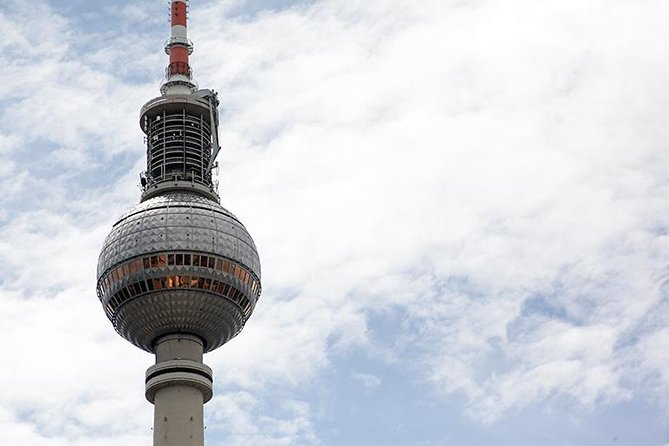
The tour finishes in the former East German capital area, with the Berlin TV Tower at Alexanderplatz identified as the final landmark. The stated end point is also close to the S-Bahn station Nordbahnhof, near the Berlin Wall Memorial. Because the route information describes both Alexanderplatz and the area near Nordbahnhof, confirm the exact finishing point with your guide at the start.
Either way, you end in a useful part of the city. Alexanderplatz gives you easy access to the TV Tower and central East Berlin, while Nordbahnhof connects you with Berlin’s S-Bahn system. You can continue sightseeing, find lunch, or return to the memorial at a slower pace.
The TV Tower admission is not included. That is fine if you only want the exterior landmark, but budget separately if you plan to go up.
One practical point deserves attention: the tour requires a Berlin public transport ticket, listed at about 10.60 euros for the AB Zone. The public transport segment is part of the route, so do not assume your walking-tour fee covers every movement between stops.
How the guides shape the experience
The strongest praise goes to the guides’ storytelling and ability to answer questions. Ariel has been praised for combining broad historical knowledge with humor. Dylan was described as conversational, well prepared, and generous with suggestions for other places and restaurants.
Tom’s approach has been praised for linking the big political story with individual people. Georgia, Jasper, Nathan, Pip, Heidi, Jimmy, Campbell, Stephen, Tobi, Susan, and Hannah have also been singled out for clear explanations, warmth, or strong storytelling.
That range matters because the tour depends heavily on the person leading it. The route itself is good, but the Wall Memorial can be visited without a guide. What you are paying for is the connection between places, dates, political decisions, and human consequences.
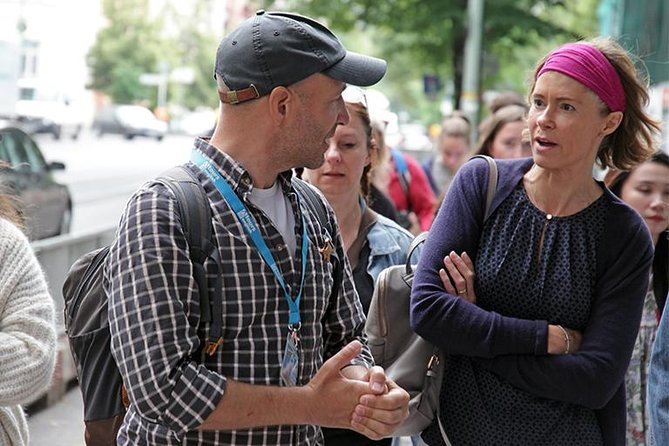
The experience is offered in English and has a maximum group size of 20. A smaller group of around 10 made it easier for one guide to answer questions and check on everyone. In a full group, you may need to stay near the guide and speak up when you want clarification.
There is one practical warning from a poor experience. During a train connection, a guide reportedly left part of the group while some people purchased tickets, creating a rushed boarding situation. That does not define the whole tour, but it shows why you should arrive with the correct transport ticket and listen carefully when the group changes location.
Price, timing, and who gets the best value
At $21.78 per person, this is a good-value introduction to Berlin’s Cold War story. The fee covers a professional guide and about two hours of sightseeing. You are not paying for an observation deck, museum admission, or a long list of included extras. You are paying for interpretation at places where the events happened.
I would especially recommend it early in your Berlin visit. The guide can give you a framework for later visits to the Wall Memorial, Palace of Tears, Stasi sites, or the TV Tower. Several people found the two hours flew by, and one person wished the tour were longer. That is a compliment to the content, but also a fair warning about the pace.
The tour suits you best if:
- You want a clear introduction to Berlin’s division and reunification.
- You prefer real streets and memorial sites to a history lecture indoors.
- You value personal stories, escape attempts, and daily-life details.
- You can walk for two hours and use public transport.
- You are comfortable being outdoors in changing weather.
- You want a small-group setting, but do not require a private guide.
It may not suit you if you want a slow, highly detailed museum visit, a fully indoor activity, or guaranteed time at every stop. History fans who already know the Cold War story may still enjoy the locations, but the basic explanations will be aimed at a broad international audience.
Dress for the weather, since the tour runs in all conditions. Service animals are allowed, the route is near public transport, and most people can take part. Free cancellation is available until 24 hours before the 10:00 a.m. start, which gives you some useful flexibility when planning a Berlin schedule.
Should you book the East Berlin and Berlin Wall tour?
Yes, I would book it if you want the Berlin Wall explained as part of a larger story. The best parts are the preserved Wall section, the view across the former Death Strip, the Bornholmer Strasse story, and the guide’s explanation of Stasi control.
Book it with the right expectations. This is a brisk, outdoor introduction, not a complete study of East Germany. Bring your transport ticket, wear good shoes, stay close during train connections, and consider returning to the Wall Memorial afterward if you want more reading time.
For about $21.78, the tour gives you a strong historical foundation and access to places that are far more meaningful once you understand what happened there. If Berlin’s divided past is high on your list, this is one of the better short tours to put near the beginning of your stay.
FAQ
How long is the East Berlin and Berlin Wall walking tour?
The tour lasts approximately two hours.
What time does the tour begin?
It begins at 10:00 a.m.
Where does the tour start?
The meeting point is Neue Promenade 3, 10178 Berlin, Germany, beside Hackescher Markt train station.
Where does the tour end?
The route finishes in the former East Berlin area, with Alexanderplatz and the Berlin TV Tower identified as the final landmark. The stated end point is also close to the S-Bahn station Nordbahnhof near the Berlin Wall Memorial.
Is transportation included in the tour price?
No. A Berlin Transport AB Zone pass, costing approximately 10.60 euros, is not included.
Is admission to the Berlin TV Tower included?
No. Admission to the Berlin TV Tower is not included.
Is the Berlin Wall Memorial included?
Yes. The tour visits the Berlin Wall Memorial, and no separate admission ticket is listed for the stop.
What language is the tour offered in?
The tour is offered in English.
Does the tour operate in bad weather?
Yes. It operates in all weather conditions, so you should dress appropriately.
What is the maximum group size?
The tour can have a maximum of 20 people.
Can I cancel for a full refund?
Yes, if you cancel at least 24 hours before the experience start time. Cancellations made less than 24 hours before the start are not refunded.
Just added around Berlin
- Berlin: Private Guided Tour of the Main Sights★ 5.0 · 13 reviews
- Private Highlights of Berlin Bike Tour★ 5.0 · 13 reviews
- Modern Berlin Private Walking Tour: Diverse, Vibrant and Exciting German Capital★ 5.0 · 13 reviews
- Tour in Berlin from Warnemünde and Rostock Cruise Port★ 4.1 · 13 reviews
- Berlin: Stasi Museum Private Guided Tour with Entry Ticket★ 4.8 · 13 reviews
- Private Food Tour Experience with a born and bred Berliner★ 5.0 · 14 reviews
- Berlin: Rheinsberg Palace Entrance Ticket★ 4.8 · 14 reviews
- Berlin in one day – day tour with an expert guide★ 5.0 · 14 reviews
Berlin Wall Tours, compared.
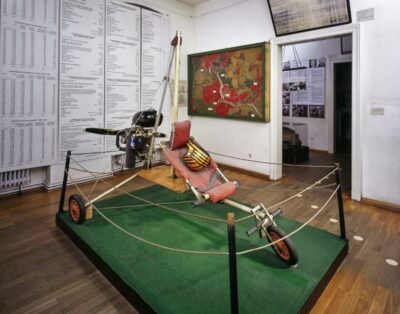
Skip-the-Line: Berlin Wall Museum at Checkpoint Charlie
Read our review →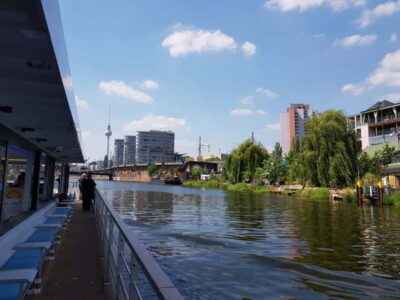
East Side Gallery Spree Cruise in a Solar Catamaran
Read our review →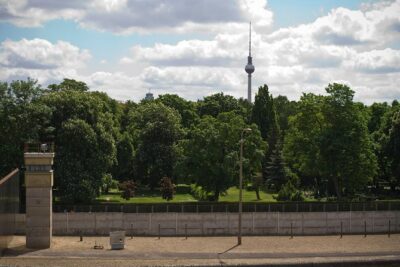
Cold War, Berlin Wall, Spies and the East Side Gallery
Read our review →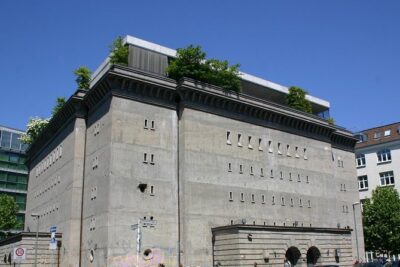
Guided Bike Tour of the Berlin Wall and Third Reich
Read our review →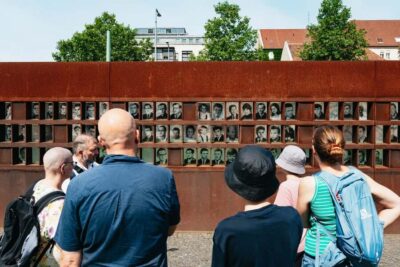

Cold War, Berlin Wall, Spies and the East Side Gallery
Read our review →Browse the lists this tour appears in