
Reviewed · MUSEUMS
Dresden: Ticket + Tour Gallery Old Masters
Art gets clearer with a good guide. This two-hour tour of Dresden’s Old Masters Picture Gallery turns famous paintings into readable stories, using X-rays, digital images, and historic pigment samples to show what your eyes cannot. I especially like the close look at Raphael’s Madonna and the way the tour links artists such as Titian, Giorgione, Rembrandt, and Vermeer. The main drawback is simple: the tour is German only, so you need a strong command of German to get its full value.
The $44 price includes gallery admission, a live guide, and the ticket-line advantage. That is fair if you want a focused introduction rather than wandering through a major collection without context. Just remember that individual works can be removed for restoration or loan, so the exact selection can change.
- Raphael’s Madonna gets a closer look, with attention to meaning, technique, and the painting’s construction.
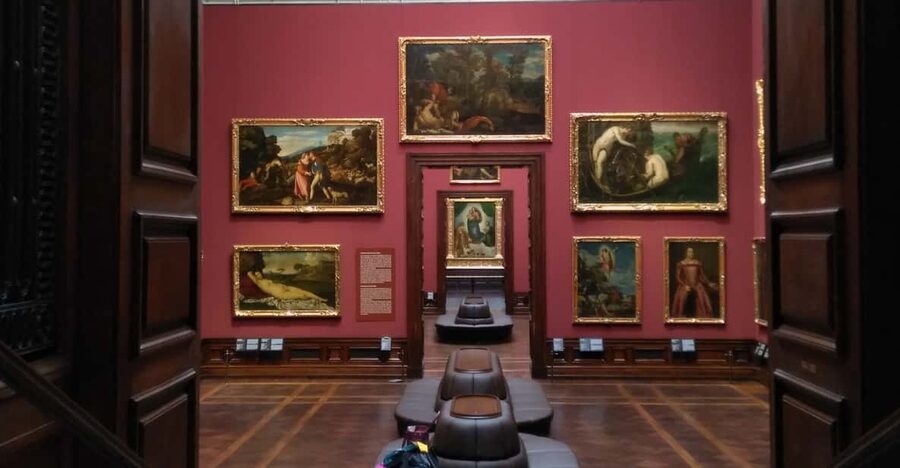
- Titian’s and Giorgione’s Sleeping Venus provide the tour’s big artistic centerpiece, including X-ray views.
- Five quick introductory paintings teach you how to look before the tour asks you to study works in detail.
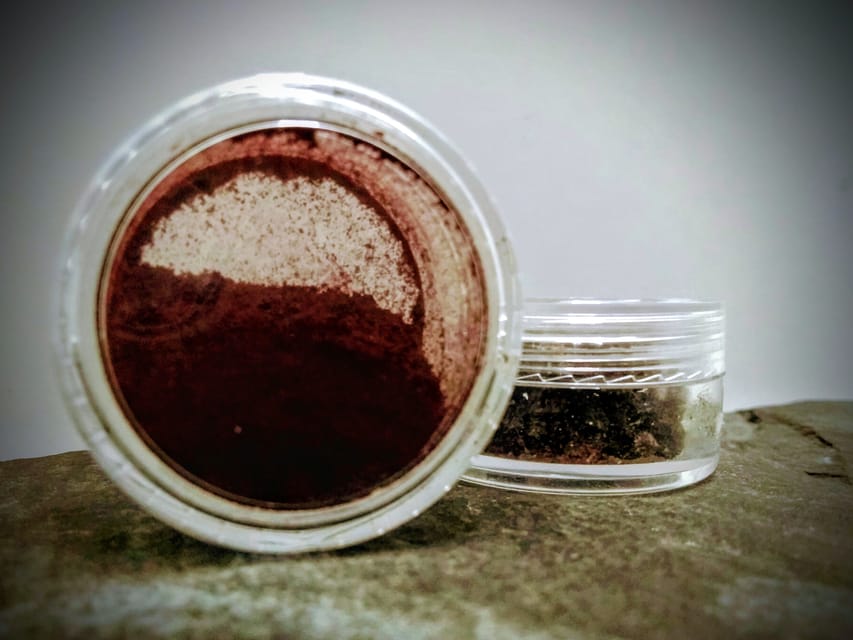
- Rare historic pigments can be touched, adding a physical sense of how old paintings were made.
- Guide Thomas has earned special praise for clear explanations, humor, and connections between artists.
- The tour begins and ends at the gallery, with admission and ticket-line access included.
In This Review
- Why This Two-Hour Tour Works
- Meeting Your Guide in the Gallery
- The Five-Painting Introduction
- Learning to Read Religious Paintings
- Raphael’s Madonna and the Power of a Single Image
- Titian, Giorgione, and the Sleeping Venus
- Pigments, Gold, and the Physical Side of Painting
- What You Actually Get for $44
- Who Should Book This Dresden Art Tour
- Practical Tips for a Better Visit
- Should You Book It?
- FAQ
- How long does the Old Masters Gallery tour last?
- What language is the tour conducted in?
- Where does the tour start?
- Is gallery admission included?
- Are all the named paintings guaranteed to be on display?
- Can I bring luggage or a large bag?
Why This Two-Hour Tour Works
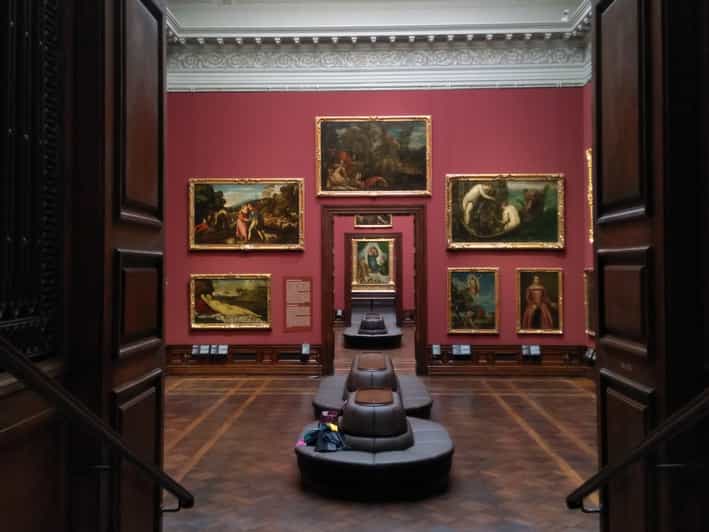
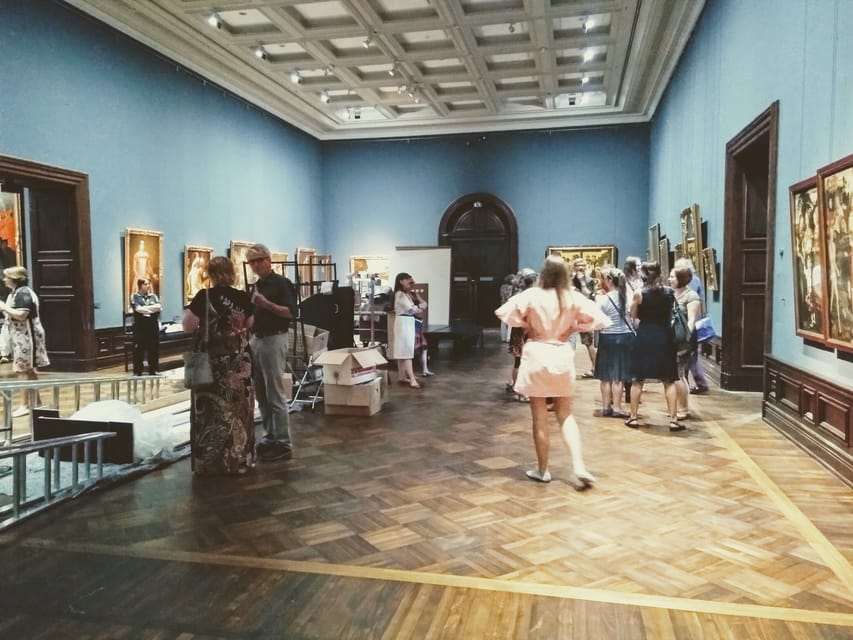
Dresden’s Old Masters Picture Gallery is packed with major European paintings. That is wonderful, but it can also leave you staring at one famous canvas after another without knowing why one matters, how it was made, or what you should notice first.
This tour solves that problem with a teaching approach. You do not simply walk past a row of celebrated names while a guide recites dates. You first get a short lesson in how to look at classic art, then apply those ideas to selected paintings.
I like that structure. It gives you a method you can use for the rest of your museum visit. Religious scenes become less remote when you understand the symbols, gestures, objects, and visual clues artists used to tell a story.
The guide also explains the mechanics behind the art. You learn about materials, layers, pigments, and changes hidden beneath the visible surface. Digital images, videos, and X-rays help make those points clear, especially for anyone who finds technical museum talk dry.
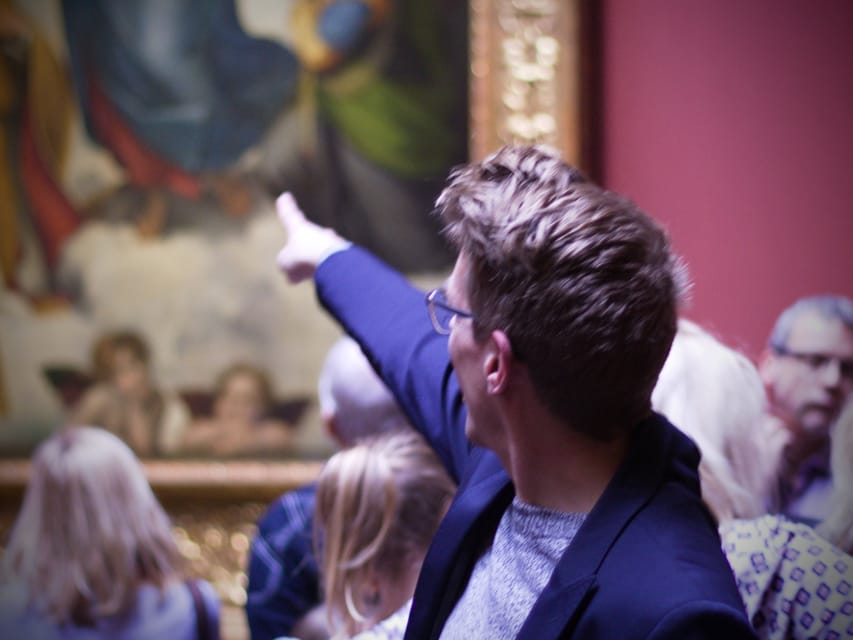
The tour is designed to be entertaining as well as informative. Several reviews specifically praise guide Thomas for his humor, passion, and ability to connect different artists. One especially useful feature of his approach is showing how painters influenced or responded to one another. That helps you see art as a conversation, not a set of isolated masterpieces.
Meeting Your Guide in the Gallery
You meet in the gallery’s cloakroom, downstairs from the ticket point. From the ticket area, take a right through the door, then use the stairs on the right-hand side. Arrive about 10 minutes before the scheduled start.
That meeting point matters because the gallery itself is the start and finish. There is no separate transport, city walk, or transfer to organize. You can plan this as a compact museum appointment within a day of sightseeing in central Dresden.
Large bags and luggage are not allowed. Travel light, especially if you are coming directly from a train station or hotel with suitcases. The activity is wheelchair accessible, but you should still arrive early enough to get settled without rushing.
Admission is included, and the tour offers skip-the-ticket-line access. That saves time, though it does not mean you can ignore the start time. A two-hour museum tour depends on the group entering together.
More Museums in Dresden
- Dresden: Church of Our Lady Guided Tour of Gallery
★ 4.7 · 2,421 reviews - Dresden: Zwinger Museum Entry Ticket
★ 4.7 · 1,436 reviews - Dresden: Guided Walking Tour and Chocolate Museum Ticket
★ 4.5 · 385 reviews
The Five-Painting Introduction
The opening portion begins with a brief orientation to the building and the gallery’s general idea of classic art. You then look at five paintings for only a couple of minutes each.
At first, that may sound rushed. It is deliberate. Each work represents a different category or type, giving you a quick visual vocabulary before the longer stops begin.
This is where the tour earns its teaching value. Instead of spending the first half hour on one canvas, you compare different ways artists handle subject, surface, color, and storytelling. You start to notice that an artwork is not just an image of a person or event. It is also a construction made from choices.
The selected works include paintings by Botticelli, Raphael, Jan van Eyck, Rembrandt, and Vermeer. The exact works can vary, since the museum may remove paintings for conservation or lend them to another institution. The guide adjusts the program with equivalent or additional works when needed.
You also see some of the earliest paintings made in oil paint, along with works made with gold. Those examples give useful context for the technical side of art. Oil paint allowed artists to build color and detail in ways that earlier materials did not, while gold could add both visual brilliance and religious meaning.
The short format is best understood as a warm-up. You are not meant to master five paintings in ten minutes. You are learning how to ask better questions before the tour slows down.
Learning to Read Religious Paintings
Many Old Master paintings have religious subjects, and modern eyes can easily miss the clues. Saints, angels, gestures, animals, plants, architecture, and objects often carry meaning that was familiar to the original audience.
Your guide explains how to spot these details. That makes the paintings less dependent on prior art knowledge. You do not need to arrive knowing every biblical story or church tradition, since the tour gives you tools for interpreting what you see.
I find this especially helpful for visitors who sometimes feel shut out by museum labels. A label may tell you the artist and date, but it rarely explains how to look at a raised hand, a particular color, or an object placed at the edge of a scene.
The guide also places the paintings within a wider artistic chain. Connections among Italian, Dutch, and Flemish painters show how ideas moved across Europe. You begin to see why one artist’s treatment of a figure, color, or subject could matter to another painter decades later.
This part remains accessible because the explanations are paired with actual objects in front of you. You are not sitting through a general lecture detached from the collection.
Raphael’s Madonna and the Power of a Single Image
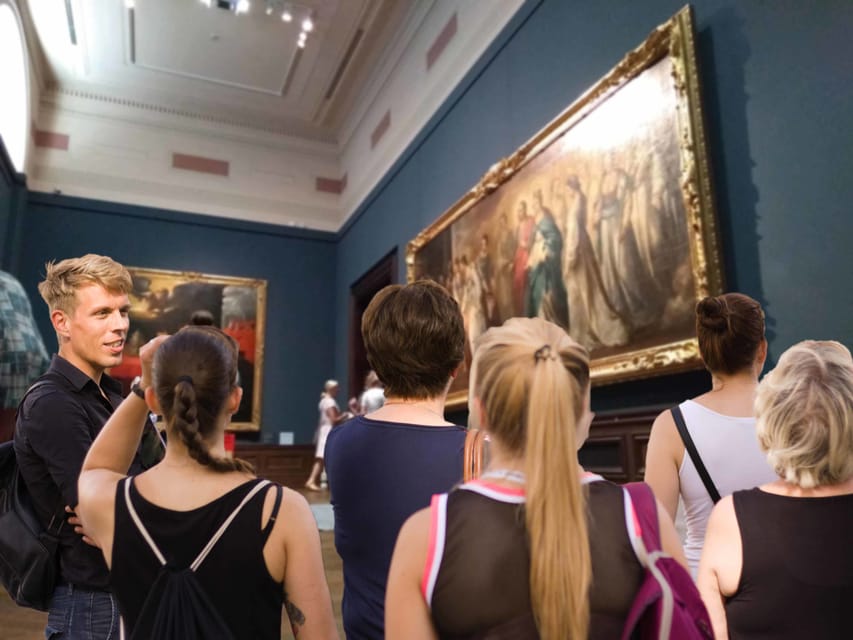
The tour then gives more attention to Raphael’s famous Madonna. This is one of the moments where the experience shifts from quick comparison to close observation.
Raphael’s work is often presented as an ideal of Renaissance painting, but a good explanation makes that reputation more concrete. You look at the arrangement of figures, the balance of the composition, and the decisions that guide your attention.
The point is not simply to admire a beautiful image. You learn why it was created and how its visual elements support its purpose. The guide’s job is to reveal the ideas and technical choices that a picture cannot explain by itself.
Because this is a guided visit, you can spend your attention on details rather than trying to navigate the entire collection. The tradeoff is that you do not receive equal time with every painting in the gallery. If you already know Raphael well, you may want extra time afterward to view the surrounding rooms independently.
The tour does not promise that every named masterpiece will be on display. Museum loans, conservation work, and other decisions can change the presentation. Raphael’s Madonna is a major focus, but you should treat any specific painting as subject to the gallery’s current conditions.
Something different for another day:
- Dresden: Semperoper Tickets and Guided Tour
★ 4.7 · 12,102 reviews - Dresden: The Original Night Watchman Tour in Lantern Light
★ 4.6 · 6,653 reviews - Dresden: Semperoper and Old Town Tour
★ 4.8 · 5,735 reviews - Dresden: River Sightseeing Boat Cruise
★ 4.3 · 5,323 reviews
Titian, Giorgione, and the Sleeping Venus
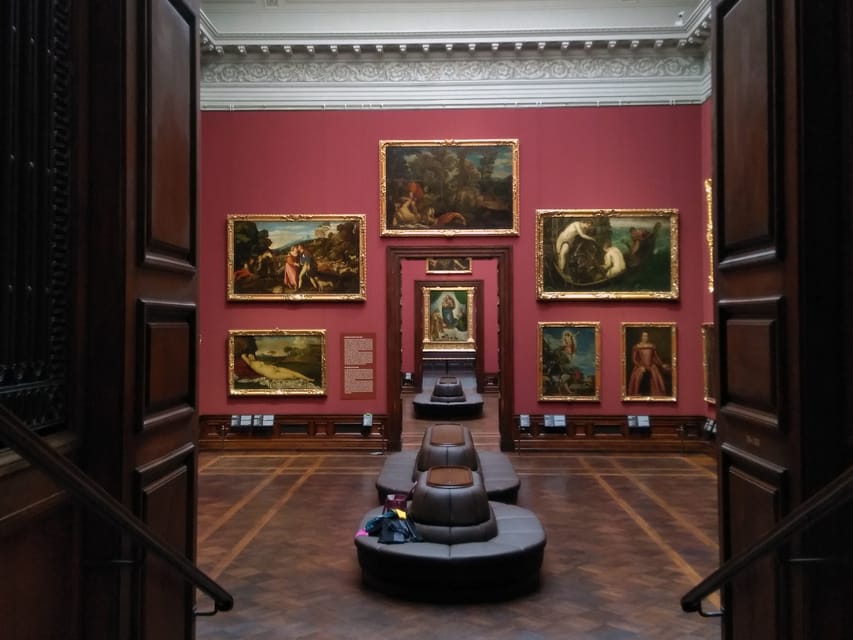
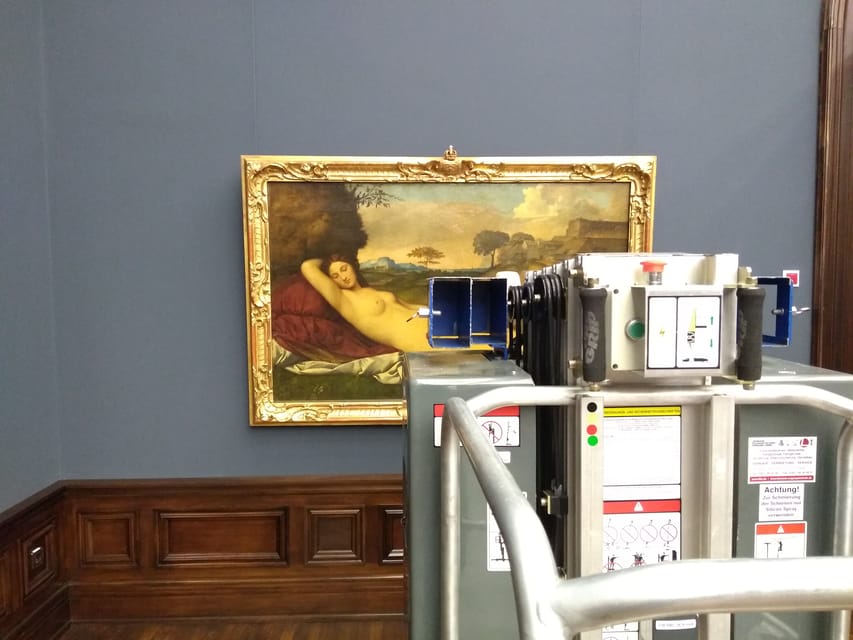
The most distinctive section centers on Titian and Giorgione, especially Dresden’s Sleeping Venus. The painting is presented as a landmark in the development of the female nude in modern European art.
You hear about the painting’s background and why it matters. The work is not treated as a pretty image alone. Its pose, subject, and place in art history become part of a larger explanation of how artists approached the human body and the nude figure.
The X-ray material makes this section particularly memorable. Instead of seeing only the finished surface, you get a look beneath it. X-rays can reveal changes, earlier decisions, and structural information that ordinary viewing cannot provide.
That is a strong reason to choose this tour over a standard museum visit. You can stand in front of a masterpiece for several minutes and still miss the evidence of revision hidden under the paint. The digital images and videos give the guide a way to show those secrets without turning the experience into a technical workshop.
This section also brings together two Renaissance names, Titian and Giorgione, rather than treating them as separate entries in a catalog. The comparison helps you understand how artists and workshops developed related ideas.
The subject matter may appeal especially to visitors interested in Renaissance art, restoration, or the history of painting technique. If your main goal is to see every room at your own speed, the concentrated discussion may feel slower than you prefer.
Pigments, Gold, and the Physical Side of Painting
One of the tour’s most unusual features is the chance to touch samples of rare historic color pigments. This small detail gives a physical dimension to art history.
Paintings are often discussed as if they appeared through pure inspiration. In reality, artists worked with materials that had to be prepared, mixed, transported, and applied. Color had a cost, a texture, and a technical behavior.
Seeing or touching pigment samples helps you think about those practical limits. A blue, red, or gold tone was not simply selected from a modern paint chart. Its availability and quality could affect what an artist was able to do.
The tour also includes some paintings made with gold. That opens another useful line of discussion: the difference between a material used for its visual effect and one used to signal sacred importance or wealth.
These details are valuable because they connect museum art to physical work. You begin to imagine the painter’s process rather than seeing only the polished result behind glass.
What You Actually Get for $44
At $44 per person, this is not the cheapest way to enter a museum. The price makes more sense when you use the full package: gallery admission, skip-the-line access, a two-hour German-language guide, visual aids, and a focused path through major works.
A self-guided visit may cost less, but it asks you to provide the structure. You would need to read labels, find the major paintings, understand the technical material, and make your own links between artists.
The tour gives you those connections in a set amount of time. For a first visit to the Old Masters Picture Gallery, that can be good value. It is also useful if your Dresden schedule is tight and you want a clear two-hour introduction rather than an open-ended museum afternoon.
The value drops if you do not understand German. There is no English option listed, and the explanations are the main reason to pay for the tour. Non-German speakers may still enjoy seeing the collection, but this particular activity is not a good choice unless someone in your group can follow German comfortably.
The tour received a perfect rating from 107 reviews, with repeated praise for the guides’ presentation and art knowledge. The strongest comments focus on Thomas, who is described as funny, passionate, and effective at explaining links among Old Master painters. One person even wished for a longer session, which tells you the tour may leave serious art lovers wanting more time.
That is both praise and a warning. The program is full for two hours. If you already have a strong background in art history, you may find yourself wishing for an extended version.
Who Should Book This Dresden Art Tour
I would recommend it most strongly to:
- First-time visitors who want help understanding major Old Master paintings
- Museum visitors who enjoy technical details, restoration, and materials
- People interested in Raphael, Titian, Giorgione, Rembrandt, Vermeer, or Botticelli
- Anyone who prefers a focused two-hour visit to an unplanned museum wander
- German speakers who want an entertaining art-history explanation
- Families or mixed-experience groups who need a clear way into classic art
It is less suitable for independent art experts who want to set their own route. It is also a poor fit for anyone who needs an English-language tour.
The five-painting introduction and the later close studies make the tour feel structured rather than casual. You should expect to listen, compare, and look closely. This is not a quick highlights walk designed to cover the whole gallery.
Practical Tips for a Better Visit
Arrive 10 minutes early and go straight to the cloakroom meeting point. The guide waits downstairs, not at the main ticket counter.
Do not bring large luggage or oversized bags. If you are carrying a suitcase, make another plan before arriving.
Keep your schedule flexible around the exact works. The museum can remove paintings for restoration or send them to another institution on loan. The guide may replace them with similar or additional works.
If you want more time with a favorite painting, plan to return to it after the guided portion. The tour ends where it begins, so the gallery location makes that easy, provided your admission and museum access allow you to continue according to current rules.
Book only if you can follow German well. The guide’s explanations, jokes, technical notes, and connections between artists are the heart of the experience. A language barrier would cut away most of what makes the $44 worthwhile.
Free cancellation is available up to 24 hours before the activity, and you can reserve now and pay later. Those terms help if your Dresden plans are still shifting, but the key decision remains the language and the guided format.
Should You Book It?
Book this tour if you want Dresden’s Old Masters to make more sense, not just look impressive. The Raphael, Titian, and Giorgione sections give the visit a strong artistic focus, while X-rays and pigment samples add something you will not get from simply reading wall labels.
I would choose it for a first gallery visit, especially if you enjoy learning how paintings were built and why artists made particular choices. Guide Thomas has been singled out for exactly the qualities you want here: clear teaching, humor, passion, and useful links between painters.
Skip it if you need English, want to see every gallery at your own pace, or dislike spending several minutes on technical and historical explanation. For German-speaking art lovers, though, the combination of major paintings, museum admission, and behind-the-surface material makes $44 a reasonable price.
FAQ
How long does the Old Masters Gallery tour last?
The guided tour lasts two hours. Check availability for the available starting times.
What language is the tour conducted in?
The tour is conducted in German only. The live guide, explanations, and presentation are not listed in English.
Where does the tour start?
Your guide waits in the gallery cloakroom. From the ticket point, go downstairs by taking a right through the door, then use the stairs on the right-hand side.
Is gallery admission included?
Yes. Admission to the Old Masters Picture Gallery is included, along with the tour’s license fees and German-speaking guide.
Are all the named paintings guaranteed to be on display?
No. The gallery may remove paintings for restoration or lend them to another museum. The guide can adjust the route with equivalent or additional works.
Can I bring luggage or a large bag?
No. Luggage and large bags are not allowed. Arrive with only what the gallery permits.
Just added around Dresden
- From Dresden: Guided Day Tour by Bus of Seiffen Toy Village★ 4.0 · 13 reviews
- Dresden: Christmas Sightseeing Tour with a ‘Pflaumentoffel’★ 4.5 · 13 reviews
- Dresden: Bike Rental – City Bike with Option Children Seat★ 4.5 · 13 reviews
- Sightseeing tour by ConferenceBike★ 5.0 · 14 reviews
- Dresden Neustadt: Scavenger Hunt for Children★ 4.8 · 15 reviews
- Dresden: Scavenger Hunt to Elbe River & Castles★ 4.7 · 15 reviews
- Street Art Tour Dresden Neustadt★ 4.0 · 15 reviews
- Dresden: 150-minute Trabi tour as a guided city tour★ 4.9 · 15 reviews
Museums, compared.


Skip-the-Line: Berlin Wall Museum at Checkpoint Charlie
Read our review →
Browse the lists this tour appears in