
Reviewed · MUSEUMS
Dresden: Dresden Transport Museum Entrance Ticket
History has wheels, wings, and propellers. At Dresden’s Transport Museum, I like the way one visit covers rail, road, shipping, and air, while hands-on displays keep the subject lively rather than dusty. I especially like the chance to ride a penny-farthing and design a boat for a digital regatta. The main drawback is simple: the $14 ticket covers admission, but not food, parking, transport, or a human guide.
The museum works well for families, curious adults, and anyone who enjoys seeing real machines up close. You can take your time across one full day, use free Wi-Fi to download the audio-guide app, and explore the exhibits at your own pace. The 4.6 rating from 189 bookings reflects a strong response to the museum’s wide range of displays, including one recent German visitor who said the exhibitions were good enough to merit another visit.
In This Review
- Key points to know before you go
- Entering the Johanneum in Dresden
- Rail exhibits with locomotives and working imagination
- Road transport, from penny-farthings to vintage cars
- Shipping displays and a digital boat race
- Flying machines and the reach of air travel
- Making the audio guide work for you
- What the $14 ticket is really worth
- Who will enjoy the museum most
- Booking, timing, and useful planning details
- Should you book the Dresden Transport Museum?
- FAQ
- Where is the Dresden Transport Museum located?
- How long is the ticket valid?
- What does the $14 ticket include?
- Is a tour guide included?
- How do I use the audio guide?
- Do I need to exchange my voucher?
- Is the museum wheelchair accessible?
- Can I cancel my booking?
Key points to know before you go
- One ticket covers every exhibition: Your admission includes the museum’s displays on rail, shipping, road transport, and aviation.
- The Johanneum is the setting: You visit the Dresden Transport Museum inside the historic Johanneum building.
- Hands-on activities add real value: Ride a penny-farthing, board a steam locomotive, and design a boat for a digital race.
- The audio guide is downloaded, not handed to you: Bring your own mobile device and use the museum’s free Wi-Fi to access the app.
- Plan for a self-guided visit: No tour guide is included, so you set the pace and choose which stories to follow.
- The ticket lasts one day: At $14 per person, it is good value if you give the museum enough time to explore several transport sections.
Entering the Johanneum in Dresden
Your visit begins at the Johanneum, where you must exchange your voucher at the ticket counter before entering. This is an important practical step. A digital voucher alone does not take you straight through the door, so allow time to stop at the counter first.
Once inside, you can visit all exhibitions with the same admission ticket. The museum presents transportation as a connected story rather than a single collection of trains or cars. That broad approach makes the visit useful if your interests are mixed, and it gives children several different subjects to explore.
I would not treat this as a quick stop between other Dresden sights. The ticket is valid for one day, and the museum offers enough variety to reward a slower visit. You can move from large machines to small models, then pause for an interactive activity before continuing.
The museum is wheelchair accessible, which makes it easier for more visitors to use the exhibition spaces. The supplied information does not provide details about every route, lift, or facility, so anyone needing very specific access arrangements should confirm those points before arrival.
More Museums in Dresden
- Dresden: Church of Our Lady Guided Tour of Gallery
★ 4.7 · 2,421 reviews - Dresden: Zwinger Museum Entry Ticket
★ 4.7 · 1,436 reviews - Dresden: Guided Walking Tour and Chocolate Museum Ticket
★ 4.5 · 385 reviews
Rail exhibits with locomotives and working imagination
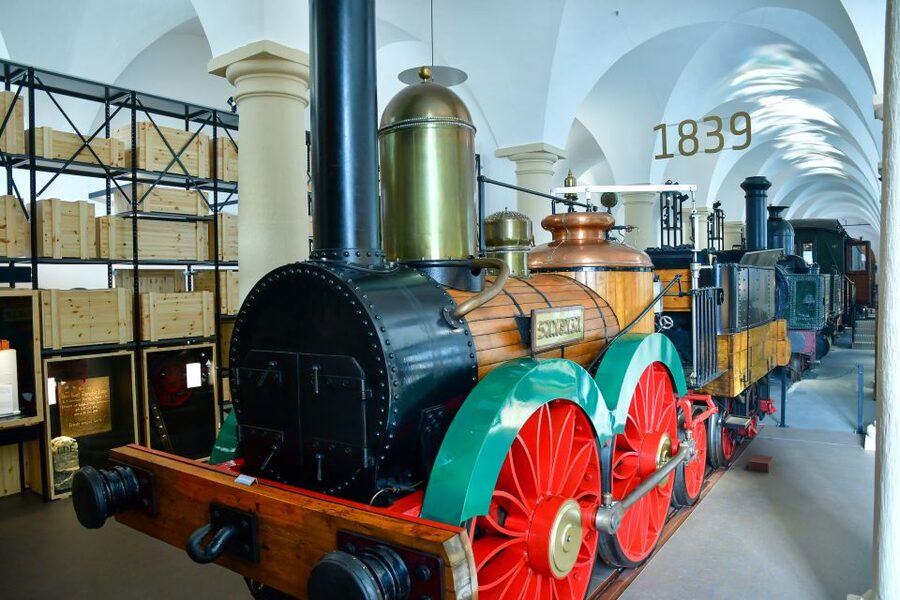
The railway section gives the museum some of its visual weight. You can see once-powerful locomotives and board a steam locomotive, an experience that helps turn technical history into something physical and memorable.
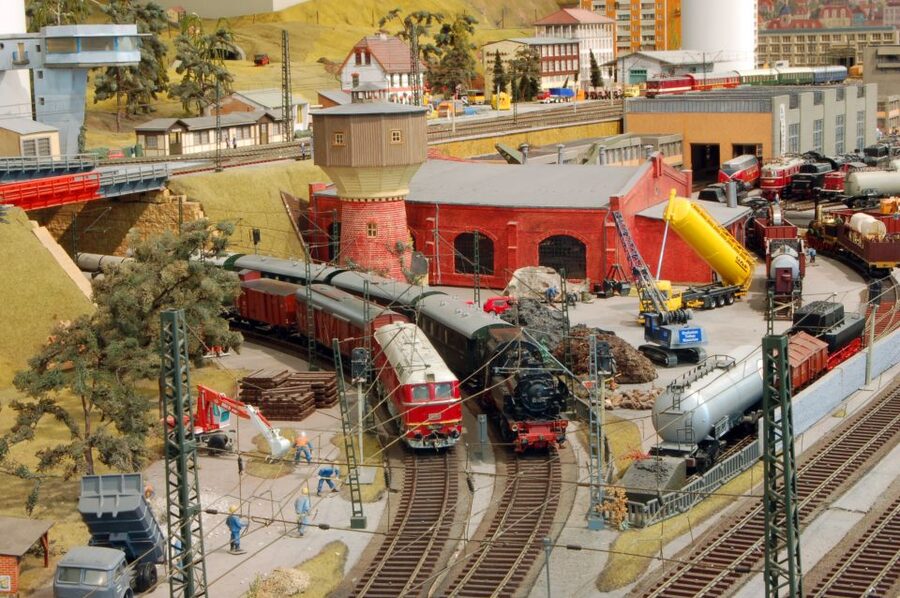
I like this kind of display because scale matters. A written panel can explain the importance of railways, but standing beside a locomotive gives you a better sense of the machinery, size, and effort involved. The museum also includes imposing models, so you can compare full-size engineering with detailed miniature versions.
The audio guide adds another layer. Rather than simply reading labels, you can listen to stories about the vehicles, the people connected with them, and the technology that helped shape modern life. That is especially useful when a machine looks impressive but its purpose or development is not immediately clear.
Families should find the rail section easy to share. Adults can focus on design and history, while younger visitors have the excitement of seeing a real locomotive and taking part in interactive elements. If you are visiting without children, the hands-on features still help break up the more traditional displays.
The one limitation is that the museum does not provide a dedicated guide with your ticket. If you want a long explanation of each locomotive, you need to use the audio guide or read the displays on your own.
Road transport, from penny-farthings to vintage cars
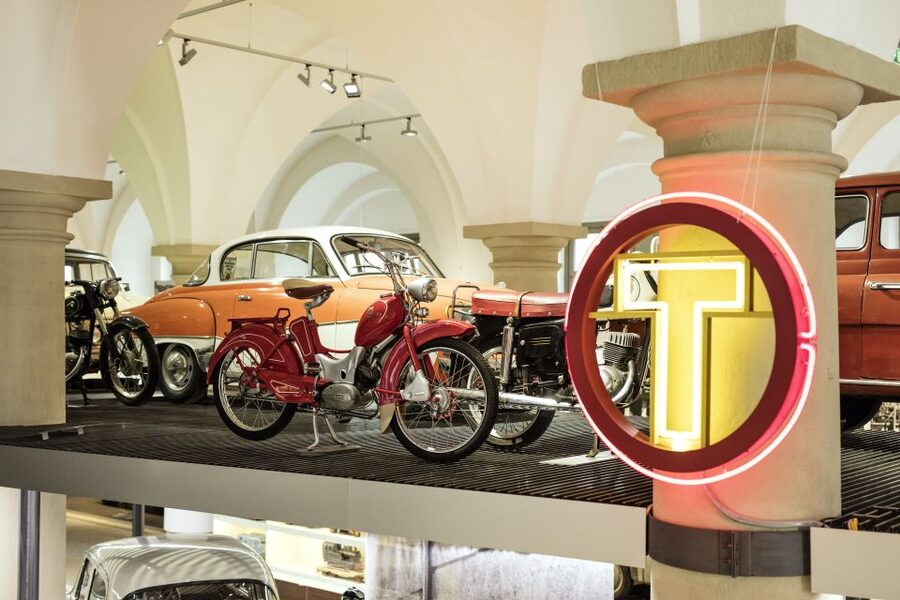
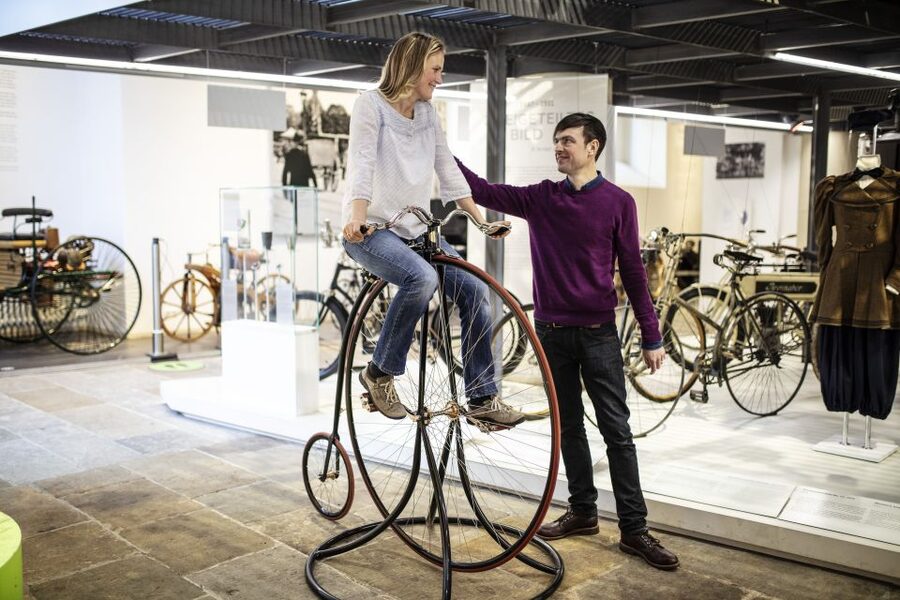
The road transport displays cover a very different scale of movement. Elegant vintage cars offer a polished look at private travel, while the penny-farthing activity gives you a more playful way to think about early bicycles and balance.
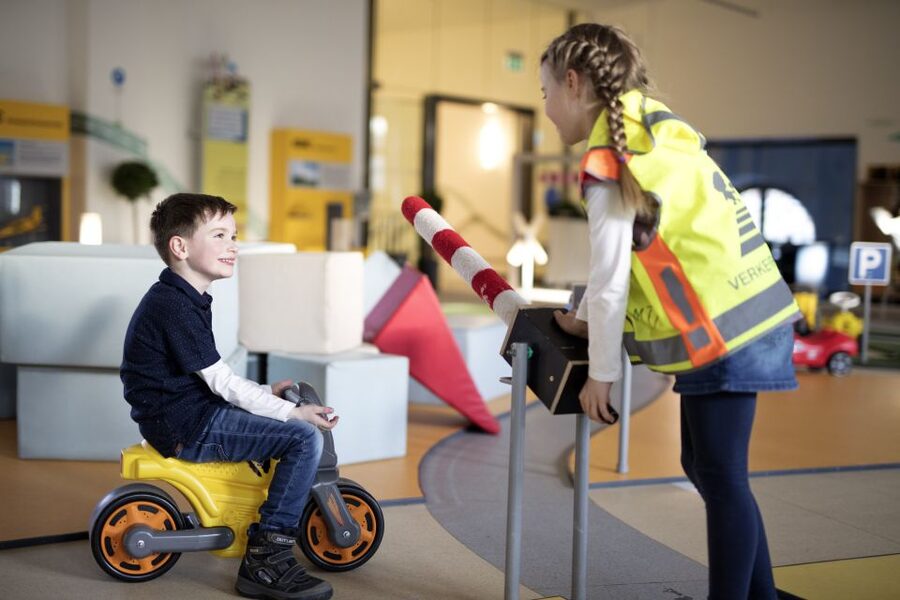
The chance to ride a penny-farthing is one of the ticket’s best details. It changes the experience from looking at an old vehicle to considering what it might have felt like to use one. I would expect this activity to be particularly appealing to children, though adults with an interest in cycling or mechanical design should enjoy it too.
The vintage cars provide a useful contrast. They show how road travel moved from basic personal mobility toward more complex and stylish vehicles. The museum does not present transport as a series of isolated inventions. Instead, you see how different machines answered changing needs for speed, comfort, distance, and control.
Interactive displays are valuable here because they give you something to do while learning. The exact operation of every activity is not specified, but the museum describes the exhibits as suitable for all ages. That makes the road section a good place to slow down rather than simply walk past rows of vehicles.
If your main interest is modern cars, keep your expectations measured. This is a transport museum covering several fields, not a specialist car collection. You will see cars as part of a wider story that also includes bicycles, trains, ships, and aircraft.
Shipping displays and a digital boat race
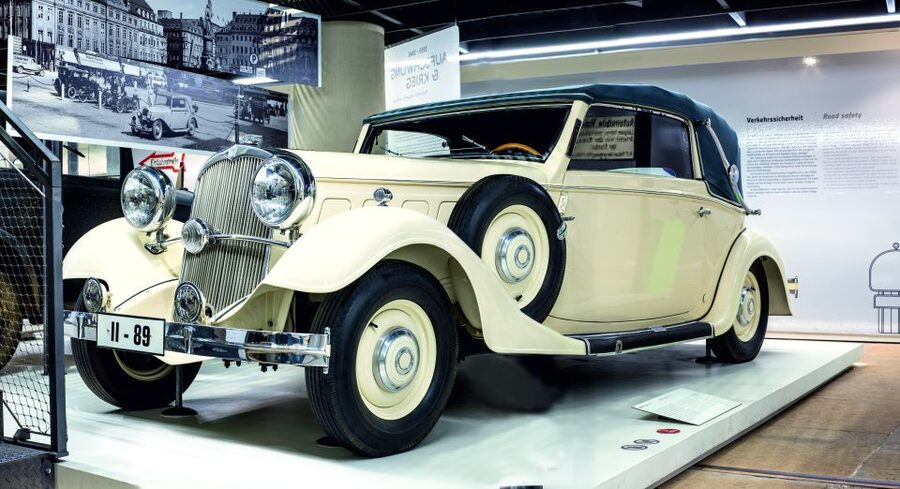
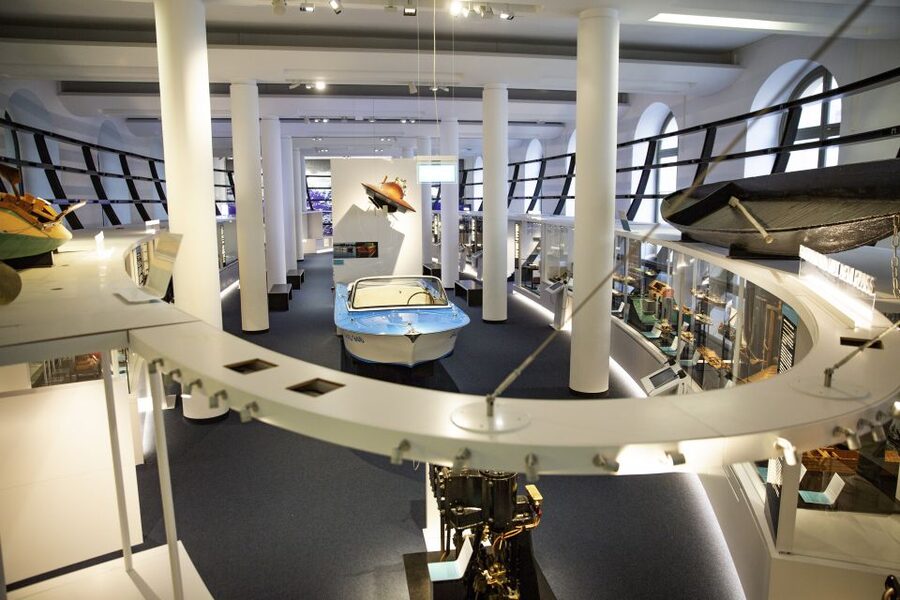
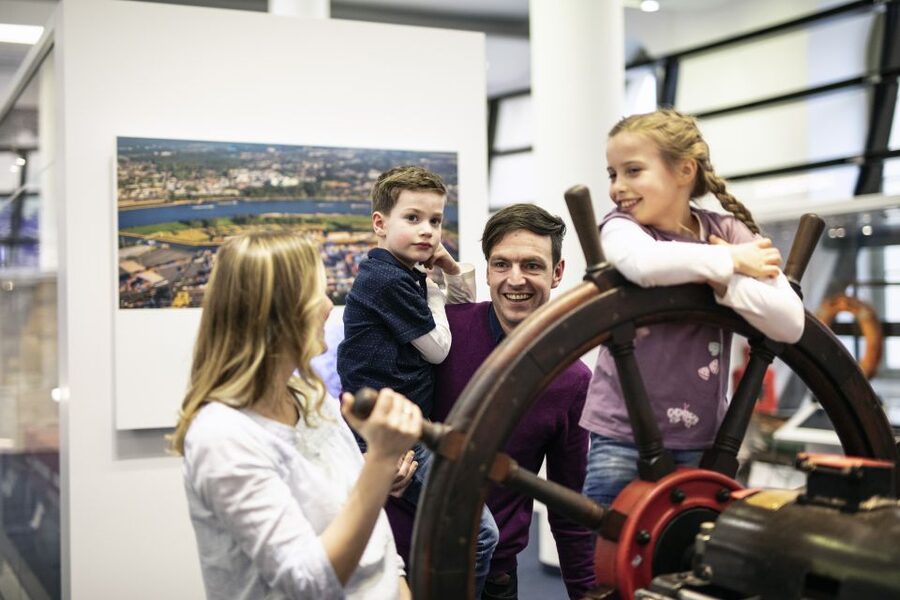
The shipping section adds variety through models of ships and an activity that lets you design your own boat for a digital regatta. That combination is clever. You can look at detailed ship models, then test your own ideas in a digital setting.
I like the design activity because it makes engineering feel approachable. You do not need to arrive with technical knowledge. The simple act of choosing or shaping a boat for a digital race encourages you to think about how form affects movement, even if the experience is presented as a game.
The ship models should appeal to visitors who enjoy detail. Smaller displays often reward a closer look, and the audio guide can help explain the people and technology behind the vessels. Since the museum covers shipping alongside rail and road transport, you also gain a wider view of how goods and people have moved.
This section may be less immediately exciting for a child who only wants large machines, but the digital regatta helps keep the subject active. I would use it as a natural pause after the bigger rail exhibits.
The supplied details do not say whether the digital regatta has a separate queue or how long the activity lasts. If it is a must-do for your group, be ready to fit it around the rest of your visit rather than building your entire schedule around one display.
Something different for another day:
- Dresden: Semperoper Tickets and Guided Tour
★ 4.7 · 12,102 reviews - Dresden: The Original Night Watchman Tour in Lantern Light
★ 4.6 · 6,653 reviews - Dresden: Semperoper and Old Town Tour
★ 4.8 · 5,735 reviews - Dresden: River Sightseeing Boat Cruise
★ 4.3 · 5,323 reviews
Flying machines and the reach of air travel
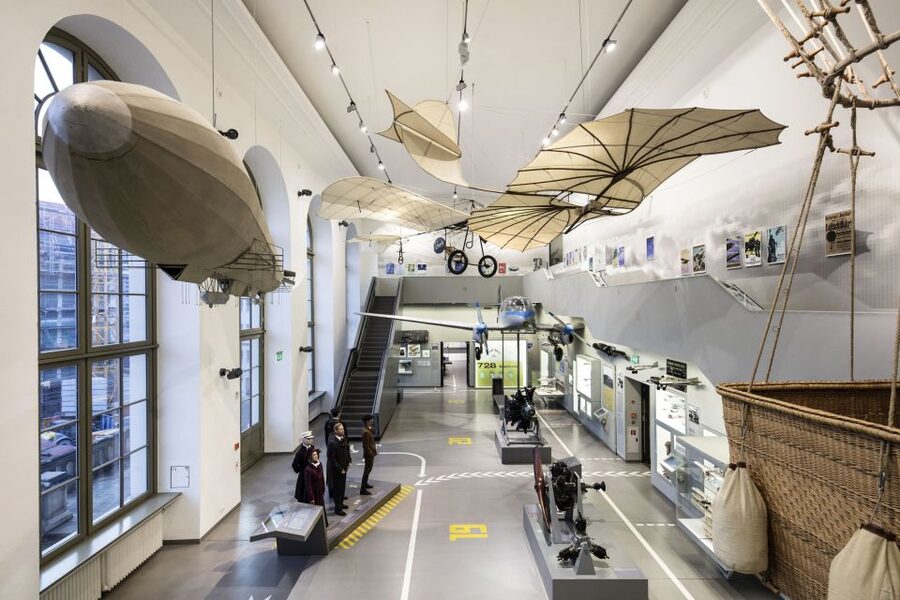
The aviation displays bring the final major transport mode into the museum. You can see adventurous flying machines and consider the risks and technical challenges involved in early air travel.
The aircraft section works best as part of the full museum visit. Rail shows power on the ground, shipping shows movement across water, road transport focuses on personal mobility, and aviation introduces the problem of leaving the ground altogether. That range is what gives the museum its appeal.
I would use the audio guide especially carefully in this section. Aircraft can be visually striking, but their importance is not always obvious from appearance alone. Stories about the people and technology involved can provide the context that a quick look cannot.
The phrase adventurous flying machines suggests that the displays include aircraft connected with the bold early stages of flight. The supplied information does not identify individual aircraft or give technical specifications, so I would not book this experience expecting a specialist aviation collection with detailed aircraft-by-aircraft analysis.
Instead, think of the aviation section as one part of a broad museum about human mobility. It completes the story and gives you another set of machines to compare with the vehicles on the ground and water.
Making the audio guide work for you
The audio guide is included, but it is not a traditional handheld device. You use the museum’s free Wi-Fi to download the app onto your own mobile device, then listen in one of the available languages.
Bring a charged phone and headphones if you have them. The museum information confirms free Wi-Fi and a downloadable app, but it does not state whether headphones are supplied or whether every language is available for every exhibit. Using your own equipment is the safest plan.
I like this setup because it gives you control. You can listen to more detail when a vehicle catches your attention, skip material that is less relevant, and move at your own speed. It also avoids being tied to a fixed group schedule.
The tradeoff is that your visit depends on your phone. A low battery, missing headphones, or difficulty downloading the app could make the audio guide less useful. The exhibits remain available without it, but you lose some of the stories about the machines, their makers, and the technology behind them.
For a family, one device may not be ideal if everyone wants to listen at once. For solo visitors or couples, it should be easier to use. I would download the app early in the visit and check that it works before moving far into the exhibitions.
What the $14 ticket is really worth
At $14 per person, the ticket offers good value if you enjoy museums that mix full-size objects, models, and interactive displays. You are not paying for a short guided tour or a single signature exhibit. You are paying for access to all exhibitions for one day.
The value improves if you spend enough time with the collection. A brief visit focused only on the largest locomotives and cars may not feel as worthwhile. Give yourself time for the four transport areas, the interactive activities, and the audio content, and the price becomes easier to justify.
The ticket is less complete than the headline price might first suggest. Food and drinks are not included, and neither are transport to the museum, parking fees, or a personal guide. Those costs depend on your wider Dresden plans, but you should include them in your day’s budget.
The included Wi-Fi and audio guide help. You do not need to pay extra for recorded explanations, and you can decide how much information you want. Since all exhibitions are included, you also avoid having to choose between separate sections once you are inside.
The one-day validity gives you flexibility, but the supplied details do not state the museum’s opening hours or how long a typical visit takes. Check the available starting times before booking and plan your Dresden schedule around that information.
Who will enjoy the museum most
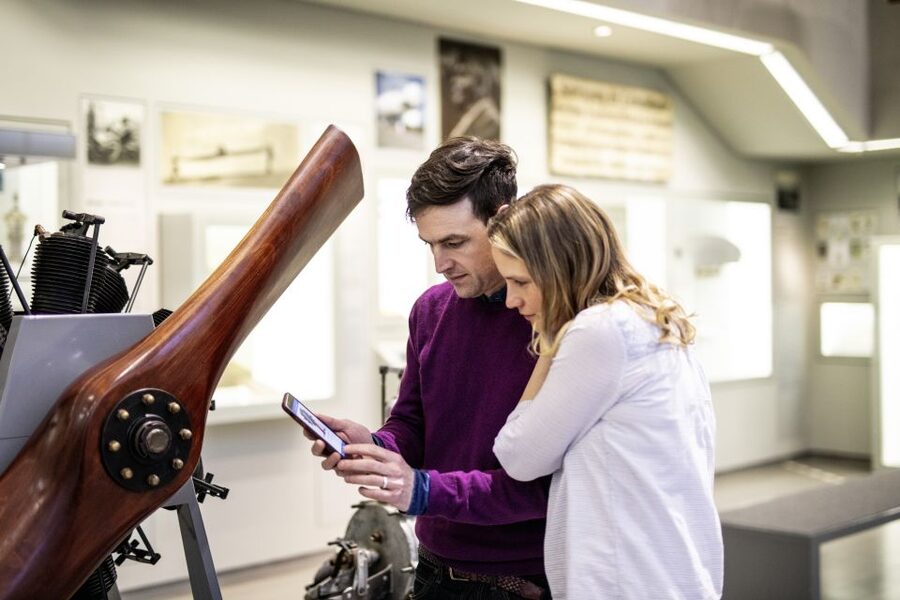
I would recommend this experience to families because the museum gives children several ways to stay involved. A steam locomotive, vintage cars, a penny-farthing activity, and a digital boat race offer more variety than a display made only of labels and glass cases.
It also suits adults who like design, engineering, or social history. You can focus on the construction of vehicles, the people who used them, or the way transport changed modern life. The audio guide lets you choose how much background you want.
It is a good rainy-day option for anyone already spending time in Dresden, especially if you want an indoor attraction with substance. The museum also works for mixed-interest groups because one person can prefer aircraft while another spends more time with cars or ships.
I would be more cautious if you want a short, tightly scheduled activity or a live guided tour. The visit is self-guided, and its value depends on your willingness to explore several sections. Visitors seeking only one specialist collection may find the broad scope less focused.
Booking, timing, and useful planning details
You need to exchange your voucher at the ticket counter before entering. That step should be part of your arrival plan, especially if you have timed activities elsewhere in Dresden.
The experience offers free cancellation up to 24 hours before the visit for a full refund. You can also reserve now and pay later, which is useful if your Dresden plans are still changing.
The ticket is valid for one day, and you should check availability for the starting times offered on your chosen date. No transportation to or from the museum is included, and parking fees are also separate.
Because the museum is wheelchair accessible, it can suit visitors with mobility needs. For detailed questions about the building or a particular exhibit, contact the museum before booking rather than relying only on the general accessibility statement.
Should you book the Dresden Transport Museum?
I would book this ticket if you want a practical, family-friendly museum that covers the full story of movement by rail, road, water, and air. The $14 price is fair when you make time for the interactive exhibits and use the included audio guide.
I would skip it only if your schedule allows for a very short stop or if you want a specialist tour led by a guide. For everyone else, the mix of real vehicles, models, and hands-on activities gives the Dresden Transport Museum enough variety to keep a full day interesting.
FAQ
Where is the Dresden Transport Museum located?
The museum is located in the Johanneum building in Dresden, Germany.
How long is the ticket valid?
The entrance ticket is valid for one day.
What does the $14 ticket include?
It includes entrance to all exhibitions, the downloadable audio-guide app, and free Wi-Fi.
Is a tour guide included?
No. A personal tour guide is not included. The visit is self-guided, with an audio-guide app available for download.
How do I use the audio guide?
Use the museum’s free Wi-Fi to download the audio-guide app onto your own mobile device. The guide is available in a variety of languages.
Do I need to exchange my voucher?
Yes. You must exchange your voucher at the ticket counter before entering the museum.
Is the museum wheelchair accessible?
Yes. The activity is wheelchair accessible.
Can I cancel my booking?
Yes. You can cancel up to 24 hours in advance for a full refund. You can also reserve now and pay later.
Just added around Dresden
- From Dresden: Guided Day Tour by Bus of Seiffen Toy Village★ 4.0 · 13 reviews
- Dresden: Christmas Sightseeing Tour with a ‘Pflaumentoffel’★ 4.5 · 13 reviews
- Dresden: Bike Rental – City Bike with Option Children Seat★ 4.5 · 13 reviews
- Sightseeing tour by ConferenceBike★ 5.0 · 14 reviews
- Dresden Neustadt: Scavenger Hunt for Children★ 4.8 · 15 reviews
- Dresden: Scavenger Hunt to Elbe River & Castles★ 4.7 · 15 reviews
- Street Art Tour Dresden Neustadt★ 4.0 · 15 reviews
- Dresden: 150-minute Trabi tour as a guided city tour★ 4.9 · 15 reviews
Museums, compared.





Skip-the-Line: Berlin Wall Museum at Checkpoint Charlie
Read our review →
Browse the lists this tour appears in