Reviewed · BERLIN TOURS
Delicious Deutsch: Learn German while creating German Breakfast
Fresh food makes language stick. In Berlin, Frühstück is more than a quick roll and coffee, and this private class turns breakfast into a useful German lesson. I like the hands-on format, where you see, touch, prepare, cook, and taste ingredients while practicing words you can use at the table. I also like the personal feel: host Kit includes cooking, food customs, Berlin culture, and even local history.
The main drawback is the unclear start time. The details list 9:30 pm, which makes little sense for a breakfast class, so confirm the time before paying. At $110 for about three hours, the value is strongest if you want a private cultural lesson, not simply a meal.
In This Review
- Key points at a glance
- Why breakfast is a smart way to learn German
- Meeting Kit and beginning the morning
- From outdoor market to German table
- Cooking at Kit’s home
- What the German practice feels like
- Why the private format matters
- The $110 question
- Who should book this Berlin cooking class?
- Practical details before you book
- Should you book Delicious Deutsch?
- FAQ
- Where does the experience start?
- Where does the experience end?
- How long does the experience last?
- What time does it start?
- Is breakfast included?
- Is private transportation included?
- Is this a private activity?
- What German skill level is suitable?
- What happens if the experience is canceled because too few people book?
Key points at a glance
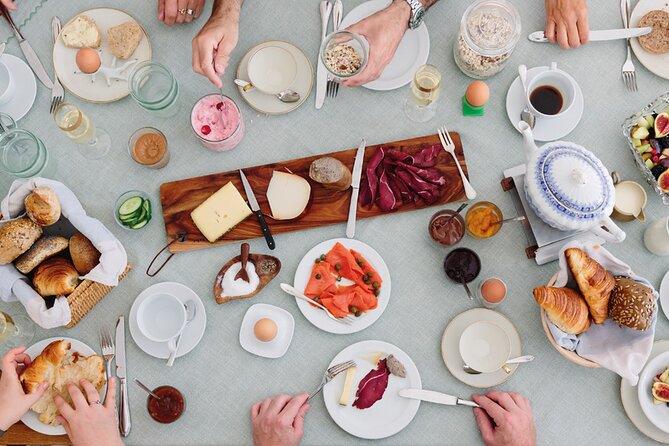
- German through cooking: Practice beginner to intermediate German while handling ingredients and following recipes.
- A real Berlin breakfast: Learn why Frühstück matters in German daily life while preparing an elaborate morning meal.
- Personal host Kit: The class can include warm instruction, cultural context, and thoughtful attention to children and dietary needs.
- Market connection: The wider experience includes an outdoor market visit, local vendors, seasonal foods, and ingredient selection.
- Private setting: Only your own group participates, making it easier to ask questions and speak without pressure.
- Plan carefully: The meeting point is Goltzstraße 36, and private transportation is not included.
Why breakfast is a smart way to learn German

Food gives language a job to do. Instead of memorizing isolated nouns, you may use German to identify ingredients, follow a recipe, describe texture, ask for something, or explain what you are doing. That makes the vocabulary easier to recall later.
This class is aimed at beginner to intermediate levels. You do not need to be an advanced speaker to take part, and the cooking gives you something concrete to focus on when your German feels rusty. You can point, listen, repeat, and try again without turning the session into a formal classroom.
I especially like the sensory side of the lesson. You see the food, smell it, handle it, cook it, and taste it. Those physical links can help new words stay in your memory. You are not simply hearing the German word for an herb. You are holding the herb, adding it to a dish, and eating the result.
The class also gives you a look at modern German food culture. Berlin is not presented only through grand sights or old monuments. You learn through a daily ritual shared at home: sitting down for breakfast and taking time with bread, produce, and prepared foods.
Other Berlin trips people book alongside this one:
- Berlin: Reichstag, Dome and Government District Guided Tour
★ 4.7 · 18,288 reviews - Berlin: 1-Hour City Tour by Boat with Guaranteed Seating
★ 4.3 · 16,993 reviews - Berlin: Boat Tour Along the River Spree
★ 4.4 · 11,252 reviews
Meeting Kit and beginning the morning
The experience begins at Goltzstraße 36, 10781 Berlin. The activity ends at the same meeting point, and public transportation is nearby. Private transportation is not included, so you should allow time to reach the address on your own.
Kit is the host associated with this cooking experience. Her approach, based on the way the class is described, is friendly and personal rather than formal. She has welcomed families, helped children take part, and adjusted food choices for dietary restrictions. That matters in a private class, where the pace can better match your group.
The published start time is 9:30 pm. Since the activity is built around breakfast, this appears unusual. Treat the time as something to verify directly before booking. A wrong meeting time could spoil the whole morning, especially if you are coordinating trains, a hotel checkout, or another tour.
Confirmation is sent when you book. The activity is private, so only your group participates. That is a real benefit for language practice. You can make mistakes without speaking in front of strangers, and you can ask Kit to repeat a word or explain a cooking step.
From outdoor market to German table

The related cooking experience includes a visit to an outdoor farmers market. There, Kit discusses the plan for the meal and asks about your interests. This gives the class a useful beginning: you learn food words while looking at actual produce instead of studying a printed vocabulary list.
Market shopping also adds a local connection. Kit knows vendors and can point out ingredients she likes to use, seasonal treats, meats, fruits, and herbs. The focus is on fresh, local, and sustainable food choices, so the market stop is about more than buying supplies.
You may also select wine from a local shop as part of the broader cooking format. The available information does not specify every market stop or every breakfast dish, so do not expect a fixed menu of named items. The food depends on the session, the season, and the interests or dietary needs of your group.
This part is valuable because it shows how ingredients fit into daily life. You learn not only what a food is called, but how someone chooses it, where it comes from, and how it may be used in a German meal. Those are the details that make a food lesson feel tied to Berlin rather than copied from a language workbook.
The market can also be the least predictable part. Outdoor markets vary by day, and the exact produce available will change. That is a plus if you like fresh, seasonal cooking, but less ideal if you want a carefully fixed menu or a guaranteed list of ingredients.
Cooking at Kit’s home
After shopping, the class moves into Kit’s home for food preparation and cooking. The setting gives the experience a relaxed, domestic feel. You are not watching a chef perform behind a counter. You are helping prepare the food and using German as the meal comes together.
Cooking instructions become language practice. You may hear explanations of recipes, techniques, and ingredients, then use the words as you work. The physical actions help you follow along even when you do not understand every sentence.
The class can cover quite a number of dishes in the larger market and lunch format. The breakfast version is described as an elaborate meal, but the supplied details do not name the individual dishes. That leaves room for seasonal choices and personal preferences, though it also means you should ask about the menu if a particular food is important to you.
Kit’s home is described as attractive and welcoming. More important for most people, the home setting seems to encourage conversation. You get cultural information alongside the food, including German eating habits and points about Berlin’s past.
Families may find this especially useful. Kit has made an effort to include children, rather than treating them as passive observers. If you are booking with a child, mention that when arranging the class so the host can plan suitable tasks.
Dietary needs can also be discussed. Kit has accommodated restrictions in the past, but the supplied information does not list which restrictions are accepted or how much notice is needed. Contact the provider before booking if you need changes to the meal.
Something different for another day:
- Discover Berlin Half-Day Walking Tour
★ 5.0 · 9,624 reviews - Berlin: Hop-on Hop-off Bus Tour with Live Commentary
★ 4.3 · 8,579 reviews - Berlin: Government District around the Reichstag Guided Tour
★ 4.7 · 8,447 reviews - Berlin: Reichstag, Plenary Chamber, Cupola & Government Tour
★ 4.6 · 8,422 reviews
What the German practice feels like
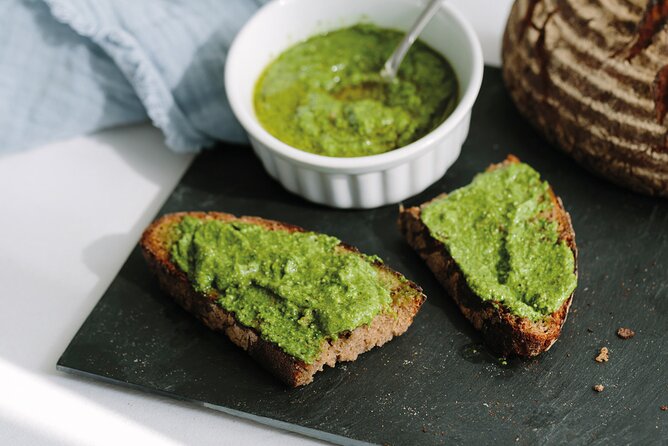
This is not simply a cooking demonstration with a few German words added. The purpose is to reinforce listening and speaking through practical tasks. You can expect the language to connect to recipes, ingredients, preparation, and the meal itself.
For beginners, the setting should make it easier to take part without knowing every word. You can watch what is happening and use context to understand. For intermediate speakers, the challenge may come from describing preferences, asking questions, or discussing food and culture beyond basic vocabulary.
I like this format for people who learn best by doing. You may remember a phrase more clearly after using it to prepare food than after copying it into a notebook. The class also gives you a low-stakes reason to speak. You are not trying to give a perfect speech. You are trying to understand the next step and help make breakfast.
Still, this is not a substitute for a full German course. The session lasts about three hours, and the language work is tied to cooking. If you want grammar drills, written exercises, or a structured lesson plan, a language school will serve you better.
You should also be comfortable with a social class. Cooking in someone’s home requires participation and conversation. If you prefer quiet sightseeing or a restaurant meal where someone else does the work, this may feel too active.
Why the private format matters
A private class changes the pace. Your group can spend more time on words you find difficult and less time on material you already know. You can ask about German food customs, Berlin, or the meaning of a phrase without waiting for a larger group.
The format also suits mixed-level groups. A beginner can work with simple food vocabulary, while a more advanced speaker can ask broader questions about ingredients, cooking methods, and local habits. Families and friends with different interests can share the same meal without needing identical German skills.
The tradeoff is cost. At $110, this is not a cheap breakfast. You are paying for food, instruction, a private setting, preparation, and a cultural encounter. Compared with buying breakfast in Berlin, the price is high. Compared with arranging a private language lesson and cooking activity separately, it may be reasonable.
The value depends on your goal. If you want a memorable way to practice German and learn about food, the price is easier to justify. If you only want a good meal, spend the money at a café or market instead.
The $110 question
The fee includes breakfast, but not private transportation. The experience lasts approximately three hours, so the cost works out to about $37 per hour before considering the food and personal hosting.
That hourly comparison is not the whole story. You are getting a private activity with a host, language instruction, ingredient handling, cooking, and cultural explanation. The market element in the broader experience adds another layer, especially if you enjoy choosing food rather than receiving a finished plate.
The strongest value comes when you take part fully. Ask questions. Repeat the German terms. Help prepare the dishes. Talk about what you are eating. A passive guest gets less for the same price.
The weaker value comes if the language level or menu does not match your needs. Ask about dietary restrictions, the expected breakfast dishes, and the corrected start time before you commit. Since the booking is non-refundable and cannot be changed, these checks matter.
Who should book this Berlin cooking class?
I would recommend it to a small private group that wants culture through food. It suits couples, families, friends, and German learners who enjoy practical activities more than museum-style tours.
It is especially good for:
- Beginners who want a friendly reason to speak German
- Intermediate learners who want food and household vocabulary
- Families with children who need an active activity
- People interested in local markets and seasonal ingredients
- Visitors who value a personal host and a home-cooked meal
- Anyone curious about modern German breakfast traditions
I would be more cautious if you need a firm menu, a precise published schedule, or a fully accessible transport arrangement. The information provided does not give detailed mobility access beyond stating that service animals are allowed and public transportation is nearby.
The class is also a poor match for anyone who dislikes cooking or does not want to speak with a host. You will get the most from it if you are willing to handle ingredients, listen closely, and try German even when your sentences are not perfect.
Practical details before you book
The meeting point is Goltzstraße 36, 10781 Berlin, Germany. The activity returns there at the end, and public transportation is available nearby. You arrange your own transportation to and from the meeting point.
The experience is listed as mobile ticket, and confirmation arrives at booking. Service animals are allowed. Only your own group takes part, which keeps the session personal.
The minimum number of participants must be met for the activity to run. If the provider cancels because that minimum is not reached, you can receive a full refund or choose another date or experience.
Your own cancellation rules are strict. The activity is non-refundable and cannot be changed for any reason, so verify the time, food requirements, and group details before booking. The 9:30 pm start time deserves special attention because it conflicts with the breakfast theme.
Should you book Delicious Deutsch?
Book it if you want German practice with a fork in your hand. The combination of market ingredients, cooking, breakfast, and Berlin culture gives you a useful reason to speak and a meal to remember.
At $110, it is best viewed as a private cultural lesson that includes food, not as a pricey breakfast alone. Confirm the start time and discuss dietary needs before payment. If those details work for you, this is a warm, hands-on choice for learning German in a personal Berlin setting.
FAQ
Where does the experience start?
It starts at Goltzstraße 36, 10781 Berlin, Germany.
Where does the experience end?
The activity ends back at the meeting point.
How long does the experience last?
It lasts approximately three hours.
What time does it start?
The provided details list a 9:30 pm start time. Since the activity focuses on breakfast, confirm this time before booking.
Is breakfast included?
Yes. Breakfast is included in the experience price.
Is private transportation included?
No. Private transportation is not included. Public transportation is available near the meeting point.
Is this a private activity?
Yes. Only your group participates.
What German skill level is suitable?
The program is designed for beginner to intermediate German levels.
What happens if the experience is canceled because too few people book?
If the minimum number of participants is not reached, you will be offered a different date or experience, or you can receive a full refund.
Just added around Berlin
- Kreuzberg Private Walking Tour: Immigrants, Artists & Hipsters★ 5.0 · 3 reviews
- Private Photo Tour in Kreuzberg★ 5.0 · 3 reviews
- Individual city tour Berlin for max. 8 persons★ 5.0 · 3 reviews
- Berlin’s Jewish Heritage: Private Tour of the Vibrant Jewish District★ 5.0 · 3 reviews
- Berlin & The Third Reich Private Guided Tour★ 5.0 · 3 reviews
- Private Analogue Photography Experience in Berlin★ 5.0 · 3 reviews
- Spy Mission in Berlin: Self-Guided Espionage Puzzle Quest★ 5.0 · 3 reviews
- Berlin Christmas Markets Walking Tour with Local Guide★ 5.0 · 3 reviews
Berlin Tours, compared.
Reichstag, Dome and Government District Guided Tour
Read our review →
1-Hour City Tour by Boat with Guaranteed Seating
Read our review →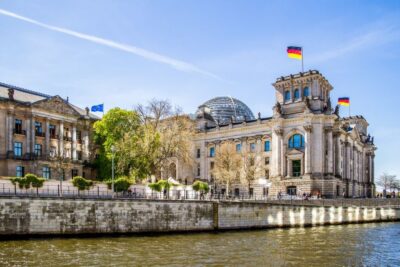

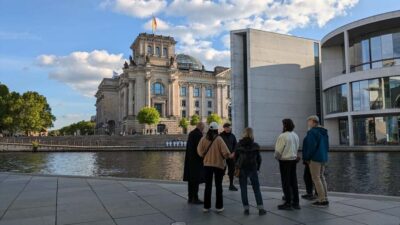
Government District around the Reichstag Guided Tour
Read our review →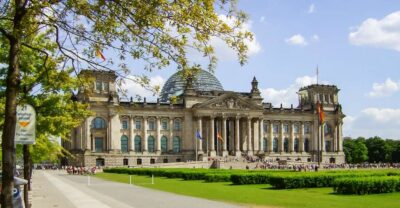
Reichstag, Plenary Chamber, Cupola & Government Tour
Read our review →