Reviewed · BERLIN TOURS
Dark Berlin Criminal Tour
Dark stories make Berlin feel real. This two-hour walk follows crime, corruption, scandal, and strange local characters through central Berlin. I like the original locations and the mix of grim events with comic, bizarre details. I also like that the route links crime to ordinary city life, from factory workers and pimps to lawyers and politicians.
The price is appealing at $18.52 per person, especially for a small group capped at 25 people. One point to consider is the non-refundable booking rule. The tour also needs good weather and a minimum number of participants, so you should be comfortable with a little scheduling risk.
In This Review
- Key points to know before you book
- Why Berlin’s criminal past makes a good walking tour
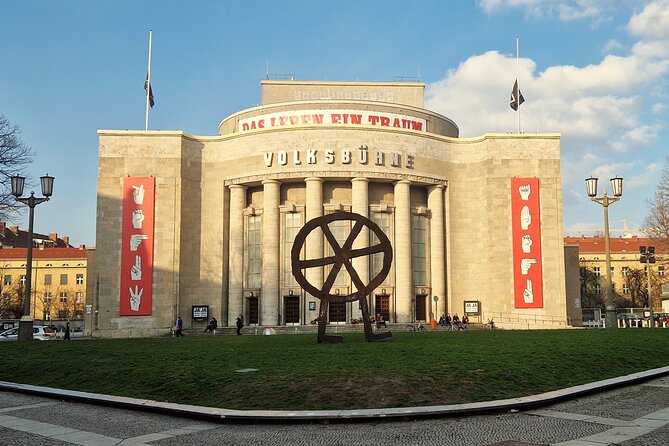
- Starting at Rosa-Luxemburg-Platz and Volksbühne Berlin
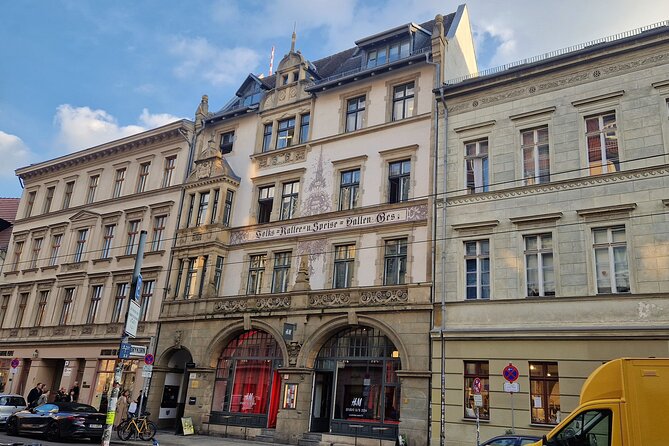
- Scheunenviertel: workers, nightlife, and street crime
- Alexanderplatz and a gang that frightened Berlin
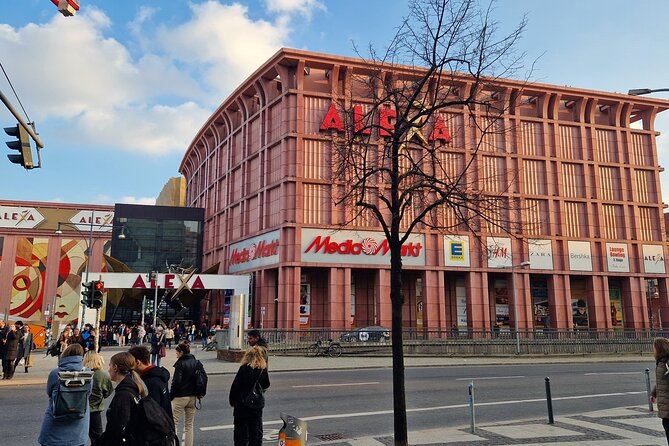
- Alexa and the building that came before
- Littenstraße and Berlin’s famous defense lawyer
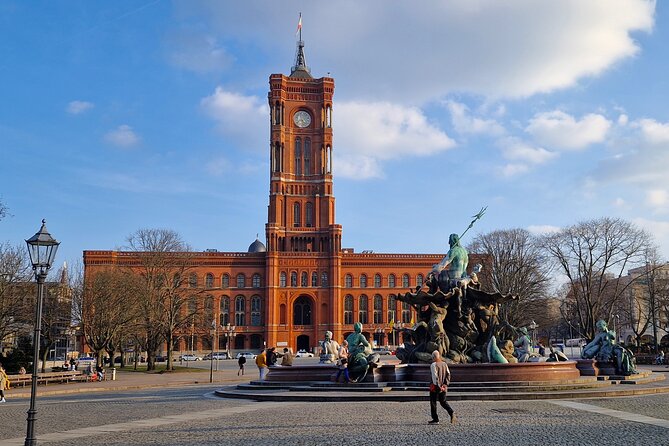
- Rotes Rathaus and Berlin’s first banking scandal
- How the two-hour format affects the experience
- What you get for $18.52
- Who should book this Berlin crime walk?
- Final verdict: a smart choice for curious Berlin visitors
- FAQ
- Where does the Dark Berlin Criminal Tour begin?
- What time does the tour start?
- Where does the tour end?
- How long does the tour last?
- How much does the tour cost?
- How large can the group be?
- Can I cancel or change my booking?
Key points to know before you book
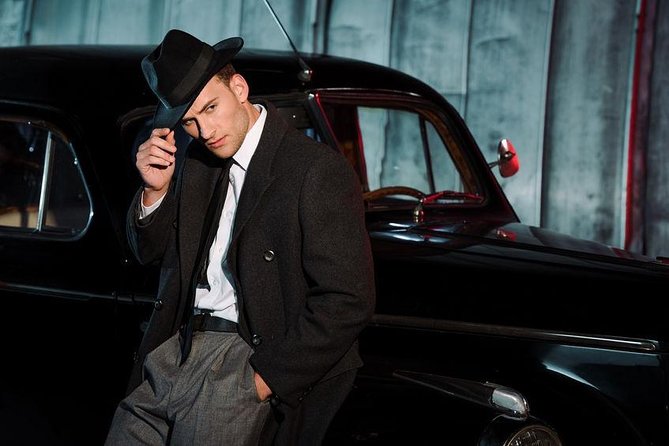
- A crime story at each major stop: The route connects six central Berlin locations with murder, gangs, prostitution, stolen goods, legal drama, and banking fraud.
- A walk through old Berlin: You move from Rosa-Luxemburg-Platz through the Scheunenviertel and Alexanderplatz to the Red City Hall.
- The past beneath modern buildings: Alexa shopping center and the district court sit where earlier places played a major role in Berlin’s story.
- A two-hour afternoon outing: The tour begins at 2:00 pm and ends at Rotes Rathaus, with the listed stops taking about 35 minutes in total, plus walking and explanations.
- A modest price for guided context: At $18.52, you pay mainly for the guide’s storytelling and the connection between sites.
- A small group, but not a private tour: The maximum is 25 people, enough to keep the walk manageable while still feeling social.
Why Berlin’s criminal past makes a good walking tour
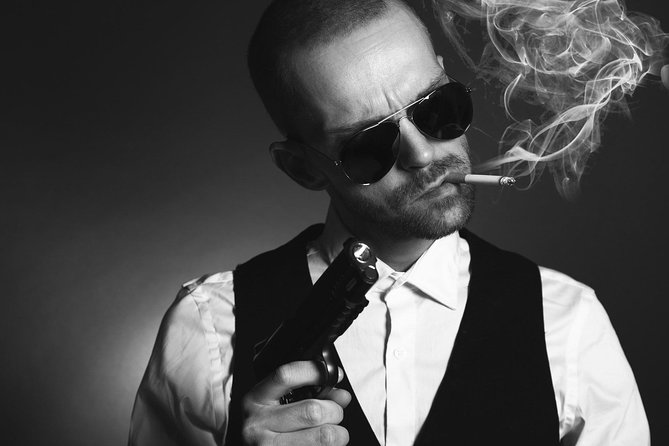
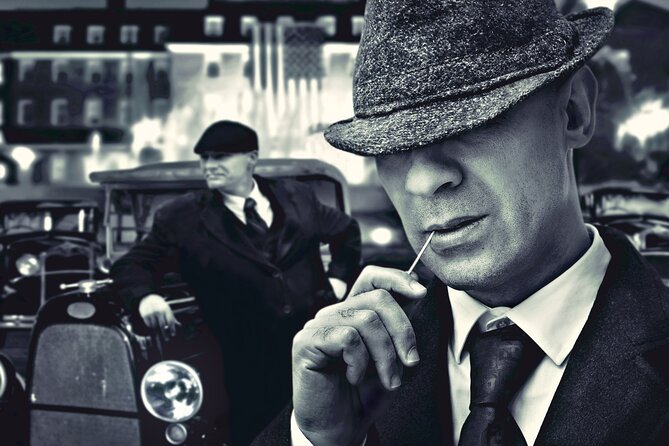
Berlin is often presented through grand boulevards, royal buildings, museums, and twentieth-century political history. This tour takes a different route. It asks what happened in the streets behind the official story, and how crime grew alongside crowded housing, nightlife, poverty, politics, and rapid urban change.
I like that the subject is broad. You are not hearing only about murder. The route covers extortion, prostitution, the trade in stolen goods, organized crime, political violence, courtroom drama, and a major banking scandal. That range gives you a better sense of how crime touched public life.
The tone also matters. The subject includes violence and death, but the tour promises comedy and bizarre episodes as well. That balance should suit you if you enjoy serious history without wanting two straight hours of grim narration.
This is a walking tour, not a museum visit or a theatrical show. The listed stops have no admission charge, and the value comes from the guide explaining what happened at each place. You should expect streets, squares, public buildings, and modern developments rather than preserved crime scenes.
Other Berlin trips people book alongside this one:
- Berlin: Reichstag, Dome and Government District Guided Tour
★ 4.7 · 18,288 reviews - Berlin: 1-Hour City Tour by Boat with Guaranteed Seating
★ 4.3 · 16,993 reviews - Berlin: Boat Tour Along the River Spree
★ 4.4 · 11,252 reviews
Starting at Rosa-Luxemburg-Platz and Volksbühne Berlin
The meeting point is Rosa-Luxemburg-Platz 1/u, near public transportation. The walk begins at 2:00 pm, with the Volksbühne Berlin as the first named stop.
The theater provides an unusual opening. On August 9, 1931, two police officers were shot here by a man who later became the GDR’s Minister for State Security, together with an associate. The event is not just a crime story. It also opens questions about political belief, personal motives, and the strange turns a life can take.
You spend about five minutes at this stop, so the guide will need to give you the key facts without turning the opening into a long lecture. I like beginning here because the location is public and familiar, yet the violent event is easy to overlook.
The main limitation is that you should not expect a visible memorial or a preserved scene based on the information provided. The interest comes from knowing what happened on a place now associated with culture and city life.
Scheunenviertel: workers, nightlife, and street crime
The second stop moves into the Scheunenviertel, an area described through its 1920s street life. The picture is crowded and vivid: factory workers returning from shifts, office workers in worn clothes, people stopping for a beer, and prostitutes, pimps, and crooks sharing the same urban space.
This is one of the tour’s strongest sections because it puts crime into a social setting. You hear about people who worked long hours and lived with limited means, alongside those who made money through prostitution, protection rackets, and stolen goods. The contrast helps explain why organized crime could gain such influence.
The guide spends about ten minutes here, the longest listed stop. That makes sense. A neighborhood needs more than one quick anecdote. You need some sense of who used its streets and why illegal business could operate there.
I would pay close attention to how the guide connects ordinary working life with criminal activity. The value is not simply in hearing that Berlin had pimps and thieves. It is in understanding how a city’s social pressures created room for them.
The Scheunenviertel section may also be the most atmospheric part of the walk, though the modern neighborhood cannot recreate the 1920s. You are using imagination, description, and the remaining city layout to picture an earlier Berlin.
Alexanderplatz and a gang that frightened Berlin
Alexanderplatz is the third stop, and most people know it simply as Alex. The guide explains how the square received its name, then turns to a young gang that terrified the city during the war years.
That pairing works well. First, you get a small piece of place-name history. Then the square becomes a setting for fear, youth crime, and wartime disorder. It is a reminder that famous public spaces have carried many different reputations over time.
The listed stop lasts about five minutes. That is enough for a sharp story, but not enough for a long treatment of Alexanderplatz itself. If you want a broad history of the square, you will need another tour or museum visit. Here, the focus stays on crime.
Alexanderplatz is also a practical point in the route. It is a major city location near public transportation, so you can easily continue sightseeing afterward. The open setting may be less intimate than a narrow street, but it gives the story a strong public scale.
Something different for another day:
- Discover Berlin Half-Day Walking Tour
★ 5.0 · 9,624 reviews - Berlin: Hop-on Hop-off Bus Tour with Live Commentary
★ 4.3 · 8,579 reviews - Berlin: Government District around the Reichstag Guided Tour
★ 4.7 · 8,447 reviews - Berlin: Reichstag, Plenary Chamber, Cupola & Government Tour
★ 4.6 · 8,422 reviews
Alexa and the building that came before
The next stop is Alexa, the large shopping center. Today it is a place for shopping and spending time indoors. The tour asks you to look past that current purpose and consider the building that occupied the site before the war.
The former site gained world fame and high esteem, according to the tour description. That detail adds a welcome change of pace. Not every stop is about criminals hiding in back rooms. Some concern institutions or buildings with a reputation that later disappeared beneath redevelopment.
This stop is listed at five minutes, so expect a concise explanation. You may find the contrast between a modern shopping center and the earlier building especially interesting. It shows how quickly Berlin can replace one urban identity with another.
There is also a practical drawback. A modern shopping complex may not offer much visible evidence of the earlier site. The story depends heavily on the guide’s explanation, so the quality and clarity of the narration matter here.
Littenstraße and Berlin’s famous defense lawyer

At Littenstraße, the present-day district court of Berlin Mitte becomes the setting for a courtroom story. The guide introduces one of Berlin’s most famous defense attorneys of the 1920s, along with a curious reference to Lola.
This stop shifts the mood from street crime to law. That is useful because a criminal-history tour should also show what happened after police made arrests. Courts, defense lawyers, and public trials shaped Berlin’s reputation just as much as gangs did.
The stop lasts around five minutes. You should expect an introduction to the attorney and the case or personality connected with Lola, rather than a full legal biography. If you enjoy courtroom history, this may leave you wanting more, but it gives the walk a different voice.
I like the choice of the district court as a stop. Even if the present building does not preserve the exact atmosphere of the 1920s, the function of the place remains clear. You are standing near a working legal institution while hearing about an earlier age of dramatic defense work.
Rotes Rathaus and Berlin’s first banking scandal
The walk ends at Rotes Rathaus, Berlin’s Red City Hall. The final story concerns the city’s first banking scandal in the 1920s and the mayor’s involvement.
Ending with financial misconduct is a smart choice. The earlier stops focus on street-level crime, but this story points upward toward money and public office. It broadens the meaning of corruption and shows that criminal behavior was not limited to alleys, bars, or gangs.
The route ends at the entrance to the Red City Hall, with direct access to the underground. That makes the finish convenient. You can continue around central Berlin, use the subway, or treat the final story as a natural stopping point.
The final stop is listed at five minutes. The subject sounds substantial, so the guide may deliver the scandal in a compact form. If the mayor’s role interests you, note the main names and dates as you listen, then explore the subject further on your own.
How the two-hour format affects the experience
The tour lasts about two hours, but the six listed stop times add up to roughly 35 minutes. The rest is used for walking, transitions, and the guide’s fuller explanations. That structure is worth understanding before you book.
You are not planted at one location for a long talk. Instead, you move through central Berlin and receive short stories tied to specific places. I prefer this format for a city tour because the movement keeps the afternoon lively and helps you connect one part of the city with another.
The short stops also mean the tour can cover a lot of ground. You hear about police, gangs, prostitution, lawyers, politicians, and banks in one outing. The tradeoff is less time for questions or detailed background at any single location.
The start at 2:00 pm works well after a morning museum visit or a late lunch. Since the activity depends on good weather, bring clothing suitable for walking outdoors. The supplied details do not state the exact distance, so you should be ready for a city walk rather than assume the stops are next door to one another.
What you get for $18.52
At $18.52 per person, this is priced as an accessible guided walk. There are no admission fees at the listed stops, so you are paying for the guide’s research, delivery, and ability to make ordinary streets meaningful.
The value is strongest if you like local stories that are hard to find in a standard sightseeing guide. A normal walk through Alexanderplatz or past Alexa will not automatically reveal the crimes and scandals connected with those places. The tour gives you a reason to look again.
The price is less compelling if you want entry to historic interiors, a museum collection, or a long, academic lecture. This is an outdoor storytelling experience. Its success depends on how clearly the guide explains events and keeps the group moving.
The maximum group size is 25. That is not a private experience, but it should be small enough for a guide to address the group without the scale of a major coach tour. Confirmation arrives at booking, and most people can participate. The activity is near public transportation, which makes both the start and finish convenient.
Who should book this Berlin crime walk?
I would recommend it to you if you have already seen some of Berlin’s major sights and want a different angle on the city. It suits people who enjoy social history, unusual biographies, police cases, political scandals, and stories attached to real streets.
It also works for repeat visitors. The route does not rely only on postcard views. The focus is what happened at these places, including details that even someone familiar with Berlin may not know.
Families with older children may find the subject interesting, but the themes include violence, death, prostitution, and organized crime. The supplied information does not give an age recommendation, so use your own judgment about what fits your group.
I would be more cautious about booking if you dislike walking in uncertain weather or prefer indoor attractions. The tour can be canceled for poor weather or if the minimum number of participants is not reached. In those cases, you are offered another date, another experience, or a full refund.
The standard cancellation rule is strict: the booking is non-refundable and cannot be changed for any reason. That makes it wise to book only when your plans are firm.
Final verdict: a smart choice for curious Berlin visitors
I like this tour because it treats Berlin as a city of people and problems, not only monuments. The strongest features are the links to original locations, the range of subjects, and the balance between grim crime and odd, amusing detail.
At $18.52, it offers good value if you want a guided explanation of places you could otherwise pass without a second thought. The main drawbacks are the strict cancellation terms, dependence on weather, and the short treatment given to each stop.
Book it if you enjoy unusual city stories and want a compact afternoon walk through central Berlin. Skip it if you need museum access, a private guide, or extensive time at every site.
FAQ
Where does the Dark Berlin Criminal Tour begin?
It begins at Rosa-Luxemburg-Platz 1/u, 10178 Berlin, Germany.
What time does the tour start?
The scheduled start time is 2:00 pm.
Where does the tour end?
It ends at Rotes Rathaus, at the entrance to the Red City Hall with direct access to the underground.
How long does the tour last?
The tour lasts approximately two hours.
How much does the tour cost?
The listed price is $18.52 per person.
How large can the group be?
The activity has a maximum of 25 participants.
Can I cancel or change my booking?
The experience is non-refundable and cannot be changed for any reason. If poor weather causes a cancellation, you are offered a different date or a full refund. If the minimum number of participants is not reached, you are offered a different date or experience, or a full refund.
Just added around Berlin
- Private Photo Tour in Kreuzberg★ 5.0 · 3 reviews
- Kreuzberg Private Walking Tour: Immigrants, Artists & Hipsters★ 5.0 · 3 reviews
- Individual city tour Berlin for max. 8 persons★ 5.0 · 3 reviews
- Berlin’s Jewish Heritage: Private Tour of the Vibrant Jewish District★ 5.0 · 3 reviews
- Berlin & The Third Reich Private Guided Tour★ 5.0 · 3 reviews
- Private Analogue Photography Experience in Berlin★ 5.0 · 3 reviews
- Spy Mission in Berlin: Self-Guided Espionage Puzzle Quest★ 5.0 · 3 reviews
- Berlin Christmas Markets Walking Tour with Local Guide★ 5.0 · 3 reviews
Berlin Tours, compared.
Reichstag, Dome and Government District Guided Tour
Read our review →
1-Hour City Tour by Boat with Guaranteed Seating
Read our review →

Government District around the Reichstag Guided Tour
Read our review →
Reichstag, Plenary Chamber, Cupola & Government Tour
Read our review →