Reviewed · BERLIN TOURS
Berlin and Car Culture Tour
Cars tell Berlin’s story. This three-hour tour links Karl Benz’s first automobile patent with Tesla, electric mobility, and classic motorcars in Moabit. I like the clear historical arc and the chance to discuss real cars rather than simply admire old buildings. I also like that the tour is led by Martin Sacan, whose passion for Berlin and automobile history earned especially warm praise.
The main drawback is that the tour requires a separate AB-zone transport ticket, and the final Moabit portion takes 90 minutes without much detail about exactly which vehicles or collection you will see. At $50.57 per person, the value depends heavily on your interest in cars. If you are hoping for a broad Berlin sightseeing tour, this is too specialized.
In This Review
- Key points at a glance
- Why Berlin works so well for a car culture tour
- Potsdamer Platz and the birth of the automobile
- Leipziger Platz and the question of electric mobility
- Moabit’s classic cars and the longest stop
- What the $50.57 price really buys you
- Getting between the three locations
- Who will get the most from this experience
- What makes the guide important
- Booking, group size, and cancellation
- Should you book the Berlin and Car Culture Tour?
- FAQ
- Where does the Berlin and Car Culture Tour begin?
- Where does the tour end?
- How long does the tour last?
- Is transportation included in the price?
- Is the tour offered in English?
- Can you get inside the cars?
- What is the maximum group size?
- What is the cancellation policy?
Key points at a glance
- A rare look at Berlin through automobiles: The tour connects Potsdamer Platz, Leipziger Platz, and Moabit through the changing role of cars in city life.
- Karl Benz takes center stage: You discuss the patent for the first automobile and the excitement, concern, and public reaction surrounding the invention.
- Modern electric cars are part of the tour: At Leipziger Platz, you can see advanced electric vehicles and get into the cars, including a Tesla made near Berlin.
- Moabit gets the most time: The final stop lasts 90 minutes and focuses on classic motorcars found in Berlin.
- Martin Sacan is a key part of the appeal: His storytelling and interest in both Berlin and automobiles received strong praise.
- Plan for local transport costs: The price includes entrance to the places visited, but not the required Berlin AB-zone transport ticket.
Why Berlin works so well for a car culture tour
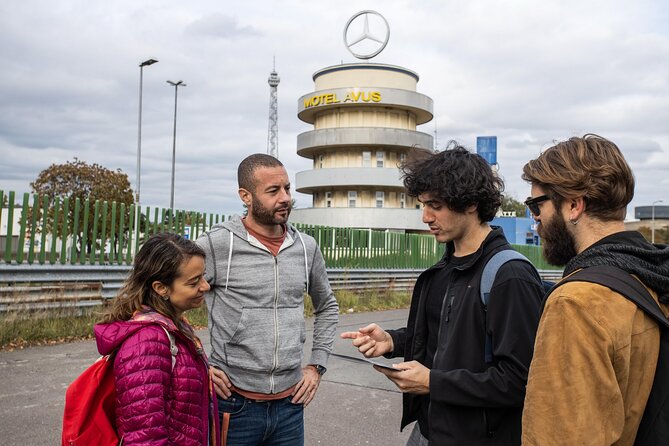
Berlin is a useful city for looking at cars from several angles. It is tied to the early story of the automobile, it is home to modern discussions about electric mobility, and it has a lively interest in preserved motorcars. This tour places those subjects in three different parts of the city rather than presenting them as one isolated museum display.
I like that structure. You begin with invention and public reaction, move into the political and practical questions around electric vehicles, then spend the longest part of the outing with classic cars. You are not just looking at machines. You are considering how each generation of automobile changed the way people moved, worked, and thought about the future.
The subject is narrow, though. You will not get a standard introduction to Berlin’s major landmarks, and the tour is not designed for someone who has little interest in cars. The guide’s ability to connect automotive details with Berlin’s past matters a great deal here. Martin Sacan received particular praise for making the material engaging and bringing the city’s story to life through automobiles.
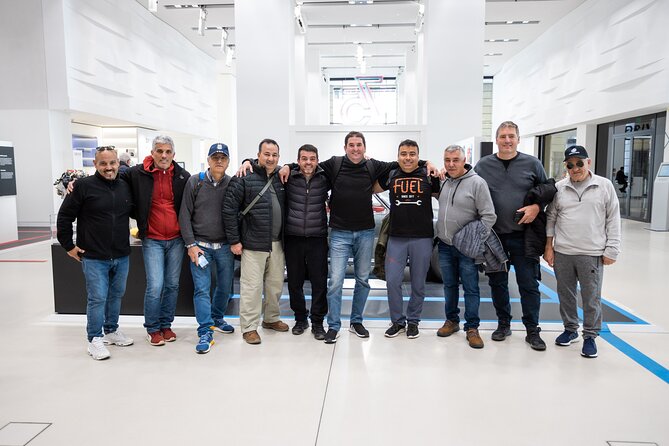
The tour is offered in English and is limited to a maximum of 30 people. That is a manageable size on paper, though the experience will still feel different with 10 people than with a full group of 30. If you want plenty of time for questions, arrive ready to listen and take part in the discussion.
Other Berlin trips people book alongside this one:
- Berlin: Reichstag, Dome and Government District Guided Tour
★ 4.7 · 18,288 reviews - Berlin: 1-Hour City Tour by Boat with Guaranteed Seating
★ 4.3 · 16,993 reviews - Berlin: Boat Tour Along the River Spree
★ 4.4 · 11,252 reviews
Potsdamer Platz and the birth of the automobile
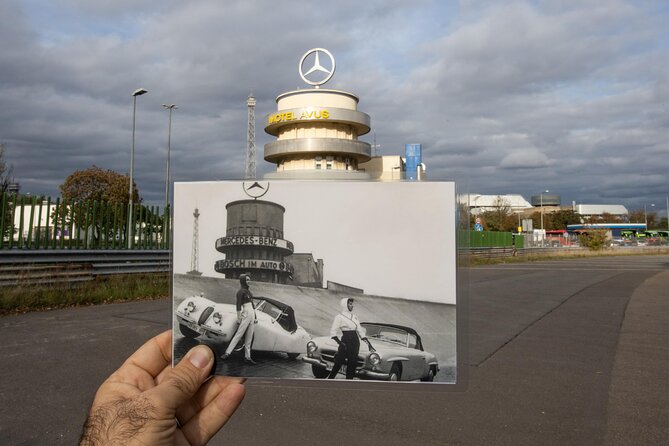
The tour begins at Potsdamer Platz 10, a convenient central meeting point with an important automotive connection. More than a century ago, Berlin issued the patent for the first automobile. A few meters from that location, you will also see Germany’s oldest traffic light.
That pairing gives the opening stop a nice sense of place. The traffic light is not just a random object to pass on the way to the next stop. It helps show how quickly the arrival of automobiles forced cities to rethink streets, crossings, and movement. At Potsdamer Platz, the tour links a major invention with the early systems needed to manage it.
You will spend about 30 minutes here. The discussion covers Karl Benz’s invention and the excitement it caused. The wording of the tour points to more than simple admiration. You will also consider the furor around the new machine, a useful reminder that new technology can bring worry and argument along with progress.
I like this opening because it gives the tour a strong anchor. Instead of beginning with a row of old cars, you start with the moment when the automobile was still new enough to surprise people. That makes the later stops easier to understand.
Admission is listed as free at this stop. The practical challenge is finding the exact meeting point in a busy central area, so check Potsdamer Platz 10 before setting out. The tour begins there, not at the final Moabit location, and the outing does not return you to the starting point.
Leipziger Platz and the question of electric mobility
The second stop is Leipziger Platz, where the subject shifts from the first automobile to the newest generation of cars. You will look at advanced electric vehicles and discuss what comes next for transportation.
This is not presented as a sales pitch. The questions are deliberately open: Are electric cars truly the future of the automotive industry, or are they mainly politically correct? When will combustion engines be finished? Those questions give the stop its energy, since you are invited to think about cost, policy, technology, and public opinion rather than simply accepting a prepared answer.
A particularly appealing detail is the chance to get into the cars. You will see a Tesla manufactured near Berlin, making the conversation feel more connected to the region. The tour does not just discuss electric vehicles as an abstract idea. It puts you close to the cars themselves.
This stop lasts about 30 minutes. That is enough time for an introduction and discussion, but not enough for a full technical lesson on battery systems, charging, or manufacturing. The available information does not promise those details, so I would treat this part as a guided conversation about the direction of car culture, not a specialist engineering tour.
The contrast with Potsdamer Platz is the point. At the first stop, the automobile is a historic invention that changed city life. At Leipziger Platz, you consider another major shift and ask what the city will do with it. If you enjoy discussions that do not have one easy answer, this may be one of the strongest parts of the tour.
Moabit’s classic cars and the longest stop
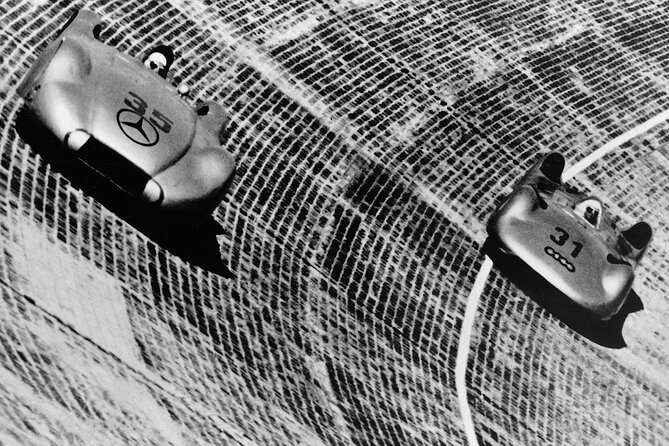
Moabit is the final stop, and the tour spends about 90 minutes there. The focus is on classic motorcars found in Berlin, described as timeless jewels of the city’s car culture.
This is where the tour moves from ideas to objects. After hearing about the early automobile and sitting in modern electric cars, you get a longer period to look at older vehicles and consider what has survived. The extra time matters. Classic cars need room for close attention, and a 90-minute visit should feel less rushed than the two half-hour stops.
The available details do not identify a specific museum, private collection, or exact list of vehicles. That is important when setting expectations. You may find a strong collection of historic cars, but you should not book this expecting a named museum with a published exhibit schedule unless the provider gives you more information before departure.
I would ask Martin Sacan at the start how the Moabit portion is organized and what types of cars you are likely to see. His role appears to be central to the experience. A guide who can explain why a particular car matters, how it fits Berlin’s story, and what makes its design distinctive can turn a display of vehicles into a memorable lesson.
The final stop also gives the tour its best balance. You have already discussed the social impact of automobiles and the arguments over electric cars. In Moabit, you can simply pay attention to the machines, their design, and the place they hold in Berlin’s culture.
Something different for another day:
- Discover Berlin Half-Day Walking Tour
★ 5.0 · 9,624 reviews - Berlin: Hop-on Hop-off Bus Tour with Live Commentary
★ 4.3 · 8,579 reviews - Berlin: Government District around the Reichstag Guided Tour
★ 4.7 · 8,447 reviews - Berlin: Reichstag, Plenary Chamber, Cupola & Government Tour
★ 4.6 · 8,422 reviews
What the $50.57 price really buys you
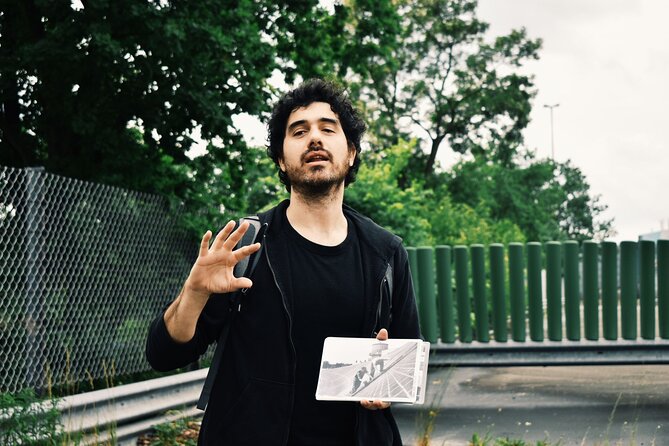
At $50.57 per person, this is not the cheapest way to spend three hours in Berlin. It is also not an unreasonable price for a specialized, English-language outing with a guide and access to the places included.
The key value is not transportation or a long list of admissions. The entrance ticket to all places visited is included, but the required AB-zone transport ticket is not. You are paying mainly for the route, the interpretation, and the chance to see and enter cars that you might not encounter on a normal city walk.
I would judge the price this way:
- If you already follow automobile design, classic cars, or electric vehicle news, the focused subject may justify the cost.
- If you want a general Berlin tour, you will get better value elsewhere.
- If Martin Sacan is guiding your departure, his storytelling and personal interest may be a major part of what you are buying.
- If you dislike spending time on technical or historical subjects, the 90-minute Moabit stop could feel long.
The strongest praise for the tour centers on its engaging presentation, organization, and the guide’s passion for Berlin and automobiles. That is encouraging, but it also tells you exactly what to look for. This is not a self-guided car display. The guide’s explanations are a large part of the value.
Getting between the three locations
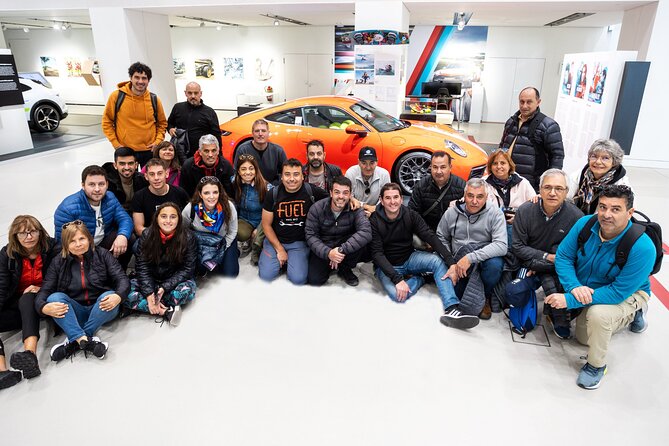
The tour begins at Potsdamer Platz and ends at Berlin Beusselstraße, near Beusselbrücke in Moabit. Because the start and end points are different, you should plan your day around the route rather than expecting to finish where you began.
A daily Berlin AB-zone transport ticket is necessary and must be purchased separately. The supplied details do not specify the exact public transport connections or how the group moves between each stop, so allow time to follow the guide and keep your ticket available throughout the outing.
The stated duration is approximately three hours. The listed stops total about two and a half hours, which leaves time for movement, introductions, and transitions. Do not schedule a tight appointment immediately afterward. The final stop is in Moabit, not back at Potsdamer Platz.
The mobile ticket is useful for a city outing, and confirmation is normally received when you book. If you book within one hour of departure, confirmation arrives as soon as possible and depends on availability. Since the tour is booked an average of 12 days ahead, reserving before your visit is sensible, especially if your dates in Berlin are fixed.
Who will get the most from this experience
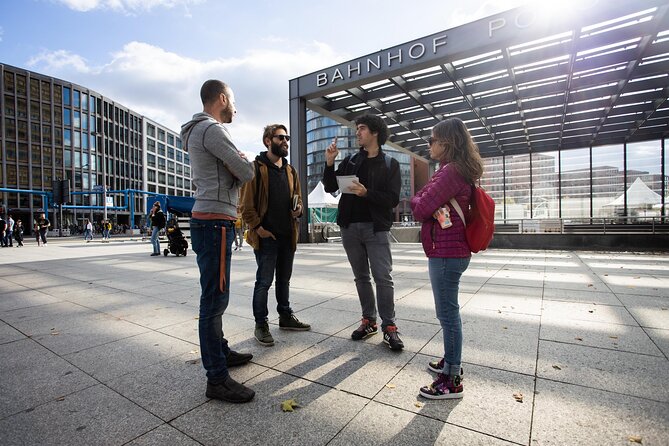
I would recommend this tour first to people who already have a clear interest in cars. That includes fans of vintage automobiles, electric vehicles, German engineering, urban transport, and the social effect of new technology.
It also suits repeat visitors to Berlin who have already seen the standard sights. Potsdamer Platz and Leipziger Platz are familiar parts of the central city, but this tour gives you a different reason to look at them. You will notice the city through traffic, invention, public debate, and design.
The tour can also work for a curious first-time visitor, provided you are comfortable giving up three hours of general sightseeing. The subject is specific, but it connects to broader questions about how cities change. Martin’s style, described as professional, attentive, and highly engaged, appears to help make the material accessible.
I would think twice if you want a slow museum visit with plenty of time alone. This is a guided experience with several stops and a group limit of up to 30 people. It is also not the best choice if your priority is Berlin’s political landmarks, art museums, food, or wartime history.
Most people can participate, and service animals are allowed. The tour is near public transportation, but remember that your AB-zone ticket is a separate cost.
What makes the guide important
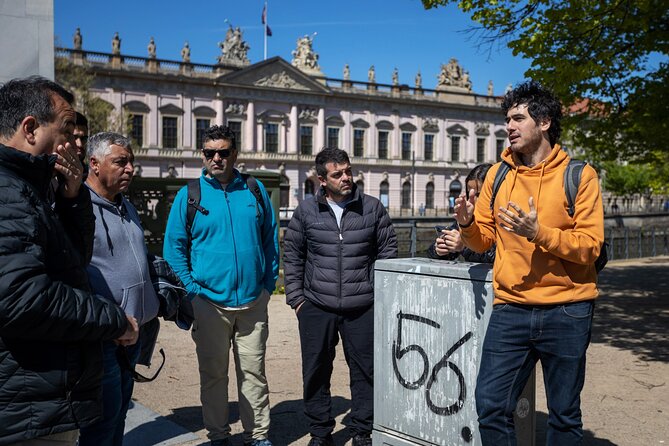
The strongest personal detail attached to this tour is the name Martin Sacan. His expertise and passion for Berlin’s history and automobiles are repeatedly tied to the quality of the outing. He is described as bringing the city’s past to life through storytelling and detailed explanations.
That matters because the subject can easily become a list of dates, brands, and engine types. A good guide gives those facts a human purpose. At Potsdamer Platz, that might mean explaining why the first automobile caused such a stir. At Leipziger Platz, it might mean keeping the electric car debate open rather than turning it into a simple argument for or against Tesla. In Moabit, it should mean showing why certain classic cars deserve attention.
The tour is most promising when you treat Martin as the thread connecting all three stops. Listen for the links between invention, city planning, industry, and personal taste. Ask questions when the conversation turns to the future of combustion engines or the role of cars in Berlin.
Booking, group size, and cancellation
The tour accepts mobile tickets and is offered in English. The maximum group size is 30, so the atmosphere should be more personal than a large bus excursion, though the exact feel depends on the number booked for your date.
Free cancellation is available up to 24 hours before the start time for a full refund. Changes or cancellations made less than 24 hours before departure are not accepted for a refund. The cut-off uses Berlin local time.
The tour requires a minimum number of participants. If that minimum is not reached and the outing is canceled, you will be offered another date or experience, or receive a full refund. Keep that rule in mind when arranging an important connection after the tour.
Should you book the Berlin and Car Culture Tour?
Book it if you want a focused look at Berlin through automobiles, especially if Karl Benz, Tesla, classic motorcars, or the future of electric transport already interest you. The progression from Potsdamer Platz to Leipziger Platz and then Moabit is logical, and Martin Sacan’s storytelling appears to be one of the tour’s biggest strengths.
Skip it if you want a broad introduction to Berlin or prefer to explore museums at your own speed. The $50.57 price is fair for a specialized guided outing, but only if the subject matches your interests. Bring the required AB-zone transport ticket, leave room for the three-hour route, and ask for more detail about the Moabit collection if classic cars are the main reason you are booking.
FAQ
Where does the Berlin and Car Culture Tour begin?
The tour begins at Potsdamer Platz 10, 10785 Berlin, Germany.
Where does the tour end?
The tour ends at Berlin Beusselstraße, near Beusselbrücke in Moabit, 10551 Berlin, Germany.
How long does the tour last?
The tour lasts approximately three hours. The scheduled stops take about 30 minutes at Potsdamer Platz, 30 minutes at Leipziger Platz, and 90 minutes in Moabit.
Is transportation included in the price?
No. You need a separate daily Berlin AB-zone transport ticket for the tour.
Is the tour offered in English?
Yes. The tour is offered in English.
Can you get inside the cars?
At Leipziger Platz, the tour includes the opportunity to get into the electric cars, including a Tesla manufactured near Berlin.
What is the maximum group size?
The tour can include a maximum of 30 people.
What is the cancellation policy?
You can cancel up to 24 hours before the experience starts for a full refund. Cancellations or changes made less than 24 hours before the start time are not accepted for a refund.
Just added around Berlin
- Kreuzberg Private Walking Tour: Immigrants, Artists & Hipsters★ 5.0 · 3 reviews
- Private Photo Tour in Kreuzberg★ 5.0 · 3 reviews
- Individual city tour Berlin for max. 8 persons★ 5.0 · 3 reviews
- Berlin’s Jewish Heritage: Private Tour of the Vibrant Jewish District★ 5.0 · 3 reviews
- Berlin & The Third Reich Private Guided Tour★ 5.0 · 3 reviews
- Private Analogue Photography Experience in Berlin★ 5.0 · 3 reviews
- Spy Mission in Berlin: Self-Guided Espionage Puzzle Quest★ 5.0 · 3 reviews
- Berlin Christmas Markets Walking Tour with Local Guide★ 5.0 · 3 reviews
Berlin Tours, compared.
Reichstag, Dome and Government District Guided Tour
Read our review →
1-Hour City Tour by Boat with Guaranteed Seating
Read our review →

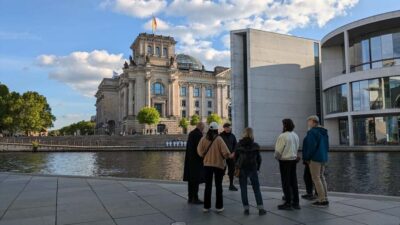
Government District around the Reichstag Guided Tour
Read our review →
Reichstag, Plenary Chamber, Cupola & Government Tour
Read our review →