
Reviewed · MEMORIAL & CONCENTRATION CAMP TOURS
Visita en español al campo de concentración Sachsenhausen
History feels different when you walk through the place itself. This Spanish-language visit to Sachsenhausen gives you a clear, guided look at the former concentration camp, including the entrance, barracks, kitchen, command headquarters, execution area, casino, and Tower A. I especially like the Spanish-speaking guides, who explain difficult material with care, and the way the tour begins in central Berlin before heading to Oranienburg.
I also like the strong organization. Guides such as Alberto, Vicent, Ivan, Micaela, Francisco, Jorge, Edu, Mika, and Eduardo have been praised for explaining clearly, answering questions, and keeping the group together. The main drawback is the pace: some people find the schedule too tight, especially families with children or anyone who wants extra time at the memorial.
In This Review
- Key points
- Why Sachsenhausen deserves a full morning
- Meeting at Pariser Platz at 9:00 a.m.
- The journey from Berlin to Oranienburg
- Walking through the entrance and Tower A
- Barracks, kitchen, armory, and casino
- Command headquarters and the execution area
- How the Spanish-language guiding changes the visit
- Three hours inside the memorial: enough time?
- Is the $34.58 price good value?
- Who should book this Sachsenhausen visit?
- Final verdict: a serious tour worth choosing
- FAQ
- Where does the Sachsenhausen tour begin?
- Where does the visit end?
- How long does the experience last?
- Is the tour conducted in Spanish?
- What parts of Sachsenhausen are included?
- Is transportation included?
- Is food included?
- Can children participate?
- What happens if I need to cancel?
Key points
- Spanish-language history: The guide explains the camp and the Nazi period in Spanish, with personal anecdotes and context beyond the basic displays.
- Three hours inside Sachsenhausen: You visit the former armory, entrance, casino, command headquarters, Tower A, execution area, barracks, kitchen, and other sections.
- Central Berlin departure: The tour starts at 9:00 a.m. at Pariser Platz, making it easy to reach from central Berlin.
- A serious, respectful visit: This is an educational memorial visit, not a light sightseeing outing. Expect disturbing subject matter.
- Small enough for guidance: Groups can reach 30 people, and the group may be divided so the guide can speak more directly to you.
- Plan for the weather: Much of the visit is outdoors. Wear warm, weatherproof clothing, especially in winter.
Why Sachsenhausen deserves a full morning
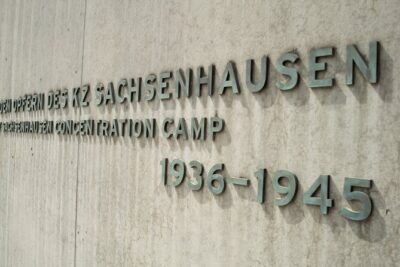
Sachsenhausen is not a conventional sightseeing stop. It is a memorial and museum occupying the grounds of a former concentration camp, and the purpose of the visit is to understand what happened there and how the camp operated.
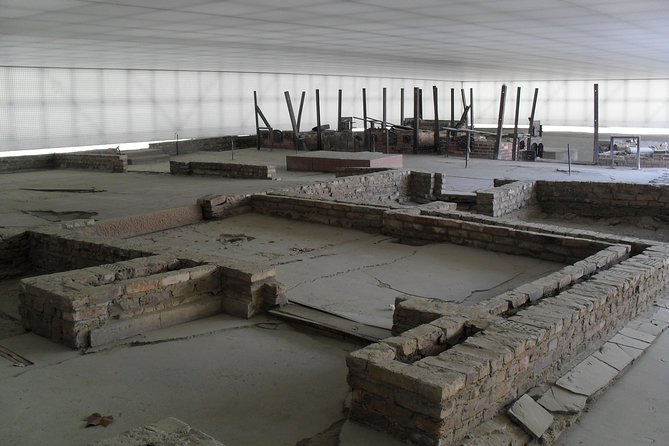
The physical remains can feel stark. Some areas are preserved, while other parts are open or marked by memorial displays. That can make the visit feel less visually full than a major palace or museum, but the emptiness is part of the impact. You are not simply looking at old buildings. You are being asked to consider how an organized system of imprisonment, punishment, forced labor, and killing functioned.
A guide matters here. Without one, you may see the entrance, barracks, and open grounds without understanding how each part fitted into the wider system. The Spanish-speaking guide gives you a route through the site and explains the meaning of places that might otherwise look confusing or bare.
I would not schedule this immediately before a cheerful evening activity. The subject is painful, and the visit is designed to educate you about the horrors of the German Nazi regime. It deserves time, attention, and a respectful attitude.
More memorial visits:
- Berlin: Sachsenhausen Concentration Camp Tour in English
★ 5.0 · 5,711 reviews - Berlin: Sachsenhausen Concentration Camp Memorial Tour
★ 4.7 · 3,716 reviews - Sachsenhausen Concentration Camp Bus Tour in English from Berlin
★ 5.0 · 1,962 reviews
Meeting at Pariser Platz at 9:00 a.m.
The day begins at Pariser Platz 4, 10117 Berlin, close to the Brandenburg Gate and other central Berlin sights. The stated start time is 9:00 a.m., so arrive early enough to find the meeting point without rushing.
The central location is useful. You do not need to make your own way directly to Oranienburg at the beginning of the day, and the tour provides a clear starting point before the group travels out of Berlin. A professional guide and a local guide are included, and the tour has a maximum group size of 30 people.
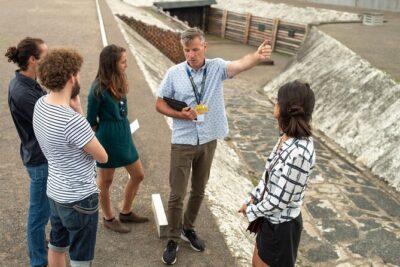
That is not an especially tiny group, but it is manageable for a guided walk. The group may be split during the visit, which can make explanations easier to hear and questions easier to ask. This matters at a memorial site where a rushed or unclear explanation can leave you with more confusion than understanding.
The tour operates in all weather conditions. That point is practical, not a footnote. Bring a proper coat in cold months, and consider rain protection throughout the year. One particularly useful piece of advice is to dress warmly in winter, since you can spend long stretches outside.
You must also bring an ABC public transport ticket already purchased. The tour information lists the transport card as not included. Check that you have the correct ticket before departure, since a pleasant morning can quickly become stressful if you are trying to sort out transport after meeting the group.
The journey from Berlin to Oranienburg
The trip connects central Berlin with the Sachsenhausen Memorial and Museum in Oranienburg. The tour is described as including round-trip transport from Berlin, while the listed end point is Sachsenhausen Memorial & Museum, Str. d. Nationen 22, 16515 Oranienburg.
Because the meeting and end details are presented separately, I would pay close attention to the instructions you receive after booking. The important point is that the visit begins in central Berlin and takes you to the memorial as part of an organized outing. The ABC transport ticket remains your responsibility.
The journey also gives the guide a chance to set the tone before you arrive. Several guides have been praised for explaining how the transfer would work, keeping to the schedule, and accompanying the group from the first meeting point onward. That early orientation is useful because it lets you arrive with some context instead of trying to understand everything at the entrance.
The overall experience lasts about five hours, with roughly three hours spent on the guided visit inside and outside the former camp grounds. The remaining time covers meeting, transport, organization, and the return arrangements described for the tour.
Walking through the entrance and Tower A
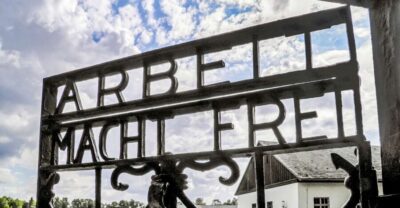
The guided route includes the camp entrance and Tower A, the area associated with the main entry point into the former camp. The entrance is an important first stop because it changes the feeling of the visit immediately. You move from an ordinary morning in Berlin to a place built around control, confinement, and fear.
A guide can explain what you are seeing rather than leaving you to guess at the purpose of each structure. Tower A also helps you understand the camp as a controlled site, with movement watched and access restricted.
This is where the language of the tour becomes particularly useful. The guide can explain terms, translate written material when needed, and connect the physical site with the wider events of the Nazi period. You are not left to assemble the story from isolated signs.
The route then continues through several sections of the former camp. It is worth listening closely at the beginning, because the early explanation helps you follow the rest of the visit.
Something different for another day:
- Berlin: Reichstag, Dome and Government District Guided Tour
★ 4.7 · 18,288 reviews - Berlin: 1-Hour City Tour by Boat with Guaranteed Seating
★ 4.3 · 16,993 reviews - Berlin: Boat Tour Along the River Spree
★ 4.4 · 11,252 reviews - Discover Berlin Half-Day Walking Tour
★ 5.0 · 9,624 reviews
Barracks, kitchen, armory, and casino
The tour includes the barracks, kitchen, former armory, and casino. These locations help show different sides of daily life inside the camp.
The barracks are central to understanding how prisoners lived. The kitchen points to the basic systems required to feed a large imprisoned population, while the armory and other work-related areas show the camp as an organized institution rather than a collection of random buildings.
The casino is a striking inclusion because the word may sound harmless or even ordinary. In this setting, it belongs to the hierarchy and operation of the camp, not to leisure in the way you might first imagine. The guide’s job is to explain that context and show how different spaces were used.
Several guides have been singled out for adding details that go beyond the standard account. Ivan was praised for connecting the site to wider events of the Second World War, while Jorge was praised for giving clear explanations and answering questions patiently. That extra context is one reason I think this experience works better with a guide than as a self-guided visit.
You should also expect pauses while the guide explains the buildings and their purpose. The pace may feel controlled, and that is generally helpful at a large memorial site. Still, if you want to stop for a long time at every display, three hours may not be enough.
Command headquarters and the execution area
The command headquarters and execution area are among the most difficult sections of the visit. These stops confront you with the administrative and violent sides of the camp system.
The headquarters helps explain how the site was managed. The execution area brings the human cost into sharper focus. The tour does not treat these places as dramatic props. The strongest descriptions of the guides praise their respectful tone, clear teaching, and ability to explain without turning the visit into spectacle.
That balance matters. The purpose is not to shock you for its own sake. It is to show how cruelty can be organized, recorded, and carried out through institutions.
Eduardo has been praised for setting the tone from the start and presenting complete, explanatory information. Francisco has been praised for his passion and for the care with which he tells the story. A good guide at a place like this should help you face the facts without theatrical behavior, and that is what this tour aims to do.
Some parts may be emotionally heavy. If you are visiting with children, think carefully about their age and ability to handle the subject. Children are allowed to participate, but one assessment of the tour found the timing less suited to younger children, who may need more time and patience during the walk.
How the Spanish-language guiding changes the visit
The biggest reason to choose this tour is the language. Historical information can be difficult enough in your own language. At Sachsenhausen, the subject matter is serious, the names and institutions can be unfamiliar, and the setting itself can be disorienting.
A Spanish-speaking guide lets you focus on the meaning rather than translating every detail in your head. It also gives you a better chance to ask direct questions. The guides have been praised for being attentive, answering questions, and helping people find their way through the site.
The style can vary by guide. Alberto has been described as pleasant and strong on history. Vicent has been praised for making the story understandable and for adding useful information. Micaela has been described as attentive and well prepared. Edu and Mika were praised for punctuality and clear instructions about the transfer.
The guide is not just a walking escort. The value comes from explanation, structure, and human judgment. At a site where some buildings are gone and some spaces look empty, the story provided by the guide connects what remains.
If Spanish is your strongest language for historical discussion, I think the added clarity is worth paying for. If you are fully comfortable with English or German and prefer to explore alone, you may want a different format, but you would lose the direct commentary and organized route offered here.
Three hours inside the memorial: enough time?
The guided portion lasts about three hours. That is long enough to cover the main sections without making the entire day exhausting, but it is not an unlimited visit.
You should expect to see the listed parts of the former camp rather than examine every display at length. The route includes indoor and outdoor areas, and the guide manages the group’s movement between them. One assessment found the pace too strict, with the guide timing sections closely and moving on before everyone felt finished.
That criticism is important. A guided schedule keeps the group together, but it reduces your freedom. You may have to choose between listening to the guide and spending extra time reading or looking around. If you prefer slow, solitary museum visits, this tour may feel too structured.
On the other hand, some people find the organization reassuring. A large memorial can be confusing, and having someone direct you from the entrance to the barracks, kitchen, headquarters, and execution area means you are less likely to miss important sections. The guide also helps the group stay on schedule for the return journey.
I would treat the three hours as a strong introduction rather than an exhaustive study. If you already have extensive knowledge of Sachsenhausen, you may want more independent time. If this is your first visit, the guided route gives you a serious and useful foundation.
Is the $34.58 price good value?
At about $34.58 per person, this is not simply a transport ticket. You are paying for a professional guide, a local guide, organized movement from central Berlin, and around three hours of explanation at a difficult historical site.
The value depends mainly on how much you want guidance. If you only need help getting to Oranienburg, the price may feel high, especially since the ABC transport card is not included. If you want the site explained in Spanish and prefer not to manage the route alone, the price is more reasonable.
The tour has received a 4.9 rating from 1,170 ratings, with 99 percent recommending it. That strong response matches the parts I consider most valuable: guide quality, clear organization, and the chance to ask questions in Spanish.
Still, value is not the same as comfort. You are paying for access to difficult information, not entertainment. The experience is worthwhile because it helps you understand the place, but it may leave you quiet and unsettled afterward.
Who should book this Sachsenhausen visit?
I would recommend it to Spanish-speaking adults who want a guided introduction to the memorial and to anyone who finds historical sites easier to understand with spoken explanation.
It suits you especially well if:
- You want a Spanish-language guide.
- You prefer organized transport from central Berlin.
- You want to see the main sections of the former camp in one morning.
- You value historical context and the chance to ask questions.
- You are comfortable with disturbing subject matter.
- You can keep to a group schedule.
I would think twice if you want a relaxed outing, have very young children, or prefer to spend as long as you like at each display. The pace has been a concern for some people, and the memorial itself is emotionally demanding.
Book at least a day ahead if possible, since the experience is often reserved around 12 days before the visit. You receive confirmation when booking, and free cancellation is available up to 24 hours before the start time. Changes or cancellations inside that period are not accepted for a refund.
Final verdict: a serious tour worth choosing
This is a strong choice if you want to visit Sachsenhausen with clear Spanish-language guidance. The best part is not the transport or the group logistics. It is the quality of the explanation, especially when guides such as Alberto, Vicent, Ivan, Micaela, Francisco, Jorge, Edu, Mika, and Eduardo bring structure and care to a painful subject.
The main tradeoff is time. Three hours is enough to cover the key areas, but some people will want another 45 minutes to read, reflect, and look more closely. Go prepared for a brisk schedule, outdoor walking, and emotionally difficult material.
Book this tour if understanding the site matters more to you than exploring alone. The guide turns a large, stark memorial into a place you can follow and think about. That makes the $34.58 reasonable for many Spanish-speaking visitors, provided you arrive prepared, carry your ABC transport ticket, and allow the experience the respect it deserves.
FAQ
Where does the Sachsenhausen tour begin?
It begins at Pariser Platz 4, 10117 Berlin, Germany, at 9:00 a.m.
Where does the visit end?
The listed end point is Sachsenhausen Memorial & Museum, Str. d. Nationen 22, 16515 Oranienburg, Germany.
How long does the experience last?
The full experience lasts approximately five hours. About three hours are spent on the guided visit inside and outside the former camp grounds.
Is the tour conducted in Spanish?
Yes. The tour is designed for Spanish-speaking participants, and the guide provides the historical explanations in Spanish.
What parts of Sachsenhausen are included?
The route includes the former armory, entrance, casino, command headquarters, Tower A, execution area, barracks, kitchen, and other former camp facilities.
Is transportation included?
The tour includes organized travel from Berlin as part of the outing, but you must bring an ABC public transport ticket that you have purchased separately.
Is food included?
No. Food and drinks are not included, except for any specific value-added offers stated in the guidebook.
Can children participate?
Most people can participate, and children are allowed to join. However, the subject matter is disturbing and the group schedule may feel demanding for children who need a slower pace.
What happens if I need to cancel?
You can cancel up to 24 hours before the experience starts for a full refund. Cancellations or changes made less than 24 hours before the start time are not refunded or accepted.
Just added around Berlin
- Berlin: Private Guided Tour of the Main Sights★ 5.0 · 13 reviews
- Private Highlights of Berlin Bike Tour★ 5.0 · 13 reviews
- Modern Berlin Private Walking Tour: Diverse, Vibrant and Exciting German Capital★ 5.0 · 13 reviews
- Tour in Berlin from Warnemünde and Rostock Cruise Port★ 4.1 · 13 reviews
- Berlin: Stasi Museum Private Guided Tour with Entry Ticket★ 4.8 · 13 reviews
- Private Food Tour Experience with a born and bred Berliner★ 5.0 · 14 reviews
- Berlin: Rheinsberg Palace Entrance Ticket★ 4.8 · 14 reviews
- Berlin in one day – day tour with an expert guide★ 5.0 · 14 reviews
Memorial & Concentration Camp Tours, compared.
Sachsenhausen Concentration Camp Tour in English
Read our review →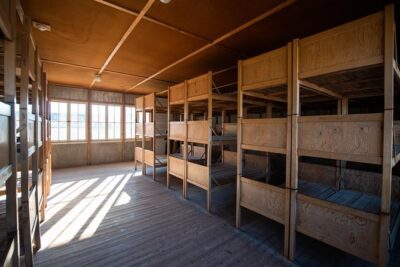
Dachau Concentration Camp Memorial Site Tour from Munich by Train
Read our review →
Sachsenhausen Concentration Camp Memorial Tour
Read our review →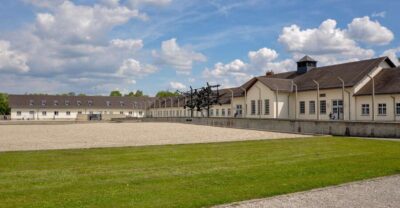
Sachsenhausen Concentration Camp Bus Tour in English from Berlin
Read our review →Sachsenhausen Concentration Camp Tour in English
Read our review →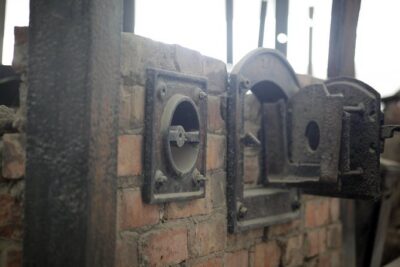
Sachsenhausen Concentration Camp Memorial Tour (Max. 15 Guests)
Read our review →Browse the lists this tour appears in