
Reviewed · TRAIN EXPERIENCES
Nuremberg: Nuclear Bunker in Main Railway Station
History waits beneath the station. Nuremberg’s nuclear bunker offers a rare look at Cold War civilian defense, with exhibits on atomic weapons, chemical and biological threats, and life underground. I like the way this tour links world events to an ordinary public place. I also like the chance to lie on a bunker pallet and picture sharing the cramped shelter with several hundred people.
The main drawback is the setting itself: the bunker is tight, enclosed, and not suitable for people with claustrophobia or mobility impairments. The tour is also conducted in German, so you will need enough German to follow the guide.
In This Review
- Key points before you book
- Why this bunker matters beneath a busy station
- Finding the entrance under Nuremberg Hauptbahnhof
- The 75-minute route through Cold War fear
- Atomic bombs, modern warheads, and the computer simulation
- Sitting on the pallets and imagining the shelter
- What the guide adds to the experience
- Is $15 good value for 75 minutes?
- Who will get the most from this visit?
- Practical tips for a smoother visit
- Should you book the Nuremberg nuclear bunker tour?
- FAQ
- Where is the nuclear bunker tour meeting point?
- How long does the tour last?
- What language is the tour in?
- What is included in the price?
- Can I bring luggage or food inside?
- Is the bunker suitable for wheelchair users or people with claustrophobia?
Key points before you book
- The bunker sits beneath Nuremberg’s main railway station, but its entrance is easy to miss near Yorma’s in the Königstorpassage.
- The 75-minute tour covers both World War II and the Cold War, with a strong focus on nuclear weapons and civilian protection.
- A computer simulation shows the growth of nuclear arsenals, giving scale to a threat that is hard to imagine from photographs alone.
- You can lie on a pallet or sit inside the bunker, which makes the experience physical rather than purely historical.
- The tour costs about $15 per person, a reasonable price for a guided museum-style experience in central Nuremberg.
- The tour is in German, and late entry is not permitted once the group has started.
Why this bunker matters beneath a busy station
Nuremberg’s central station is a place of arrivals, departures, shopping, and hurried connections. Below it sits a very different world: a protected underground facility designed for a crisis that could destroy the city above.
After World War II, the dropping of atomic bombs on Japan changed the meaning of civilian protection. The danger was no longer limited to conventional bombing. Nuclear weapons could cause vast destruction, while chemical and biological attacks posed their own frightening risks.
This bunker was intended to protect some people in Nuremberg, especially those already at the station when an acute threat struck. That purpose gives the site a sharp practical edge. You are not simply looking at a military command center or a private shelter for officials. You are considering how an entire population might be protected, at least in theory.
I find that setting especially effective because the bunker is tied to daily public life. The station was built for movement, yet the bunker was built for people to stop, shut themselves away, and wait. That contrast gives the tour more force than a display of weapons alone.
The facility was considered one of the most modern bunkers of its time. You will learn about the ideas behind its construction and the systems intended to help civilians survive a nuclear, chemical, or biological attack.
A few more tours and experiences worth a look
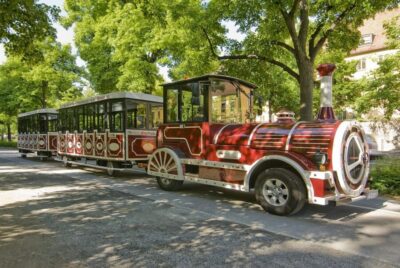
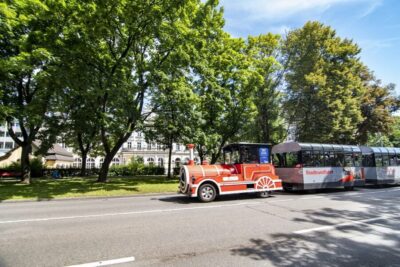
- Nuremberg: City Tour with the Bimmelbahn Train
★ 4.4 · 2,475 reviews - City tour through Nuremberg with the little train – Christmas tour
★ 4.0 · 23 reviews - Dachau Concentration Camp Memorial Site Tour from Munich by Train
★ 4.5 · 5,637 reviews
Finding the entrance under Nuremberg Hauptbahnhof
The meeting point is inside Nuremberg’s main railway station. Enter through the main portal and make your way into the main hall. From there, four escalators lead toward the basement floors.
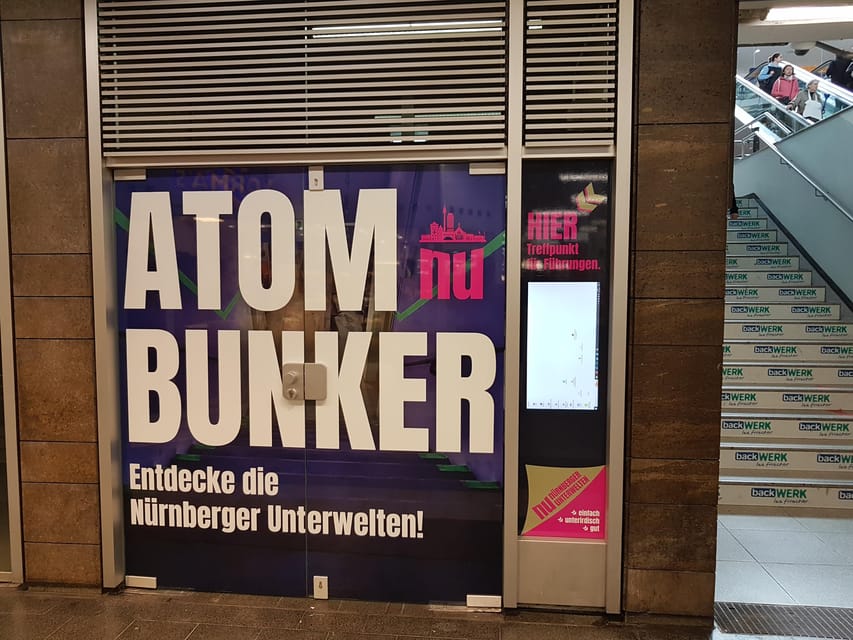
You have two practical options. Take the long escalator down to the shopping arcade, known as the Königstorpassage, or use the shorter escalator followed by a flight of steps. At the bottom, turn sharply right. The bunker entrance is on the right wall, directly near the Yorma’s restaurant.
This is the one part of the visit that can cause needless stress. The entrance is not presented like a large museum doorway, and it is easy to walk past if you are rushing between trains. I recommend arriving early, locating the entrance, and then returning to the meeting point before the start time.
That advice matters because late entry is not allowed. The tour takes place rain or shine, but the station location makes weather a minor concern. The real issue is timing. Give yourself enough time to find the correct basement level, especially if you do not know Nuremberg’s station.
Transportation is not included, but you do not need a separate transfer once you reach the station. Food and drinks are also not included, and neither food nor drinks may be taken into the bunker.
The 75-minute route through Cold War fear
The tour begins with the bunker itself, but the guide’s explanation places it in a wider story. You will move from the end of World War II into the Cold War, when nuclear weapons shaped politics, military planning, and everyday fears.
The first part focuses on the reason these shelters were built. The core question is direct: how could civilians be protected from a weapon capable of destroying a city?
The answer was never simple. A bunker might shield people from some effects of an attack, but it could not make nuclear war safe. The exhibits help you consider that uneasy gap between protection and survival. They show the methods that authorities imagined using to confront nuclear, chemical, and biological threats.
I appreciate that this approach keeps the tour grounded. You are not only studying a concrete structure. You are examining a set of decisions made under pressure, when governments had to plan for an event that seemed both unlikely and catastrophic.
The exact order of the displays can depend on the guide and the group, but the tour includes information about civilian protection and the development of protective measures after World War II. The content is serious, though the guide’s tone can keep it from becoming grim from start to finish. A good guide may use humor and plain common sense to make the atmosphere easier to handle without making light of the subject.
Atomic bombs, modern warheads, and the computer simulation
One of the most useful parts of the visit is the explanation of nuclear destructive power. It is difficult to understand the difference between an early atomic bomb and a modern nuclear warhead through words alone.
A computer simulation helps show how the nuclear arsenal developed. You will see how the first atomic bombs compared with later weapons and how alarming the growth of nuclear power became during the Cold War.
This section gives the tour its strongest educational value. Many people know the basic story of Hiroshima, Nagasaki, and the arms race, but scale is another matter. The simulation helps turn an abstract threat into something you can compare.
I would not expect a long technical lesson in weapons engineering. The point is not to overload you with military data. Instead, the display offers a clear sense of the destructive power involved and the ominous direction of weapons development.
That makes the exhibit useful for adults and older children who already have some interest in twentieth-century history. The tour is not suitable for children under eight, and the subject matter may be too intense for very young children even aside from the physical setting.
Something different for another day:
- Bamberg: Guided Walking Tour
★ 4.6 · 3,202 reviews - Nuremberg: Old Town Guided Walking Tour
★ 4.6 · 2,416 reviews - Nuremberg: Tunnels and Secret Passages in the City Wall Tour
★ 4.8 · 2,334 reviews - Nuremberg: Medieval Dungeons Guided Tour
★ 4.8 · 1,726 reviews
Sitting on the pallets and imagining the shelter
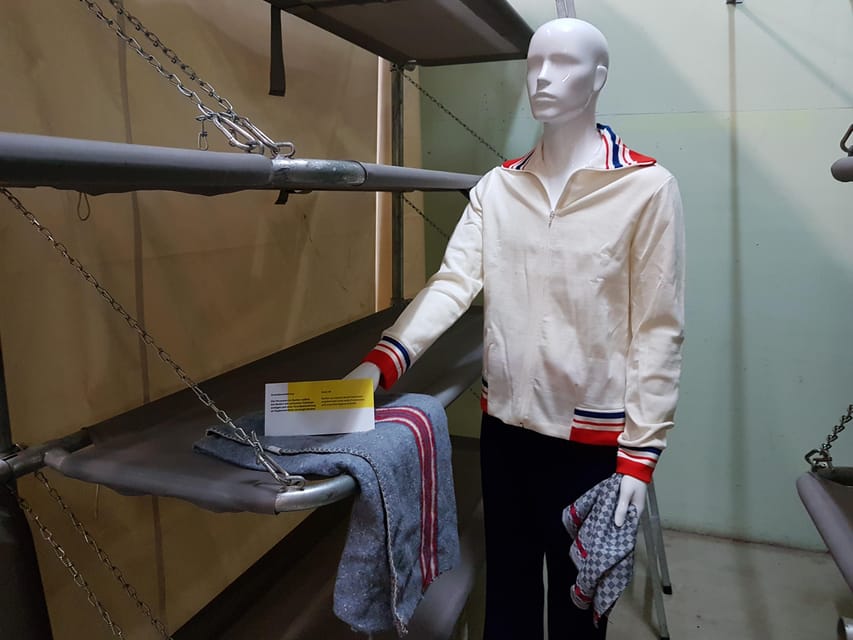
The most memorable moment is the chance to experience the bunker’s physical conditions. You can lie down on a pallet or sit as you picture several hundred people packed into the same protected space.
This simple act changes the visit. It is one thing to read about a shelter designed for civilians. It is another to look at the sleeping arrangements and imagine waiting there with hundreds of strangers, unsure what was happening above.
Do not expect comfort. The point is precisely to show how limited and confining the environment would have been. You might find the space manageable for a short guided visit, but people with claustrophobia should take the warning seriously.
The bunker is also unsuitable for wheelchair users and people with mobility impairments. Large bags and luggage are not permitted, so you should arrange storage before arriving if you are carrying more than a small personal item. Pets are not allowed, although assistance dogs are permitted.
You may not touch the exhibits, use selfie sticks, smoke, or bring food and drinks inside. These rules are sensible in a preserved underground site, but they are worth knowing before you arrive.
What the guide adds to the experience

This is a live guided tour rather than a self-guided walk. The guide provides the context that connects the bunker rooms, technical ideas, and Cold War fears.
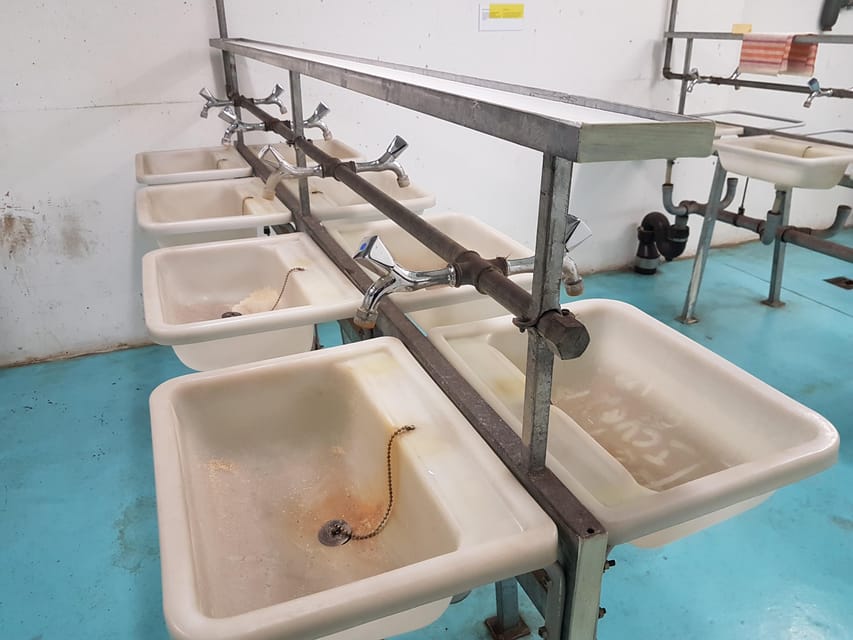
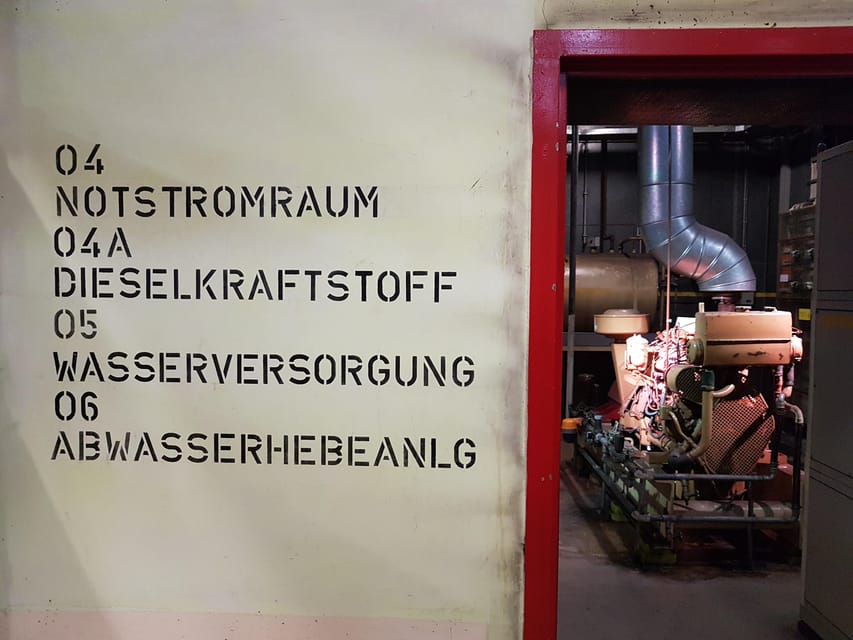
That human explanation matters here. A bunker can otherwise feel like a series of pipes, walls, doors, and dim corridors. The guide explains why the facility existed and how civilian protection developed after the war.
The best tone for this subject is calm, clear, and practical. That is what you should hope for from the tour. The material includes nuclear destruction and the possibility of chemical and biological attacks, so a guide who uses a little humor and common sense can make the information easier to absorb.
The tour language is German. There is no indication of an English-language option, so I would book only if you can follow a German-speaking guide or have checked for language help in advance. A language barrier would affect the main value of the visit, since much of the experience comes from explanation rather than visual display alone.
Is $15 good value for 75 minutes?
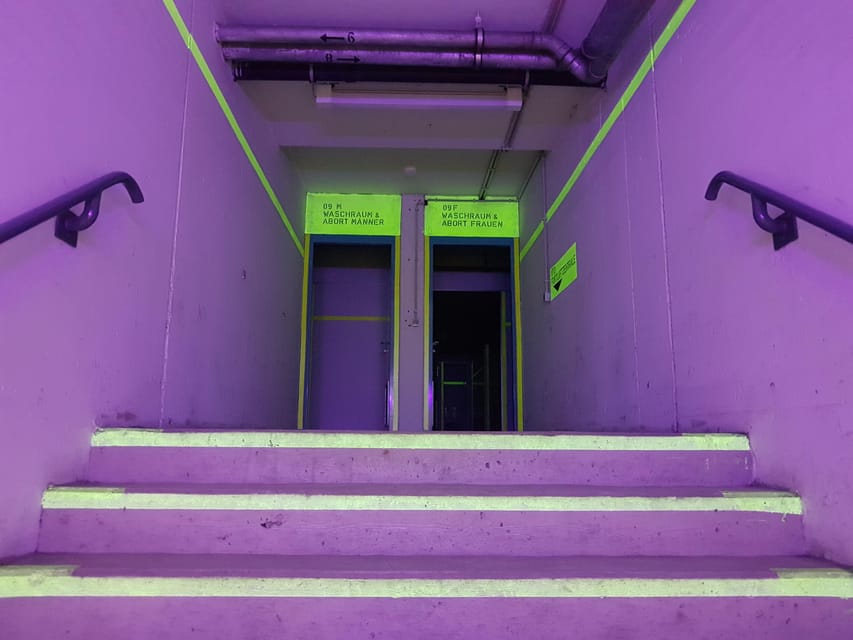
At about $15 per person, this is a fairly priced historical experience. You receive admission to the bunker and a guide, and the visit lasts 75 minutes. That works out well if you want a focused museum stop that fits into a day in central Nuremberg.
The value is strongest for people interested in World War II, the Cold War, nuclear history, or public safety. You are paying for access to a place that normally requires explanation, not just for a room filled with objects. The guide helps turn the bunker into a lesson about how governments and civilians thought about survival.
The price also compares well with the time involved. A 75-minute visit is long enough to cover the historical background, the exhibits, the nuclear weapons simulation, and the living conditions without taking an entire day.
Still, this is not the right choice if you want a light sightseeing stop. The subject is unsettling, and the physical space is confined. If you have only a short gap between trains, you should not book it unless you have enough time to find the entrance and complete the tour without rushing.
Free cancellation up to 24 hours before the start and the option to reserve now and pay later make planning easier. Those policies are useful if your Nuremberg schedule may shift, but they do not change the need to arrive on time.
Who will get the most from this visit?
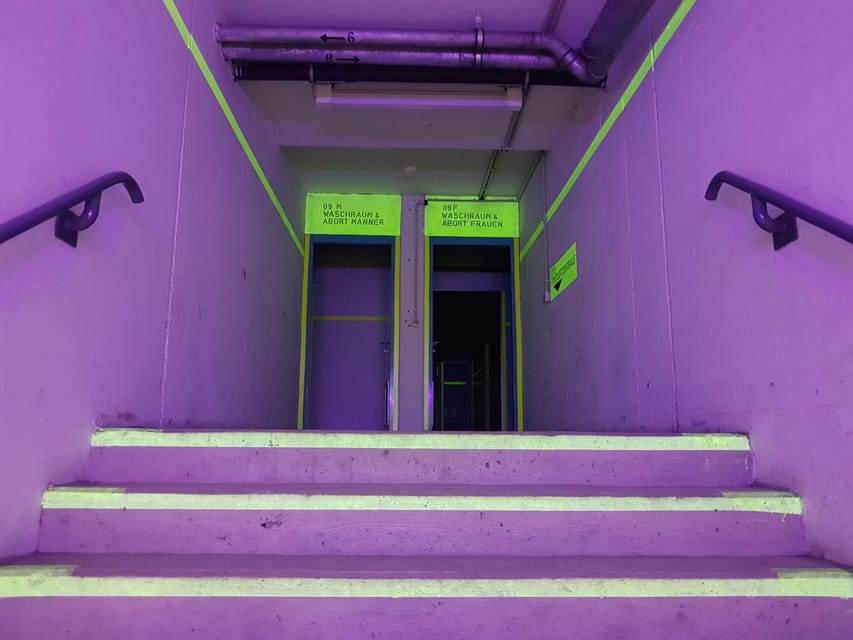
I would recommend this tour to you if you enjoy history that connects large political events with ordinary people. The bunker shows how the Cold War reached beyond generals and government offices. It reached railway stations, families, commuters, and anyone who might have been caught in a city under attack.
It is also a good fit for adults, history students, older children over eight, and people who prefer guided interpretation to reading display panels alone. The computer simulation and the pallet area give the visit both an educational and physical side.
You may want to skip it if you dislike enclosed spaces, have difficulty with stairs or underground access, or need a wheelchair-accessible route. You should also think twice if German is not a language you understand well enough for a 75-minute explanation.
The tour is not designed as entertainment, though a guide may use humor to balance the darker material. I would treat it as a serious historical visit with a few moments that help you picture the human reality.
Practical tips for a smoother visit
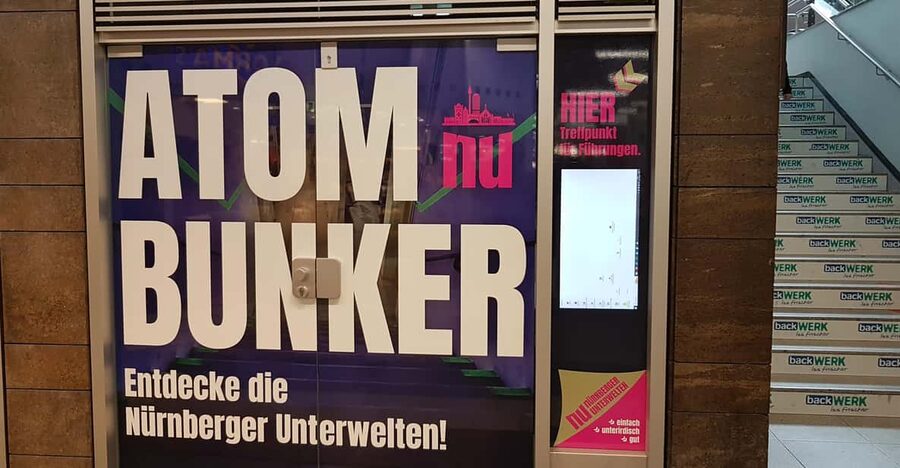
Arrive early and find Yorma’s before the tour begins. The entrance is somewhat concealed, and the station’s escalators and shopping arcade can make the first visit confusing.
Wear practical clothing and shoes. The tour is underground and involves stairs, and you may spend part of the visit sitting or lying on a pallet.
Leave large bags and luggage elsewhere. The bunker does not accept large bags, and there is no mention of storage as part of the tour.
Do not plan to eat or drink inside. Have refreshments before or after the visit in the station or elsewhere in Nuremberg.
Set aside the full 75 minutes. Since no entry is possible after the start time, arriving a few minutes before the scheduled beginning is much safer than trying to arrive exactly on time.
Finally, be ready for a thoughtful visit rather than a cheerful one. The bunker asks you to think about nuclear weapons, civilian defense, and what it would mean to wait underground with hundreds of other people.
Should you book the Nuremberg nuclear bunker tour?
Book it if you want a compact, serious look at Cold War history in an unusual location. The combination of a real underground bunker, civilian protection exhibits, a nuclear weapons simulation, and the chance to sit on a pallet gives the 75-minute tour more substance than a quick photo stop.
At $15, it offers good value for anyone interested in twentieth-century conflict and public safety. I especially recommend it if you already plan to be near Nuremberg’s main station and can follow German comfortably.
Skip it if you are claustrophobic, have mobility limitations, need an English-language guide, or want a relaxed sightseeing activity. For the right visitor, though, this is a direct and memorable way to think about the Cold War beneath the ordinary life of a busy railway station.
FAQ
Where is the nuclear bunker tour meeting point?
Enter Nuremberg’s main railway station through the main portal and go to the main hall. Take the long escalator to the Königstorpassage, or use the short escalator and then the steps. At the bottom, turn sharply right. The entrance is on the right wall near the Yorma’s restaurant.
How long does the tour last?
The tour lasts 75 minutes. Starting times vary, so you should check availability when booking.
What language is the tour in?
The live tour guide conducts the tour in German.
What is included in the price?
The price includes entry to the nuclear bunker and a guide. Transportation, food, and drinks are not included.
Can I bring luggage or food inside?
No. Large bags and luggage are not allowed, and food and drinks may not be taken into the bunker. Smoking, selfie sticks, and touching the exhibits are also prohibited.
Is the bunker suitable for wheelchair users or people with claustrophobia?
No. The experience is not suitable for wheelchair users, people with mobility impairments, or people with claustrophobia. Children under eight are also not permitted.
Just added around Nuremberg
- Nuremberg: St. Johannis Friedhof &Hesperidengärten IN GERMAN★ 4.4 · 15 reviews
- Bayreuth: Private Guided Walking Tour★ 5.0 · 15 reviews
- Nuremberg: Medieval Time Travel for Kids★ 4.9 · 15 reviews
- PRIVATE Nuremberg WW2 and Old Town Day Tour (Product code: 87669P16)★ 4.5 · 15 reviews
- Bayreuth City Walking Tour★ 4.6 · 16 reviews
- Nuremberg: Medieval Ages Tour in Spanish★ 4.5 · 16 reviews
- PLAYMOBIL®-FunPark Entrance Ticket★ 4.5 · 17 reviews
- Nuremberg: Private guided tour of the Old Town in German★ 4.9 · 17 reviews
Train Experiences, compared.
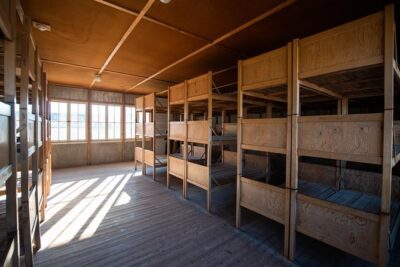
Dachau Concentration Camp Memorial Site Tour from Munich by Train
Read our review →
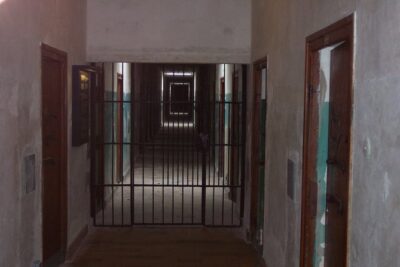
Dachau Concentration Camp Memorial Tour with Train from Munich
Read our review →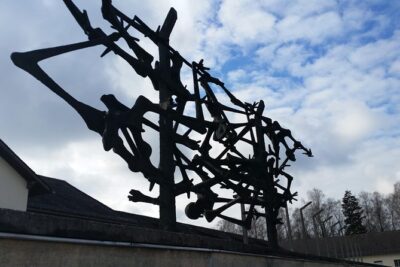
Guided Dachau Concentration Camp Memorial Site Tour with Train from Munich
Read our review →
Dachau Small-Group Half-Day Tour from Munich By Train
Read our review →
Browse the lists this tour appears in