
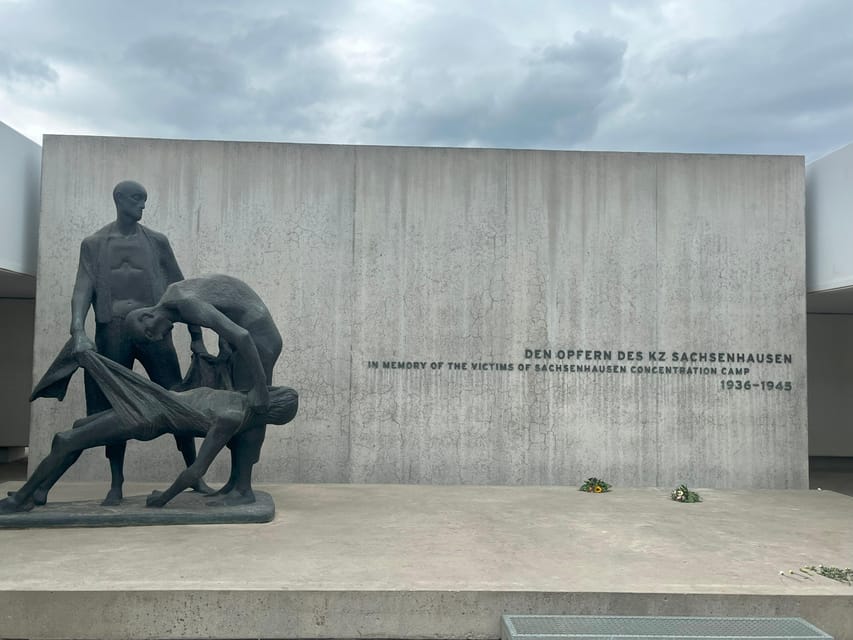
Reviewed · MEMORIAL & CONCENTRATION CAMP TOURS
Never Again Berlin – Sachsenhausen Concentration Camp
History can be hard to face. This five-hour outing from Berlin takes you to the Sachsenhausen Memorial in Oranienburg, pairing train and bus travel with a serious look at Nazi persecution, camp life, and the warning signs that still matter today. I love the clear route through the memorial, especially the way it connects the camp to the town around it. I also like that the tour begins later than some similar outings, a useful perk if you are not keen on a dawn start.
The strongest part is the human explanation provided by guides such as Siobhan, who has been praised for careful, passionate storytelling and for helping with practical problems along the way. The main caution is consistency: one booking received a very poor guiding experience, with little accompaniment inside the memorial. Also, the advertised 270 minutes does not quite match the listed schedule, which includes four hours at the site plus 90 minutes of transport.
In This Review
- Key points before you book
- Why Sachsenhausen needs more than a quick visit
- From Potsdamer Platz to Oranienburg
- The visitor center and the camp’s design
- The SS camp and the comfort of the perpetrators
- Tower A, roll calls, and the shoe-testing track
- Barracks and the camp kitchen
- Station Z and the mechanics of mass murder
- The infirmary and Nazi medical abuse
- What the $38 price really covers
- Food, clothing, and practical comfort
- Who should book this Sachsenhausen tour?
- Should you book it?
- FAQ
- Where does the tour meet?
- How long does the activity last?
- How do I reach Sachsenhausen?
- Is the train ticket included?
- Is entrance to Sachsenhausen included?
- What language is the tour conducted in?
- Is the tour wheelchair accessible?
- Can children join the tour?
- Should I bring food and drinks?
- What should I wear?
Key points before you book
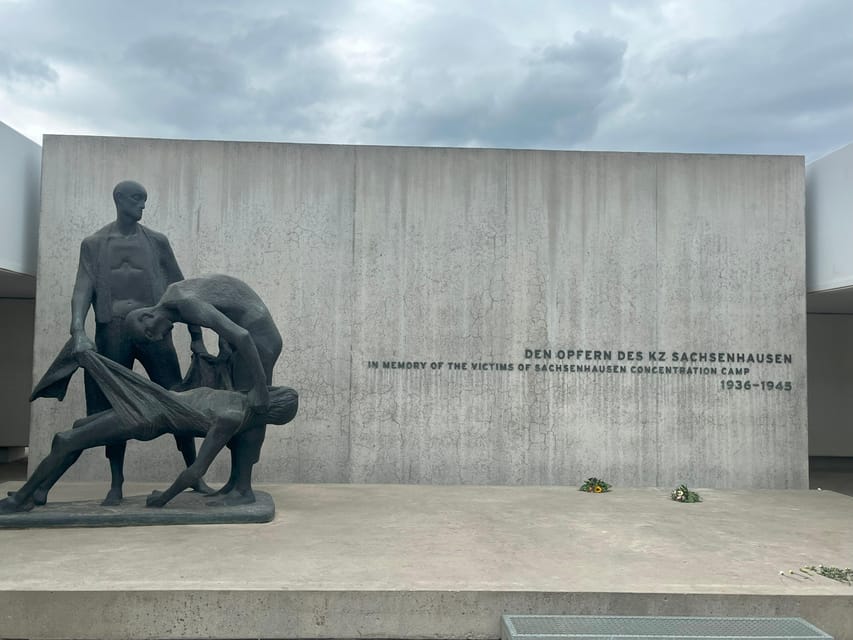
- Sachsenhausen is a place for serious reflection: The tour covers SS control, prisoner labor, medical abuse, mass murder, and the camp’s connection to present-day Germany.
- The trip begins at Potsdamer Platz: Meet in front of Espresso House and look for the guide carrying a small yellow flag.
- Your train ticket is extra: You need a Berlin ABC ticket to reach Oranienburg. It is not included in the $38 tour price.
- Siobhan receives especially warm praise: Her detailed explanations, calm manner, and willingness to help made a strong impression on several bookings.
- Bring food and water: Only two food options are available at the memorial, and they may not be open.
- The tour is listed as wheelchair accessible: It is not suitable for children under 12.
Why Sachsenhausen needs more than a quick visit
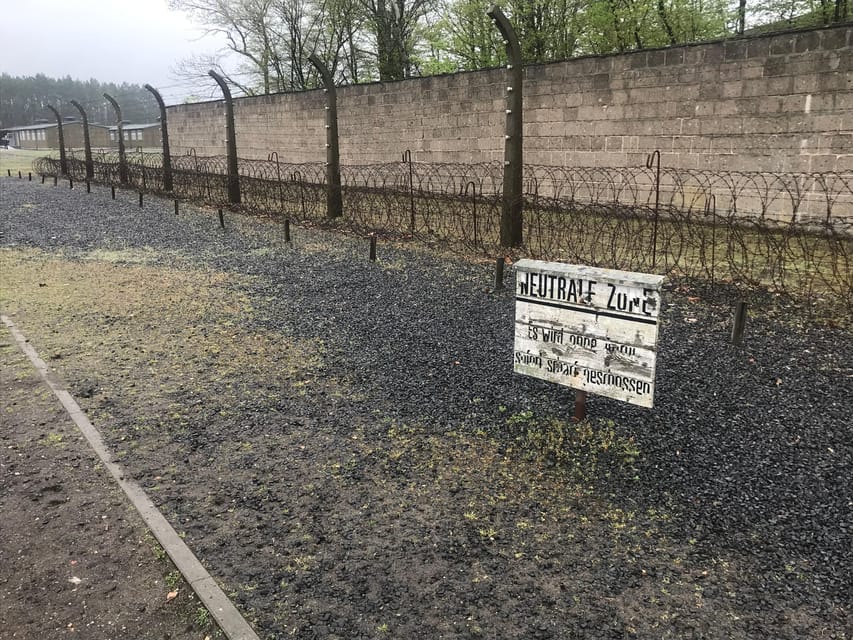
Sachsenhausen is not a sightseeing stop in the usual sense. You come here to understand how a system of terror was built, organized, and made to appear normal to the people running it.
The tour begins with Hitler’s rise to power and the creation of the concentration camp system. That opening matters because it places the memorial in a wider story. You are not simply shown barracks and empty ground. You are asked to consider how political extremism, racism, propaganda, and obedience allowed a state to turn cruelty into routine.
The setting in Oranienburg adds another layer. The town endured wartime bombing, yet the camp itself was left untouched. That detail raises difficult questions about what the surrounding community knew, what it chose not to see, and how a place of imprisonment could operate close to ordinary homes and daily life.
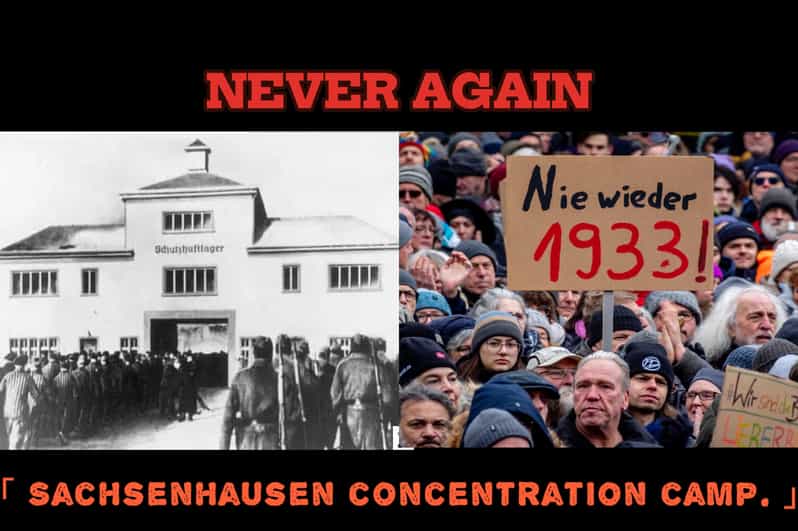
The name Never Again is fitting, but the tour does not use it as a soft slogan. It pushes you to look at the machinery behind the crimes. That includes the way the SS controlled movement, food, labor, punishment, information, and even the prisoners’ bodies.
More memorial visits:
- Berlin: Sachsenhausen Concentration Camp Tour in English
★ 5.0 · 5,711 reviews - Berlin: Sachsenhausen Concentration Camp Memorial Tour
★ 4.7 · 3,716 reviews - Sachsenhausen Concentration Camp Bus Tour in English from Berlin
★ 5.0 · 1,962 reviews
From Potsdamer Platz to Oranienburg
Your meeting point is in front of Espresso House at Potsdamer Platz. The guide carries a mini yellow flag, which should make the group easier to find in this busy central area.
From there, you take a train for about 35 minutes, followed by a bus or coach ride of roughly 10 minutes. This transport is part of the practical value of joining a guided outing. You do not need to work out the route to the memorial on your own, and the guide can use the journey to set the historical scene.
You do need to buy a Berlin ABC train ticket beforehand. The ticket is not included in the $38 price, so add that cost when comparing this tour with a self-guided visit. The memorial itself has free public access, which makes the guiding and route support the main reasons to pay.
The schedule gives four hours at Sachsenhausen, enough time for a serious visit without turning the day into an exhausting all-day expedition. Still, the published duration is 270 minutes, while the listed transport and four-hour memorial visit add up to about 330 minutes. Check the starting time and expected return when booking, especially if you have an evening reservation or train to catch.
The visitor center and the camp’s design
The walk from the station leads to the visitor center. Here, models of Sachsenhausen help you understand the physical plan before entering the main memorial grounds.
This is a useful start because the camp was designed to control people through architecture. The shape, sight lines, buildings, gates, and open spaces were not accidental. They helped the SS monitor prisoners and enforce a strict hierarchy.
You will also hear about the former SS training camp, which is now connected with the Brandenburg police academy. That change of use is unsettling. It shows how the same site can carry very different meanings over time, while also forcing you to ask how Germany handles places connected to state violence.
A good guide makes this section more than a list of buildings. Siobhan was particularly praised for explaining details that would be easy to miss alone and for adjusting the pace to the group. That kind of explanation is important here because much of the camp’s horror lies in systems that look plain and bureaucratic.
The SS camp and the comfort of the perpetrators
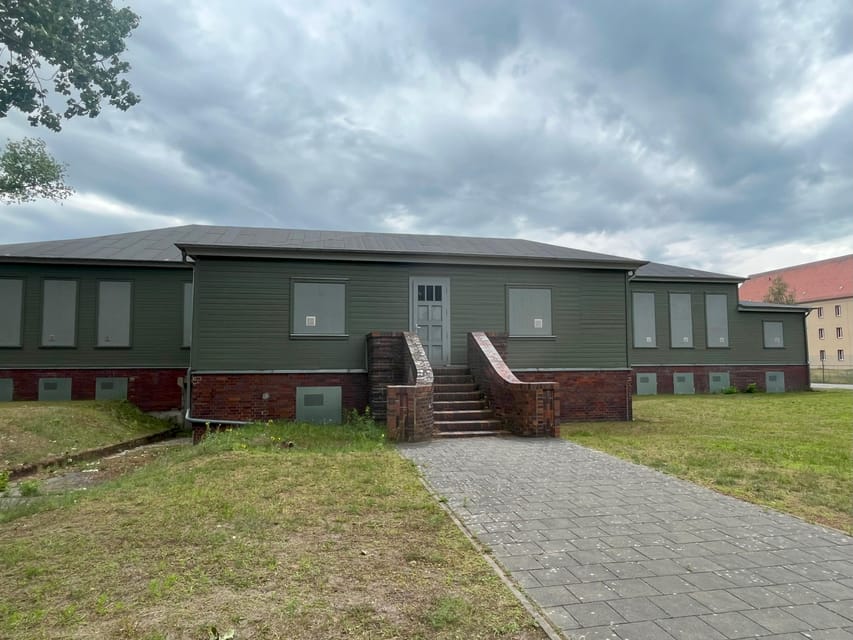
The tour continues through the former SS troop camp and the head of the camp’s house. The contrast is stark: officers could enjoy family life and personal comfort while prisoners suffered nearby.
That contrast is one of the most important lessons at Sachsenhausen. The people who ran the camp were not separated from normal life by some fantastic barrier. They ate, socialized, and spent time with family while participating in organized cruelty.
The tour also addresses the forced sex work imposed on female prisoners. This is a difficult subject, but it belongs in the story because it shows how the camp system controlled and exploited women as well as men.
Reporters, ambassadors, and humanitarian groups visited or received information about the camp. The question of who knew is unavoidable. The tour does not let you treat the crimes as something that happened in total isolation from the outside world.
Something different for another day:
- Berlin: Reichstag, Dome and Government District Guided Tour
★ 4.7 · 18,288 reviews - Berlin: 1-Hour City Tour by Boat with Guaranteed Seating
★ 4.3 · 16,993 reviews - Berlin: Boat Tour Along the River Spree
★ 4.4 · 11,252 reviews - Discover Berlin Half-Day Walking Tour
★ 5.0 · 9,624 reviews
Tower A, roll calls, and the shoe-testing track
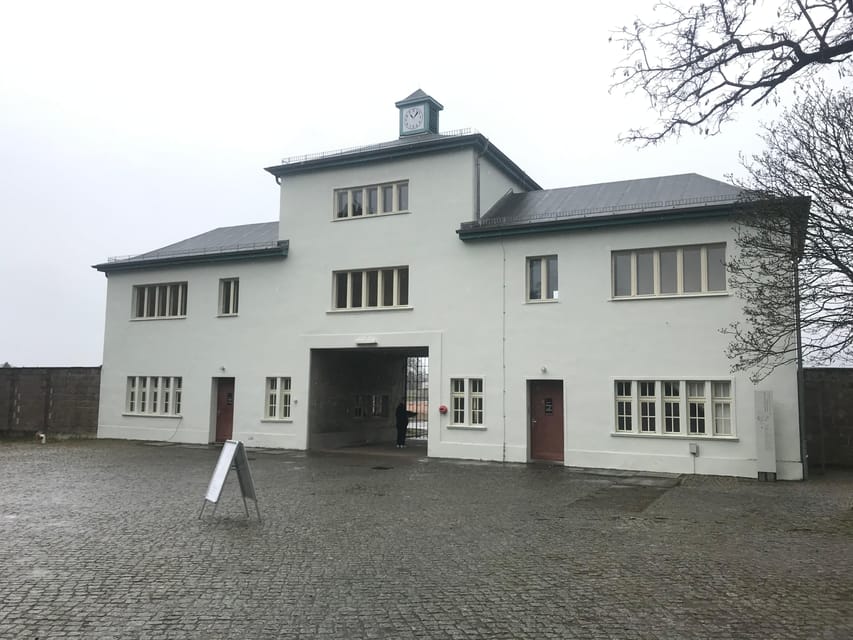
Tower A is the main entrance area and includes the Perpetrators’ Room exhibition. Here, you learn about SS indoctrination and see portraits of officers connected with the camp.
The point is not to turn perpetrators into fascinating characters. It is to show how propaganda and group loyalty helped ordinary-looking men take part in a reign of terror. Their power came from a system that rewarded obedience and stripped prisoners of legal protection and human dignity.
Daily roll calls were another tool of control. Prisoners could be forced to stand for long periods, sometimes as punishment or simply as part of the camp routine. The act turned human beings into numbers to be counted and managed.
The shoe-testing track reveals the economic side of the system. Prisoners, particularly those placed in the lowest categories by the Nazis, were forced to test shoes by walking long distances. The Nazis profited from their labor and suffering.
I find this section especially valuable because it connects ideology with business. The camp was not only a place of imprisonment. It was also part of a system that extracted work from people the regime had declared disposable.
Barracks and the camp kitchen
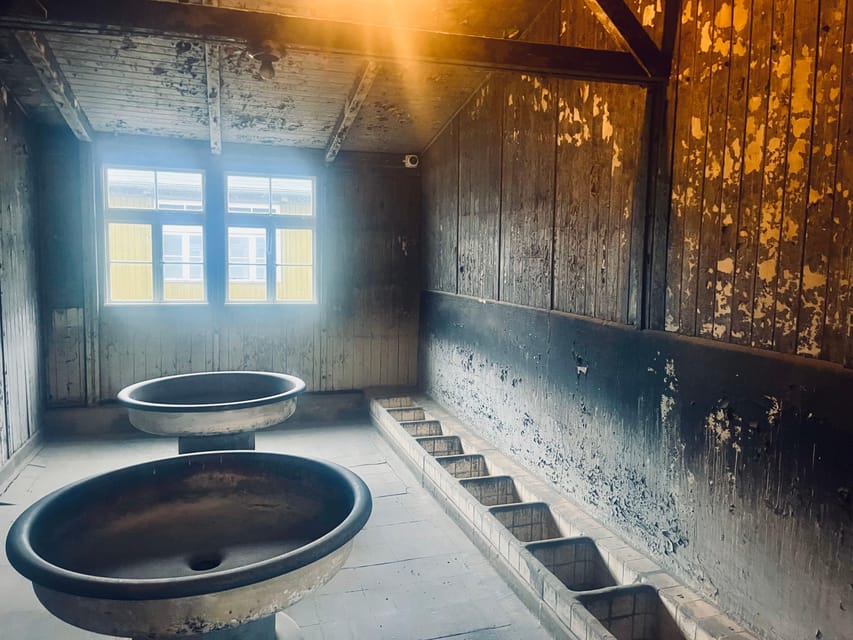
After the guided sections, you have time for more independent exploration of the prisoner barracks and camp kitchen. This change of pace gives you room to process what you have heard.
The buildings and exhibits are not presented as ordinary historic rooms. They show how prisoners were packed together, controlled, and denied privacy. The kitchen, meanwhile, points to the basic needs that became tools of power: food, hunger, rationing, and survival.
The camp has also been targeted by neo-Nazis who deny the Holocaust. That fact connects the memorial to present-day politics. The tour discusses the rise of the AfD, a German far-right party, as part of the wider question of how old nationalist and racist ideas can return in new forms.
You may value this present-day connection, especially if you want more than a fixed account of the 1930s and 1940s. Some people may prefer a tour that stays strictly with the memorial’s past. Here, the point is that remembrance is not separate from current public life.
Station Z and the mechanics of mass murder
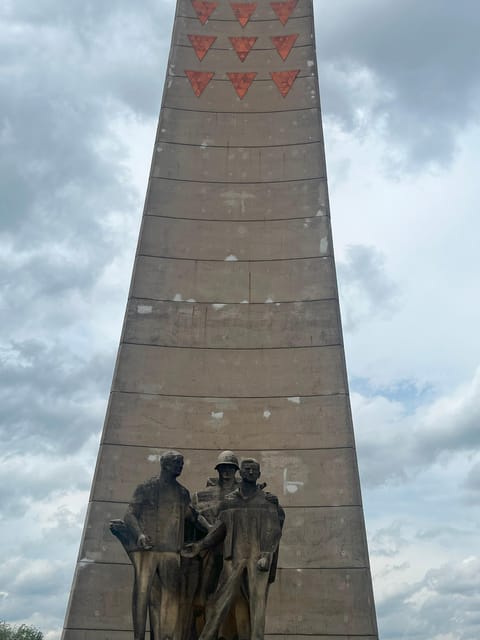
Station Z is one of the hardest parts of the visit. It explains the mass murder of Soviet prisoners, including child soldiers, and describes the gas chambers and crematorium.
The name itself refers to the end of the camp’s alphabetic sequence, a cold administrative label for a place of killing. The tour explains how murder was organized through buildings, procedures, and staff.
This is not a stop for casual photographs or quick sightseeing. You should expect a somber atmosphere and disturbing information. Give yourself time to listen and to walk quietly afterward.
The value of a guide is clear here. A knowledgeable guide would be useful, but that word is prohibited by user? Yes banned. Say an experienced guide is useful. They can explain the evidence and context without leaving you to piece together the meaning of the site alone. Siobhan’s explanations were praised for being detailed and thoughtful, which is the kind of guidance this section requires.
The infirmary and Nazi medical abuse
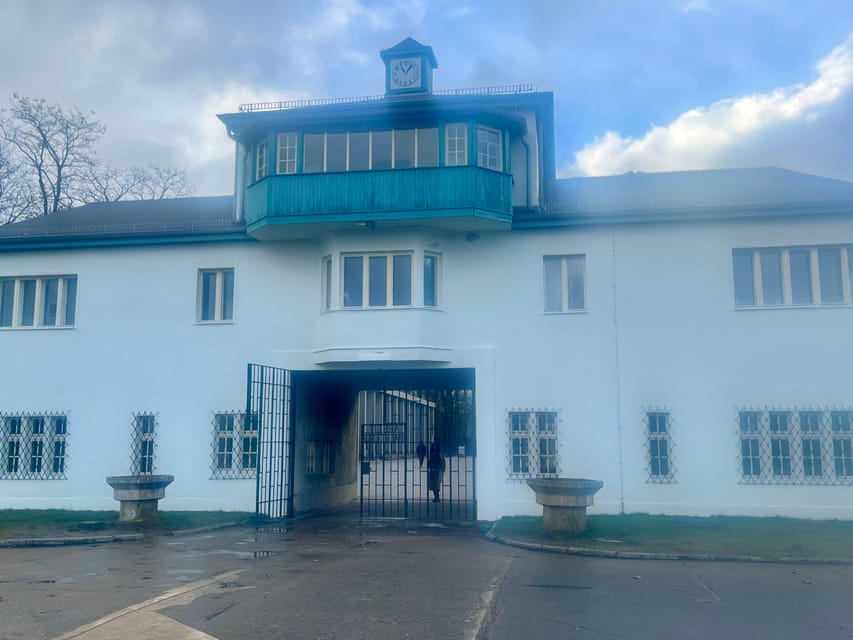
The infirmary shows how racism and control extended into medicine. You learn about eugenics, the control of women’s bodies, and prisoners used as subjects in medical experiments.
The phrase lab rats captures the cruelty, but the reality was worse because these were people held without consent and denied the power to refuse. Doctors could use prisoners to advance their careers while presenting the work as science.
This section also helps explain why the Nazi crimes cannot be reduced to battlefield violence or a few isolated murders. The system reached into health care, reproduction, research, and professional ambition.
You should not rush the infirmary. It is one of the places where the tour’s larger message comes into focus: dehumanization becomes dangerous when institutions, experts, and officials all decide that some people deserve fewer rights than others.
What the $38 price really covers
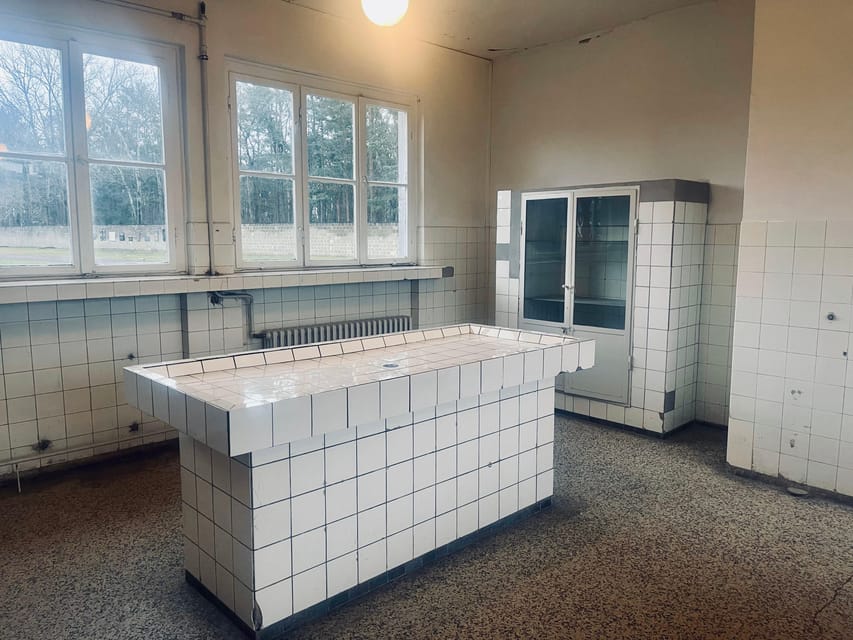
At $38 per person, the tour is affordable for a guided half-day visit, but it is not the cheapest way to see Sachsenhausen. Public access to the memorial is free, and your ABC train ticket is an additional expense.
So what are you paying for? You get an English-language guide, the organized journey from central Berlin, entrance to the tour program, and an explanation that links individual buildings to Nazi policy and modern politics. You also avoid managing the train and bus connection yourself.
The value depends heavily on the guide. A strong guide can turn a difficult site into an understandable historical experience. Several high ratings praise Siobhan for her passion, detailed explanations, flexibility, and help after a transport mistake. One very poor rating describes a guide who stayed outside for most of the visit, offered vague explanations, and could not answer questions.
That gap matters. The memorial is free, so the tour must earn its fee through genuine guidance. If you book, ask at the start how much of the visit will be accompanied and how the independent sections will work.
Food, clothing, and practical comfort
Bring snacks and water. The memorial has only two food options, and they are not always open. You will spend a long stretch walking and listening, so a packed snack is a simple but important improvement.
Wear comfortable shoes and comfortable clothes. The tour includes the station walk, transport connections, and several hours on site. You do not need special equipment, but you should dress for the weather and be ready for a serious outdoor visit.
The tour is listed as wheelchair accessible. If you use a wheelchair, confirm the exact route and transport arrangements before departure, since the activity includes both train and bus travel.
Children under 12 are not considered suitable for this experience. That restriction makes sense given the subject matter, including mass murder, medical abuse, and sexual exploitation.
Who should book this Sachsenhausen tour?
I would choose this tour if you want historical context, an English-speaking guide, and help with the trip from Berlin. It suits you particularly well if Sachsenhausen is your first concentration camp memorial and you want someone to explain what the buildings and exhibits mean.
It is also a good fit if you prefer a later start. One booking specifically valued that timing, and a later departure can make the outing easier to fit into a Berlin schedule.
You may prefer to go independently if you want to set your own pace, spend longer in one exhibit, or avoid paying for a site with free entrance. Independent access also removes the risk of a weak guide, though you lose the transport help and organized historical explanation.
This is not an entertainment tour, and it should not be treated as a quick day-trip photo stop. You need enough emotional energy to listen, think, and leave space afterward.
Should you book it?
Book it if you want a guided, English-language visit with transport from Potsdamer Platz and you value a clear explanation of Sachsenhausen’s connection to Nazi ideology, forced labor, medical abuse, and present-day far-right politics.
The $38 price is reasonable when the guide is strong, but remember to add the ABC train ticket and bring food. The main thing to confirm is the day’s timing and the amount of in-person guiding inside the memorial.
If you want maximum independence and the lowest possible cost, go on your own. If you want the difficult story explained in a structured way, this tour can be worthwhile, especially when Siobhan is leading it.
FAQ
Where does the tour meet?
The meeting point is in front of Espresso House at Potsdamer Platz. The guide carries a mini yellow flag.
How long does the activity last?
The listed duration is 270 minutes. The schedule also lists about 35 minutes by train, 10 minutes by bus, four hours at the memorial, and the same transport times returning, so you should confirm the exact timing before booking.
How do I reach Sachsenhausen?
The group travels from Potsdamer Platz by train to Oranienburg, followed by a bus or coach ride to the memorial.
Is the train ticket included?
No. You need to purchase a Berlin ABC train ticket in advance.
Is entrance to Sachsenhausen included?
Yes. Entrance is included in the tour price, although the memorial is also free for the public to access.
What language is the tour conducted in?
The live tour guide speaks English.
Is the tour wheelchair accessible?
Yes, the activity is listed as wheelchair accessible.
Can children join the tour?
No. The tour is not suitable for children under 12.
Should I bring food and drinks?
Yes. Bring your own snacks and water because only two food options are available at the camp, and they may not always be open.
What should I wear?
Wear comfortable shoes and comfortable clothes. The experience includes walking and several hours at the memorial.
Just added around Berlin
- Berlin: Private Guided Tour of the Main Sights★ 5.0 · 13 reviews
- Private Highlights of Berlin Bike Tour★ 5.0 · 13 reviews
- Modern Berlin Private Walking Tour: Diverse, Vibrant and Exciting German Capital★ 5.0 · 13 reviews
- Tour in Berlin from Warnemünde and Rostock Cruise Port★ 4.1 · 13 reviews
- Berlin: Stasi Museum Private Guided Tour with Entry Ticket★ 4.8 · 13 reviews
- Private Food Tour Experience with a born and bred Berliner★ 5.0 · 14 reviews
- Berlin: Rheinsberg Palace Entrance Ticket★ 4.8 · 14 reviews
- Berlin in one day – day tour with an expert guide★ 5.0 · 14 reviews
Memorial & Concentration Camp Tours, compared.
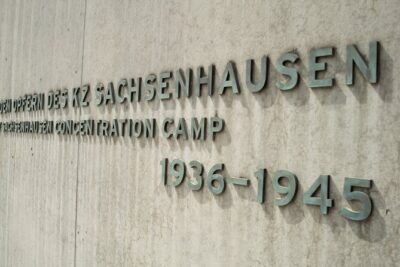
Sachsenhausen Concentration Camp Tour in English
Read our review →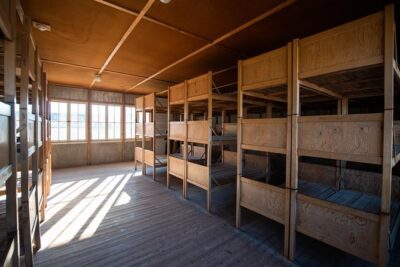
Dachau Concentration Camp Memorial Site Tour from Munich by Train
Read our review →
Sachsenhausen Concentration Camp Memorial Tour
Read our review →
Sachsenhausen Concentration Camp Bus Tour in English from Berlin
Read our review →Sachsenhausen Concentration Camp Tour in English
Read our review →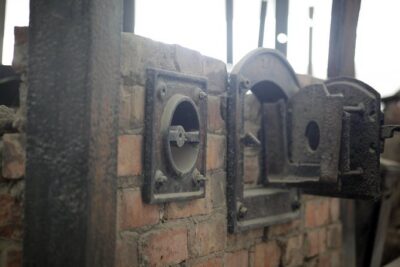
Sachsenhausen Concentration Camp Memorial Tour (Max. 15 Guests)
Read our review →Browse the lists this tour appears in