
Reviewed · CITY TOURS
Munich City Pass: Admission to 45 activities and Public Transport
See Munich by museum, palace, and train. The Munich City Pass gives you access to more than 45 attractions, plus public transport when you choose that option. I like the freedom to build your own day, and I like that the pass covers big-name sights such as the Deutsches Museum, Nymphenburg Palace, and the FC Bayern Museum. The main catch is simple: you need to visit enough places to make the price worthwhile.
This is not a guided tour with one fixed route. It is a sightseeing pass for one to five days, offered in English, with admission handled through a digital pass. I also like the practical time savings at ticket counters. Just remember that some guided activities require advance booking, and public transport can be crowded, as one customer discovered while using the S-Bahn and U-Bahn.
In This Review
- Key points to know before buying
- How the Munich City Pass works
- The art museums around Königsplatz
- Munich’s museums for science, transport, and daily life
- Royal Munich at Nymphenburg and the Residenz
- Historic views and distinctive Munich stops
- Family attractions, football, and film
- Building a worthwhile one-day or three-day plan
- Is $48 a good deal?
- Should you buy the Munich City Pass?
- FAQ
- How long can the Munich City Pass be valid?
- Does the pass include public transportation?
- Which major museums are included?
- Is Nymphenburg Palace included?
- Are guided tours included automatically?
- Can I cancel for a full refund?
Key points to know before buying
- More than 45 choices: Museums, royal palaces, historic buildings, sports attractions, gardens, and family stops are included.
- One to five days: Pick the duration that fits your schedule and budget rather than racing through every sight.
- Transport can change the value: Public transport is included for the inner area or the full M to 6 zone, if you select that option.
- Major museums are covered: The Deutsches Museum, Alte Pinakothek, Pinakothek der Moderne, and Bavarian National Museum are strong choices.
- Palaces add variety: Nymphenburg Palace, the Residenz Museum, Schleissheim, Lustheim, and three Nymphenburg park palaces are part of the program.
- Advance planning still matters: Certain guided tours must be reserved by you using the instructions in the digital pass.
How the Munich City Pass works
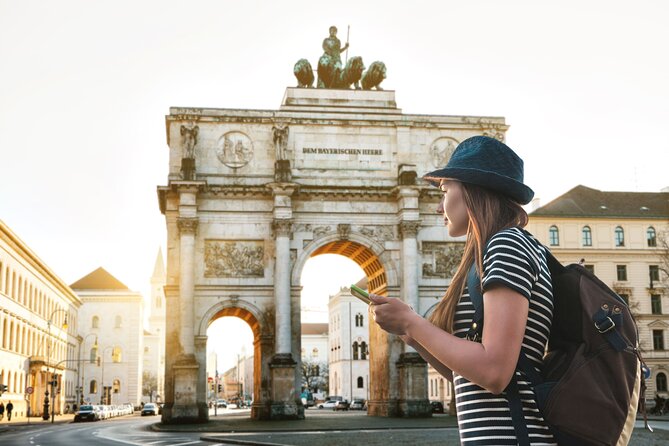
The Munich City Pass is best understood as a flexible admission bundle, not a sightseeing itinerary. You choose a validity period from one to five days, then select attractions from a long list. The advertised price is $48 per person, though the final value depends on the duration and transport option you choose.
That flexibility is useful because Munich’s sights are spread across several parts of the city. You can spend one day around the Kunstareal museum district, another at Nymphenburg, and a third mixing central sights with a trip to the Allianz Arena or Bavaria Filmstadt.
The pass also includes public transportation for the inner area or the full M to 6 area, depending on the option selected. That can make a real difference if you plan to use the U-Bahn, S-Bahn, buses, or trams repeatedly. One customer specifically praised the S-Bahn and U-Bahn pass as very useful, though the provider noted that it cannot control how crowded public transport becomes.
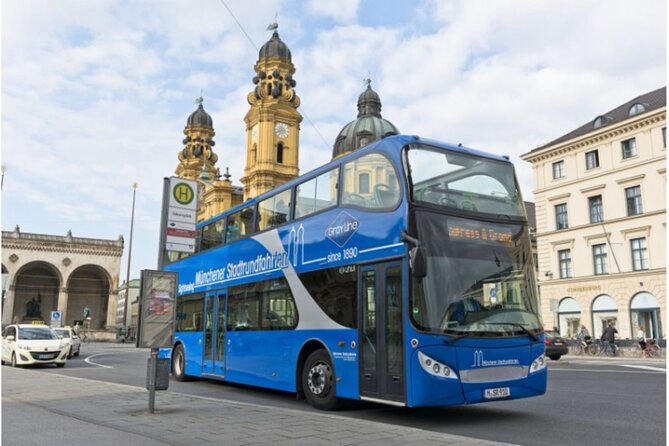
A 24-hour Hop-on-Hop-off Express Circle with seven stops is also included. The available information does not give a full route map, so check the digital pass for the current stops and operating details before shaping your day around it.
More City Tours in Munich
- Munich: Old Town & Viktualienmarkt City Walk in German
★ 4.7 · 2,304 reviews - Munich: City Bus Tour & FC Bayern Munich Allianz Arena Tour
★ 4.5 · 2,071 reviews - Munich City Hop-on Hop-off Tour
★ 3.5 · 1,233 reviews
The art museums around Königsplatz
Munich is one of Europe’s strongest museum cities, and the pass gives you several good ways to spend a rainy morning or an art-heavy afternoon.
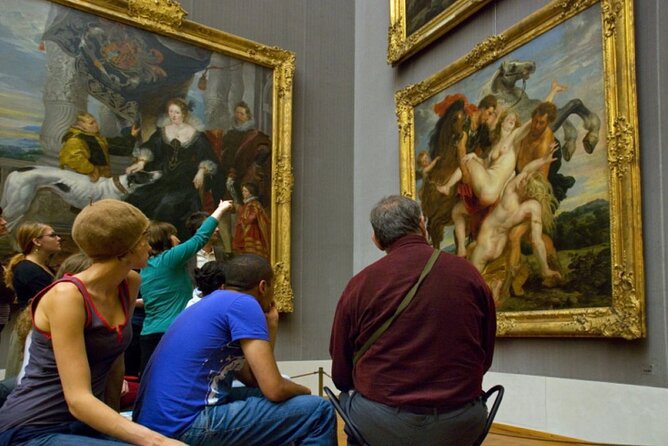
The Alte Pinakothek focuses on European painting from the 14th through the 18th centuries. Allow about two hours if you want more than a quick look. It is a particularly sensible pass choice because it offers the kind of major collection that can make a single admission fee expensive on its own.
Nearby, the Pinakothek der Moderne turns to modern art and is described as one of Europe’s largest collection houses for the subject. The Museum Brandhorst offers modern and contemporary art behind a striking facade. These two museums make a good pair if you want to move from modern design and painting to postwar and contemporary work.
The Lenbachhaus is another highlight, especially for its collection connected with the Blue Rider movement. The collection is described as the world’s largest of its kind, making this a strong pick for anyone interested in Munich’s role in modern art.
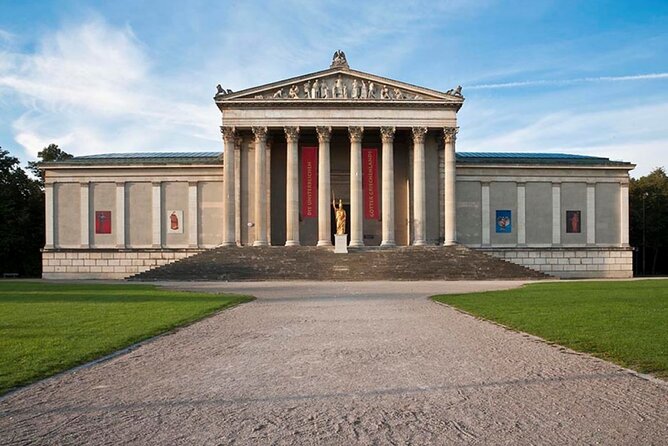
For ancient art, choose the Glyptothek, where you can see Greek vases along with works in gold, bronze, ceramic, and glass. The Museum Reich der Kristalle offers something completely different, with diamonds, emeralds, gemstones, and minerals in display cases.
The pass also covers Kunsthalle Munich, which presents art from antiquity to the present, and Sammlung Schack, known for paintings by Franz von Lenbach. Since exhibitions and opening arrangements can change, use the digital pass information to check what is on display before you go.
One important warning concerns the Neue Pinakothek. The supplied details list it as closed for renovation from January 1, 2019, through 2025. If you are planning a visit after that period, confirm its current status rather than assuming the pass provides access.
Munich’s museums for science, transport, and daily life
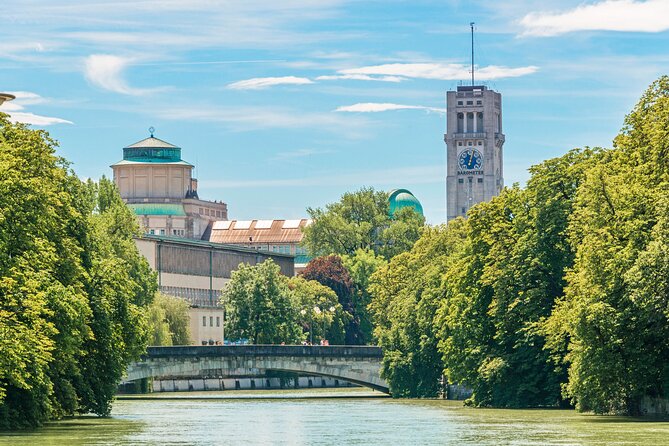
The Deutsches Museum is one of the world’s major science and technology museums, and free admission here can quickly improve the pass’s value. Plan around two hours at minimum, though the museum could easily take longer depending on your interests.
For transport history, the Deutsches Museum Verkehrszentrum displays land vehicles. It is a separate stop, so do not assume that visiting the main Deutsches Museum covers both locations. The Flugwerft Schleissheim adds aviation, with nearly 70 aerospace exhibits spread across about 8,000 square meters.
The Bavarian National Museum covers a broad range of art and cultural objects. Its variety makes it a good choice if you do not want a museum devoted to only one period or subject.
At the Museum Fünf Kontinente, you can see cultural collections from around the world. The Museum Mensch und Natur focuses on natural history, while the State Coin Collection of Munich contains more than 3,000 objects, with the oldest dating to the third millennium BC.
The Jewish Museum Munich gives you an opportunity to learn about the city from a Jewish perspective. The NS Documentation Center Munich focuses on Munich’s connection with Nazism and the effects of dictatorship. I would give the latter enough time for quiet reading rather than treating it as a fast stop between shopping and lunch.
The Munich City Museum, near Viktualienmarkt, looks at the city’s past. The German Theater Museum offers changing special exhibitions, but there is no permanent exhibition because of space restrictions. That makes it a less predictable stop, so check the current exhibition before setting aside part of your day.
Royal Munich at Nymphenburg and the Residenz
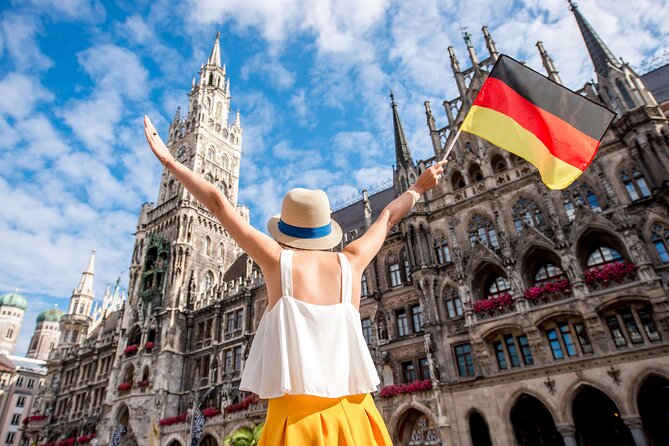
The pass is especially useful if you enjoy palaces. Nymphenburg Palace was once a retreat for the Munich court and gives you a grand royal stop outside the old center.
The palace grounds include three smaller park palaces: Amalienburg, Pagodenburg, and Badenburg Palace. Each is listed as a separate attraction, so they give you more than one included visit in the Nymphenburg area. The Marstallmuseum, also at Nymphenburg, displays carriages from the late 17th through the 19th century, with objects from Germany, France, and England.
At Schleissheim Palace, you can visit the palace complex and two collections, including the Ecumenical Collection of Gertrud Weinhold and a collection devoted to Prussian cultural history. Nearby Lustheim Palace houses a Meissen porcelain collection.
These outlying palace stops take planning. The stated visit time for each stop is about two hours, and public transport time must be added. If you choose the full M to 6 transport area, these trips may be much easier to fit into your plan. Without that option, check your transport needs carefully before buying.
In central Munich, the Residenz Museum and its Treasury offer another royal experience. The Treasury is described as one of the most prestigious collections of its type. The Cuvilliés Theatre gives you a look at one of Germany’s finest Rococo theaters, with Napoleon among its former visitors.
More City Cards & Passes for :
- Munich: City Pass 45+ Top Attractions and Public Transport
★ 4.1 · 143 reviews - Berlin: WelcomeCard All Inclusive
★ 3.6 · 45 reviews - Bonn Regio WelcomeCard with Guidebook
★ 4.3 · 15 reviews
Historic views and distinctive Munich stops
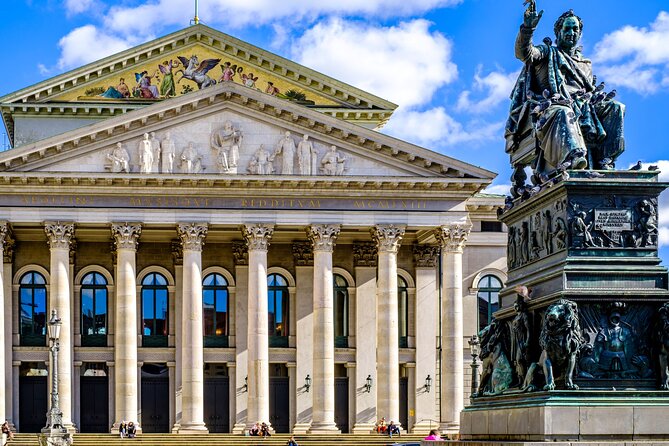
The New Town Hall tower provides a high view over Munich. It is a useful choice when you want a city panorama without spending an entire afternoon in a museum.
At the Ruhmeshalle and Bavaria, you can see the 18-meter statue of Bavaria in front of the Hall of Fame. The Valentin-Karlstadt-Musäum offers a quirkier experience, centered on the original comic and cultural world of Valentin and Karlstadt.
The Botanical Garden Munich-Nymphenburg is a pleasant change of pace after galleries and royal interiors. Its flower displays and greenhouses make it a good choice for a slower two-hour visit, especially if your group has mixed interests.
Museum Villa Stuck takes you into the home of Franz von Stuck, one of Europe’s important artists. This is the kind of smaller, characterful museum that helps prevent a pass itinerary from becoming a parade of huge institutions.
Family attractions, football, and film
The pass is not limited to art and history. At SEA LIFE Munich, located in Olympiapark, you can see marine life and underwater displays. Olympiapark itself includes the park railway, which adds a simple way to see more of the grounds.
Football fans have a clear reason to buy. The FC Bayern Museum at the Allianz Arena is Germany’s largest club museum, focusing on the history and identity of Bayern Munich. If you already plan to visit the stadium area, this included entry can help justify the pass.
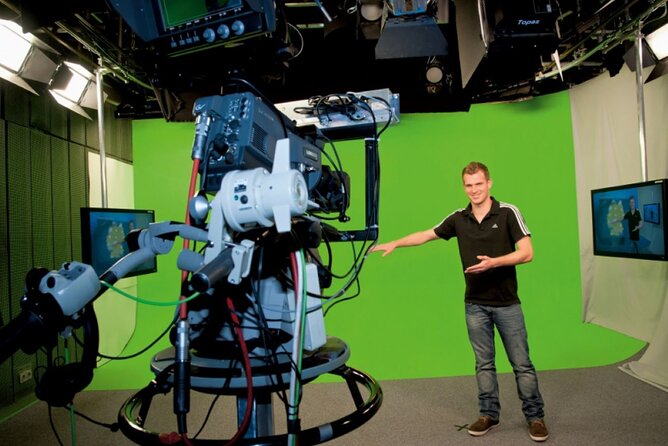
At Bavaria Filmstadt, you can see original scenes from major films and well-known television productions. The experience adds a behind-the-scenes entertainment stop to a schedule otherwise filled with museums.
The Umadum Munich Giant Wheel gives you a view from above. It is described as the world’s largest transportable observation wheel. A ride here could be a good late-day choice, though the pass information does not specify operating times or how reservations work.
Building a worthwhile one-day or three-day plan
For one day, do not chase ten attractions. Choose a compact cluster. The museum district could include the Alte Pinakothek, Pinakothek der Moderne, Museum Brandhorst, Lenbachhaus, or Glyptothek. Two or three substantial museums are more realistic than trying to collect every admission.
For a three-day visit, I would divide the city like this:
- Day one: Central Munich, the Residenz Museum, Cuvilliés Theatre, the New Town Hall tower, and the Valentin-Karlstadt-Musäum.
- Day two: The Alte Pinakothek, Pinakothek der Moderne, Museum Brandhorst, and Lenbachhaus.
- Day three: Nymphenburg Palace, the park palaces, the Marstallmuseum, and the Botanical Garden.
You could swap in the Deutsches Museum, the Jewish Museum, or the NS Documentation Center depending on your interests. Football fans might replace part of day three with the FC Bayern Museum. Families may prefer SEA LIFE, Olympiapark, the giant wheel, or Bavaria Filmstadt.
A five-day pass gives you room for Schleissheim Palace, Lustheim Palace, Flugwerft Schleissheim, and the museums farther from the center. It also reduces the pressure to make every included admission count.
Is $48 a good deal?
The pass can save money if you visit several paid attractions and use the included transport often. One customer described it as a strong investment after using it for a bike tour, a palace, museums, the Residenz Museum, and even free Prosecco at the Rathskeller. That last benefit is a pleasant extra, but it should not drive your decision.
The better question is how many included stops you would pay for without the pass. If your plan is one museum and a walk through the old town, buying individual tickets may be simpler. If you want major museums, a palace, a special attraction, and regular S-Bahn or U-Bahn rides, the pass has a much better chance of paying for itself.
The pass also saves time at ticket counters. That matters most during a short visit, when every queue cuts into museum time. Still, free entry does not always mean instant entry. Guided activities may require reservations, and you are responsible for booking them according to the digital pass instructions.
The experience is available in English, confirmation arrives at booking, and most people can participate. The maximum group size is listed as 15, though the pass itself is designed for independent sightseeing rather than a single escorted group.
Should you buy the Munich City Pass?
Buy it if you enjoy museums and palaces, want several full sightseeing days, and expect to use Munich’s public transport. It is particularly appealing for first-time visitors who want choices rather than a fixed tour, and for families or couples with different interests.
Skip it if you prefer a slow trip built around walks, cafés, and one or two paid sights. The pass rewards an active schedule, so you should sketch out your likely visits before purchasing.
At $48 per person, the value is strongest when you combine transport with at least a few major admissions. Pick the one-day option for a focused museum day, and choose three to five days if you want the palaces, museums, football, film, and Olympiapark attractions without rushing.
Free cancellation is available up to 24 hours before the experience start time for a full refund. Changes or cancellations made less than 24 hours ahead are not accepted for a refund.
FAQ
How long can the Munich City Pass be valid?
You can choose a pass valid for one to five days, according to your schedule and budget.
Does the pass include public transportation?
Public transport is included for the inner area or the full M to 6 area if you select that option.
Which major museums are included?
Included choices include the Deutsches Museum, Alte Pinakothek, Bavarian National Museum, Pinakothek der Moderne, Lenbachhaus, Kunsthalle Munich, and several other museums.
Is Nymphenburg Palace included?
Yes. Nymphenburg Palace is included, along with Amalienburg, Pagodenburg, Badenburg Palace, and the Marstallmuseum.
Are guided tours included automatically?
Some guided tours require advance booking by you. Instructions are provided in the digital City Pass.
Can I cancel for a full refund?
Yes. You can cancel at least 24 hours before the experience start time for a full refund. Cancellations made less than 24 hours before the start time are not refunded.
Just added around Munich
- Munich: Private or Group Third Reich and WWII Walking Tour★ 4.9 · 13 reviews
- From Munich: Neuschwanstein Castle and Linderhof Private Tour★ 5.0 · 13 reviews
- Private Transfer from Munich to Salzburg with 2 hours for sightseeing★ 4.5 · 13 reviews
- Munich: Historical Walking Tour on the Rise of Hitler★ 5.0 · 13 reviews
- Private Scenic Transfer from Munich to Prague with 4h of Sightseeing★ 5.0 · 13 reviews
- From Munich: VIP day trip to Salzburg★ 5.0 · 14 reviews
- National Socialism WWII with licensed guide – private tour★ 5.0 · 14 reviews
- Munich: Walking Tour Old Town 3D VR Tour in GERMAN★ 4.3 · 14 reviews
City Tours, compared.
1-Hour City Tour by Boat with Guaranteed Seating
Read our review →
City History Canal Sightseeing Tour on a Motorboat
Read our review →
Browse the lists this tour appears in