Reviewed · TICKETS
Berlin: The Feuerle Collection Guided Tour and Entry Ticket
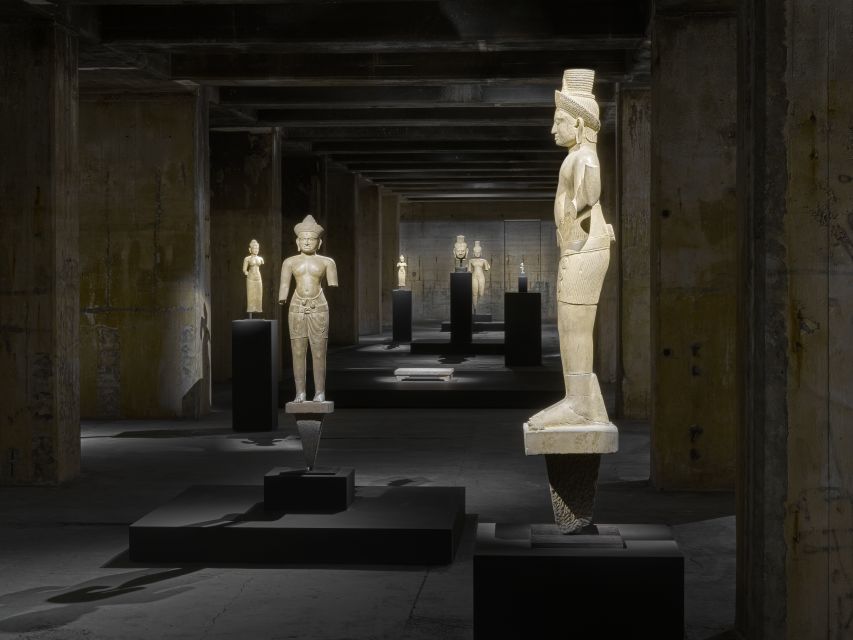
A bunker can hold more than wartime secrets. Berlin’s Feuerle Collection places ancient Southeast Asian sculpture, Imperial Chinese furniture, and contemporary art inside a former World War II telecommunications bunker. I like the bold setting, and I like the way the collection asks you to compare objects from distant eras rather than view each piece in isolation. The one drawback is time: the visit is scheduled for one hour, but some tours may feel closer to 35 or 40 minutes.
The atmosphere is quiet by design. Phones, cameras, video, food, drinks, and touching the exhibits are not allowed, so you give the art your full attention. This is a good choice if you enjoy focused museum visits, but children under 16 cannot join, and anyone expecting a large, conventional gallery may find the presentation unusually spare.
In This Review
- Key points to know before you go
- Entering a Berlin bunker transformed by John Pawson
- How the one-hour guided route works
- Khmer sculptures from the seventh to the thirteenth century
- Imperial Chinese lacquer and stone furniture
- Contemporary art by Nobuyoshi Araki and Adam Fuss
- The underground lake and the role of light
- Why Désiré Feuerle’s approach matters
- Is $25 a fair price for this Berlin museum visit?
- Who will enjoy this experience most?
- Practical tips for a better visit
- Should you book The Feuerle Collection?
- FAQ
- How long does The Feuerle Collection tour last?
- What is included in the $25 price?
- What language is the guided tour in?
- Where do I meet the guide?
- Is the museum wheelchair accessible?
- Are children allowed on the tour?
- Can I take photographs or use my cellphone?
- Can I cancel the booking?
Key points to know before you go
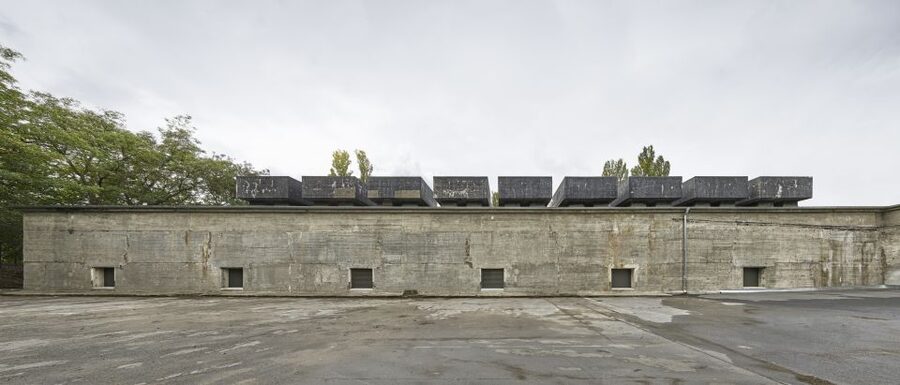
- A former telecommunications bunker: John Pawson renovated the World War II structure into a dark, controlled setting for art and architecture.
- Ancient and modern in one visit: Khmer sculpture, Imperial Chinese furniture, and contemporary works by Nobuyoshi Araki and Adam Fuss share the same route.
- An underground lake: The water feature works with the lighting and gives the lower-level space an almost otherworldly mood.
- A one-hour guided tour: An English-speaking guide leads the museum visit and explains Désiré Feuerle’s ideas about placing old and new art together.
- A strict, quiet experience: Cameras, cellphones, video, food, drinks, pets, and contact with the objects are not permitted.
- A modest price for a specialized visit: At $25 per person, the tour offers more than basic admission, though the value depends on how much explanation and viewing time your group receives.
Entering a Berlin bunker transformed by John Pawson
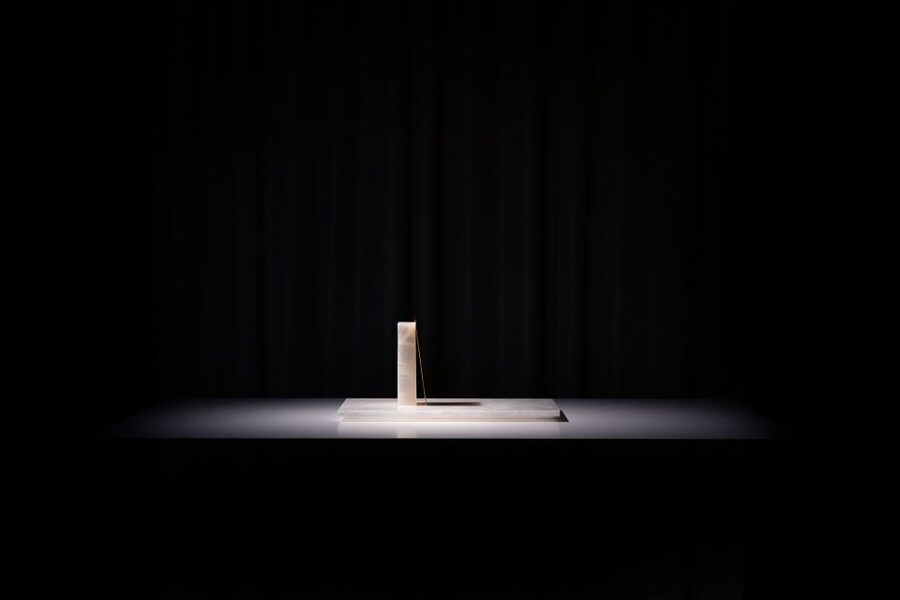
The visit begins at the entrance to The Feuerle Collection. There is no broad public gallery feeling here. Instead, you enter a former World War II telecommunications bunker, a building whose heavy structure is part of the experience from the first moments.
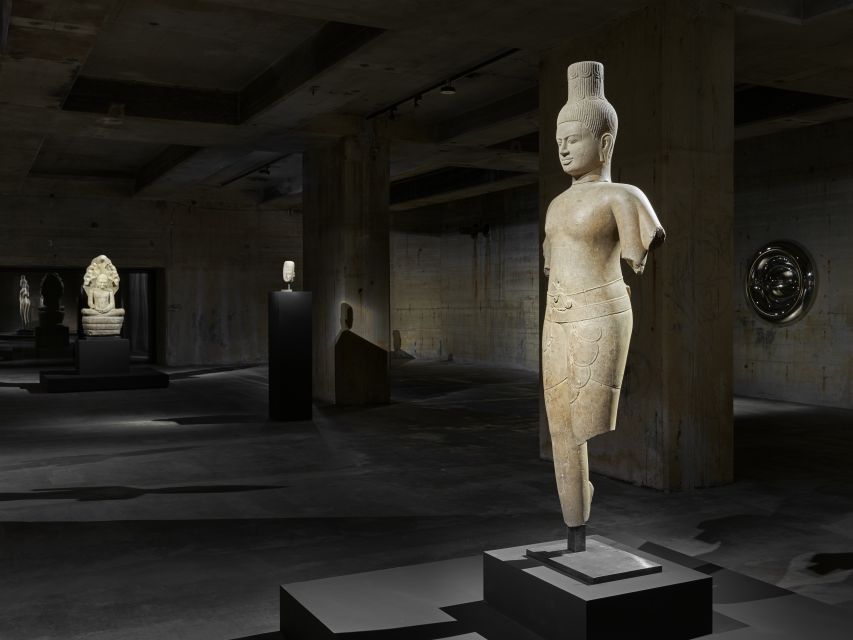
John Pawson renovated the bunker with a restrained hand. The setting does not compete with the art through colorful decoration or elaborate display cases. It uses darkness, open space, controlled light, and silence to make you pay attention.
I find this approach especially effective because the building is not just a container. The bunker’s original function suggests secrecy, machinery, and protection. Inside, those qualities are redirected toward contemplation. You are not simply walking through rooms filled with objects. You are moving through a carefully timed visual and sensory experience.
That atmosphere will suit you if you prefer museums that leave room for thought. It may not suit you if you want bright galleries, extensive labels, or the freedom to move quickly at your own pace. The guided format keeps the visit focused, but it also means you follow the rhythm of the tour.
A few more tours and experiences worth a look
- Berlin: Jewish Museum Berlin Entrance Ticket
★ 4.5 · 8,393 reviews - Berlin: Berlin Story Bunker Entry Ticket
★ 4.6 · 6,759 reviews - Berlin: Illuseum Berlin Entrance Ticket
★ 4.1 · 3,970 reviews
How the one-hour guided route works
An English-speaking guide leads the museum tour and introduces both the objects and Désiré Feuerle, the collector behind the presentation. The main idea is simple but unusual: ancient Asian art is placed beside contemporary work so that you can notice visual or emotional links across time.
The guide helps explain why these combinations matter. Without that context, you might see a Khmer sculpture, an Imperial Chinese table, and a modern photograph as unrelated pieces. With guidance, the arrangement becomes a conversation about form, age, material, silence, and the way art changes meaning when its surroundings change.
The advertised duration is one hour. Plan your schedule around that full hour, but keep expectations flexible. A visit can feel shorter, particularly if the group moves briskly. One important practical point is that a previous tour was described as lasting only 35 to 40 minutes, which some people considered far too brief for the collection. If you are someone who likes to study every object slowly, this is the main limitation to weigh before booking.
The guide is important here because the museum’s design is intentionally minimal. You may not find the usual wall of text beside every object. Listening closely gives you the background needed to understand the choices in the room.
Khmer sculptures from the seventh to the thirteenth century
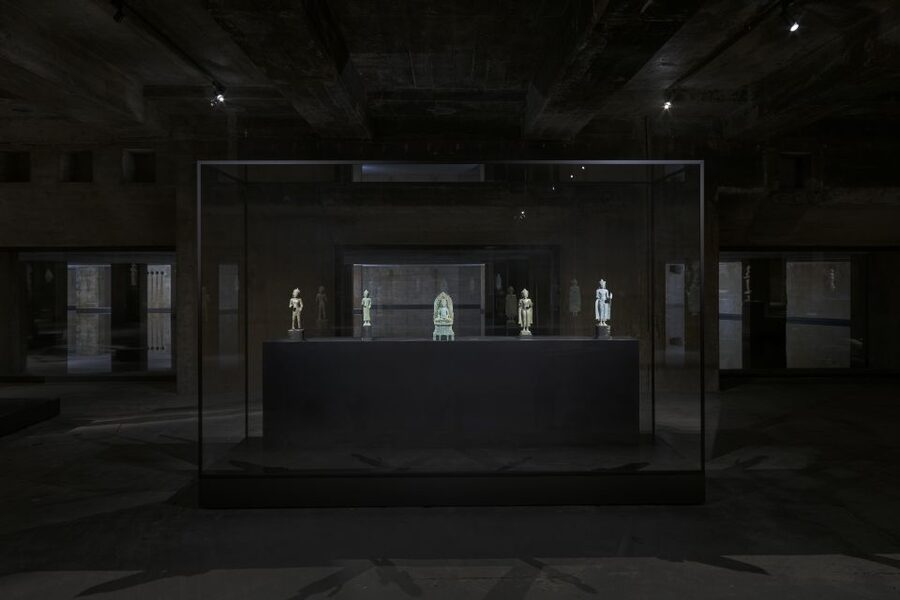
One part of the route focuses on Khmer sculpture dating from the seventh to the thirteenth century. The works include pieces in stone, bronze, and wood, giving you a chance to compare not only periods but also materials.
Khmer sculpture can carry a strong sense of presence even when the object is relatively small. Stone has weight and permanence. Bronze can suggest a different surface and finish. Wood brings another character altogether. The guide’s explanations help connect these materials to the collection’s larger interest in Asian art.
This section is valuable for visitors who might not normally choose a specialist Asian art museum. You do not need a detailed background in Southeast Asian history to follow the tour. The setting encourages you to look closely at shape, texture, craftsmanship, and the contrast between the old objects and the modern works nearby.
The presentation is not designed as a chronological survey. You should not expect a room-by-room account of Khmer art. Instead, the sculptures are part of a selective arrangement built around visual relationships. That makes the experience more personal and atmospheric, but less useful if your main goal is a complete history of the region.
Imperial Chinese lacquer and stone furniture
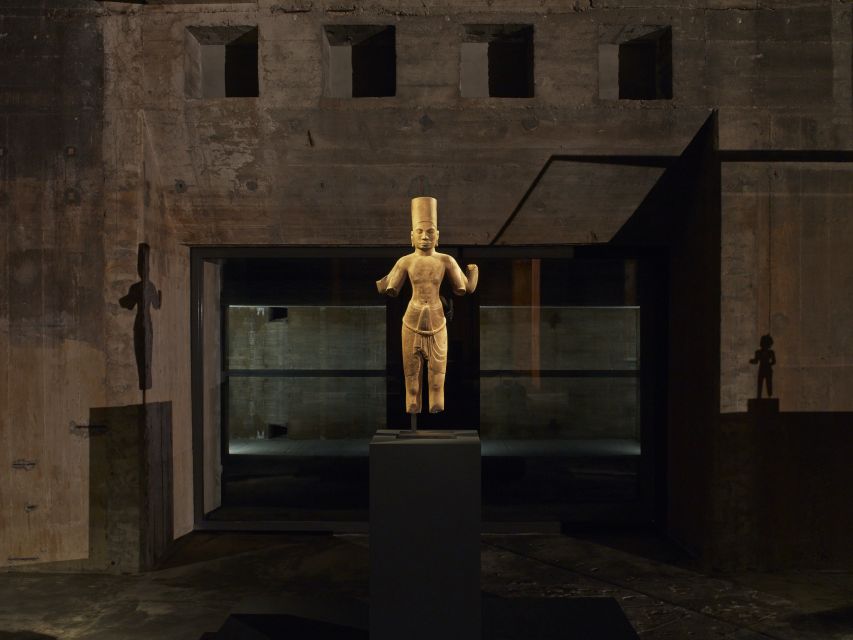
The Imperial Chinese furniture is another major reason to visit. The collection includes intricate lacquer and stone furniture, objects that reward slow looking because their details may be easy to miss in the low light.
Furniture can be overlooked in museums because it is familiar in function. Here, the pieces are treated as art objects. Materials, surfaces, construction, and scale matter as much as practical use. Lacquer can create a polished, layered finish, while stone furniture brings a sense of mass and endurance.
I like this part of the collection because it gives you a different way to think about luxury and craftsmanship. These are not simply chairs, tables, or decorative pieces. They show how design, material, and status can meet in a single object.
The lighting is part of the effect, but it also creates a practical challenge. A dim room can make details harder to see, especially for visitors who want to examine fine surfaces. Take your time when the guide allows it, and avoid assuming that the first impression tells you everything about a piece.
Something different for another day:
- Berlin: Reichstag, Dome and Government District Guided Tour
★ 4.7 · 18,288 reviews - Berlin: 1-Hour City Tour by Boat with Guaranteed Seating
★ 4.3 · 16,993 reviews - Berlin: Boat Tour Along the River Spree
★ 4.4 · 11,252 reviews - Discover Berlin Half-Day Walking Tour
★ 5.0 · 9,624 reviews
Contemporary art by Nobuyoshi Araki and Adam Fuss
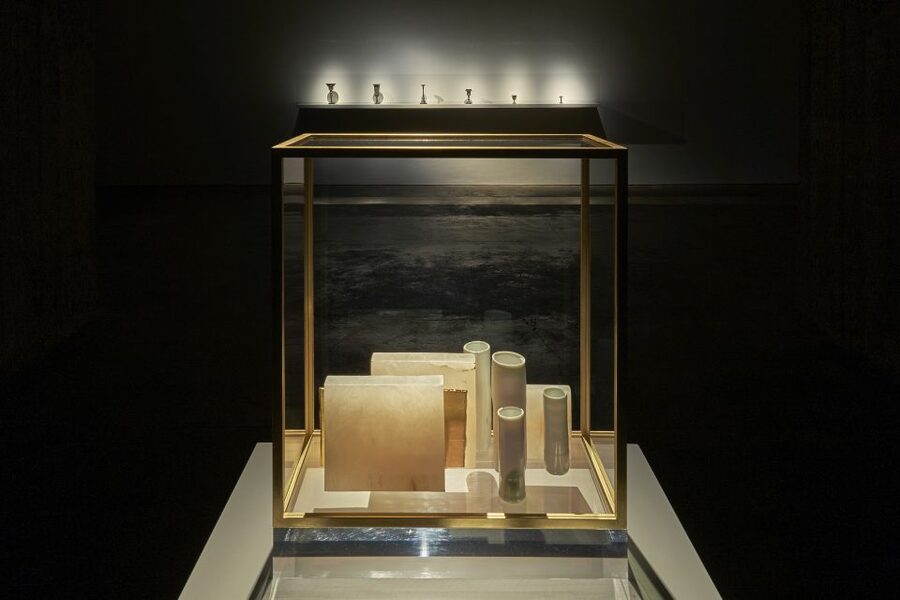
The modern works provide a sharp contrast to the older objects. The collection includes contemporary artists such as Nobuyoshi Araki and Adam Fuss, whose work helps create the central exchange between past and present.
This pairing is the museum’s defining idea. The contemporary pieces are not placed in a separate wing as a complete change of subject. They sit within a larger arrangement of ancient sculpture and historic furniture. You are encouraged to consider how an older object can affect your reading of a modern work, and how modern art can alter your view of an antique.
Some visitors will find this approach exciting because it avoids the usual museum divisions. Others may prefer clearer boundaries between periods and cultures. The museum does not try to make every connection obvious. Part of the experience is deciding what you see in the relationship.
The guide gives the tour a useful framework without turning the visit into a lecture hall. The best moments come when you have enough information to look again, then form your own response.
The underground lake and the role of light
The underground lake is one of the collection’s most distinctive features. It fits into the building’s lower-level design and works with the lighting to create a calm, unusual space.
This is not a standard art museum water feature added for decoration. The lake contributes to the mood of the bunker. Reflections, darkness, and still water help separate the experience from a normal gallery visit. The result can feel almost removed from the city above.
You should think of the lake as part of the architecture and lighting design rather than a separate attraction. It supports the art by slowing the pace and changing the way you experience the rooms.
A related feature called the Scent Room was not available during one visit. That detail matters because special elements may occasionally be closed or unavailable. If you are booking mainly for every sensory component of the museum, keep that possibility in mind.
Why Désiré Feuerle’s approach matters
Désiré Feuerle is presented as a connoisseur of Asian art who pioneered the practice of placing antiquities beside contemporary art. That idea gives the tour its purpose.
A conventional museum often separates objects by date, geography, and category. This collection takes another route. A Khmer sculpture may be considered alongside a contemporary photograph. Imperial Chinese furniture may share a visual setting with modern art. The goal is not to pretend these works come from the same culture or time, but to see what happens when they occupy the same conversation.
That approach can make familiar museum habits feel fresh. You are not simply ticking off famous objects. You are looking at how display changes meaning.
It can also feel selective. The collection does not aim to explain all Asian art, all contemporary photography, or all of Berlin’s wartime architecture. It offers one collector’s point of view. I think that is a strength if you enjoy personal, idea-driven museums. It is less suitable if you want a broad survey with large numbers of objects and exhaustive historical notes.
Is $25 a fair price for this Berlin museum visit?
The price is $25 per person, including the guide, museum tour, and entrance ticket. For a specialized collection in a distinctive building, that is a reasonable price, especially if the full one-hour visit is delivered and you value interpretation.
You are paying for more than access to objects. The fee also covers the guided explanation of Feuerle’s method, the architectural setting, and the controlled presentation. Without a guide, some of the relationships between ancient and modern art could be harder to grasp.
The value becomes less clear if your tour is substantially shorter than expected. At 35 to 40 minutes, the cost feels higher because the collection is compact and the experience depends on having time to observe. I would book it for the quality of the concept and setting, not because it offers a large quantity of art.
You can reserve now and pay later, which helps if your Berlin schedule is still changing. Cancellation is free up to 24 hours before the visit for a full refund. Those terms make it easier to fit the tour into a busy museum day.
Who will enjoy this experience most?
I would recommend the Feuerle Collection to adults and older teenagers who enjoy modern art, Asian art, architecture, or unusual museum design. It is particularly good for people who like a small collection with a strong point of view rather than a huge institution that takes half a day.
The visit may also appeal to photographers in theory, but cameras and video recording are forbidden. Cellphones are not allowed either, so you must experience the rooms without taking pictures or checking messages. That restriction protects the quiet mood, though it can disappoint anyone hoping to document the bunker and lake.
The tour is wheelchair accessible. Food, drinks, pets, and touching the objects are not allowed. Children under 16 cannot participate, so this is an adult-focused stop rather than a family museum outing.
I would not make this your only art visit in Berlin if you want a broad introduction to German art or European painting. The Feuerle Collection is narrow in subject and distinctive in tone. It works best as a concentrated hour added to a larger Berlin itinerary.
Practical tips for a better visit
Meet at the entrance of The Feuerle Collection, and arrive ready for a quiet, guided experience rather than an open-ended gallery visit. Since the route follows a set schedule, do not count on wandering away from the group whenever you wish.
Read or check nothing on your phone during the tour. Cellphones are not allowed, along with cameras and video equipment, so plan to leave those items unused for the visit. Food and drinks are also prohibited inside.
Keep the full hour available even though the actual viewing time may vary. If you are arranging another timed attraction, leave a buffer rather than scheduling it immediately afterward.
Finally, listen for the connections between the works. The most rewarding part is not simply seeing an old sculpture or a modern photograph. It is noticing how the bunker, the light, the lake, and the objects alter your sense of scale and time.
Should you book The Feuerle Collection?
Book this tour if you want a quiet, highly designed museum experience that combines Khmer sculpture, Imperial Chinese furniture, contemporary art, and a former wartime bunker. At $25, it offers good value when the guide provides the full explanation and the complete route.
Think twice if you need a long visit, bright galleries, photographs, or a broad historical survey. The strict rules and uncertain viewing time may frustrate some people. For the right audience, though, this is one of Berlin’s more unusual art stops, with an architectural setting that is as important as the objects inside.
FAQ
How long does The Feuerle Collection tour last?
The advertised duration is one hour. Starting times vary, so you need to check availability when booking.
What is included in the $25 price?
The price includes an English-speaking guide, the museum tour, and entrance to The Feuerle Collection.
What language is the guided tour in?
The live guided tour is conducted in English.
Where do I meet the guide?
Meet at the entrance of The Feuerle Collection in Berlin.
Is the museum wheelchair accessible?
Yes, the experience is wheelchair accessible.
Are children allowed on the tour?
Children under 16 are not permitted to join the experience.
Can I take photographs or use my cellphone?
No. Cameras, video recording, and cellphones are not allowed during the visit.
Can I cancel the booking?
Yes. You can cancel up to 24 hours in advance for a full refund, and you can reserve now while paying later.
Just added around Berlin
- Berlin: Private Guided Tour of the Main Sights★ 5.0 · 13 reviews
- Private Highlights of Berlin Bike Tour★ 5.0 · 13 reviews
- Modern Berlin Private Walking Tour: Diverse, Vibrant and Exciting German Capital★ 5.0 · 13 reviews
- Tour in Berlin from Warnemünde and Rostock Cruise Port★ 4.1 · 13 reviews
- Berlin: Stasi Museum Private Guided Tour with Entry Ticket★ 4.8 · 13 reviews
- Private Food Tour Experience with a born and bred Berliner★ 5.0 · 14 reviews
- Berlin: Rheinsberg Palace Entrance Ticket★ 4.8 · 14 reviews
- Berlin in one day – day tour with an expert guide★ 5.0 · 14 reviews
Tickets, compared.
Munich Hop-On Hop-Off Tour: 1-Day or 2-Day Ticket
Read our review →