
Reviewed · MEMORIAL & CONCENTRATION CAMP TOURS
Berlin: Sachsenhausen Memorial 6-Hour Tour in Spanish
History here is impossible to ignore. This six-hour excursion from Berlin takes you to Sachsenhausen with a Spanish-speaking guide, where the A Tower and Station Z give the visit its most sobering focus. I like the clear structure, which connects the camp’s Nazi period with its later use by the Soviets, and I like that survivor accounts, photographs, and official documents help put human stories beside the dates and buildings. The main drawback is the long, exposed visit in often cold weather, with no shop at the memorial.
I also appreciate the practical half-day format: you meet beside Berlin’s Alexanderplatz TV Tower, ride the train for about 50 minutes, and let the guide handle the historical explanation in Spanish. Guides such as Héctor and Helena have earned especially strong praise for speaking plainly and explaining how the camp operated. Still, this is not a light sightseeing stop. You should expect difficult material, considerable walking around an open site, and a day that may leave you quiet afterward.
In This Review
- Key points to know before you book
- Meeting the guide beside Berlin’s TV Tower
- Why Sachsenhausen was built near Berlin
- The A Tower and the roll-call area
- Station Z and the hardest part of the visit
- Museum exhibits and prisoner life
- Sachsenhausen after 1945 and the GDR memorial
- What the Spanish-speaking guide adds
- Is $41 a fair price for six hours?
- Practical advice for a respectful visit
- Who should book this Sachsenhausen tour?
- FAQ
- Where does the Sachsenhausen tour meet?
- How long does the tour last?
- How long is the train ride to Sachsenhausen?
- Is a public transport ticket included?
- Is the tour conducted in Spanish?
- What is included in the tour price?
- Is food available at Sachsenhausen?
- Is the tour wheelchair accessible?
- Can I cancel the booking?
Key points to know before you book
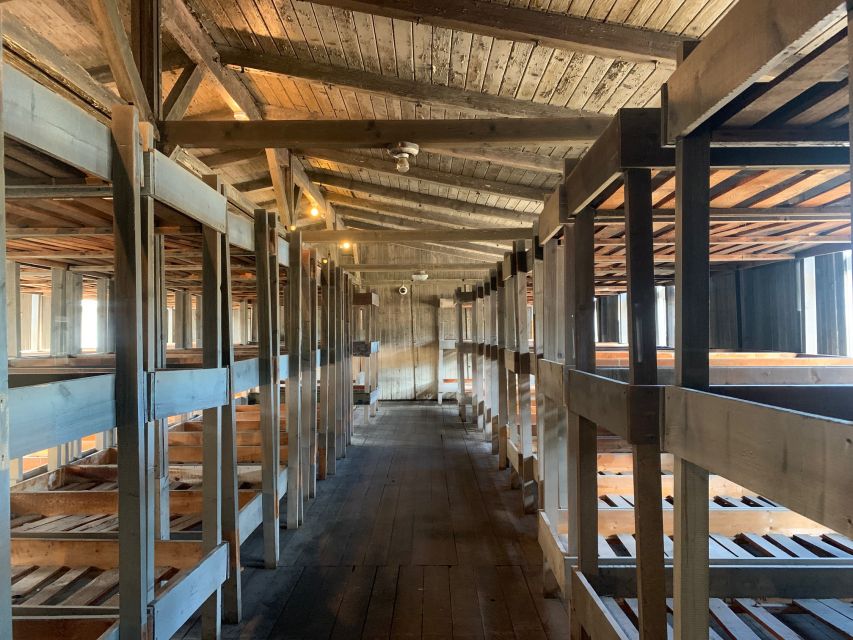
- Station Z gives the tour its hardest moment: This 1942 killing facility was designed for fast, systematic murder, and it is one of the most serious parts of the visit.
- The tour covers two regimes: You learn about Sachsenhausen under Nazi Germany and its later existence as a Soviet special camp after 1945.
- The 50-minute train ride is part of the plan: The excursion begins in central Berlin and heads north toward Oranienburg, so allow six hours for the full outing.
- Spanish makes complex history easier to follow: The guide explains camp organization, prisoner labor, official policy, and personal testimony in Spanish.
- Bring food and a drink: There is no shop at Sachsenhausen, and the six-hour schedule includes travel and time at the memorial.
- Your ABC ticket is separate: The tour includes the Sachsenhausen Foundation surcharge of €3, but you need a public transport ticket covering zones A, B, and C.
Meeting the guide beside Berlin’s TV Tower
The meeting point is easy to identify if you know what to look for. Find the single entrance to the Fernsehturm at Alexanderplatz, then look for a green flag marked tours en español. It is between the TV Tower and Alexanderplatz train station, beside the Espresso House café.
This is a useful location for a morning start because Alexanderplatz is a major transport hub. Even so, give yourself time to find the precise spot. The square is broad, the tower is hard to miss, and the café is a helpful landmark, but a few minutes of extra planning is wise if you are unfamiliar with Berlin.
Your guide leads the group onto public transport for the trip north. The ride takes about 50 minutes. A ticket covering zones ABC is required and is not included in the tour price, so remember to arrange that before meeting the guide.
The train journey matters for another reason: it creates a clear break between modern Berlin and the memorial site. You leave the city center, pass through the northern outskirts, and arrive prepared for a place that requires attention rather than casual sightseeing.
More memorial visits:
- Berlin: Sachsenhausen Concentration Camp Tour in English
★ 5.0 · 5,711 reviews - Berlin: Sachsenhausen Concentration Camp Memorial Tour
★ 4.7 · 3,716 reviews - Sachsenhausen Concentration Camp Bus Tour in English from Berlin
★ 5.0 · 1,962 reviews
Why Sachsenhausen was built near Berlin
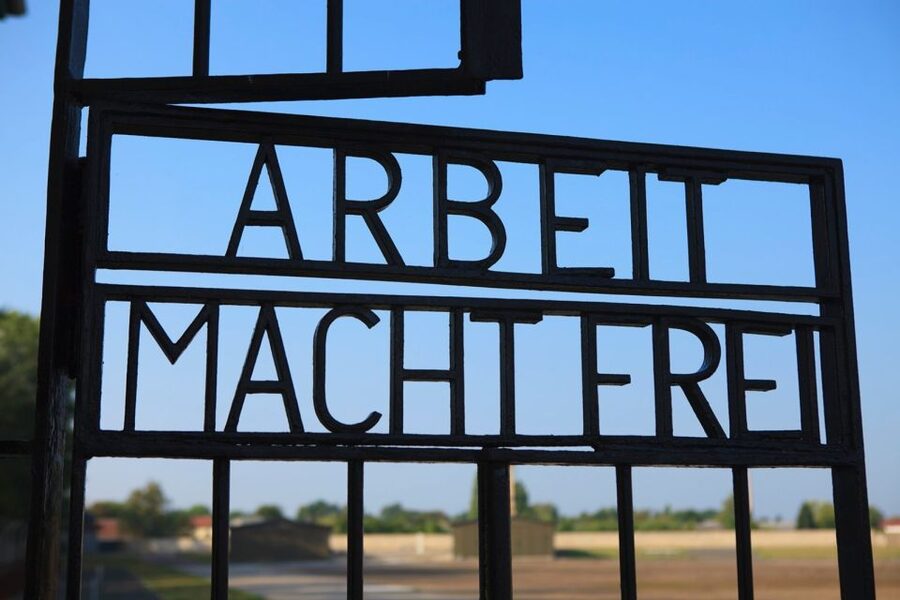
Sachsenhausen was established in 1936 near Berlin and was intended as a model concentration camp. Its location near the capital was not accidental. It became an important administrative center for the Nazi concentration camp system, and decisions made there affected other camps across the regime.
More than 200,000 people passed through Sachsenhausen. At least 50,000 died. Those numbers are enormous, but the guide’s job is to keep them from becoming mere statistics. The tour explains the camp’s structure, the rules imposed on prisoners, and the forced work that shaped daily life.
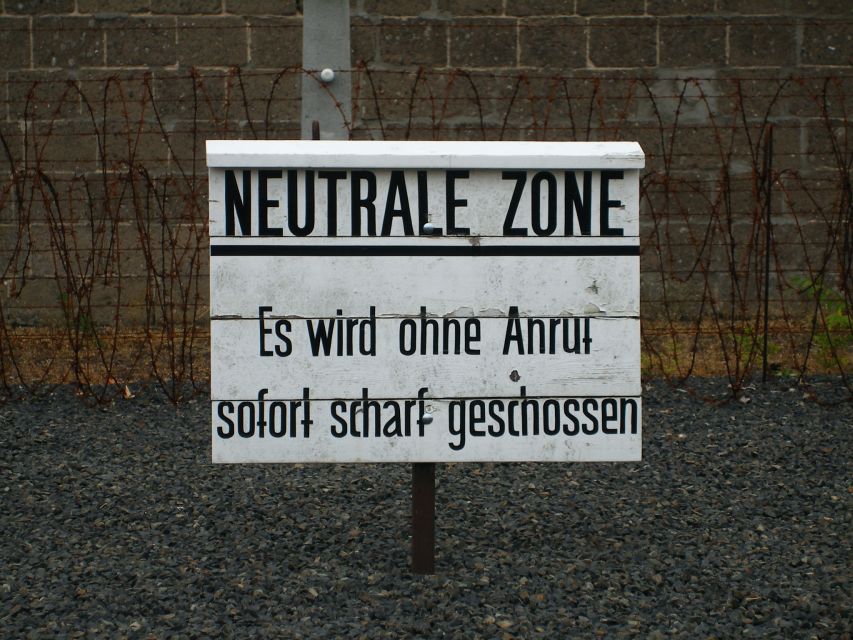
That context makes the physical site easier to understand. The camp was not simply a collection of buildings behind a fence. It was a planned system designed to control, punish, exploit, and kill. The orderly layout was part of the message of power.
The Spanish-language commentary is particularly useful here. Terms connected with Nazi administration and camp organization can be difficult to follow in any language. A good guide explains the legal and administrative machinery in plain Spanish, showing how persecution moved from official policy to daily treatment.
One particularly strong point is the attention to the system’s legal side. A recent visitor praised the explanation of how the camp worked from a legal point of view. That is valuable because it shows that the crimes were not random acts by isolated individuals. They were backed by rules, offices, records, and state authority.
The A Tower and the roll-call area
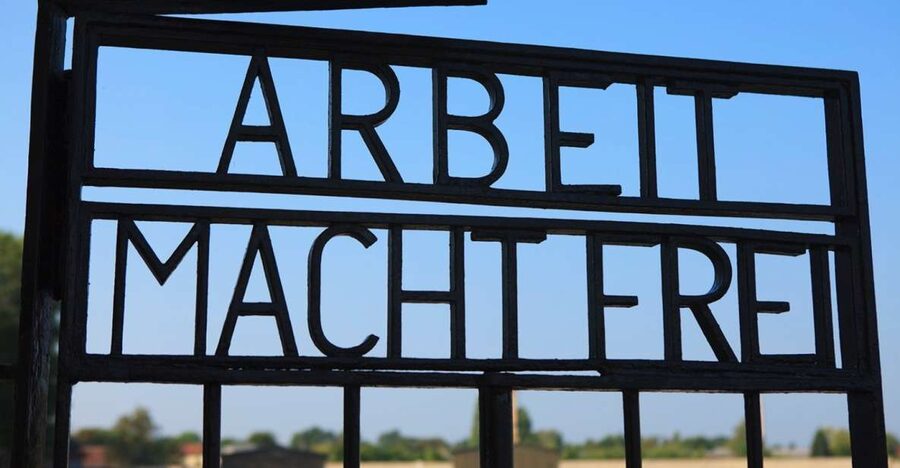
The A Tower marks the entrance area and roll-call location. Prisoners were assembled there, often under harsh conditions, while guards counted and controlled them.
The site may look stark today, but the guide helps explain how this space functioned. Roll call was not a simple head count. It was a tool of discipline and intimidation, and it could force prisoners to remain outside for long periods.
This is one of the places where the tour’s combination of physical location and personal accounts works well. Photographs and survivor testimony give the open space a human scale. You begin to understand that the camp’s routine was itself a form of cruelty.
I would pay close attention here rather than rushing toward the more notorious locations. The A Tower helps explain the daily system, while Station Z later shows where that system could lead.
The open site also means conditions can affect the visit. One account describes intense cold and wind during the tour, which made the day more uncomfortable but also made the setting feel even harsher. You should not plan this as an indoor museum visit with a short outdoor stroll. Dress for exposed weather and wear practical shoes.
Station Z and the hardest part of the visit
Station Z was added in 1942 to kill victims quickly and systematically. Its name and purpose are among the most chilling facts connected with Sachsenhausen.
I do not think this section should be treated as a dramatic photo stop. It is a place for careful explanation and quiet reflection. The guide describes how the facility fit into the camp’s wider killing process, helping you understand the connection between bureaucracy, technology, and mass murder.
For many people, Station Z will be the emotional center of the tour. The details are difficult, and that is precisely why a Spanish-speaking guide can help. You are not left to piece together a few labels or translate museum panels while trying to process the site itself.
The tone of the guide matters greatly. The strongest feedback has praised Héctor for speaking directly and without softening the facts. That plain approach suits Sachsenhausen, though it may feel intense if you prefer a gentler presentation.
You should also decide in advance how much personal detail you want to hear. The tour includes survivor accounts, photographs, and official documents, so it goes beyond a basic architectural visit. Parents should use their own judgment about bringing children, since the supplied information does not state a minimum age or provide a separate family version.
Something different for another day:
- Berlin: Reichstag, Dome and Government District Guided Tour
★ 4.7 · 18,288 reviews - Berlin: 1-Hour City Tour by Boat with Guaranteed Seating
★ 4.3 · 16,993 reviews - Berlin: Boat Tour Along the River Spree
★ 4.4 · 11,252 reviews - Discover Berlin Half-Day Walking Tour
★ 5.0 · 9,624 reviews
Museum exhibits and prisoner life
Sachsenhausen includes a museum and several exhibits. These add detail to the outdoor buildings by showing documents, photographs, and personal accounts connected with the people held there.
The displays help answer practical questions about camp life. What work were prisoners forced to perform? How were they organized? What did daily control look like? How did official orders become ordinary routines of punishment and deprivation?
I like this part of the visit because it gives the tour a wider frame. The A Tower and Station Z are powerful places, but a memorial can become too focused on a few locations if you do not learn about the wider population. The exhibits help restore that broader view.
The museum also gives you a chance to consider the people who passed through Sachsenhausen as individuals, not just as part of a total. Survivor accounts are especially important because they show how prisoners experienced rules and spaces that can otherwise appear cold and abstract.
The amount of time available at each exhibit depends on the pace of the guided tour. Since the full experience lasts six hours, you receive a substantial visit, but this is still a group itinerary rather than an unlimited independent study day. If you want to read every document slowly, you may find the schedule less flexible than visiting alone.
Sachsenhausen after 1945 and the GDR memorial
The camp’s story did not end with the fall of Hitler. After the war, the Soviet authorities used Sachsenhausen as a special camp for their own prisoners. The tour includes this later chapter, which is essential for understanding the memorial as a site connected with both Nazi Germany and Soviet Russia.
This part can be easy to miss when a place is known mainly for its Nazi history. The Soviet use of the camp does not erase or blur the crimes of the Third Reich. It adds another layer to the site’s postwar history and shows how a place built for repression continued to serve that purpose under a different government.
You also visit the GDR memorial. It reflects the way East Germany presented Sachsenhausen during the German Democratic Republic period. The guide helps place that memorial within the political history of divided Germany, rather than treating it as a neutral addition.
For me, this wider timeline is one of the tour’s strongest features. You are not shown only one chapter and sent away. You learn how the site changed meaning under Nazi rule, Soviet control, and later memorial work.
At the same time, the added history makes the visit more demanding. A six-hour tour has to cover Nazi administration, prisoner life, mass killing, Soviet detention, and GDR remembrance. If you want a short introduction to the Nazi camp alone, this excursion may feel too broad.
What the Spanish-speaking guide adds
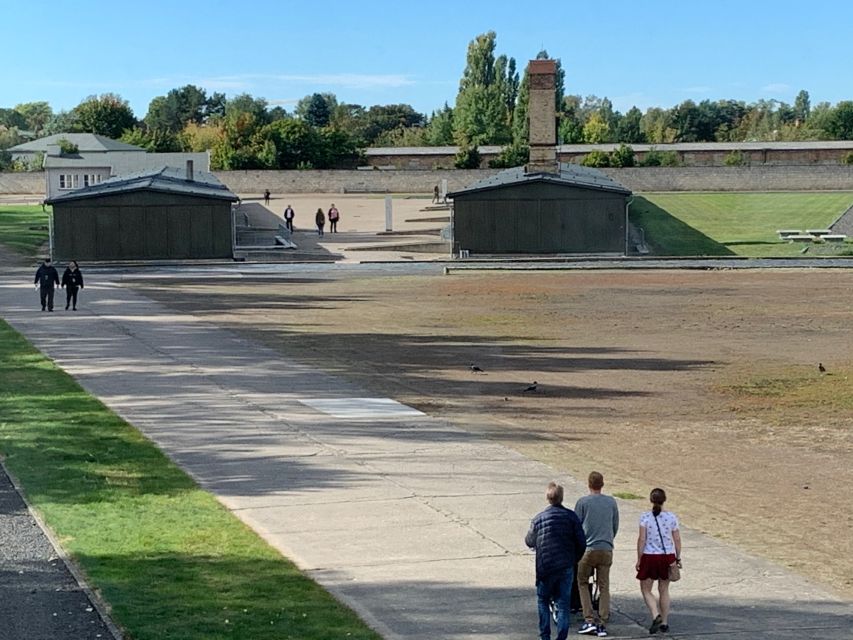
A Spanish-language tour is not just a translation service. At a site filled with legal terms, political history, personal testimony, and difficult moral questions, clear explanation can change the entire experience.
The best feedback has focused on the guides’ command of the subject and direct delivery. Héctor has been praised for explaining the history without hiding behind vague language. Helena has also received enthusiastic praise. Guide quality can vary from one departure to another, but these names are useful indicators of the standard people have experienced.
You should expect a serious tone, not theatrical storytelling. The guide explains what the buildings were used for, how prisoners were managed, and how the camp fit into the larger Nazi system. That structure helps you keep track of the many dates and institutions.
One useful detail from a Spanish-speaking participant was that having a reliable contact number from the moment of reservation would make meeting arrangements easier, especially when calls or app messages are limited. I would save the meeting details before leaving your hotel and arrive early, rather than relying on a last-minute message.
The activity is listed as wheelchair accessible. Since the memorial covers a large outdoor area and includes transport, you may still want to confirm any personal mobility needs before booking. The supplied information does not describe specific surface conditions or vehicle arrangements.
Is $41 a fair price for six hours?
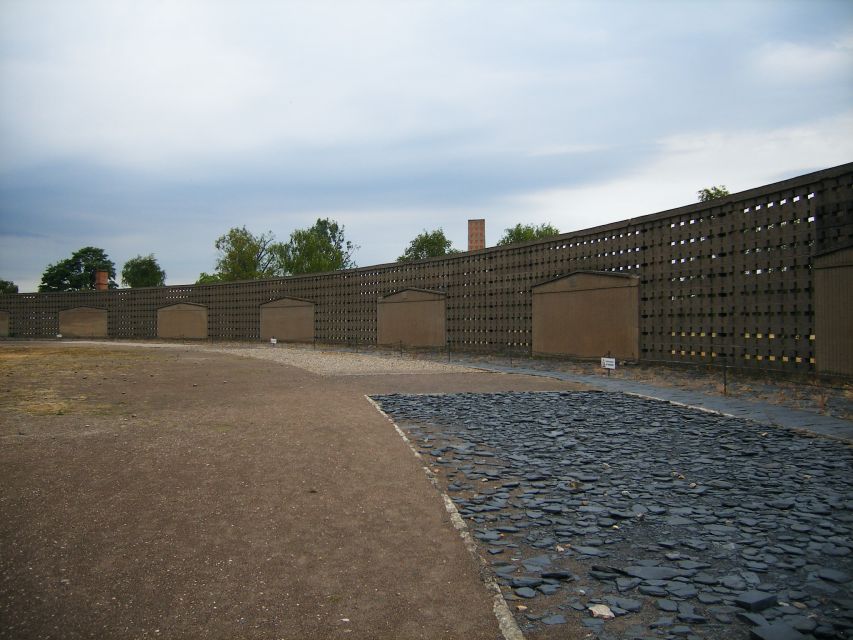
At $41 per person, this is a reasonable price for a guided six-hour visit, especially if Spanish is important to you. The fee includes the full Sachsenhausen tour with a Spanish-speaking guide and the €3 Concentration Camp Foundation surcharge.
Your public transport ticket is extra. You need an ABC ticket for the journey from central Berlin to the memorial and back. That additional cost should be part of your budget, but it does not change the basic value of having a guide organize the route and explain the site.
The value is strongest if you want context rather than simply access. You receive a guided explanation of the A Tower, Station Z, the museum, prisoner life, the Soviet period, and the GDR memorial. You also avoid trying to translate complex material on your own.
The value is weaker if you already have a strong background in Sachsenhausen and prefer to explore at your own pace. A guided group sets the rhythm, and the six-hour block takes a significant part of your Berlin schedule.
A rating of 4.8 from 549 reviews suggests a consistently positive experience, and the repeated praise for the guides is more useful than the score alone. Still, the high rating should not persuade you to book casually. This is a serious memorial visit, and the weather, subject matter, and length all require some preparation.
Practical advice for a respectful visit
Bring snacks and water. There is no shop at Sachsenhausen, and you may not have a convenient chance to buy food once the tour is underway.
Wear shoes suitable for walking and clothing for changing outdoor conditions. The site is exposed, and cold or wind can make the six-hour schedule feel longer. A coat, hat, and extra layer are sensible choices in cooler months.
Keep the day open enough to absorb the visit. The tour begins with the meeting in Alexanderplatz, includes roughly 50 minutes of train travel each way, and spends substantial time at the memorial. Do not schedule a tightly timed museum reservation immediately afterward.
Think about your emotional pace, too. Station Z and the material about prisoner treatment are deeply upsetting. You can approach the visit with respect without forcing yourself to rush from one exhibit to another.
Free cancellation is available up to 24 hours before the start time, and you can reserve now and pay later. Those options help if your Berlin plans are still shifting, but the practical essentials remain the ABC ticket, food, water, and the exact meeting point.
Who should book this Sachsenhausen tour?
I would choose this tour if you want to visit Sachsenhausen from Berlin without handling the historical research alone, and if Spanish is your preferred language. It suits first-time visitors to Germany, people who want a serious memorial experience, and anyone interested in both Nazi and Soviet use of the site.
It is also a good fit if you value a guide who explains the legal and administrative side of the camp. That detail can make the history clearer and more honest.
I would hesitate if you have only a few hours in Berlin, dislike outdoor walking in poor weather, or want a quiet self-guided visit with complete control over the pace. The subject is painful, and the six-hour format demands real attention.
For the right person, $41 is fair value. You get a Spanish-speaking guide, transport guidance from central Berlin, access to the main memorial areas, and a fuller account of Sachsenhausen than a quick independent visit may provide. Book it for understanding, not entertainment, and arrive ready to listen.
FAQ
Where does the Sachsenhausen tour meet?
The meeting point is beside the only entrance to the Alexanderplatz TV Tower, between the TV Tower and Alexanderplatz train station. Look for a green flag marked tours en español, beside the Espresso House café.
How long does the tour last?
The tour lasts six hours, including the journey from central Berlin to Sachsenhausen and the visit to the memorial.
How long is the train ride to Sachsenhausen?
The train ride from Berlin to the northern outskirts takes about 50 minutes.
Is a public transport ticket included?
No. You need to buy a public transport ticket covering zones ABC separately.
Is the tour conducted in Spanish?
Yes. The tour has a live Spanish-speaking guide.
What is included in the tour price?
The price includes the full Sachsenhausen tour with a Spanish-speaking guide and the Concentration Camp Foundation surcharge of €3.
Is food available at Sachsenhausen?
There is no shop at the memorial, so you should bring snacks and drinks.
Is the tour wheelchair accessible?
Yes, the activity is listed as wheelchair accessible.
Can I cancel the booking?
You can cancel up to 24 hours in advance for a full refund. You can also reserve now and pay later.
Just added around Berlin
- Berlin: Private Guided Tour of the Main Sights★ 5.0 · 13 reviews
- Private Highlights of Berlin Bike Tour★ 5.0 · 13 reviews
- Modern Berlin Private Walking Tour: Diverse, Vibrant and Exciting German Capital★ 5.0 · 13 reviews
- Tour in Berlin from Warnemünde and Rostock Cruise Port★ 4.1 · 13 reviews
- Berlin: Stasi Museum Private Guided Tour with Entry Ticket★ 4.8 · 13 reviews
- Private Food Tour Experience with a born and bred Berliner★ 5.0 · 14 reviews
- Berlin: Rheinsberg Palace Entrance Ticket★ 4.8 · 14 reviews
- Berlin in one day – day tour with an expert guide★ 5.0 · 14 reviews
Memorial & Concentration Camp Tours, compared.
Sachsenhausen Concentration Camp Tour in English
Read our review →
Dachau Concentration Camp Memorial Site Tour from Munich by Train
Read our review →
Sachsenhausen Concentration Camp Memorial Tour
Read our review →
Sachsenhausen Concentration Camp Bus Tour in English from Berlin
Read our review →Sachsenhausen Concentration Camp Tour in English
Read our review →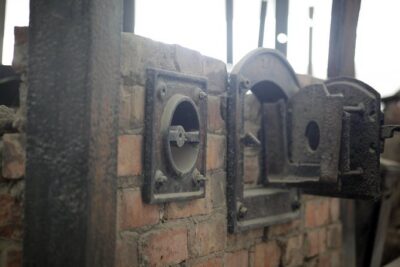
Sachsenhausen Concentration Camp Memorial Tour (Max. 15 Guests)
Read our review →Browse the lists this tour appears in