
Reviewed · MEMORIAL & CONCENTRATION CAMP TOURS
Berlin: Sachsenhausen Concentration Camp Guided Tour
History here is impossible to ignore. This five-hour Sachsenhausen tour pairs a small group of no more than seven people with an English-speaking guide who explains the camp’s design, daily routines, prisoner suffering, and postwar use. I especially like the included pickup from Alexanderplatz and the careful attention guides such as Tom, Matt, and Jorg bring to this difficult subject.
I also like that the ticket includes a contribution to the memorial, helping preserve the site. The main drawback is time: four hours at Sachsenhausen is enough for a serious introduction, but Eric’s useful suggestion is worth noting, an extra two or three hours would allow more time inside the exhibits and buildings.
In This Review
- Key points to know before you go
- Why Sachsenhausen deserves a full morning
- Meeting at Alexanderplatz and riding north
- Entering through Tower A
- Daily life, roll call, and the shoe-testing track
- The Jewish sector and overcrowded barracks
- The cell block and prisoners held in secret
- A short break in the camp kitchen
- Special Camp No. 7 and the postwar chapter
- Station Z and the machinery of murder
- The infirmary and medical experiments
- Is $115 a fair price?
- Practical advice for a respectful visit
- Who should book this tour?
- Should you book the Sachsenhausen tour?
- FAQ
- Where does the Sachsenhausen tour begin?
- How long does the tour last?
- Is transportation included?
- What language is the tour conducted in?
- How large is the group?
- Is Sachsenhausen Memorial wheelchair accessible?
- Does the tour run in bad weather?
- What should I bring?
- Can I cancel the booking?
- Can I reserve without paying immediately?
Key points to know before you go
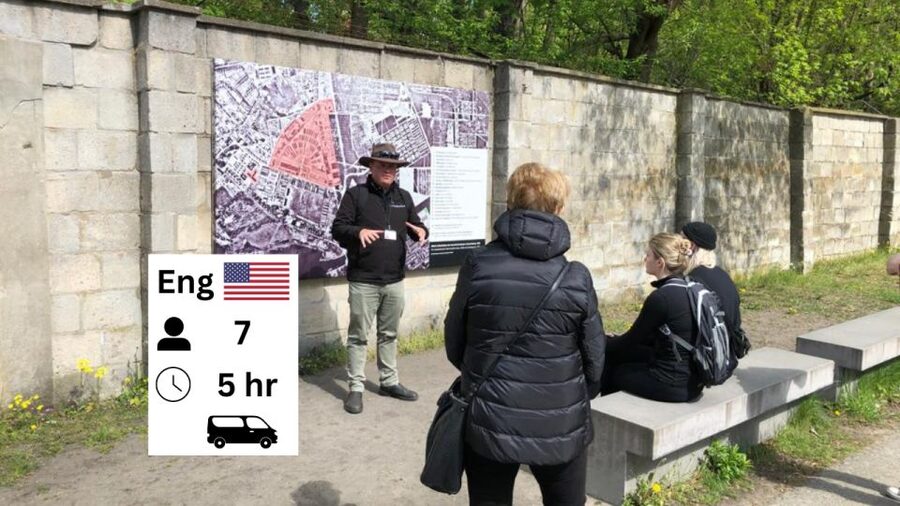
- Sachsenhausen was used as a model camp: Your guide explains how the camp’s layout and administration influenced the wider Nazi concentration camp system.
- The tour covers two periods of imprisonment: You learn about Nazi persecution and the Soviet use of the site after 1945.
- Station Z is the hardest stop: The execution site, gas chamber, and crematorium area confront you with the mechanics of mass murder.
- A seven-person limit improves the discussion: You can ask questions and hear the guide clearly without a large crowd.
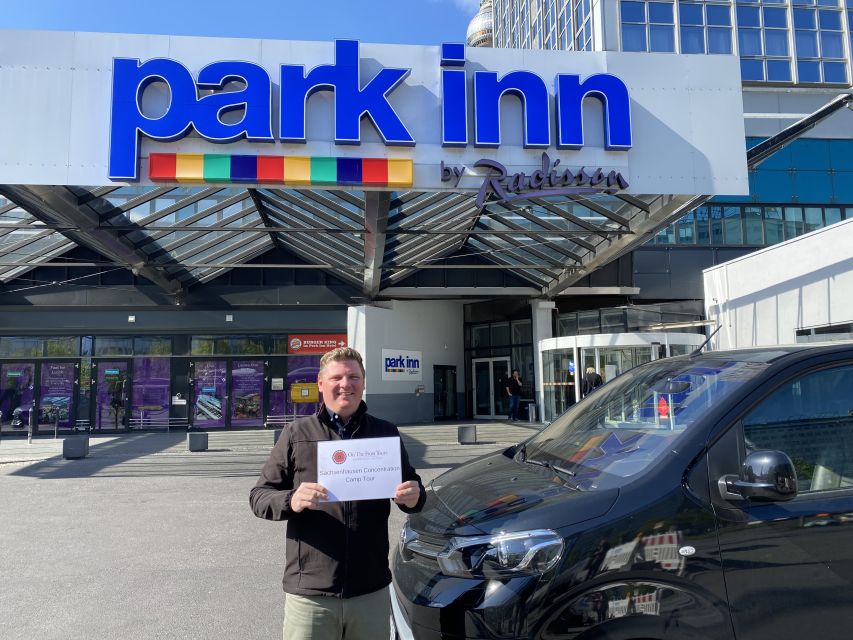
- Pickup is simple: Meet at the main entrance of the Park Inn by Radisson Berlin Alexanderplatz, at the taxi pickup and drop-off point.
- Dress for the weather: The tour runs rain or shine, and comfortable shoes are essential for the long outdoor walk.
Why Sachsenhausen deserves a full morning
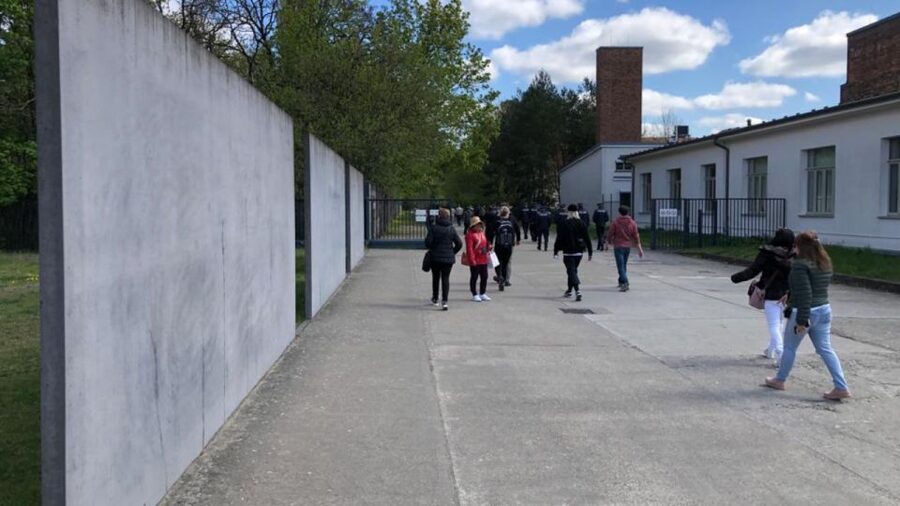
Sachsenhausen is not a light sightseeing stop. It is a place for careful attention, quiet, and patience. The tour deals directly with imprisonment, forced labor, starvation, violence, executions, medical experiments, and the deliberate destruction of human dignity.
That seriousness is exactly why a guide can be useful. Without context, you may see a gate, barracks, foundations, and open ground. With context, the site becomes a study of how a government turned cruelty into a system, then hid that system behind paperwork, routine, uniforms, and official language.
Sachsenhausen also matters because it was designed as a model concentration camp. Your guide uses the ride from Berlin to explain the Nazi camp structure and the role Sachsenhausen played in shaping future camps. That background gives the visit a wider purpose. You are not only learning what happened at one location. You are learning how an entire system was organized.
I appreciate that the tour does not stop in 1945. The site was later used by the Soviet Union as Special Camp No. 7, holding German prisoners of war, convicted war criminals, and political prisoners. The tour addresses this second chapter, including continued mistreatment and the later effort to preserve the location as a memorial.
More memorial visits:
- Berlin: Sachsenhausen Concentration Camp Tour in English
★ 5.0 · 5,711 reviews - Berlin: Sachsenhausen Concentration Camp Memorial Tour
★ 4.7 · 3,716 reviews - Sachsenhausen Concentration Camp Bus Tour in English from Berlin
★ 5.0 · 1,962 reviews
Meeting at Alexanderplatz and riding north
The day begins at the main entrance of the Park Inn by Radisson Berlin Alexanderplatz. Look for the taxi pickup and drop-off point rather than wandering around the broad square. Pickup and return to this central location are included.
The van ride takes about 30 minutes each way. This is more than a transfer. Your guide uses the journey to explain the Nazi concentration camp system and why Sachsenhausen was created as a model for later camps. That short introduction helps you arrive with a framework for what you are about to see.
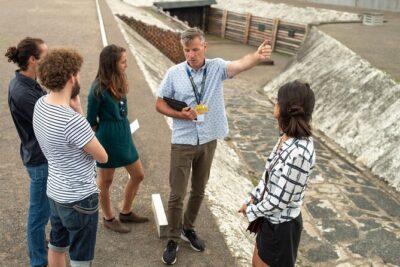
A small group of up to seven people is one of the tour’s strongest practical features. On a sensitive visit, a small party makes it easier to hear, ask questions, and keep the pace personal. Tom, Matt, and Jorg have each been praised for being clear, respectful, and willing to answer questions. Their approach matters here. A guide who rushes or treats the site like an ordinary attraction would miss the point.
The transport is included, along with a bottle of water. Bring a snack, since the day lasts five hours and there is only a short break at the camp. Alcoholic drinks are not allowed in the vehicle, and drones, alcohol, drugs, and bare feet are prohibited.
Entering through Tower A
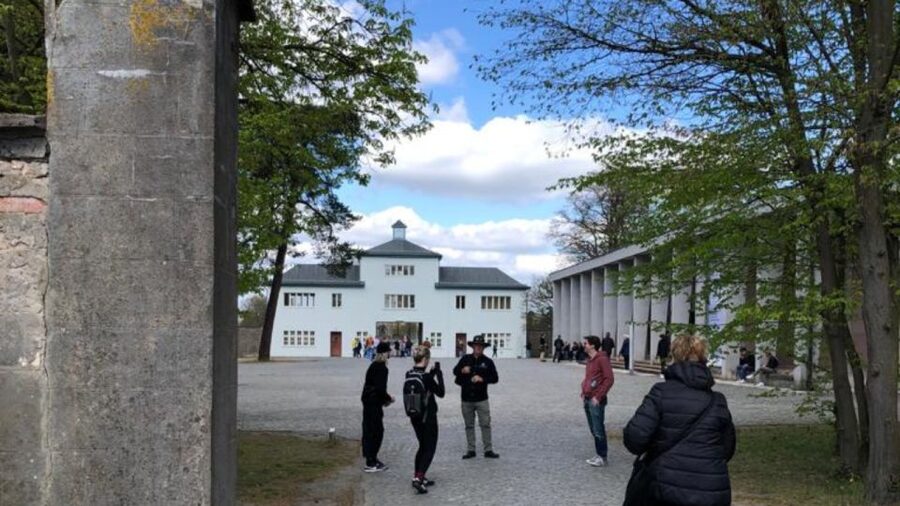
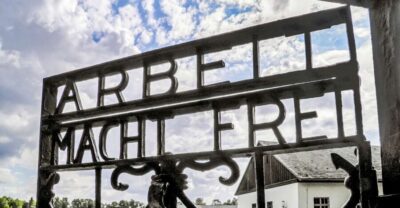
The route begins at the camp’s main entrance, through Tower A. Above the gate are the infamous words Arbeit Macht Frei. You do not need a long speech to understand the cruelty of that slogan. Its false promise turns the entrance into an immediate lesson in Nazi deception.
Your guide then introduces the SS Concentration Camps Inspectorate. This was the administrative and managerial authority for the concentration camp system of the Third Reich. Seeing this administrative side is important because it shows that the camp was not an isolated eruption of violence. It depended on offices, orders, records, staff, and a chain of command.
That is one of the most useful parts of the tour for anyone who knows the basic story of the Holocaust but wants to understand how the machinery operated. The camp’s horror was carried out through both direct brutality and organized administration.
Daily life, roll call, and the shoe-testing track
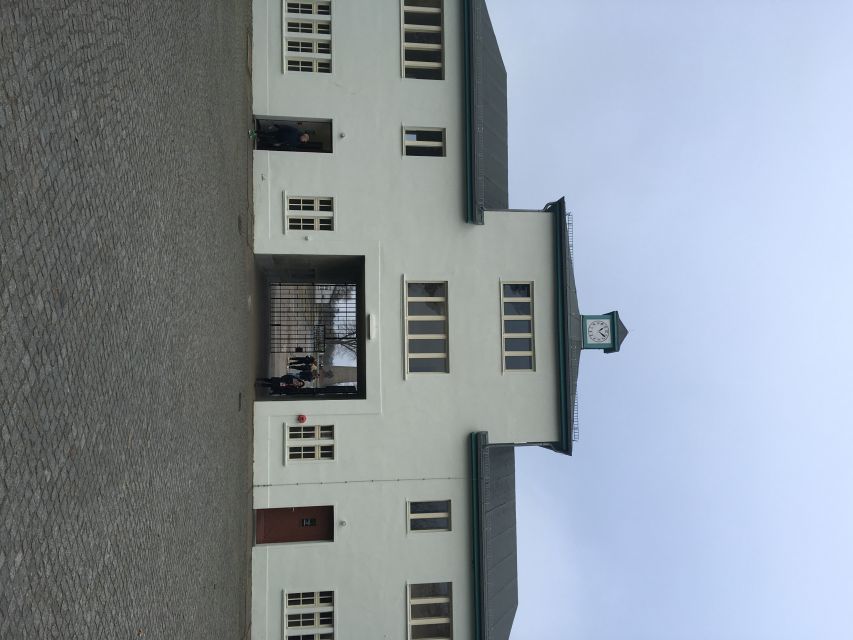
The next section focuses on the everyday routine forced upon prisoners. Morning roll call was a dreaded part of camp life, and your guide explains how prisoners had to face this rigid system day after day.
You also visit the shoe-testing track. Its name sounds ordinary, which is part of what makes it so disturbing. The tour explains how prisoners were forced to test footwear by walking on different surfaces. This stop helps you understand how even labor could be turned into punishment and exploitation.
I find this focus on daily routine especially valuable. Large historical events can feel distant. Details such as roll call, exhausting work, poor living conditions, and constant fear show how suffering was built into every hour.
The tour asks you to consider both the prisoners’ struggles and the mindset of the guards. That does not excuse the guards or soften responsibility. It helps explain how a system of orders, ideology, discipline, and dehumanization allowed people to participate in crimes against others.
A few more tours and experiences worth a look
- Berlin: Reichstag, Dome and Government District Guided Tour
★ 4.7 · 18,288 reviews - Berlin: Government District around the Reichstag Guided Tour
★ 4.7 · 8,447 reviews - Berlin: Hidden Backyards Guided Walking Tour
★ 4.8 · 5,360 reviews - Berlin: 1-Hour Boat Tour with Bilingual Live Guide
★ 4.7 · 3,629 reviews
The Jewish sector and overcrowded barracks
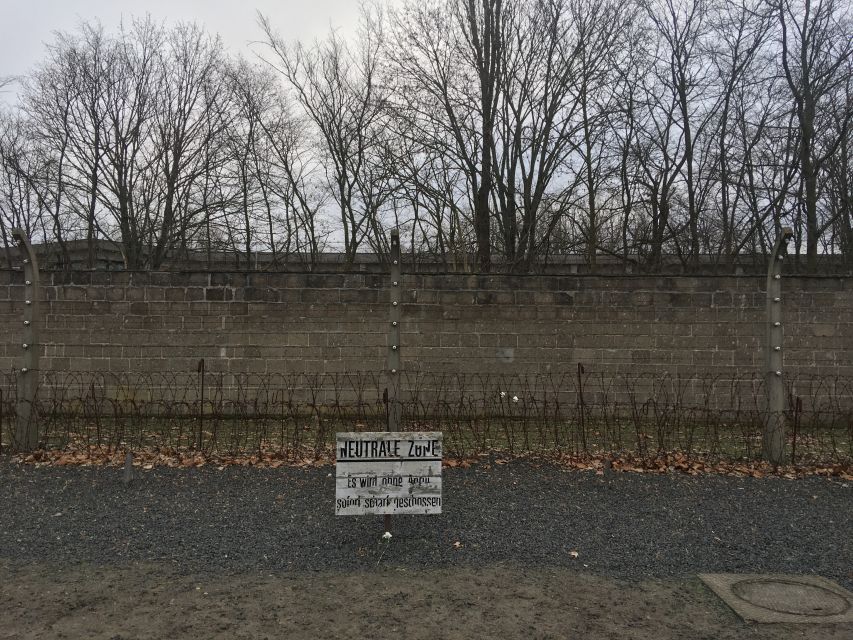
The route continues to the Jewish sector, where you can enter the barracks and see the cramped conditions in which prisoners were held. This part of the tour shifts from administration to lived experience.
Your guide explains the overcrowding and the poor conditions prisoners faced. The buildings and remaining structures make the subject physical. You are not simply hearing that prisoners lacked space and privacy. You are standing in the place where those conditions were imposed.
The barracks can be emotionally difficult. Expect a serious atmosphere, not a conventional museum visit. Give yourself permission to pause and listen. There is no need to fill every quiet moment with conversation or photographs.
This is also where the small group helps. A guide can judge the pace better with seven people than with a large crowd. You can ask a focused question without interrupting a lecture delivered to dozens of people.
The cell block and prisoners held in secret
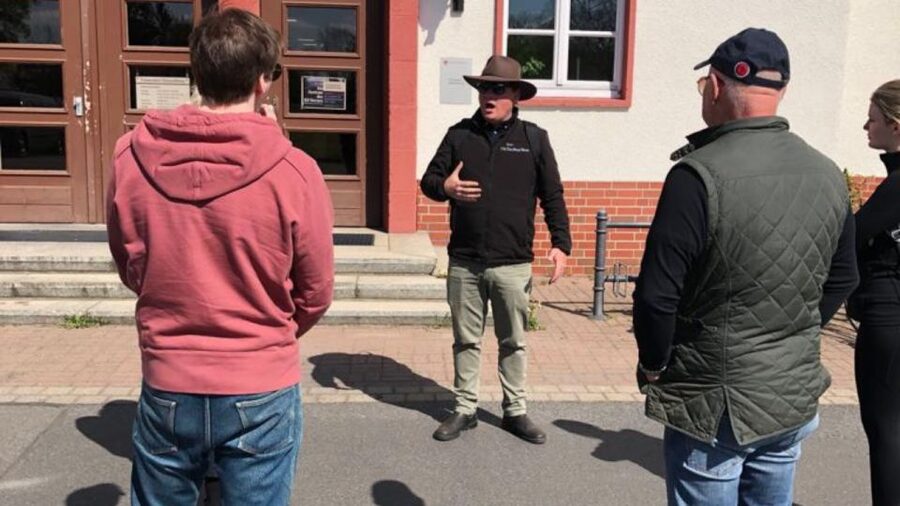
The camp cell block is another important stop. It was used for prisoners held under special conditions, including British prisoners of war and other special inmates. Stalin’s son was imprisoned here, a detail that connects the site to the wider war and Soviet leadership.
The cell block is described as a place of secrecy and cruel mistreatment. That makes it different from the barracks. The barracks reveal the scale and routine of camp life, while the cell block points to targeted detention and abuse.
Your guide can also help separate individual stories from the larger system. Famous names may attract attention, but the central lesson remains the treatment of thousands of ordinary prisoners. The value of this stop is not only the unusual historical connection. It is the chance to see how the camp held different groups under different forms of control.
A short break in the camp kitchen
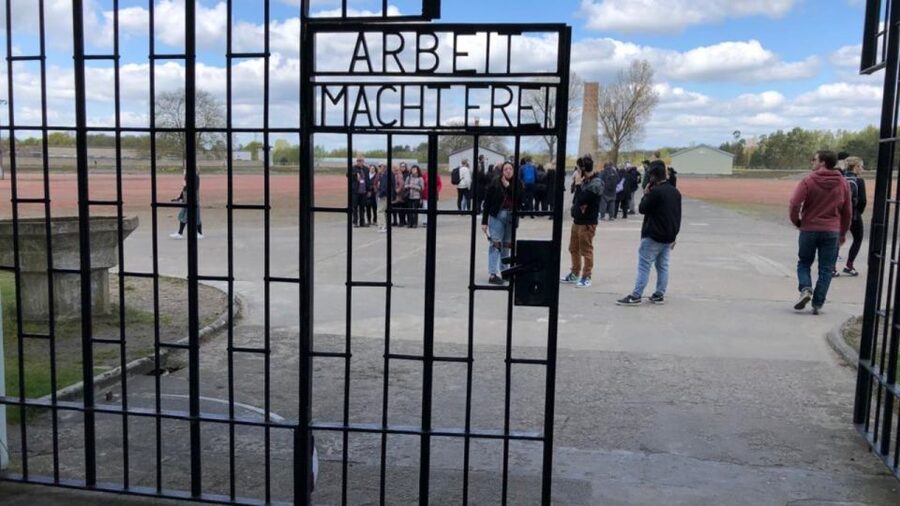
The camp kitchen provides a brief pause in the tour. You can use the restrooms, have a snack, and see an exhibition of camp objects. Prisoner drawings remain visible on the walls, adding a personal and human element to the visit.
Plan to use this break sensibly. You will be walking for much of the four-hour visit, and a snack is specifically recommended. Bring comfortable shoes rather than treating this as a short museum stroll.
The drawings are especially meaningful because they offer a trace of individual expression within a place designed to strip people of identity. They do not erase the horror around them, but they help you remember that prisoners were more than statistics. They were people who observed, remembered, created, and endured.
The break also gives you a moment to gather yourself before the tour moves to the camp’s postwar history and the most difficult section of the visit.
Special Camp No. 7 and the postwar chapter
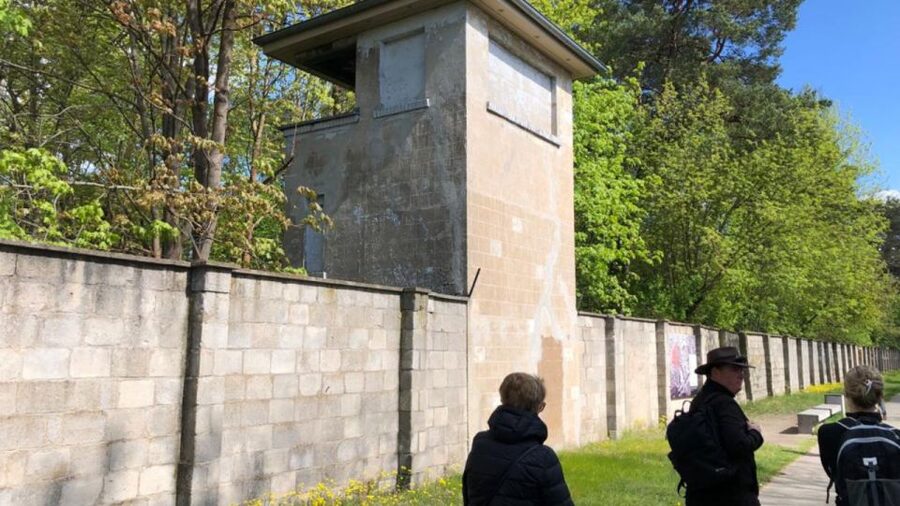
After the Second World War, the Soviet Union continued using the camp as Special Camp No. 7. The site held about 60,000 prisoners, including German prisoners of war, convicted war criminals, and political prisoners.
This section prevents a simplified story in which the camp’s history ends when Nazi rule ends. Your guide discusses continued mistreatment, the way the site was later preserved, and its impact on modern Germany.
That postwar chapter is valuable because memorial sites require honest treatment of all their major periods. The Nazi crimes remain the central reason Sachsenhausen is remembered, but the Soviet use of the camp also shaped how the location was understood and preserved.
For you, this section adds political and historical context without turning the tour into a general Berlin history lesson. It keeps the focus on the site and on how societies confront places connected to mass imprisonment.
Station Z and the machinery of murder
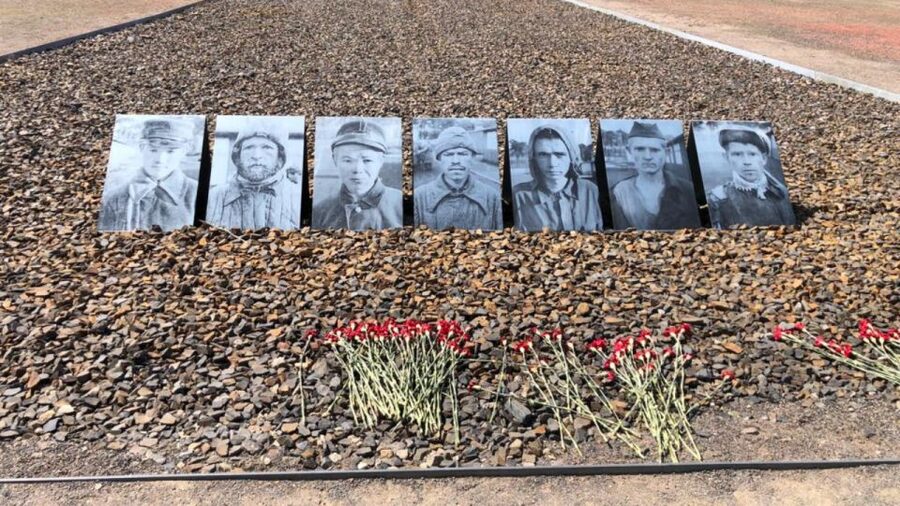
Station Z is the most harrowing stop. This was the camp’s execution site, gas chamber, and crematorium area. Here the tour addresses the Final Solution and the systematic murder of prisoners.
Expect this section to be difficult. The guide’s tone matters, and the strongest feedback about Tom, Matt, and Jorg centers on their respectful, compassionate handling of the subject. The purpose is not shock for its own sake. It is to understand how murder was planned, carried out, and concealed.
Station Z also brings together many themes from earlier in the tour. The administrative offices, controlled routines, prisoner categories, guard structure, and forced labor were not separate pieces. They formed part of a system that could end in organized killing.
You may find that this is not a place where you want many photographs. Follow the memorial’s atmosphere and your own judgment. Listening carefully is often more valuable than trying to record every part of the visit.
The infirmary and medical experiments
Before leaving, the group passes through the camp infirmary. Prisoners were subjected to medical experiments here, adding another layer of abuse to the history of the site.
The infirmary is a reminder that the camp’s violence was not limited to beatings, executions, or deprivation. Medical spaces, which should offer care, could instead become places of coercion and experimentation.
This final stop is brief but important. It widens your understanding of prisoner vulnerability and shows how the Nazi system invaded every part of a person’s life, including the body.
Is $115 a fair price?
At $115 per person, this is not the cheapest way to reach Sachsenhausen. You are paying for a guide, round-trip transport from central Berlin, a small group capped at seven, a bottle of water, and a contribution to the memorial.
The value depends on what you want from the visit. If you only need transportation and plan to read the displays on your own, a guided tour may cost more than necessary. If you want the camp placed in historical context, the price is easier to justify.
The 30-minute drive each way saves you from arranging separate transport. The small group is a real advantage, especially when you want to ask about the SS administration, prisoner routines, the Soviet camp, or the memorial’s preservation.
The main limitation is the fixed five-hour schedule. Four hours at Sachsenhausen gives you a substantial visit, but it can feel compressed if you want to study every exhibit. Eric specifically wished for a six- or seven-hour version with more time inside the buildings. If you read slowly or need quiet time between stops, keep that limitation in mind.
Practical advice for a respectful visit
Wear comfortable shoes. The visit includes a long guided walk, and the tour takes place outdoors in all weather.
Bring a snack and accept the bottle of water, since the kitchen break is short. The tour runs rain or shine, so check the forecast and dress for changing conditions.
The memorial is wheelchair accessible, but the supplied details do not specify how every part of the route is handled. If you use a wheelchair, confirm the exact route and vehicle arrangements when booking.
This is an English-language tour only. The group size is limited to seven, so you can expect a quieter setting and more direct contact with the guide.
Free cancellation is available up to 24 hours before departure, and you can reserve now and pay later. That is useful if your Berlin plans are still shifting.
Who should book this tour?
I would choose this tour if you want a serious, guided introduction to the Holocaust and the concentration camp system during a Berlin visit. It suits adults, older teenagers, history-minded visitors, and anyone who prefers asking questions rather than moving through a memorial alone.
It is also a good fit if you value a small group and simple transport. The guides are repeatedly praised for strong historical knowledge, clear explanations, warmth, and respect. Matt is described as passionate and careful, Tom as patient and engaging even in cold weather, and Jorg as especially good at answering questions and adding Berlin context.
I would think twice if you have only a short attention span for difficult history, dislike long outdoor walks, or want plenty of unstructured museum time. This is emotionally demanding, and the schedule leaves limited room to linger.
Should you book the Sachsenhausen tour?
Book it if you want context, not just access. The guide-led route connects the camp’s design, prisoner life, Jewish persecution, secret detention, Station Z, medical experiments, and Soviet postwar use into one coherent visit.
The $115 cost is reasonable for a seven-person group with transport and a memorial contribution, though the five-hour schedule is the tradeoff. If you can accept that some exhibits may deserve more time, this is a thoughtful and well-organized way to visit one of Germany’s most important memorial sites.
FAQ
Where does the Sachsenhausen tour begin?
The meeting point is the main entrance of the Park Inn by Radisson Berlin Alexanderplatz, at the taxi pickup and drop-off point.
How long does the tour last?
The full tour lasts five hours, including approximately 30 minutes by van each way and about four hours at Sachsenhausen Memorial.
Is transportation included?
Yes. Pickup and drop-off from the central Alexanderplatz meeting point are included.
What language is the tour conducted in?
The live guided tour is conducted in English.
How large is the group?
The tour is limited to seven participants.
Is Sachsenhausen Memorial wheelchair accessible?
The activity is listed as wheelchair accessible.
Does the tour run in bad weather?
Yes. The tour takes place rain or shine.
What should I bring?
Bring comfortable shoes and snacks. A bottle of water is included.
Can I cancel the booking?
Yes. You can cancel up to 24 hours in advance for a full refund.
Can I reserve without paying immediately?
Yes. The reserve now and pay later option lets you hold a place without paying at the time of booking.
Just added around Berlin
- Berlin: Private Guided Tour of the Main Sights★ 5.0 · 13 reviews
- Private Highlights of Berlin Bike Tour★ 5.0 · 13 reviews
- Modern Berlin Private Walking Tour: Diverse, Vibrant and Exciting German Capital★ 5.0 · 13 reviews
- Tour in Berlin from Warnemünde and Rostock Cruise Port★ 4.1 · 13 reviews
- Berlin: Stasi Museum Private Guided Tour with Entry Ticket★ 4.8 · 13 reviews
- Private Food Tour Experience with a born and bred Berliner★ 5.0 · 14 reviews
- Berlin: Rheinsberg Palace Entrance Ticket★ 4.8 · 14 reviews
- Berlin in one day – day tour with an expert guide★ 5.0 · 14 reviews
Memorial & Concentration Camp Tours, compared.
Sachsenhausen Concentration Camp Tour in English
Read our review →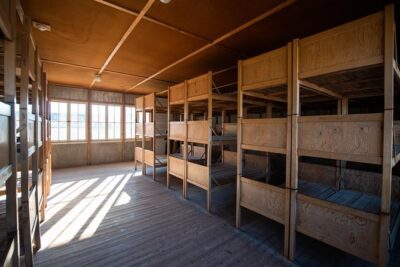
Dachau Concentration Camp Memorial Site Tour from Munich by Train
Read our review →
Sachsenhausen Concentration Camp Memorial Tour
Read our review →
Sachsenhausen Concentration Camp Bus Tour in English from Berlin
Read our review →Sachsenhausen Concentration Camp Tour in English
Read our review →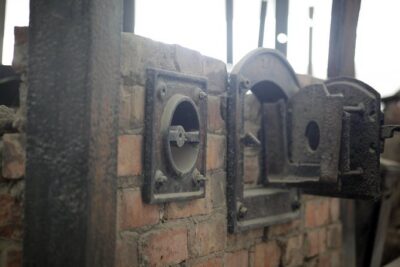
Sachsenhausen Concentration Camp Memorial Tour (Max. 15 Guests)
Read our review →Browse the lists this tour appears in