Reviewed · TICKETS
Berlin: Entry Ticket To The Kunstgewerbemuseum
Art can be useful, beautiful, and wonderfully strange. Berlin’s Kunstgewerbemuseum brings together centuries of European craftsmanship, from gold reliquaries and carved wood panels to porcelain, fashion, furniture, and modern industrial design. I like the wide range of objects and the chance to see work from several periods in one visit. I also like the low $11 price, which makes this a sensible choice for a museum afternoon.
The main drawback is that some rooms may feel dark, and the fashion section may seem smaller than expected. You do not get an audio guide or tour guide with the ticket, so you will need to explore at your own pace and bring your own context.
In This Review
- Key points to know before you go
- What the $11 ticket gives you
- Finding the museum at Matthäikirchplatz
- The medieval treasures and religious craftsmanship
- Glass, porcelain, silver, and furniture
- Fashion and the changing shape of clothing
- The two museum locations in Berlin
- How to build your visit
- Who will get the most from this museum?
- Access, masks, and practical limits
- Should you book the Kunstgewerbemuseum?
- FAQ
- Where is the Kunstgewerbemuseum located?
- How much does the entry ticket cost?
- How long is the ticket valid?
- Does the ticket include an audio guide?
- Is a tour guide included?
- Is the museum wheelchair accessible?
Key points to know before you go
- Two Berlin settings: The collection is presented at the Kulturforum near Potsdamer Platz and at Köpenick Castle on a peninsula in the Dahme.
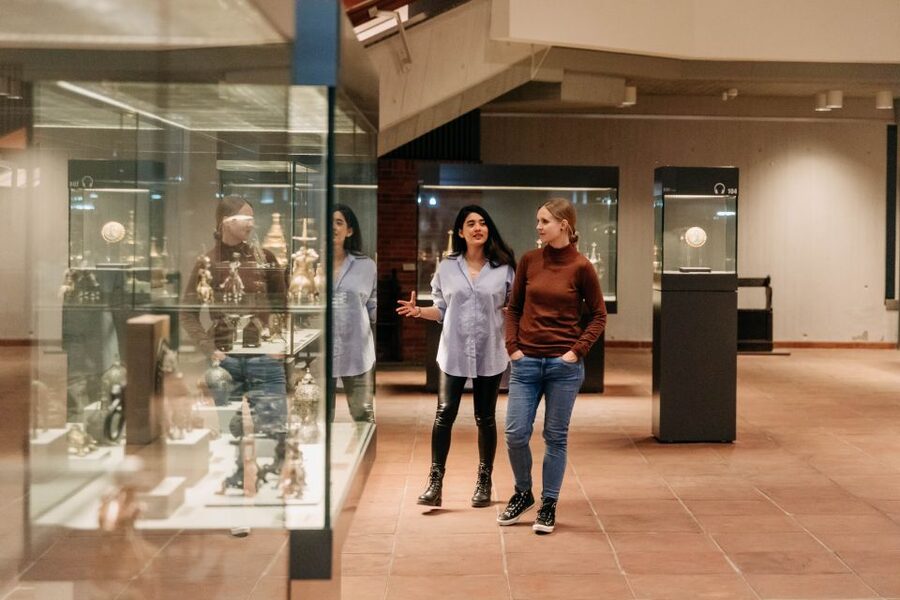
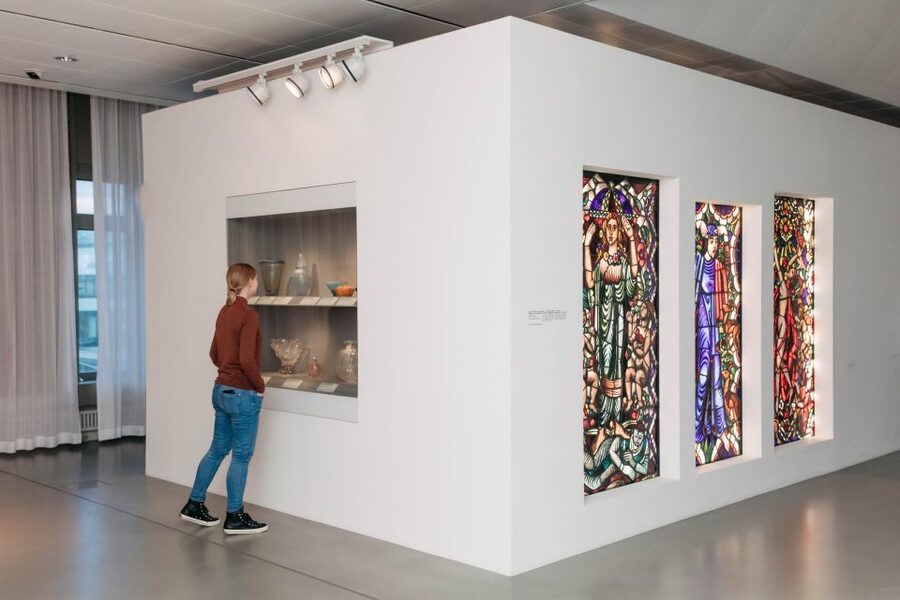
- More than decorative objects: You can see medieval religious treasures, clothing, furniture, glass, ceramics, metalwork, and modern industrial design.
- A strong historical section: Gold and precious-stone reliquaries, historic silverwork, wood panels, and objects more than 1,500 years old give the museum real depth.
- Good value at $11: The ticket is valid for one day, making it an inexpensive way to spend several hours with European design.
- Bring your own guide: An audio guide and tour guide are not included, so the experience is self-guided.
- Plan for visual preferences: The exhibition lighting is quite dark in places, which some people may find atmospheric and others may find inconvenient.
What the $11 ticket gives you
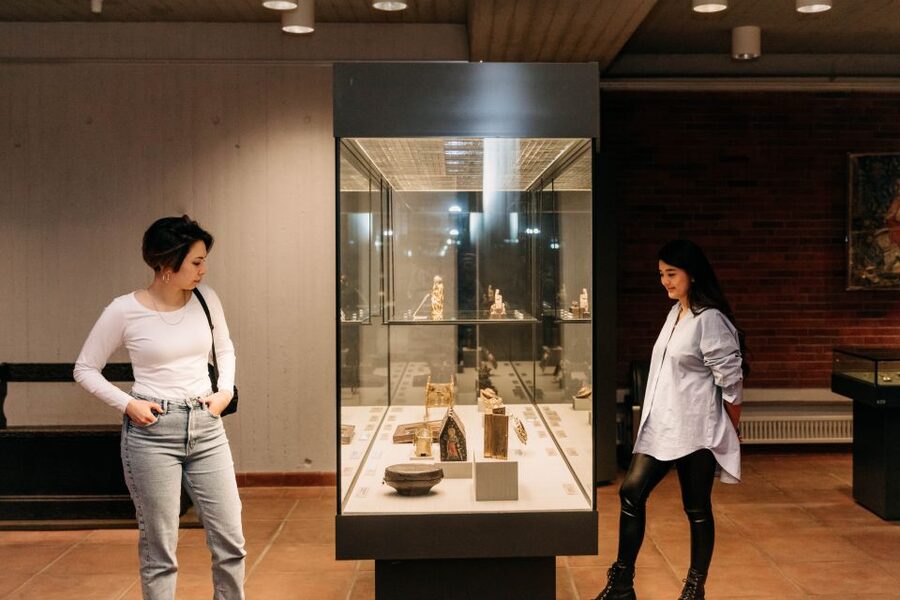
For $11 per person, you receive entrance to the Kunstgewerbemuseum for one day. That is a modest price for a collection covering such a long span of European art and design.
I would not treat this as a quick stop where you rush through a few display cases. The collection moves from precious religious objects to household and courtly objects, clothing, furniture, glass, porcelain, and modern design. The value comes from that range. You can compare how people shaped and decorated useful objects across many centuries.
The ticket is especially appealing if you already plan to visit the Kulturforum area near Potsdamer Platz. You do not need to commit to a guided tour or a long scheduled program. Instead, you can spend as much of the day as your interest allows.
There is one important limit. The ticket is non-refundable, so I would buy it only once your Berlin plans are firm. It is valid for one day, but the available starting times should be checked before booking.
A few more tours and experiences worth a look
- Berlin: Jewish Museum Berlin Entrance Ticket
★ 4.5 · 8,393 reviews - Berlin: Berlin Story Bunker Entry Ticket
★ 4.6 · 6,759 reviews - Berlin: Illuseum Berlin Entrance Ticket
★ 4.1 · 3,970 reviews
Finding the museum at Matthäikirchplatz
The listed meeting point is the Kunstgewerbemuseum at Matthäikirchplatz, 10785 Berlin. This is the Kulturforum location near Potsdamer Platz.
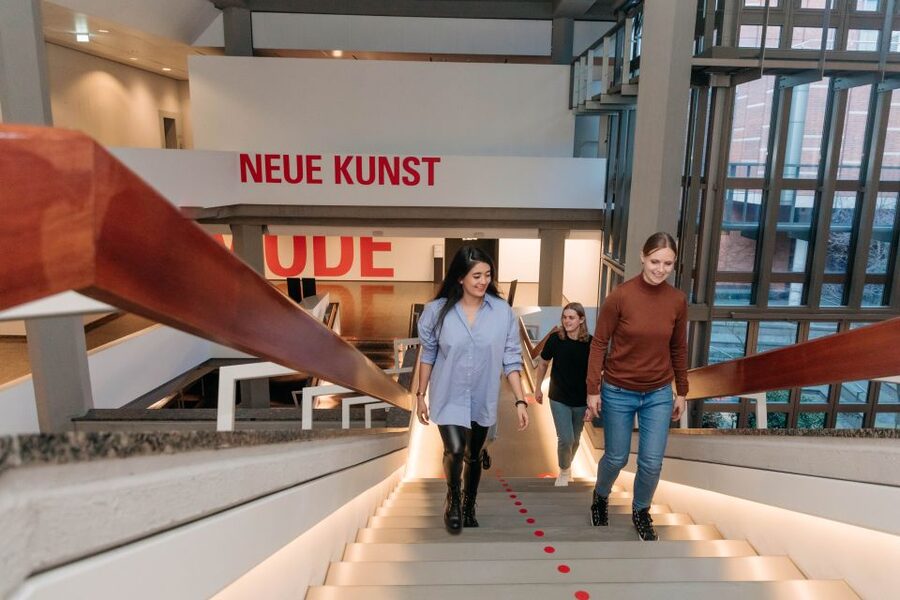
The museum’s setting is part of the experience. Its exhibition rooms are spacious, and the open staircase gives the building a strong architectural presence. The interior was designed as a built landscape, with greenery that relates to the nearby Tiergarten. That design choice makes the building feel less like a plain box filled with cases and more like a large setting for objects.
You will want to allow time for the building itself. The open staircase and broad rooms create a different rhythm from a small historic museum, where every object is packed into a tight room. Here, the spaces give large pieces and furniture room to breathe.
The museum is wheelchair accessible. Since there is no tour guide included, you can also move through the building at a pace that suits you. That flexibility is useful if you want to linger over a particular object or take a shorter visit.
The medieval treasures and religious craftsmanship
The oldest works provide the clearest reason to visit. The museum includes ornate reliquaries made with gold and precious stones, along with other examples of religious craftsmanship.
A reliquary was made to hold a sacred relic, but it was also a display of skill, wealth, and belief. Even if religious art is not your main interest, these objects reward close attention. Look at the materials first, then the details: precious metalwork, stones, forms, and the care given to an object meant to be both useful and symbolic.
The historical art collection reaches beyond medieval Europe. The displays include objects showing that highly skilled craftsmanship existed more than 1,500 years ago. That long time span helps you see decorative arts as more than decoration. It records changing ideas about status, faith, clothing, domestic life, and design.
Woodwork is another particularly strong area. I would make time for the carved and painted wood panels, which can be easy to pass by if you focus only on gold and jewels. Their surfaces carry a different kind of drama, with patterns and images built through carving and painting rather than precious materials.
Glass, porcelain, silver, and furniture
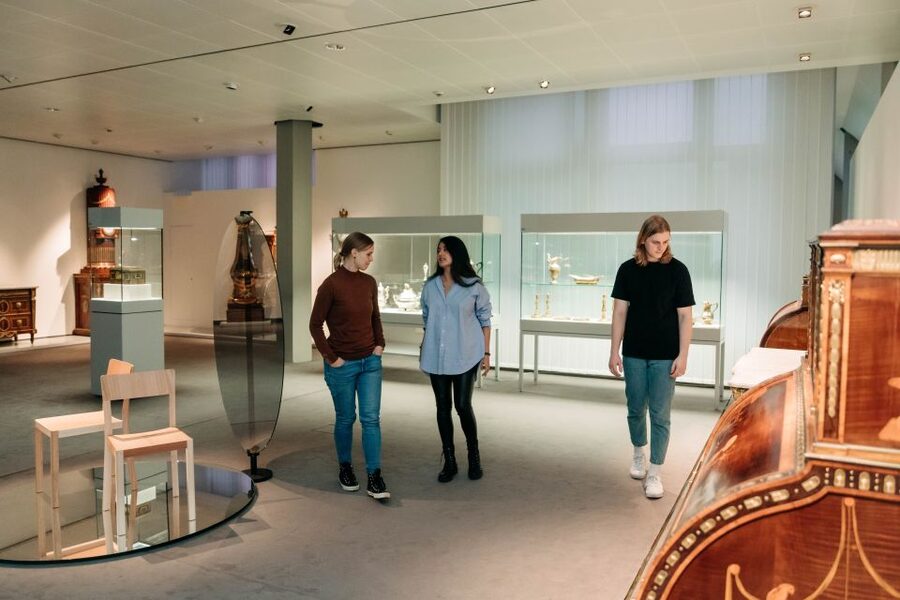
The museum is at its best when you compare materials side by side. A glass vessel asks different questions from a silver object. Porcelain depends on delicacy and finish, while furniture must combine structure with visual appeal.
You can expect examples of:
- Glassware
- Porcelain
- Ceramics
- Silver and goldsmithing
- Furniture
- Woodwork
- Historic clothing
- Modern industrial design
This variety gives the visit a practical edge. You are not simply looking at paintings on walls. You are seeing objects made for worship, dressing, furnishing rooms, serving food, storing items, or marking social position.
Furniture can be especially useful for visitors who want to understand how design affects daily life. A chair, cabinet, or table tells you about materials, workmanship, comfort, and taste at the same time. The same is true of glass and ceramics. Their purpose matters, but their form matters too.
The collection also reaches into modern industrial design. That section lets you consider how design changed when objects began to be shaped by modern production. The contrast with hand-worked reliquaries and historic furniture is one of the museum’s best ideas.
Something different for another day:
- Berlin: Reichstag, Dome and Government District Guided Tour
★ 4.7 · 18,288 reviews - Berlin: 1-Hour City Tour by Boat with Guaranteed Seating
★ 4.3 · 16,993 reviews - Berlin: Boat Tour Along the River Spree
★ 4.4 · 11,252 reviews - Discover Berlin Half-Day Walking Tour
★ 5.0 · 9,624 reviews
Fashion and the changing shape of clothing
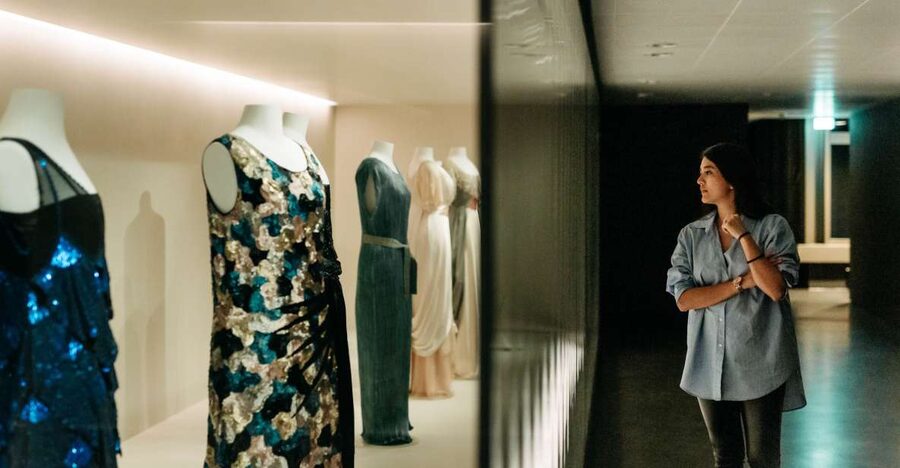
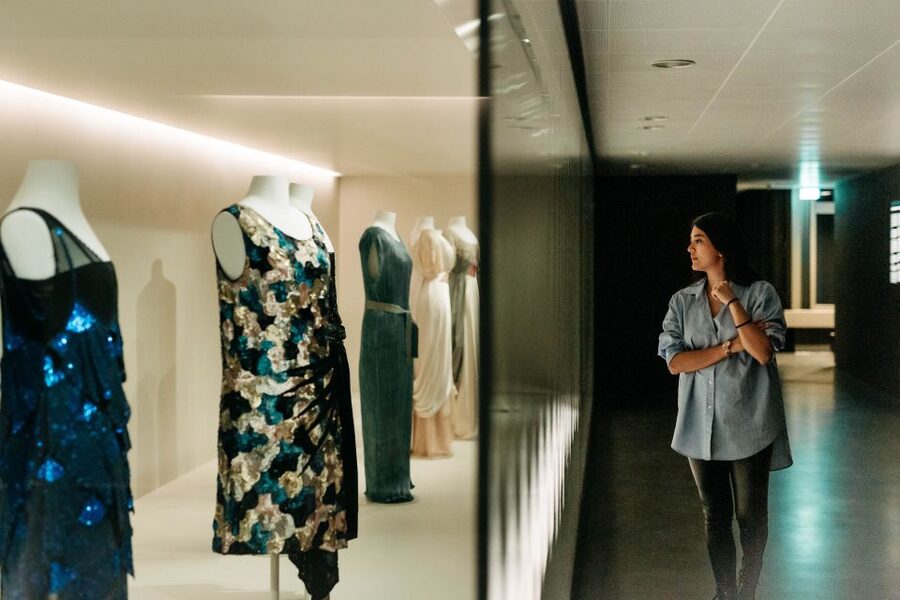
The museum includes finely embroidered dresses and other examples of historic fashion. Clothing is a direct way to see how people presented themselves in different periods.
I like fashion displays because they connect art with the body. Fabric, embroidery, cut, and decoration show more than personal taste. They can reveal what a society valued in appearance and craftsmanship. Even a visitor who does not normally seek out fashion museums may find the clothing easier to understand than an abstract design object.
Still, you should keep your expectations measured. The fashion area may not feel as large as the sections devoted to historic decorative arts. If clothing is your main reason for visiting, you may want to make sure the current displays match your interests before you commit.
Lighting can also affect how well you see fabric and surface details. Some exhibition areas are quite dark. That may protect sensitive materials and create a serious mood, but it can make embroidery, colors, and small details harder to inspect.
The two museum locations in Berlin
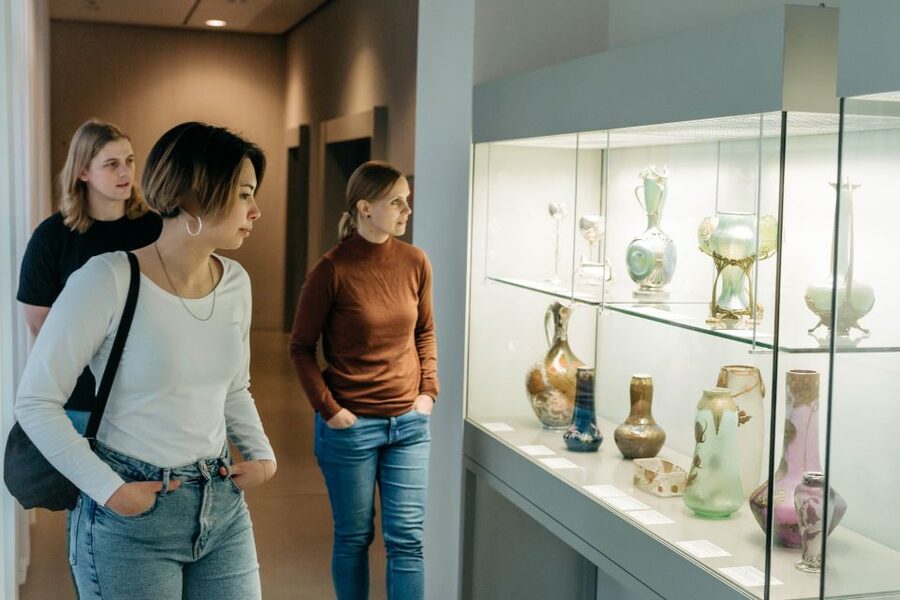
The Kunstgewerbemuseum collection can be seen in two Berlin locations: the Kulturforum near Potsdamer Platz and Köpenick Castle, which sits on a peninsula in the Dahme.
The Kulturforum site is the location named for entry at Matthäikirchplatz. Its spacious rooms, open staircase, and built landscape design make it the natural place to begin understanding the museum as a whole.
Köpenick Castle offers a different setting. The castle displays masterpieces of the art of space from the 16th to the 18th century. The setting on a peninsula in the Dahme gives this part of the museum a more picturesque character than the urban Kulturforum site.
Because the collection is spread across two locations, I would check the current admission details and opening information for the specific site you plan to visit. The experience information describes permanent and special exhibitions at both places, but the ticket details supplied here identify the Kulturforum meeting point. A little planning will help you avoid treating the two locations as if they were rooms in one building.
How to build your visit
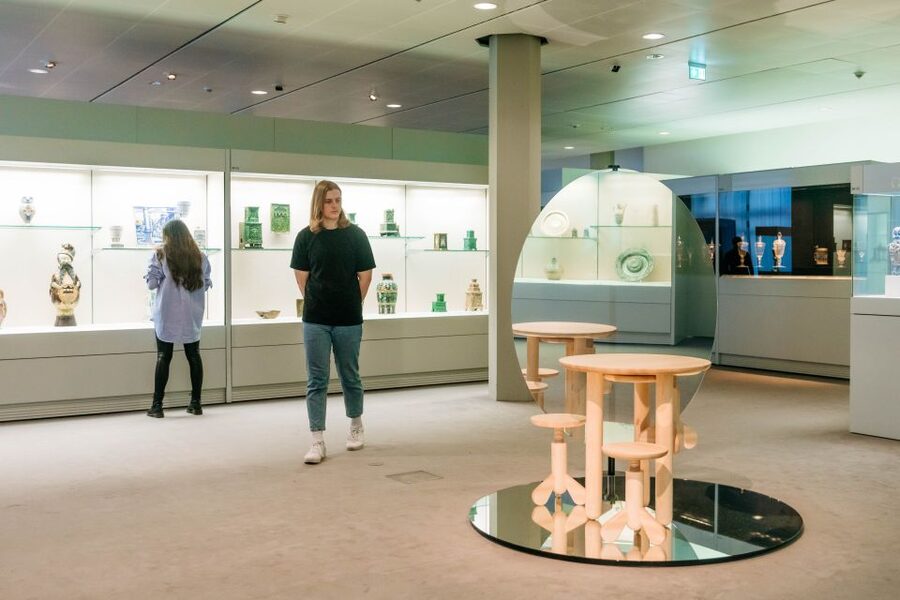
The ticket is valid for one day, but that does not mean you need to spend the entire day inside. I would plan a focused visit around the areas that interest you most.
Begin with the historical decorative arts. The reliquaries, wood panels, silverwork, and early objects give you the strongest sense of the museum’s age and purpose. Then move toward ceramics, glass, furniture, and fashion, where the connection to daily life becomes clearer.
Finish with modern industrial design if you enjoy comparing old and new. The shift from precious handwork to modern manufactured forms gives the collection a useful arc.
If you are visiting with someone who has different interests, the variety works in your favor. One person can focus on clothing and furniture while another studies religious objects or modern design. Since no tour guide is included, you will not be tied to one group’s pace.
I would also avoid assuming that every object will be equally easy to see. The dark lighting is a real consideration, especially for visitors who want to inspect tiny details. Give your eyes time to adjust, and do not judge the collection by a rushed first pass through the galleries.
Who will get the most from this museum?
The Kunstgewerbemuseum suits you if you enjoy objects with a clear purpose. It is a good match for people interested in design, fashion, interiors, craftsmanship, religious art, and European culture.
Families and mixed-interest groups may also find it useful because the collection changes subject often. A child who is not interested in a reliquary may respond to a dress, a piece of furniture, or a striking glass vessel. A design student can compare historical handwork with industrial forms. A history-minded visitor can follow the changing materials and styles.
This is less ideal if you want a museum built mainly around famous paintings or a tightly narrated guided experience. The ticket does not include an audio guide or tour guide. You will need to create your own route and decide what deserves the most time.
The museum also rewards patience more than speed. Some of the best details are in materials and workmanship, not in a single famous object that you can recognize from a postcard.
Access, masks, and practical limits
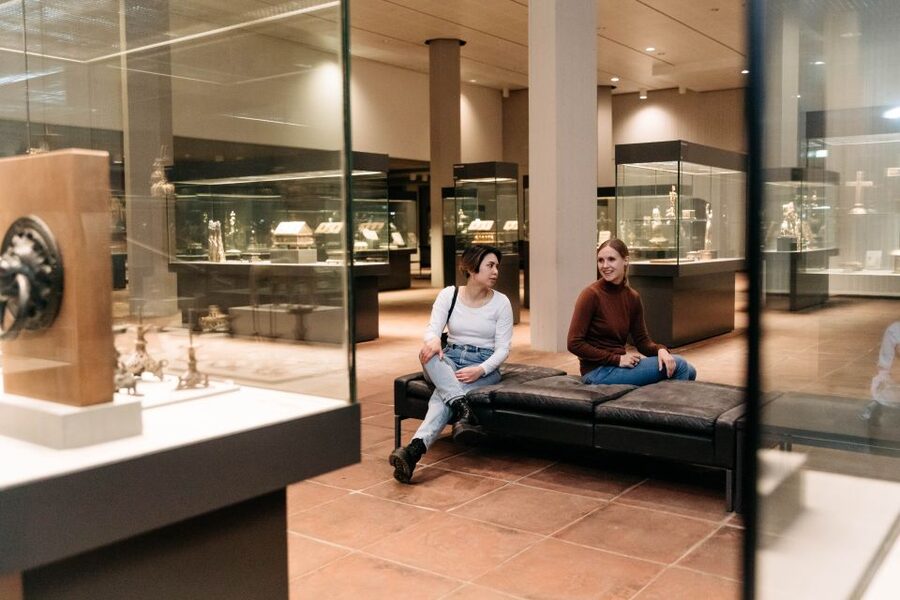
The museum is wheelchair accessible, which makes the spacious rooms and open staircase easier to approach as part of a planned visit. The ticket includes entrance only. An audio guide is not included, and there is no tour guide provided.
Wearing a medical or FFP2 mask is recommended but not mandatory. That is useful to know before you arrive, especially if you prefer to follow the museum’s health guidance.
The activity is non-refundable. Check availability for the starting times and confirm the date before paying. Since the price is only $11, the financial risk is modest, but a non-refundable ticket still calls for basic planning.
The overall rating supplied for the experience is 4.5 out of 5 from 15 reviews. The strongest praise centers on the elegance of the objects, the size and variety of the collection, the historical decorative arts, and the good value. The main reservations concern dark lighting and a fashion section that may feel limited.
Should you book the Kunstgewerbemuseum?
I would book this ticket if you want an affordable, self-guided museum with real variety. The best reasons are the gold and jeweled reliquaries, the historic woodwork, the wide material range, and the unusual sweep from early craftsmanship to modern industrial design.
At $11, the museum offers good value, especially if you are already near the Kulturforum. Go with enough time to look closely, not just to tick off another Berlin sight.
I would hesitate only if your main goal is a large fashion exhibition, a guided tour, or a bright, easy-to-read display. For everyone else, this is a thoughtful and reasonably priced way to see how European art entered religious spaces, homes, wardrobes, and modern life.
FAQ
Where is the Kunstgewerbemuseum located?
The listed meeting point is the Kunstgewerbemuseum at Matthäikirchplatz, 10785 Berlin, near Potsdamer Platz and the Kulturforum.
How much does the entry ticket cost?
The ticket costs $11 per person.
How long is the ticket valid?
The ticket is valid for one day. You should check availability for the available starting times.
Does the ticket include an audio guide?
No. An audio guide is not included.
Is a tour guide included?
No. The ticket provides entrance only and does not include a tour guide.
Is the museum wheelchair accessible?
Yes. The activity is listed as wheelchair accessible.
Just added around Berlin
- Berlin: Private Guided Tour of the Main Sights★ 5.0 · 13 reviews
- Private Highlights of Berlin Bike Tour★ 5.0 · 13 reviews
- Modern Berlin Private Walking Tour: Diverse, Vibrant and Exciting German Capital★ 5.0 · 13 reviews
- Tour in Berlin from Warnemünde and Rostock Cruise Port★ 4.1 · 13 reviews
- Berlin: Stasi Museum Private Guided Tour with Entry Ticket★ 4.8 · 13 reviews
- Private Food Tour Experience with a born and bred Berliner★ 5.0 · 14 reviews
- Berlin: Rheinsberg Palace Entrance Ticket★ 4.8 · 14 reviews
- Berlin in one day – day tour with an expert guide★ 5.0 · 14 reviews
Tickets, compared.
Munich Hop-On Hop-Off Tour: 1-Day or 2-Day Ticket
Read our review →