Reviewed · TICKETS
Berlin: Deutschlandmuseum – Flexible Entrance Ticket
History gets theatrical here. Berlin’s Deutschlandmuseum turns 2,000 years of German history into twelve interactive scenes, from the Battle of Varus to the 2006 summer fairy tale. I like the hands-on format and the way period objects sit beside modern media, making big events easier to grasp. I also like the flexible ticket, which lets you arrive without pre-registration.
The main tradeoff is depth. This is a lively introduction, not a quiet research museum. One recent visitor found the explanations clear and appealing for children, while another found the museum too crowded to enjoy. At $30 per person, you are paying for presentation and fun as much as detailed scholarship.
In This Review
- Key points at a glance
- What the Deutschlandmuseum is trying to do
- Twelve eras, from Varus to the World Cup
- Why the objects and media work together
- A good choice for families, with one crowd warning
- How long to allow and how the ticket works
- What you will get from the sensory format
- Who should book the Deutschlandmuseum?
- My verdict on value
- FAQ
- Where is the Deutschlandmuseum located?
- How much does admission cost?
- How long is the ticket valid?
- Do I need to pre-register before visiting?
- Does the ticket include skip-the-line access?
- What does the admission include?
- Can I cancel my booking?
- Can I reserve now and pay later?
- Is the Deutschlandmuseum wheelchair accessible?
Key points at a glance

- Twelve historical eras: Follow major moments across roughly 2,000 years of German history, from ancient Rome to the 2006 football World Cup.
- History with several senses: Period exhibits, staged settings, and interactive media work together instead of relying only on text panels.
- A family-friendly approach: The history is explained in an accessible way, with an atmosphere that can suit children and adults.
- Flexible one-day admission: You can visit during the ticket’s valid day without making a separate reservation.
- Separate skip-the-line entrance: The ticket includes access through a dedicated entrance, useful when the museum is busy.
- A fun introduction, not a specialist archive: Expect memorable scenes and simple explanations rather than a detailed treatment of every political, military, or social issue.
What the Deutschlandmuseum is trying to do
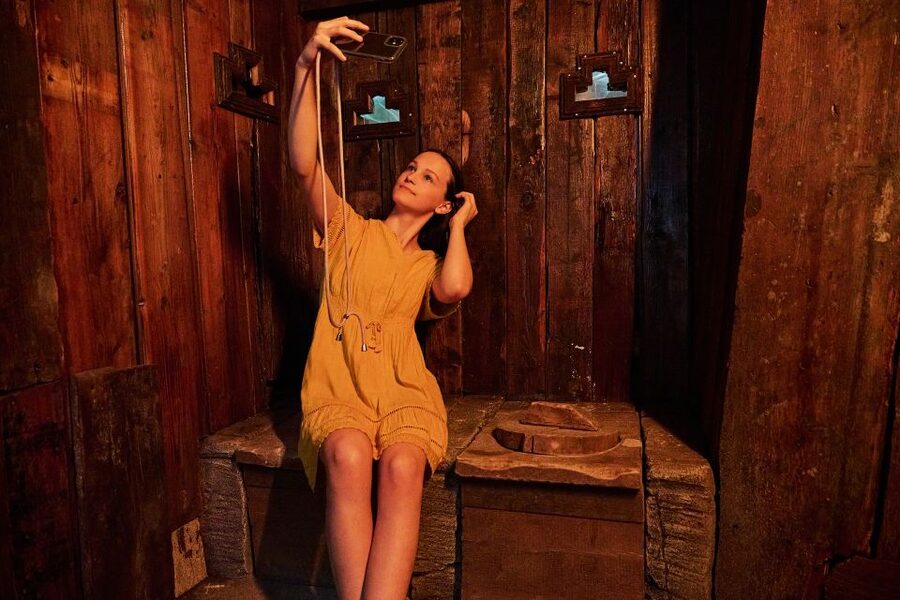
The Deutschlandmuseum takes a different route from a conventional history museum. Instead of asking you to walk past long rows of cases and read dense labels, it places you inside staged versions of important moments. Historical objects from each period share space with interactive media, giving you more than one way to take in the subject.
That matters in Germany, where the past covers a huge span and includes many names, dates, wars, rulers, borders, and political changes. A traditional museum can leave you with fragments. The Deutschlandmuseum aims to give you a connected sequence of memorable scenes.
I would think of it as a visual and physical introduction to German history. It can help you build a basic timeline before visiting more specialized museums in Berlin. It may also make sense for parents who want their children to engage with history without asking them to stand still beside text panels for an hour.
The museum’s own range is wide. It begins with the Battle of Varus and reaches the 2006 summer fairy tale, the popular name for Germany’s joyful World Cup summer. That span lets you see how the idea of Germany changed over time, even if the presentation cannot explore every period in great detail.
A few more tours and experiences worth a look
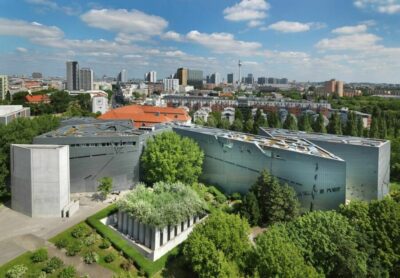
- Berlin: Jewish Museum Berlin Entrance Ticket
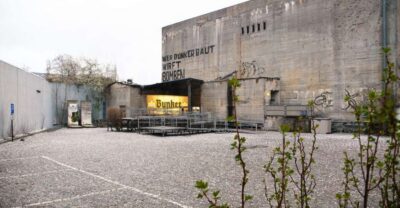
★ 4.5 · 8,393 reviews - Berlin: Berlin Story Bunker Entry Ticket
★ 4.6 · 6,759 reviews - Berlin: Illuseum Berlin Entrance Ticket
★ 4.1 · 3,970 reviews
Twelve eras, from Varus to the World Cup
The exact order and full titles of all twelve eras are not provided, so I would not expect a traditional room-by-room historical syllabus. Instead, you move through selected turning points, each designed as a scene with objects and media tied to its period.
The Battle of Varus gives the museum an early anchor. It points to the Roman encounter with Germanic forces and sets up the long story of contact, conflict, and shifting power in the region. A staged setting can make that event easier to picture than a date on a wall.
As you continue, the museum presents other turning points across German history. The value here is the changing scale. Some moments concern battles or political power, while others connect more directly with everyday life and public memory. You are not simply memorizing dates. You are seeing how the country’s story can be told through major events.
The final reference, the 2006 summer fairy tale, brings the timeline into recent memory. Germany hosted the World Cup that year, and the tournament created a notably cheerful public mood. Including it shows that history is not limited to kings, wars, and treaties. National identity can also be shaped by sport, celebration, and the way a country presents itself to the world.
I like that broad reach, but you should keep your expectations in check. The museum does not promise a full academic treatment of 2,000 years. The short, accessible format leaves out detail by design. One five-star assessment specifically praised the presentation as interesting and varied while noting that it does not go far into historical depth. That is a fair description.
Why the objects and media work together
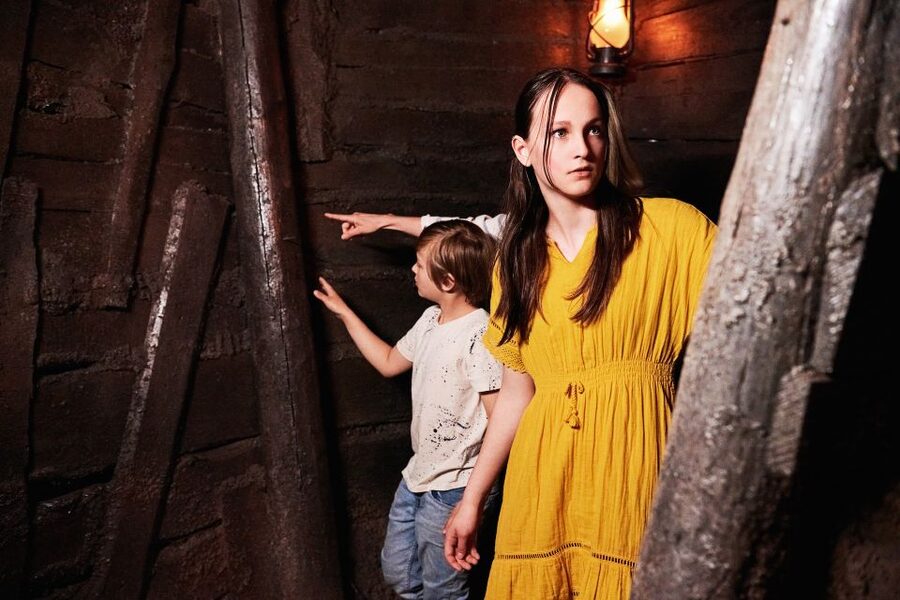
Each depiction includes historical exhibits from the period along with interactive media. That combination is the core of the experience.
An object gives you a physical link to the past. A staged setting gives the object context. Media can then add movement, sound, or explanation. Used together, these elements can answer questions that a single display often cannot: What was happening around this object? Why did the event matter? How might the period have felt to people living through it?
The sensory approach also changes your pace. You are likely to stop because a scene catches your eye, then spend time working out how the exhibit and media fit together. This makes the museum feel more like an active visit than a procession past cases.
That approach will appeal most if you learn through images and action. It is also useful if your German history is limited. Simple explanations and clear scenes can give you enough background to understand the broad story without requiring prior study.
The limitation is that interactive presentation can sometimes compete with reflection. If you want long labels, original documents, or a careful comparison of competing interpretations, you may find the treatment too light. The museum is best at getting you interested and oriented. It is less suited to detailed research.
A good choice for families, with one crowd warning
The Deutschlandmuseum appears particularly well suited to families. The atmosphere has been described as pleasant for children, and the history is explained in an easy-to-follow way. That does not mean adults will find it childish. The combination of objects, scenes, and media gives adults a quick, entertaining way to review a very large subject.
I would also consider it for a first day in Berlin, especially if you want a general sense of German history before visiting places with a narrower focus. It can provide useful context for later visits to historical sites and museums, though you should not treat it as a replacement for them.
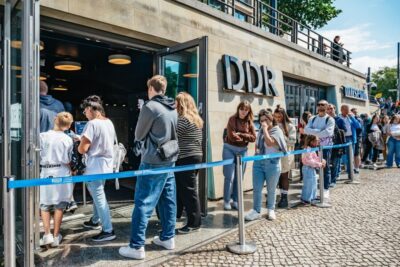
Crowding is the main practical concern. One four-star assessment praised the idea and atmosphere, while a three-star assessment said the museum was too full and no longer enjoyable. Since the ticket includes a separate entrance to skip the line, arriving without waiting at the main queue is a benefit. It does not guarantee that the exhibition itself will feel quiet once you are inside.
If you want a calmer visit, use the flexible date and check the available starting times before you go. The ticket is valid for one day, but the available time information matters. A crowded museum can make interactive displays harder to use, particularly when several people want to stop at the same scene.
Something different for another day:
- Berlin: Reichstag, Dome and Government District Guided Tour
★ 4.7 · 18,288 reviews - Berlin: 1-Hour City Tour by Boat with Guaranteed Seating
★ 4.3 · 16,993 reviews - Berlin: Boat Tour Along the River Spree
★ 4.4 · 11,252 reviews - Discover Berlin Half-Day Walking Tour
★ 5.0 · 9,624 reviews
How long to allow and how the ticket works
The admission is valid for one day, and the activity information lists a duration of one day. In practical terms, this refers to the validity of your entry rather than a guided tour lasting from morning to night. You should check the available starting times and plan the museum as one stop in your Berlin schedule.
Because you do not need to pre-register for a particular appearance, the ticket gives you useful flexibility. That is handy when Berlin plans change, or when you want to decide around weather, meals, and other museum visits.
The $30 price is not bargain admission. Its value depends on what you want. If you are looking for original artifacts and extensive written research, the cost may feel high for a museum that keeps explanations short. If you value a polished, interactive presentation that works for a mixed-age group, the price is easier to justify.
The skip-the-line arrangement adds practical value. You have a separate entrance, so you are not paying only for the exhibits. You are also buying a smoother arrival, subject to the museum’s internal crowd level. Free cancellation up to 24 hours before the visit and the reserve-now, pay-later option make the purchase less risky when your schedule is still moving.
The museum is wheelchair accessible, which removes one concern for many visitors. The supplied information does not specify detailed access arrangements inside each individual scene, so you may want to confirm any particular needs before booking.
What you will get from the sensory format
The phrase history with all your senses is more than advertising language here. The experience is built around staged historical environments, period exhibits, and interactive media. You may find that sound, visual design, and physical objects help turn abstract events into something easier to remember.
This is especially useful for broad themes. A date such as the Battle of Varus can seem remote when presented alone. A scene can give you a stronger mental picture of the forces, setting, and conflict involved. The same method can make the 2006 summer fairy tale feel like part of social history rather than only a sports result.
Still, sensory presentation is not automatically better for every subject. It can simplify complicated issues. German history includes disagreement, suffering, political change, and difficult moral questions. A lively setting can introduce those topics, but a short scene cannot explain all their causes and consequences.
I would use the museum as a starting point. Let it establish the outline, then read more or visit a specialist museum if a particular era catches your interest. That way, you get the fun and clarity of the Deutschlandmuseum without asking it to do a job it was not designed to do.
Who should book the Deutschlandmuseum?
I would recommend it to:
- Families seeking a history stop that keeps children involved
- First-time visitors who want a broad introduction to Germany
- Anyone who prefers visual and interactive learning
- Visitors with limited time who want a concentrated overview
- People who appreciate flexible admission and a separate entrance
I would be more cautious if you are a serious history enthusiast hoping for detailed documents, long explanations, or scholarly debate. You may enjoy the design, but you could want more depth than the museum provides.
It is also worth considering your timing. A crowd can change the whole experience. Interactive exhibits work best when you can pause, see the displays, and take in the media without feeling pressed forward.
My verdict on value
The Deutschlandmuseum offers a clear trade: less detail in exchange for more atmosphere, movement, and accessibility. Its greatest strengths are the variety of the twelve eras, the use of real historical exhibits alongside media, and the simple way it makes a large subject approachable.
At $30, I see it as good value for families and curious first-time visitors, especially when the flexible booking and separate entrance fit your schedule. For an expert audience, the same ticket may feel expensive because the treatment is deliberately broad.
Book it if you want German history presented as an entertaining sequence of scenes and you are happy to supplement the visit elsewhere. Skip it if your main goal is quiet, detailed study. If you do book, choose your timing carefully, since one poor crowd experience can blunt the museum’s best feature: the chance to interact with each historical moment.
FAQ
Where is the Deutschlandmuseum located?
The Deutschlandmuseum is in Berlin, in the German state of Berlin.
How much does admission cost?
The listed price is $30 per person.
How long is the ticket valid?
The ticket is valid for one day. Check availability for the starting times offered on your chosen date.
Do I need to pre-register before visiting?
No. The ticket allows flexible appearance without pre-registration.
Does the ticket include skip-the-line access?
Yes. Entry is provided through a separate entrance intended to let you skip the regular line.
What does the admission include?
Admission includes entry to the Deutschlandmuseum and access to its historical presentations, exhibits, and interactive media.
Can I cancel my booking?
Yes. You can cancel up to 24 hours in advance for a full refund.
Can I reserve now and pay later?
Yes. The booking option allows you to reserve your spot and pay nothing at the time of booking.
Is the Deutschlandmuseum wheelchair accessible?
Yes. The experience is listed as wheelchair accessible.
Just added around Berlin
- Berlin: Private Guided Tour of the Main Sights★ 5.0 · 13 reviews
- Private Highlights of Berlin Bike Tour★ 5.0 · 13 reviews
- Modern Berlin Private Walking Tour: Diverse, Vibrant and Exciting German Capital★ 5.0 · 13 reviews
- Tour in Berlin from Warnemünde and Rostock Cruise Port★ 4.1 · 13 reviews
- Berlin: Stasi Museum Private Guided Tour with Entry Ticket★ 4.8 · 13 reviews
- Private Food Tour Experience with a born and bred Berliner★ 5.0 · 14 reviews
- Berlin: Rheinsberg Palace Entrance Ticket★ 4.8 · 14 reviews
- Berlin in one day – day tour with an expert guide★ 5.0 · 14 reviews
Tickets, compared.
Munich Hop-On Hop-Off Tour: 1-Day or 2-Day Ticket
Read our review →