
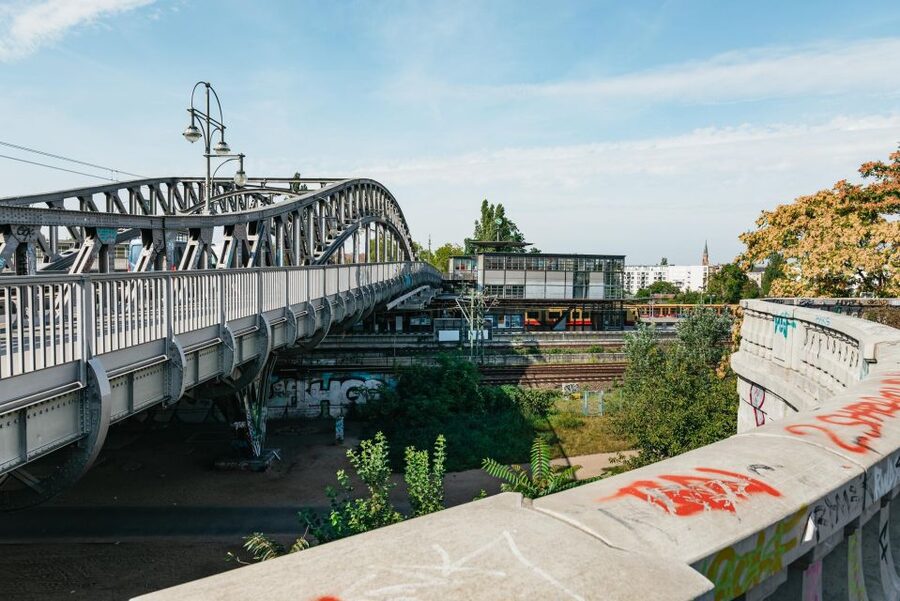
Reviewed · HISTORICAL TOURS
Berlin: Cold War Era History Guided Bike Tour
Berlin’s past is best read at street level. This relaxed bike tour links Berlin Wall remains, former border crossings, and Cold War landmarks across roughly 15 kilometers, giving you a clear sense of how the divided city once worked. I like the route’s broad sweep, and I like that guides such as Paul, Oleg, Lauren, and Ana bring personal energy, humor, photos, and sharp explanations to the stops.
The main consideration is that this is still a city ride, not a museum visit. You will cover a fair distance, share streets and bike paths with other road users, and spend much of the time listening outdoors. Events such as the Berlin Half Marathon can force route changes, so flexibility helps.
In This Review
- Key points to know before you book
- Why a bicycle works so well for Berlin’s divided past
- Starting at Kulturbrauerei in Prenzlauer Berg
- Mauerpark and the first traces of the Wall
- Bornholmerstraße and the Wall’s sudden end
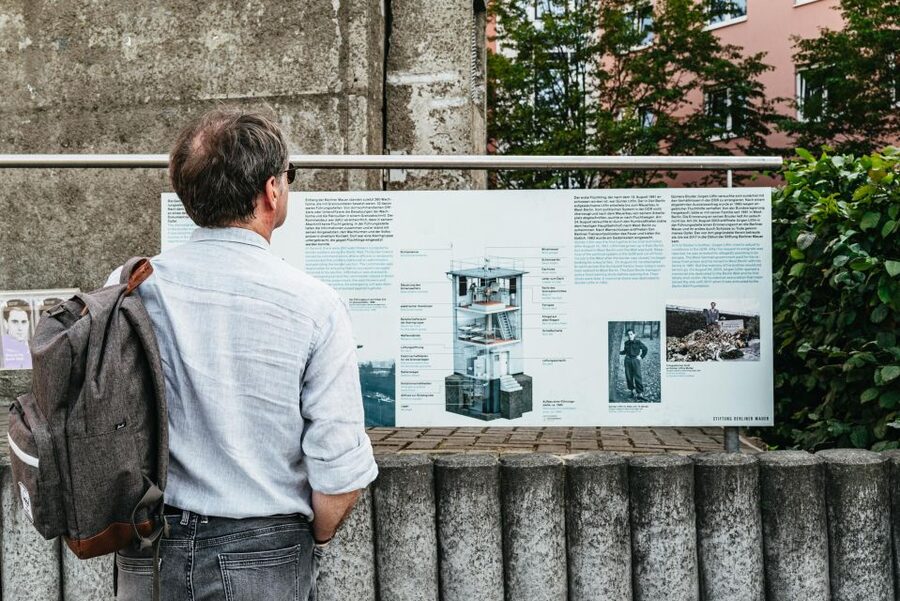
- The watchtower and stories of escape
- Checkpoint Charlie and the Cold War symbols
- Brandenburg Gate and Berlin’s wider story
- What the guides add to the ride
- Pace, safety, and practical comfort
- Is $35 good value?
- Who should book this Berlin bike tour?
- Should you book it?
- FAQ
- How long does the Berlin Cold War bike tour last?
- How far do you ride?
- Where does the tour start?
- How do I reach the meeting point from Alexanderplatz?
- Where does the tour finish?
- Are bicycles included?
- Are helmets and gloves provided?
- Which languages are available?
- Can I book a private group?
- Is the tour suitable for children?
- Can I cancel for a refund?
- Do I need to pay when I book?
Key points to know before you book

- The route connects major Cold War sites: Mauerpark, Bernauerstraße, Bornholmerstraße, Checkpoint Charlie, a surviving watchtower, and Brandenburg Gate.
- You ride at an easy pace: The 15-kilometer route is designed for sightseeing, with time to stop, listen, ask questions, and take photos.
- The guides are the tour’s strongest feature: Paul, Oleg, Lauren, Ana, Almar, Andy, Geoff, James, and others are praised for clear English, humor, patience, and strong storytelling.
- You begin at Kulturbrauerei: This former 19th-century brewery in Prenzlauer Berg is a memorable meeting point, with the Berlin on Bike depot inside the complex.
- You can choose from many bicycles: Helmets and gloves are available on request, along with sunscreen, trouser clips, and rain ponchos if needed.
- The $35 price is fair for the coverage: You receive a bicycle, guide, and three to three and a half hours of sightseeing, though museum admission and food are not part of the tour.
Why a bicycle works so well for Berlin’s divided past
Berlin is spread across a large area, and the former Wall did not sit in one neat, walkable pocket. A bicycle lets you connect scattered locations without spending the day changing trains or walking long stretches between memorials.
I especially like the way this route uses the old border as its thread. You are not simply hopping from monument to monument. You are following the line that once split neighborhoods, streets, families, and daily routines. The movement between sites helps you understand the Wall as a system rather than a single concrete structure.
The pace is described as relaxed, but you should still be comfortable riding for several hours. You cover about 15 kilometers, and the tour takes three to three and a half hours. That includes stops for explanations, so it is not a race. Still, comfortable clothing and shoes matter, and children under eight cannot join.
The large bicycle fleet is useful because you can select a bike that suits you. One practical tip from the experience: if you are not familiar with coaster brakes, avoid choosing one. A coaster brake works by pushing backward on the pedals, and that can feel odd if you normally use hand brakes.
More Bike Tours in Berlin
- Berlin: Sights and Highlights Bike Tour with a Local Guide
★ 4.8 · 2,698 reviews - Berlin Highlights 3-Hour Bike Tour
★ 5.0 · 948 reviews - Berlin City Bike Tour with Beer Garden Stop
★ 5.0 · 917 reviews
Starting at Kulturbrauerei in Prenzlauer Berg
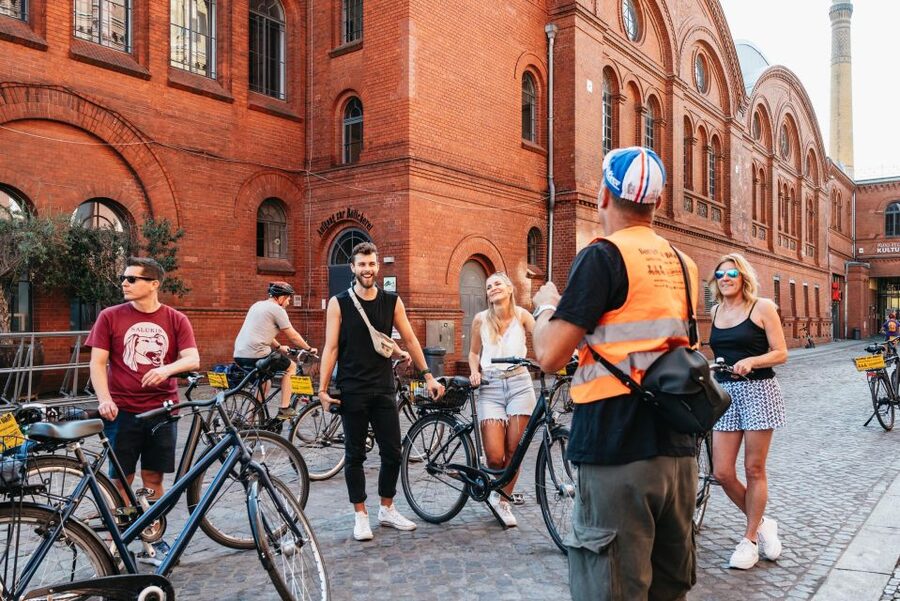
The tour begins at the Berlin on Bike depot inside Kulturbrauerei, a striking former brewery complex in Prenzlauer Berg. The red-brick buildings give the start a sense of place before you even begin riding.
From Alexanderplatz, take the red U2 line toward Pankow and get off at Eberswalder Straße after three stops. Use the exit opposite your direction of travel, marked for Kulturbrauerei. Walk along Danziger Straße for about 150 meters, turn right onto Knaackstraße, then enter the complex through the large doorway. Yellow signs point you to the bicycle depot.
Allow enough time to find the depot without rushing. The meeting point is inside a sizeable complex, not directly on the platform or main road. You finish back here, which makes the start and end easy to manage once you know the route.
At the depot, you choose your bicycle from the available fleet. Helmets and gloves are available on request. Sunscreen, trouser clips, and rain ponchos are also provided when needed, small touches that make a real difference on a long outdoor ride.
Mauerpark and the first traces of the Wall
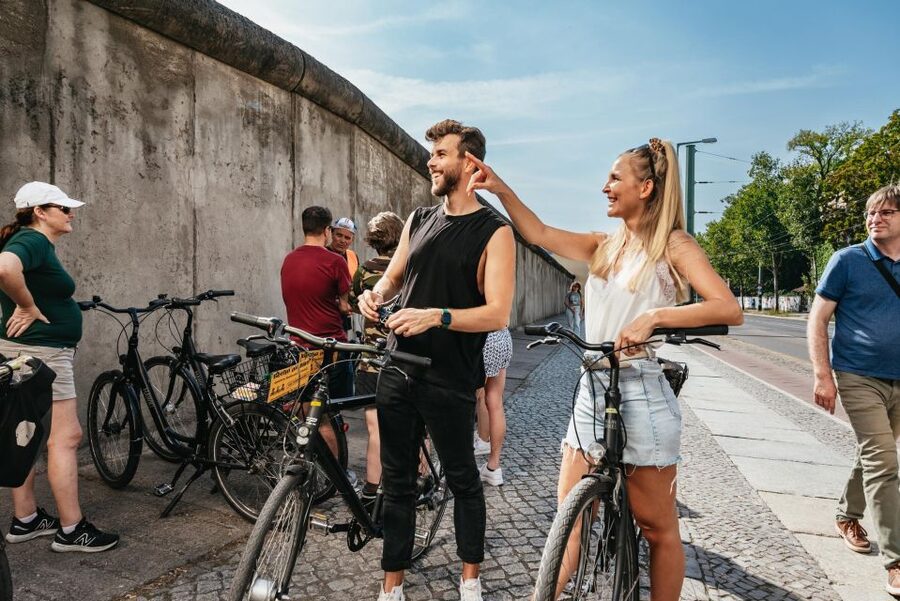
Mauerpark is an effective opening stop because its name, which means Wall Park, points directly to the old border. The route then continues through Bernauerstraße, one of the key places for understanding how the Wall cut through ordinary city life.
Here, the history becomes more personal and more physical. You see sections and traces of the former barrier while your guide explains the effect on Berliners who lived beside it. The point is not just that East and West were separated. Streets ended abruptly, buildings became part of the border, and familiar routes were turned into guarded zones.
This is where a guide adds real value. On your own, you can see fragments of concrete and memorial markers, but you may not understand how the pieces fit together. Guides such as Lauren and Ana are praised for making the stories clear, answering questions, and adjusting explanations to the group’s interests.
The cycling itself also helps. You move through areas where tourists on foot might pass only one section of the Wall. By bicycle, you can follow a longer stretch and see how the border appeared in different parts of the city.
Bornholmerstraße and the Wall’s sudden end
The former crossing at Bornholmerstraße gives the tour another important angle. It was one of the border points linking East and West Berlin, and it helps explain how controlled movement worked before the Wall opened.
Your guide discusses the Wall’s fall after almost 30 years of division. The change came quickly, following a confused announcement on November 9, 1989, and the border opened that night. The tour uses this moment to show the contrast between decades of strict separation and the sudden collapse of the system.
That story is easy to reduce to a grand political event. The stronger guides keep the focus on people, escape attempts, fear, hope, and the practical impact on daily life. Several guides are praised for presenting the subject from a measured, neutral point of view, which is useful if you want more than a simplified East-versus-West story.
The route may include photos or diagrams to help you picture places as they looked during the Cold War. That extra visual material can be especially helpful where only a few physical remains are still visible.
More Historical Tours in Berlin
- Berlin: Natural History Museum Entrance Ticket
★ 4.6 · 3,382 reviews - Berlin: World Heritage Cruise to Potsdam
★ 4.5 · 1,435 reviews - Berlin Historical Highlights Walking Tour
★ 4.9 · 657 reviews - Berlin Private Complete History All Day Walking Tour
★ 5.0 · 474 reviews
The watchtower and stories of escape
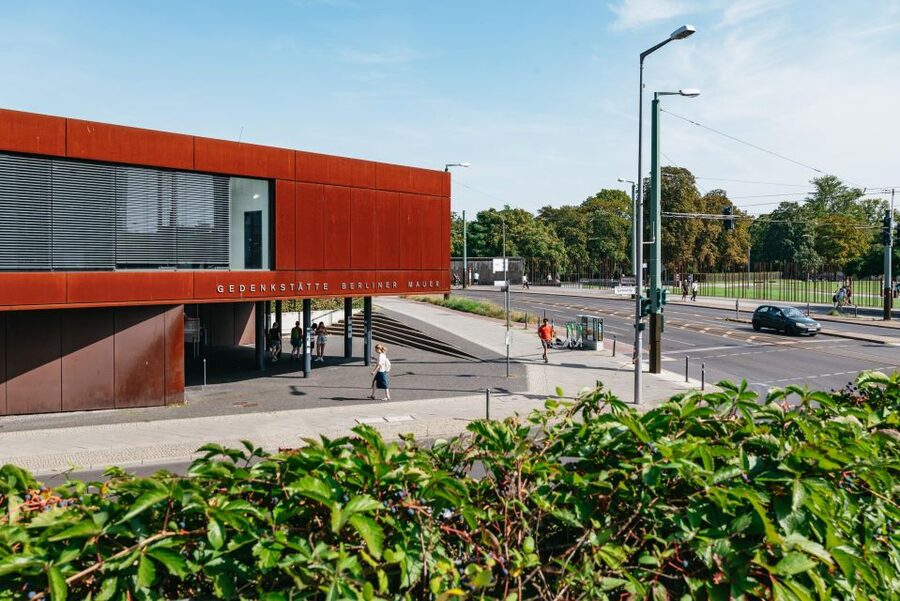
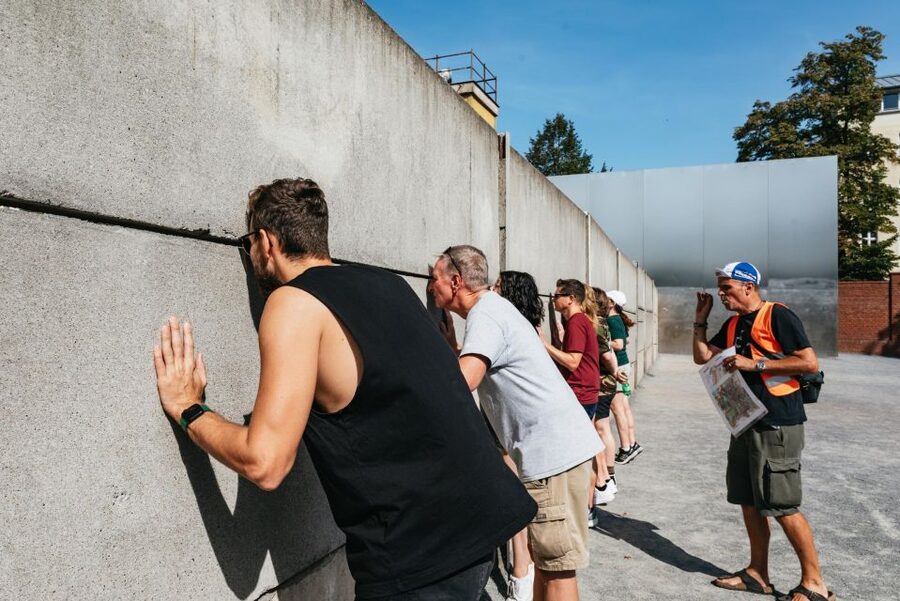
One of the last remaining watchtowers brings the border system into sharp view. A tower is more than an old structure. It shows the surveillance and control built into the Wall, and it gives you a concrete sense of how heavily guarded the border was.
At this point, the guide covers both successful and tragic escape attempts. These stories give the political history a human scale, but they also require thoughtful presentation. The best approach is factual and respectful, and the guides are praised for combining serious information with occasional humor without losing sight of the subject.
You should expect to stop, listen, and ask questions rather than rush through. The tour’s value comes from the explanation around each site. If you prefer to spend long periods inside exhibitions reading at your own speed, a museum such as the Berlin Wall Memorial may suit you better as a separate visit.
Checkpoint Charlie and the Cold War symbols
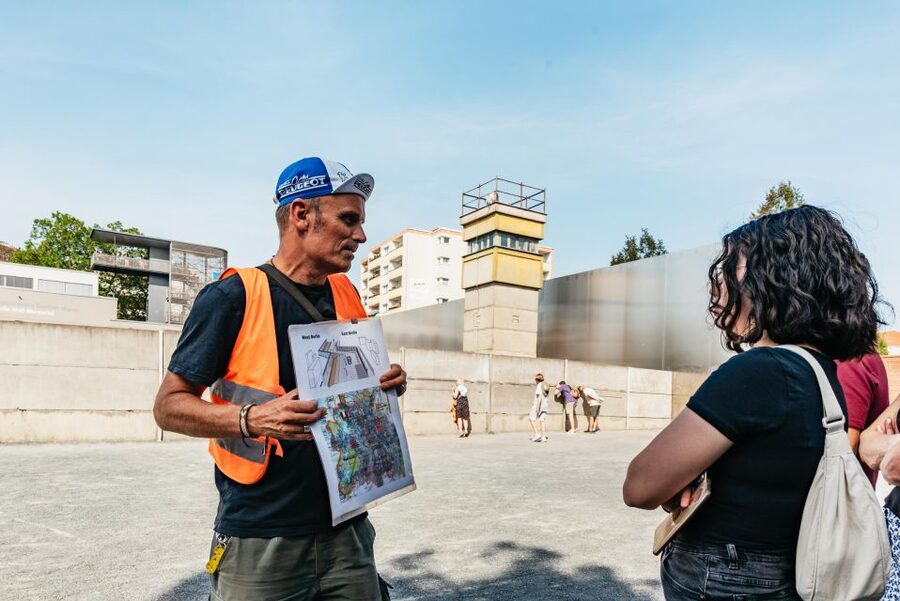
Checkpoint Charlie is perhaps Berlin’s most famous Cold War crossing. It is also one of the city’s most commercialized historical sites, which makes the guide’s explanation important.
The tour places the checkpoint within the wider border system rather than treating it as a standalone photo stop. You learn why it mattered, how it functioned, and how the division shaped Berlin. The surrounding area can feel more polished and tourist-focused than the quieter Wall remains elsewhere, so the contrast is worth noticing.
I like that the route includes both famous landmarks and less obvious sections. Checkpoint Charlie gives you the iconic name, while Bornholmerstraße, Bernauerstraße, and the watchtower provide more context. Together, they make the subject less postcard-like and more grounded in the city’s former geography.
The group may pause for a break during the ride. One route description includes a convenient rest stop where you can get coffee, sandwiches, and use the restroom. Food is not listed as included, so bring money if you want something during the break.
Brandenburg Gate and Berlin’s wider story
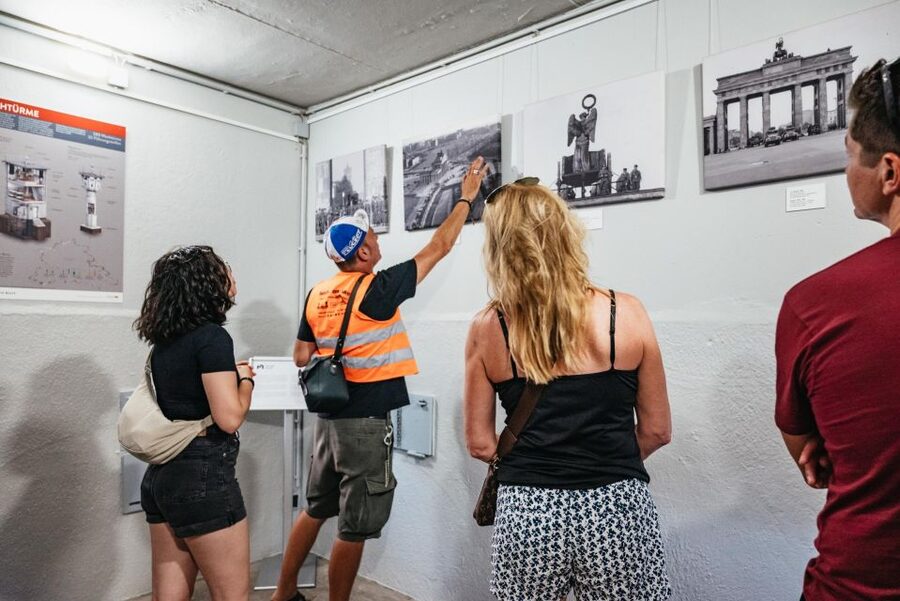
The route continues from Mauerpark and Bernauerstraße toward Brandenburg Gate. This is a useful change of scale. The Wall sites focus on division, while Brandenburg Gate connects the Cold War story to Berlin’s older identity and political symbolism.
The gate began as an 18th-century entrance to the city and later became one of Berlin’s best-known symbols. During the division, it sat in the restricted area beside the Wall. Your guide explains how its meaning changed as Berlin moved from royal capital to divided front line to reunited city.
You may already know Brandenburg Gate from photographs, but arriving by bicycle after following the old border gives it more meaning. You have just seen how the city was cut apart, so the gate becomes part of that story rather than a separate sightseeing stop.
The route then returns to the bicycle depot. Ending where you started is convenient, especially if you plan to continue exploring Prenzlauer Berg or take the U2 back toward central Berlin.
What the guides add to the ride
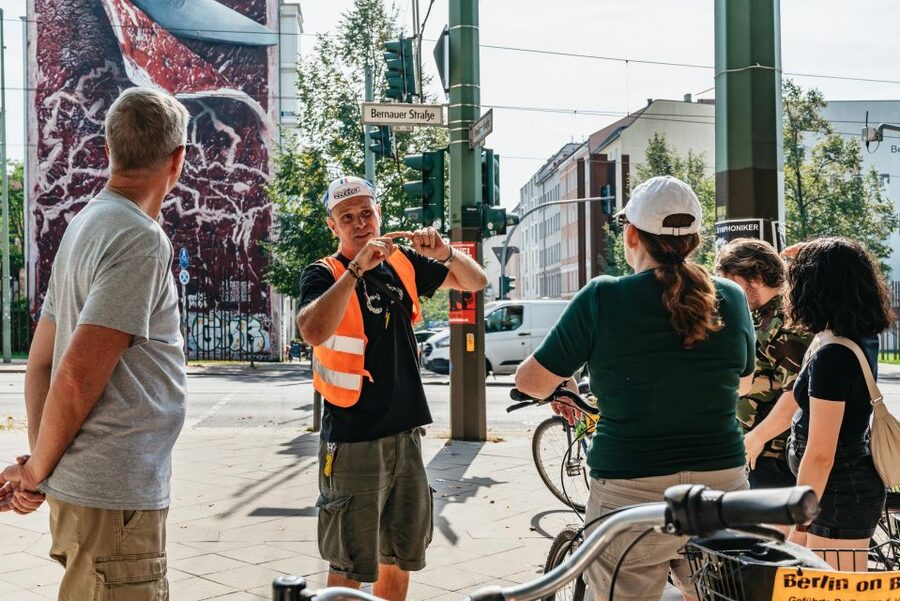
The strongest praise focuses on the guides, and that makes sense. Berlin’s Cold War remains are powerful, but they are not always self-explanatory.
Paul is repeatedly described as enthusiastic, funny, well informed, and good at keeping a large group together. He has also adjusted the route when timing problems affected the group. Oleg is praised for his extensive understanding of the places visited and for answering questions clearly.
Lauren is singled out for bringing the Wall’s stories to life, while Ana is praised for adapting the program to the group’s interests. Almar, Andy, Geoff, and James also receive strong praise for their energy, clear explanations, patience, and humor.
Guide quality can vary from one departure to another, as it does with any tour using several guides. The consistent pattern here is a focus on storytelling rather than simply pointing out concrete and taking you onward. That matters because the tour covers difficult material, including escape attempts, separation, and the Wall’s lasting effect on Berliners.
The language options are English, German, French, and Dutch. A private group is available if you want a more personal format or have a group with its own pace and questions.
Pace, safety, and practical comfort
The ride is intended to be easy, but Berlin traffic and city events can affect the experience. One departure was affected by the Berlin Half Marathon, requiring the guide to work around closures and route changes. That was handled as part of the day, but it shows why you should not schedule an important timed activity immediately afterward.
The guide also has to keep the group together while moving through the city. One particularly useful quality noted about Paul is his ability to manage a larger group safely. Even so, you should pay attention at crossings and stay close to the group.
Wear comfortable clothing and shoes. Helmets and gloves are available upon request, and rain ponchos can be supplied in bad weather. Alcohol and drugs are not allowed, and the activity is not suitable for children under eight.
This is not a technical cycling tour. The relaxed pace and frequent information stops make it suitable for many casual riders, provided you can manage the distance and remain comfortable on a bicycle for several hours.
Is $35 good value?
At $35 per person, the tour offers a strong amount of sightseeing for the money. You receive a bicycle, a live guide, and roughly three to three and a half hours covering several parts of Berlin. If you tried to connect Mauerpark, Bernauerstraße, Bornholmerstraße, Checkpoint Charlie, a watchtower, and Brandenburg Gate independently, you would spend time planning the route and navigating between them.
The value is strongest if you want context. The bicycle rental alone is useful, but the guide turns the ride into a coherent history lesson with real locations under your wheels.
The price does not include food, museum admission, or a private guide unless you book the private option. If you want to linger inside memorial exhibitions, this tour should complement those visits rather than replace them.
Free cancellation is available up to 24 hours before the start for a full refund, and you can reserve now and pay later. That flexibility is useful when Berlin plans are still changing.
Who should book this Berlin bike tour?
I would choose this tour if you want to understand how the Wall shaped the city, not just photograph a remaining section. It is particularly useful early in a Berlin visit because it gives you a geographic framework for later museum and memorial visits.
It suits adults, older children over eight, couples, families with confident young riders, and groups that enjoy history explained in an informal way. The private option may be worth considering if your group has specific interests or needs a slower, more tailored discussion.
You may want another format if you dislike cycling, need long indoor breaks, or prefer to explore each memorial in depth. You should also allow extra time around the scheduled finish in case city events alter the route.
Should you book it?
Yes, if you can comfortably ride 15 kilometers and want a clear, human explanation of Berlin’s Cold War past. The combination of major landmarks, quieter Wall sites, a surviving watchtower, and strong guide storytelling makes $35 a sensible buy.
Book it with comfortable clothes, arrive early enough to find the depot, and treat it as an orientation to Berlin’s divided history. You will see more ground than on foot, learn why the remaining fragments matter, and finish with a much sharper sense of how the Wall changed the city.
FAQ
How long does the Berlin Cold War bike tour last?
The tour lasts about three to three and a half hours. Starting times vary, so check availability when selecting your date.
How far do you ride?
The tour covers approximately 15 kilometers at a relaxed pace.
Where does the tour start?
It starts at the Berlin on Bike depot inside the Kulturbrauerei complex in Prenzlauer Berg.
How do I reach the meeting point from Alexanderplatz?
Take the U2 red line toward Pankow and get off at Eberswalder Straße after three stops. Follow the exit signs for Kulturbrauerei, walk along Danziger Straße, turn onto Knaackstraße, and follow the yellow signs inside the complex.
Where does the tour finish?
The activity ends back at the Berlin on Bike depot where it begins.
Are bicycles included?
Yes. A bicycle is included, and you can select a suitable bike from a large fleet.
Are helmets and gloves provided?
Helmets and gloves are available upon request. Sunscreen, trouser clips, and rain ponchos in bad weather are also provided.
Which languages are available?
The live tour guide may lead the tour in English, German, French, or Dutch.
Can I book a private group?
Yes. A private group option is available.
Is the tour suitable for children?
Children under eight cannot join the tour. Everyone else should be comfortable riding approximately 15 kilometers at a relaxed pace.
Can I cancel for a refund?
Yes. You can cancel up to 24 hours in advance for a full refund.
Do I need to pay when I book?
You can reserve your place and pay later, which keeps your plans flexible.
More Bike Tours around Berlin
- Berlin Highlights: 3-Hour Bike Tour
★ 4.9 · 809 reviews - Berlin Highlights Sightseeing Bike Tour in Small Groups
★ 5.0 · 652 reviews - Berlin: Alternative Bike Tour of Kreuzberg & Friedrichshain
★ 4.7 · 548 reviews - Berlin: Guided Bike Tour of the Berlin Wall and Third Reich
★ 4.7 · 499 reviews
Just added around Berlin
- Berlin: Private Guided Tour of the Main Sights★ 5.0 · 13 reviews
- Private Highlights of Berlin Bike Tour★ 5.0 · 13 reviews
- Modern Berlin Private Walking Tour: Diverse, Vibrant and Exciting German Capital★ 5.0 · 13 reviews
- Tour in Berlin from Warnemünde and Rostock Cruise Port★ 4.1 · 13 reviews
- Berlin: Stasi Museum Private Guided Tour with Entry Ticket★ 4.8 · 13 reviews
- Private Food Tour Experience with a born and bred Berliner★ 5.0 · 14 reviews
- Berlin: Rheinsberg Palace Entrance Ticket★ 4.8 · 14 reviews
- Berlin in one day – day tour with an expert guide★ 5.0 · 14 reviews
Historical Tours, compared.
City History Canal Sightseeing Tour on a Motorboat
Read our review →
Bamberg: Guided Beer History Tour with Optional Tasting
Read our review →Browse the lists this tour appears in