Reviewed · TICKETS
Wolfsburg: Tickets for the AutoMuseum
Cars tell stories quickly. At Wolfsburg’s Volkswagen AutoMuseum, you can trace the brand from the Beetle era through front-wheel-drive models, odd prototypes, racing machines, and one-off experiments. The collection fills 5,000 square meters in a former clothing factory with an appealing industrial feel.
I especially like the large Beetle and Bulli selection, along with the chance to compare production cars directly with designs that never reached showrooms. The free guidebook, available in several languages, also helps you make sense of the displays. The main consideration is size: most people will likely spend about 1.5 to 2 hours here, so this is best as a focused museum visit rather than a full-day attraction.
In This Review
- Key things to know before you go
- Why this small museum earns a place in Wolfsburg
- A clear route through Volkswagen’s changing identity
- Comparing the cars that reached showrooms with the ones that did not
- From Beetle simplicity to front-wheel drive
- Motorsport, test cars, and the machines built for questions
- What the free guidebook adds to the visit
- How long should you allow?
- Location, arrival, and practical details
- Is $14 a fair price?
- Who will enjoy this museum most?
- Should you book the Volkswagen AutoMuseum?
- FAQ
- Where is the Volkswagen AutoMuseum located?
- How much does admission cost?
- How long is the ticket valid?
- What does the ticket include?
- Are food and drinks included?
- Is the museum wheelchair accessible?
- What vehicles can I see there?
- Does the museum include rare or unusual vehicles?
- Can I cancel my booking?
Key things to know before you go
- More than 130 Volkswagen vehicles fill 5,000 square meters, including series models, prototypes, studies, test cars, and motorsport vehicles.
- Over 30 Beetles and about a dozen Bullis give the early Volkswagen years plenty of room to breathe.
- Rare one-offs include a wooden Beetle, the movie car Herbie, and the floating See-Golf with hydraulic pontoons.
- The exhibition reaches beyond familiar VWs, with Type 3, Type 4, Karmann Ghia, and water-cooled models from 1973 onward.
- The museum sits close to the Volkswagen factory, making it easy to pair the old cars with a look at the brand’s present-day production center.
- Admission costs $14 per person, and the ticket is valid for one day with free cancellation up to 24 hours before the visit.
Why this small museum earns a place in Wolfsburg
The Volkswagen AutoMuseum works because it keeps the story concrete. Instead of asking you to read a long account of corporate development, it puts the machines in front of you. You see the shapes, mechanical ideas, styling choices, and odd experiments that marked each period of Volkswagen’s development.
That makes the museum useful even if you are not a dedicated car fan. The Beetle is not just a famous little car here. It becomes a symbol of postwar mobility, family travel, everyday German life, and Volkswagen’s long-running public image.
I also like the museum’s close connection to the nearby Volkswagen plant. You are only a few hundred meters from the place where modern Volkswagen models are produced, yet the museum feels rooted in an earlier industrial age. The contrast is simple and effective: one building looks backward at the cars that made the company famous, while the factory represents the brand’s current work.
The collection is presented by the Volkswagen AutoMuseum Foundation, a nonprofit foundation established in 1992. The museum itself first opened to the public in 1985, when Volkswagen’s technical and historical collection moved into a former clothing factory. That building gives the visit some character. It is not a polished shopping mall display. The industrial setting suits the practical, workmanlike nature of many of the cars.
A few more tours and experiences worth a look
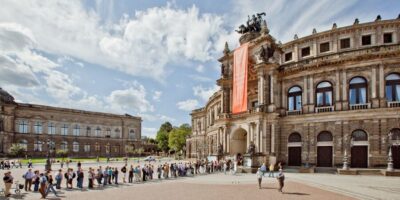
- Dresden: Semperoper Tickets and Guided Tour
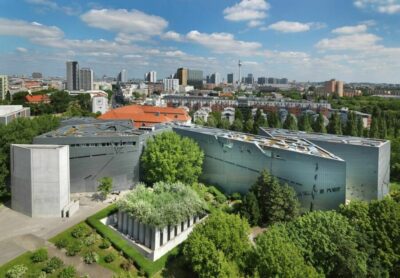
★ 4.7 · 12,102 reviews - Berlin: Jewish Museum Berlin Entrance Ticket
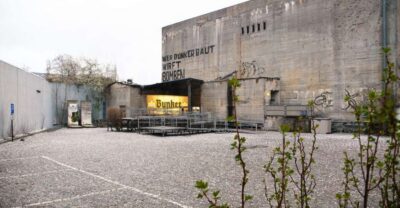
★ 4.5 · 8,393 reviews - Berlin: Berlin Story Bunker Entry Ticket
★ 4.6 · 6,759 reviews
A clear route through Volkswagen’s changing identity
There is no complicated tour schedule here. You enter the exhibition, pick up the free guidebook in your preferred available language, and move through the collection at your own pace. The ticket is valid for one day, but the museum is compact enough for a single visit during a Wolfsburg sightseeing day.
Start with the early Volkswagen story. The display includes more than 30 Beetles, so you can see how a single basic design developed into different versions and uses. The sheer number matters. One Beetle can seem like a familiar old car. A whole group makes the design’s long life easier to understand.
The Beetle section also includes unusual examples. A wooden Beetle gives the practical story a strange twist, while Herbie adds a bit of film-world fun. The collection even includes the See-Golf, a Golf fitted with hydraulic pontoons so it could float. That is exactly the kind of exhibit that keeps the museum from becoming a row of standard showroom cars.
The Bulli section is another major draw. With about a dozen examples, it gives you a good look at Volkswagen’s van tradition. The Bulli became closely linked with work, family travel, and counterculture, and seeing several examples together helps explain why the model has such a strong following.
Comparing the cars that reached showrooms with the ones that did not
One of the museum’s best ideas is to place rare studies and prototypes beside production models. You can look at a concept car and then identify the details that survived into a showroom vehicle. Just as interesting are the details that disappeared.
This comparison turns design history into a kind of visual detective game. Look at the body shape, lights, windows, interior ideas, and proportions. Ask yourself which parts look ready for mass production and which seem too costly, odd, or impractical for ordinary drivers.
The collection includes test vehicles, studies, and one-offs, not just finished products. That gives you a better sense of how a car company actually works. A familiar model is only the final answer. These experimental cars show some of the discarded answers along the way.
I find this especially valuable for visitors who already know the Beetle, Golf, or van. The recognizable models provide an anchor, while the unusual designs add surprise. You do not need to know Volkswagen’s internal model codes to enjoy this section, although the guidebook can help you place the cars in context.
From Beetle simplicity to front-wheel drive
The museum’s story changes sharply in the 1970s. From 1973 onward, Volkswagen’s collection includes vehicles from the new water-cooled era with front-wheel drive. This marks a major shift away from the air-cooled rear-engine tradition associated with the Beetle.
The change is important because it shows Volkswagen responding to new demands. Family cars were changing, technology was moving forward, and the company needed models that could serve a different kind of driver. The front-wheel-drive era also leads naturally toward the Golf and the modern Volkswagen range.
You will find Type 3 and Type 4 models, along with the Karmann Ghia. These cars broaden the picture beyond the Beetle. The Karmann Ghia, in particular, shows how Volkswagen’s basic mechanical ideas could be wrapped in a more stylish body.
The collection does not treat one model as the entire Volkswagen story. That is a strength. You see practical family cars, stylish coupes, vans, experimental vehicles, and later water-cooled models. The result is a more honest account of how the brand changed over time.
Something different for another day:
- Berlin: Reichstag, Dome and Government District Guided Tour
★ 4.7 · 18,288 reviews - Berlin: 1-Hour City Tour by Boat with Guaranteed Seating
★ 4.3 · 16,993 reviews - Hamburg: Sex and Crime in St. Pauli Tour for Ages 18+
★ 4.7 · 15,447 reviews - Hamburg: 1.5-Hour Harbor and Speicherstadt Day Cruise
★ 4.6 · 14,200 reviews
Motorsport, test cars, and the machines built for questions
Volkswagen’s motorsport milestones add a different mood to the museum. These vehicles were not created only to carry people to work or school. They were built to test speed, endurance, handling, and engineering ideas.
The motorsport displays are useful because they show how a production brand can use competition to explore new solutions. Even if you are not interested in racing, the vehicles help explain why some designs look more aggressive or technically unusual than an everyday Volkswagen.
The test cars and studies are just as valuable. A road car usually hides its development process. Here, the experiments are part of the story. You might see a vehicle that looks almost ready for production, followed by one that seems too strange ever to leave the design studio.
That variety keeps the visit moving. If a standard Beetle display feels familiar, the next prototype may change your mind. If the oddities seem too specialized, the series cars bring you back to the everyday experience of Volkswagen ownership.
What the free guidebook adds to the visit
The guidebook is included with admission and is offered in various languages. That is worth using, especially if you want more than a quick look at the cars.
A museum like this can otherwise become a visual parade. You recognize the Beetle, notice the van, admire the unusual prototype, and move on. The guidebook helps connect those objects to Volkswagen’s wider product story.
Some content is shown in its original language, so you should expect that not every piece of information will necessarily be translated in the same way. The guidebook helps reduce that problem, although the experience remains strongly visual even when you do not read every label.
I would not try to absorb every technical detail. Choose a few cars that catch your attention and use the guidebook to understand why they matter. That approach makes the museum more relaxed and prevents the visit from turning into a catalog-reading exercise.
How long should you allow?
Plan for about 1.5 to 2 hours if you want a comfortable visit. A father, grandfather, and 12-year-old family group spent roughly 1.5 hours here and found that enough time for an enjoyable look around. If you read every description or have a strong interest in design and motorsport, you can take longer.
The one-day validity gives you flexibility, but it does not mean you need to reserve an entire day. The museum fits well into a larger Wolfsburg plan, particularly if you are already visiting the nearby Volkswagen plant or other automobile attractions.
The compact length is both a benefit and a limitation. You can see a lot without museum fatigue, and children are less likely to reach the are we done yet? stage. On the other hand, anyone expecting a huge automotive complex may wish for more cars and longer stories attached to each display.
A critical point is the amount of interpretation. The cars are the main event, but some people may want more detailed background on how each vehicle was developed. If you prefer a museum with long technical explanations, you may finish wishing for more stories beside the exhibits.
Location, arrival, and practical details
The entrance and parking lot are at the corner of Lerchenweg and Dieselstraße in Wolfsburg. Check the address carefully before setting out, since the museum is close to the Volkswagen plant but is a separate attraction.
That location makes the museum easy to combine with a day focused on Volkswagen. You can begin with the older vehicles, then move toward the modern factory area, creating a simple past-to-present route.
The museum is wheelchair accessible, which makes it a practical choice for a wider range of visitors. Food and drinks are not included, so plan refreshments separately. The ticket covers admission to the AutoMuseum exhibition and the multilingual guidebook only.
There is no guided tour listed as part of the ticket. You explore independently, which is good news if you want to linger over a favorite car or move quickly through familiar material. It also means you should make use of the guidebook if you want a stronger narrative thread.
Is $14 a fair price?
At $14 per person, the AutoMuseum offers solid value for a specialized collection. You are paying for access to more than 130 vehicles across 5,000 square meters, including rare studies, prototypes, motorsport examples, and unusual one-offs that you are unlikely to see in a normal Volkswagen showroom.
The value is strongest for three groups. First, Volkswagen fans will find enough familiar models and obscure variations to justify the price. Second, families can get a manageable museum visit without committing to several hours of technical material. Third, anyone already in Wolfsburg can add the museum to a wider automobile-themed day without a major extra cost.
The value is less obvious if you want a large, all-day attraction with extensive activities. One person may feel satisfied after 90 minutes, while another may wish for more cars or more engaging stories. The price is reasonable, but your expectations should match the museum’s focused size.
Free cancellation up to 24 hours before the visit and the option to reserve now and pay later add useful flexibility. These policies matter if your Wolfsburg schedule is still changing, though the museum itself remains a straightforward admission experience.
Who will enjoy this museum most?
I would recommend the AutoMuseum to anyone who likes cars, industrial design, German manufacturing, or everyday objects with a long public life. You do not need to be able to identify every Volkswagen model to enjoy the display.
Families are a good match, especially with older children and teenagers who like unusual machines. The See-Golf and Herbie provide easy conversation starters, while the prototypes give younger visitors something stranger to look at than a standard row of classic cars.
It also suits anyone who has a personal connection to a Beetle, Bulli, Golf, Type 3, or Karmann Ghia. Seeing the models together can bring back memories of family cars, work vans, or a first vehicle.
Dedicated car enthusiasts may want to allow extra time for the rare studies, test vehicles, and motorsport section. The museum may not provide every technical detail you want, but it offers the valuable chance to see unusual Volkswagen objects in one place.
Should you book the Volkswagen AutoMuseum?
Book it if you have about two hours in Wolfsburg and any real interest in Volkswagen. The price is fair, the collection is varied, and the best exhibits go well beyond the cars you already know. The Beetle and Bulli groups provide the familiar heart of the visit, while the prototypes, wooden Beetle, Herbie, See-Golf, and motorsport cars keep it from feeling predictable.
Skip it only if your schedule is extremely tight or you expect a full-day museum with extensive technical storytelling. For most people, the AutoMuseum is a focused and worthwhile stop, especially when paired with the nearby Volkswagen plant. Bring your curiosity, use the guidebook, and give yourself roughly 1.5 to 2 hours.
FAQ
Where is the Volkswagen AutoMuseum located?
The entrance and parking lot are at the corner of Lerchenweg and Dieselstraße in Wolfsburg, Germany.
How much does admission cost?
Admission costs $14 per person.
How long is the ticket valid?
The ticket is valid for one day.
What does the ticket include?
It includes admission to the AutoMuseum exhibition and a guidebook available in various languages.
Are food and drinks included?
No. Food and drinks are not included in the admission.
Is the museum wheelchair accessible?
Yes, the AutoMuseum is wheelchair accessible.
What vehicles can I see there?
The collection includes more than 130 vehicles, including Beetles, Bullis, Type 3, Type 4, Karmann Ghia, water-cooled Volkswagen models from 1973 onward, prototypes, test vehicles, studies, one-offs, and motorsport vehicles.
Does the museum include rare or unusual vehicles?
Yes. Exhibits include a wooden Beetle, the movie car Herbie, and the See-Golf, a floating Golf with hydraulic pontoons.
Can I cancel my booking?
Yes. You can cancel up to 24 hours in advance for a full refund. You can also reserve now and pay later.
Just added around Germany
- e-Scavenger hunt Aachen: Explore the city at your own pace★ 4.0 · 13 reviews
- Munich: Private or Group Third Reich and WWII Walking Tour★ 4.9 · 13 reviews
- Canyoning Advanced Day Trip★ 5.0 · 13 reviews
- Wiesbaden Biebrich: Outdoor Escape Game★ 4.7 · 13 reviews
- Berlin: Private Guided Tour of the Main Sights★ 5.0 · 13 reviews
- From Munich: Neuschwanstein Castle and Linderhof Private Tour★ 5.0 · 13 reviews
- Trier, Moselle: Wine excursion with boat trip★ 3.9 · 13 reviews
- From Dresden: Guided Day Tour by Bus of Seiffen Toy Village★ 4.0 · 13 reviews
Tickets, compared.
Munich Hop-On Hop-Off Tour: 1-Day or 2-Day Ticket
Read our review →