
Reviewed · ROSTOCK TOURS
Rostock: Warnemünde and Rostock Half-Day Shore Trip
Two German towns, one efficient port day. This five-hour shore trip links the seaside character of Warnemünde with the medieval streets of Rostock, using the same commuter train and tram that locals use. I like the small-group feel, with a maximum of 20 people, and I like that public transportation is part of the experience rather than something hidden behind a tour bus. The main caution is simple: this is a serious walking tour, much of it over cobblestones, with limited time for shopping and no included meal break.
The guides receive especially strong praise for clear explanations, good organization, and care with slower walkers. Guides including Cornelia, Tobias, Yvonne, Anne, Bernd, and Andreas have been singled out for their local knowledge and friendly manner. The tour is a good fit if you want context and structure, but less so if you need long café stops, lots of retail time, or step-free access.
In This Review
- Key points at a glance
- Why this Warnemünde and Rostock tour works
- Warnemünde’s Old Stream and fishing boats
- Riding the train and tram like a local
- Rostock’s medieval center and St. Marien Church
- One hour of free time in central Rostock
- Walking demands, group size, and guide quality
- Is $81 a fair price for a port excursion?
- Who should book this shore trip?
- FAQ
- Where does the tour begin?
- How long does the shore trip last?
- What languages are offered?
- Are train and tram tickets included?
- Is entry to St. Marien Church included?
- Is food included?
- How much walking is involved?
- Can wheelchair users join?
- What should I bring?
- Should you book it?
Key points at a glance
- Warnemünde begins with the Old Stream: See brightly painted fishing boats, cafés, and traditional gabled houses near the harbor.
- Local transport is part of the adventure: Ride the commuter train and tram between the port and Rostock with an English-speaking guide to handle the details.
- St. Marien Church is a major highlight: The interior and astronomical clock give Rostock its most memorable historic stop.
- You get one hour of free time: Use it for shops, a snack, or a closer look at Rostock’s central square.
- The pace is active: Expect repeated walks of 15 to 20 minutes, cobblestones, and roughly five hours with only limited built-in rest time.
- The $81 price can make sense: It covers port pickup, a guide, public transport tickets, and church entry, while offering a less expensive alternative to many cruise-run excursions.
Why this Warnemünde and Rostock tour works
Rostock is the larger city, but Warnemünde gives you the gentler first impression. The former fishing village sits beside the cruise port, so the tour can start directly at the ship berth at Am Passagierkai 6. You look for a guide holding a sign with the tour name, and pickup is arranged at your ship rather than at a distant public meeting point.
That direct pickup matters on a port day. You do not need to guess where the excursion begins or make your way through an unfamiliar terminal. It also leaves the guide in control of the return timing, an important point when you have a ship departure to meet.
The experience is arranged around two different sides of northern Germany. Warnemünde offers boats, old houses, and seaside atmosphere. Rostock gives you Hanseatic architecture, market squares, churches, university connections, and traces of a medieval town. In five hours, you get an introduction to both rather than spending the whole day in one place.
The trade-off is depth. You will see the main sights, but you will not have the leisure of a full-day city visit. The hour of free time in Rostock is useful, though shoppers may wish for more. One person who enjoyed the tour still wanted extra time to browse both towns. That is a fair expectation to set before booking.
A few more tours and experiences worth a look
- Rostock: Full-Day, Half-Day, or Sunset Sailing Experience
★ 4.7 · 174 reviews - Discover Berlin Half-Day Walking Tour
★ 5.0 · 9,624 reviews - From Munich: Dachau Memorial Site Half-Day Trip
★ 4.7 · 2,526 reviews
Warnemünde’s Old Stream and fishing boats
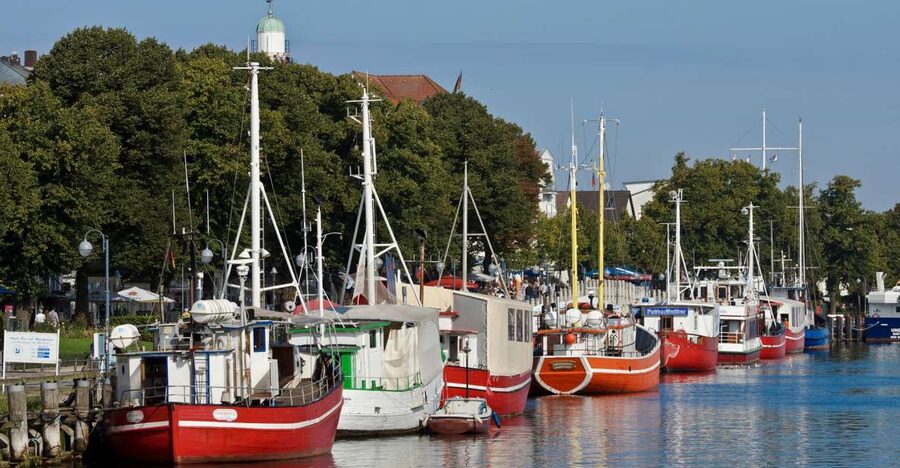
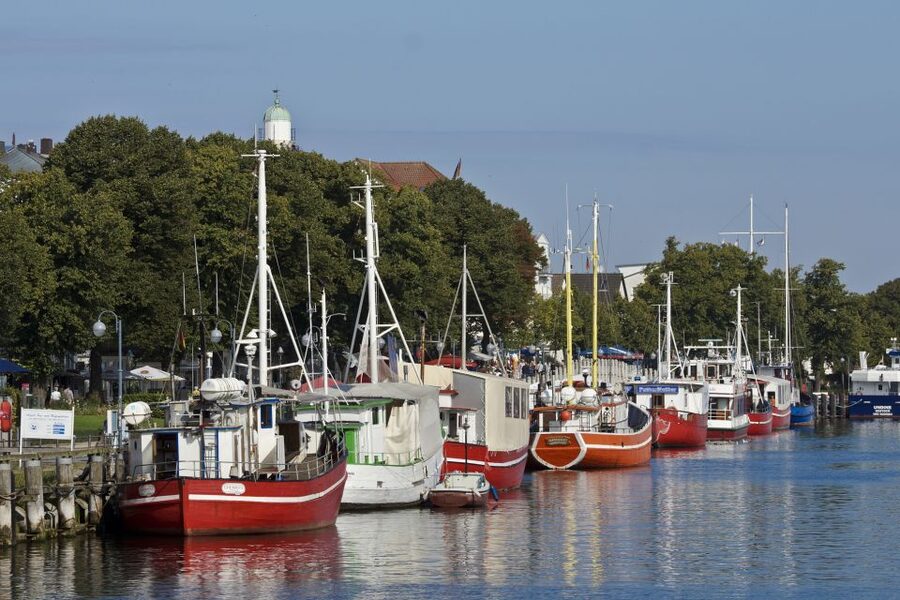
The guided walk in Warnemünde lasts about an hour. It focuses on the former fishing village and the streets around the Old Stream canal, where brightly painted boats sit beside cafés and waterfront buildings.
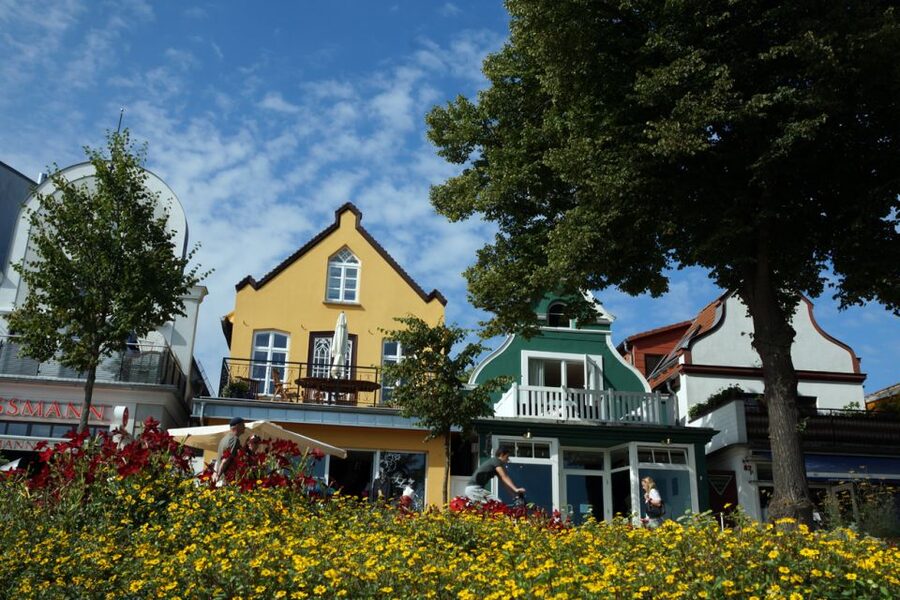
The houses are one of the area’s visual pleasures. You can expect 18th- and 19th-century gabled homes, some with half-timbered façades and decorative doors. These details help you read Warnemünde as a working coastal settlement, not just as a cruise stop with souvenir shops.
The harbor walk is also a practical orientation. Your guide introduces the main streets and points out places you may want to revisit after the organized portion ends. The tour information specifically suggests returning for boutiques, cake, or a traditional fish sandwich. Since the formal visit is brief, that advice is useful: save a shopping or snack wish list for later if your ship schedule allows.
Warnemünde is compact enough to feel approachable, but the walking surface can be uneven. Cobblestones are part of the old-town setting, and they are also part of the physical challenge. Wear comfortable shoes with good support, especially if you plan to continue walking independently after the tour.
The seaside stop is not built around a long beach visit. You should think of it as a short historic and harbor introduction before the group heads inland to Rostock. If your priority is a relaxed waterfront morning, you may find the schedule quick. If you want to compare a small coastal town with a larger German city, the contrast works very well.
Riding the train and tram like a local
The journey to Rostock takes about 30 minutes by public transportation. You ride a commuter train and tram, with the guide managing the route and keeping the group together.
This is one of the most distinctive parts of the excursion. A private coach would be easier, but it would remove you from the ordinary rhythm of the area. The public transport ride shows you how the port and city connect, and it gives you a small taste of daily life in northern Germany.
It also requires more attention. You must board and leave with the group, listen for instructions, and stay aware of stops. One participant appreciated that the guide handled the German-only train announcements. That is exactly the sort of small problem that can make independent transport stressful during a short port call.
The guides are praised often for keeping the group organized. Andreas was noted for timing the train and tram well, while Tobias was praised for planning the connections and making sure no one was separated. This matters more than it might seem. A missed connection or wandering passenger can quickly eat into your limited sightseeing time.
The ride is not a scenic railway excursion with special views or reserved seating. Its value is practical and local. You get from Warnemünde to Rostock while learning how the two places fit together. For some people, that is more memorable than another transfer in a tour vehicle.
Rostock’s medieval center and St. Marien Church
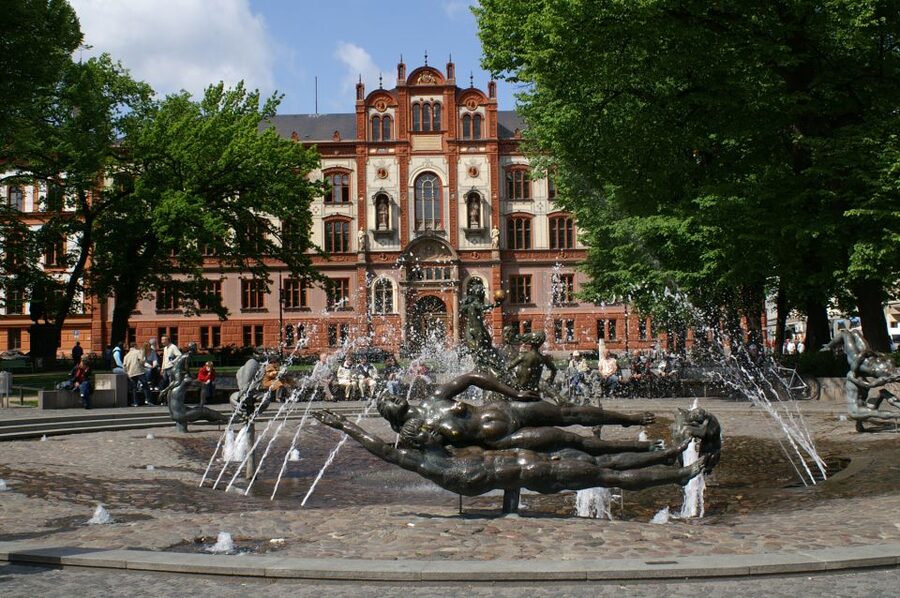
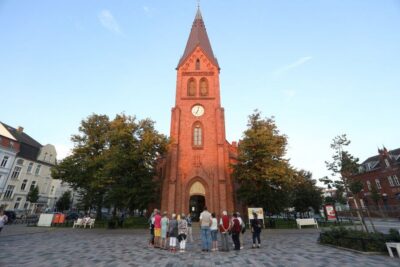
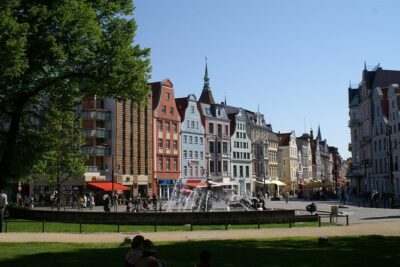
Rostock is the largest city in Mecklenburg, and the guided city walk lasts about an hour and a half. The route takes you through streets and market squares in the old Hanseatic university town, with commentary on both the city’s medieval past and its more recent history.
The church of St. Marien is the centerpiece. Entry is included, and the astronomical clock is the sight to watch closely. If the timing is right, you may see the clock in operation, a detail that made a strong impression on one visitor. Inside, the church gives the tour a quieter, more focused moment after the outdoor walking.
The church visit is valuable because it turns abstract dates into something you can see. Rostock was founded in the 1200s, and the medieval churches, squares, monastery buildings, and town wall help make that age visible. Your guide can explain how the city developed as a Hanseatic center and university town, rather than simply pointing out façades.
The Monastery of the Holy Cross is another named sight along the route. You also hear about the town hall, university, and medieval defenses. The exact amount of time at each point can vary with the group and transport schedule, so do not expect a long interior visit at every building.
The East German period adds another layer. Several guides have included personal or local insight into life in East Germany, including one guide who grew up there. That perspective can make the modern story of Rostock more understandable, especially if you know little about the city before reunification.
The best guides appear to balance dates with stories. Laura praised a guide’s passion for East German history, while another guide used old photographs to show how the area looked in the past. These touches can make a walking tour feel less like a list of buildings and more like a conversation about how the city changed.
Still, this is not a quiet, slow museum tour. You move through public streets, pause at selected landmarks, and continue on foot. Some people wanted better viewing positions at a few sights and felt that certain stops were a little hurried. If photography is your main aim, you may sometimes need to choose between listening and setting up a perfect shot.
Something different for another day:
- Rostock: Guided tour of the historic city center
★ 4.5 · 311 reviews - Best Berlin Shore Excursion from Warnemunde or Rostock Port
★ 4.8 · 200 reviews - Rostock: City Walking Tour
★ 4.9 · 198 reviews - Rostock: Electric Boat Rental on the Warnow River
★ 4.8 · 106 reviews
One hour of free time in central Rostock
After the guided portion, you get around 30 minutes for a visit and about one hour at leisure in the center. The free hour is your chance to shift from following the guide to choosing your own priority.
You might browse shops, look around the central square, or buy a snack. One participant specifically recommended trying a German sausage, while another appreciated having enough time to spend the rest of the afternoon in Warnemünde after returning. The available break is useful, but it is not generous enough for an unhurried meal, extended shopping, and extra sightseeing all at once.
I would decide in advance what matters most. If you want food, get it first. If you want souvenirs, head for the shops. If you prefer architecture, use the hour to revisit a place you passed too quickly with the group. The central location makes this flexible, but the return train still sets a firm limit.
The break also helps vary the pace. Five hours of continuous commentary and walking can feel long, especially for older participants. One person felt that the tour needed a coffee and restroom stop halfway through. That is the clearest practical weakness in the schedule. You should use available restroom opportunities and carry water, since food and drinks are not included.
Walking demands, group size, and guide quality
The tour asks every participant to walk comfortably for 15 to 20 minutes at a time. In practice, you should be prepared for a walking-focused day, not merely a few short strolls between transport stops. Cobblestone streets add effort, and the public transport connections mean you cannot simply remain seated whenever your feet need a rest.
The stated maximum group size is 20, though some departures have been much smaller. A group of nine or ten is especially comfortable for a city walk because it is easier to hear the guide, ask questions, and stay together at crossings and stations.
The guide is the most important variable in the experience, and the overall rating of 4.7 from 158 reviews reflects consistently strong satisfaction. Cornelia was praised for clear speaking and local transport skills. Tobias was described as charismatic, well prepared, and attentive. Yvonne received repeated praise for history, organization, and personal care. Anne was noted for explaining St. Marien well and looking after the group.
That does not mean every pace suits every person. One older group felt the guide moved too quickly, while another participant with slower walking speed appreciated a patient guide. If you walk slowly, tell the guide early. The group may be able to adjust, but the itinerary still has fixed train times and scheduled stops.
This excursion is not suitable for wheelchair users, and it may not work well for anyone who cannot manage uneven streets or extended walking. Large bags and luggage are not allowed. Bring only what you need for the day, along with comfortable shoes and clothing suited to the weather.
Is $81 a fair price for a port excursion?
At $81 per person, the tour is not the cheapest way to wander around Warnemünde, but it offers useful value for a cruise stop. The fee includes pickup and return at the port, an English-speaking guide, public train and tram tickets, and admission to St. Marien Church.
The strongest value comes from the combination of transport and local explanation. You could visit Warnemünde and Rostock independently, but you would need to work out the train and tram route, monitor the time, find the church, and make sure you returned to the ship safely. The tour removes that planning burden without placing you inside a large coach group all day.
It can also cost less than a cruise-line excursion. One participant chose it as an alternative to a much more expensive ship tour and preferred the smaller group. That comparison is important for cruise passengers, since the price difference may be meaningful while the basic sights are similar.
The price is less attractive if you want a slow day. You are paying for structure, transport, and interpretation, not for a long lunch or extensive shopping. Food and drinks are extra, and the schedule gives you only about one hour to buy them in Rostock.
Free cancellation up to 24 hours before the tour and the option to reserve now and pay later add flexibility. Those terms are helpful when your port schedule is still changing, but they do not alter the main question: are you happy spending five hours on an active, scheduled walk?
Who should book this shore trip?
I would recommend it to first-time visitors who want a well-organized introduction to both towns. It suits you if you enjoy medieval churches, urban history, local transport, and guides who explain how places changed over time.
It is also a sensible alternative to a long trip to Berlin. Several people felt that seeing Warnemünde and Rostock made better use of a one-day port call than spending much of the day in transit. You get two nearby places, more time on foot, and a clearer feel for the region.
Families with young children should consider the amount of history and walking. One comment suggested that the material may be less engaging for youngsters, especially if they are not interested in old cities or East German history. Older adults can enjoy it, but the group should be honest about walking ability and rest needs.
I would skip it if you need wheelchair access, dislike cobblestones, or want a relaxed café-and-shopping day. I would also think twice if you need a guaranteed coffee break or a long sit-down meal. For everyone else, the mix of Warnemünde harbor, public transport, Rostock’s old center, and St. Marien Church makes this a strong use of a short port visit.
FAQ
Where does the tour begin?
Pickup is at the cruise ship port, at the berth of your ship. The listed location is Am Passagierkai 6, and you should look for a guide holding a sign with the tour name.
How long does the shore trip last?
The experience lasts five hours, including the guided walks, public transportation, church visit, free time, and return to the port.
What languages are offered?
The live guide speaks English. No other languages are available for this tour.
Are train and tram tickets included?
Yes. Tickets for the public train and tram are included in the price.
Is entry to St. Marien Church included?
Yes. The entrance fee to St. Marien Church, also called St. Mary’s Church, is included.
Is food included?
No. Food and drinks are not included, so you should budget separately for a snack, sausage, fish sandwich, cake, or other purchase.
How much walking is involved?
This is a walking tour, and all participants should be able to walk for 15 to 20 minutes at a time. You should also expect cobblestone streets and repeated walking between sights and transport stops.
Can wheelchair users join?
No. The experience is not suitable for wheelchair users.
What should I bring?
Bring comfortable shoes. Luggage and large bags are not allowed. You should also plan for the fact that the schedule may not include a dedicated coffee or meal stop.
Should you book it?
Book this tour if you want to see both Warnemünde and Rostock without handling the transport and timing yourself. The guides are frequently praised for clear English, strong local knowledge, careful group management, and personal attention, while the small-group format keeps the experience more pleasant than a large ship excursion.
Skip it if your ideal port day means sitting by the water, shopping for hours, or avoiding uneven streets. For an active visitor who wants history, local trains, a memorable astronomical clock, and a practical look at northern Germany, $81 is a reasonable price for five focused hours.
Just added around Rostock
- Brewery tour with guide!★ 4.8 · 13 reviews
- Distillery tour with guide!★ 4.7 · 14 reviews
- Rostock: Hot Rod Harbor City Tour★ 4.9 · 16 reviews
- Warnemünde Shore Excursion: Private Tour of Berlin’s World War II and Cold War Sites★ 5.0 · 17 reviews
- Rostock: Hot Rod Sightseeing Tour to Warnemünde★ 5.0 · 19 reviews
- Rostock: Tour with the Rostocker Executioner★ 4.7 · 28 reviews
- Berlin and Sachsenhausen: Shore Trip from Warnemünde Port★ 4.8 · 40 reviews
- Lovely Rostock and Warnemünde Shore Excursion for Cruise Ships★ 5.0 · 44 reviews
Rostock Tours, compared.
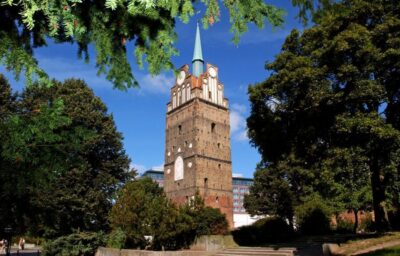
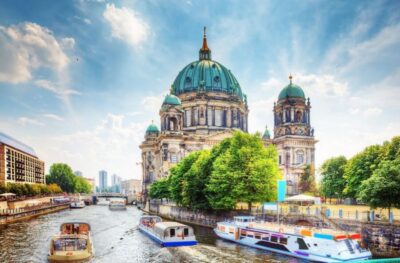
Best Berlin Shore Excursion from Warnemunde or Rostock Port
Read our review →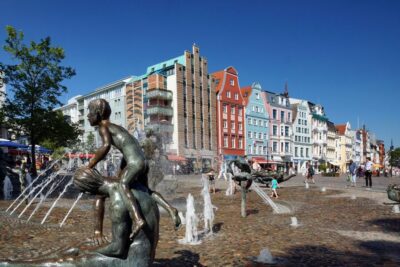
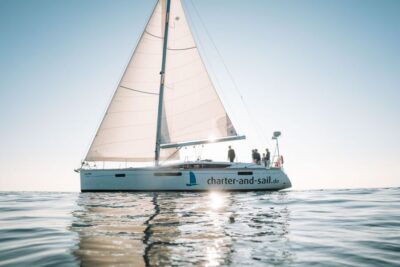
Full-Day, Half-Day, or Sunset Sailing Experience
Read our review →
Lovely Rostock and Warnemünde Shore Excursion for Cruise Ships
Read our review →
Berlin and Sachsenhausen: Shore Trip from Warnemünde Port
Read our review →Browse the lists this tour appears in