
Reviewed · MEMORIAL & CONCENTRATION CAMP TOURS
Private Sachsenhausen Concentration Camp tour with train
History feels different when you walk through it. This private Sachsenhausen tour links Berlin to Oranienburg by train, then brings the camp’s surviving grounds and memorial exhibits into clear focus. I like the one-group format, which lets you ask difficult questions without worrying about keeping up with strangers. I also like the way the tour begins in Oranienburg, adding the town’s connection to forced labor before you enter the memorial.
The main drawback is the amount of walking. The day lasts about six hours, and past visitors have reported anywhere from 11,000 to 16,000 steps, often on uneven surfaces. Also, hotel pickup means your guide meets you and travels with you by public transport, not that a private car takes you to the site.
In This Review
- Key points to know before booking
- Why this private tour matters in Berlin
- From Berlin to Oranienburg by train
- Oranienburg and the town’s uncomfortable role
- Entering the Sachsenhausen Memorial
- A guided walk through suffering and survival
- How much walking should you expect?
- What makes a private guide worth the price?
- The emotional pace of the day
- Booking details that matter
- Who should book this Sachsenhausen tour?
- Should you book it?
- FAQ
- Is the Sachsenhausen tour private?
- How long does the experience last?
- Is hotel pickup included?
- Does the tour use a private car?
- Is the tour offered in English?
- Are food and drinks included?
- Is the tour suitable for people with limited mobility?
- Do I need to buy a Sachsenhausen admission ticket?
- What is the cancellation policy?
Key points to know before booking
- The journey is by public train and local transport: Your guide meets you at your hotel, then accompanies you to Oranienburg and Sachsenhausen.
- The private format gives you control: You can ask more questions, pause at difficult sections, and set a pace that suits your group.
- Oranienburg adds uncomfortable local context: The town benefited from factories that used prisoners as forced labor.
- The memorial is emotionally heavy: Station Z, the roll call square, barracks, and camp layout make the history painfully concrete.
- Plan for a long day outdoors: Bring water, wear firm comfortable shoes, and consider lunch before or during the visit.
- Guide quality is a major strength: Guides including Martin, Ioana, Paul, Maria, Nickolai, Chloe, Natalie, Daniel, and Klaus received especially warm praise for their historical depth and considerate manner.
Why this private tour matters in Berlin
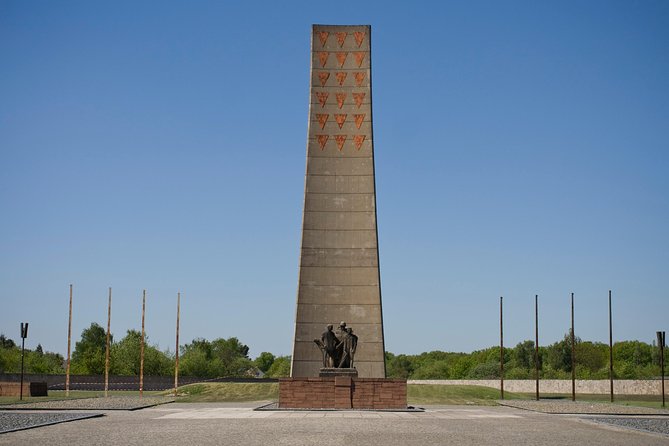
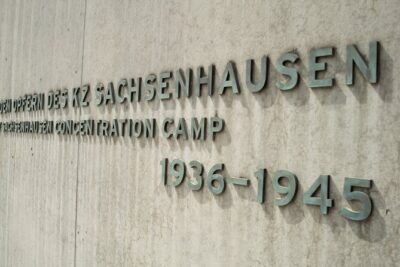
Sachsenhausen is not a light sightseeing stop. It is a place of imprisonment, forced labor, mass murder, and remembrance. The memorial occupies the site of a concentration camp built north of Berlin in 1936, during the period when Nazi Germany was preparing to host the Olympics.
The camp was intended to hold political enemies of the Nazi regime. Over the following decade, about 200,000 people were imprisoned there. In 1945, the Soviets evacuated the Nazi camp and later used the site for another five years to imprison about 60,000 war criminals, including Nazis and Nazi collaborators.
That second chapter matters. Sachsenhausen is not only a site connected with Nazi persecution. It also carries the story of Soviet imprisonment after the war. A good guide helps you keep those periods separate while explaining how the same ground was used by two different regimes.
I think the private arrangement is particularly useful here because the subject raises hard questions. You may want to ask about Nazi policy, the role of local businesses, the structure of the SS camp system, postwar justice, or how the memorial presents the past. With your own guide, there is room for a real conversation rather than a fixed speech.
More memorial visits:
- Berlin: Sachsenhausen Concentration Camp Tour in English
★ 5.0 · 5,711 reviews - Berlin: Sachsenhausen Concentration Camp Memorial Tour
★ 4.7 · 3,716 reviews - Sachsenhausen Concentration Camp Bus Tour in English from Berlin
★ 5.0 · 1,962 reviews
From Berlin to Oranienburg by train
The tour begins with hotel pickup, but the transport itself is public. Your guide meets you at the agreed time and leads the way to the station. From there, you travel by train toward Oranienburg, with the guide explaining the historical setting along the route.
I like this part of the experience because you see the ordinary Berlin transport system rather than being sealed inside a tour vehicle. The change from city streets to the smaller town of Oranienburg also helps show how close Sachsenhausen was to Berlin and to normal civilian life.
Do not assume that hotel pickup includes a private transfer. The tour title and format make the train central to the day. One dissatisfied customer expected a vehicle, while many others appreciated the public transport journey. The practical lesson is simple: read the transport details carefully and ask about train tickets before departure. Train fares are not clearly listed among the included items.
Several guides have been praised for handling this part well. Nickolai introduced the camp’s story on the train and continued the explanation during the walk. Hannah managed the outward and return journey by train and bus. Chloe met a group at its hotel, walked with them to the station, and had return tickets ready. These details matter because the day involves more than simply stepping off a coach beside the memorial.
Oranienburg and the town’s uncomfortable role
The first planned stop is a roughly 25-minute walk through Oranienburg. There is no separate admission charge, and the town serves as a historical introduction rather than a conventional attraction.
Oranienburg was closely tied to Sachsenhausen. Local factories, including plants producing war materials, used prisoners as forced labor. The town’s economy gained from a system built on exploitation, while residents lived near the camp and could not easily claim ignorance of what was happening nearby.
This stop gives the tour a wider frame. The camp was not an isolated place hidden in a remote wilderness. It depended on transport, labor demands, businesses, officials, and a surrounding population. Some residents took part directly. Others looked away or accepted the economic benefits.
I find this section valuable because it challenges the comfortable idea that Nazi crimes happened only inside barbed wire. The walk through town helps you think about complicity, silence, and the ways ordinary institutions can support cruel policies.
The drawback is that Oranienburg itself may not feel like a major sightseeing stop. You are there for context, not grand architecture or shopping. If you want every minute devoted to the memorial grounds, you may see this walk as an added delay. If you want to understand how the camp functioned within its surroundings, it earns its place.
Entering the Sachsenhausen Memorial
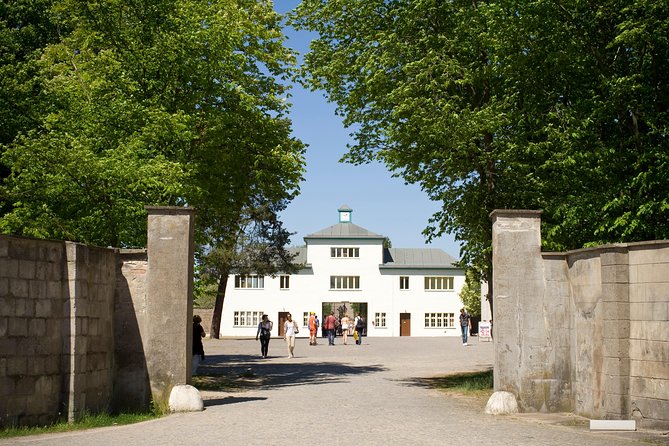
The Memorial and Museum Sachsenhausen is the heart of the tour. The planned visit includes about 90 minutes at the memorial and museum, followed by another 90 minutes walking the former camp grounds with your guide.
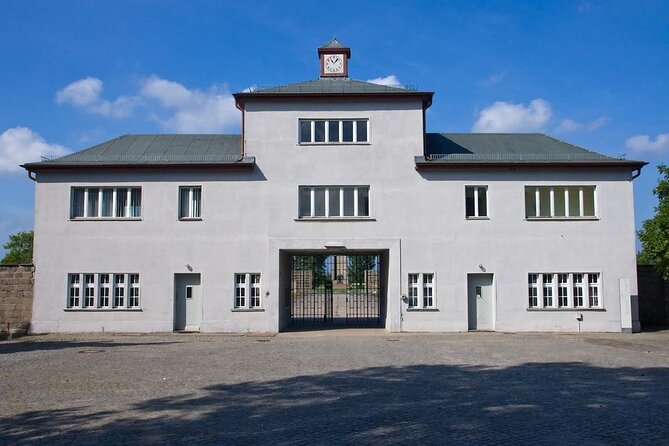
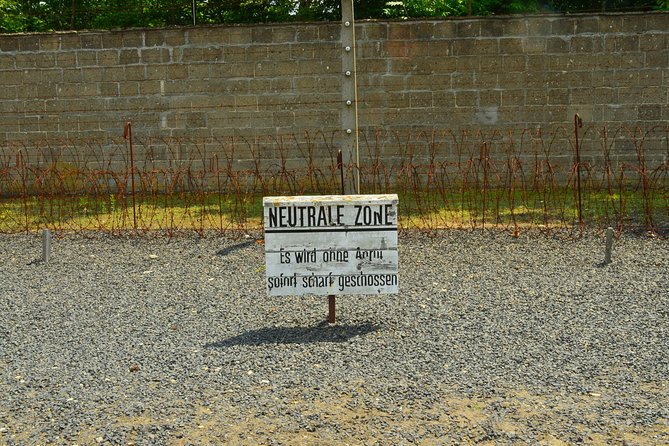
The layout tells part of the story before anyone speaks. The camp had a triangular design, with Tower A as the entrance. The roll call square was where prisoners were forced to line up, sometimes for long periods and in severe weather. The site’s design was intended to control, observe, and degrade the people held there.
Station Z, described in the tour as the camp’s exit, is among the most chilling places. It was connected to industrialized killing, and standing there can make the machinery of murder feel horribly concrete. You should expect your guide to discuss the SS system, prisoner life, forced labor, punishment, and the camp’s role within Nazi planning.
The details are difficult but important. Prisoners were packed into barracks designed for far fewer people. Forced labor was used not only to support the war effort but also to exhaust and break people. The camp reduced human beings to categories, numbers, and their perceived ability to work.
A strong guide will not turn this into a parade of shocking facts. The best accounts of the experience praised guides who knew when to explain and when to stop speaking. Klaus, for example, was appreciated for giving the group quiet time instead of filling every pause. That is a real skill at a place like this.
A few more tours and experiences worth a look
- Private Day Trip to Potsdam from Berlin by Train
★ 4.5 · 27 reviews - Dachau Concentration Camp Memorial Site Tour from Munich by Train
★ 4.5 · 5,637 reviews - Nuremberg: City Tour with the Bimmelbahn Train
★ 4.4 · 2,475 reviews - Würzburg: City Tour with the Bimmelbahn Train
★ 4.4 · 1,322 reviews
A guided walk through suffering and survival
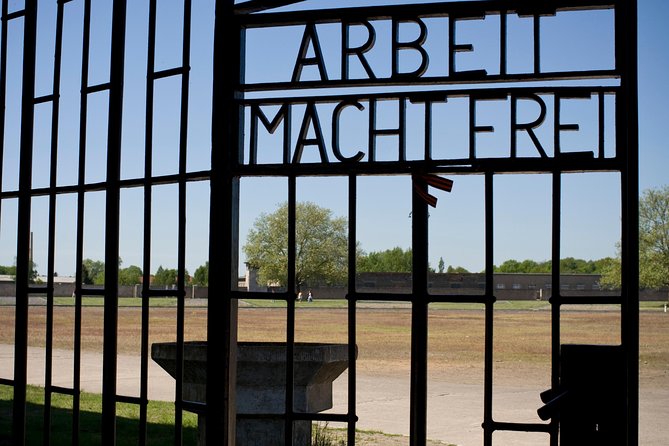
During the longer walk, your guide explains what daily life meant inside the camp. You may hear about overcrowding, hunger, forced labor, SS brutality, roll calls, and the constant attempt to strip prisoners of their identity.
The tour also gives attention to survival. Prisoners relied on hope, friendship, and mutual support in conditions designed to destroy those bonds. Survivor testimony can make this point more clearly than statistics alone, so it is worth asking your guide how individual accounts shape the memorial’s presentation.
The experience is not only about Nazi cruelty. It is also about prisoner resilience and the work of remembering. The memorial preserves parts of the site, presents historical material, and asks you to consider why these crimes must remain visible to later generations.
You will have opportunities to ask questions and spend time with exhibits. The private setup is especially helpful for families or groups with different levels of background knowledge. Daniel was praised for reading a family’s mood and keeping everyone involved. Maria was praised for a well-paced visit. Jamie was valued for making a private tour engaging without losing sight of the subject’s seriousness.
The camp grounds are large and open. Amenities are limited, so bring water and plan food in advance. Food and drinks are not included. Comfortable shoes are not optional here. Even visitors in good condition may find the combination of walking, uneven pavement, public transport, and emotional strain tiring.
How much walking should you expect?
This is the most important practical warning. The official guidance calls for moderate physical fitness and says the experience is not recommended for people with limited mobility or walking impairments.
The route includes:
- Walking through Oranienburg
- Walking between the station, local transport, and the memorial
- Moving across the former camp grounds
- Standing during explanations and at memorial points
- Returning to Berlin by public transport
One account recorded close to 11,000 steps. Another reached about 16,000 steps by the time the visitor returned to the hotel. The exact total will depend on your starting point, transport connections, pace, and guide, but the day is clearly active.
There is some flexibility. Natalie found an accessible route for a mother using a wheelchair, and Walid arranged taxis to and from the Oranienburg station for a group that had difficulty with the walking. Those examples are encouraging, but they do not replace advance planning. Contact the operator before booking if anyone in your group has mobility concerns, rather than assuming every part of the route will be accessible.
Rain can also change the feel of the day. One group continued during heavy rain and storms, while another appreciated a guide who arranged transport to reduce the strain. Check the forecast and dress for several hours outside.
What makes a private guide worth the price?
At $338.15 per person, this is a costly half-day experience, especially if you are traveling alone or with only one companion. The price needs to be judged against the service, not compared only with the cost of a museum ticket.
You are paying for a licensed guide trained by the memorial authority, hotel pickup and drop-off, a private group, historical commentary during the journey, and the ability to shape the discussion. You are not paying for a private car, food, or drinks.
The private format has its greatest value at Sachsenhausen itself. A large group can make it harder to ask questions or pause at a particular exhibit. With your own guide, you can spend more time on the camp’s architecture, Nazi administration, prisoner life, or the Soviet special camp, depending on what matters to you.
The guide quality appears to be the strongest reason to choose this option. Martin received especially strong praise for his command of the Third Reich, World War II, the camps, Berlin, and communist East Germany. Ioana was valued for detailed historical explanations, punctuality, and adjusting the tour to the visitor’s background. Paul was praised for explaining Hitler’s rise to power and pointing out other historical places along the way.
Still, the price is not automatically justified for everyone. If you are comfortable navigating Berlin’s public transport and prefer to study exhibits alone, a less expensive option may suit you. You should book this private tour for the personal guidance, not because it provides luxury transport.
The emotional pace of the day
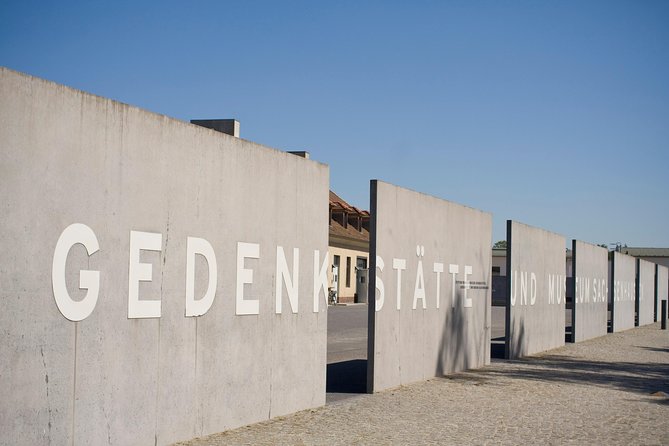
Sachsenhausen requires a different kind of energy from an art museum or city walking tour. The subject is painful, and the physical setting is stark. You may want quiet after hearing about prisoner suffering, forced labor, and Station Z.
That is why guide manner matters so much. The strongest guides combine serious historical instruction with restraint. Nickolai was praised for a respectful and intense presentation. Taylor explained the rise of Nazi Germany and the camp system while allowing time to explore. Pip connected the site with the need to protect human dignity as the number of living survivors declines.
A little humor may appear during the train ride or in general Berlin conversation, but it should never blur the purpose of the visit. Walid was appreciated for a light touch that kept a group engaged without turning the memorial into entertainment. That balance can make a difficult day more manageable, especially for families.
This is not a suitable choice if you want a cheerful excursion or a quick photo stop. It is a strong choice if you are ready to listen, walk, think, and remember.
Booking details that matter
The experience is offered in English, with a range of departure times from Berlin. Confirmation is normally issued at booking. If you book within two days of departure, confirmation may take up to 48 hours and remains subject to availability.
The tour is private, so only your group participates. Group discounts may be available, which can improve the value for a larger family or party. Pickup and drop-off are offered at your hotel, though the day proceeds by train and local transport.
You can cancel for a full refund up to 24 hours before the start time. Changes or cancellations made less than 24 hours before departure are not accepted for a refund.
Who should book this Sachsenhausen tour?
I would choose this tour for a family, couple, or small group that wants serious historical guidance and does not want to manage the route alone. It also suits people who value being able to ask direct questions and adjust the pace around the memorial.
It is less suitable for anyone expecting a private vehicle, a short visit, or easy ground underfoot. If you have limited mobility, contact the operator before booking and ask exactly what route and taxi support can be arranged.
Bring water, wear shoes that can handle uneven pavement, and plan food. Do not schedule a demanding evening immediately afterward. The six-hour estimate covers the tour, but the emotional weight can make the day feel longer.
Should you book it?
If Sachsenhausen is important to your Berlin plans, I think the private format is worth considering, especially for groups of four or more. The best guides, including Martin, Ioana, Paul, Nickolai, Chloe, and Natalie, add far more than directions. They provide context, answer questions, and know when the site needs silence.
At $338.15 per person, the tour is expensive, and the train-based transport may surprise anyone expecting a vehicle. But for a carefully guided visit to a place that demands attention, the personal service can justify the cost. Book it if you want a serious, thoughtful day and are prepared for the walking. Skip it if you want convenience, low cost, or a lighter outing.
FAQ
Is the Sachsenhausen tour private?
Yes. Only your group participates in the activity.
How long does the experience last?
The tour lasts approximately six hours.
Is hotel pickup included?
Yes. Hotel pickup and drop-off are included, with your guide accompanying you by public transport.
Does the tour use a private car?
No. The experience travels from Berlin by train, with local transport and walking also involved.
Is the tour offered in English?
Yes. The tour is offered in English.
Are food and drinks included?
No. Food and drinks are not included, so you should plan ahead for the long day.
Is the tour suitable for people with limited mobility?
The experience requires moderate physical fitness and is not recommended for people with limited mobility or walking impairments. Some route adjustments or taxis may be possible, but you should ask the operator before booking.
Do I need to buy a Sachsenhausen admission ticket?
Admission to the Memorial and Museum Sachsenhausen is included or free for the listed stops. Train tickets are not clearly identified among the included items, so confirm transport fares before departure.
What is the cancellation policy?
You can cancel at least 24 hours before the start time for a full refund. Cancellations or changes made less than 24 hours before departure are not accepted for a refund.
Just added around Berlin
- Berlin: Private Guided Tour of the Main Sights★ 5.0 · 13 reviews
- Private Highlights of Berlin Bike Tour★ 5.0 · 13 reviews
- Modern Berlin Private Walking Tour: Diverse, Vibrant and Exciting German Capital★ 5.0 · 13 reviews
- Tour in Berlin from Warnemünde and Rostock Cruise Port★ 4.1 · 13 reviews
- Berlin: Stasi Museum Private Guided Tour with Entry Ticket★ 4.8 · 13 reviews
- Private Food Tour Experience with a born and bred Berliner★ 5.0 · 14 reviews
- Berlin: Rheinsberg Palace Entrance Ticket★ 4.8 · 14 reviews
- Berlin in one day – day tour with an expert guide★ 5.0 · 14 reviews
Memorial & Concentration Camp Tours, compared.
Sachsenhausen Concentration Camp Tour in English
Read our review →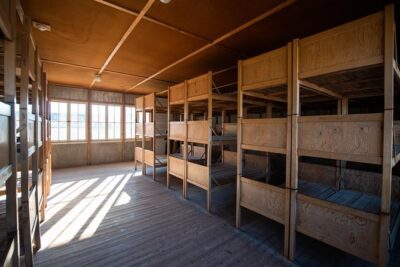
Dachau Concentration Camp Memorial Site Tour from Munich by Train
Read our review →
Sachsenhausen Concentration Camp Memorial Tour
Read our review →
Sachsenhausen Concentration Camp Bus Tour in English from Berlin
Read our review →Sachsenhausen Concentration Camp Tour in English
Read our review →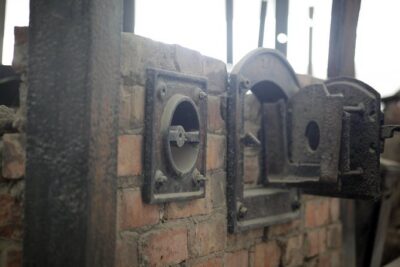
Sachsenhausen Concentration Camp Memorial Tour (Max. 15 Guests)
Read our review →Browse the lists this tour appears in