
Reviewed · OLD TOWN WALKS
Hanover: Old Town Historical Walking Tour by Geo Epoche
Hanover’s past is hiding in plain sight. This two-hour walk brings the city’s medieval market town, Guelph rulers, and royal connections into focus, with Old Town landmarks and lively local stories doing most of the work. I especially like the chance to examine the 1410 Old Town Hall and the pentagram on the Market Church tower. I also like the added turn into Calenberger Neustadt, where history gives way to restaurants and snack bars. The main drawback is clear: the tour is conducted in German only, and the route is not suitable for people with mobility impairments.
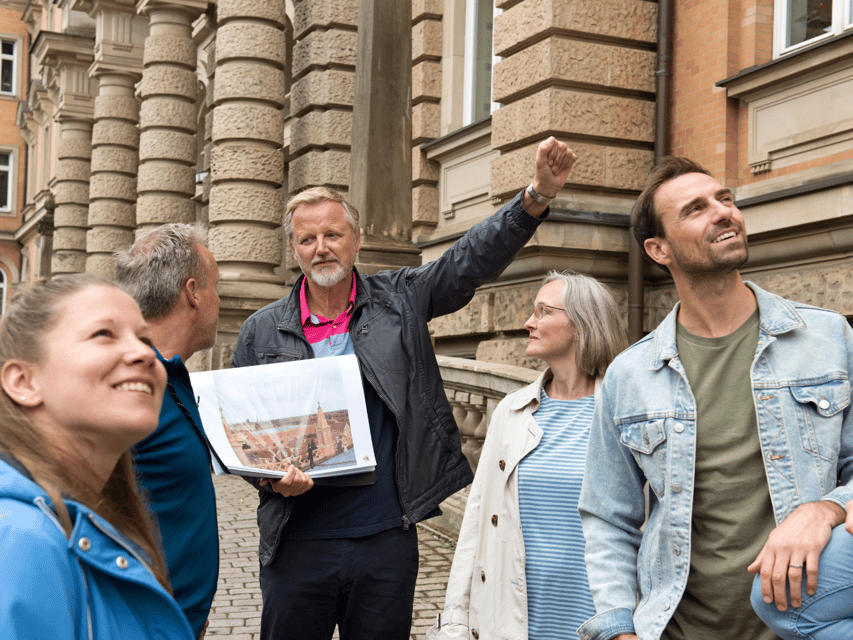
The price is $29 per person, a fair rate if you want a guided introduction rather than a quick walk past Hanover’s sights. A useful detail from the experience is the guide’s brochure with historical illustrations, which helps you compare today’s streets with earlier views of the city. Guide Simon, praised for answering questions and keeping the tour friendly and lively, is one example of the personal touch you may receive.
In This Review
- Key points to know before you book
- From medieval market town to royal Hanover
- Meeting at the Beginenturm
- Old Town streets where merchants once worked
- The Old Town Hall and its red-brick Gothic face
- Reading the symbols on the Market Church
- The Guelphs and Hanover’s royal connection
- Crossing into Calenberger Neustadt
- Neustädter Markt and the story of Leibniz
- How the guide and brochure shape the experience
- Is $29 a fair price for two hours?
- Who will get the most from this walk?
- Should you book the Hanover Old Town walking tour?
- FAQ
- Where does the tour meet?
- How long does the Hanover Old Town tour last?
- What language is the tour conducted in?
- How much does the tour cost?
- What sights are included?
- How old is the Old Town Hall?
- How old is the Market Church?
- What unusual detail can you see on the Market Church?
- Is the tour suitable for people with mobility impairments?
- Can I cancel for a refund?
Key points to know before you book
- The 1410 Old Town Hall gives you a close look at Hanover’s red-brick Gothic civic architecture.
- The Market Church tower carries a pentagram whose meaning becomes part of the guide’s explanation.
- Calenberger Neustadt adds food shops, restaurants, and the story of 17th-century freedom.
- Guelph history connects Hanover to an old noble family and an English king.
- The tour lasts two hours and runs in German, rain or shine.
- The meeting point is the Beginenturm, where you look for a guide carrying a Meet the World logo pouch.
From medieval market town to royal Hanover
This walking tour is built around a simple question: how did Hanover grow from a medieval settlement into an electoral residence city connected with kings and chancellors? You follow that change on foot, moving through the city center while your guide supplies the links between buildings, rulers, merchants, and scholars.
The old name Am hoch Ufer points to Hanover’s early setting and its development as a market town. The tour uses that beginning to show how the city changed over several centuries. You are not just collecting dates. You are looking at the places where merchants and craftspeople once lived and working out how civic life took shape around them.
I like this approach because Hanover can be easy to underestimate. It does not always announce its past with grand monuments. A guide helps you notice the surviving details and understand why an old façade, church tower, or square mattered to people who lived here long before modern Hanover took form.
The historical focus also gives the walk a clear shape. Instead of treating the Old Town as a collection of unrelated stops, the guide traces a story from local trade to noble power, then from religious and civic buildings to the wider world of European politics.
More Walking Tours in Hanover
- Hannover: Guided Old Town Walking Tour
★ 4.5 · 338 reviews - Hanover: Crime Walking Tour
★ 4.5 · 243 reviews - Hanover: Flashlight Guided Walking Tour at Night
★ 4.7 · 52 reviews
Meeting at the Beginenturm
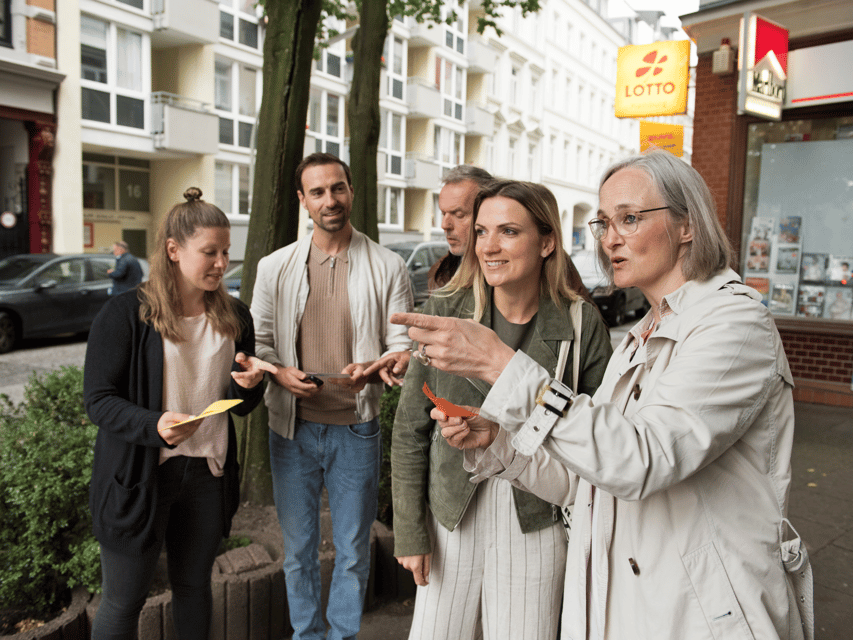
The tour begins at the Beginenturm, a practical starting point in the Old Town. Look for a guide carrying a pouch marked with the Meet the World logo. That detail matters because a busy city center can make a meeting point less obvious than it sounds.
You should arrive in comfortable shoes. The activity is a walking tour, and it takes place outdoors in all weather, so weather-appropriate clothing is sensible. Since the walk runs rain or shine, a wet forecast should not come as a surprise.
The route is not suitable for people with mobility impairments. The supplied information does not provide a detailed accessibility description, so you should contact the operator before booking if uneven surfaces, stairs, or a sustained walk could be a problem.
The two-hour length is useful for a first look at Hanover. It is long enough to cover several historic areas without taking up an entire day, yet short enough to fit around a museum visit, meal, or other city plans.
Old Town streets where merchants once worked
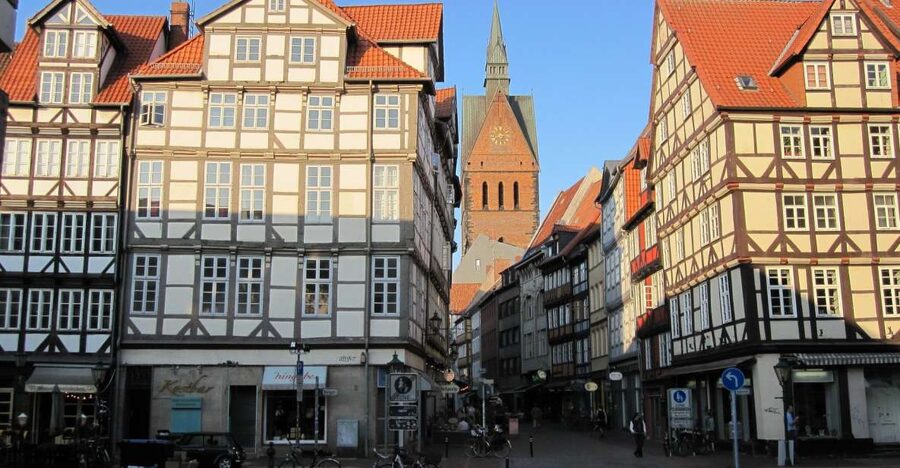
From the meeting point, the tour leads through the center of Hanover’s Old Town. Here, the emphasis is on the people who made the medieval city function: merchants and craftspeople whose work supported the market town and shaped its streets.
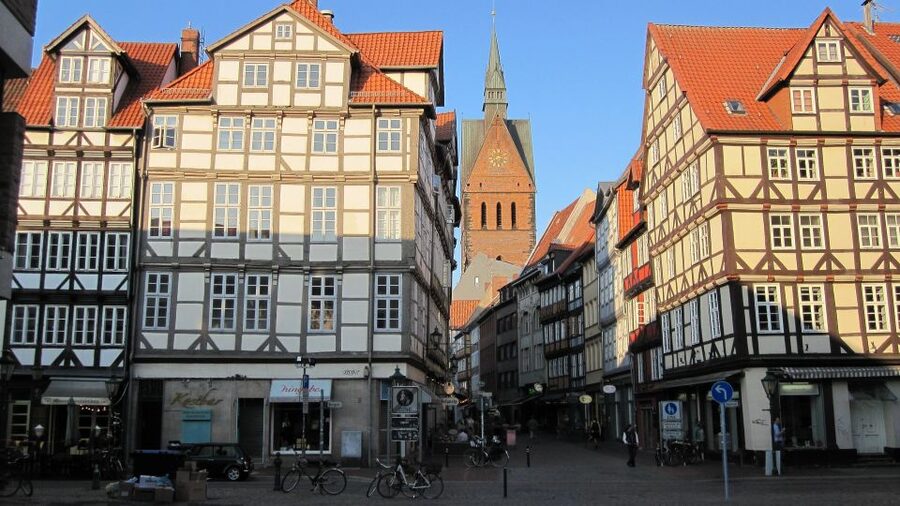
The half-timbered buildings provide the most picturesque part of the walk. Their timber frames give the Old Town a more intimate feel than a broad ceremonial avenue, and they offer visual clues about the city’s older building traditions. Your guide’s historical illustrations add useful context by showing how these places looked in earlier periods.
I find that old photographs and drawings can make a walking tour much more useful. Without them, you may see a charming building and move on. With them, you can compare the present street with its earlier form and better understand what changed, what survived, and what the city chose to preserve.
The guide also explains how Hanover developed over time. That context is important because the tour is not only about architecture. You are learning how a market town gained political weight and became an electoral residence city.
The Old Town Hall and its red-brick Gothic face
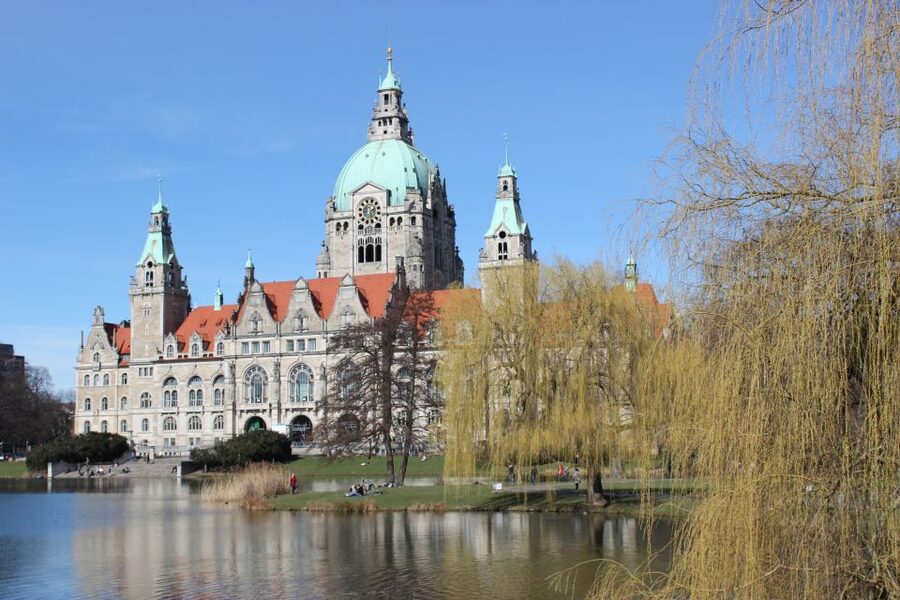
The Old Town Hall dates to 1410 and is one of the clearest civic highlights on the route. Its red-brick Gothic façade shows Hanover’s medieval confidence in a direct, practical way. This was a place tied to municipal life, trade, and the business of running the town.
Take time to look closely rather than treating the building as a quick photo stop. The value here is the explanation around it. A guide can help you connect the structure to the merchants and craftspeople introduced earlier, showing how civic buildings reflected the growing importance of urban government.
For me, this is the sort of stop that justifies taking a guided walk instead of following a map alone. A map can point out the Old Town Hall. It cannot easily explain how the building fits into the rise of Hanover or why red-brick Gothic architecture tells you something about the city’s past.
The stop also balances the half-timbered streets. The smaller historic buildings show daily life, while the Old Town Hall represents public authority. Together, they give you two sides of the medieval town.
More Old Town Walks:
- Hannover: Culinary Walking Tour Old Town
★ 4.6 · 25 reviews - Fritz Haarmann murder tour through Hanover’s old town
★ 4.5 · 7 reviews - Dresden: Semperoper and Old Town Tour
★ 4.8 · 5,735 reviews - Nuremberg: Old Town Guided Walking Tour
★ 4.6 · 2,416 reviews
Reading the symbols on the Market Church
The 14th-century Market Church brings religious history into the walk. Its western tower is especially memorable because of the pentagram, one of the building’s most dramatic visual details.
You do not need to arrive with specialist knowledge. The guide explains what the symbol represents, giving you a reason to look beyond the church’s overall shape and inspect the tower itself. That sort of detail can turn a familiar-looking church into a much more interesting stop.
The Market Church also helps explain the role of religion in the old city. Its age places it firmly within Hanover’s medieval story, while its position near the historic center shows how closely religious, civic, and commercial life once sat together.
I would pay attention here if you enjoy unusual architectural details. The pentagram is the tour’s most distinctive visual clue, and the guide’s explanation gives it meaning rather than leaving it as a curious shape on a tower.
The Guelphs and Hanover’s royal connection

The tour follows the footsteps of the Guelphs, the old noble family that shaped Hanover and provided an English king. This section adds political weight to the earlier story of merchants, churches, and town government.
The Guelph connection helps explain how Hanover moved beyond its medieval market-town roots. The city’s development was not only driven by local trade. Noble power and the status of an electoral residence changed its position and connected it to a much wider European story.
You may find this section especially useful if you want to understand why Hanover appears in discussions of British and German royal history. The experience does not present the connection as an isolated fact. It places the English royal link within the longer story of the Guelph family and Hanover’s growth.
The guide’s role matters here. Dynastic history can become a blur of names and titles, but a live explanation lets you ask questions. Simon, one named guide associated with the tour, was praised for handling questions competently and for making the walk feel lively rather than heavy.
Crossing into Calenberger Neustadt
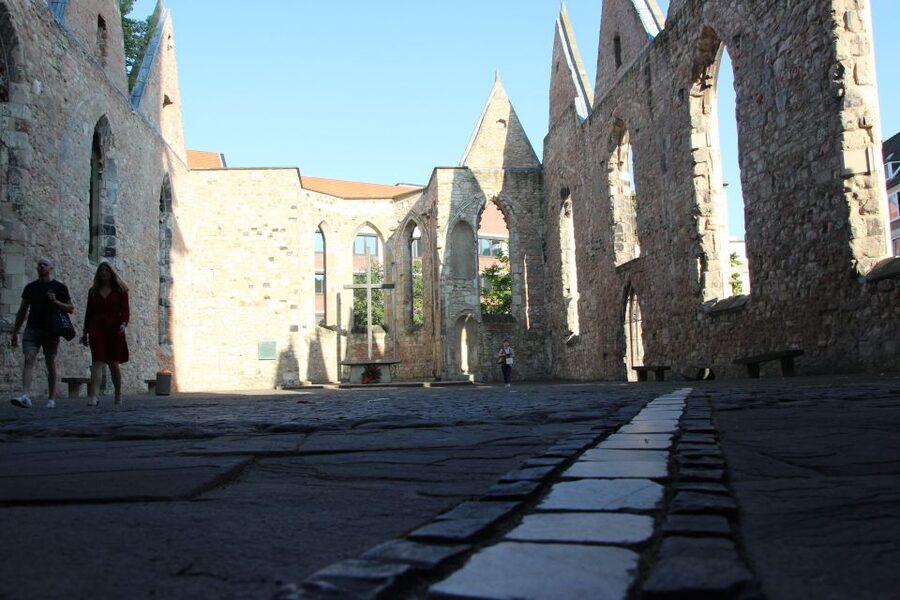
A short distance from the historic center, the tour reaches Calenberger Neustadt. This district changes the mood of the walk. Instead of focusing only on old façades and monuments, you see shops, restaurants, and snack bars that give the area a more everyday feel.
That shift is valuable because cities are not museum pieces. Calenberger Neustadt lets you see how Hanover’s historic story continues in a neighborhood where people eat, shop, and spend time. If you want a place to pause for food after the tour, the district’s restaurants and snack bars make it a practical ending point.
The guide also tells you about the great freedom of the 17th century. This is one of the tour’s more unusual themes, and it gives the district a political and social angle beyond its current food scene.
The precise meaning and background come from the German-language explanation, so your understanding will depend heavily on your ability to follow German. If you are comfortable in the language, this part should add depth. If you are not, the tour will be harder to appreciate, even though the streets and buildings remain visible.
Neustädter Markt and the story of Leibniz
The walk continues to Neustädter Markt, where the guide shares more stories about notable people connected with Hanover. One key figure is Gottfried Wilhelm Leibniz, described here as one of the greatest scholars of all time.
The tour asks what brought Leibniz to Hanover. That question gives the final section a human focus. Instead of ending with a general statement about the city’s importance, you get a specific person whose arrival reflects Hanover’s appeal as a place of political and intellectual activity.
Leibniz also broadens the experience beyond architecture. You begin with streets, churches, and civic buildings, then finish by considering the people who gave Hanover influence in scholarship and public life.
This stop works well as an ending because Neustädter Markt sits within a lived-in district rather than at a single grand monument. You finish with an anecdote and a sense of the city’s wider connections, not just a final photograph.
How the guide and brochure shape the experience
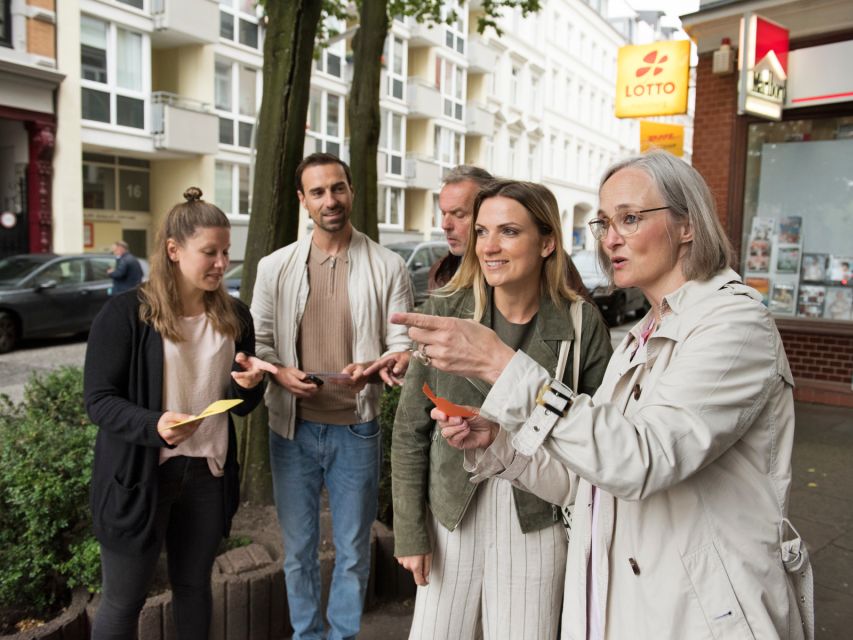
The guide is central to the value of this tour. You receive a live German-speaking guide and a brochure containing historical illustrations. The brochure gives you something visual to refer to while the guide explains how Hanover changed.
The strongest praise attached to the experience centers on the guide’s delivery. Simon was described as friendly, sympathetic, and able to answer questions with confidence. That combination matters on a history walk because a formal lecture can make two hours feel long, while a good conversation keeps the information moving.
A family with children aged 13 and 17 also found the tour enjoyable and praised the guide. That suggests the format can work for older children and teenagers, especially if they understand German and enjoy stories about unusual symbols, rulers, and famous figures.
The language remains the key condition. This is not a multilingual tour. German is the only stated language, so I would book it only if you can follow spoken German well enough to understand explanations and anecdotes.
Is $29 a fair price for two hours?
At $29 per person, the tour sits in a reasonable range for a two-hour guided city walk. You are paying for a live guide, a planned route through several historic areas, and historical material that helps you read what you see.
The value is strongest if Hanover is new to you. In two hours, you cover the Old Town, Old Town Hall, Market Church, Calenberger Neustadt, and Neustädter Markt, while also receiving background on the Guelphs, the 17th-century freedom of Calenberger Neustadt, and Leibniz.
The price is less compelling if you want a private tour in English or a highly flexible route. The experience is German only, and the available information does not promise a private group. Still, one booking with two people did take place with only that pair, so a small group is possible at some departures.
You can reserve now and pay later, and free cancellation is available up to 24 hours before the start for a full refund. Those terms reduce the risk of fitting the tour into a changing Hanover schedule.
Who will get the most from this walk?
I would choose this tour if you want a structured introduction to Hanover and enjoy learning why ordinary-looking streets matter. It suits first-time visitors, history-minded adults, and families with teenagers who can follow German.
It is also a good match if you prefer local neighborhoods to a list of famous sights. The Calenberger Neustadt section adds restaurants and snack bars, while the Old Town route shows both medieval traces and later political development.
I would skip it if you need English, require a fully accessible route, or prefer to explore at your own pace without a guide. The rain-or-shine policy also means you should be ready for outdoor walking in changing weather.
Bring comfortable shoes and suitable clothing. Pets are not allowed, so plan accordingly.
Should you book the Hanover Old Town walking tour?
Book it if you want Hanover’s story explained through real places: a 1410 town hall, a 14th-century church tower, half-timbered streets, Guelph power, 17th-century freedoms, and Leibniz at Neustädter Markt. At $29, it offers solid value for a focused two-hour introduction.
The decision comes down to language and walking ability. If German works for you and you can manage an outdoor route, this is a friendly, detail-filled way to get your bearings and see more than the postcard version of Hanover. If not, choose another format, because the guide’s spoken explanations are the heart of the experience.
FAQ
Where does the tour meet?
Meet your guide at the Beginenturm. The guide carries a pouch with the Meet the World logo.
How long does the Hanover Old Town tour last?
The walking tour lasts two hours.
What language is the tour conducted in?
The tour is conducted in German only.
How much does the tour cost?
The listed price is $29 per person.
What sights are included?
The route includes Hanover’s Old Town, the Old Town Hall, the Market Church, Calenberger Neustadt, and Neustädter Markt.
How old is the Old Town Hall?
The Old Town Hall dates to 1410.
How old is the Market Church?
The Market Church dates to the 14th century.
What unusual detail can you see on the Market Church?
You can see a pentagram on the church’s western tower. The guide explains what it symbolizes.
Is the tour suitable for people with mobility impairments?
The tour is not suitable for people with mobility impairments.
Can I cancel for a refund?
Yes. You can cancel up to 24 hours in advance for a full refund. You can also reserve now and pay later.
More Historical Tours
- Leipzig: City History Canal Sightseeing Tour on a Motorboat
★ 4.7 · 6,232 reviews - Berlin: Natural History Museum Entrance Ticket
★ 4.6 · 3,382 reviews - Leipzig: 1.5-Hour Historical Walking Tour in German
★ 4.7 · 2,217 reviews - Berlin: World Heritage Cruise to Potsdam
★ 4.5 · 1,435 reviews
Just added around Hanover
- Guided tour of the New Town Hall in Hanover★ 5.0 · 4 reviews
- Hannover: Guided tour of the Berggarten★ 4.1 · 4 reviews
- Taste and Travel Odyssey in Hanover★ 5.0 · 5 reviews
- Hanover: Guided Walking Tour of the Linden-Limmer District★ 5.0 · 6 reviews
- Hanover Private Walking Tour With A Professional Guide★ 5.0 · 7 reviews
- Fritz Haarmann murder tour through Hanover’s old town★ 4.5 · 7 reviews
- Goslar City guided tour★ 4.5 · 11 reviews
- Hannover: Private pub crawl with insider-guide & free shots★ 4.0 · 11 reviews
Old Town Walks, compared.


Old Town & Viktualienmarkt City Walk in German
Read our review →


The Night Watchman Old Town Walking Tour in German
Read our review →
Browse the lists this tour appears in