
Reviewed · HANOVER TOURS
Hannover: Guided tour of the Berggarten
Plants here do the talking. Hannover’s Berggarten guided tour gives you a focused look at one of Northern Germany’s most varied botanical collections, with greenhouses, tropical rarities, cacti, succulents, and up to 800 blooming orchids. I especially like the year-round appeal and the chance to see more than 12,000 plant species in one garden.
I also like the sensible 1.5-hour length. It is long enough to add meaning to the displays without turning a garden visit into a full-day study session. The main drawback is clear: the €3.50 garden entrance fee is not included, and the live tour is offered in German only.
In This Review
- Key points to know before you go
- What the Berggarten tour adds to a garden visit
- Entering a collection with more than 12,000 species
- The greenhouses and the orchid displays
- Tropical rarities in a Northern German setting
- Cacti and succulents bring a dry change of pace
- How the German-language guide shapes the experience
- Price, accessibility, and booking flexibility
- Who will enjoy the Berggarten most?
- Should you book the Berggarten guided tour?
- FAQ
- How long does the Berggarten guided tour last?
- What language is the tour offered in?
- Is the Berggarten entrance fee included?
- How much does the guided tour cost?
- What plants can you see during the tour?
- Are orchids available to see all year?
- Is the tour wheelchair accessible?
Key points to know before you go
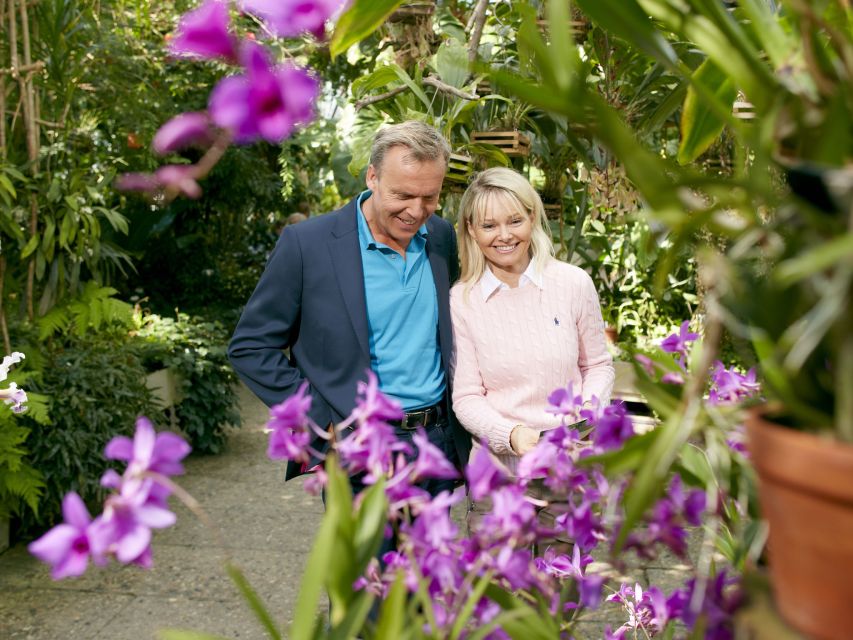
- Up to 800 flowering orchids make the greenhouses a strong choice for a winter or rainy-day visit.
- More than 12,000 plant species give the garden far more range than a simple flower walk.
- Tropical rarities, cacti, and succulents keep the tour varied from start to finish.
- The guided portion lasts 1.5 hours, a useful middle ground between a quick look and an exhausting plant lesson.
- German is the tour language, so basic German or a translation tool will help you follow the explanations.
- The €3.50 entrance fee is extra, so add it to the advertised price when working out your budget.
What the Berggarten tour adds to a garden visit
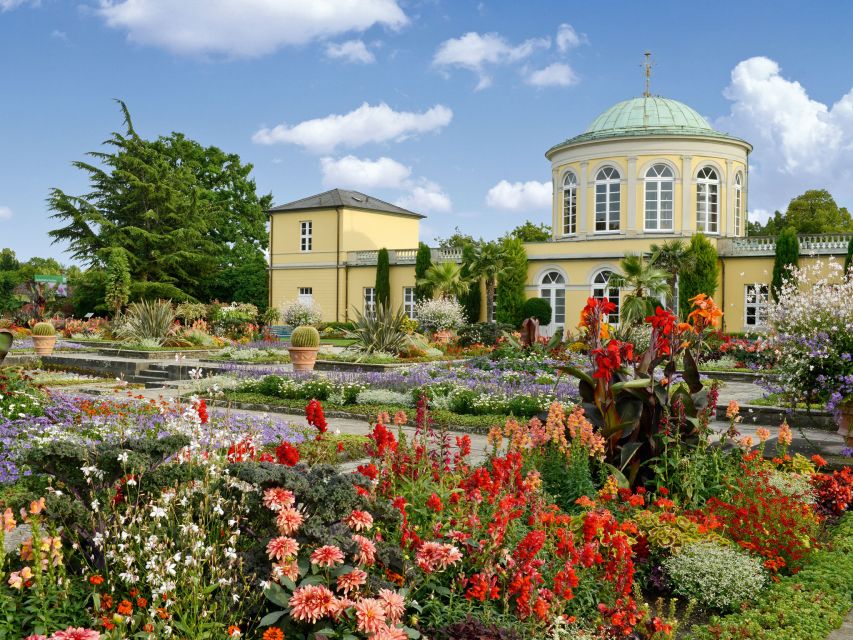
You can visit a botanical garden on your own, read labels, take photographs, and move at your own pace. That works well if you already know your orchids from your bromeliads. The guided tour adds a human thread, helping you understand why plants from very different parts of the world are displayed together and what makes each collection worth attention.
The tour price is listed at $12 per person, with a separate €3.50 entrance charge. That makes this a fairly modest paid activity, especially if you enjoy plants and would otherwise spend a similar amount on a short museum visit or city attraction. The value depends on the guide’s explanations, so the German-only format matters.
You should allow 1.5 hours for the tour itself. That is enough time for a steady introduction to the garden and its indoor displays, but not enough to examine every plant in a collection of more than 12,000 species. If you want a slow photographic wander afterward, plan extra time beyond the guided portion.
A few more tours and experiences worth a look
- Hannover: Guided Old Town Walking Tour
★ 4.5 · 338 reviews - Hanover: Royal Gardens of Herrenhausen Guided Tour
★ 4.6 · 78 reviews - Hannover: Guided Bike Tour for Foodies with Tastings
★ 4.8 · 64 reviews
Entering a collection with more than 12,000 species
The scale of the Berggarten is easy to underestimate. More than 12,000 plant species are available to see throughout the year, which means the visit is not tied to one short flowering season or a single outdoor display.
I like this breadth because it gives the tour a useful sense of contrast. You are not simply looking at one bed of flowers after another. The experience can move between plants shaped by very different climates and growing conditions, from humid tropical specimens to plants built for dry environments.
You might find the sheer number of species a little overwhelming at first. That is where the guide earns the admission price. Rather than trying to remember every name, listen for the larger ideas: how plants adapt, why rare specimens matter, and what separates a specialist collection from an ordinary public garden.
A practical tip is to choose a few plants or groups to remember instead of trying to retain everything. Harald, who took the tour in May 2024, found that there were many interesting details but too many to remember all at once. That is a fair warning. Bring a small notebook or use your phone for brief notes if you want to keep more than a general impression.
The greenhouses and the orchid displays
The greenhouses are likely to be the most memorable part of the visit for many people. They provide a controlled setting for plants that could not grow outdoors in Northern Germany, and they remain useful in every season.
The orchid collection is the headline attraction. Up to 800 orchids may be in bloom, giving you a large variety of shapes, colors, and growing styles to compare. The wording matters: the number refers to the possible display, so the exact selection and number in flower can change. Still, the collection gives the tour a strong focal point.
I would pay attention to the orchids as a group rather than treating them as a wall of pretty flowers. Their differences are part of the appeal. Some may look delicate and ornamental, while others have stranger forms or less obvious colors. A guide can point out details you might miss when walking past on your own.
This section should suit both serious plant fans and casual visitors. You do not need specialist knowledge to enjoy it. If you like photography, the greenhouse displays may also give you more to work with than the outdoor garden during colder months, though the available information does not promise any particular photo conditions.
Tropical rarities in a Northern German setting
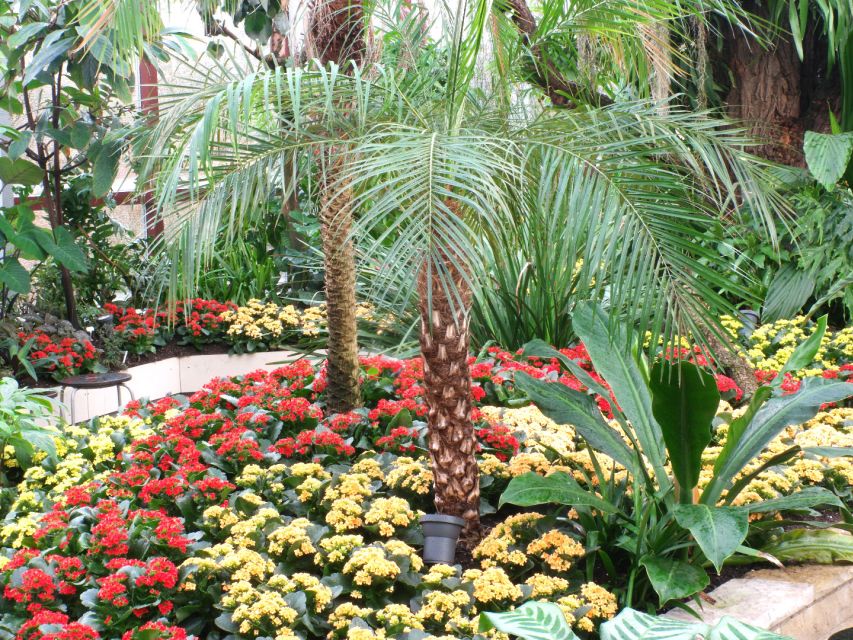
The tropical displays create one of the tour’s biggest changes in mood. Outside, you are visiting a garden in Northern Germany. Inside, you can see plants associated with warmer parts of the world, including tropical rarities that need special care.
That contrast is valuable because it turns the tour into more than a walk through attractive plants. You get a glimpse of how botanical gardens protect species that need carefully managed surroundings. The plants are not there only for decoration. Their presence also reflects the work involved in maintaining a collection from many parts of the world.
The phrase tropical rarities does not mean every plant will be rare or dramatic. You might find some specimens more subtle than expected. Give yourself time to look closely, especially at leaf shapes, growth patterns, and unusual structures that can be missed when you search only for large flowers.
The tropical area may be especially useful when the weather outside is poor. Because the displays are available all year, this tour can fill a damp afternoon in Hannover without asking you to rely on outdoor blooms.
Something different for another day:
- Hannover: 24-Hour Hop-On Hop-Off Sightseeing Bus Ticket
★ 4.2 · 298 reviews - Hanover: Crime Walking Tour
★ 4.5 · 243 reviews - Hanover: SEA LIFE Entry Ticket
★ 4.1 · 160 reviews - SEA LIFE Hannover Ticket
★ 4.0 · 96 reviews
Cacti and succulents bring a dry change of pace
After the tropical displays, the cacti and succulents offer a useful change. These plants are often treated as easy houseplants, but a botanical collection lets you see far more variety in form and size.
Look for the ways these plants handle dry conditions. Thick leaves, fleshy stems, spines, and compact shapes all point to different survival strategies. You do not need to memorize botanical terms to appreciate the basic lesson: plants adapt to their surroundings in very practical ways.
I like this part of the tour because it prevents the experience from becoming too focused on orchids. If you are visiting with someone who is less interested in flowers, the unusual shapes of cacti and succulents may keep the visit engaging.
The same caution applies here as elsewhere in the garden. A large collection can make the hour and a half pass quickly. You will not study every specimen in detail, so think of the guided visit as an introduction. You can return to a favorite section afterward if the garden’s access arrangements allow you to do so.
How the German-language guide shapes the experience
The live guide speaks German. If you are comfortable in German, this is the best way to get the full value from the tour, since plant names and growing details can be hard to follow through casual translation.
If your German is limited, you can still enjoy the visual side of the visit, but the spoken explanations may be difficult. A translation app may help with short phrases, though it will not always keep up with a live presentation. You should decide honestly how much interpretation you need before booking.
The format should suit people who want more context than a self-guided visit provides. It is also a good fit for anyone who enjoys asking questions about plants, provided the tour structure allows time for them. It may be less suitable if you prefer complete freedom to stop, photograph, or move ahead whenever you wish.
The overall rating is 4.1 from four submitted ratings, which suggests a generally positive but not flawless response. That matches the practical picture: the garden collection is the strong point, while language and the separate entrance fee may affect how much value you feel you receive.
Price, accessibility, and booking flexibility
At $12 per person, the tour is reasonably priced for 1.5 hours with a live guide. You must add the €3.50 entrance fee, making the true cost slightly higher than the headline tour price. Check the exchange rate and the booking currency before you finalize your plans.
Wheelchair access is available, which makes this a more practical choice for many visitors than activities centered on uneven paths or difficult historic interiors. The provided information does not give details about every route surface, restroom, or greenhouse entrance, so you may want to confirm any specific mobility needs directly before booking.
You can cancel up to 24 hours in advance for a full refund. The reserve-now, pay-later option also helps if your Hannover schedule is still shifting. Check the available starting times, since the tour runs at set times rather than as an open-ended guided service.
Who will enjoy the Berggarten most?
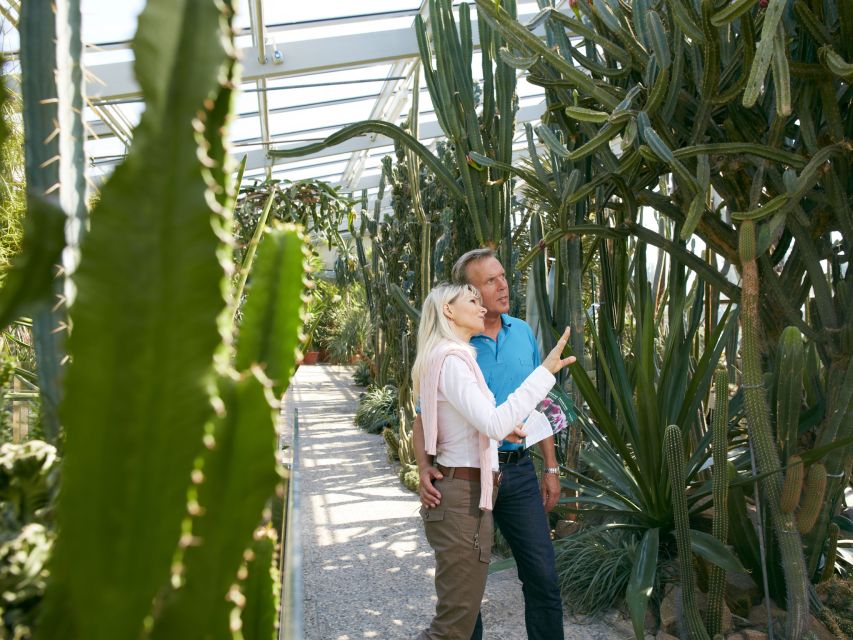
I would choose this tour if you like gardens, indoor plant collections, photography, or short cultural activities with a clear focus. It is particularly useful if you are visiting Hannover outside peak flowering season and want an attraction that works throughout the year.
Families may enjoy the visual variety, especially the orchids and unusual cacti, though the German commentary may limit the educational side for children who do not speak German. Plant students and keen gardeners will probably get the most from the guide’s details, but casual visitors can enjoy the displays without knowing botanical vocabulary.
I would think twice if you want an entirely self-paced visit or if you cannot follow German. You will still see the plants, but the guided element is the reason to pay for this experience rather than simply visiting the garden independently.
Should you book the Berggarten guided tour?
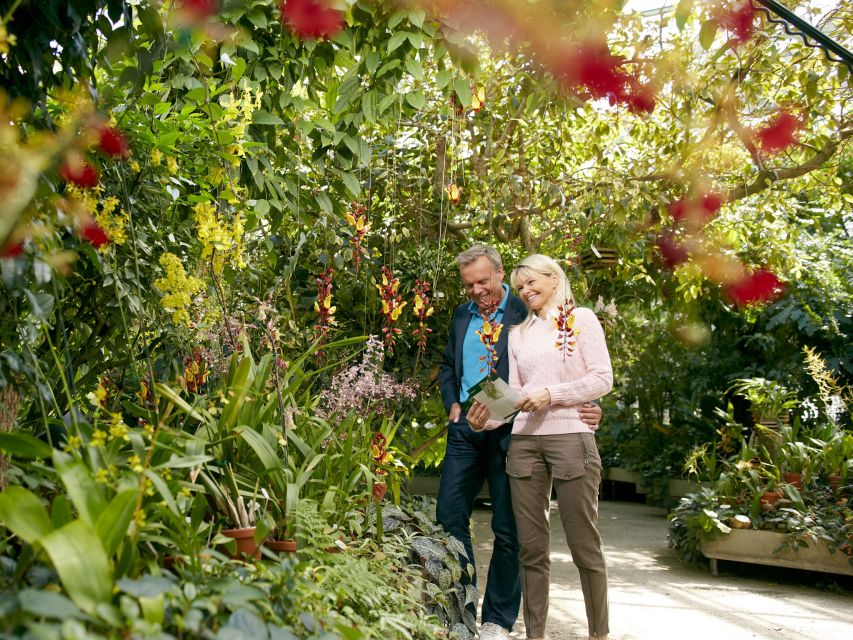
Book it if the idea of seeing orchids, tropical rarities, cacti, and succulents in one visit appeals to you. The collection’s year-round range is the main reason to go, and the 1.5-hour format fits neatly into a day of sightseeing.
Before booking, add the €3.50 entrance cost and consider the German-language guide. If those points work for you, this is a good-value, focused introduction to one of Hannover’s most interesting plant collections. If you already plan to spend hours examining every species on your own, skip the guide and use the extra money for more time inside the garden.
FAQ
How long does the Berggarten guided tour last?
The guided tour lasts 1.5 hours.
What language is the tour offered in?
The live tour guide speaks German.
Is the Berggarten entrance fee included?
No. The entrance fee of €3.50 is separate from the tour price.
How much does the guided tour cost?
The listed tour price is $12 per person, not including the €3.50 entrance fee.
What plants can you see during the tour?
The garden includes more than 12,000 plant species, with orchids, tropical rarities, cacti, and succulents among the main displays.
Are orchids available to see all year?
The showrooms contain up to 800 blooming orchids all year round, though the exact number in bloom may vary.
Is the tour wheelchair accessible?
Yes. The activity is listed as wheelchair accessible.
Just added around Hanover
- Guided tour of the New Town Hall in Hanover★ 5.0 · 4 reviews
- Taste and Travel Odyssey in Hanover★ 5.0 · 5 reviews
- Hanover: Guided Walking Tour of the Linden-Limmer District★ 5.0 · 6 reviews
- Hanover Private Walking Tour With A Professional Guide★ 5.0 · 7 reviews
- Fritz Haarmann murder tour through Hanover’s old town★ 4.5 · 7 reviews
- Goslar City guided tour★ 4.5 · 11 reviews
- Hanover: Old Town Historical Walking Tour by Geo Epoche★ 4.4 · 11 reviews
- Hannover: Private pub crawl with insider-guide & free shots★ 4.0 · 11 reviews
Hanover Tours, compared.






Browse the lists this tour appears in