
Reviewed · MEMORIAL & CONCENTRATION CAMP TOURS
From Berlin: Sachsenhausen Concentration Camp Day Trip
Some places demand quiet attention. This five-hour trip from Berlin takes you to Sachsenhausen, a former Nazi concentration camp built in 1936 as a model for the camp system. I like the small group of up to 15 people and the way guides such as Tina, Will, Xavier, and Julie bring historical events and personal stories into the walking tour. The main drawback is that your ABC public transport ticket costs extra, and the visit takes place rain or shine.
I also like that the tour begins in central Berlin, at the Red Town Hall, rather than requiring you to find your own way to Oranienburg. It is a serious, carefully focused experience, not a sightseeing outing, so you should allow time afterward to process what you have seen.
In This Review
- Key points to know before booking
- Why Sachsenhausen deserves a place in your Berlin plans
- Meeting at the Red Town Hall and taking the train
- Entering through Sachsenhausen’s main gate
- Understanding who was imprisoned and why
- The memorial and time for reflection
- What the guides add to the experience
- The five-hour schedule and physical demands
- Is $32 a fair price?
- Who should book this Sachsenhausen tour?
- Practical tips for a respectful visit
- Should you book the Sachsenhausen day trip?
- FAQ
- Where does the Sachsenhausen tour begin?
- Where does the tour end?
- How long does the Sachsenhausen day trip last?
- Is the public transport ticket included?
- Is entry to Sachsenhausen included?
- What language is the tour conducted in?
- Does the tour run in bad weather?
Key points to know before booking
- The tour starts at Berlin’s Red Town Hall: You meet your English-speaking guide at the main entrance before taking public transport to Oranienburg.
- Sachsenhausen was built in 1936 as a model camp: The tour explains why the Nazis created it and how it fit into their system of persecution.
- The main gate is an emotionally powerful entry point: Walking through it gives the visit a strong sense of place before the guided history begins.
- The guide is the heart of the experience: Tina, Will, Xavier, and Julie have earned especially warm praise for clear explanations, personal stories, and patient answers.
- Your ABC ticket is not included: You must buy the required public transport ticket separately before setting out.
- Expect a five-hour visit in all weather: Wear suitable clothing and be ready for a serious walking tour with no cheerful tourist gloss.
Why Sachsenhausen deserves a place in your Berlin plans
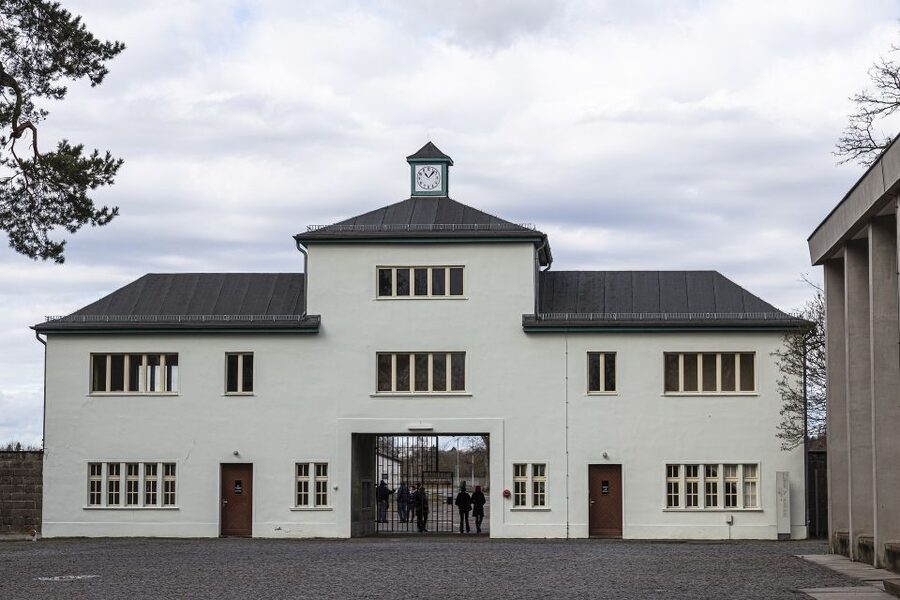
Berlin has enough museums, palaces, and nightlife to fill several trips. Sachsenhausen offers something different. It asks you to leave the city center and confront one of the clearest physical reminders of Nazi persecution in the Berlin area.
The camp was built in 1936, before the Second World War began, and was intended to serve as a model for other Nazi concentration camps. That fact gives the visit an important starting point. You are not simply being shown an old prison site. You are learning how the Nazi camp system was planned, organized, and used against people the regime wanted to imprison, punish, or destroy.
I value the guided format here because the site carries a great deal of historical weight. Without context, you might see walls, buildings, gates, and memorials without fully understanding what happened there. A good guide connects the physical remains with the decisions, policies, and human suffering behind them.
The tour also covers both the persecutors and the victims. That balance matters. You hear about the people who designed and enforced the system, as well as the political prisoners and other persecuted groups held at Sachsenhausen. The result is a visit based on historical understanding rather than shock alone.
More memorial visits:
- Berlin: Sachsenhausen Concentration Camp Tour in English
★ 5.0 · 5,711 reviews - Berlin: Sachsenhausen Concentration Camp Memorial Tour
★ 4.7 · 3,716 reviews - Sachsenhausen Concentration Camp Bus Tour in English from Berlin
★ 5.0 · 1,962 reviews
Meeting at the Red Town Hall and taking the train
Your day begins in front of the entrance to Berlin’s Red Town Hall, known in German as the Rotes Rathaus. This is a practical meeting point in the center of Berlin, and the guide helps the group get organized before the trip north.
From there, you take public transportation to Oranienburg. The ABC zone ticket is not included in the tour price, so buy it before meeting the guide or make sure you have the correct ticket ready. This is an important cost and planning detail. At $32 per person, the tour is reasonably priced, but your actual spend is slightly higher once transportation is added.
The train journey also gives the guide time to introduce the subject and explain the day’s plan. Several guides have been praised for helping with public transport, including during a difficult day when trains stopped running. That kind of practical help can make a real difference, especially if you are unfamiliar with Berlin’s ticket zones or rail system.
I would not treat the trip to Oranienburg as dead time. It creates a gradual shift from central Berlin to a site where the pace and mood are very different. You have time to prepare yourself mentally before entering Sachsenhausen.
Entering through Sachsenhausen’s main gate
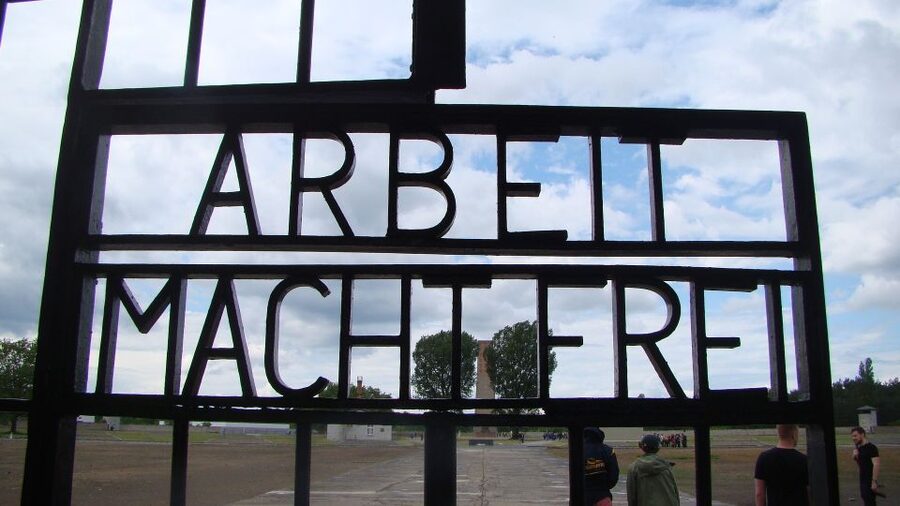
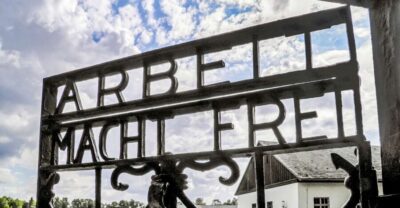
The main gate is one of the most important moments of the visit. You enter the former camp through this gate with your guide, rather than arriving alone and trying to make sense of the site from a map or a few display panels.
That entry gives the tour a clear beginning. The guide explains the events that led to the camp’s creation in 1936 and why Sachsenhausen was considered a model for other Nazi camps. I find this particularly useful because it places the camp within a wider system instead of presenting it as an isolated place of suffering.
The physical act of walking through the gate can be difficult. It is not a theatrical moment, and it should not be treated as one. The power comes from knowing that this was a controlled entrance to a place built to imprison and persecute human beings.
Your guide sets the tone. The strongest feedback has focused on guides who speak clearly, remain easy to follow, and allow time for questions. Will has been praised for making a very serious subject understandable, including for a family group with two children. Tina has been singled out for using quotations and poems connected with people affected by the camp.
Understanding who was imprisoned and why
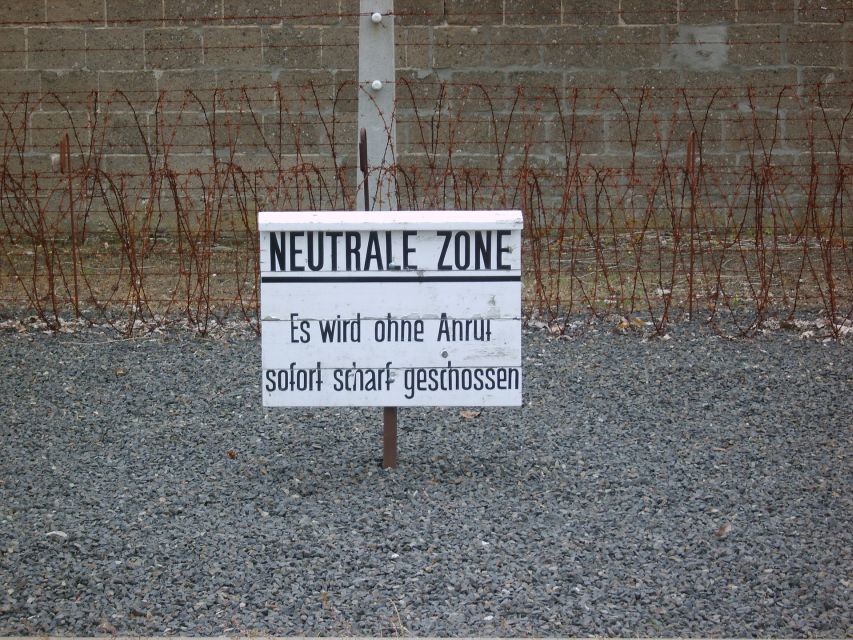
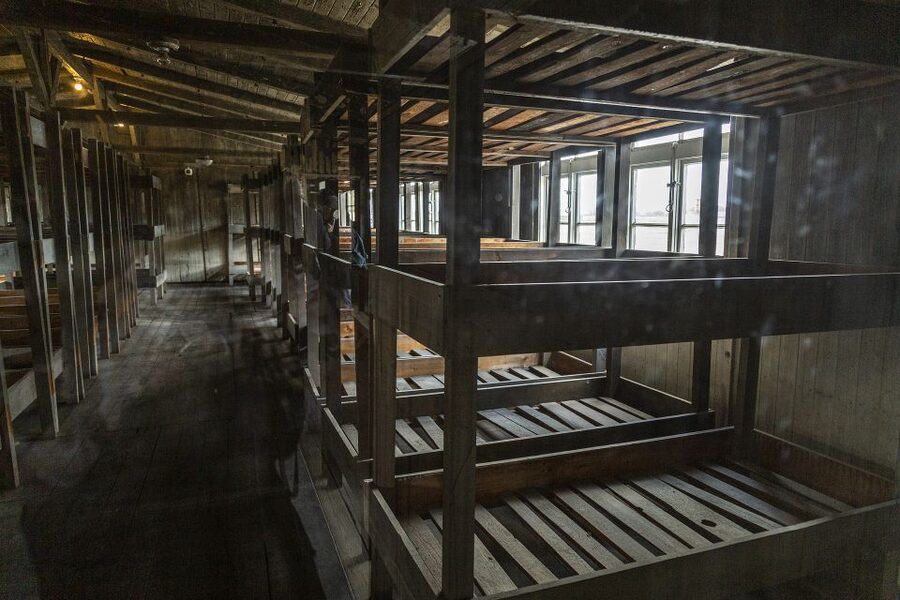
A major part of the walking tour is learning who was held at Sachsenhausen and why the Nazi regime targeted different groups. The experience covers political prisoners and other persecuted groups, while also explaining the wider Nazi system of repression.
This is where a guided visit offers much more than a self-directed walk. The question is not only what happened inside the camp. You also need to understand how propaganda, political control, persecution, and organized violence led to the camp’s creation and operation.
The guide discusses the atrocities connected with Sachsenhausen and explains the stories behind them. Specific survivor accounts and personal stories help turn a large historical subject into something you can grasp. Tina’s use of poems and quotations is a good example of this approach. It adds a human voice without turning the visit into a performance.
I appreciate the chance to ask questions during the tour. Xavier has been praised for his strong command of the subject, while several guides have been described as open and helpful when participants needed clarification. That matters because Sachsenhausen raises difficult questions, and a short printed description cannot answer them all.
Still, I would set realistic expectations. Five hours is enough for a guided introduction and a serious visit, but it cannot explain every part of the camp’s history. You will receive a focused account rather than an exhaustive study of every prisoner, date, or event.
A few more tours and experiences worth a look
- Berlin Complete in one day
★ 5.0 · 222 reviews - Private Tour: Potsdam Day Trip from Berlin
★ 4.5 · 43 reviews - Private Day Trip to Potsdam from Berlin by Train
★ 4.5 · 27 reviews - Berlin in one day – day tour with an expert guide
★ 5.0 · 14 reviews
The memorial and time for reflection
The visit includes a stop at the memorial to the victims of Sachsenhausen. This is the point where the historical information becomes personal and quiet reflection takes over.
You are given the chance to pay your respects rather than being rushed from one explanation to the next. That pause is valuable. A concentration camp visit should not feel like a checklist of attractions, and the memorial helps keep the focus on the people who suffered and died.
The experience is described as eye-opening, somber, and powerful. Those are useful expectations. You may find the visit emotionally demanding, particularly because the tour combines the physical setting with accounts of persecution and cruelty.
I recommend leaving some unscheduled time after returning to Berlin. The activity ends back at the Red Town Hall, but you may not feel like moving straight into a busy restaurant or another packed attraction. The guide can provide the structure, but you decide how much quiet time you need afterward.
What the guides add to the experience
The guide quality is the strongest reason to book this particular format. A site like Sachsenhausen can feel confusing without someone to explain its purpose and connect its history to the people held there.
Tina has been praised for explaining how the camp system began and for bringing in quotations and poems. Will receives repeated praise for being informative, passionate, and easy to listen to. His approach has also worked well for families, since the subject was explained in a way that younger participants could understand.
Julie made such a strong impression on one couple that they chose to join her free walking tour the next day. That suggests a guide who can make serious material accessible while keeping the group engaged. Xavier has also received praise for his command of the tour’s subject.
Of course, guide quality can vary from one departure to another. You should not assume that every tour will have the same person. Still, the repeated pattern is encouraging: the guides are expected to explain clearly, answer questions, and help with the public transport portion of the day.
The group limit of 15 participants is another advantage. It is small enough for the guide to hear questions and keep the group together, but large enough to provide a shared, respectful experience. A smaller group also makes it easier to stay close to the guide at a site where concentration and attention matter.
The five-hour schedule and physical demands
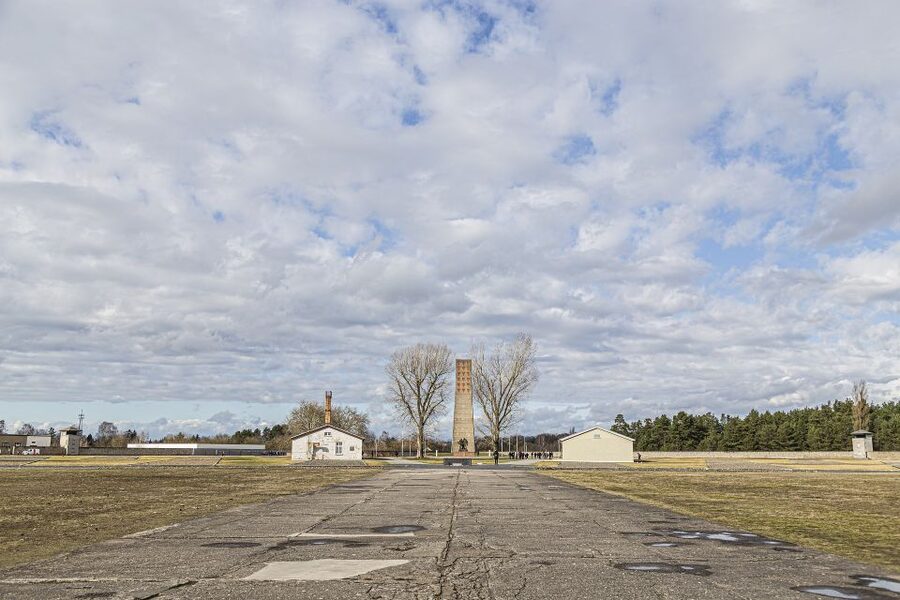
The advertised duration is five hours, including the journey from central Berlin to Oranienburg and the return to the Red Town Hall. That makes this a half-day activity, not a quick side trip.
You should expect a guided walking tour around the camp site. The exact balance of walking, explanations, transport, and reflection may vary with the guide and the group, but you will need comfortable, weather-appropriate clothing.
The tour operates rain or shine. Berlin weather can change quickly, so check the forecast and dress for time outdoors. A waterproof layer, comfortable shoes, and something warm in cooler weather are sensible choices. The information provided does not promise shelter throughout the experience, so do not plan on treating this as an indoor museum visit.
The tour is wheelchair accessible, which is useful information when planning. If you have specific mobility concerns, contact the provider before booking so you can confirm that the route and transport arrangements suit your needs.
The emotional demands may matter as much as the physical ones. Parents should think carefully about how to explain the subject to children before booking. The tour can work for families, as Will’s experience with two children shows, but the content remains serious and upsetting.
Is $32 a fair price?
At $32 per person, the tour offers good value for a five-hour guided experience, especially since entry to Sachsenhausen and the guide are included. You are paying for the historical explanation, the group organization, the journey from central Berlin, and help with the public transport route.
The extra ABC ticket is the main cost to remember. Hotel pickup and drop-off are also not included. That is normal for a city-center meeting tour, but it means you must reach the Red Town Hall on your own and return there at the end.
I think the value is strongest if you want structure. You could make the trip to Oranienburg independently, but then you would need to manage the route, understand the site, and find reliable historical information yourself. The guide saves time and adds meaning to what you see.
The price also includes the reassurance of a small group. With no more than 15 participants, this is not a large coach excursion where you struggle to hear the explanation. At a serious memorial site, that difference is worth considering.
Free cancellation up to 24 hours before departure and the reserve-now, pay-later option make planning easier. These policies do not change the nature of the visit, but they are useful if your Berlin schedule is still shifting.
Who should book this Sachsenhausen tour?
I would recommend it to you if you want a clear introduction to Sachsenhausen and prefer to travel with an English-speaking guide. It suits first-time visitors to Berlin who want to understand the Nazi camp system rather than simply see the site.
It is also a good choice if public transport in Berlin feels confusing. The meeting point is central, the guide accompanies you to Oranienburg, and help is available with the train journey. That removes much of the practical stress.
Families should make the decision together. The tour can be explained in an accessible way, but the subject is not light. Older children and teenagers who are ready for difficult history may find it meaningful, while younger children may not be comfortable with the material.
You might choose a different plan if you want to explore entirely at your own pace or if you dislike guided walking tours. The five-hour schedule is fixed enough to give the day shape, and the rain-or-shine policy requires some commitment.
Practical tips for a respectful visit
- Buy the required ABC zone ticket before the meeting time.
- Meet in front of the main entrance to the Red Town Hall, not at Sachsenhausen.
- Wear clothing suited to the forecast, since the tour runs in all weather.
- Use comfortable footwear for the walking portion.
- Bring questions, but allow the guide to set a respectful pace.
- Avoid scheduling a loud or crowded activity immediately afterward.
- If you are bringing children, explain beforehand that this is a memorial and a serious history tour.
- Keep the group together during the transport portion and listen for instructions if the rail service changes.
The transport tip deserves special attention. One guide managed to reach Sachsenhausen and return with the group even when trains shut down, which shows the benefit of having an experienced escort. It does not guarantee that every disruption will be handled the same way, but it is one more reason this organized trip can be easier than going alone.
Should you book the Sachsenhausen day trip?
Book this tour if you want a serious, guided visit with a central Berlin meeting point, a small group, and a clear explanation of Sachsenhausen’s role in Nazi persecution. The $32 price is fair for the guide and entry, though you should add the ABC transport ticket to your budget.
I would especially choose it for a first visit, for anyone unsure how to reach Oranienburg, or for families and small groups who want an English-language explanation. The strongest guides, including Tina, Will, Xavier, and Julie, are praised for clear storytelling, personal accounts, patience, and emotional care.
Skip it only if you are not ready for a somber memorial visit or if you need complete independence. This is not a casual day out. It is a carefully focused encounter with a painful place, and it deserves your full attention.
FAQ
Where does the Sachsenhausen tour begin?
The tour begins in front of the entrance to Berlin’s Red Town Hall, also called Rotes Rathaus.
Where does the tour end?
The activity ends back at the Red Town Hall meeting point.
How long does the Sachsenhausen day trip last?
The tour lasts five hours. Starting times vary, so check availability when booking.
Is the public transport ticket included?
No. You must purchase an ABC zone public transport ticket separately.
Is entry to Sachsenhausen included?
Yes. Entry to Sachsenhausen Concentration Camp is included in the tour price.
What language is the tour conducted in?
The tour is conducted in English with a live guide.
Does the tour run in bad weather?
Yes. The tour takes place rain or shine, so bring weather-appropriate clothing.
Just added around Berlin
- Berlin: Private Guided Tour of the Main Sights★ 5.0 · 13 reviews
- Private Highlights of Berlin Bike Tour★ 5.0 · 13 reviews
- Modern Berlin Private Walking Tour: Diverse, Vibrant and Exciting German Capital★ 5.0 · 13 reviews
- Tour in Berlin from Warnemünde and Rostock Cruise Port★ 4.1 · 13 reviews
- Berlin: Stasi Museum Private Guided Tour with Entry Ticket★ 4.8 · 13 reviews
- Private Food Tour Experience with a born and bred Berliner★ 5.0 · 14 reviews
- Berlin: Rheinsberg Palace Entrance Ticket★ 4.8 · 14 reviews
- Berlin in one day – day tour with an expert guide★ 5.0 · 14 reviews
Memorial & Concentration Camp Tours, compared.
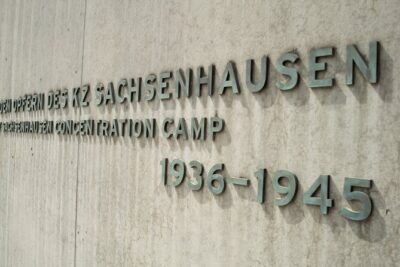
Sachsenhausen Concentration Camp Tour in English
Read our review →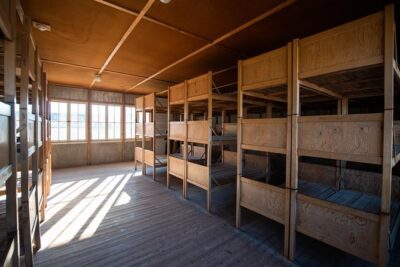
Dachau Concentration Camp Memorial Site Tour from Munich by Train
Read our review →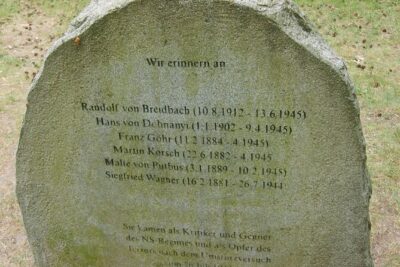
Sachsenhausen Concentration Camp Memorial Tour
Read our review →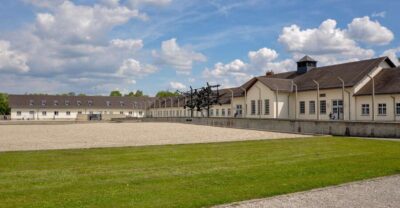

Sachsenhausen Concentration Camp Bus Tour in English from Berlin
Read our review →Sachsenhausen Concentration Camp Tour in English
Read our review →
Sachsenhausen Concentration Camp Memorial Tour (Max. 15 Guests)
Read our review →Browse the lists this tour appears in