Reviewed · BERLIN TOURS
Berlin: The Feuerle Collection Meditation Experience
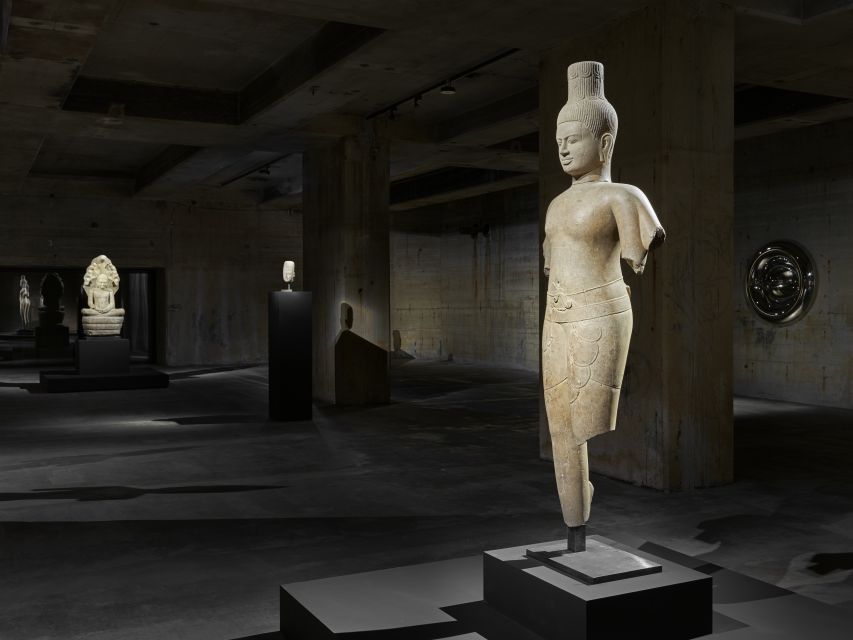
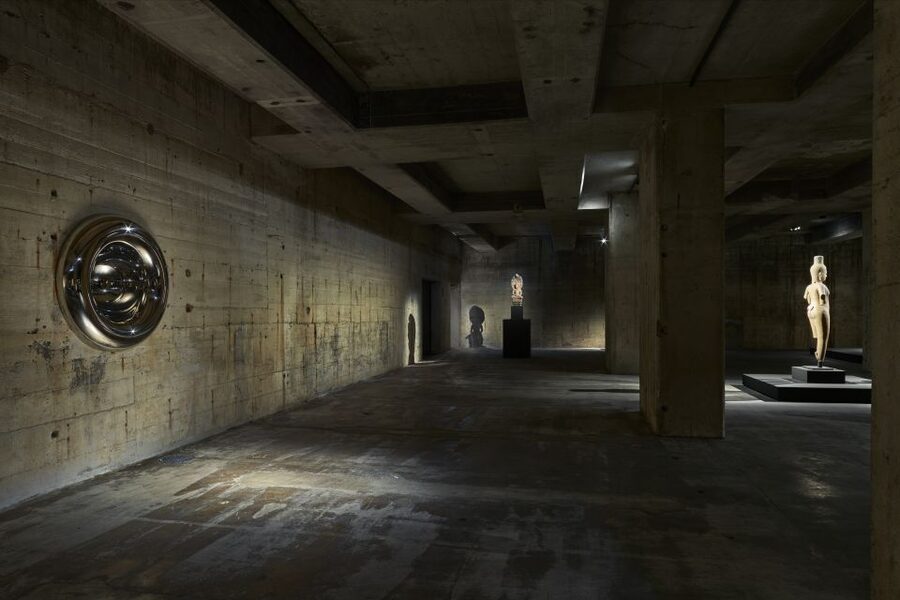
Berlin gets quiet underground. The Feuerle Collection offers an unusual hour of silence, phone-free time, and close attention to art from very different eras. I like the chance to sit with early Khmer sculptures and Imperial Chinese furniture, then shift your attention to contemporary artists such as Anish Kapoor and Cristina Iglesias.
I also like that meditation is optional. You can use the yoga mat and blanket, sit in contemplation, or simply walk quietly through the rooms. The main consideration is clear: this is not a guided museum visit. If you want explanations, dates, and a traditional tour, this $25 experience may feel spare.
- Silent mobile detox: Put your phone away and give your attention to one place for a full hour.
- Three striking settings: Pass through the Sound Room and underground Lake Room before settling among the art.
- Wide historical range: See Khmer sculpture from the 7th to 13th centuries and Chinese furniture from the 2nd century B.C. to the 17th century.
- Meditation without pressure: You may meditate, sit quietly, or walk through the exhibition in silence.
- Small-group feel: One particularly positive account describes an unusual, relaxing experience in a small group, though group size is not guaranteed.
- Adults and older teens: The experience is not suitable for children under 16.
In This Review
- Why This Berlin Experience Feels Different
- Beginning in the Sound Room
- The Underground Lake Room
- Khmer Sculptures from the Seventh to Thirteenth Centuries
- Imperial and Scholar Chinese Furniture
- Contemporary Works by Six Artists
- Meditation, Walking, or Simply Sitting
- What the $25 Price Really Buys
- Who Should Book This Experience
- Practical Details for a Smoother Visit
- Should You Book the Feuerle Collection?
- FAQ
- How long does the Feuerle Collection meditation experience last?
- Is meditation required?
- Is the visit guided?
- What artworks can I see?
- Are a yoga mat and blanket included?
- Is the experience wheelchair accessible?
- Can children join the experience?
Why This Berlin Experience Feels Different
Most museum visits ask you to read, compare, and keep moving. The Feuerle Collection asks you to slow down. For one hour, your job is not to collect facts. It is to notice what happens when you remain quiet in front of an object.
That change matters. A Khmer sculpture can look very different when you are not rushing toward the next label. Chinese furniture can become less about its age and more about its shape, surface, and balance. Contemporary works may feel stranger or more demanding when the room gives you time to look without interruption.
The experience is built around contrast. Ancient Khmer pieces share space with Imperial and Scholar Chinese furniture, while modern works by Anish Kapoor, Cristina Iglesias, Adam Fuss, Zeng Fanzhi, James Lee Byars, and Nobuyoshi Araki add a more recent, sometimes unsettling note.
You should come prepared for atmosphere rather than instruction. There is no guide explaining the works, no lecture, and no scheduled interpretation of the collection. The silence is the point.
That makes the visit appealing to someone who has already spent several busy days in Berlin and wants a pause. It also makes the experience a poor match for someone who wants to understand the art through context. You may leave with a strong impression, but not necessarily with answers to every question.
Beginning in the Sound Room
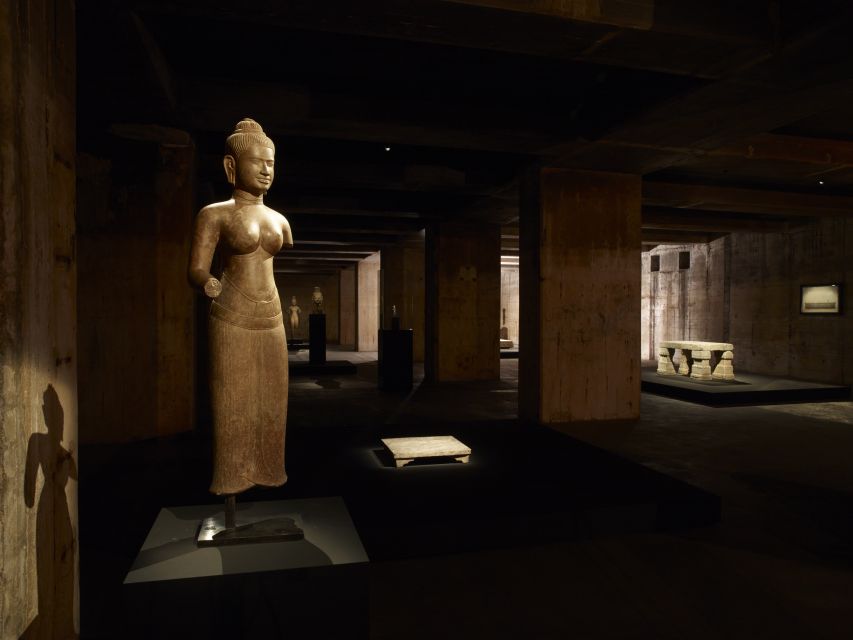
The route takes you through the Sound Room before reaching the underground Lake Room. Even from the names, you can expect the surroundings to play an important role. This is not simply a room-by-room art display with the setting treated as decoration.
The passage toward the Sound Room helps separate this visit from an ordinary gallery stop. You are moving into a quieter, more controlled environment. The change in pace prepares you to pay attention to sound, emptiness, and the physical feeling of the rooms.
You do not need to know how to meditate to take part. You might sit on the provided yoga mat, wrap yourself in the blanket, and focus on your breathing. You might also remain standing and look carefully at the works. The instructions allow for both.
This flexibility is one of the experience’s strongest features. A formal meditation class can make beginners nervous. Here, you are not being graded on posture or technique. You are being asked to keep quiet and give the art your attention.
The setting may also challenge you in a good way. Silence can feel refreshing after a day of Berlin traffic, conversation, and phone alerts. It can also feel awkward at first. If you are used to moving quickly through museums, the first minutes may seem unusually slow. Give yourself time to adjust.
Other Berlin trips people book alongside this one:
- Berlin: Reichstag, Dome and Government District Guided Tour
★ 4.7 · 18,288 reviews - Berlin: 1-Hour City Tour by Boat with Guaranteed Seating
★ 4.3 · 16,993 reviews - Berlin: Boat Tour Along the River Spree
★ 4.4 · 11,252 reviews
The Underground Lake Room
The Lake Room is one of the main reasons this experience feels unlike a standard exhibition. You walk into an underground space where the art, darkness, and stillness work together. The available details do not promise a particular visual effect or explain the room’s exact design, so you should not arrive expecting a specific spectacle.
What you can expect is a deliberate change of mood. The Lake Room gives you a place to stop, sit, and look without a crowd pressing you onward. The route itself becomes part of the visit.
This is also where the $25 price needs a fair reading. You are not paying only for access to objects. You are paying for a one-hour experience built around controlled quiet, a distinctive setting, and time with the collection. If that sounds meaningful to you, the price is reasonable for Berlin.
If you mainly want to see as many artworks as possible, the value is less certain. One hour is not long, and a silent format may feel slow if your goal is to gather information. You also cannot count on a guide filling in the gaps.
Khmer Sculptures from the Seventh to Thirteenth Centuries
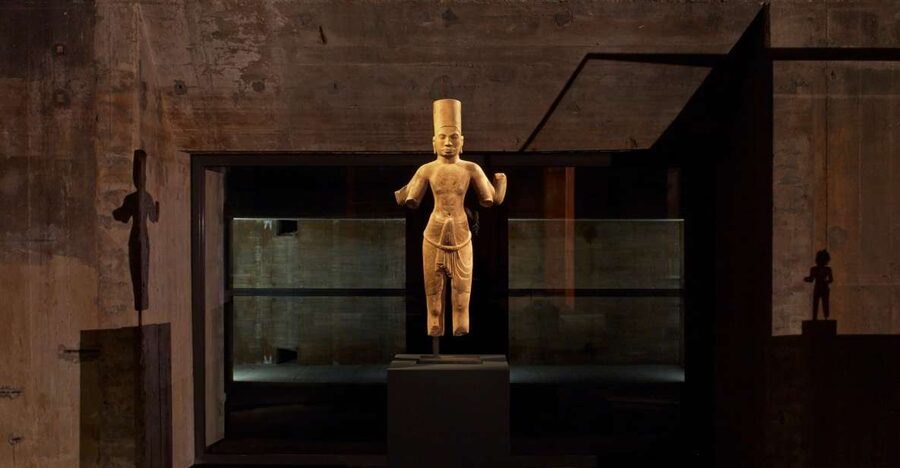
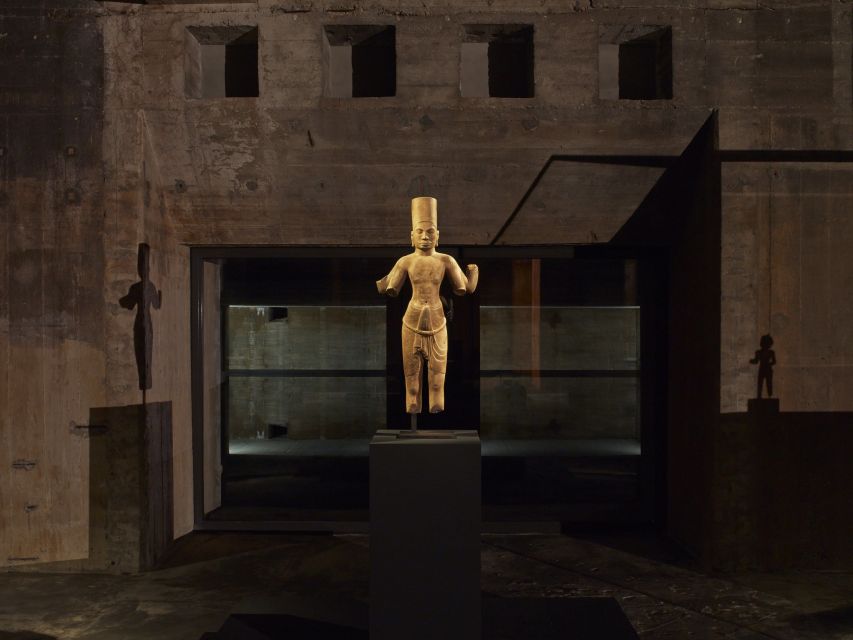
The early Khmer sculptures provide the oldest part of the collection’s historical range. Dating from the 7th to the 13th century A.D., these works bring centuries of Southeast Asian art into a setting that also includes Chinese and contemporary pieces.
Their importance here is not only their age. In a quiet room, you can pay attention to posture, carved detail, expression, and the way each sculpture occupies space. You are free to look for visual links between the ancient works and the modern pieces nearby.
Without a guide, you will need to form your own response. That can be rewarding if you enjoy looking first and researching later. It can be frustrating if you want to know where a work was made, what it represents, or how it fits into Khmer art.
I suggest treating the Khmer sculptures as objects for patient observation rather than a lesson in Southeast Asian history. The experience gives you room for contemplation, but it does not provide the background needed for a full art-historical study.
Imperial and Scholar Chinese Furniture
The Chinese furniture spans a broad period, from the 2nd century B.C. through the 17th century A.D. That range gives the exhibition another kind of contrast. Instead of focusing only on sculpture, you are looking at crafted objects designed for use, status, and daily life.
Furniture can be easy to hurry past in a museum. The quiet format encourages you to notice proportions, material, joinery, and the relationship between an object and the empty space around it. You may find yourself looking at a chair or table less as a practical item and more as a carefully formed work of art.
The collection brings together Imperial and Scholar furniture, two categories that suggest different social settings and uses. Still, the experience does not explain those distinctions. If this is your first encounter with Chinese furniture, you may want to read about it before or after your visit.
The lack of explanation is not automatically a flaw. The Feuerle Collection is asking you to experience the objects directly. Just keep your expectations realistic. You will have the space to look, but not a museum educator to tell you what you are seeing.
Something different for another day:
- Discover Berlin Half-Day Walking Tour
★ 5.0 · 9,624 reviews - Berlin: Hop-on Hop-off Bus Tour with Live Commentary
★ 4.3 · 8,579 reviews - Berlin: Government District around the Reichstag Guided Tour
★ 4.7 · 8,447 reviews - Berlin: Reichstag, Plenary Chamber, Cupola & Government Tour
★ 4.6 · 8,422 reviews
Contemporary Works by Six Artists
The modern pieces prevent the exhibition from becoming a display of only historical objects. Works by Anish Kapoor, Cristina Iglesias, Adam Fuss, Zeng Fanzhi, James Lee Byars, and Nobuyoshi Araki introduce different materials, ideas, and emotional tones.
This mix can be surprising. You move from Khmer sculpture to Chinese furniture, then encounter art made in the modern and contemporary periods. The works do not all offer the same kind of beauty. Some may feel calm, while others may feel strange, stark, or difficult to understand.
Araki’s presence also means that some of the art may include erotic subject matter. One French-language account specifically appreciated the combination of Chinese art and erotic art, along with the option to meditate or simply look. If you prefer museum displays with a clear age-appropriate family focus, note that children under 16 cannot take part.
The contemporary works are particularly well suited to a silent format because they may need time. You cannot rely on a guide to settle your reaction. Instead, you can notice what holds your attention and what you would rather leave behind.
Meditation, Walking, or Simply Sitting
The word meditation can make this experience sound more formal than it is. You do not have to arrive with a meditation practice. You can sit on the mat, use the blanket, and try to settle your thoughts. You can also walk quietly or sit without following any particular method.
That makes the visit accessible to curious beginners. You are not required to perform a yoga pose or follow a spoken lesson. The open format lets you decide how much inward focus you want and how much attention you give to the artworks.
I would still take the silence seriously. This is not the place for whispered discussion, constant photography, or checking messages between rooms. The mobile detox is central to the experience. Your phone should be put away so you can actually notice the difference.
A one-hour session is a sensible length. It gives you enough time to settle in without making the commitment feel overwhelming. If you are new to silent meditation, an hour may feel long at first. The art and movement through the rooms help give the time some shape.
What the $25 Price Really Buys
At $25 per person, this is not the cheapest way to see art in Berlin. The price becomes easier to justify when you value the format. You receive entrance to a special exhibition setting, a yoga mat, a blanket, and one hour devoted to quiet attention.
You are not paying for a guide, a lecture, transportation, or a full-day museum ticket. The experience is focused and short. That can be a benefit if you want something that fits neatly into a larger Berlin itinerary.
I would book it for the atmosphere, the unusual combination of art, and the chance to disconnect. I would not book it as a replacement for a traditional museum tour. The absence of interpretation is part of the design, but it also limits what you learn.
The high rating of 4.9 from 16 ratings supports the idea that the format works very well for the right person. Short comments describe the experience as perfect, cool, relaxing, and difficult to put into words. One German account praised the unusual, relaxing small-group setting and said the entrance was easy to find.
Those comments point to the main strength: emotional effect. People who connect with silence and art seem to leave pleased. The brief comment that the exhibition engages the senses rather than the intellect is an especially useful clue. This is a place to feel and observe, not to gather facts quickly.
Who Should Book This Experience
I would recommend it most strongly to:
- Art lovers who enjoy ancient and contemporary works in the same setting
- People who want a genuine break from phone use
- Visitors who like meditation but do not need formal instruction
- Couples or solo visitors looking for a quiet hour
- Anyone curious about Khmer sculpture or Chinese furniture
- Berlin visitors who have already seen the major museums and want something less conventional
You should think twice if you are traveling with young children, since anyone under 16 is not permitted. You may also be disappointed if you expect a guided explanation of every artwork.
This experience suits people who can accept uncertainty. You may not understand every piece, and you may not receive a clear narrative connecting all the periods and artists. In exchange, you get freedom to make your own connections.
Practical Details for a Smoother Visit
The experience lasts one hour, with starting times available according to the date you choose. Check the schedule before planning it as a tight connection with another activity.
The collection is wheelchair accessible. The experience includes a yoga mat and blanket, which means you do not need to bring those items. The most important thing to bring is patience.
Plan to treat the hour as protected quiet time. Avoid scheduling it between two activities that require you to rush. A little breathing room before and after will help you appreciate the change in pace.
The experience offers free cancellation up to 24 hours before the scheduled time, and you can reserve now and pay later. Those options are useful if your Berlin plans are still shifting. The visit is limited to meditation and quiet viewing, so do not count on adding a guided tour once you arrive.
Should You Book the Feuerle Collection?
Book it if you want one unusual, silent hour with art, architecture, and a complete break from your phone. The mix of Khmer sculpture, Chinese furniture, and contemporary work is unusual, while the Sound Room and Lake Room give the visit a strong sense of place.
Skip it if you want a conventional museum tour with detailed explanations. You will not receive a guide, and meditation or quiet viewing is the entire purpose.
For the right mood, $25 is fair. I would especially choose it after several busy days in Berlin, when your mind needs less information rather than more. Go ready to sit quietly, accept a little mystery, and let the objects take their time.
FAQ
How long does the Feuerle Collection meditation experience last?
The open meditation experience lasts one hour.
Is meditation required?
No. You may meditate, walk around quietly, or simply enjoy the art without meditating.
Is the visit guided?
No. This is not a guided tour. The collection is open for meditation and quiet viewing only.
What artworks can I see?
The experience includes Khmer sculptures from the 7th to the 13th century A.D., Imperial and Scholar Chinese furniture from the 2nd century B.C. to the 17th century A.D., and contemporary works by Anish Kapoor, Cristina Iglesias, Adam Fuss, Zeng Fanzhi, James Lee Byars, and Nobuyoshi Araki.
Are a yoga mat and blanket included?
Yes. A yoga mat and blanket are included.
Is the experience wheelchair accessible?
Yes. The experience is wheelchair accessible.
Can children join the experience?
No. The experience is not suitable for children under 16.
Just added around Berlin
- Berlin: Private Guided Tour of the Main Sights★ 5.0 · 13 reviews
- Private Highlights of Berlin Bike Tour★ 5.0 · 13 reviews
- Modern Berlin Private Walking Tour: Diverse, Vibrant and Exciting German Capital★ 5.0 · 13 reviews
- Tour in Berlin from Warnemünde and Rostock Cruise Port★ 4.1 · 13 reviews
- Berlin: Stasi Museum Private Guided Tour with Entry Ticket★ 4.8 · 13 reviews
- Private Food Tour Experience with a born and bred Berliner★ 5.0 · 14 reviews
- Berlin: Rheinsberg Palace Entrance Ticket★ 4.8 · 14 reviews
- Berlin in one day – day tour with an expert guide★ 5.0 · 14 reviews
Berlin Tours, compared.
Reichstag, Dome and Government District Guided Tour
Read our review →
1-Hour City Tour by Boat with Guaranteed Seating
Read our review →



Government District around the Reichstag Guided Tour
Read our review →
Reichstag, Plenary Chamber, Cupola & Government Tour
Read our review →