
Reviewed · 3-HOUR EXPERIENCES
Berlin Reunited and Revived! 3-Hour Alternative Tour
Berlin wears its past in public. This three-hour tour connects four very different neighborhoods to show how a divided capital became a center of art, politics, business, and everyday life. I like its focus on Mitte and Prenzlauer Berg, where restoration and rising rents tell one story, and Friedrichshain and Kreuzberg, where alternative culture still pushes back.
I also like the final stop at the Turkish Market, a useful counterpoint to Berlin’s famous monuments. You will see food, fabrics, local produce, art, and music in one place. The main consideration is the price: $352 per private group of up to 20 is good value for a full group, but expensive for one or two people.
In This Review
- Key points at a glance
- Why this tour tells a different Berlin story
- Mitte shows reunification’s first wave
- Prenzlauer Berg and the Kulturbrauerei
- Friedrichshain keeps the alternative spirit visible
- East Side Gallery turns the Wall into public art
- Kreuzberg brings the city’s mix into focus
- The Turkish Market gives the tour a lively finish
- The guides add humor and human detail
- Is $352 a fair price?
- Timing, walking, and practical planning
- Who should book this Berlin tour?
- Final booking advice
- FAQ
- How long does the Berlin Reunited and Revived tour last?
- What neighborhoods does the tour visit?
- Is the tour private?
- What is included in the price?
- Are food and drinks included?
- Which languages are available?
- Is the tour wheelchair accessible?
- When do the tours operate?
- Can I cancel the tour for a refund?
Key points at a glance
- Four neighborhoods in three hours: Mitte, Prenzlauer Berg, Friedrichshain, and Kreuzberg each show a different chapter of Berlin’s change.
- Kulturbrauerei with a purpose: This restored former brewery helps explain how old East Berlin buildings found new cultural uses.
- East Side Gallery included: You connect Berlin Wall art with the political conflicts behind the city’s street art.
- The Turkish Market is the finale: Food, fabric, produce, crafts, and occasional live music make this a strong ending.
- Private group format: The $352 price covers up to 20 people, with hotel pickup included.
- A seasonal schedule: Tours run Tuesdays and Fridays from April through October, so check the date before planning around it.
Why this tour tells a different Berlin story
Many Berlin tours move from one famous monument to another. This one uses neighborhoods as evidence. You see how buildings, businesses, residents, and public art changed after the Berlin Wall fell.
That makes the tour especially useful if you already know the basic Cold War story. Instead of stopping at one section of the Wall and moving on, you look at what reunification did to daily life. Old buildings were restored. Artists moved in. Cafés and businesses followed. Rents rose. Corporate development arrived. Some residents welcomed the change, while others fought to slow it down.
The tour also gives you a look at the idea of Berlin as poor but sexy. The phrase captures the city’s appeal after reunification: inexpensive spaces, rough edges, creative people, and room for experiments. It also raises a harder question. What happens when a city becomes popular enough to price out the people who helped make it attractive?
You will not solve that question in three hours, but you will see its effects in four districts.
A few more tours and experiences worth a look
- Berlin Highlights 3-Hour Bike Tour
★ 5.0 · 948 reviews - Berlin Highlights: 3-Hour Bike Tour
★ 4.9 · 809 reviews - Berlin: 3-Hour Street Art Tour
★ 4.7 · 778 reviews
Mitte shows reunification’s first wave
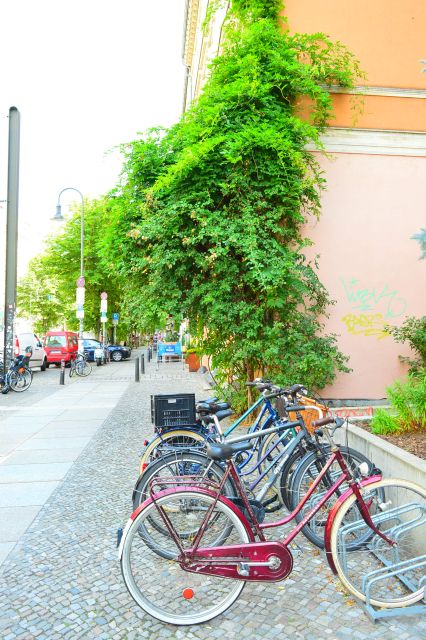
The tour begins in Mitte, Berlin’s historic central district. After the Wall fell, many neglected buildings were restored, often with the aim of returning them to their former appearance and purpose.
This is a good place to start because Mitte makes the change easy to see. The district moved from neglect to investment. Buildings that had suffered under decades of division became valuable again. That restoration helped return central Berlin to the city’s public and commercial life.
I like this part because it avoids treating reunification as a single happy ending. Restoration brings pride and better buildings, but it can also bring higher costs and a more polished feel. Your guide can help you read both sides of that change.
Mitte is also a useful contrast for the rest of the tour. Here, the focus is on central redevelopment and the return of old urban spaces. Later, you will see areas where artists, political groups, and long-term residents still contest how the city should change.
Prenzlauer Berg and the Kulturbrauerei
Next comes Prenzlauer Berg, a district known as Berlin’s artistic center in the 1990s. That reputation drew creative people looking for affordable space and a looser way of life after reunification.
The district has changed since then. Young professionals and families now form a larger part of its population. That shift is a clear example of gentrification, where an area gains investment and popularity but becomes less affordable for some of the people who lived there earlier.
The stop at the Kulturbrauerei gives this story a concrete setting. The old brewery has been refurbished as a center for culture and the arts. Its new use reflects a broader pattern in East Berlin: industrial and neglected buildings gain a second life as cultural spaces, shops, offices, or housing.
You should pay attention to the contrast here. A former brewery is not simply an old building preserved for its looks. Its reuse shows how Berlin turns industrial structures into places for modern city life. At the same time, cultural renewal can help make an area more desirable, which may add pressure to rents.
If you enjoy architecture, urban planning, and social history, this may be one of the most useful stops. If you want only major monuments, it may feel less dramatic. The value comes from the explanation and the connection between the building and the district around it.
Friedrichshain keeps the alternative spirit visible
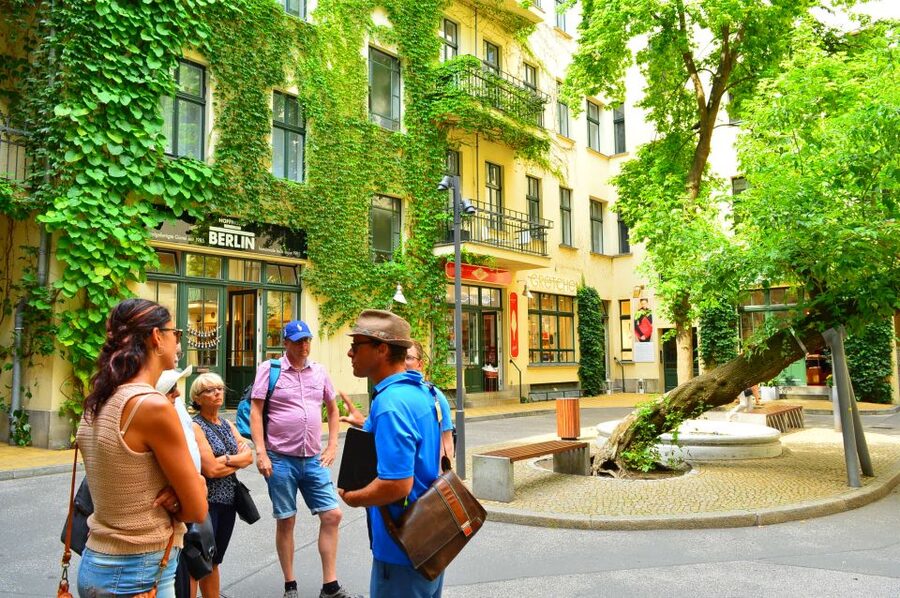
The tour then moves toward Friedrichshain, one of the districts associated with Berlin’s alternative scene. Here, the discussion shifts from restoration to resistance.
Left-wing residents continue to oppose corporate businesses and landlords who raise rents. That conflict is part of modern Berlin, where new investment can bring jobs and improvements but also make it harder for established communities to remain.
Friedrichshain helps you understand why Berlin’s street art is more than decoration. The city’s painted walls often carry political messages about housing, capitalism, migration, identity, and public space. You may find the art attractive, funny, angry, or confusing, but the guide can explain the ideas behind it.
This is where a private format helps. Your group can ask direct questions about what you are seeing instead of simply taking photographs and moving on. The tour is not designed as a street-art photo hunt. It treats the art as part of a larger argument about who gets to shape the city.
The district may also feel less tidy than restored Mitte. That is part of the point. Berlin’s alternative neighborhoods are appealing partly because they retain room for informal culture, but the same roughness can feel untidy if you prefer a carefully ordered city.
Something different for another day:
- Berlin: Reichstag, Dome and Government District Guided Tour
★ 4.7 · 18,288 reviews - Berlin: 1-Hour City Tour by Boat with Guaranteed Seating
★ 4.3 · 16,993 reviews - Berlin: Boat Tour Along the River Spree
★ 4.4 · 11,252 reviews - Discover Berlin Half-Day Walking Tour
★ 5.0 · 9,624 reviews
East Side Gallery turns the Wall into public art
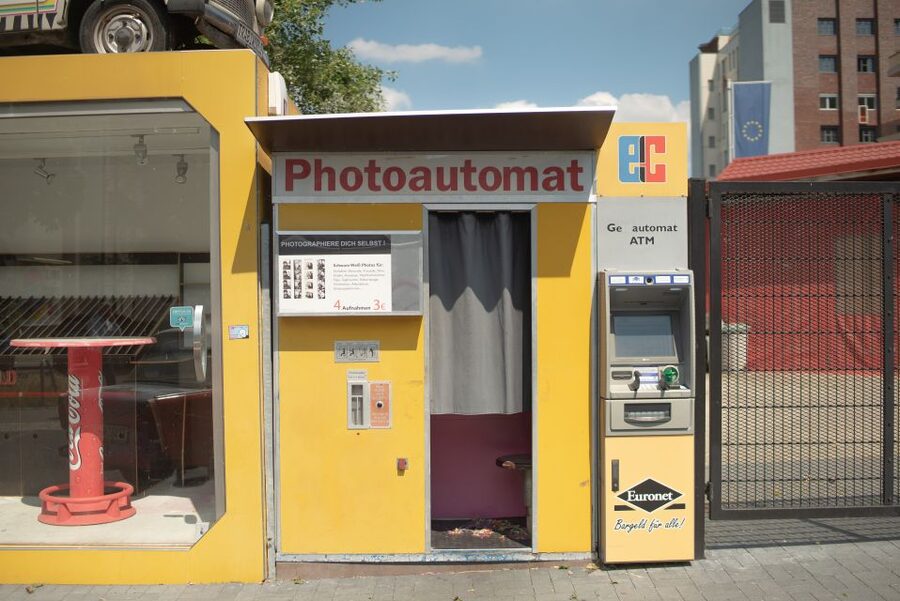
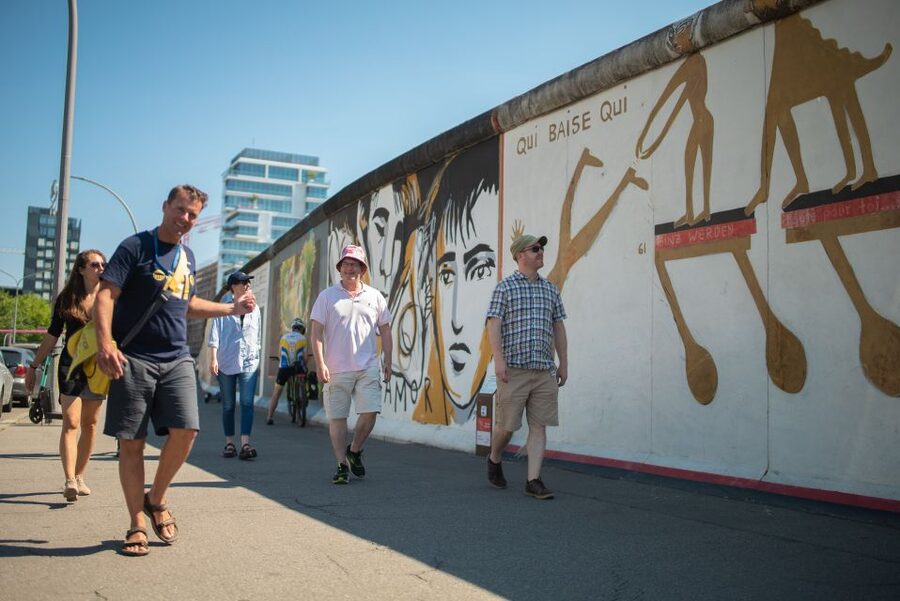
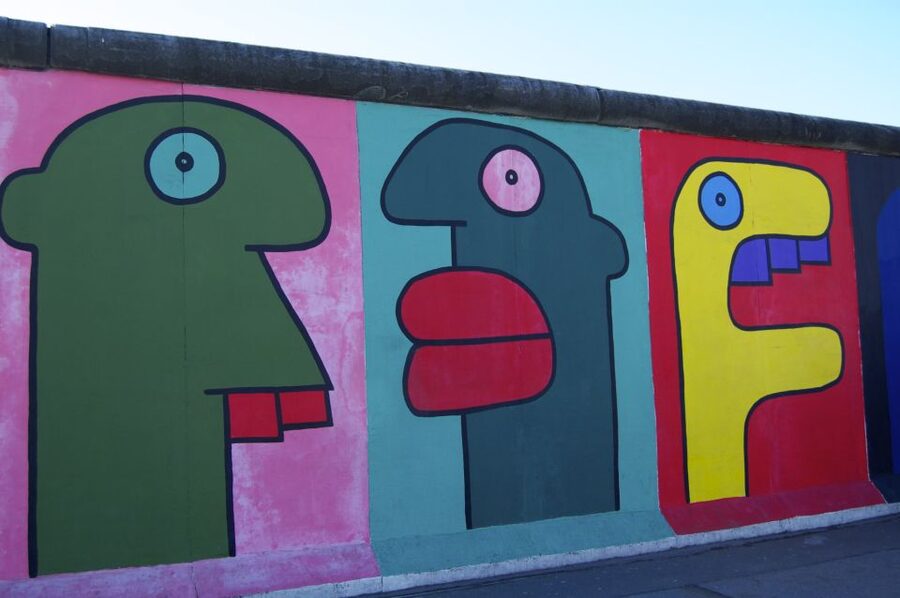
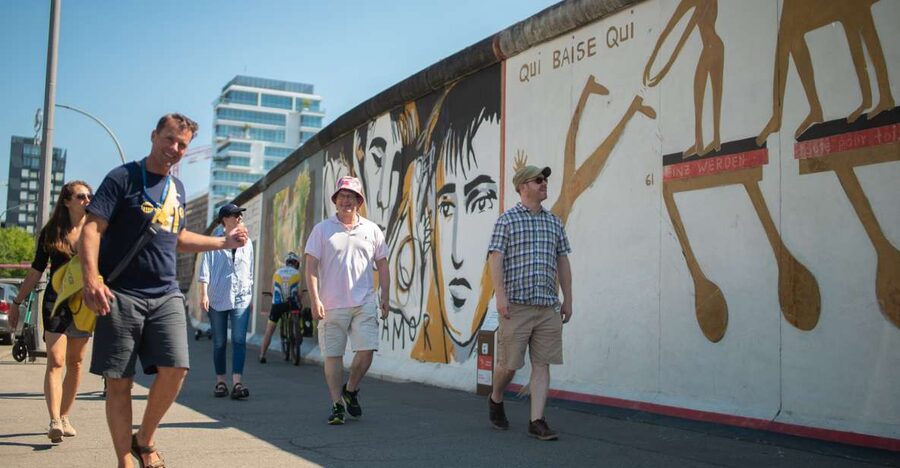
The East Side Gallery is the tour’s clearest link to Berlin’s divided past. This colorful section of the former Berlin Wall is now the world’s largest open-air gallery.
The paintings transform a structure built to separate people into a public place for expression. That change is powerful, but it also creates a tension. The Wall was a symbol of control and fear. Today, its surviving sections are art sites, meeting places, and major stops on Berlin itineraries.
The tour adds useful context by discussing the political overtones of Berlin’s street art scene. You do not just see murals as colorful backdrops. You consider why artists chose walls, what messages they wanted to send, and how public art can challenge official versions of history.
Allow yourself time to look closely. Some images are easy to understand at once. Others depend on political references or the period in which they were painted. A guide’s explanation matters here, especially if you want more than a quick photograph.
The East Side Gallery can be a busy stop, and three hours does not allow for a long examination of every painting. Still, its place in this tour makes sense. It links the Wall’s past with the current fight over public space, creative freedom, and Berlin’s changing identity.
Kreuzberg brings the city’s mix into focus
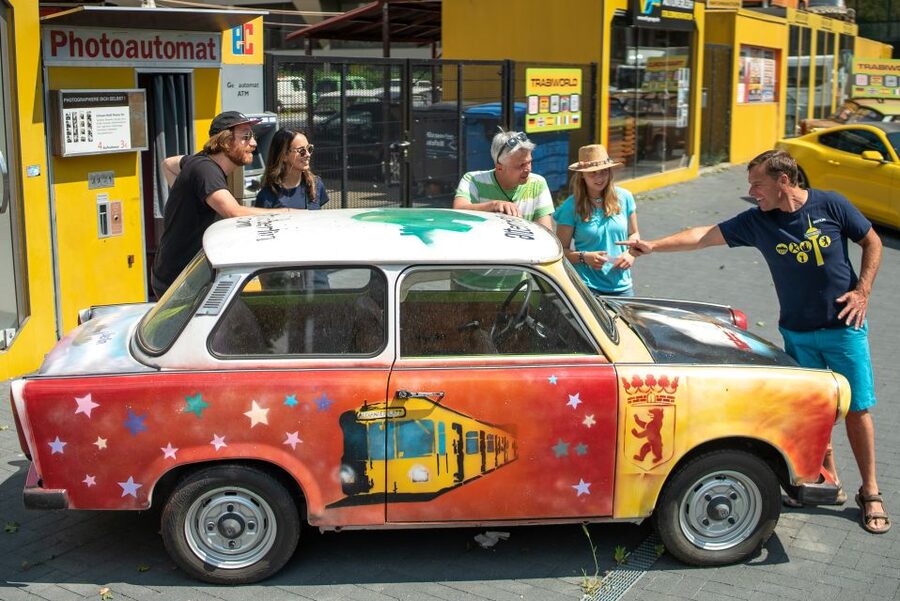
Kreuzberg offers another view of Berlin’s alternative culture. It is closely tied to left-wing politics, immigration, Turkish community life, and ongoing arguments over redevelopment.
The tour does not present Kreuzberg as a frozen counterculture district. That would miss the point. Like the other neighborhoods, Kreuzberg is changing. Businesses, landlords, residents, artists, and local political groups all have different ideas about what should come next.
This district is important because it widens the story beyond the Wall and German reunification. Berlin today is shaped by many communities, and Turkish influence is especially visible in the food, markets, language, and public life of the area.
You will get the most from this portion if you pay attention to how ordinary city life appears alongside political debate. The tour is not only about famous places. It asks what it feels like to rent a home, run a small business, preserve a local culture, or resist a development project in present-day Berlin.
The Turkish Market gives the tour a lively finish
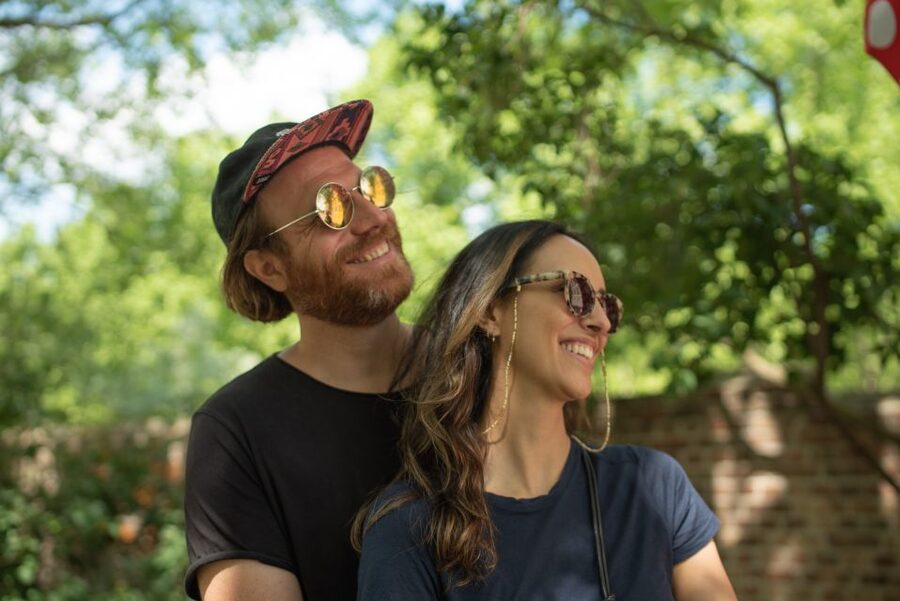
The final stop is the Turkish Market along the Landwehr Canal. It began with fresh produce, Turkish food, and brightly patterned fabric. Today, you might also find Berlin artisans, local farmers, impromptu music, and products connected to the city’s wider population.
This is a smart ending because it brings the discussion down to street level. After hearing about gentrification, corporate growth, and political resistance, you see a real market where different parts of Berlin meet.
The market is not presented as a museum display. It is a working place where people shop, eat, sell, listen to music, and spend time beside the canal. You may want to buy a snack or browse the fabric and crafts, but food and drinks are not included in the tour price.
The market’s schedule is worth checking as part of your planning. The tour itself runs Tuesdays and Fridays from April through October, and the experience depends on the market atmosphere being part of the day. Ask about the exact timing when you book so you know how much time you will have there.
The guides add humor and human detail
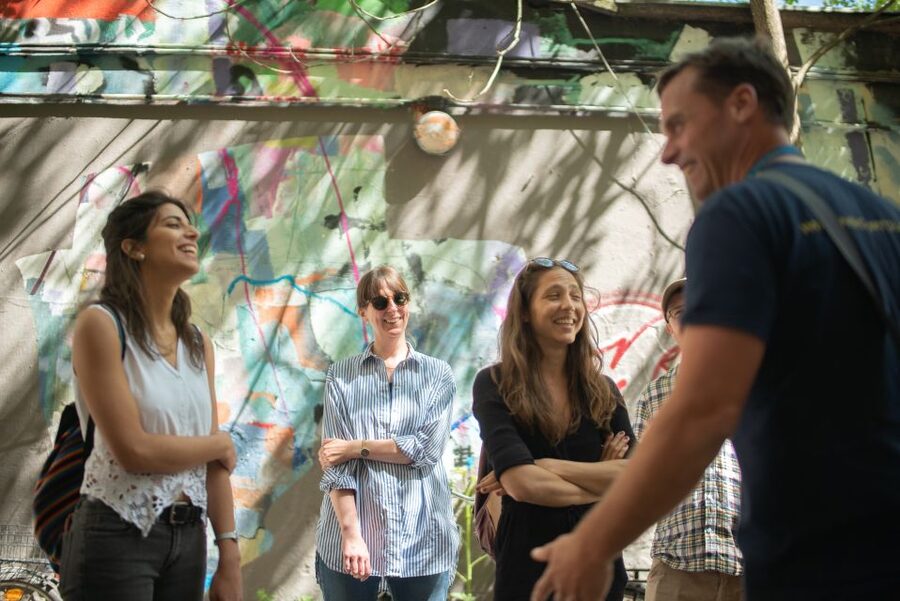
A strong guide matters on a tour built around social change. The comments about the guides are especially positive, with Tom praised for his humor and American charm, Maria described as lively and interesting, and JJ remembered for leading an engaging English-language tour.
Those details suggest a relaxed, personal style rather than a formal lecture. That suits this subject. Berlin’s housing debates, street art, and neighborhood changes can become dry if they are explained only through dates and policies. Humor helps, as long as it does not flatten serious issues.
English and German are available. If you need English, specify it when booking. One earlier group chose English because it included a Chinese exchange student, and the guide was able to make the tour accessible and enjoyable for that mixed group.
Because this is a private tour, you can ask about the parts of Berlin that matter most to you. A group interested in architecture may want more detail about restoration. A family may ask about daily life. Someone interested in politics may want to discuss rent controls, street art, or corporate development.
Is $352 a fair price?
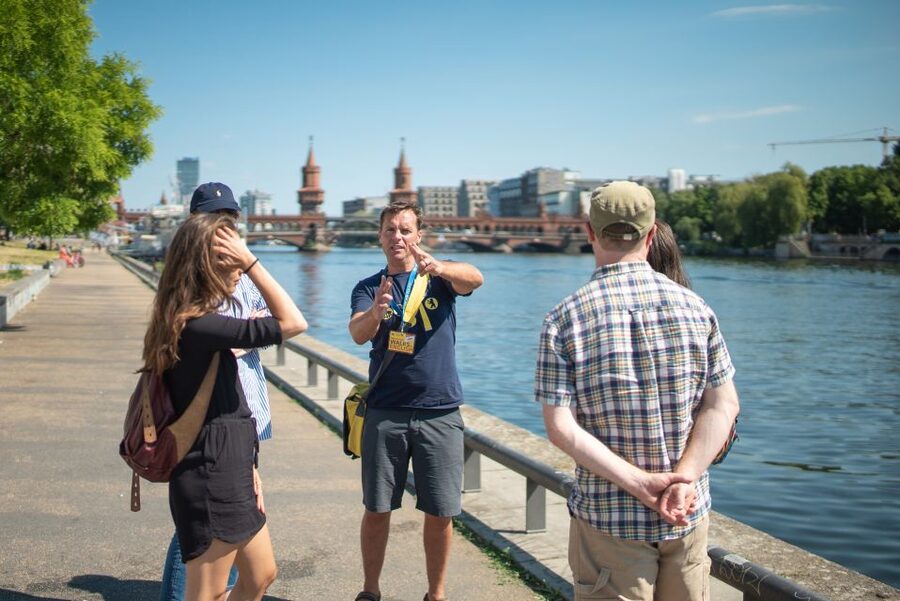
The price is $352 per group of up to 20 people, not $352 per person. For a full group, that works out to a modest cost per person for three hours with a private English or German-speaking guide and hotel pickup.
For two people, the calculation is different. The same price becomes a major expense, especially since food and drinks are not included. Couples and solo visitors should compare the private-group benefit with less expensive group tours before booking.
The strongest value comes from the route and the guide. You cover four districts and several themes without needing to plan the connections yourself. You also get a local explanation of changes that can be hard to understand from guidebooks alone.
The tour does not include entry to a museum or a long interior visit. Its value is in seeing the city itself and learning how the neighborhoods fit together. If you prefer museums, formal historic sites, or a detailed Cold War chronology, you may want to pair this with a separate Berlin history tour.
Timing, walking, and practical planning
The experience lasts three hours, with starting times depending on availability. Hotel pickup is included. You should wait in the hotel lobby five minutes before the scheduled time, and your guide will wear a yellow name tag.
Wear clothing suited to the weather. The route moves through several districts and includes outdoor stops, so rain or cold can affect your comfort. Comfortable shoes are a sensible choice, even though the tour description does not specify a precise walking distance.
The tour is wheelchair accessible, which is useful for visitors who need step-free planning. Still, because the experience takes place across public streets, markets, sidewalks, and outdoor areas, you should confirm any route concerns when booking.
Tours run only on Tuesdays and Fridays from April through October. That limited schedule is the biggest practical drawback for a short Berlin visit. Reserve early if one of those days is your only option.
Free cancellation is available up to 24 hours before the tour for a full refund. You can also reserve and pay later, which helps if your Berlin schedule is still changing.
Who should book this Berlin tour?
I would choose this tour if you want to understand Berlin as a living city rather than a collection of monuments. It suits first-time visitors who already plan to see the main sights, repeat visitors seeking a different angle, and anyone interested in housing, migration, art, urban change, or life after the Wall.
It is also a good choice for families or private groups because the guide can adjust the conversation and the $352 price can work well when divided among many people. The English and German options make it practical for mixed-language groups.
I would hesitate if your group is very small and cost matters most. I would also look elsewhere if you want long visits inside museums, a fixed list of major landmarks, or a tightly focused tour of Nazi or Cold War history.
Final booking advice
Book this tour if you want Berlin’s neighborhoods to do the teaching. Mitte, Prenzlauer Berg, Friedrichshain, and Kreuzberg show four different versions of the city, while the East Side Gallery and Turkish Market connect history with life today.
For the best value, bring a group large enough to share the $352 cost, choose a Tuesday or Friday between April and October, and wear weather-ready clothing. If you do book, ask questions. The tour’s real strength is not simply where you go, but how the guide helps you read what is changing around you.
FAQ
How long does the Berlin Reunited and Revived tour last?
The tour lasts three hours.
What neighborhoods does the tour visit?
The route includes Mitte, Prenzlauer Berg, Friedrichshain, and Kreuzberg.
Is the tour private?
Yes. It is a private-group tour for up to 20 people.
What is included in the price?
The price includes a walking tour with an English-speaking guide and hotel pickup.
Are food and drinks included?
No. Food and drinks are not included.
Which languages are available?
The tour is offered in English and German.
Is the tour wheelchair accessible?
Yes, the experience is listed as wheelchair accessible.
When do the tours operate?
Tours run on Tuesdays and Fridays from April through October.
Can I cancel the tour for a refund?
Yes. You can cancel up to 24 hours in advance for a full refund.
Just added around Berlin
- Kreuzberg Private Walking Tour: Immigrants, Artists & Hipsters★ 5.0 · 3 reviews
- Private Photo Tour in Kreuzberg★ 5.0 · 3 reviews
- Individual city tour Berlin for max. 8 persons★ 5.0 · 3 reviews
- Berlin’s Jewish Heritage: Private Tour of the Vibrant Jewish District★ 5.0 · 3 reviews
- Berlin & The Third Reich Private Guided Tour★ 5.0 · 3 reviews
- Private Analogue Photography Experience in Berlin★ 5.0 · 3 reviews
- Spy Mission in Berlin: Self-Guided Espionage Puzzle Quest★ 5.0 · 3 reviews
- Berlin Christmas Markets Walking Tour with Local Guide★ 5.0 · 3 reviews
3-Hour Experiences, compared.

Munich’s Beer Halls and Breweries: 3-Hour Guided Tour
Read our review →
Browse the lists this tour appears in