Reviewed · BERLIN TOURS
Berlin Battlefield Tour – Operation Berlin 1945
Berlin’s final battle is written into its streets. This 150-minute walk follows the Soviet assault toward the Reichstag, using then-and-now photos and maps to explain how Berlin’s last fighting unfolded. I like the small-group format and the chance to see several key sites on foot, rather than hearing about the battle from inside a bus.
I also like the tour’s focus on the human side of the fighting, from street-level bravery to the fear and confusion of the final German break-out. Guide Jochen has earned special praise for bringing the events to life. The main drawback is value: at $57 per person, this costs more than many general Berlin walks, and one attendee found the price high for the amount of time.
In This Review
- Key details before you book
- What Operation Berlin 1945 is really about
- Meeting at Berlin Hauptbahnhof
- The first viewpoint: getting the battle into focus
- Moltke Bridge and the fight for a crossing
- Platz der Republik and the assault on Königplatz
- The Reichstag: symbol, target, and contested story
- Weidendammer Bridge and the German break-out
- How much walking and time should you expect?
- The guide and small-group experience
- Is $57 a fair price?
- Who should book this battlefield walk?
- Should you book Operation Berlin 1945?
- FAQ
- Where does the Berlin Battlefield Tour begin?
- Where does the tour finish?
- How long does Operation Berlin 1945 last?
- What language is the tour conducted in?
- What sights are included on the route?
- Does the tour enter the Reichstag?
- Is the tour wheelchair accessible?
- Does the tour operate in bad weather?
- What should I bring?
Key details before you book
- The route follows the Soviet advance toward the Reichstag, beginning near Berlin Hauptbahnhof and ending at Weidendammer Bridge.
- Moltke Bridge and the Reichstag area are the core historical stops, with the tour explaining why these positions mattered in the final assault.
- The guide makes the difference. Jochen has been praised for his strong subject knowledge and lively presentation.
- This is a walking tour in all weather, so comfortable shoes, water, snacks, and rain gear matter.
- The advertised meeting marker is a blue umbrella, and arriving 10 minutes early is wise, especially around the busy central station.
- The tour is in English, wheelchair accessible, and offered to a small group, with free cancellation up to 24 hours before departure.
What Operation Berlin 1945 is really about
This is not a broad tour of Berlin’s entire Nazi or Cold War past. It concentrates on the final battle in April and May 1945, when Soviet forces fought block by block toward the government district and the Reichstag.
That narrow focus is the tour’s strength. You get a clearer picture of military decisions, street fighting, defensive positions, and the pressure on both Soviet and German commanders. The story ends with the German break-out near the Weidendammer Bridge, rather than stopping when the Soviet flag appeared above the Reichstag.
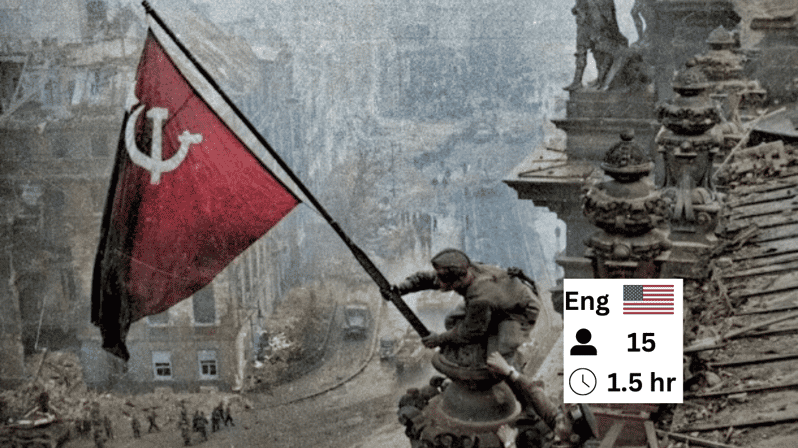
The presentation also tries to correct simplified versions of the famous flag-raising story. That can be useful if you already know the popular account and want to hear about the competing claims, staged images, and political meaning attached to the event. The material is serious, and the subject includes desperate choices, civilian suffering, bravery, and heavy casualties.
You should not expect battle sounds, actors, or special effects. The references to the MG42 and artillery are part of the storytelling, not a live reconstruction. The power comes from standing in the actual streets while the guide explains what happened there.
Other Berlin trips people book alongside this one:
- Berlin: Reichstag, Dome and Government District Guided Tour
★ 4.7 · 18,288 reviews - Berlin: 1-Hour City Tour by Boat with Guaranteed Seating
★ 4.3 · 16,993 reviews - Berlin: Boat Tour Along the River Spree
★ 4.4 · 11,252 reviews
Meeting at Berlin Hauptbahnhof
The tour begins outside the MEININGER Hotel Berlin Hauptbahnhof at Ella-Trebe-Straße 9, on the south side of Berlin’s central station.
This is a practical starting point if you are arriving by train, but Hauptbahnhof is a large and busy building. Give yourself time to reach the correct side of the station and find the hotel entrance. The guide is supposed to carry a blue umbrella and wait outside, so that visual marker should make the group easier to spot.
One person had trouble finding the group after the guide arrived without the expected umbrella. That was an avoidable problem, especially because the tour had already started. I would arrive at least 10 minutes early, keep the booking contact details handy, and look for the guide outside the hotel rather than searching inside the station.
The route is walked in the open air from here. There is no mention of a bus, train, or other transport during the tour, so wear shoes that can handle a couple of hours on city pavements.
The first viewpoint: getting the battle into focus
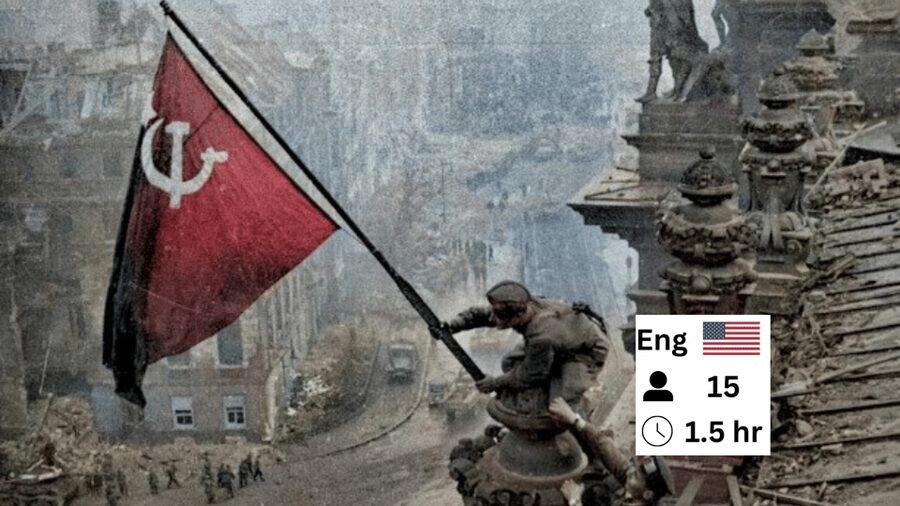
The opening viewpoint lasts about 20 minutes and gives the guide room to establish the larger situation before the group moves into the main battle zone.
This introduction matters because the Reichstag fighting makes little sense without a basic map of Berlin’s government district, the Soviet advance, and the German defenses. The supplied maps and then-and-now photographs should help you connect modern streets with wartime positions.
I like this kind of beginning because it prevents the tour from becoming a string of names and dates. You first get the battle plan, then you walk through the places where that plan met bridges, buildings, barricades, and determined resistance.
Do not expect a long museum-style lecture here. The tour is built around movement, so the opening information is meant to prepare you for the next stops.
Moltke Bridge and the fight for a crossing
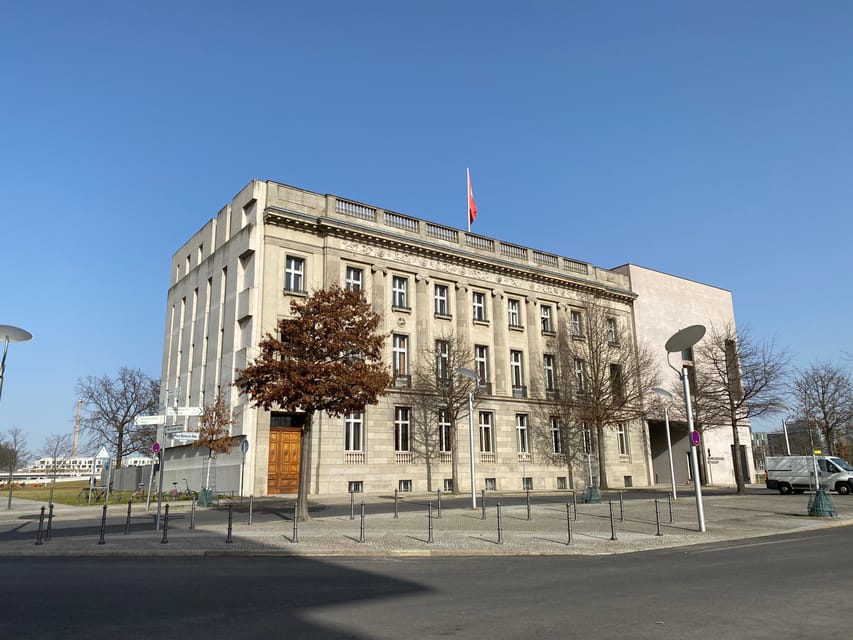
Moltke Bridge receives about 20 minutes of guided attention, with time to walk through the area and pass by parts of the route.
The bridge was strategically important because crossings over the Spree helped determine how Soviet forces could reach the government district. A bridge is easy to treat as an ordinary piece of city infrastructure, but in a battle it can become a choke point, a route forward, or a position that must be held at great cost.
This is where the tour’s military focus should appeal to anyone who likes understanding why commanders chose one route rather than another. You hear about strategy, but the setting keeps the discussion grounded. Instead of looking at arrows on a map alone, you can see the crossing and consider the problems faced by troops moving through a damaged city.
The stop is also a reminder that the final assault was not one clean push toward one famous building. It required a series of dangerous advances through bridges and streets, with each position affecting the next.
Something different for another day:
- Discover Berlin Half-Day Walking Tour
★ 5.0 · 9,624 reviews - Berlin: Hop-on Hop-off Bus Tour with Live Commentary
★ 4.3 · 8,579 reviews - Berlin: Government District around the Reichstag Guided Tour
★ 4.7 · 8,447 reviews - Berlin: Reichstag, Plenary Chamber, Cupola & Government Tour
★ 4.6 · 8,422 reviews
Platz der Republik and the assault on Königplatz
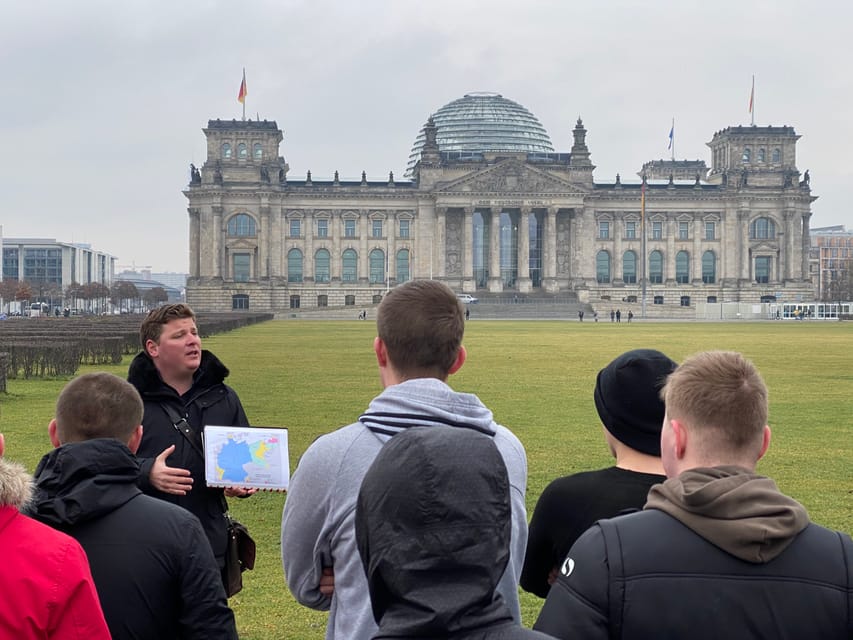
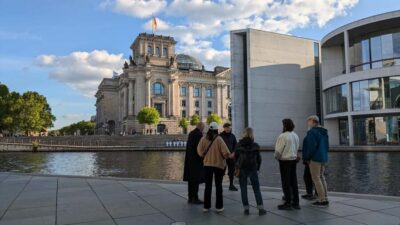
The next stop is Platz der Republik, near the Reichstag, with roughly 20 minutes for a visit, guided explanation, and sightseeing.
The tour presents this area as Königplatz, the open ground connected with the assault on the Reichstag. This is one of the most important parts of the walk because the open space made the final approach especially exposed. The exact view today is shaped by modern Berlin, but the guide’s maps and photographs help explain the wartime arrangement.
Here you get the clearest sense of the Soviet objective. The Reichstag was not simply a convenient landmark. It had powerful symbolic value, and its capture mattered to Soviet leadership even as German defenses were collapsing elsewhere.
I would pay close attention to the difference between military value and political value. The building’s symbolic importance helped drive the assault, while the surrounding streets and bridges determined how that assault could actually happen. That tension gives the stop more depth than a simple photograph in front of the Reichstag.
The square can feel spacious and open, but the historical explanation should make you picture movement, fire, confusion, and troops searching for cover. This is a place where the tour’s then-and-now images are especially useful.
The Reichstag: symbol, target, and contested story
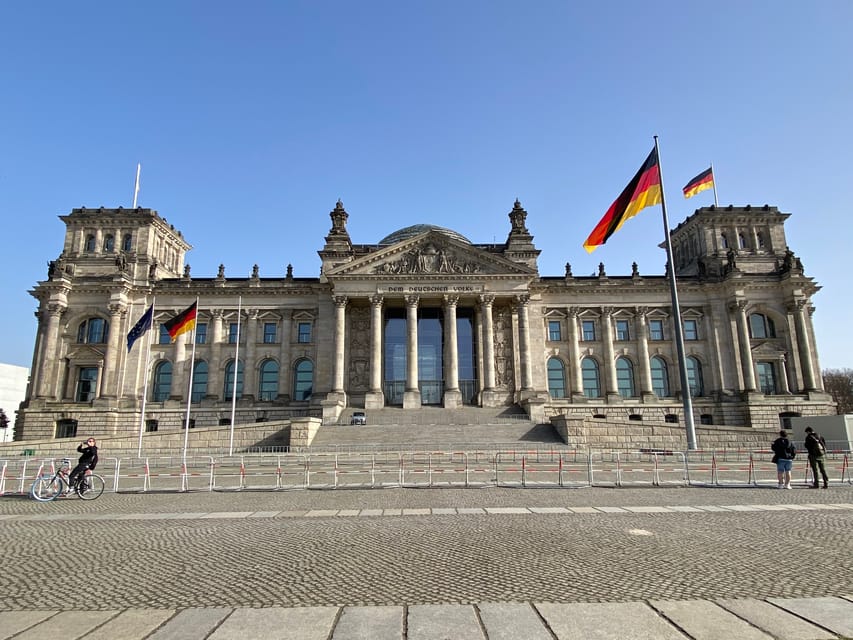
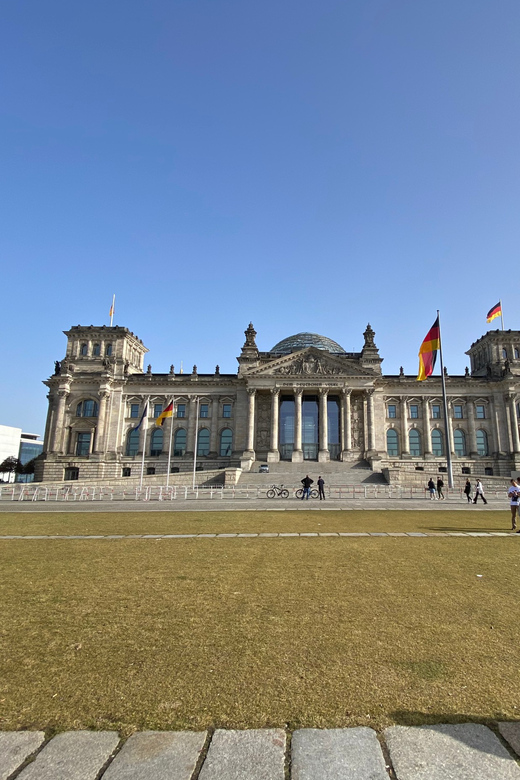
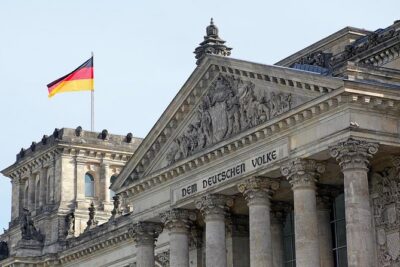
The Reichstag is the central stop, though the route says the group passes by rather than entering the building.
Expect about 30 minutes of guided sightseeing around the area. You will not be taking a formal interior tour of the Reichstag, and the experience does not include entry to the dome. The value is outside, where the guide explains the assault, the Soviet objective, and the events surrounding the flag raising.
That distinction matters. If you are booking this because you want to go inside the Reichstag, this is not the right product. If you want to understand why the building became the primary Soviet target and how the final attack unfolded, the outside setting is the point.
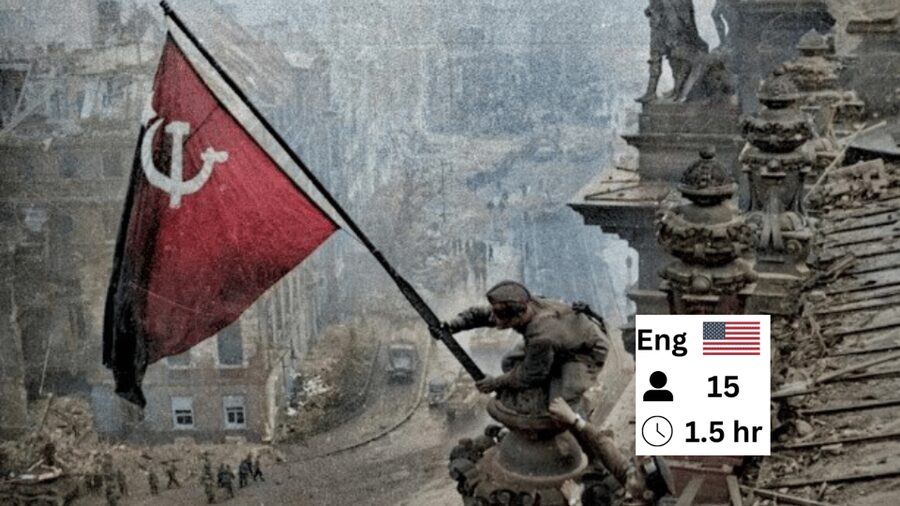
The tour also promises to examine the version of the flag-raising story that is often simplified for public memory. This is one of the more unusual elements. You can expect discussion of what happened, how the image was presented, and why the Soviet account carried such weight. The emphasis is less on a perfect cinematic moment and more on the political and military pressure around it.
The guide’s job is important here. Jochen received particularly strong praise for his ability to explain the subject and make the events feel immediate without losing the facts. A good guide can turn the Reichstag from a familiar photo stop into a place where you understand the cost and confusion behind the famous image.
Weidendammer Bridge and the German break-out
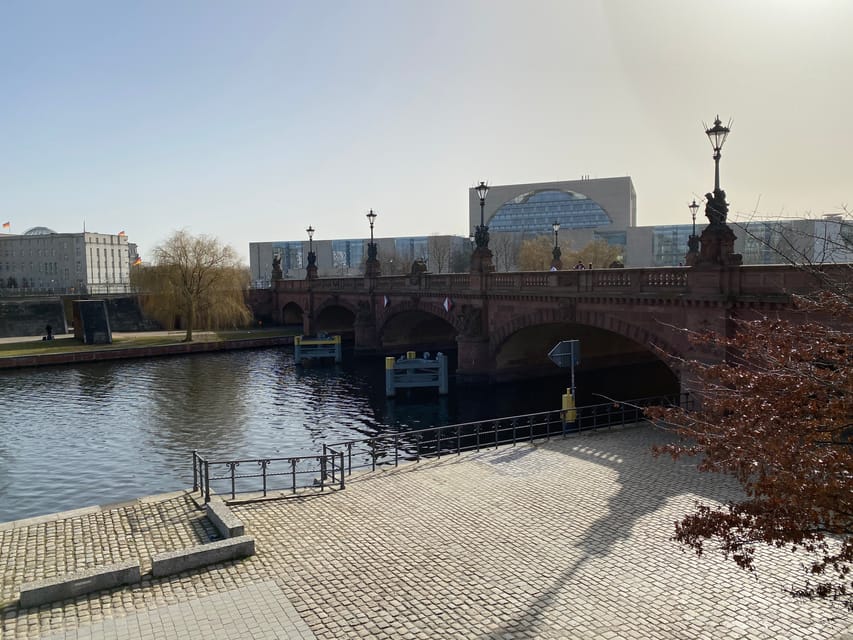
The final major stop is Weidendammer Bridge, reached after about 20 minutes of walking and guided sightseeing. The tour ends here.
This bridge is tied to the German break-out, one of the bleakest chapters of the battle. By this stage, the city’s defenders faced defeat, and the choices were shaped by desperation rather than any realistic hope of changing the war’s result.
The guide uses the site to tell stories of fear, courage, and carnage. That human focus gives the route a strong ending. You finish not with a neat victory scene, but with a reminder that the collapse of a regime did not make the fighting orderly or painless.
Ending at the bridge also gives the tour a clear narrative arc. You begin near the central station, follow the approach toward the Reichstag, and finish at a location connected with the attempt to escape. The route is not circular, so plan your next move from Weidendammer Bridge rather than expecting to return to the starting hotel.
How much walking and time should you expect?
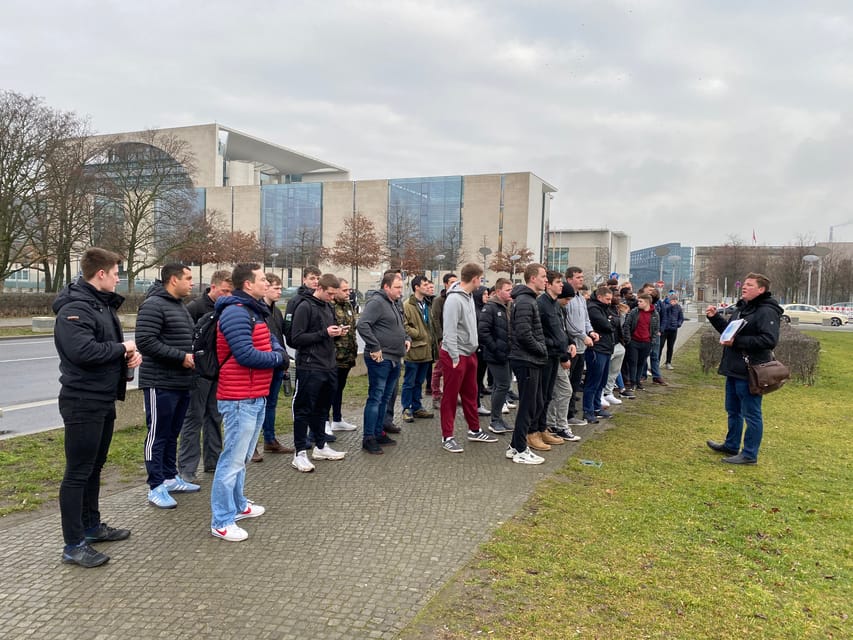
The advertised duration is 150 minutes, or two and a half hours. The listed sections include several 20-minute stops, a 30-minute Reichstag segment, and walking between them.
You should treat this as an active walking experience, not a seated talk with a few short stops. Comfortable shoes are essential. Bring water and a snack, since the tour runs long enough for you to want both, especially if you have not eaten beforehand.
The walk takes place rain or shine. Umbrellas are provided throughout the year if it rains, but I would still bring a raincoat or umbrella of your own. Weather can affect how long you want to linger at outdoor sites, and wet pavements make poor footwear even more annoying.
The tour is listed as wheelchair accessible. If you need specific route details about surfaces, crossings, or rest opportunities, confirm them when booking, since the provided information does not describe those features in detail.
The guide and small-group experience
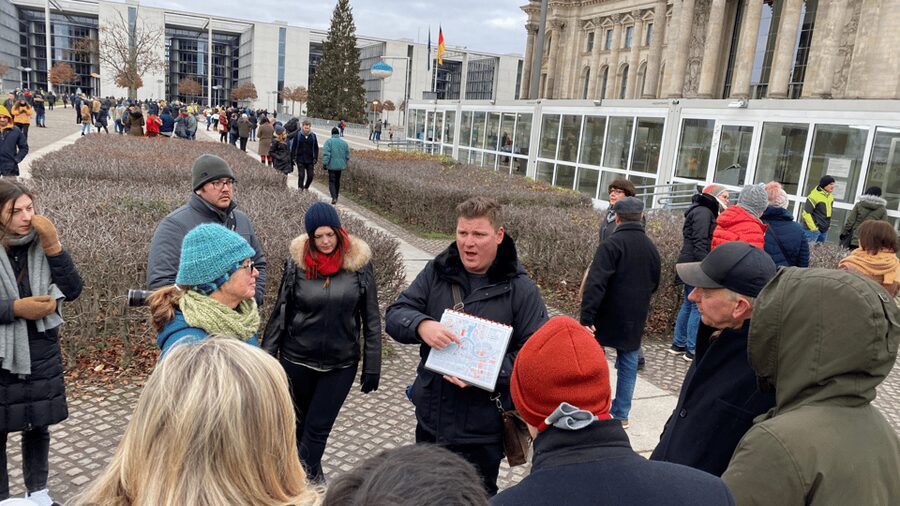
The guide is the main reason to choose this walk over reading a battle guidebook on your own. The subject is complex, and the best explanations connect military choices with what ordinary soldiers and civilians faced on the ground.
Jochen has received the strongest praise for his presentation. His approach appears to combine solid factual detail with storytelling, which suits a route built around battle sites. Other feedback also describes the guide as informative and worth doing, even when the price felt high.
The small-group format should make it easier to ask questions and follow the guide through busy public spaces. It also gives the walk a more personal feel than a large city tour. The exact group size is not stated, so do not book expecting a particular number of people.
There was one meeting-point failure when the guide did not have the expected umbrella and part of the group struggled to find him. That does not reflect the historical content, but it is useful practical information. Arrive early, check the guide’s clothing or description, and contact the tour office quickly if the group is not visible.
Is $57 a fair price?
At $57 per person, this is priced as a specialist history tour rather than a basic Berlin walking tour.
You are paying for an English-speaking guide focused on World War II, a small group, maps, then-and-now photographs, and a carefully connected route through the Reichstag battlefield area. If you have a strong interest in military history, those features can justify the price. A good guide can also save you hours of reading and help you understand why each bridge, square, and building mattered.
The value is weaker if you want a general introduction to Berlin or a quick look at famous sights. You will not enter the Reichstag, and the tour lasts 150 minutes. One assessment found the cost high compared with other Berlin tours, at nearly 50 euros per person.
I would book it for focused historical content, not for sightseeing alone. The more you already care about the Battle of Berlin, the better the value is likely to feel. If you are only mildly curious, a cheaper general city walk may suit you better.
Who should book this battlefield walk?
I would recommend Operation Berlin 1945 to you if you enjoy military strategy, wartime decision-making, and site-based history. It should also suit anyone who wants to understand the Reichstag assault beyond the familiar photographs.
The tour is a good fit for:
- People who have already seen Berlin’s main sights and want a narrower subject
- Visitors interested in Soviet and German command decisions
- Anyone who values a live English guide over a self-guided route
- Travelers comfortable walking outdoors for two and a half hours
- Visitors who want the human cost of the final battle included, not just dates and victories
It may not suit you if you want a relaxed sightseeing stroll, indoor shelter, or a Reichstag dome visit. The tone is also serious. Stories of carnage, desperation, and sacrifice are central to the subject.
You can cancel for a full refund up to 24 hours before the start, and reserve now while paying later. That flexibility helps if your Berlin plans are still shifting, but the weather policy remains simple: the tour goes ahead in rain or shine.
Should you book Operation Berlin 1945?
Book it if the final battle of Berlin is a main reason you came to the city. The route covers the Moltke Bridge, Platz der Republik, the Reichstag, and Weidendammer Bridge in a logical sequence, and the combination of maps, photographs, and street-level explanations gives the story shape.
I would be more cautious if $57 feels steep or if you mainly want famous landmarks. You will spend the full 150 minutes outside, walking and listening, and the Reichstag is viewed from outside.
For serious World War II interest, this is a focused and worthwhile choice. Arrive early, wear good shoes, carry water and rain gear, and confirm the blue umbrella meeting point. If Jochen is leading your walk, expect the kind of detailed, vivid explanation that has made this tour especially appealing.
FAQ
Where does the Berlin Battlefield Tour begin?
It begins outside the MEININGER Hotel Berlin Hauptbahnhof at Ella-Trebe-Straße 9, 10557 Berlin. The hotel is on the south side of Berlin Central Station.
Where does the tour finish?
The tour finishes at Weidendammer Bridge.
How long does Operation Berlin 1945 last?
The tour lasts 150 minutes, or two and a half hours.
What language is the tour conducted in?
The live tour guide speaks English.
What sights are included on the route?
The route includes a viewpoint, Moltke Bridge, Platz der Republik, the Reichstag, and Weidendammer Bridge.
Does the tour enter the Reichstag?
The Reichstag is included as a guided sightseeing stop and pass-by. Entry into the building or its dome is not included in the supplied tour details.
Is the tour wheelchair accessible?
Yes, the activity is listed as wheelchair accessible.
Does the tour operate in bad weather?
Yes. The tour takes place rain or shine. Umbrellas are provided throughout the year in case of rain.
What should I bring?
Bring comfortable shoes, water, snacks, and an umbrella or raincoat for unfavorable weather. Arrive 10 minutes before the activity begins.
Just added around Berlin
- Berlin: Private Guided Tour of the Main Sights★ 5.0 · 13 reviews
- Private Highlights of Berlin Bike Tour★ 5.0 · 13 reviews
- Modern Berlin Private Walking Tour: Diverse, Vibrant and Exciting German Capital★ 5.0 · 13 reviews
- Tour in Berlin from Warnemünde and Rostock Cruise Port★ 4.1 · 13 reviews
- Berlin: Stasi Museum Private Guided Tour with Entry Ticket★ 4.8 · 13 reviews
- Private Food Tour Experience with a born and bred Berliner★ 5.0 · 14 reviews
- Berlin: Rheinsberg Palace Entrance Ticket★ 4.8 · 14 reviews
- Berlin in one day – day tour with an expert guide★ 5.0 · 14 reviews
Berlin Tours, compared.
Reichstag, Dome and Government District Guided Tour
Read our review →
1-Hour City Tour by Boat with Guaranteed Seating
Read our review →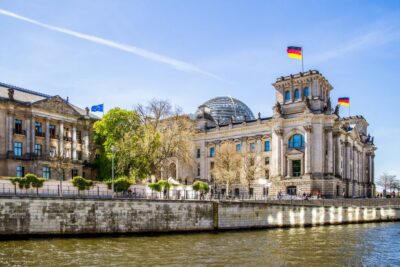
Government District around the Reichstag Guided Tour
Read our review →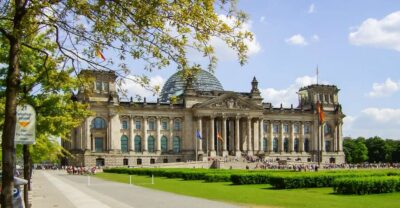
Reichstag, Plenary Chamber, Cupola & Government Tour
Read our review →