
Reviewed · SEGWAY & SCOOTER TOURS
Berlin: 3-Hour Segway Tour
Berlin is made for moving. This three-hour Segway tour links grand monuments, Cold War sites, leafy paths, and lively streets far faster than walking. I like the wide sweep of sights, from Brandenburg Gate to Alexanderplatz, and I like the small-group limit of 10, which leaves room for questions. The main catch is simple: you need a valid driver’s license or moped certification, and riding through city traffic may not suit everyone.
The tour costs about $100 per person, so it is not a budget activity. Still, I can see the value if you have only a short time in Berlin or want a clear first look at the central sights. The three-hour route covers a lot, though the stops may feel more like a quick orientation than a full museum-style lesson.
In This Review
- Key points to know before you book
- Learning the Segway at Robot City
- Brandenburg Gate and the modern center of power
- The Holocaust Memorial and Berlin’s difficult memory
- Checkpoint Charlie and the Cold War in motion
- Gendarmenmarkt, Berlin Palace, and Nikolaiviertel
- Rotes Rathaus, Alexanderplatz, and Hackescher Markt
- Karl-Marx-Allee and the wider Berlin story
- Berlin Cathedral, the main station, and the River Spree
- How the guides shape the experience
- Winter weather, comfort, and pace
- Is $100 a fair price?
- Who should book this Berlin Segway tour?
- FAQ
- How long is the Berlin Segway tour?
- Where does the tour meet?
- What languages are available?
- How many people can join the tour?
- What famous sights are included?
- Is practice time included?
- What equipment is provided?
- What are the age and weight requirements?
- Do I need a license?
- Should you book it?
Key points to know before you book
- Brandenburg Gate, the Reichstag, and the Holocaust Memorial are part of a broad central Berlin route.
- A practice session comes first, with helmets and weather gear available.
- The small group is limited to 10 people, making it easier to hear the guide and ask questions.
- The tour includes both famous sights and less expected areas, including Hackescher Markt, Nikolaiviertel, and Karl-Marx-Allee.
- You must be at least 15, weigh between 45 and 118 kilograms, and hold a valid driver’s license or moped certification.
- English and German tours are offered, with several guides praised for patient instruction and lively storytelling.
Learning the Segway at Robot City
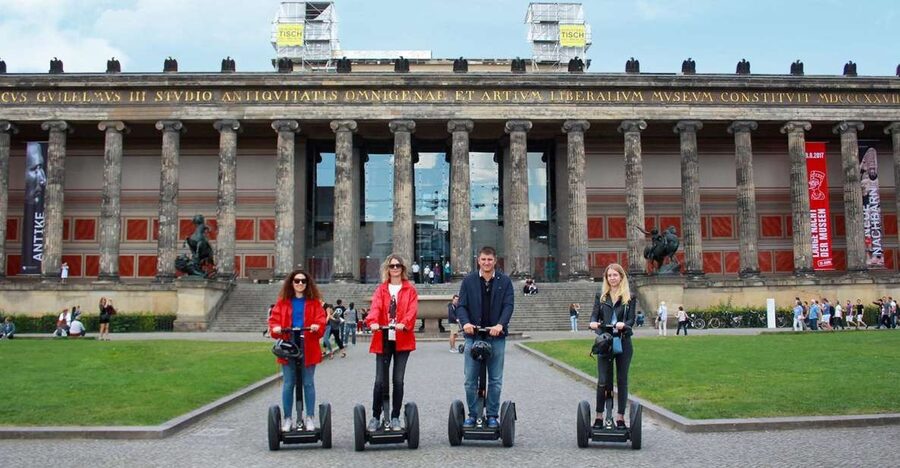
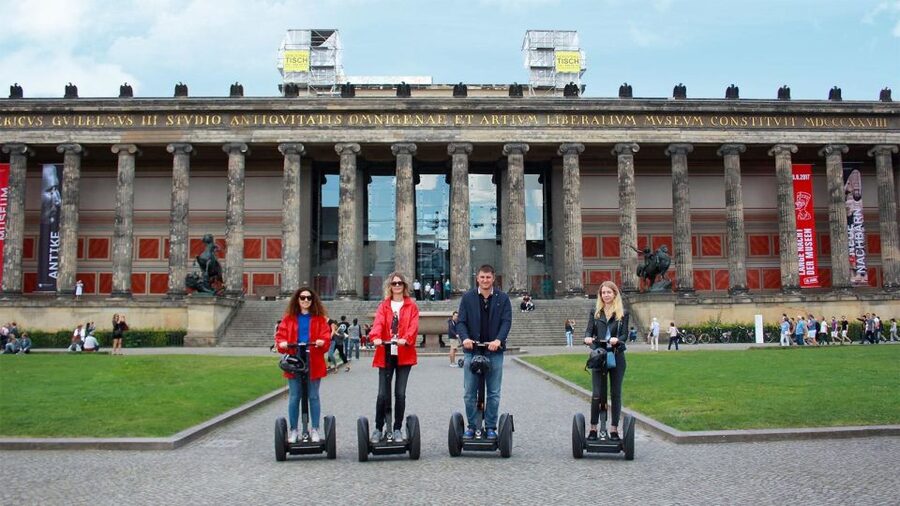
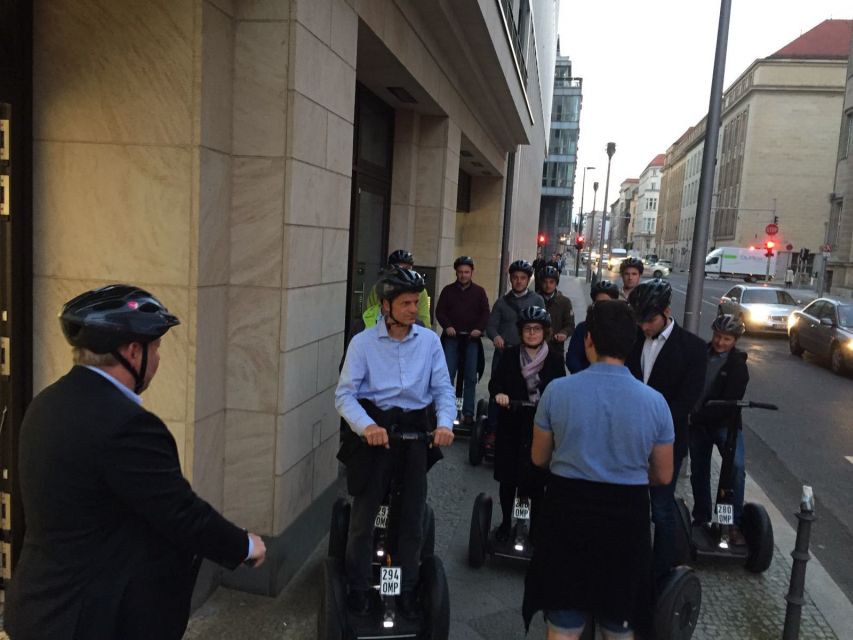
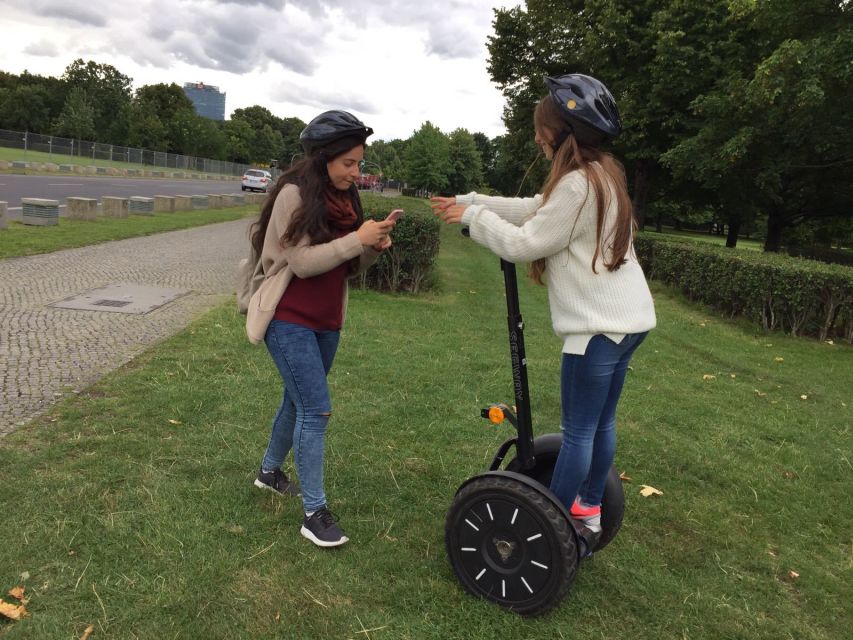
You meet at Robot City, where the tour begins with practice time before heading into Berlin. This is an important part of the experience, not a formality. The Segway is self-balancing, but you still need to get used to starting, stopping, turning, and shifting your weight.
I like that the operator puts safety before sightseeing. Helmets are included, and raincoats, gloves, and warm vests are available for changing weather. That matters in Berlin, where a gray morning can quickly turn cold, especially when you are standing still at monuments.
The age and weight rules are firm: you must be at least 15 years old and weigh between 45 and 118 kilograms. You also need a valid driver’s license or moped certification. Comfortable shoes and clothes suited to the forecast are a smart choice.
Your guide will decide when you are ready to set off. That can make the first few minutes feel slower than a walking tour, but it is time well spent. A rider who feels calm on the machine will enjoy the rest of the route far more.
More Segway & Scooter Tours in Berlin
- Berlin 2-Hour Segway Tour
★ 4.6 · 238 reviews - Berlin: 2-Hour Premium Segway Tour
★ 4.5 · 157 reviews - 2-Hour Segway Discovery Tour Berlin
★ 5.0 · 154 reviews
Brandenburg Gate and the modern center of power
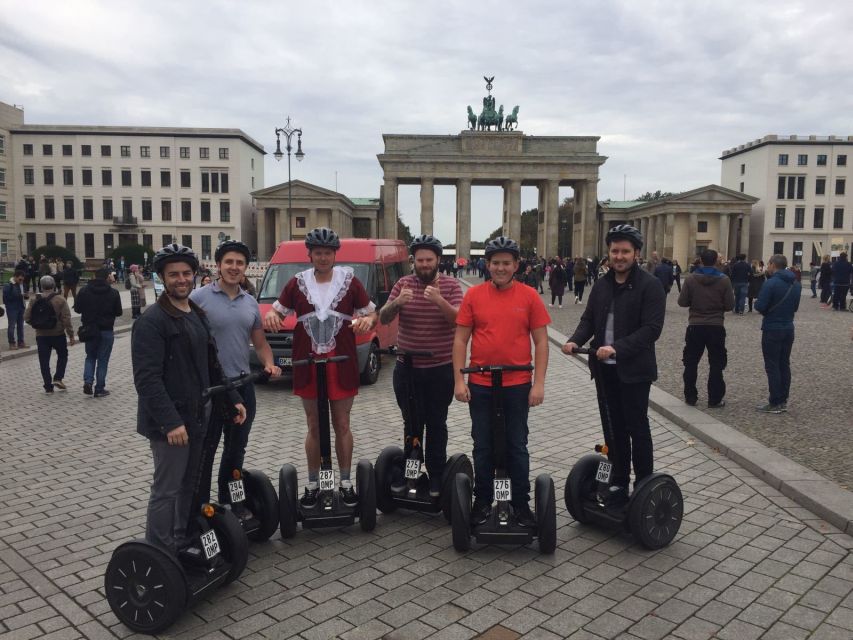
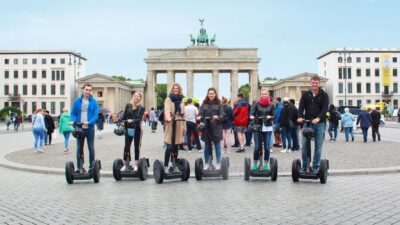
Once underway, the tour heads toward some of Berlin’s best-known monuments. Brandenburg Gate is the essential opening chapter. Once associated with Prussian power and later divided Berlin, it now marks a central meeting point in the reunited city.
A Segway lets you approach without spending your energy walking between every major sight. You can pause for photographs and listen to the guide before moving on. The tradeoff is that you will not get a long visit inside any building. This is an outdoor sightseeing tour, not a series of interior tours.
The Reichstag building and the German Chancellery bring the story into present-day Berlin. The route shows you where national government works while also keeping the city’s past in view. I find this mix useful because Berlin can otherwise seem like a collection of separate periods: imperial, Nazi, divided, and reunited. Seeing these places in one ride helps connect them.
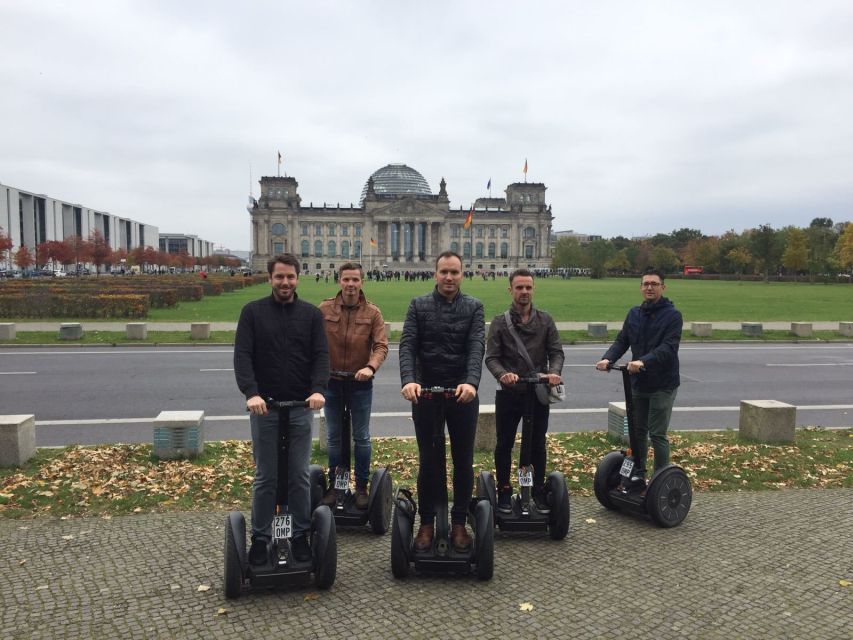
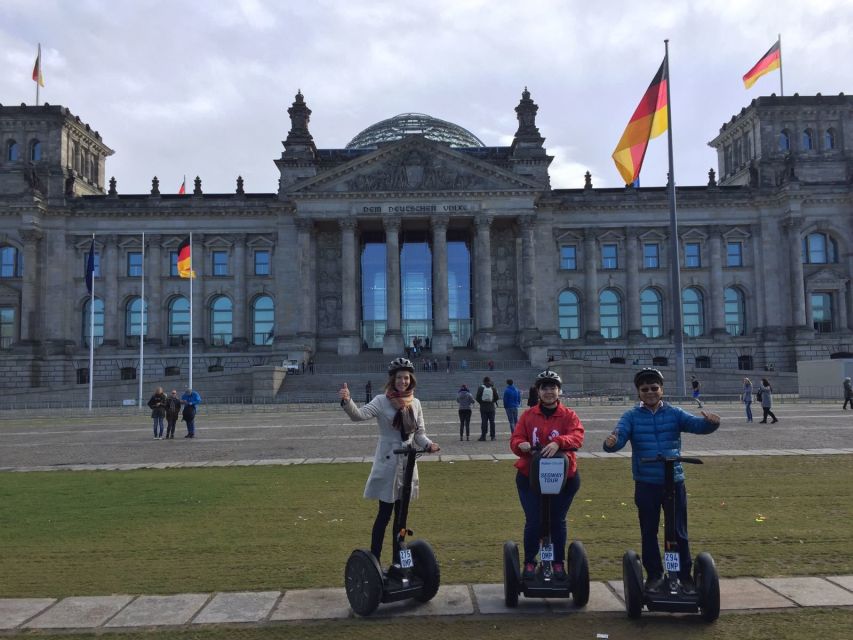
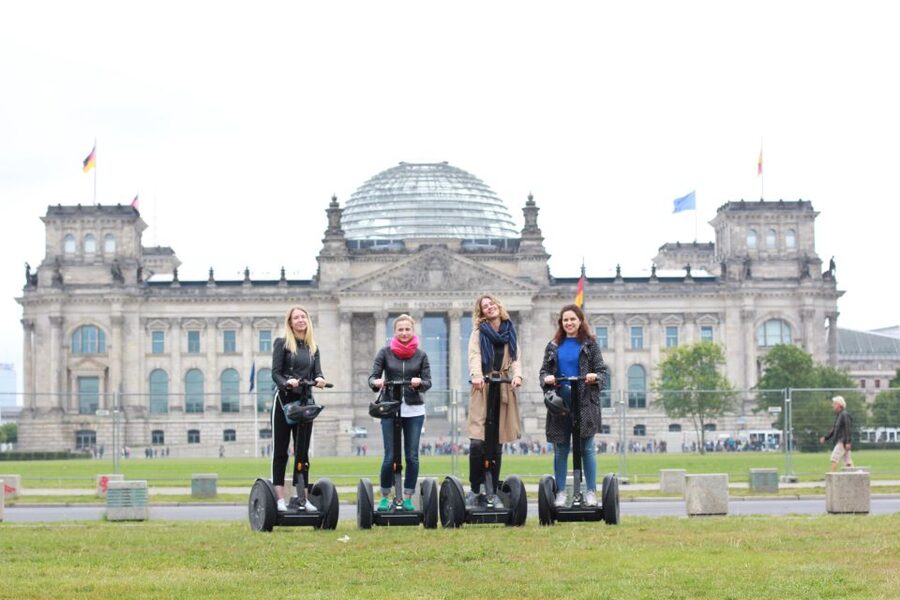
The German Chancellery is one of the modern landmarks included on the route. The Reichstag, with its familiar glass dome, is another major photo stop. The tour does not include entry, so plan a separate visit if you want to see the interior.
The Holocaust Memorial and Berlin’s difficult memory
The Memorial to the Murdered Jews of Europe, often called the Holocaust Memorial, is one of the most serious stops. Its field of concrete slabs creates a strong physical setting for remembering the Jewish victims of the Nazi regime.
You should expect the tone to change here. A guide can provide context, but the memorial also needs quiet attention. The Segway helps you reach the site efficiently, yet you may want to take a few moments away from the machine to look around on foot.
This is one place where the tour’s quick pace can be a limitation. You receive an introduction and a chance to see the memorial, but a person who wants detailed discussion or time in the underground information center should return separately. I would treat this stop as an important first encounter, not a complete visit.
Checkpoint Charlie and the Cold War in motion
The route continues to Checkpoint Charlie, the former crossing between East and West Berlin. The site brings the Cold War period into clear focus, especially for anyone who wants to understand how the city was divided.
Checkpoint Charlie is now a heavily visited place, and its presentation can feel more commercial than solemn. Still, it is useful as part of a larger route. By the time you arrive, you have already seen symbols of imperial Berlin, Nazi-era remembrance, and modern government. This stop adds the decades when Berlin was split by a wall and controlled border crossings.
The guide is central here. Several guides have been praised for explaining Berlin’s past in a friendly, accessible way. One guide, Mike, was singled out for careful safety instruction as well as strong explanations. Another, Morgan, was praised for adding places beyond the expected list and for taking the group through Tiergarten and along the River Spree.
Guide quality can vary from one departure to another, as it does with any live tour. The available languages are English and German. If your booking language changes because of the guide assigned, confirm that at the meeting point. One past group found an English tour perfectly comfortable even though German had been selected.
Something different for another day:
- Berlin: Reichstag, Dome and Government District Guided Tour
★ 4.7 · 18,288 reviews - Berlin: 1-Hour City Tour by Boat with Guaranteed Seating
★ 4.3 · 16,993 reviews - Berlin: Boat Tour Along the River Spree
★ 4.4 · 11,252 reviews - Discover Berlin Half-Day Walking Tour
★ 5.0 · 9,624 reviews
Gendarmenmarkt, Berlin Palace, and Nikolaiviertel
Gendarmenmarkt offers a change of scale. Its grand square and elegant churches show Berlin’s formal side, with broad spaces designed for ceremony and public life. The route also includes one of Germany’s most beautiful churches, though the exact church visit or viewing time is not specified, so think of this as an exterior sightseeing stop.
The imperial Berlin Palace adds another layer. The central district has been rebuilt and reshaped many times, and the palace area reflects the city’s ongoing argument with its own past. You get a sense of how Berlin continues to rebuild, preserve, and reinterpret its center.
Nikolaiviertel is smaller and more intimate. This historic quarter gives you a break from wide avenues and major government buildings. Its inclusion is a plus because it brings a more local-feeling scale to a tour otherwise packed with headline sights.
I would not expect long walking time in any of these areas. You glide in, stop, listen, take photographs, and continue. That format works well if you want orientation. It is less suitable if your ideal day means sitting in a square with a coffee and examining architectural details for half an hour.
Rotes Rathaus, Alexanderplatz, and Hackescher Markt
Rotes Rathaus, Berlin’s red town hall, and Alexanderplatz show another face of the city. Alexanderplatz is linked with East Berlin and its socialist-era planning, so it provides a useful lead-in to Karl-Marx-Allee.
Hackescher Markt brings a more active urban setting, with shops, restaurants, and restored city blocks. The tour describes the area as regenerated, and it is a good contrast with the formal spaces around the Brandenburg Gate and Gendarmenmarkt.
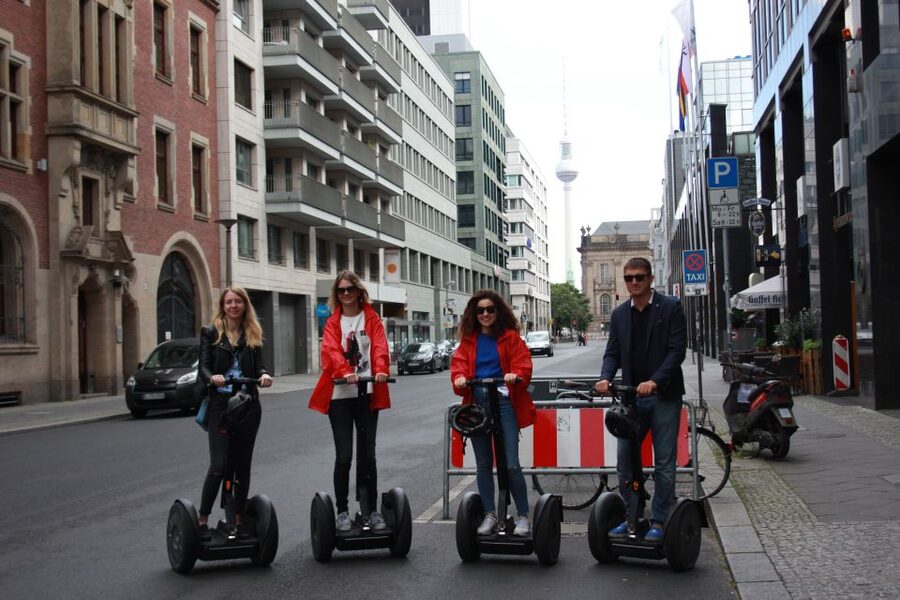
This is where the Segway earns its keep. Berlin’s central sights are spread out. On foot, you can spend much of a day moving from one district to the next. The personal transporter covers more ground while keeping you outdoors and close to the street.
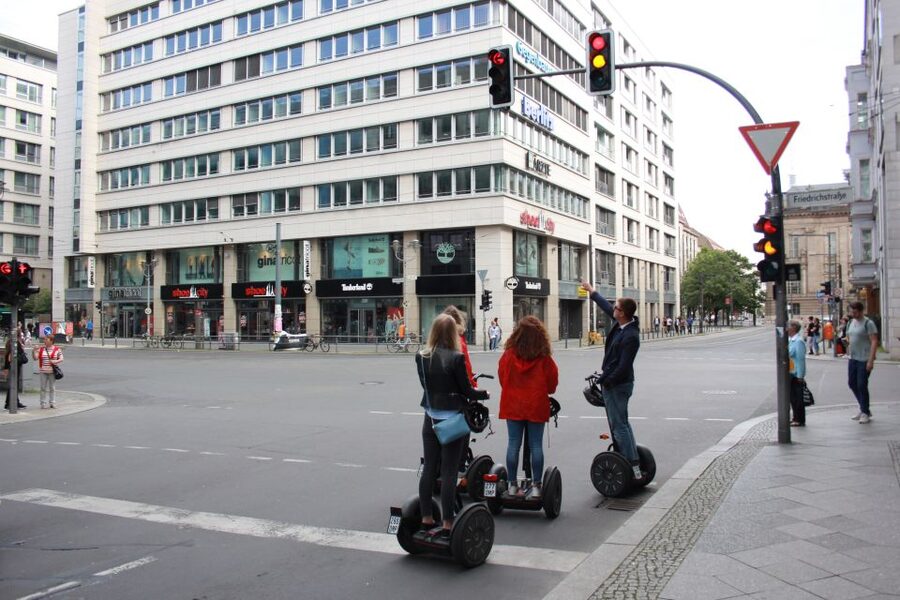
The downside is that city riding requires attention. You need to listen to the guide, watch your route, and stay aware of traffic and other people. A past rider felt safe because the guide managed the traffic carefully, but you should still be comfortable operating the Segway in an urban setting.
Karl-Marx-Allee and the wider Berlin story
Karl-Marx-Allee is one of the more distinctive parts of the route. Its broad socialist-era boulevard reflects East Germany’s vision of monumental public housing and planned urban life. It is not as instantly recognizable as Brandenburg Gate, but it gives the tour more substance.
I especially like that the route is not limited to postcard sights. A tour that only visits the Reichstag, Brandenburg Gate, and Berlin Cathedral would give you a polished central snapshot. Adding Karl-Marx-Allee shows how ideology shaped the city beyond the old royal center.
The boulevard also demonstrates why a Segway is practical. Its scale is difficult to appreciate from a short walk between two nearby monuments. Riding along it lets you see the distance, width, and visual order of the avenue in a way that photographs do not always convey.
Berlin Cathedral, the main station, and the River Spree
Berlin Cathedral is another major highlight. Its large dome and riverside position make it one of the city’s most recognizable buildings. The route also passes Berlin’s enormous central train station, described as the largest train station in Europe.
The train station is a useful reminder that Berlin is not only a museum of old buildings. It is also a modern transport center, built to connect the reunited city. Seeing it alongside the cathedral and historic districts gives you a broad view of how old and new Berlin sit beside each other.
The precise order of stops can change, and you should check the departure details when booking. The route includes many sights, but time at each one depends on traffic, the group’s pace, and the guide’s approach.
How the guides shape the experience
A good guide makes this tour much more than a ride between photo stops. Eishan was praised for covering many places while adding history and stories. Nachi received similar praise for helping the group get a feel for Berlin rather than simply naming buildings.
Vincent was remembered for knowing the main sights and adding random facts. One past group of only two people found the experience felt almost private, with plenty of stops for photos and discussion. Small groups can make a real difference here, especially if you want to ask why a place matters rather than simply hear its name.
The tour also has a practical human side. One guide drove back with a rider for more than two kilometers after a phone was left at a landmark restroom. That is not something you should count on, but it reflects the kind of personal attention a small group can allow.
The main criticism is fair: one rider wanted more detailed explanations at the stops. If you prefer long, scholarly talks, this may feel light. If you want a clear overview with stories and time to keep moving, the format should work well.
Winter weather, comfort, and pace
You can take the tour in cold weather. A January group rode in freezing conditions but still enjoyed the experience, partly because they were not walking the whole way. Warm vests, gloves, and raincoats are available, but dress for the forecast rather than relying only on supplied gear.
Three hours on a Segway is active, even if it feels easier than walking the same distance. Comfortable shoes matter. You also need enough balance and focus to operate the machine for the whole outing.
Spring, summer, and early autumn should offer more comfortable conditions, but the tour runs in different types of weather. Rain protection is included, which gives you some flexibility. If conditions are especially poor, check the operator’s current arrangements before setting out.
Is $100 a fair price?
At $100 per person, this is a premium sightseeing activity. You are paying for three hours, a live guide, equipment, safety practice, helmets, and the ability to cover a large part of central Berlin without arranging several separate transfers.
I think the price makes the most sense on a first visit, especially if you have limited time. You can use the tour to mark places for later visits, then return to the Holocaust Memorial, Berlin Cathedral, Checkpoint Charlie, or a museum with more time.
The value is weaker if you already know central Berlin well or prefer to explore slowly. Food and drinks are not included, and the tour does not replace admission tickets to sights. Still, the combination of transport and guiding gives it more value than a simple equipment rental.
Who should book this Berlin Segway tour?
I would recommend it to adults and older teenagers who want a fast introduction to Berlin and are comfortable learning a new vehicle. It suits couples, small groups of friends, and families with members aged 15 or older who meet the license and weight rules.
It is also a strong choice for someone arriving in Berlin and wanting orientation on the first day. Inês took the tour right after arrival and found that it helped with understanding the city. That is good timing advice: use the ride early, then revisit the places that catch your interest.
I would hesitate if you want long museum visits, detailed architectural study, or a completely traffic-free outing. The tour is active, outdoors, and broad rather than slow and deeply focused.
FAQ
How long is the Berlin Segway tour?
The tour lasts three hours.
Where does the tour meet?
You meet at Robot City.
What languages are available?
The live guide speaks English or German.
How many people can join the tour?
The group is limited to 10 participants.
What famous sights are included?
The route includes Brandenburg Gate, the Holocaust Memorial, Checkpoint Charlie, Gendarmenmarkt, Berlin Palace, Nikolaiviertel, Rotes Rathaus, Hackescher Markt, Alexanderplatz, Berlin Cathedral, the German Chancellery, the Reichstag, Karl-Marx-Allee, and Berlin’s central train station.
Is practice time included?
Yes. You receive practice time on the Segway before the tour begins.
What equipment is provided?
Helmets are provided, along with raincoats, gloves, and warm vests for different weather conditions.
What are the age and weight requirements?
You must be at least 15 years old and weigh between 45 and 118 kilograms.
Do I need a license?
Yes. You need a valid driver’s license or moped certification.
Should you book it?
Book this tour if you want to see a large portion of central Berlin in three hours and enjoy the idea of gliding between major sights instead of walking everywhere. The best reasons to choose it are the broad route, patient safety training, small groups, and guides such as Eishan, Morgan, Vincent, and Mike, who have been praised for adding stories and personal attention.
Skip it if you want a slow, highly detailed study of each monument or if riding in city traffic makes you uneasy. At $100, it needs to fit your style of sightseeing. For a first look at Berlin, especially early in your stay, it offers a useful mix of history, fresh air, and a surprisingly efficient way to get your bearings.
Just added around Berlin
- Berlin: Private Guided Tour of the Main Sights★ 5.0 · 13 reviews
- Private Highlights of Berlin Bike Tour★ 5.0 · 13 reviews
- Tour in Berlin from Warnemünde and Rostock Cruise Port★ 4.1 · 13 reviews
- Modern Berlin Private Walking Tour: Diverse, Vibrant and Exciting German Capital★ 5.0 · 13 reviews
- Berlin: Stasi Museum Private Guided Tour with Entry Ticket★ 4.8 · 13 reviews
- Private Food Tour Experience with a born and bred Berliner★ 5.0 · 14 reviews
- Berlin: Rheinsberg Palace Entrance Ticket★ 4.8 · 14 reviews
- Berlin in one day – day tour with an expert guide★ 5.0 · 14 reviews
Segway & Scooter Tours, compared.
Heidelberg & Neckar Valley: Segway Tour – 360 Degrees
Read our review →
Munich 3-Hour Segway Tour: Nazi Munich & Royal Architecture
Read our review →
Browse the lists this tour appears in