Reviewed · GUIDED
Public guided tour: Production of “wood-cased pencils”
Pencils have a surprisingly busy life. At Faber-Castell’s headquarters in Stein, Bavaria, you follow a pencil from raw wood-cased blank through stamping, dipping, and sharpening. I like the clear, hands-on look at production and the fact that the tour shows a real modern plant rather than only display cases. I also like the strong value at $12, especially with a souvenir included.
The main point to consider is walking. Parts of the site are historic and not barrier-free, so you should expect long distances and wear sturdy shoes. The tour is also offered in English or German, but you should confirm your preferred language and starting time when booking.
In This Review
- Key points at a glance
- Why a simple pencil makes a good factory tour
- Starting at the Faber-Castell Visitor Center
- Following the pencil through the factory
- The raw pencil line
- Stamping
- Dipping
- Sharpening
- What makes the two-hour length worthwhile
- A family-friendly look at everyday design
- The castle store discount and included souvenir
- Practical matters before you book
- Is $12 a fair price?
- Who should book this Faber-Castell tour?
- Should you book it?
- FAQ
- Where does the wood-cased pencil tour begin?
- Where does the tour end?
- How long does the guided factory tour last?
- What production steps can I see?
- Is the tour available in English?
- How much does the tour cost?
- Is a souvenir included?
- Does the tour include a store discount?
- Is the site barrier-free?
Key points at a glance
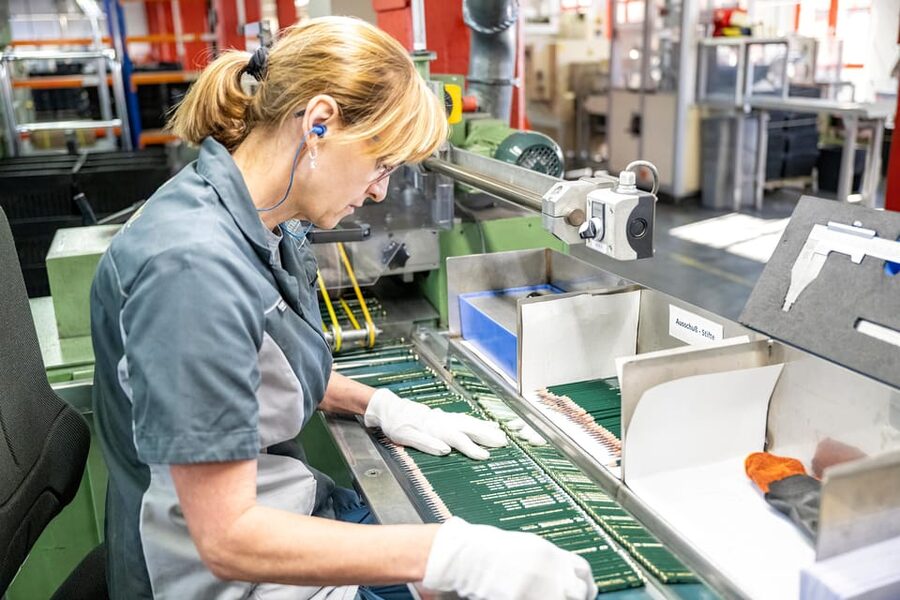
- More than 500,000 pencils are made daily: The sheer scale gives the factory tour real substance.
- You follow the complete pencil journey: The route covers the raw pencil line, stamping, dipping, and sharpening.
- The tour lasts about two hours: That is long enough to explain the process without turning the visit into a quick peek.
- Children can enjoy it too: The explanations are practical and easy to connect with, making this a good family option.
- A souvenir is included: You leave with a small reminder of the visit rather than only photographs.
- The castle store offers 15 percent off: The discount applies on the day of your tour from Monday through Friday.
Why a simple pencil makes a good factory tour
A pencil looks ordinary until you break down how it is made. This tour gives you a chance to see the separate steps that turn prepared materials into a finished writing tool.
Faber-Castell produces more than 500,000 wood-cased pencils every day at its Stein headquarters. That number matters because you are not looking at a small demonstration set up only for tours. You are seeing the setting of a large-scale working operation.
I find that this kind of tour works best when the object is familiar. You already know what a pencil does, so each stage has a clear purpose. You can understand why the pencil needs a wooden casing, how its outer finish changes its appearance, and why sharpening comes at the end rather than the beginning.
The tour also gives you a better sense of the difference between a pencil and a colored pencil or crayon. The production path includes stamping and dipping, and you can watch the item move through several stages before it is ready for use.
The experience is not built around a single dramatic machine or a theatrical presentation. Its appeal is more practical. You get a close look at a product used by schoolchildren, artists, offices, and households around the world.
A few more tours and experiences worth a look
- Berlin: Reichstag, Dome and Government District Guided Tour
★ 4.7 · 18,288 reviews - Dresden: Semperoper Tickets and Guided Tour
★ 4.7 · 12,102 reviews - Berlin: Government District around the Reichstag Guided Tour
★ 4.7 · 8,447 reviews
Starting at the Faber-Castell Visitor Center
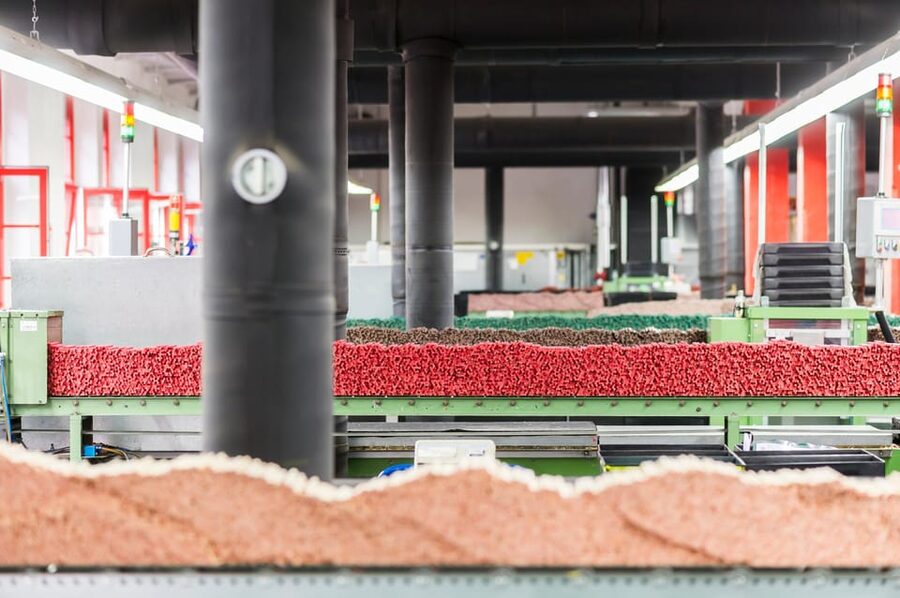
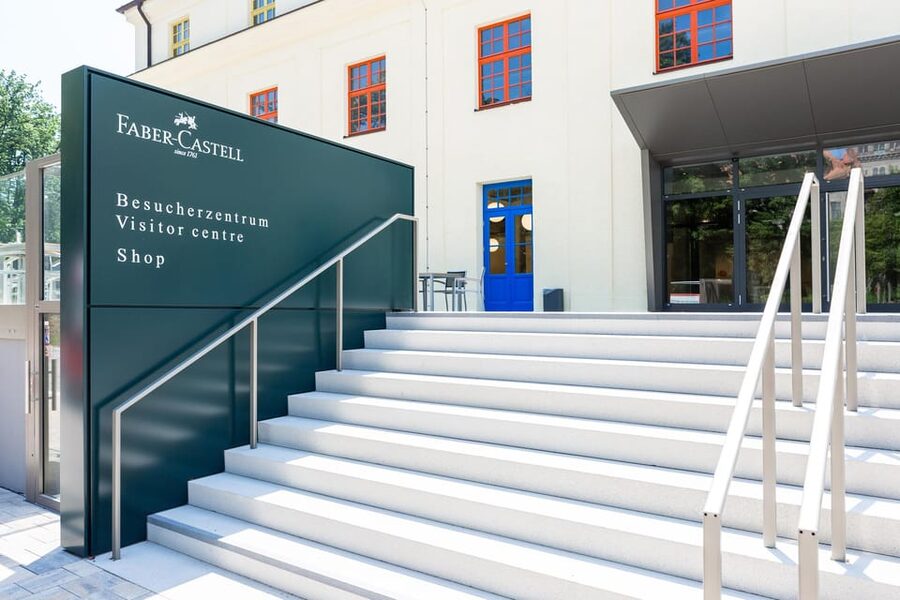
Your visit begins at the Faber-Castell Visitor Center, where booking is required. Arrive ready for a guided visit rather than a self-paced museum stop. The activity begins and ends at this same meeting point.
The location is part of a larger Faber-Castell visitor program that includes the company’s castle, the Old Mine museum, and other special tours. This particular activity focuses on wood-cased pencil production, so you should not assume that the two-hour ticket includes every attraction at the headquarters.
The tour is listed with the Old Mine Faber-Castell as a stop, but the subject is the production of wood-cased pencils in the modern plant. That distinction is useful when planning your day. If you want to see the castle or museum as well, treat those as separate parts of a Faber-Castell visit unless your booking specifically says otherwise.
Starting times vary. You need to check availability for the date you want, and the tour requires advance booking. Since the walk can be long, use the start of the visit to get comfortable with your shoes and keep your attention on the guide’s instructions.
Following the pencil through the factory
The heart of the experience is the guided route through production. Instead of hearing only a general company story, you follow the pencil as it passes through several distinct stages.
The raw pencil line
The first step is the raw pencil line. This is where you begin to see that a finished pencil is the result of several prepared parts and carefully ordered tasks.
The value here is sequence. Your guide can show you where the pencil begins and how it changes as it moves through the plant. You are not simply shown a completed object and asked to imagine the process. You watch the item progress.
This part should appeal to anyone who likes manufacturing, design, or practical engineering. It also gives children something concrete to follow. They can watch the pencil move from one stage to another and understand that a familiar school supply does not appear fully formed.
Something different for another day:
- Berlin: 1-Hour City Tour by Boat with Guaranteed Seating
★ 4.3 · 16,993 reviews - Hamburg: Sex and Crime in St. Pauli Tour for Ages 18+
★ 4.7 · 15,447 reviews - Hamburg: 1.5-Hour Harbor and Speicherstadt Day Cruise
★ 4.6 · 14,200 reviews - From Munich: Neuschwanstein & Linderhof Castle Full-Day Trip
★ 4.5 · 12,494 reviews
Stamping
Next comes stamping. This is the stage that gives a pencil its printed identity, and it helps explain how a plain wooden object becomes a recognizable branded product.
The guide’s explanation matters here because the process can look simple at first glance. A pencil may carry a brand name, color code, or other markings, but those details require a controlled production step. Seeing the work in context helps you notice the information you usually ignore.
I especially like this part for visitors who enjoy small details. A pencil is not just wood around graphite or coloring material. Its outside finish communicates what it is and how it should be used.
Dipping
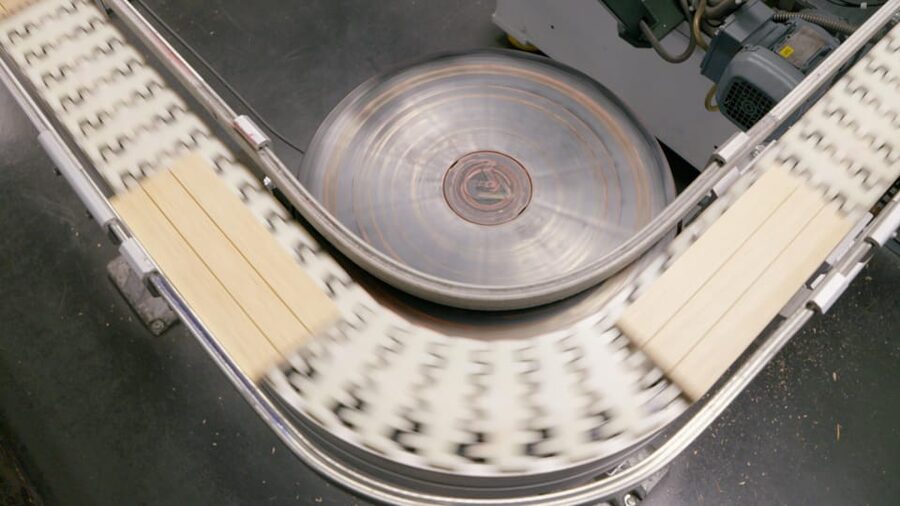
The dipping stage adds another visible change. The pencil receives its outer color or coating, turning a largely unfinished item into something closer to the object you recognize from a desk or pencil case.
This is one of the easiest stages for children to understand because the transformation is obvious. A pencil changes appearance in front of you. The same step also shows why a factory tour can be more satisfying than a product display. In a shop, you see dozens of finished pencils. Here, you see how the finish is applied.
The tour includes pencils and crayons, so you may see how related products share parts of the production journey while still requiring different treatments. The supplied information does not specify the exact machinery or formulas used, and the guide will provide the details available during your visit.
Sharpening
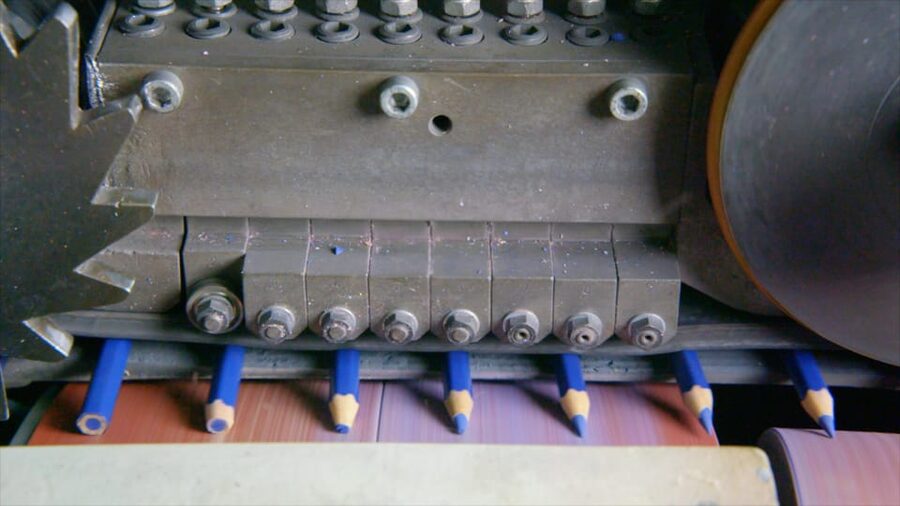
Sharpening completes the route. This step takes the prepared pencil and brings it closer to the form you would buy and use.
It is a fitting final stage because sharpening is the moment when the pencil becomes ready for its first mark. You can connect the factory process directly to everyday use. The point is no longer an abstract manufacturing detail. It is the part that lets you write or draw.
By the end of the route, you have followed the pencil from raw production through its outer treatment and finishing work. That full sequence is the main reason to choose this tour instead of a short company presentation.
What makes the two-hour length worthwhile
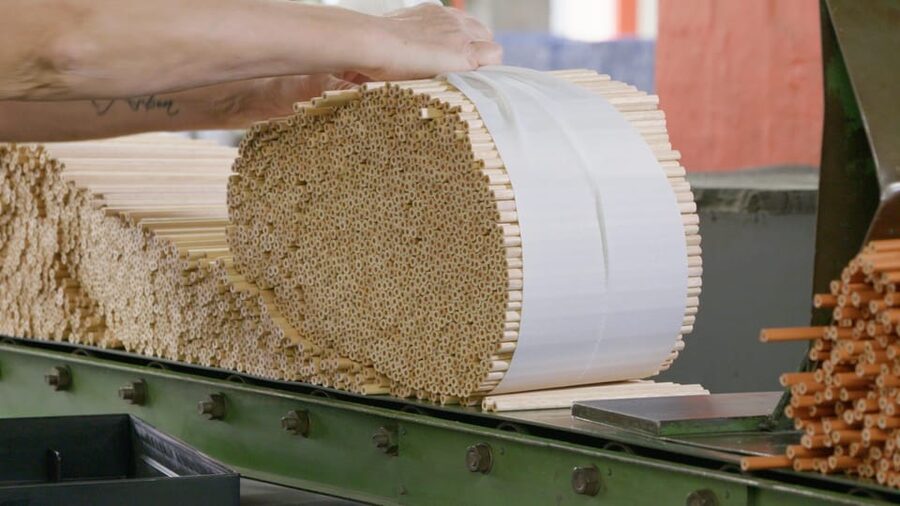
Two hours is a useful amount of time for this subject. A shorter visit might show you a machine or two, but it would have less room to explain the whole journey.
The stated duration is approximately two hours, so you should allow flexibility around the exact finish time. A guided plant visit can take longer or shorter depending on the day’s operation and the group’s questions.
I like the length because it supports an actual explanation of the process. The tour has enough time to move through the raw pencil line, stamping, dipping, and sharpening without reducing everything to a quick glance.
The drawback is that two hours can feel long if you have little interest in how products are made. This is not a castle walk with constant changes of scenery. It is a focused visit built around one object and its production stages.
For families, the length can work well if children like making things or asking how objects work. The available feedback gives this point extra weight: the tour was praised as interesting and specifically recommended for children. Still, younger children may need help staying focused during the more technical explanations.
A family-friendly look at everyday design
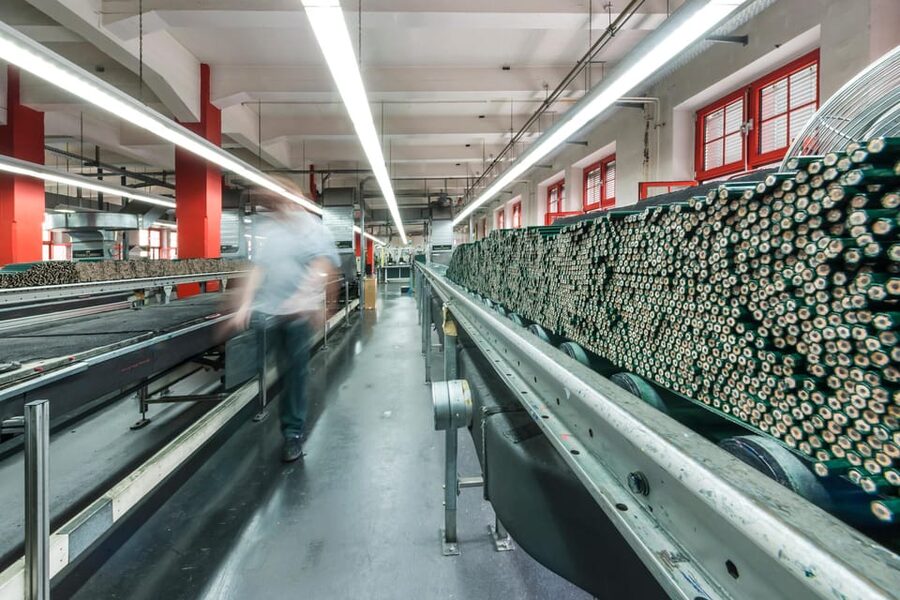
The tour has a natural advantage with children because pencils are familiar. A child does not need prior knowledge of industrial production to understand the basic story.
I would choose this activity for a family looking for something beyond standard sightseeing. It gives children a real-world example of design, materials, sequence, and finishing. They can see how a tool used at school begins as a set of production steps.
The positive feedback is consistent on two points: the tour is interesting, and it leaves you with a lot to take away. Those comments suggest that the experience is not merely a photo opportunity. It offers enough information to feel worthwhile after you leave.
Adults can enjoy the same features for different reasons. You may be interested in manufacturing, brand design, German companies, or the way a familiar product is made at scale. The factory’s daily output of more than 500,000 wood-cased pencils adds a strong sense of scale to the visit.
I would not choose it solely because you like shopping for stationery. The store discount is useful, but the main attraction is the guided production route.
The castle store discount and included souvenir
Your ticket includes a souvenir, which adds a small but welcome extra. You do not leave with only a memory of the factory. The exact souvenir is not specified, so do not book the tour expecting a particular product.
From Monday through Friday, you also receive 15 percent off in the store at the castle on the day of your tour. This can improve the value if you already plan to buy Faber-Castell products or want a practical memento.
The discount should not be the sole reason to book. At $12 per person, the base price is already reasonable for a two-hour guided activity. The store benefit is best treated as a bonus.
Because the discount is tied to the tour day and weekday schedule, check those conditions before planning a shopping stop. The available information does not state that the discount applies on weekends, so I would not count on it outside Monday through Friday.
The wider Faber-Castell site includes the castle and Old Mine museum, so the store may fit naturally into a larger visit. Just keep in mind that the production tour, castle, and museum are presented as distinct sightseeing options.
Practical matters before you book
The tour is available in English and German. When you check dates, confirm the language offered at your chosen time rather than assuming every departure includes both languages.
Free cancellation is available up to 24 hours before the tour for a full refund. You can also reserve now and pay later, which helps if your Bavaria plans are still changing.
The meeting point is the Faber-Castell Visitor Center. The tour returns there at the end, so you do not need to arrange a separate pickup point or figure out a one-way route through the site.
Accessibility requires careful planning. Some parts of the premises are historic and not barrier-free, and the tour involves long distances on foot. Wear sturdy shoes, and consider this limitation seriously if you have mobility concerns.
The tour is guided, not an audio route. That means you can listen to explanations in real time, but the experience depends on the guide and the language of the scheduled departure. The supplied information does not give a group size or identify individual guides, so you should not expect a particular guide by name.
Is $12 a fair price?
Yes, I consider $12 per person a strong price for this activity. You receive about two hours of guided access to a working production setting, a souvenir, and a possible 15 percent castle store discount on weekdays.
The value comes from the complete process. A quick factory look would be less compelling, but this route follows the pencil through several stages: raw pencil line, stamping, dipping, and sharpening.
The price is especially fair for families because the experience can serve both adults and children. It is educational without requiring a formal interest in industrial technology.
Your value calculation changes if you only want to see the castle or shop. The production tour is not a substitute for a castle visit, and the discount is limited to the store at the castle on the tour day from Monday through Friday.
I would also factor in time. The two-hour commitment is worthwhile if you enjoy process-focused sightseeing. If your schedule is tight and you want only the main Faber-Castell landmarks, you may prefer to choose among the site’s other sightseeing options.
Who should book this Faber-Castell tour?
I would recommend it to:
- Families with children who like making things or asking how objects work
- Anyone interested in manufacturing and product design
- Pencil, crayon, drawing, and stationery fans
- Visitors who want an activity beyond historic buildings
- Travelers looking for a reasonably priced guided experience in Bavaria
- People who appreciate seeing a familiar object made at large scale
I would be more cautious if you cannot walk long distances or need a fully barrier-free route. The historic parts of the premises are not barrier-free, and sturdy footwear is specifically advised.
I would also skip it if you dislike factory tours or prefer a quiet, self-guided museum visit. The appeal depends on following a structured explanation of production rather than wandering at your own pace.
Should you book it?
Book this tour if you want to understand how a familiar pencil moves from raw production to finished product. The strongest reasons are the full two-hour route, the daily output of more than 500,000 pencils, the included souvenir, and the clear family appeal.
The experience is practical rather than flashy. That is its strength. You get a useful look at the raw pencil line, stamping, dipping, and sharpening, with enough time to see how the stages connect.
Before booking, check the language, starting time, walking requirements, and whether the weekday store discount fits your plans. If those details work for you, $12 buys a focused and worthwhile visit to one of Bavaria’s best-known pencil-making headquarters.
FAQ
Where does the wood-cased pencil tour begin?
The tour begins at the Faber-Castell Visitor Center in Stein, Bavaria. Booking is required.
Where does the tour end?
The activity ends back at the Faber-Castell Visitor Center, the same place where it begins.
How long does the guided factory tour last?
The tour lasts approximately two hours. Starting times vary, so check availability for your chosen date.
What production steps can I see?
The tour follows the pencil through the raw pencil line, stamping, dipping, and sharpening.
Is the tour available in English?
Yes. Live guided tours are offered in English and German. Confirm the language when checking available times.
How much does the tour cost?
The listed price is $12 per person.
Is a souvenir included?
Yes. The ticket includes a souvenir, though the specific item is not stated.
Does the tour include a store discount?
Yes. You receive 15 percent off in the store at the castle on the day of your tour from Monday through Friday.
Is the site barrier-free?
Some parts of the historic premises are not barrier-free. The tour may involve long distances on foot, so sturdy shoes are recommended.
Just added around Germany
- St George’s Culinary Food Tour★ 5.0 · 3 reviews
- Castle Braunfels Day Trip from Frankfurt★ 5.0 · 3 reviews
- Discover Hamburg: Private Walking Tour★ 5.0 · 3 reviews
- Whodunnit – Interactive city walk in Düsseldorf★ 4.5 · 3 reviews
- Discover Dusseldorf’s most Photogenic Spots with a Local★ 5.0 · 3 reviews
- Kreuzberg Private Walking Tour: Immigrants, Artists & Hipsters★ 5.0 · 3 reviews
- Private Photo Tour in Kreuzberg★ 5.0 · 3 reviews
- Dusseldorf Private Walking Tour With A Professional Guide★ 4.5 · 3 reviews
Guided, compared.
Reichstag, Dome and Government District Guided Tour
Read our review →

Government District around the Reichstag Guided Tour
Read our review →